
Jun 12
Sort of. What you are describing is cohesion--the Common Closure Principle. "Only the OrderProcessing Module should deal with Orders."
But within a given well defined component or module, what do we DRY up and what do we leave WET?
You are correct that DRY has nothing to do with not duplicating code blocks for the sake of not duplicating code. DRY is "Don't repeat **business rules**". For example, let's take two 2 use-cases within a payroll module:
1. Automated weekly payroll processing
2. Manual processing of a single check on employee termination.
Both use-cases need to calculate payroll taxes. We don't want to duplicate this logic, we create a PayrollCalculator component that is consumed by both use-cases. When tax laws change, we don't want to have to remember to change both. There are significant government penalties for a bug in this calculation.
For the shared "Repository" query or LINQ specification Dave is discussing...
Let's say within our inventory component we have 2 use-cases:
1. Receive stock
2. Adjust on hand quantity.
Both need to read in the item from the database and both need to update the quanitity. At first, the sql might be exact for both use-cases. Many devs exclaim "DRY!" and make a shared abstraction that does the SQL work and use it in both use-cases. A workflow change in 10 years that requires a tweak to the SQL for use-case 1 now breaks use-case 2. Let each use-case have it's own SQL. There is more harm in trying to share the SQL than writing it twice (or 3 or 4 times).
It's nuanced and more art than science. This is why AI isn't replacing Engineers. AI does't understand any of this. It will either duplicate everything, or if you tell it to use "DRY", duplicate nothing and share everything. Both extremes cause problems long term.
13

Jun 8
Transparency is key in logistics! 🚚🔍 Here are the crucial timestamps companies track for smooth #OrderProcessing:
1. Order Received
2. Payment Confirmed
3. Packed & Ready
4. Quality Check Passed
5. Shipped
How are your processes measuring up? 📦✨ #3PL #ecommercefulfilment

17

26 Dec 2025
Real production, real workflows, and real orders moving out.
#CJdropshipping #CJWarehouse #ProductionCenter #SupplyChain #EcommerceInfrastructure #WarehouseOperations #ProductionLine #OrderProcessing #BehindTheScenes #EcommerceBusiness #GlobalFulfillment
2
487
24 Nov 2025
A quick look at CJ’s outbound workflow — just a usual busy shipping day.
#ecommerce #dropshipping #onlinebusiness #cjwarehouse #cjdropshipping #warehouselife #dailyworkflow #shippingday #orderprocessing #behindthework #productionline #ecomoperations
1
1
2
226

10 Nov 2025
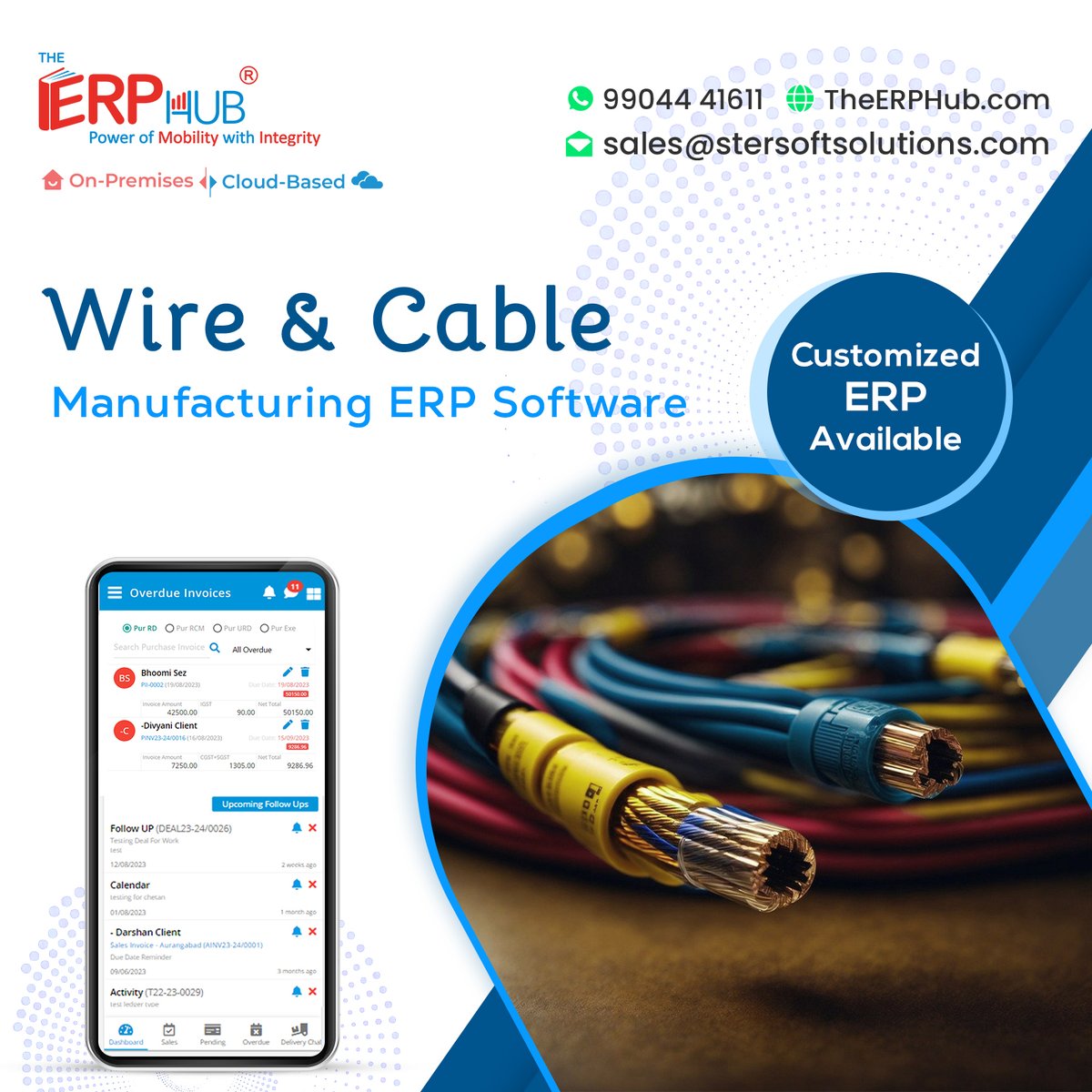
Power Up Your Wire & Cable Manufacturing with the Customized ERP!
#wireandcablemanufacturing #productiontracking #inventorymanagement #orderprocessing #allinoneerp #smarterp #customizederp #erpsoftware #clouderpsoftware #TheERPHub #StersoftSolutions #vadodara
2
14

10 Nov 2025
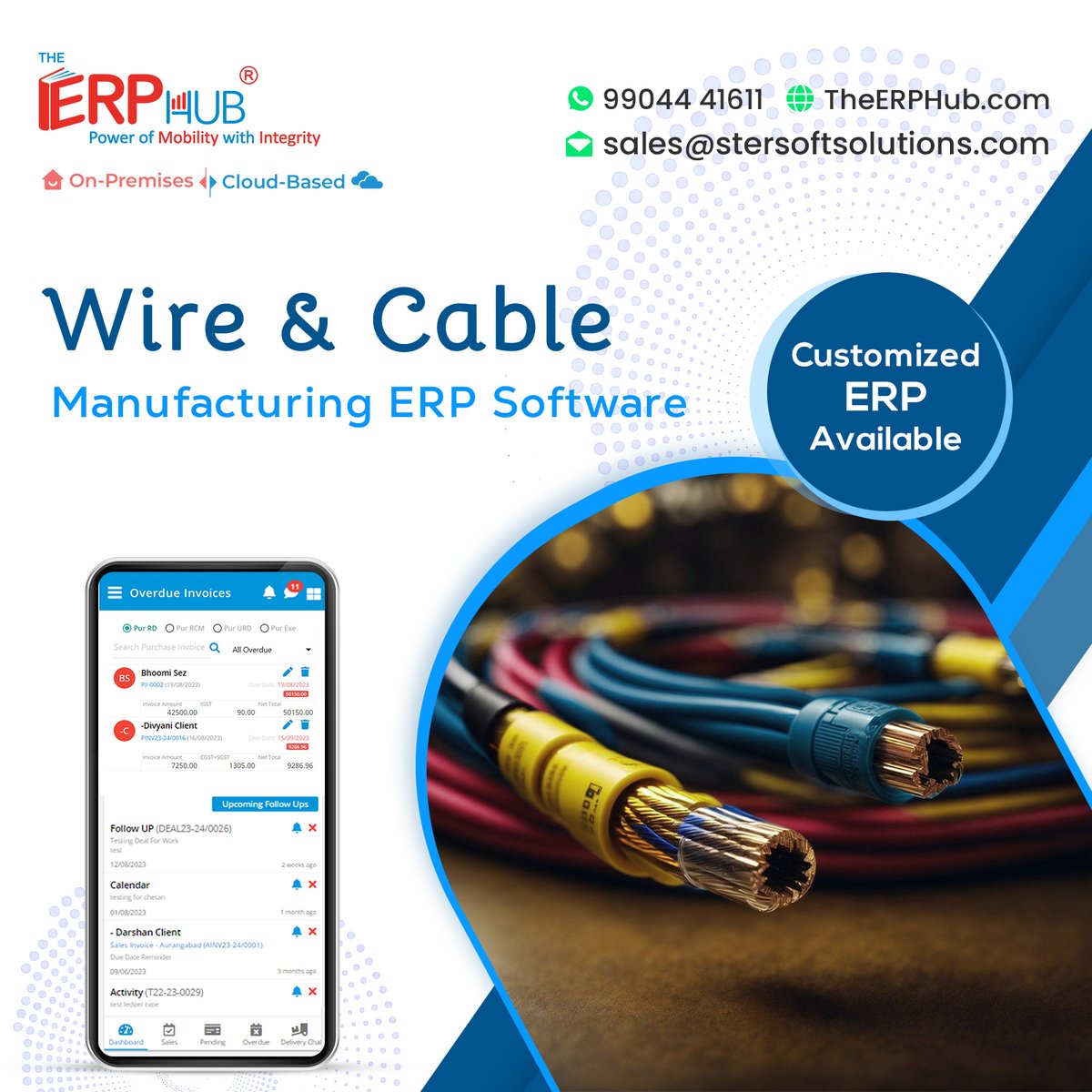
Power Up Your Wire & Cable Manufacturing with the Customized ERP!
#wireandcablemanufacturing #productiontracking #inventorymanagement #orderprocessing #allinoneerp #smarterp #customizederp #erpsoftware #clouderpsoftware #TheERPHub #StersoftSolutions #vadodara
2
17

📦 Learn how to process orders on EasyEcom using an HHT device!
➡️ Login
➡️ Assign picker
➡️ Scan bin & serial no.
➡️ Complete order ✅
– By Incirco Academy | Incirco Ventures LLP
#EasyEcom #OrderProcessing #WarehouseTraining #EcommerceOperations
2
113
📦 Handling bulk B2B orders?
EasyEcom makes it simple:
✅ Upload CSV / Add via UI
✅ Auto-fetch GST & address
✅ Faster order creation 🚀
– By Incirco Academy | Incirco Ventures LLP
#B2BCommerce #EasyEcom #OrderProcessing #BulkOrders #EcommerceTraining
1
3
40
Boost warehouse efficiency with EasyEcom! 📦
Assign pickers, scan bins & confirm orders seamlessly via HHT devices. Faster, smarter order fulfillment!
#EasyEcom #WarehouseManagement #OrderProcessing #IncircoAcademy
2
15

16 May 2025
Growing businesses need solutions that scale with them. Gravity Software’s sales order processing tools help streamline operations and drive business success. bit.ly/4cLGHVn
#SmartBusiness #Gravity #OrderProcessing #CloudTech #GrowWithGravity
5
71
14 May 2025
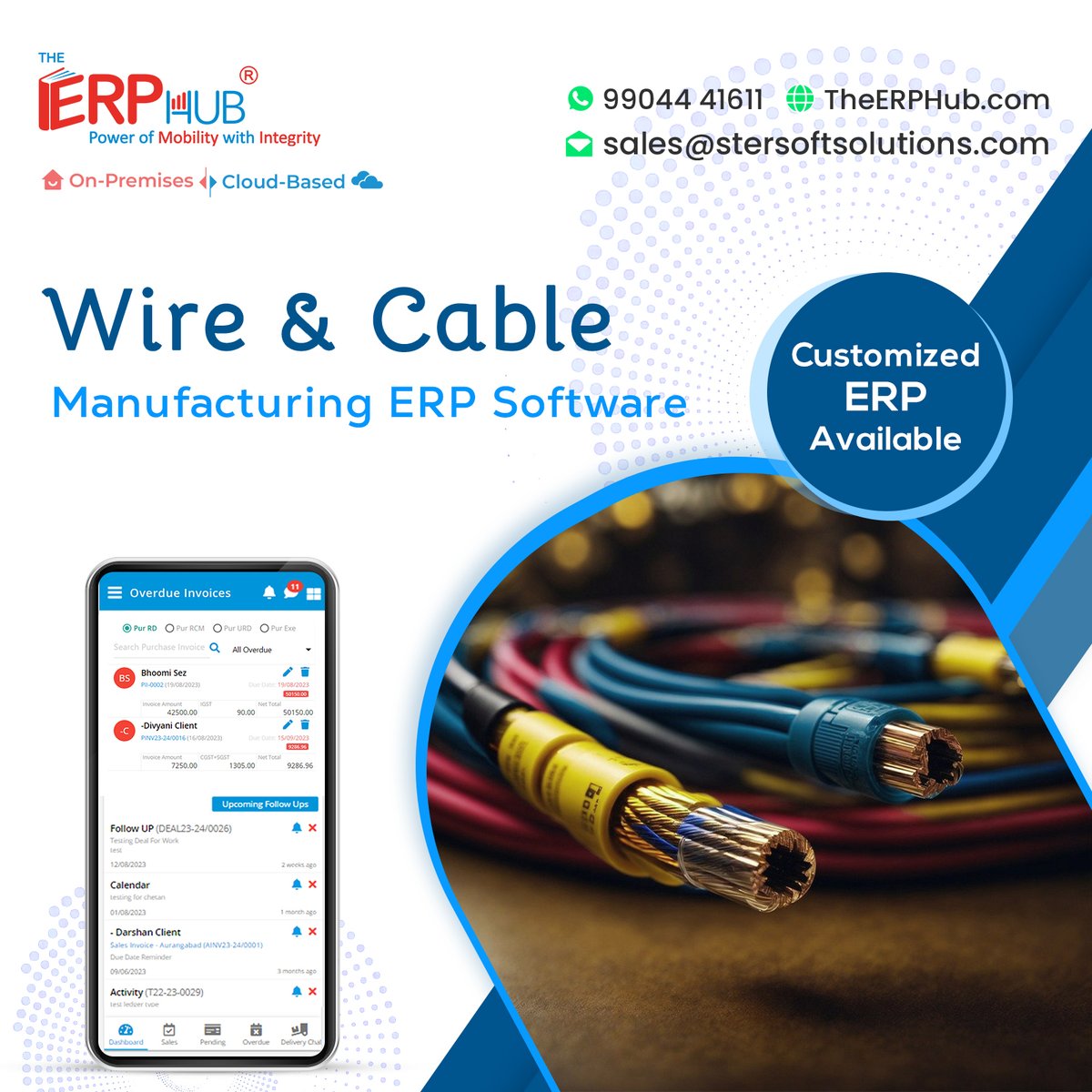
Power Up Your Wire & Cable Manufacturing with the Custom ERP!
#wireandcablemanufacturing #customerp #productiontracking #inventorymanagement #orderprocessing #manufacturingsolutions #erpsoftware #clouderpsoftware #TheERPHub #StersoftSolutions #vadodara
3
38
14 May 2025
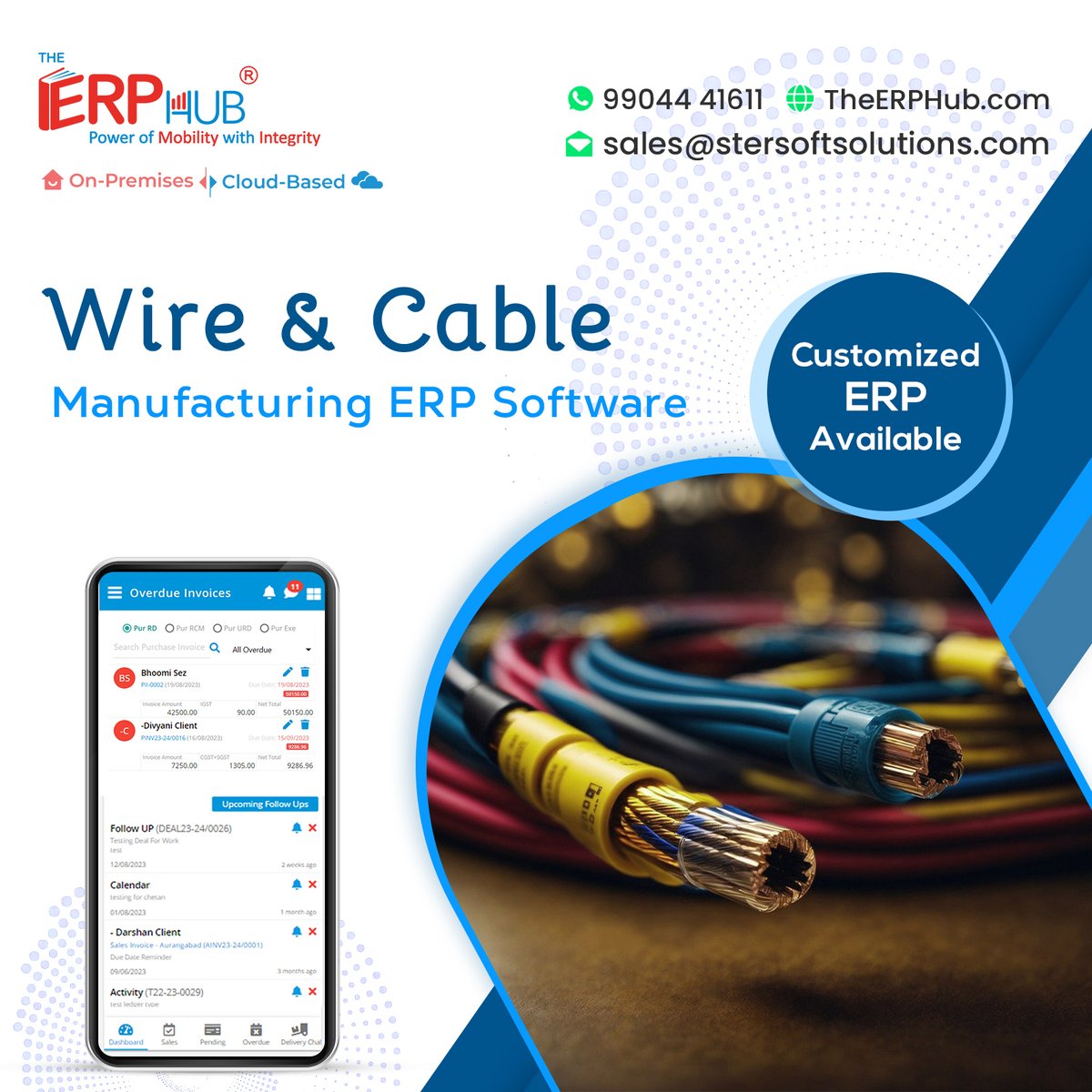
Power Up Your Wire & Cable Manufacturing with the Custom ERP!
#wireandcablemanufacturing #customerp #productiontracking #inventorymanagement #orderprocessing #manufacturingsolutions #erpsoftware #clouderpsoftware #TheERPHub #StersoftSolutions #vadodara
3
36

6 May 2025
📦 We're breaking down why a contact center should sit at the heart of your supply chain. From order processing to product recall management, see how the right support transforms disruption into opportunity.
answernet.com/contact-center…
#SupplyChain #OrderProcessing #ProductRecall
1
3
21

15 Apr 2025
⏳ Still entering orders by hand in SAP? There’s a better way. See how automation transforms your processes 👉 artsyltech.com/s/ops
#QuickTipsfromArtsyl #ArtsylTech #Artsyl #SAP #SAPERP #SAPAutomation #OrderProcessing #DigitalTransformation #BusinessAutomation #AI
1
1
2
38

12 Apr 2025
Gravity Software’s sales order processing tools are designed to help you handle orders efficiently and accurately. Check out our solution today. bit.ly/4j7KL4u
#OrderProcessing #BusinessTech #GoGravity #CloudAccounting
4
27

7 Apr 2025
👟 Whether you're shipping out the latest drop or restocking your bestsellers, AMCO delivers seamless, scalable #ECommerceFulfilment.
Speak to an expert today – Let’s grow your brand, together.
📞 44(0)1905 758 000
🔗 okt.to/irVYPu
#OrderProcessing #Warehousing
1
43

22 Jan 2025
At @citytechsoft, we build robust solutions to ensure your #ecommerce and #ERPSystems work in harmony:
• Custom #API endpoints for data sync
• Real-time #inventorymanagement integration
• Automated #orderprocessing workflows
citytechcorp.com/contact-us/
#nopCommerce #ERPIntegration

2
2
46

27 Dec 2024
Streamline your sales process and boost efficiency with Gravity Software! 📈💼 Discover how our sales order processing solution can transform your business bit.ly/40d6hhj
#SalesSoftware #BusinessEfficiency #OrderProcessing #JustSayGo #SalesOrder
4
15

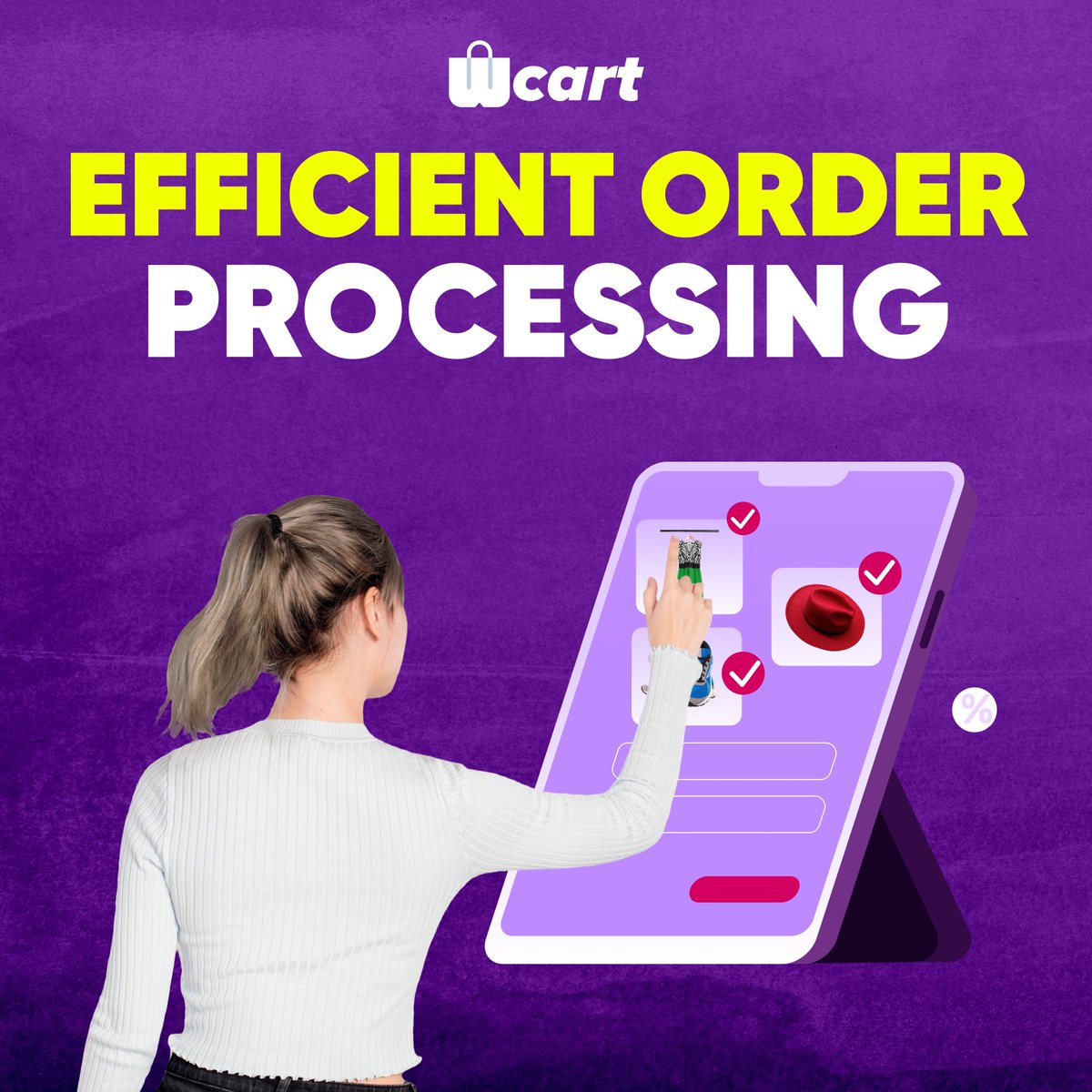
Streamline your orders and boost your business! 🛒
Efficient tools make processing faster, customers happier, and your growth unstoppable.
Start now: wcart.io/
#ecommerce #orderprocessing #onlinesuccess #smallbusinessgrowth #ecommercehacks #efficiencyiskey
1
1
8

12 Oct 2024
The Game-Changer for E-commerce Entrepreneurs You Didn't Know You Needed
blog.allaffiliatecash.com/bl…
#EcommerceFulfillment #LogisticsSolutions #OrderProcessing #ShippingMadeEasy #CustomerSatisfaction #BusinessGrowth

1
2
12