
17 Dec 2025
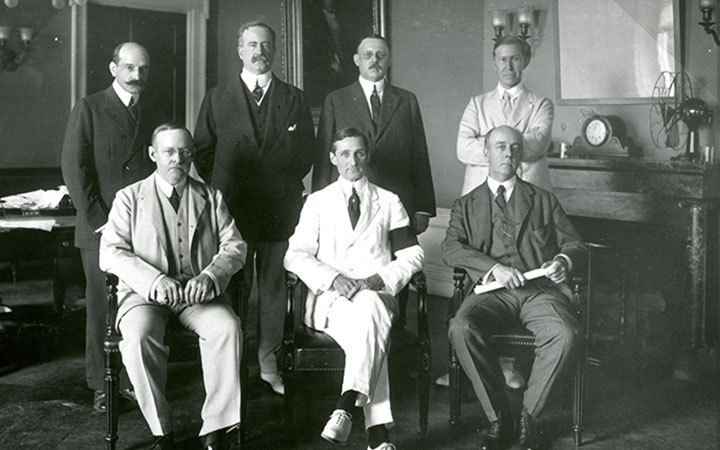
In 1910, America feared one thing above all else: financial panic.
So a small group of powerful men boarded a train at night—using fake names.
youtube.com/shorts/tTnBXYQCL…
#JekyllIsland #PanicOf1907 #FederalReserve #FinancialHistory

3
23

🗓️ On This Day – November 28, 1907
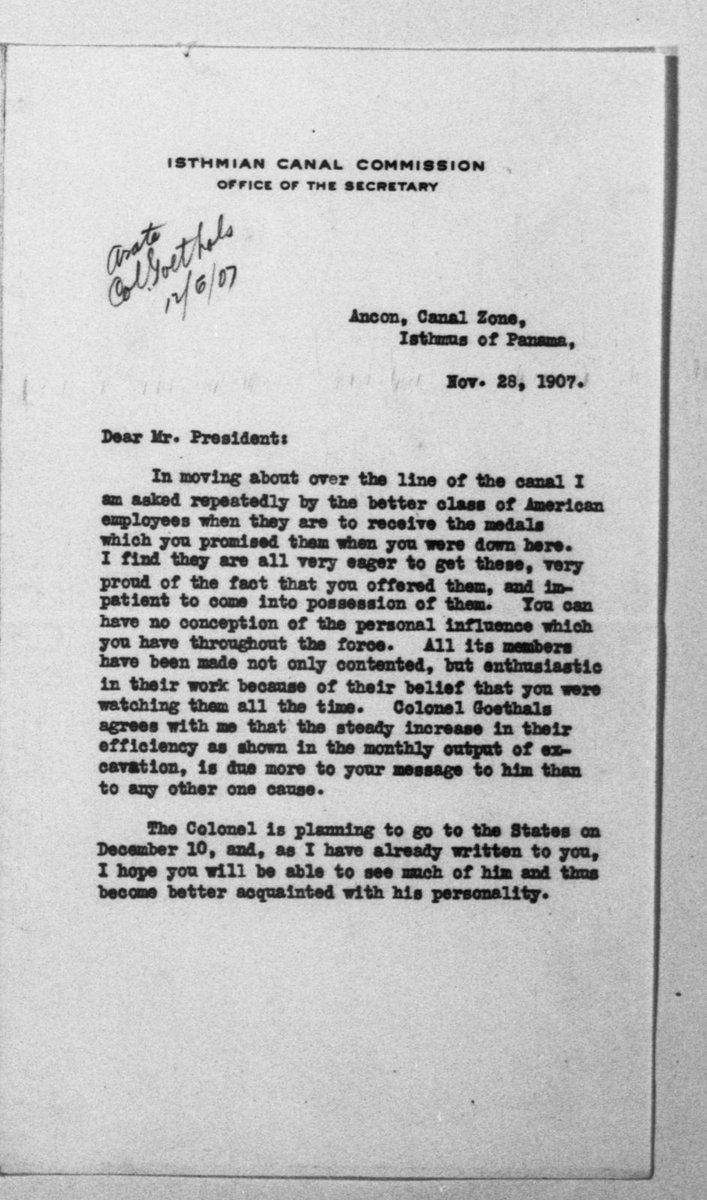
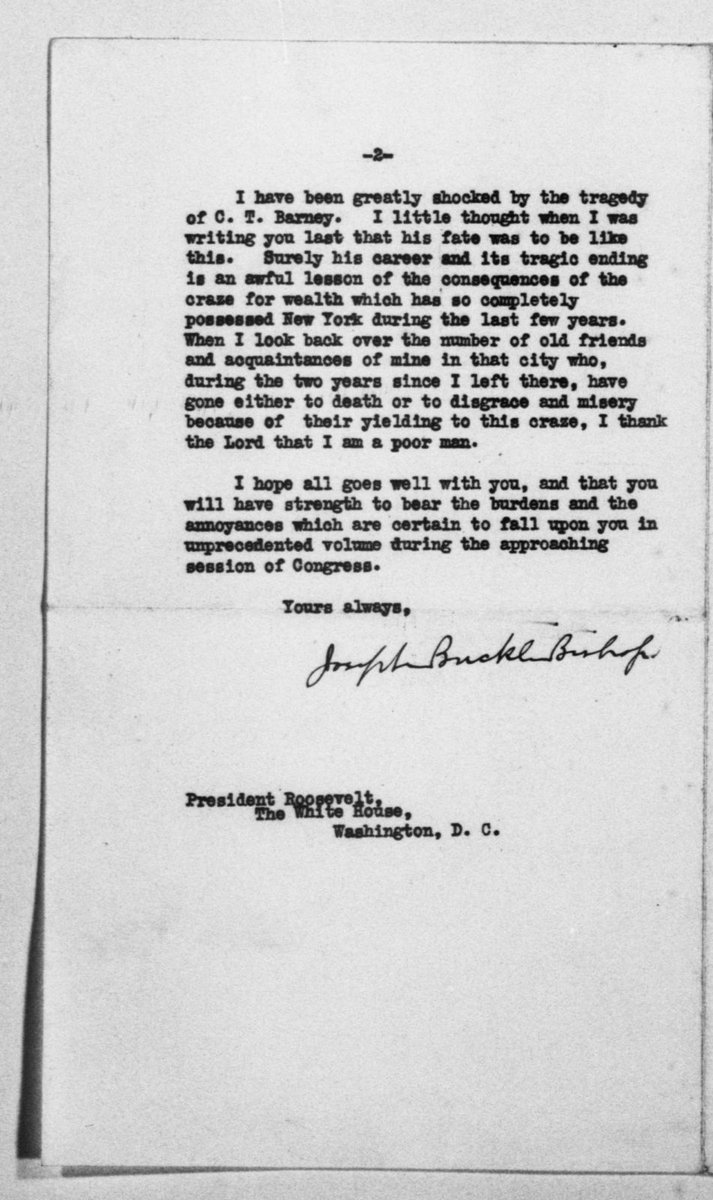
As the dust settled from the Panic of 1907, Roosevelt’s close ally Joseph Bucklin Bishop wrote him a heartfelt letter reflecting on the tragic suicide of financier C.T. Barney:
“Surely his career and its tragic ending is an awful lesson of the consequences of the craze for wealth which has so completely possessed New York…”
Barney, president of the Knickerbocker Trust Company, had been forced out in disgrace after his firm’s collapse helped trigger the financial crisis. Two weeks later, he died by suicide.
To Bishop—and to Roosevelt—Barney’s fate was more than personal tragedy. It was a moral indictment of a system consumed by greed and speculation. Bishop, a journalist, reformer, and executive secretary of the Panama Canal Commission, was a trusted voice in Roosevelt’s circle. He wrote:
“When I look back… I thank the Lord that I am a poor man.”
For Roosevelt and his allies, the panic wasn’t just a financial crisis — it was a crisis of values. One that demanded not just regulation, but reflection.
#OTD #PanicOf1907 #TheodoreRoosevelt #TRoosevelt #CTBarney #JosephBucklinBishop #ProgressiveEra #WallStreet #HistoryMatters #AmericanHistory #MoralLeadership #GildedAge
4
285
🗓️ On This Day – November 23, 1907
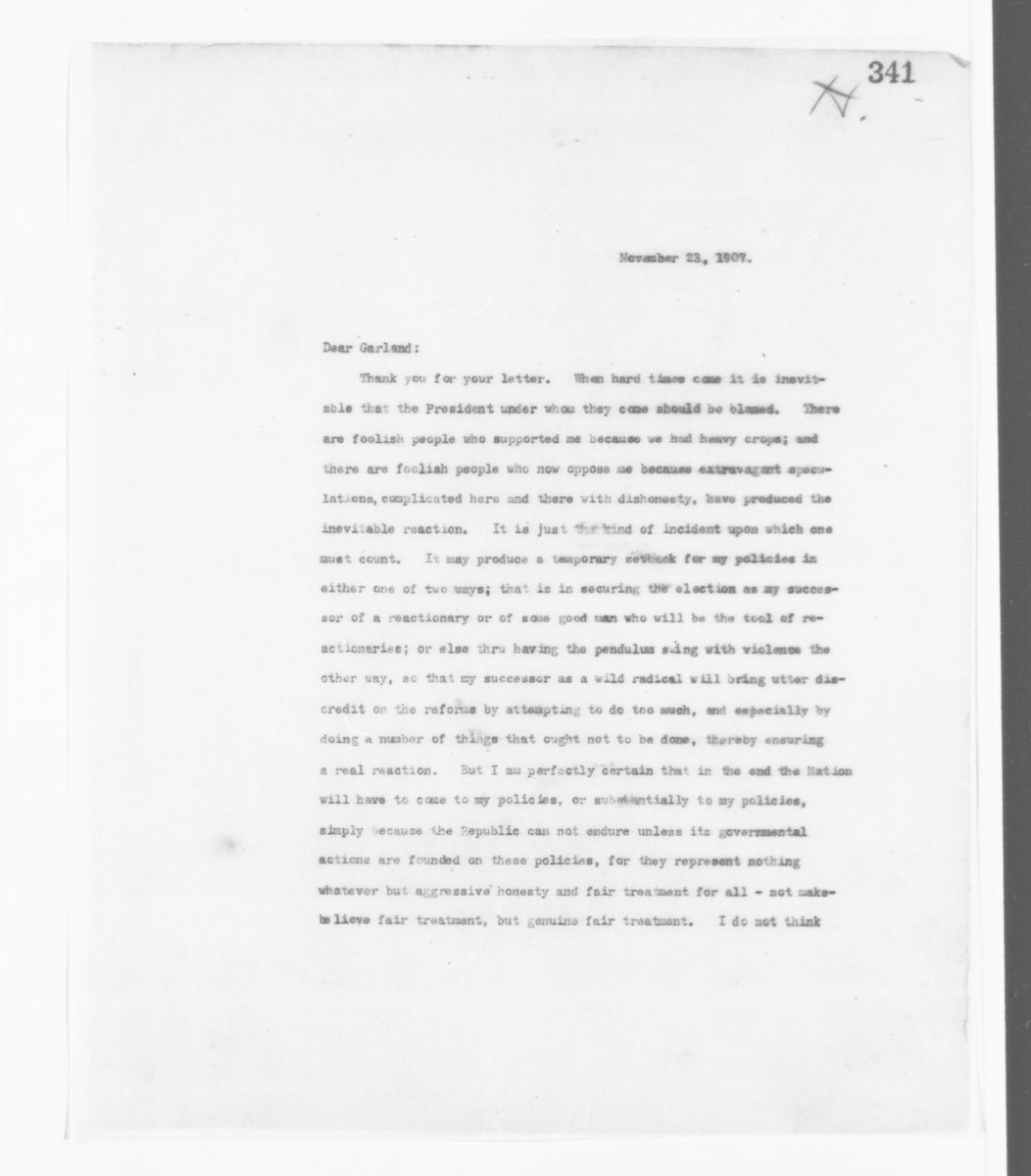
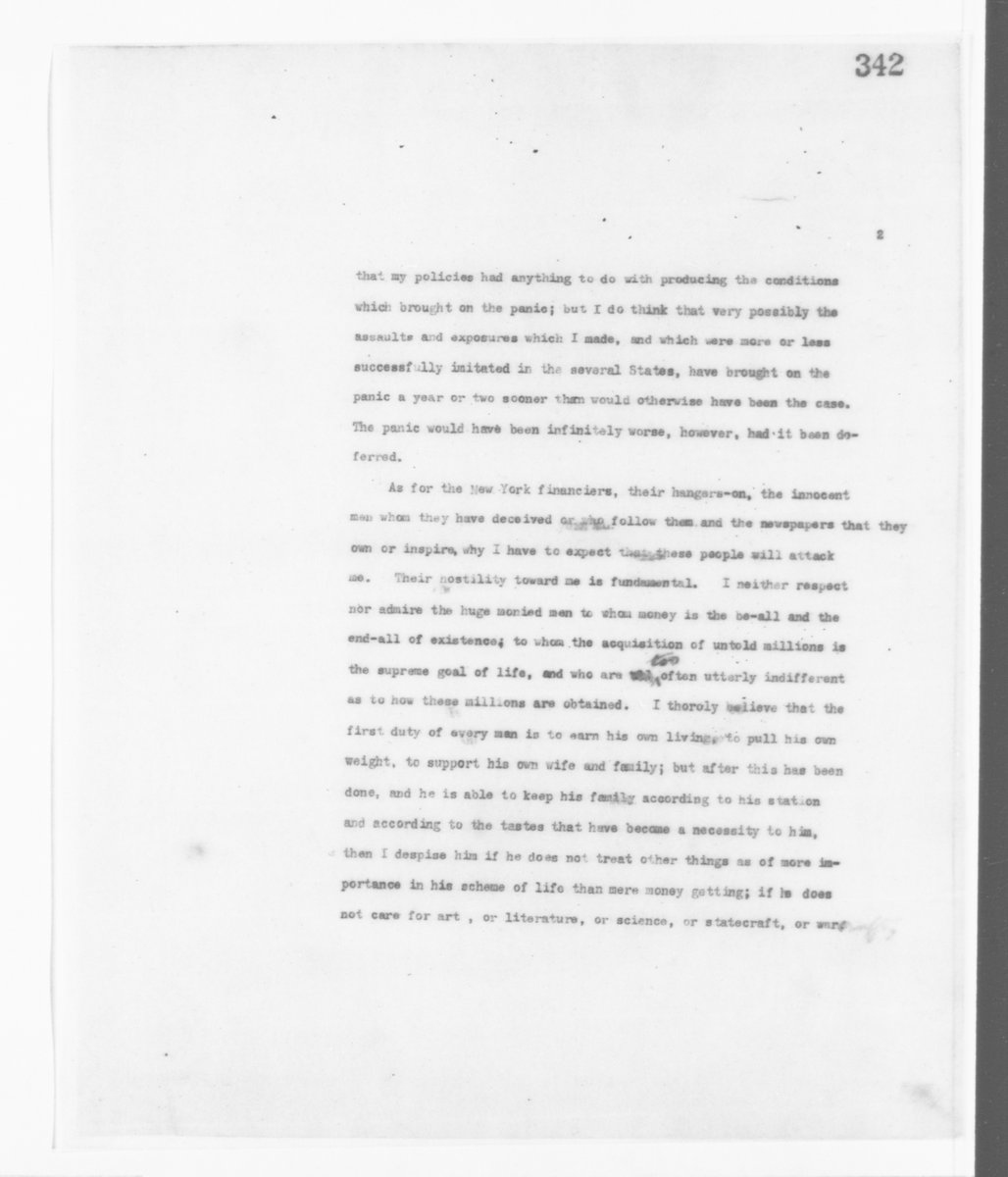
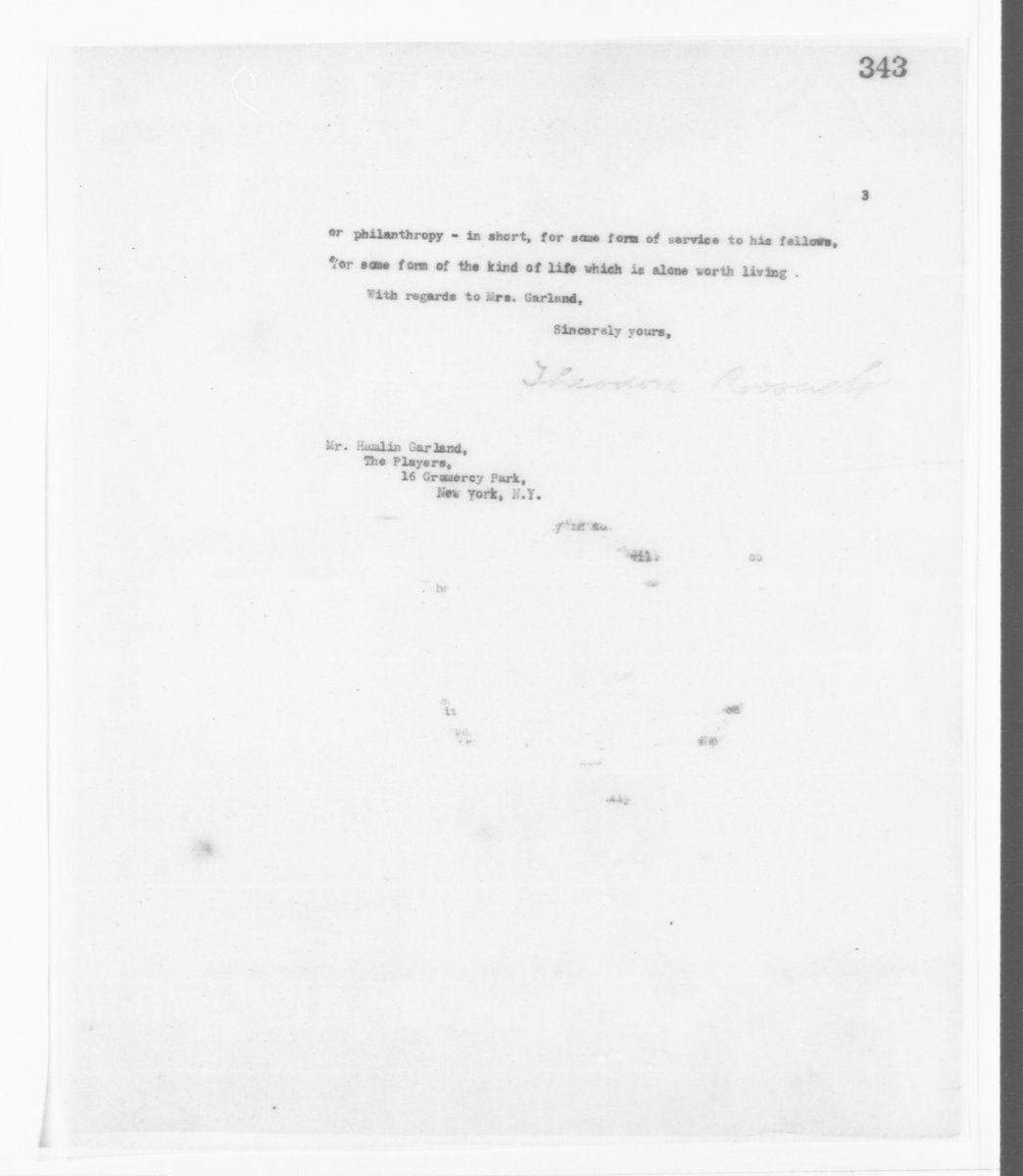
As the Panic of 1907 rattled Wall Street and the nation’s banks, President Theodore Roosevelt sat down to write a letter to his friend, the writer and reformer Hamlin Garland.
His message? He wasn’t backing down.
📜 “I neither respect nor admire the huge modern men to whom money is the be-all and the end-all of existence; to whom the acquisition of untold millions is the supreme goal of life, and who are often utterly indifferent as to how these millions are obtained.”
At a time when economic elites were accusing him of causing the panic through his trust-busting policies, Roosevelt doubled down on his belief that public good must come before private profit.
👤 Who was Hamlin Garland?
Garland was a Pulitzer Prize-winning author and outspoken advocate of progressive reform. A Midwestern son of farmers, he brought the struggles of rural Americans to national attention. His friendship with Roosevelt was rooted in shared ideals — fairness, reform, and the moral responsibility of the powerful.
💥 Roosevelt’s note to Garland wasn’t just a personal reflection. It was a clear signal: He wouldn’t be intimidated by Wall Street, and he wouldn’t soften his stance on corruption, monopolies, or inequality.
#TRoosevelt #OTD #TheodoreRoosevelt #HamlinGarland #PanicOf1907 #ProgressiveEra #PresidentialHistory #TrustBusting #AmericanHistory #WallStreet #Muckraker #HistoryMatters
4
214
🧾 On This Day – November 9, 1907
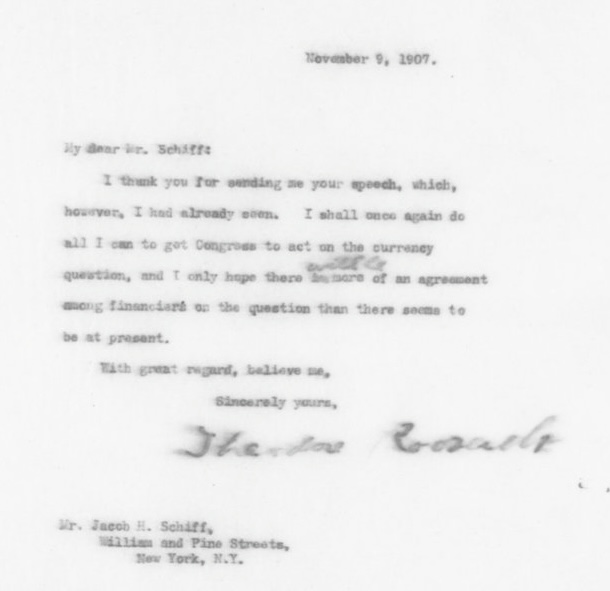
As the Panic of 1907 rattled the U.S. economy, President Theodore Roosevelt wrote to financier Jacob Schiff, thanking him for sharing a speech on the “currency question”—a national debate over how to fix America’s broken financial system.
Roosevelt had just watched banks fail, credit markets freeze, and public confidence nearly collapse. While J.P. Morgan helped stabilize the system in the short term, Roosevelt was already focused on long-term reform. He believed the country needed a more flexible and equitable currency system—one that didn’t just serve Eastern banks, but worked for farmers, merchants, and small-town bankers across the nation.
The “currency question” was about more than money—it was about fairness, national resilience, and modernization. Roosevelt called on Congress to create a system “automatic and open to all sound banks,” where seasonal shortages wouldn’t spark financial panic, and regional disparities could be reduced.
This moment marked Roosevelt’s deeper turn into financial reform. He wasn’t an economist—but he understood that a strong country needed more than muscle and willpower. It needed stable money, modern laws, and national coordination.
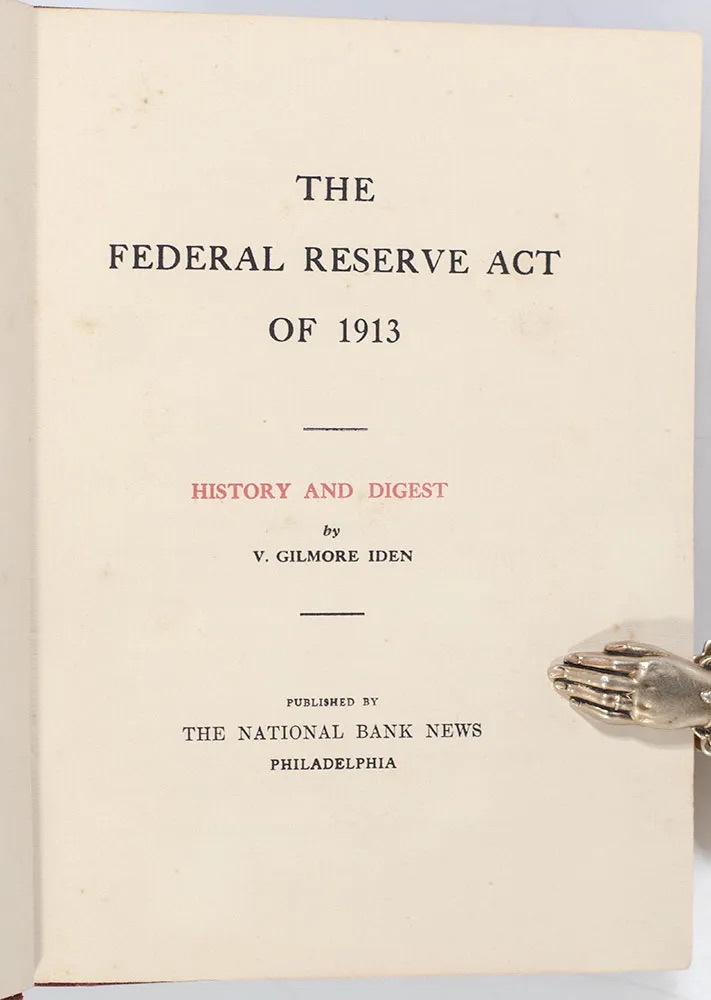
Just over a year later, the groundwork he laid would help lead to the Aldrich-Vreeland Act, a key stepping stone toward the creation of the Federal Reserve in 1913.
#TRoosevelt #OTD #PanicOf1907 #CurrencyQuestion #USHistory #FinancialReform #ProgressiveEra #TheodoreRoosevelt #FederalReserve #PresidentialHistory
2
3
362
📅 On This Day – November 3, 1907
Roosevelt Makes a Call to Stop a Crisis
The stock market was in freefall. Panic rippled through Wall Street. Banks teetered. One of the largest brokerages was on the brink of collapse — and with it, the confidence of the American public.
President Theodore Roosevelt was no friend to monopolies. He had built his reputation by challenging the power of trusts. But on this day, he faced a different kind of threat: a financial meltdown.
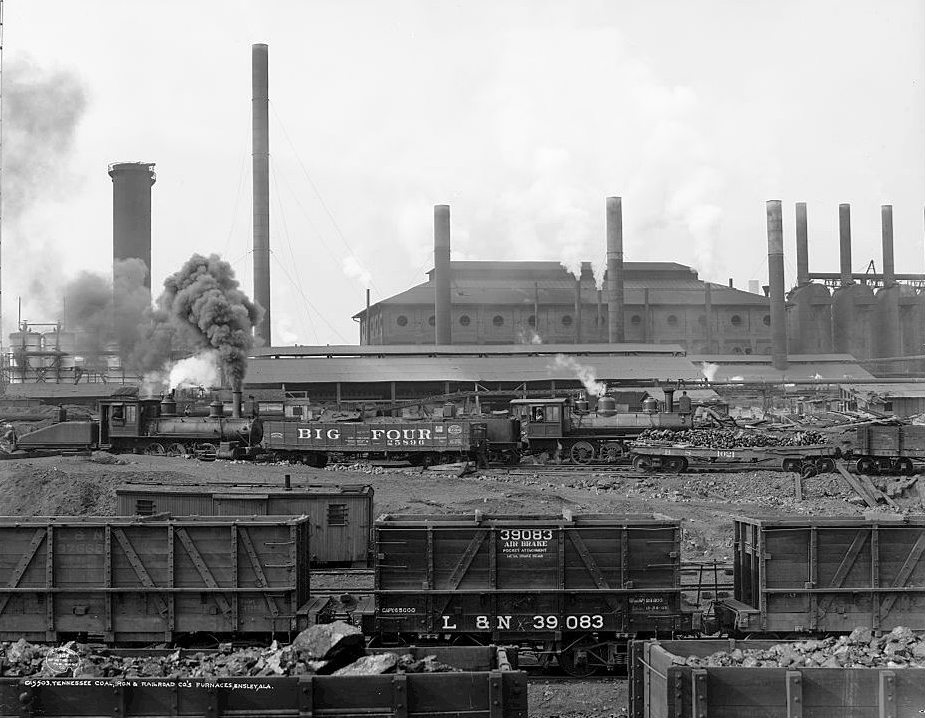
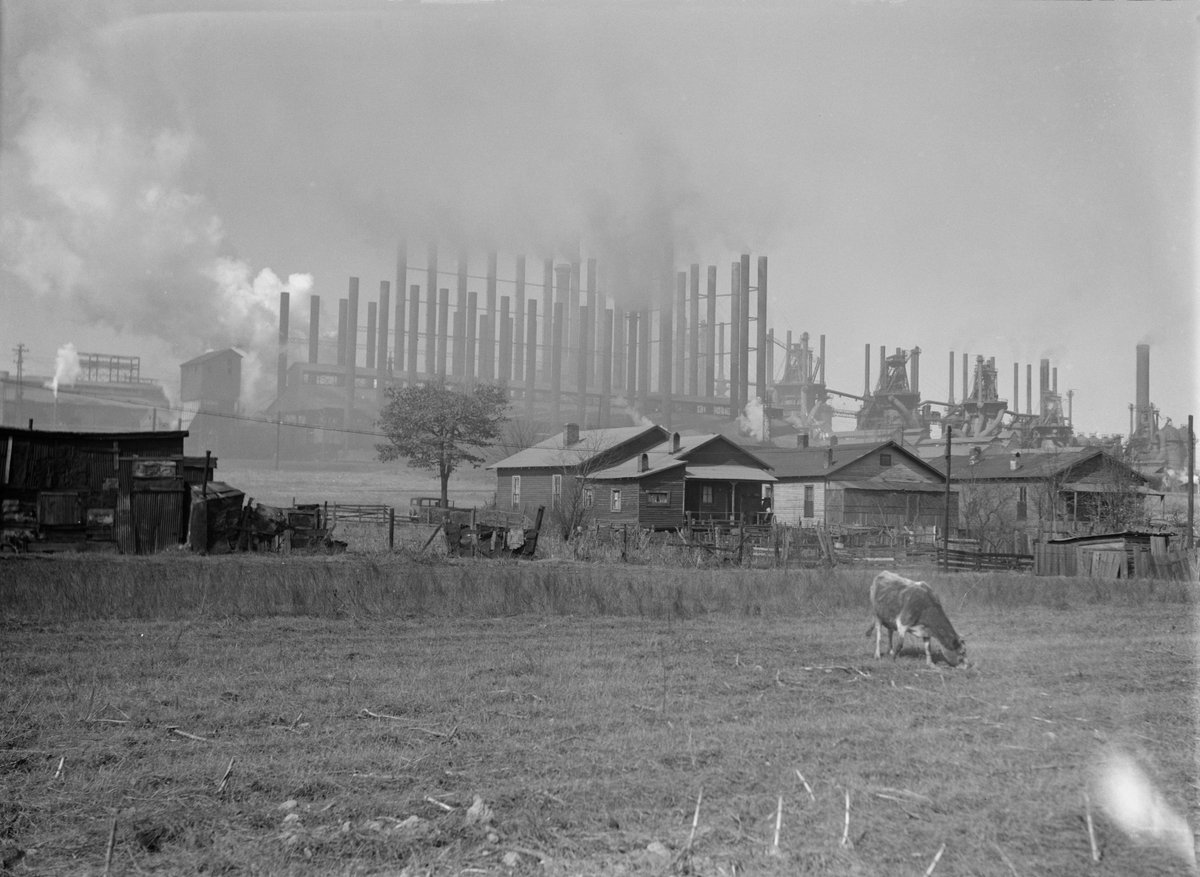
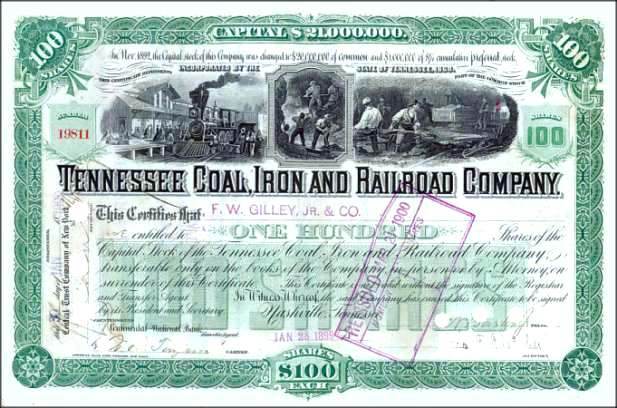
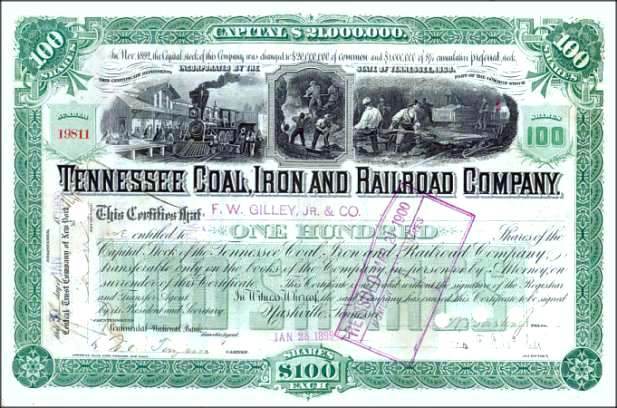
To stop the collapse, financiers proposed a solution: allow U.S. Steel, already the largest corporation in the country, to acquire a struggling rival — the Tennessee Coal, Iron and Railroad Company. The deal would stabilize markets, restore investor confidence, and keep the panic from spiraling.
But it would also make U.S. Steel even bigger.
Roosevelt didn’t hesitate. He approved the deal — not because he favored monopoly, but because he believed bold action was needed to protect the greater good. As he later explained, he made the decision “not as a matter of favoritism but as a matter of national emergency.”
In that moment, Roosevelt showed what it means to lead in crisis: to weigh risk, act quickly, and put country over ideology.
#OnThisDay #TRPL #TheodoreRoosevelt #PanicOf1907 #USSteel #LeadershipInCrisis #TrustBusting #StrenuousLife #InTheArena
4
7
290
📉🏛️ On This Day – October 22 1907 🏛️📉
Roosevelt and the Panic of 1907
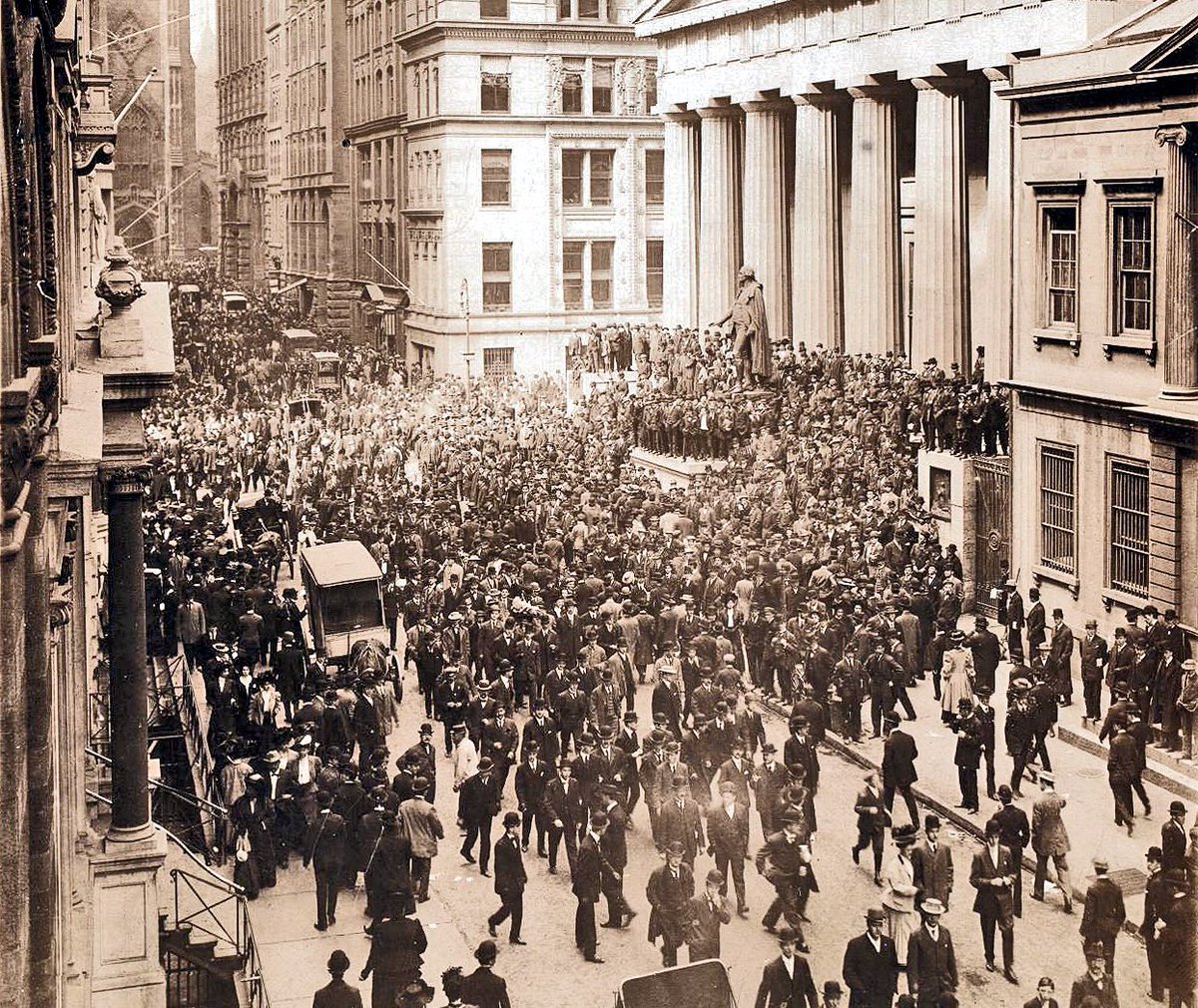
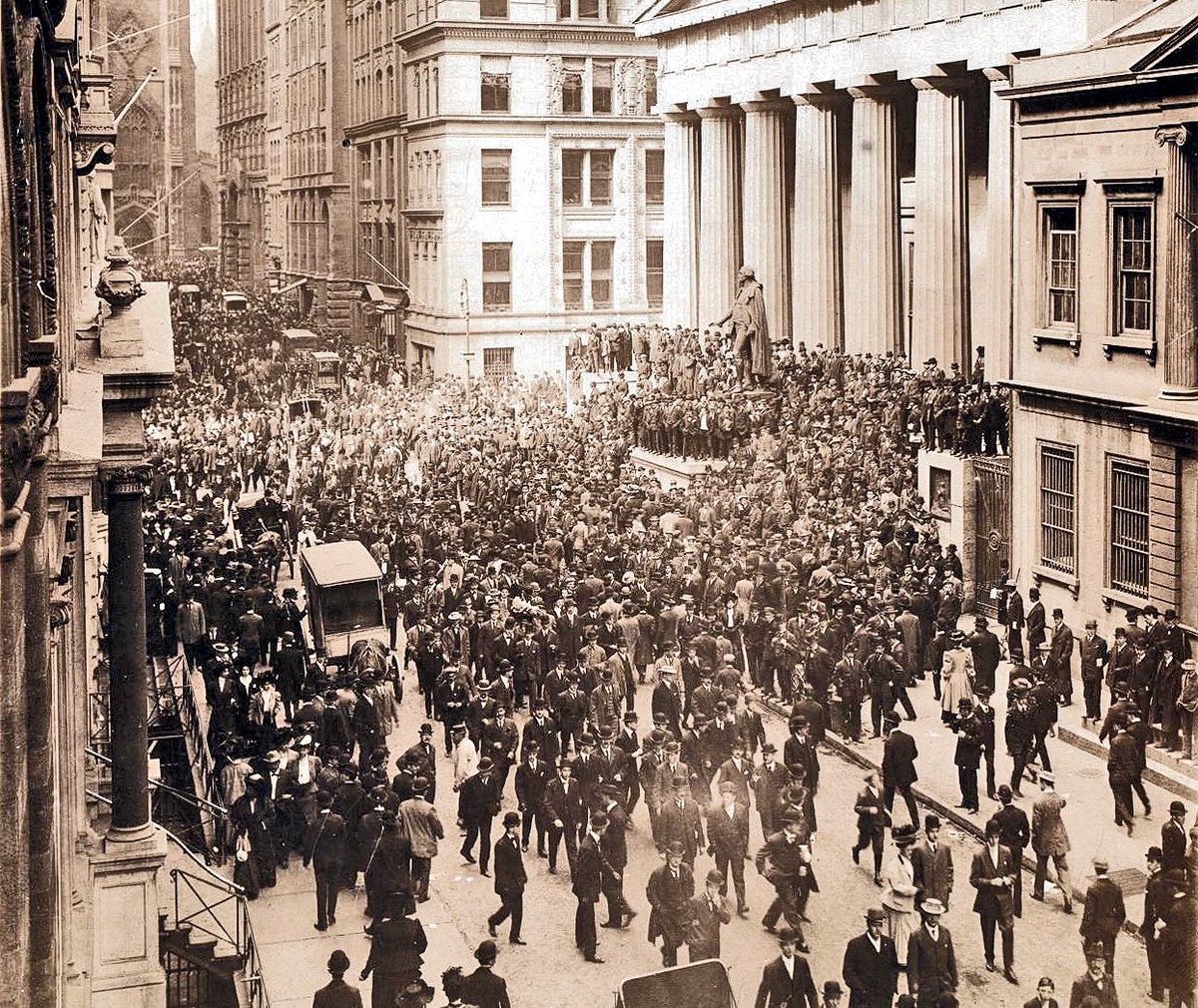
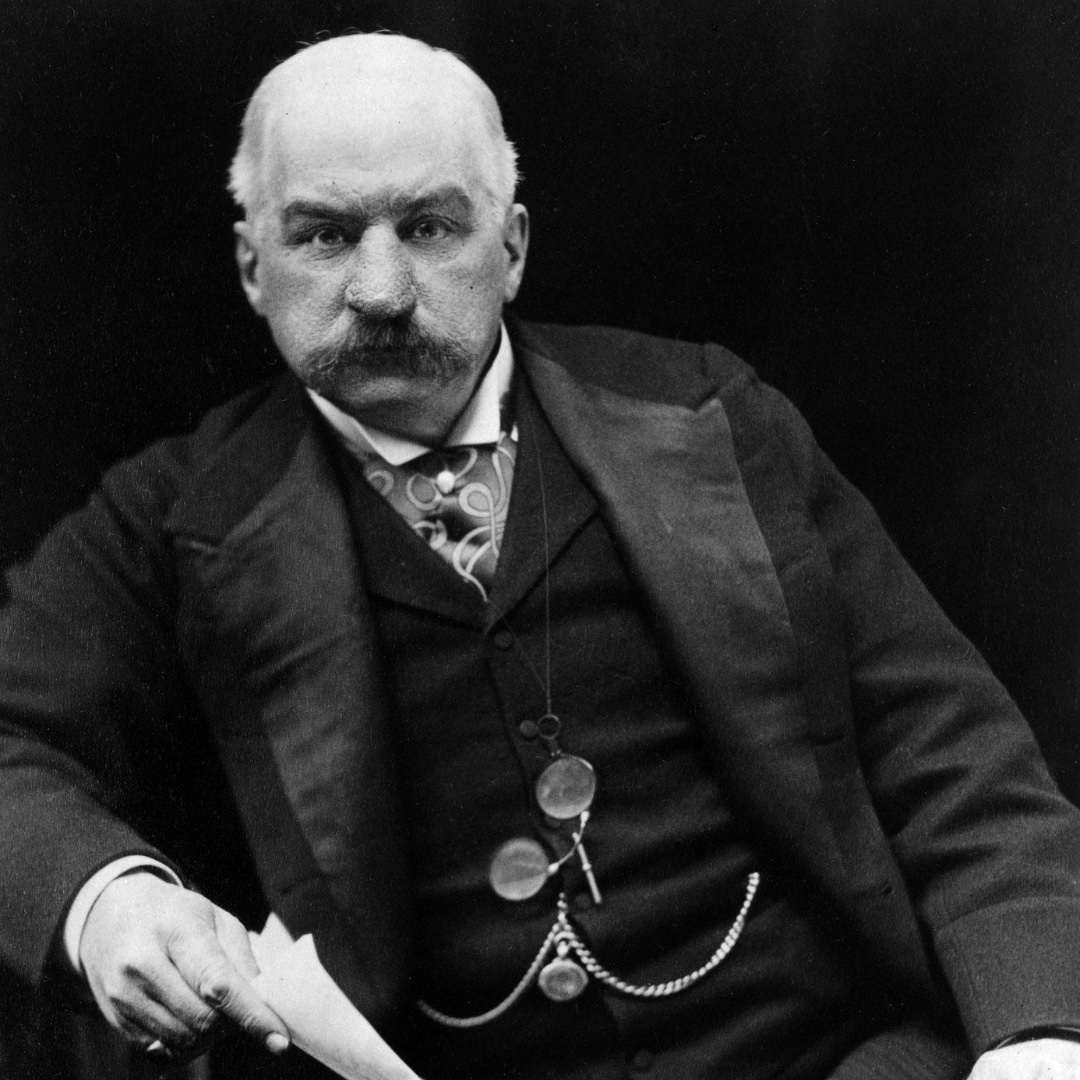
On October 22, 1907, a wave of speculation and bank runs sent U.S. markets tumbling, threatening to freeze credit across the nation. By the next day, financiers led by J.P. Morgan scrambled to stabilize New York’s trust companies as panic spread.
From Washington, President Theodore Roosevelt moved quickly to back Treasury Secretary George Cortelyou’s deposits of federal funds into New York banks, reassuring depositors that sound institutions would stand. Though critics blamed TR’s trust-busting for unsettling Wall Street, he saw reckless speculation as the true cause.
Roosevelt’s cooperation with Morgan — balancing Progressive reform with crisis management — helped calm the storm and kept the economy afloat. The episode exposed weaknesses in America’s banking system and paved the way for reforms culminating in the Federal Reserve Act of 1913.
#OTD #TheodoreRoosevelt #PanicOf1907 #PresidentialHistory #WallStreet #ProgressiveEra
2
8
317

12 Mar 2025
🚨 The Panic of 1907: History repeating? 🚨 Todd Schoenberger breaks down the crisis & its eerie parallels to today’s market. Listen now by clicking the link!
🎧 megaphone.link/FPMN296333017…
#PanicOf1907 #StockMarket #stockmarketcrash #MarketCrash #InvestingNow #news #NewsUpdate

8
2
89
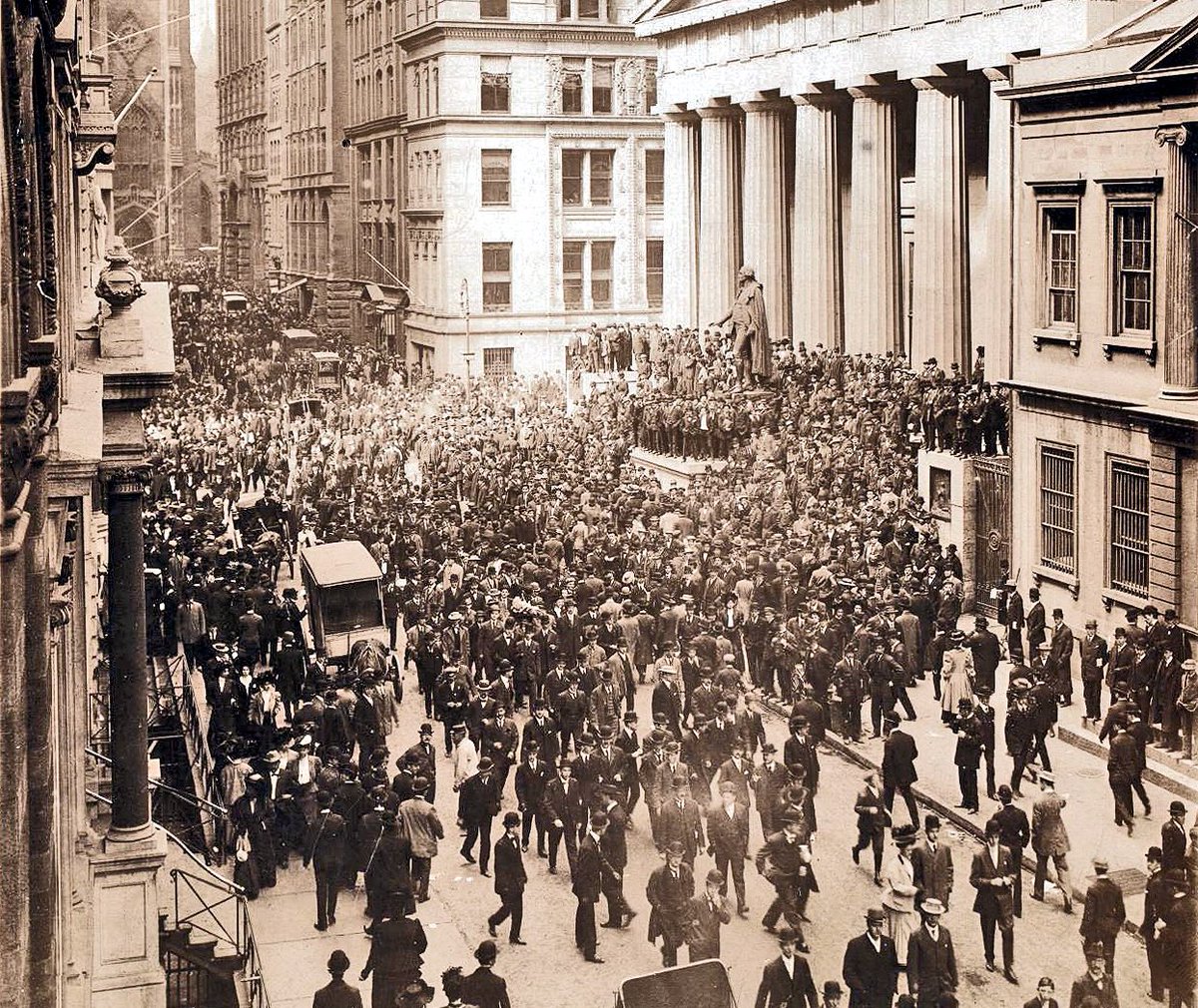
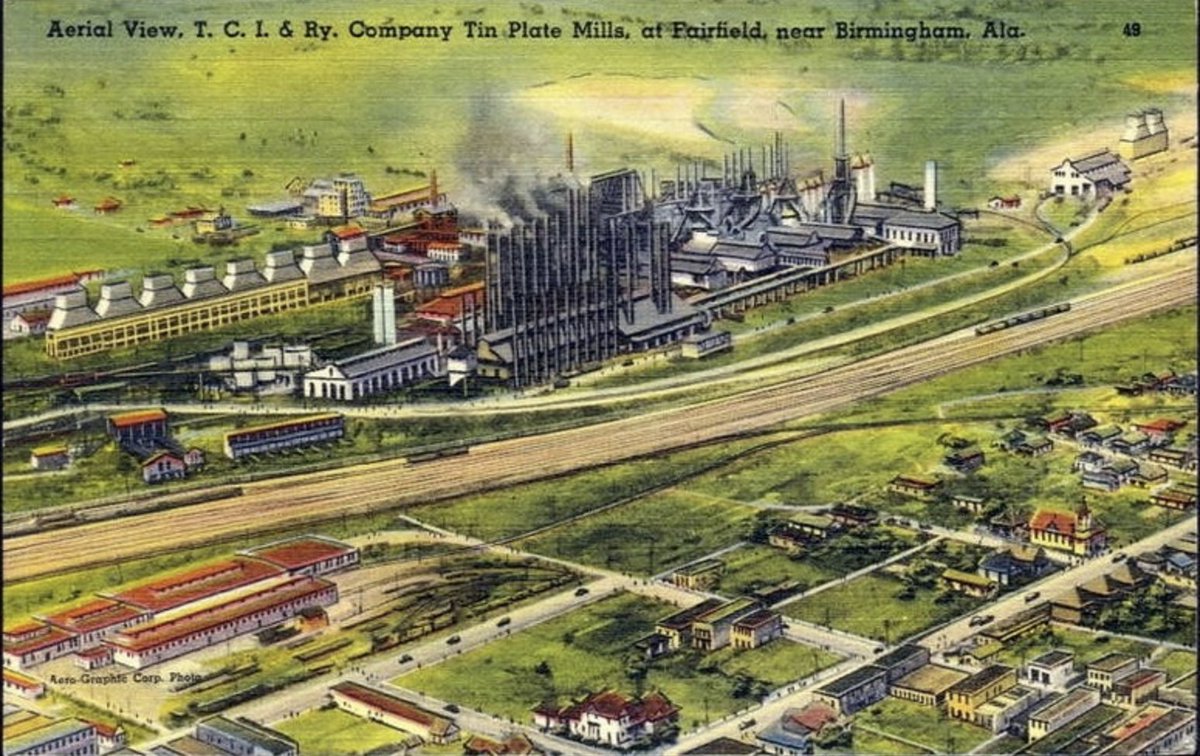
🗓️ #OTD 1907: Amid the Panic of 1907, TR approved U.S. Steel’s takeover of Tennessee Coal, Iron & Railroad to stabilize the economy. Normally a trust-buster, TR made an exception to prevent deeper financial collapse. 💼 #TheodoreRoosevelt #PanicOf1907 #USSteel #History
2
8
325
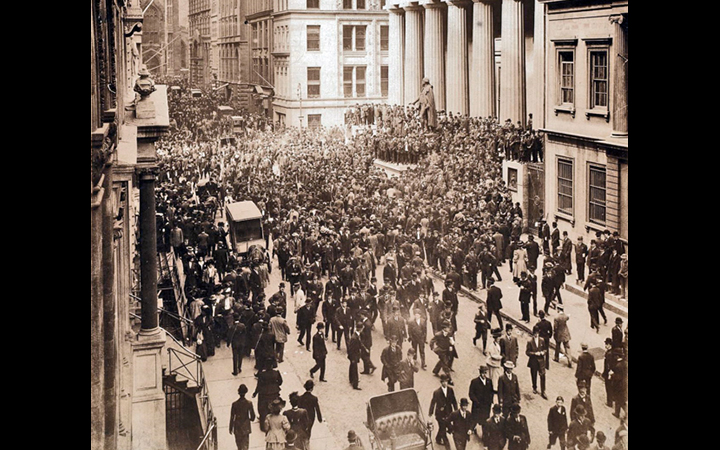
💥 #OnThisDay in 1907, the Panic of 1907 triggered a stock market crash, destabilizing the U.S. financial system. President Theodore Roosevelt, working with J.P. Morgan, took swift action to restore stability, helping to avert a deeper economic crisis. #WallSt #PanicOf1907
1
2
9
300

4 Oct 2024
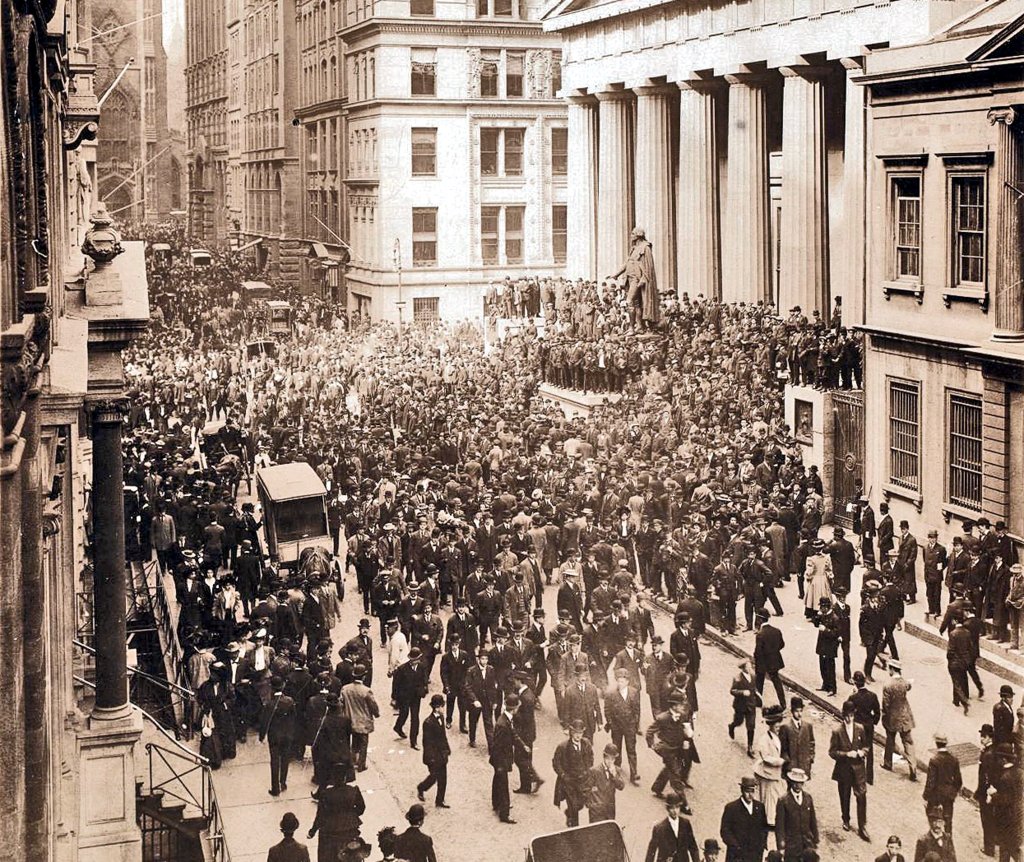
The Panic of 1907 changed the world, leading to the creation of the Federal Reserve. How prepared are we for the next financial shock? Learn about this crash and more: bit.ly/3ZRMIuZ #Shocktober #PanicOf1907 #FinancialHistory
ALT The Panic of 1907
5
26
1,645

6 Feb 2024
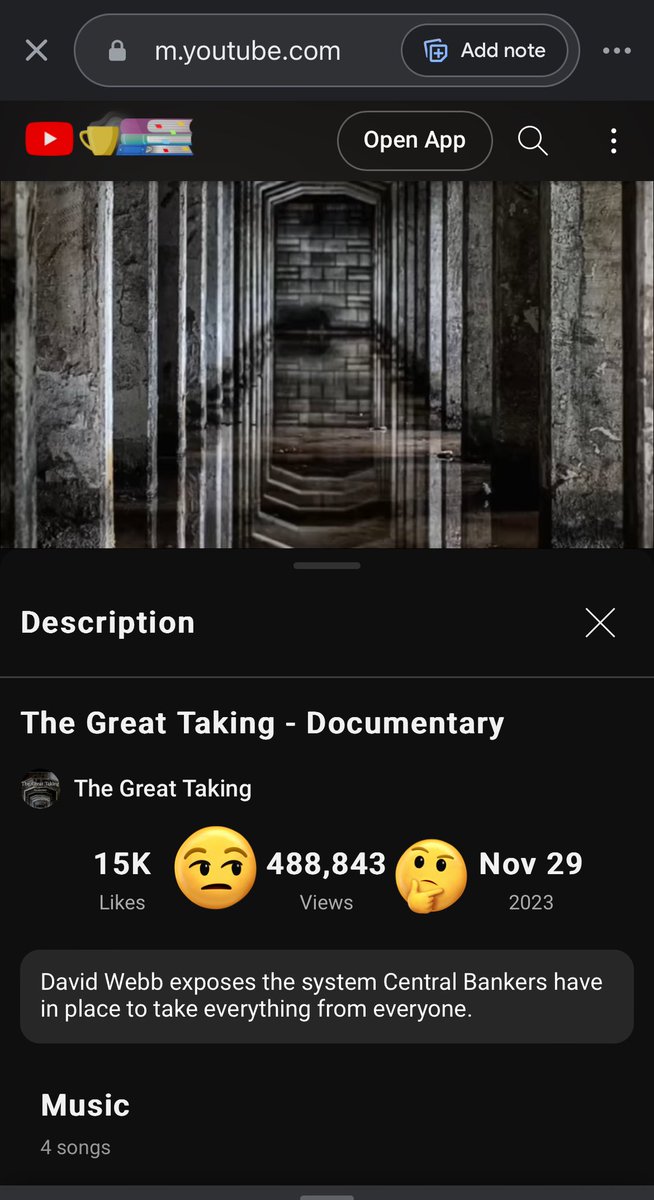
he #DavidRogersWebb is not right but mass hysteria regarding confiscation could lead to a #PanicOf1907 style bank run.
it’s important to ask about his timing & motivations(& also, why is YouTube promoting it? why haven’t they taken it down? who are they both serving?)
1
1
1
129


23 Jan 2020
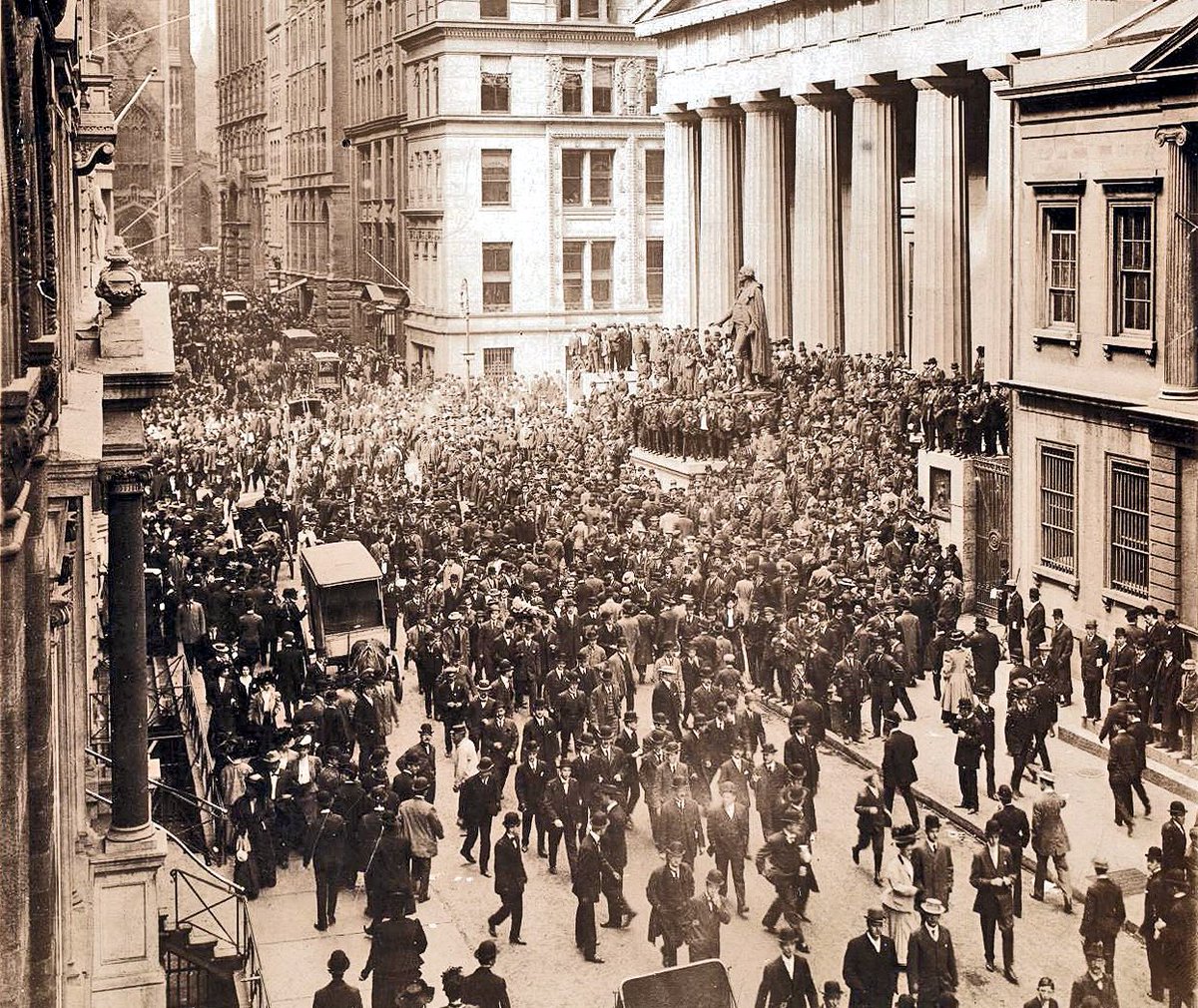
Eines von vielen Beispielen: Die #PanicOf1907 wurde absichtlich und ohne sachlichen Grund erzeugt, um den Widerstand gegen eine (im übertragenen Sinne) '#Impfung' in Form einer #Zentralbank zu brechen.
#FederalReserve
#Power
#Psychology
#Rulers
23 Jan 2020

Vielleicht gibt es Kosten-Nutzen-Rechnungen auf viel größeren Skalen als Sie sich träumen lassen? Ich weiß auch nicht, was das #WuhanVirus ist. Es ist nur allgemein so, dass Pandemien und Impfungen als Herrschaftsinstrument der sog. #NWO eingesetzt werden werden.
2
1

14 Jan 2019
Let's get @RonPaul lined up for the audit!
All that's been purposefully done since the Panic of 1907 needs to be purposefully undone.
#Panicof1907
#MajorMulligan
#AuditTheFed
#GoldStandard

19 Dec 2018
The Latest: Fed To Continue Reducing Balance Sheet
@altcoingazette
altcoingazette.com
$BTC $ETH $XRP $Dowjones #1929 #1933 #stockmarketcrash #soupkitchen #Panicof1907 #KnickerbockerCrisis #DowJones #FederalReserve #alangreenspan
1
1
19 Dec 2018
Report: Facebook Shared Private Messages With Partners
@altcoingazette
altcoingazette.com
$BTC $ETH $XRP $Dowjones #1929 #1933 #stockmarketcrash #soupkitchen #Panicof1907 #KnickerbockerCrisis #DowJones #FederalReserve #alangreenspan
1
19 Dec 2018
World Markets In Ascendant Ahead Of Fed's Rate Decision
@altcoingazette
altcoingazette.com
$BTC $ETH $XRP $Dowjones #1929 #1933 #stockmarketcrash #soupkitchen #Panicof1907 #KnickerbockerCrisis #DowJones #FederalReserve #alangreenspan
1
18 Dec 2018
US Stocks Claw Back Some Of Their Big Losses; Oil Slides
@altcoingazette
altcoingazette.com
$BTC $ETH $XRP $Dowjones #1929 #1933 #stockmarketcrash #soupkitchen #Panicof1907 #KnickerbockerCrisis #DowJones
1
1
18 Dec 2018
US Home Construction Rose Last Month, Led By Apartments
@altcoingazette
altcoingazette.com
$BTC $ETH $XRP $Dowjones #1929 #1933 #stockmarketcrash #soupkitchen #Panicof1907 #KnickerbockerCrisis #DowJones
1
1
18 Dec 2018
World Stock Markets Stabilize As Focus Turns To Fed
@altcoingazette
altcoingazette.com
$BTC $ETH $XRP $Dowjones #1929 #1933 #stockmarketcrash #soupkitchen #Panicof1907 #KnickerbockerCrisis #DowJones
1
1