
Mar 7
pathsky اللي يجهز منزله ممكن يستفيد من كود خصم أو كوبون مفارش الحبيب Alhabib Bedding FF8 📦💛.\
كود خصم مفارش الحبيب

2
2
6

pathsky ألعاب الأطفال الجميلة من تطبيق دبدوب Dabdoub تصبح أوفر عند استخدام كود يمنح خصم عبر كوبون 🌏⛰👾. of_News كؤد خصم دبدوب

1
1
7

Mar 6
pathsky فرصة مناسبة للشراء من مفارش الحبيب Alhabib Bedding باستخدام كود خصم أو كوبون FF8 👃👨👩👧👧.
كود خصم مفارش الحبيب

12

13 Oct 2025
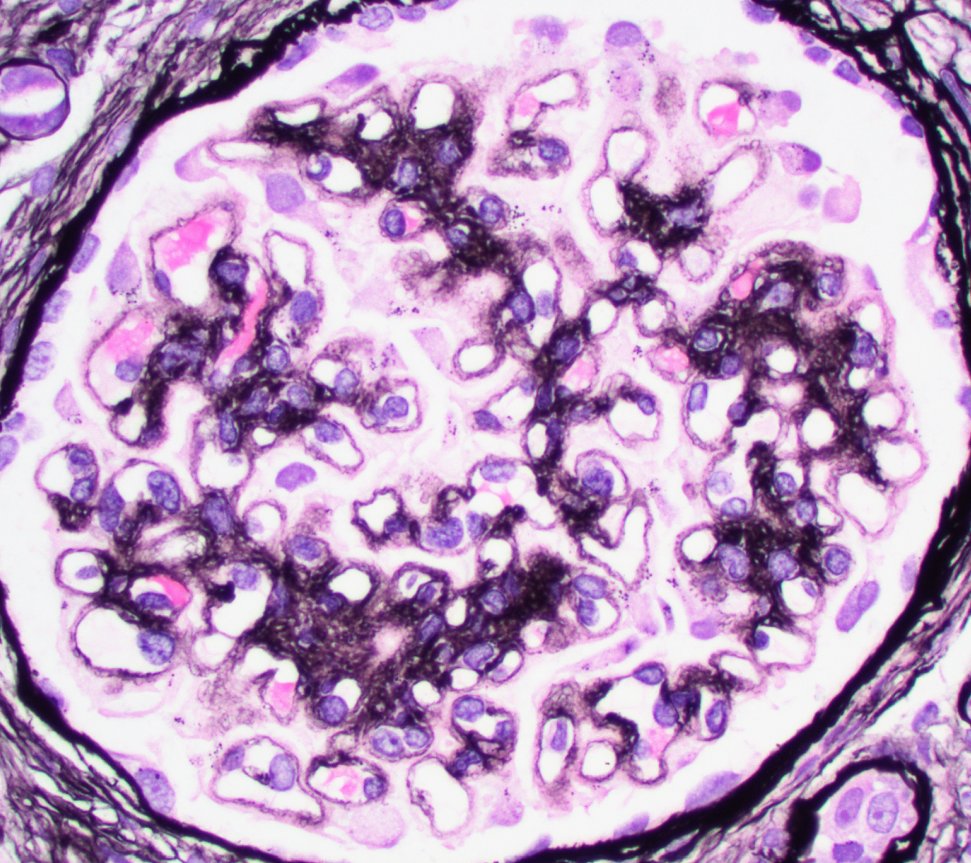
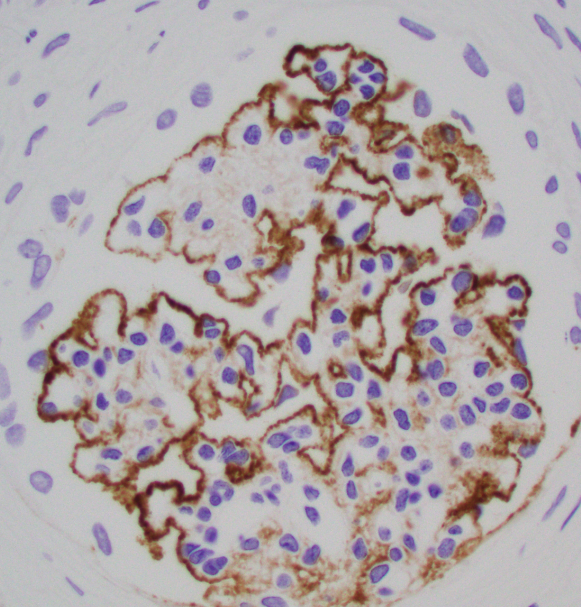
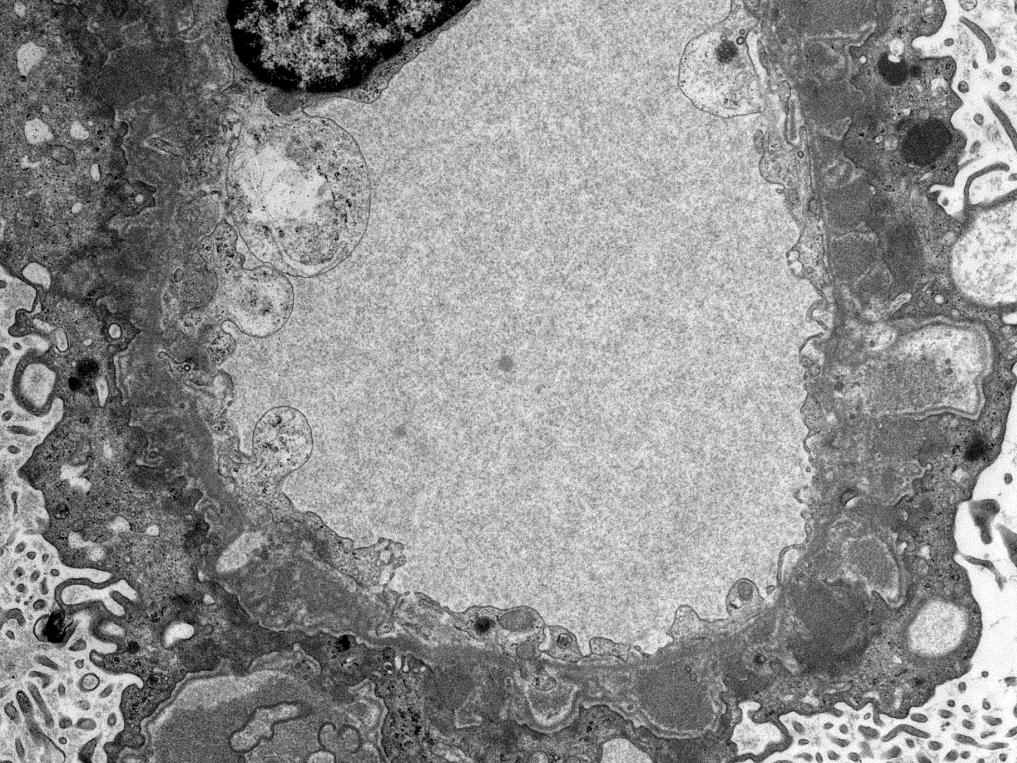
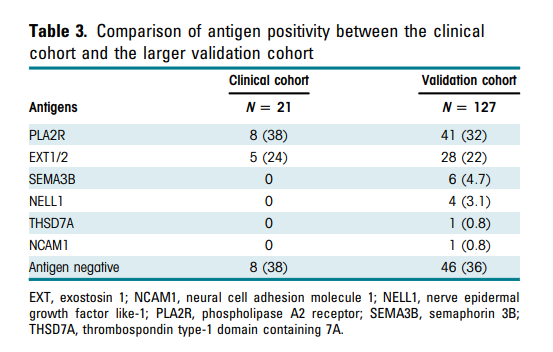
Teenager with nephrotic syndrome. Biopsy revealed unusual case of membranous nephropathy in a peds patient. PLA2R positive (IHC). PLA2R most common antigen in peds MN. EXT2 also common, SEMA3B less common. (pubmed.ncbi.nlm.nih.gov/3802…) #renalpath #pathsky #nephsky
3
22
73
3,756
11 Sep 2025

2
16
505

23 Aug 2025
Challenge yourself to new cyto challenges!
4 questions in each module. Can you do it??
⬇️⬇️⬇️
🍤Pancreas
pathologynotebook.com/cytopa…
🫁 Lung
pathologynotebook.com/cytolu…
🚽 Urinary
pathologynotebook.com/cytour…
⬆️⬆️⬆️
#CytoPath #PathTwitter #Pathology #PathSky

2
5
1,125
9 Aug 2025
Challenge yourself to new cyto challenges!
4 questions in each module. Can you do it??
⬇️⬇️⬇️
🍤Pancreas
pathologynotebook.com/cytopa…
🫁 Lung
pathologynotebook.com/cytolu…
🚽 Urinary
pathologynotebook.com/cytour…
⬆️⬆️⬆️
#CytoPath #PathTwitter #Pathology #PathSky

6
914
9 Aug 2025
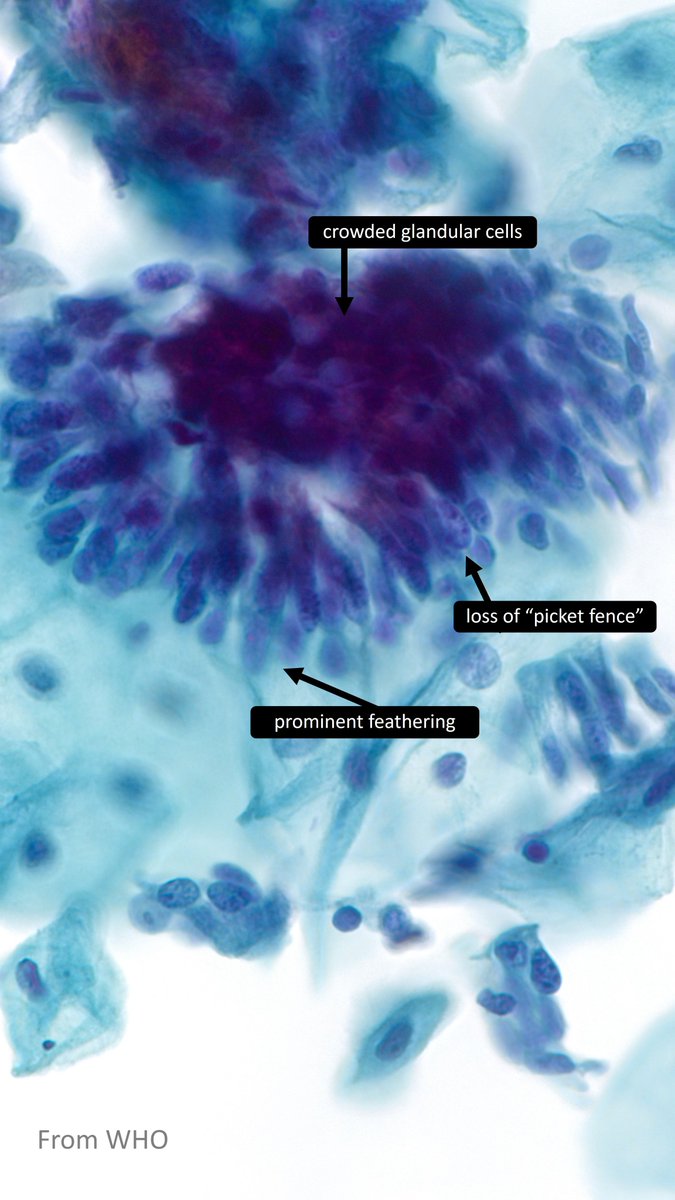
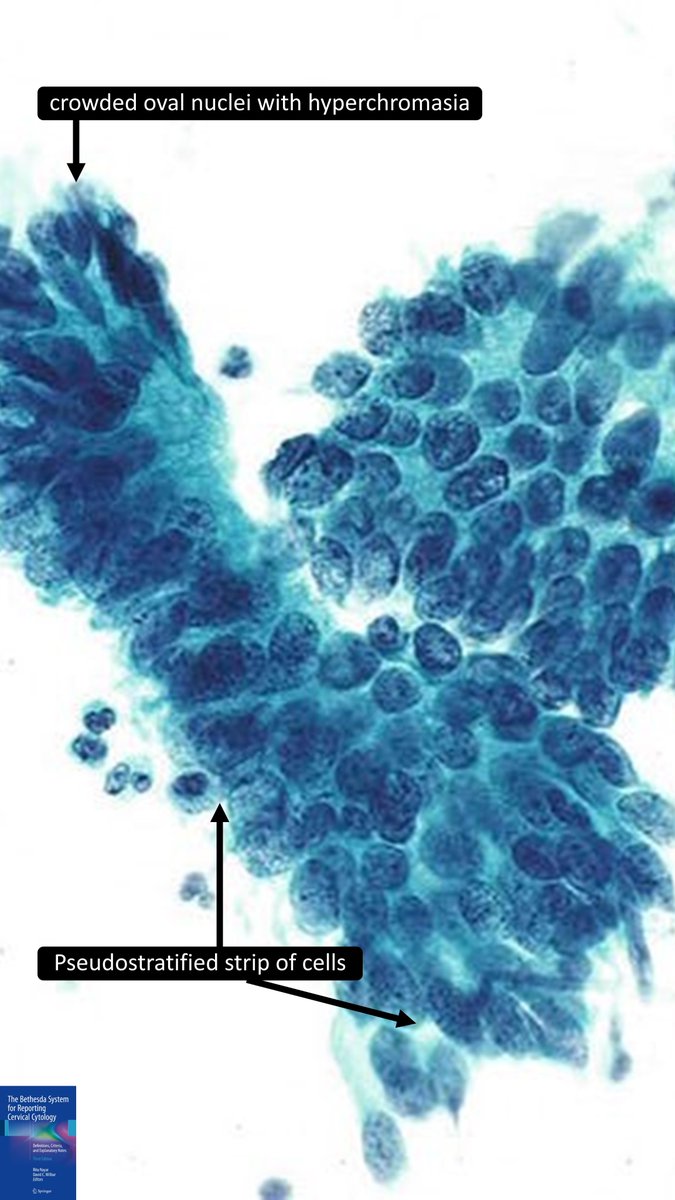
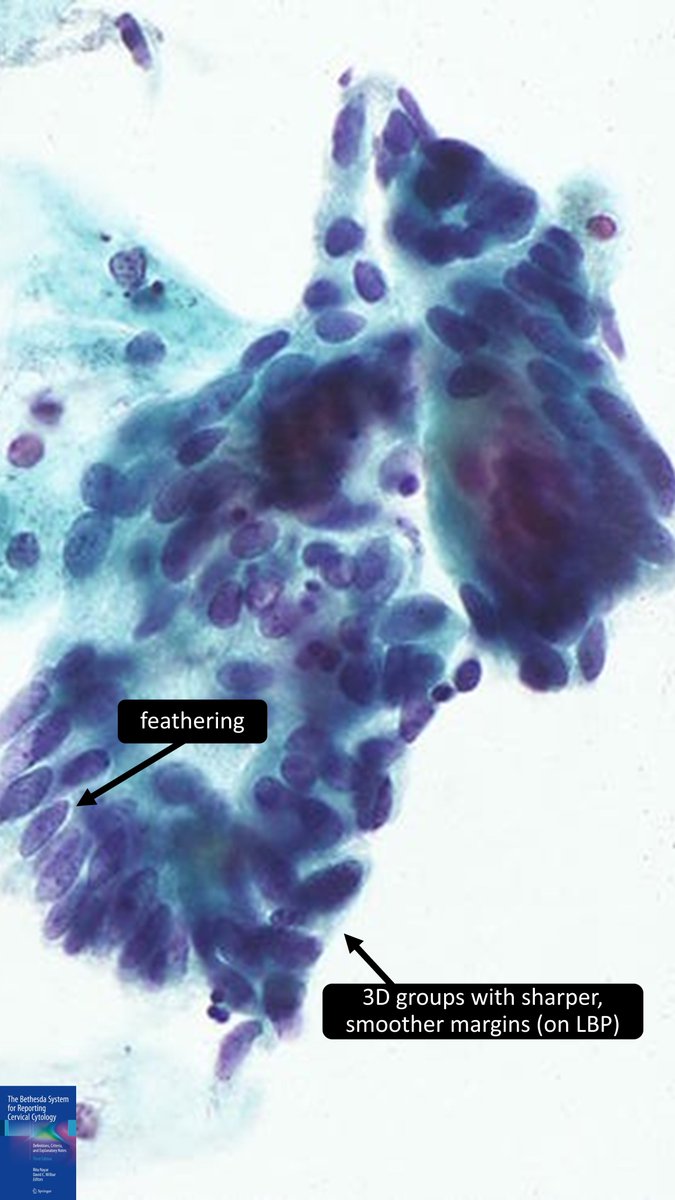
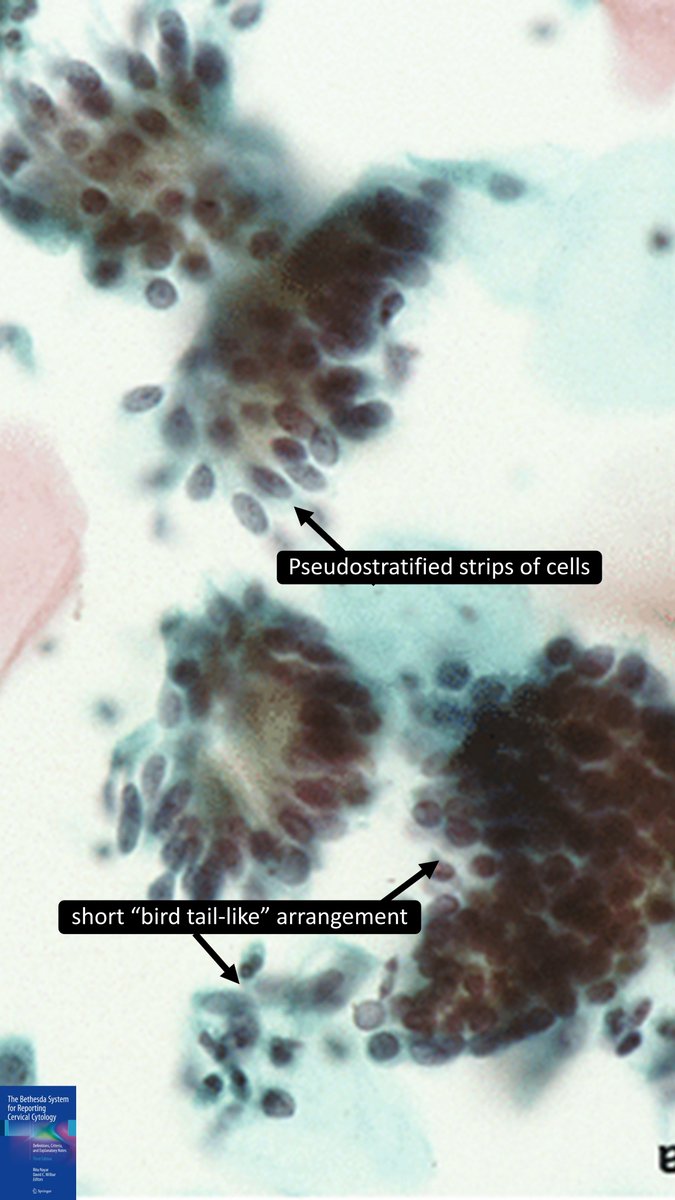
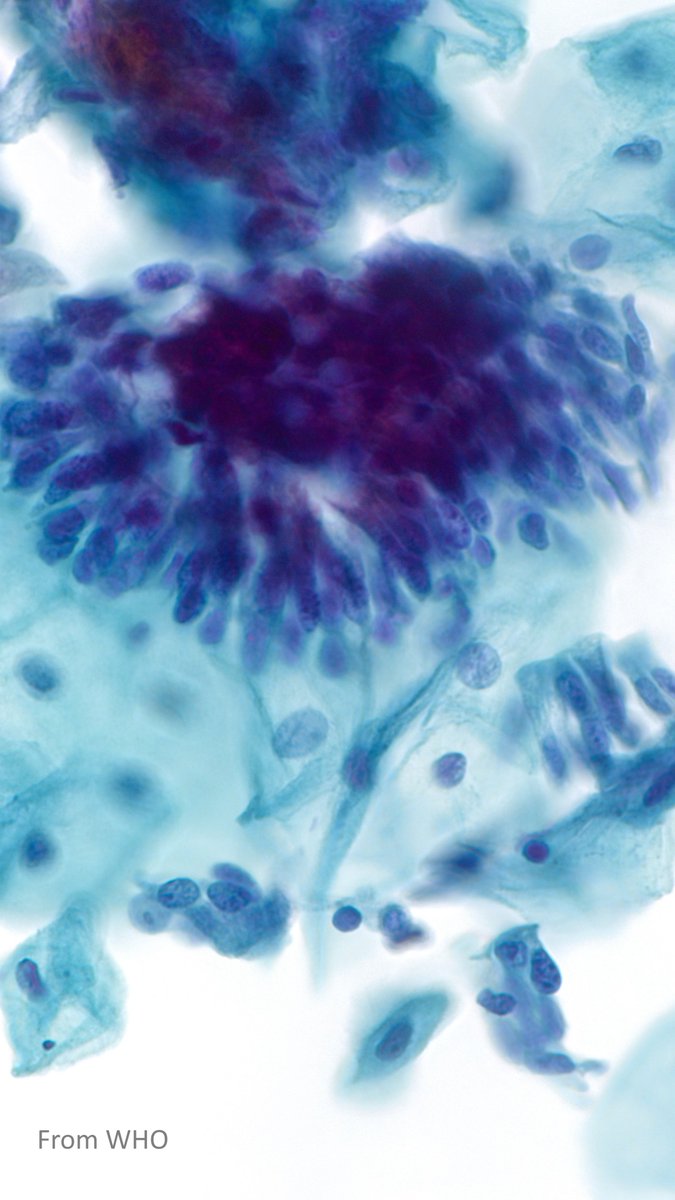
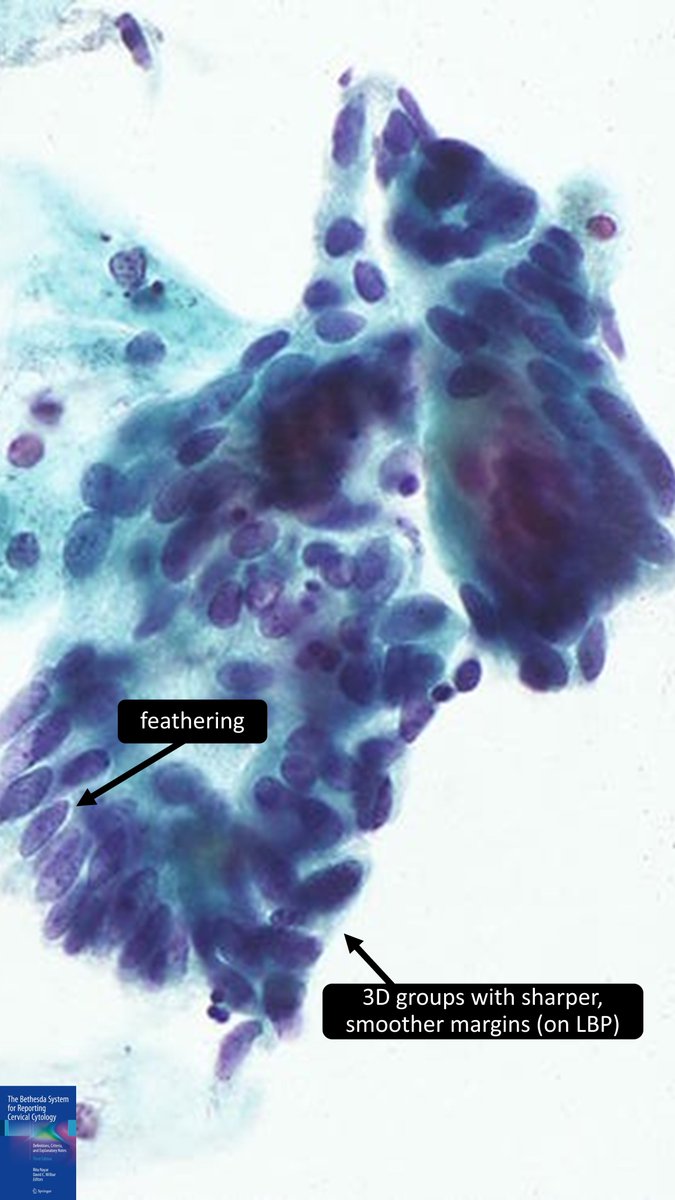
✅#1 & Bonus Answer: Endocervical Adenocarcinoma in situ (AIS)
cells in strips & rosettes
nuclear feathering pseudostratification
chromatin is coarse, evenly distributed
nucleoli variably present
cytoplasm diminished, finely vacuolated, with unclear borders
background clean, but inflammatory debris may be present
liquid base prep features
- may show “bird tail” arrangement of pseudostratified strips of cells
- feathering, rosettes, and strips are more subtle
- nucleoli more readily visible
#PathSky #GynPath #PathTwitter #CytoPath #Pathology
1
8
20
1,389
9 Aug 2025
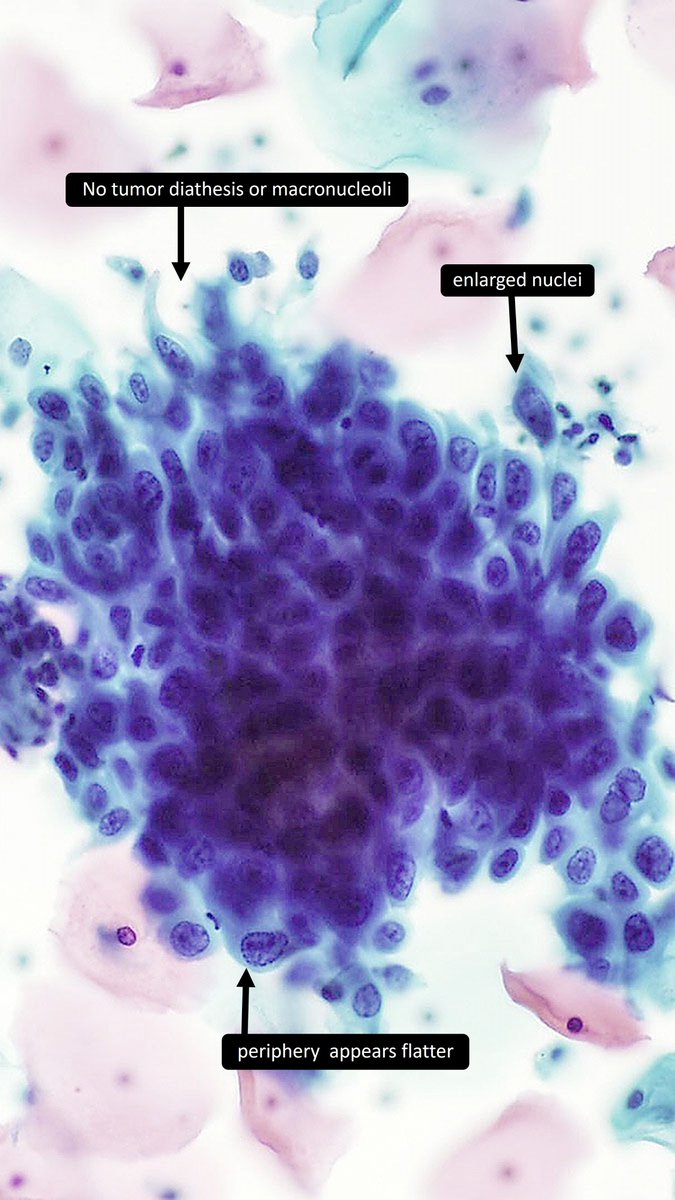
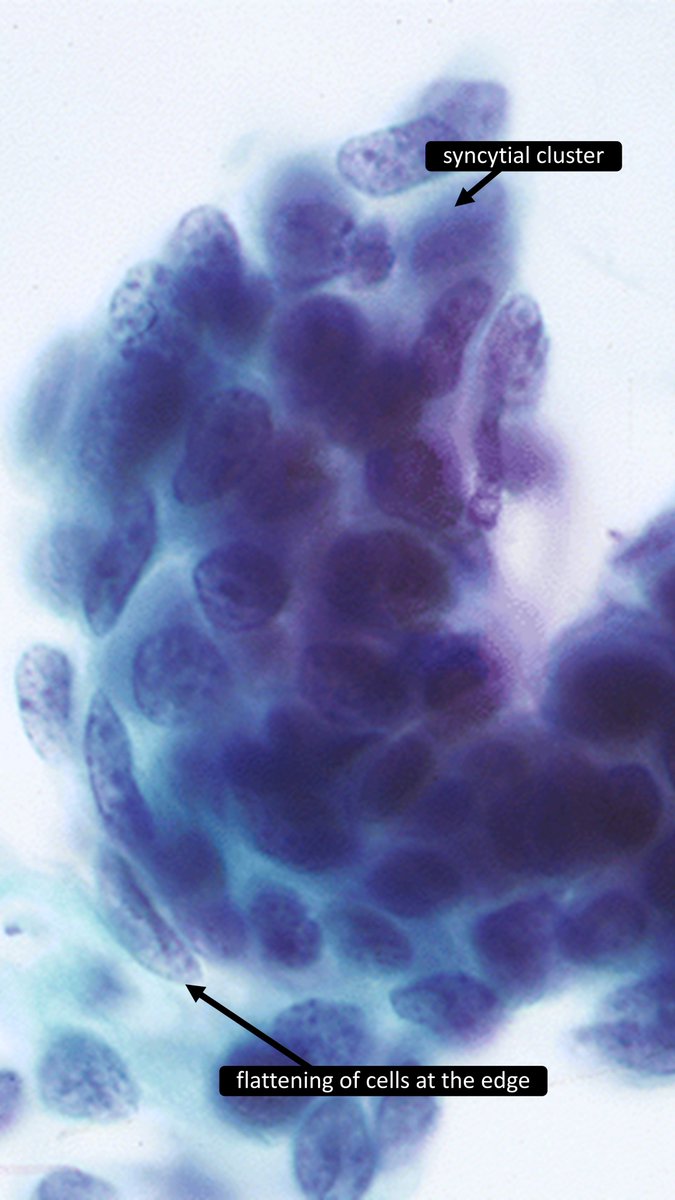
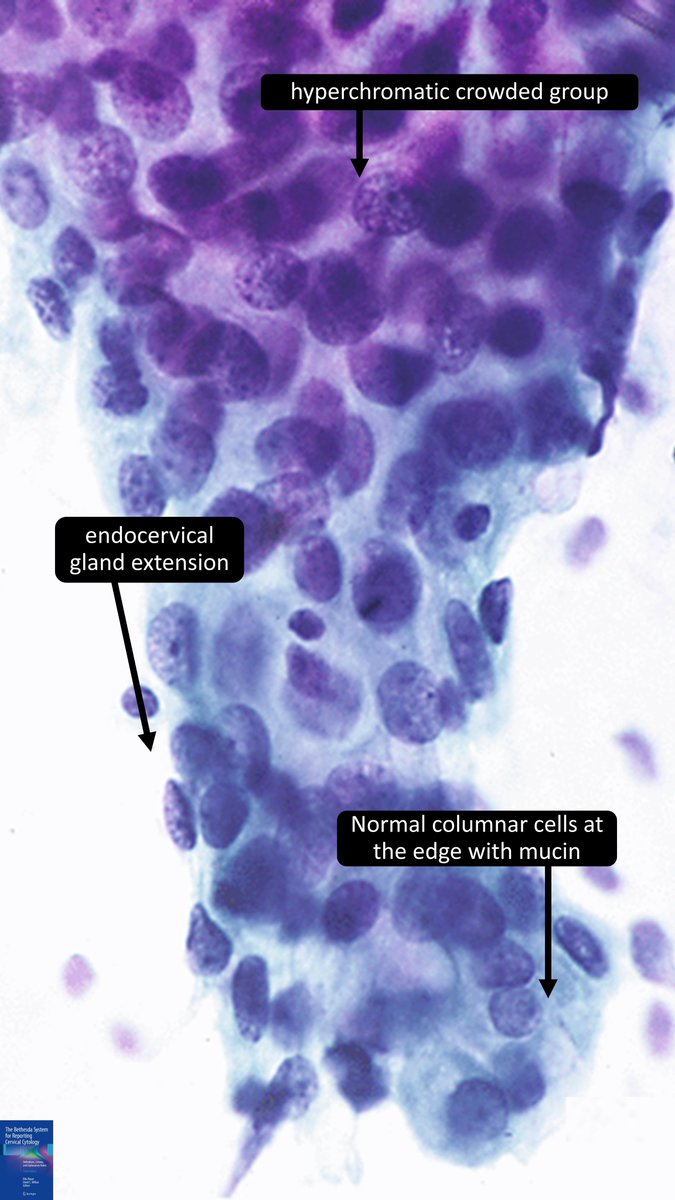
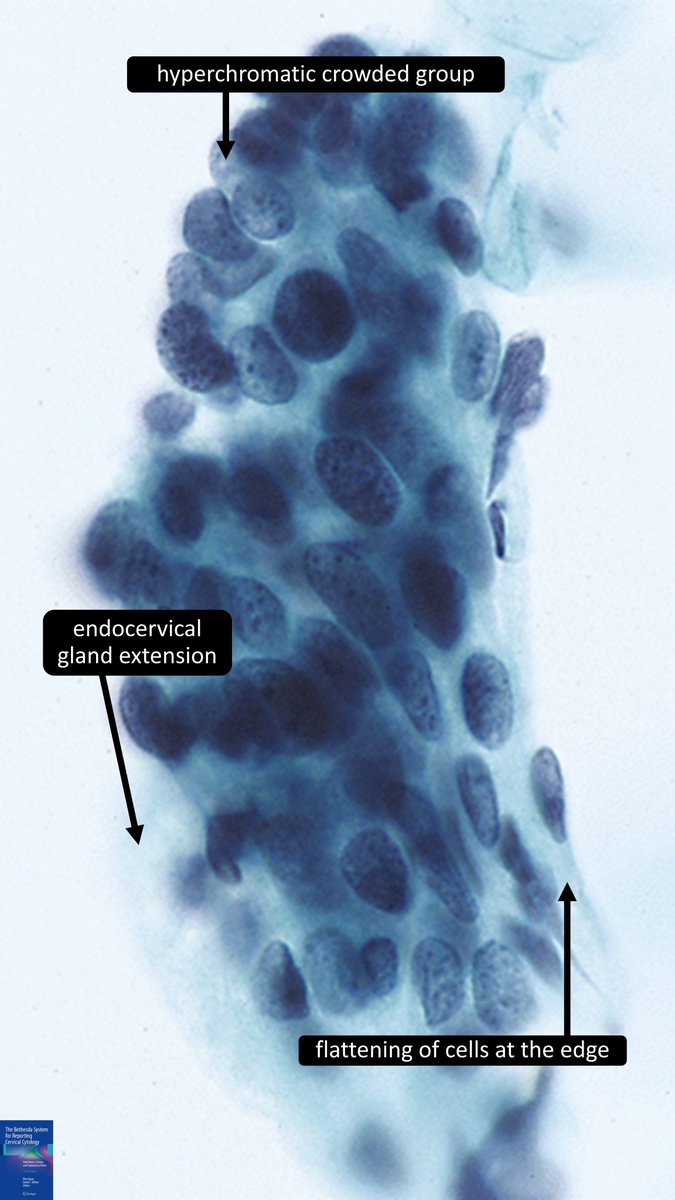
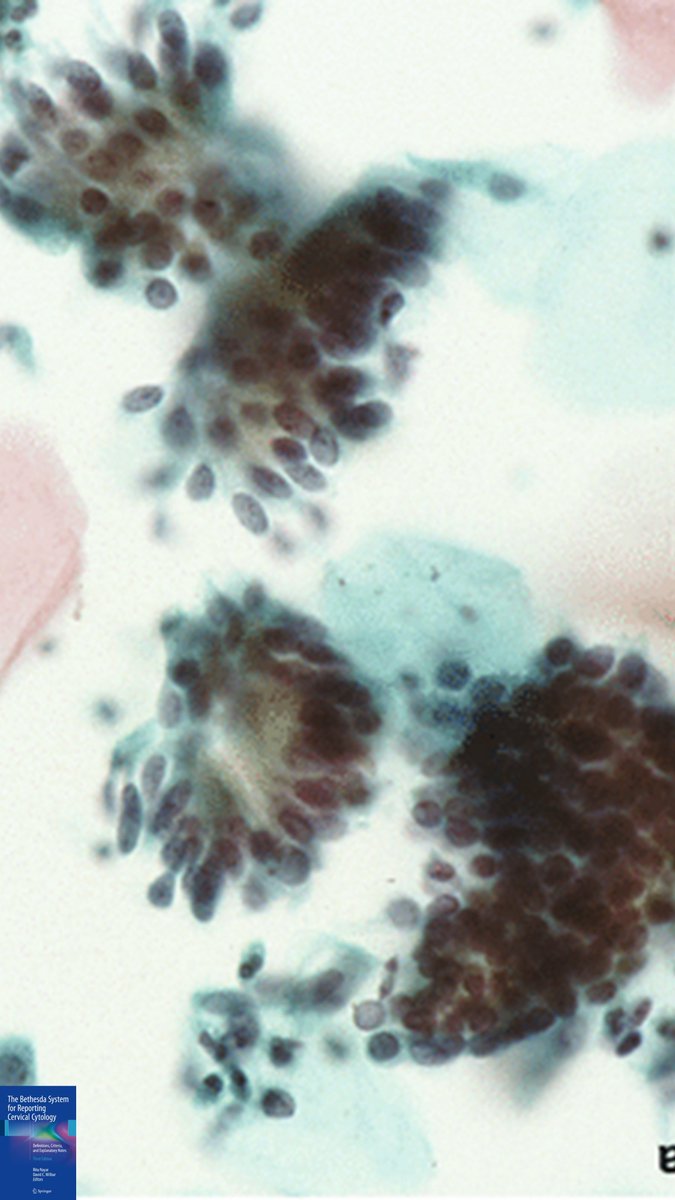
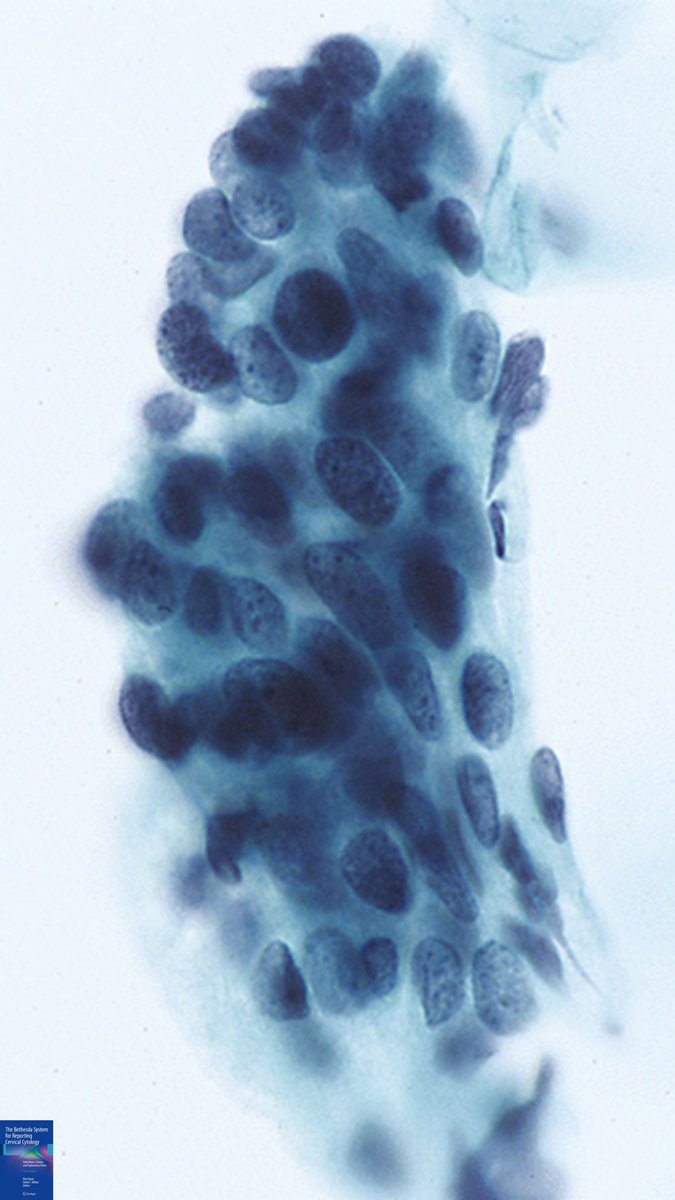
✅#2 Answer: HSIL extending into glands
clues to a squamous origin include central spindling or whorling with flattening of the nuclei at the periphery
Other HSIL features:
cells occur singly, in sheets, or syncytial aggregates
nuclear enlargement varies, but N:C is always high
nucleoli generally absent
cytoplasm can be immature, mature (keratinizing), or metaplastic
liquid base prep
- more often see dispersed single cells
- less hyperchromasia
#PathSky #GynPath #PathTwitter #CytoPath #Pathology
1
4
11
904
9 Aug 2025
Read the explanation below.
Then challenge yourself to new cyto challenges!
4 questions in each module. Can you do it??
⬇️⬇️⬇️
🍤Pancreas
pathologynotebook.com/cytopa…
🫁 Lung
pathologynotebook.com/cytolu…
🚽 Urinary
pathologynotebook.com/cytour…
⬆️⬆️⬆️
#CytoPath #PathTwitter #Pathology #PathSky

1
2
6
636
9 Aug 2025
#2 of 2: Pap from 25-year-old female.
What is your interpretation?
A) NILM
B) HSIL
C) AIS
#PathSky #PathTwitter #CytoPath #Pathology
1
1
4
737
9 Aug 2025
#1 of 2: Pap from a 30-year-old female.
What is your interpretation?
A) NILM
B) HSIL
C) AIS
#CytoPath #Pathology
#PathSky #PathTwitter
6
17
66
9,735
8 Aug 2025
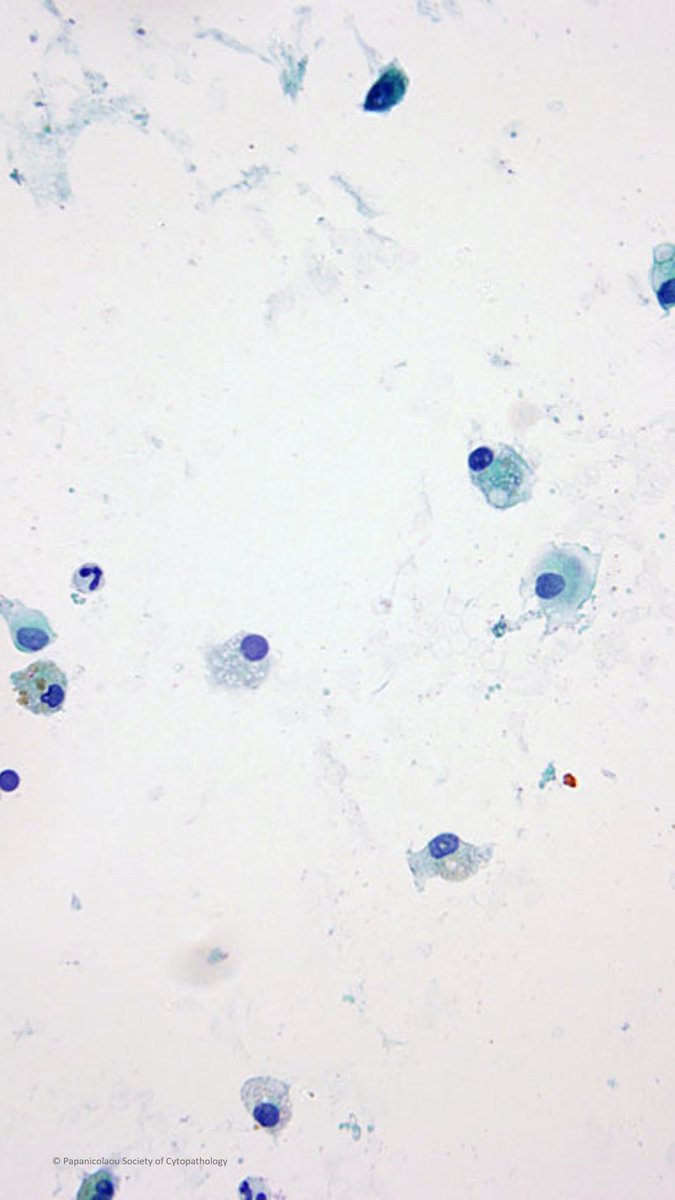
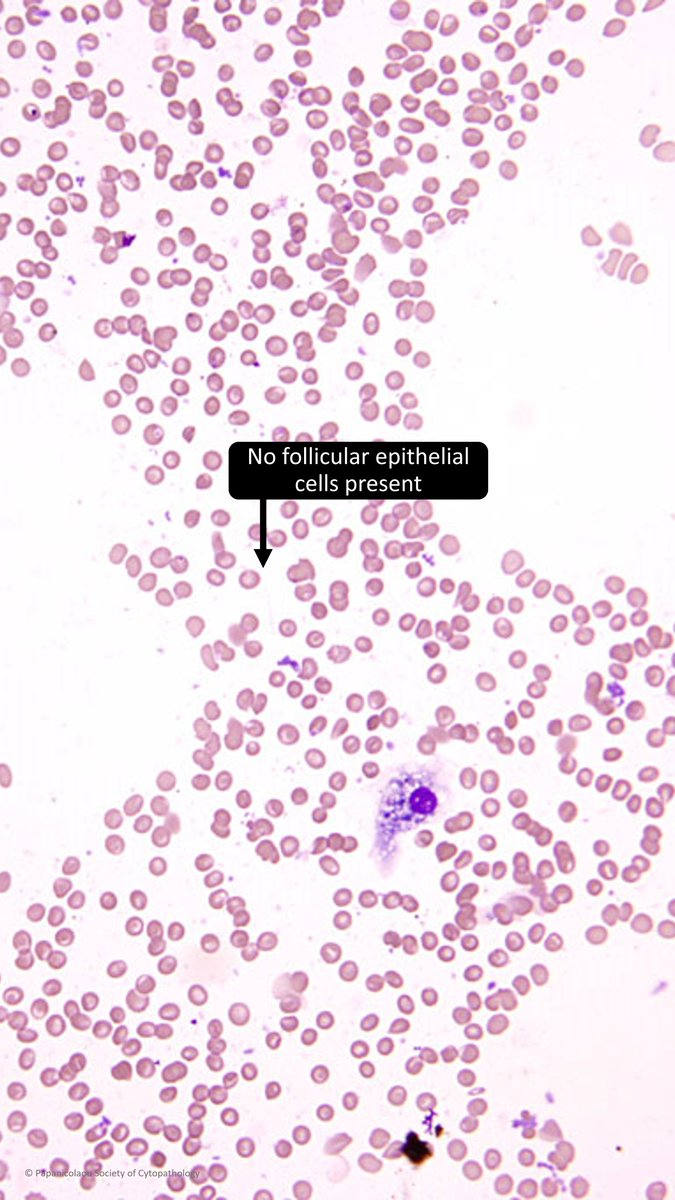
✅#1 & #3: *ABUNDANT* colloid is considered benign and satisfactory for evaluation, even if the “6 groups of 10” criterion of adequacy is not met.
#CytoPath #PathTwitter #Pathology #PathSky
1
15
774
8 Aug 2025
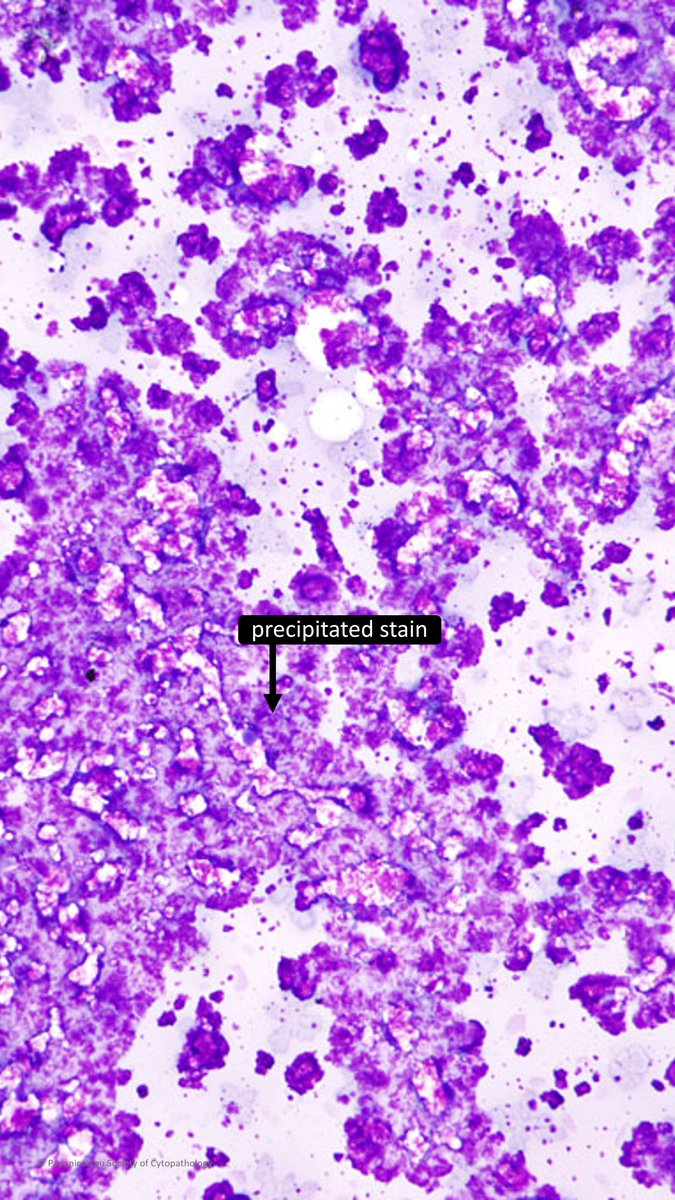
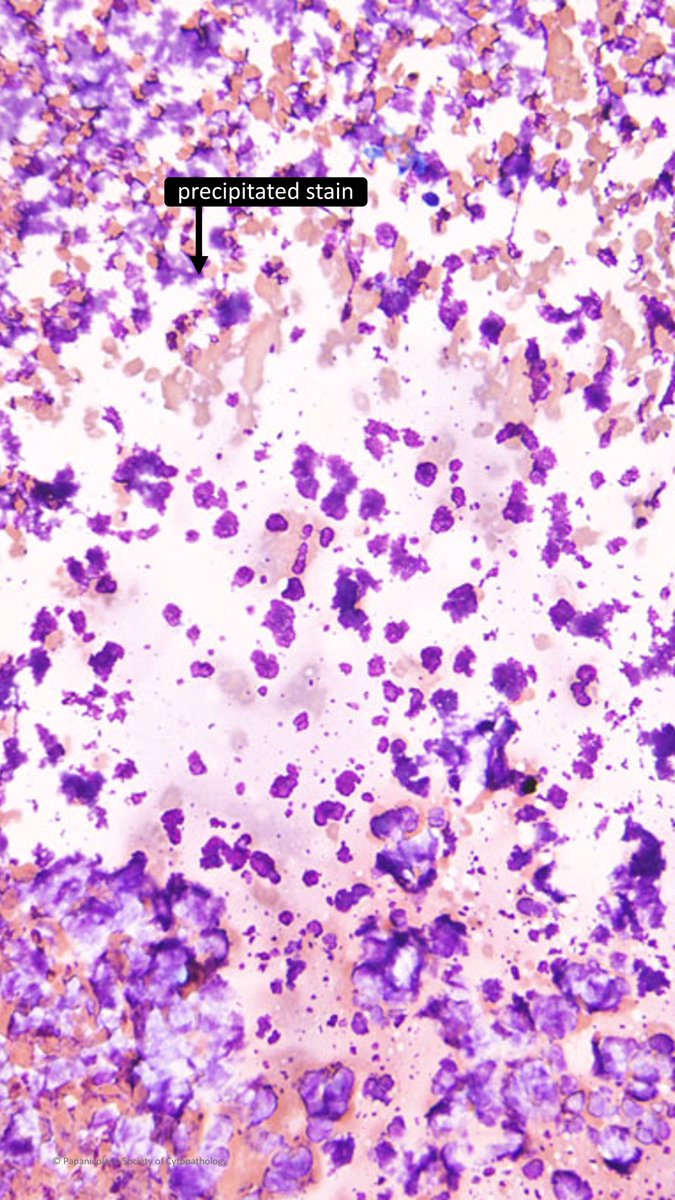
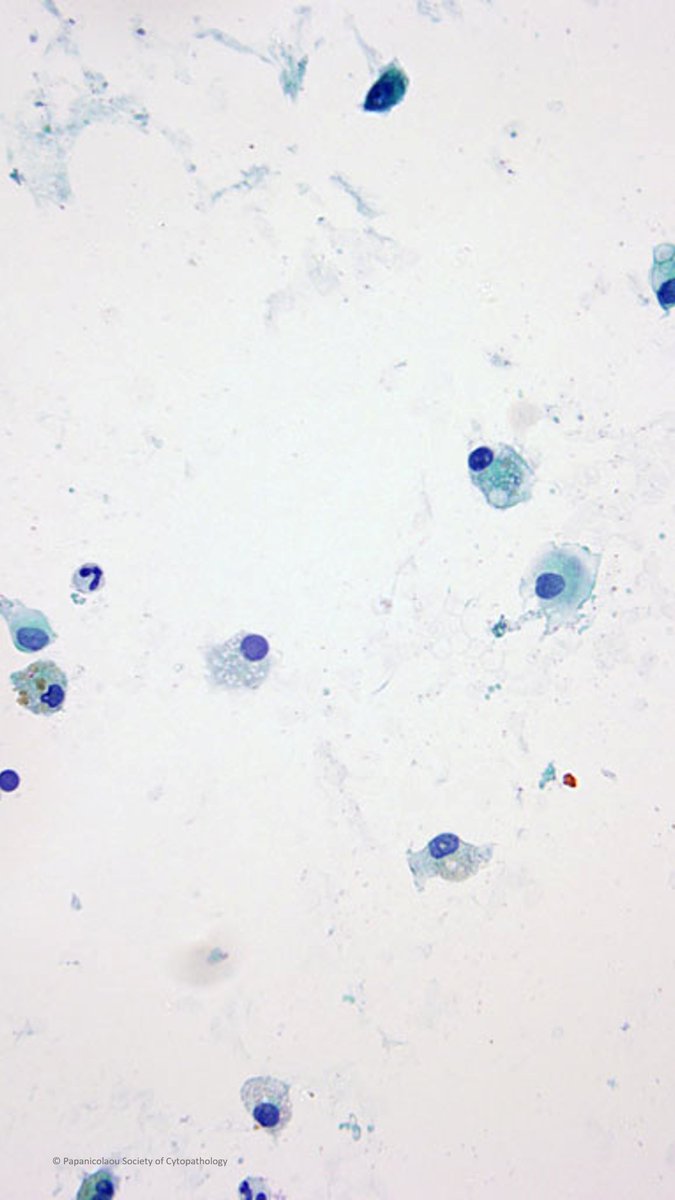
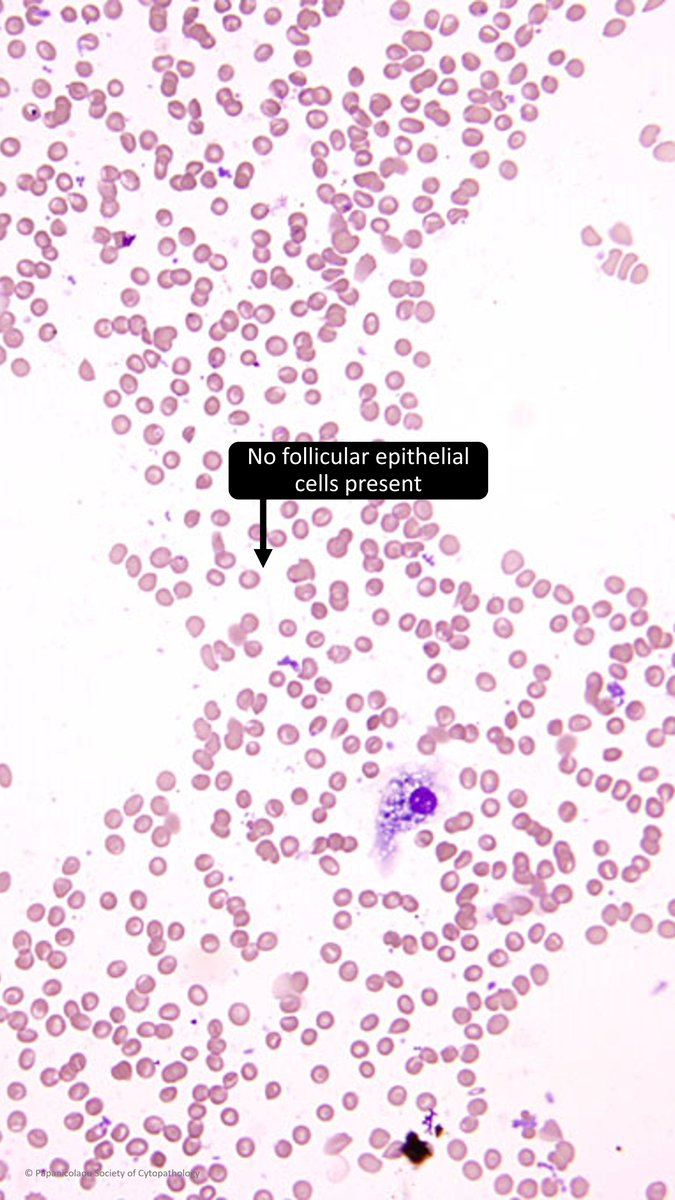
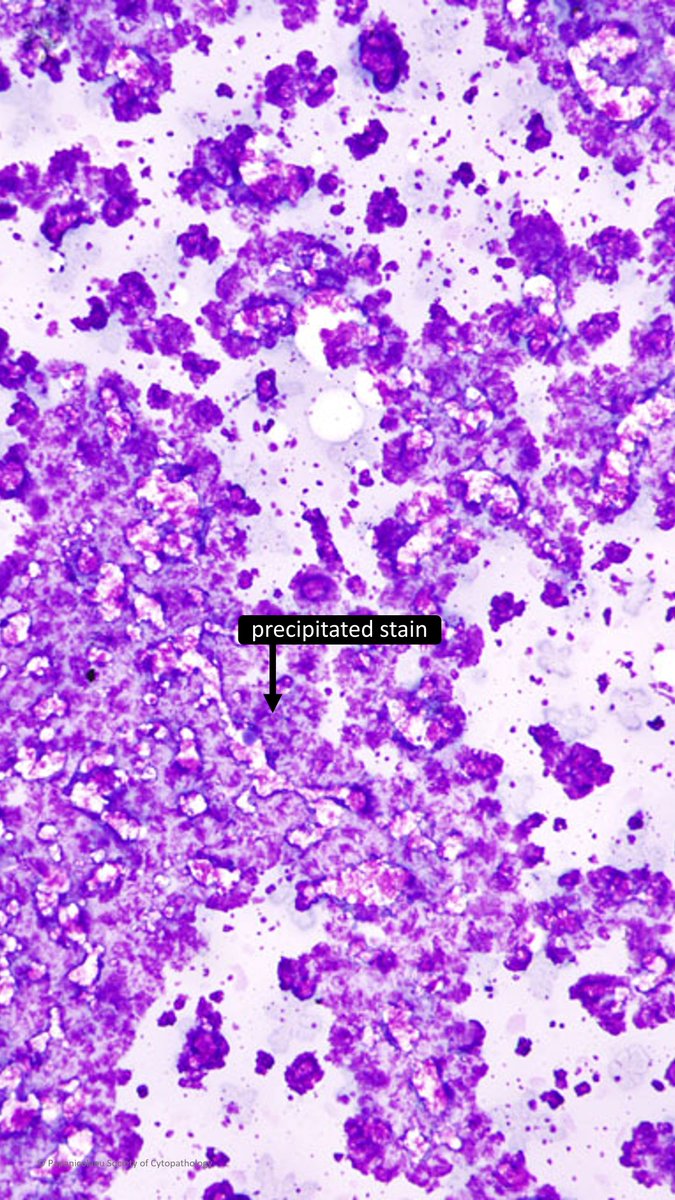
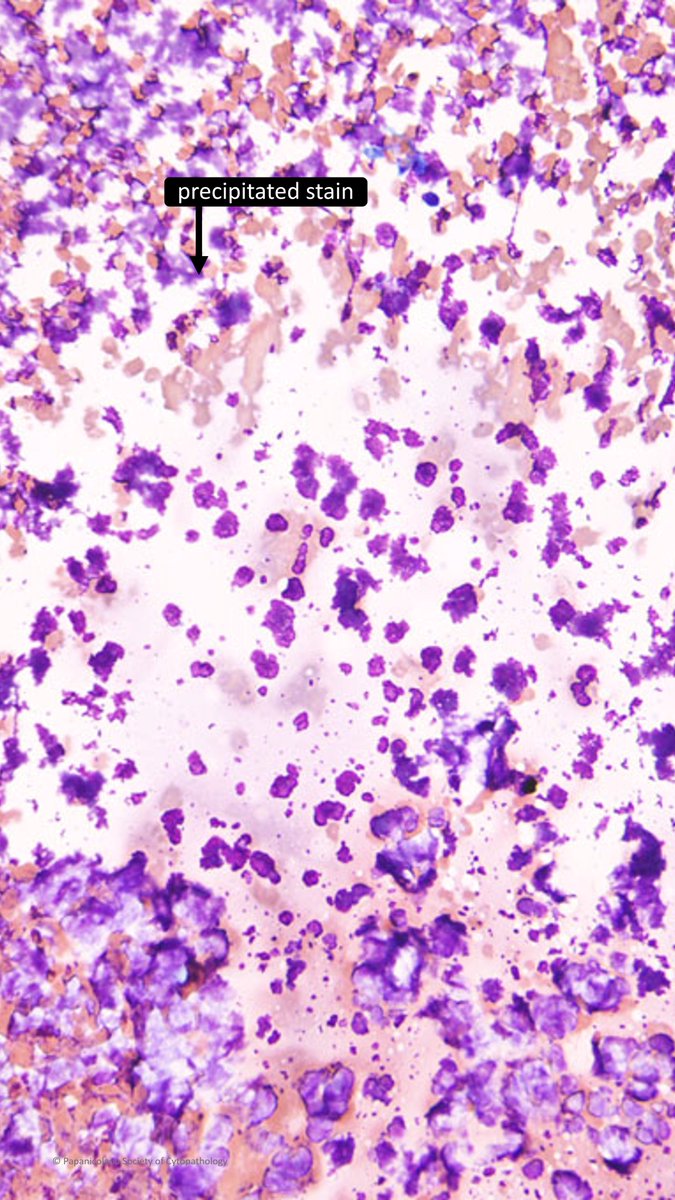
✅#2: Excessive gel and precipitated stains may obstruct cellular features, rendering an aspirate non-diagnostic.
A complete lack of follicular cells in the absence of colloid (e.g., blood or cyst fluid only) is another reason for the non-diagnostic category
#CytoPath #PathTwitter #Pathology #PathSky
1
10
450
8 Aug 2025
Read the explanation below.
Then challenge yourself to some extra cyto!
4 questions in each module. Can you do it??
⬇️⬇️⬇️
🍤Pancreas
pathologynotebook.com/cytopa…
🫁 Lung
pathologynotebook.com/cytolu…
🚽 Urinary
pathologynotebook.com/cytour…
⬆️⬆️⬆️
#CytoPath #PathTwitter #Pathology #PathSky

1
3
414
8 Aug 2025
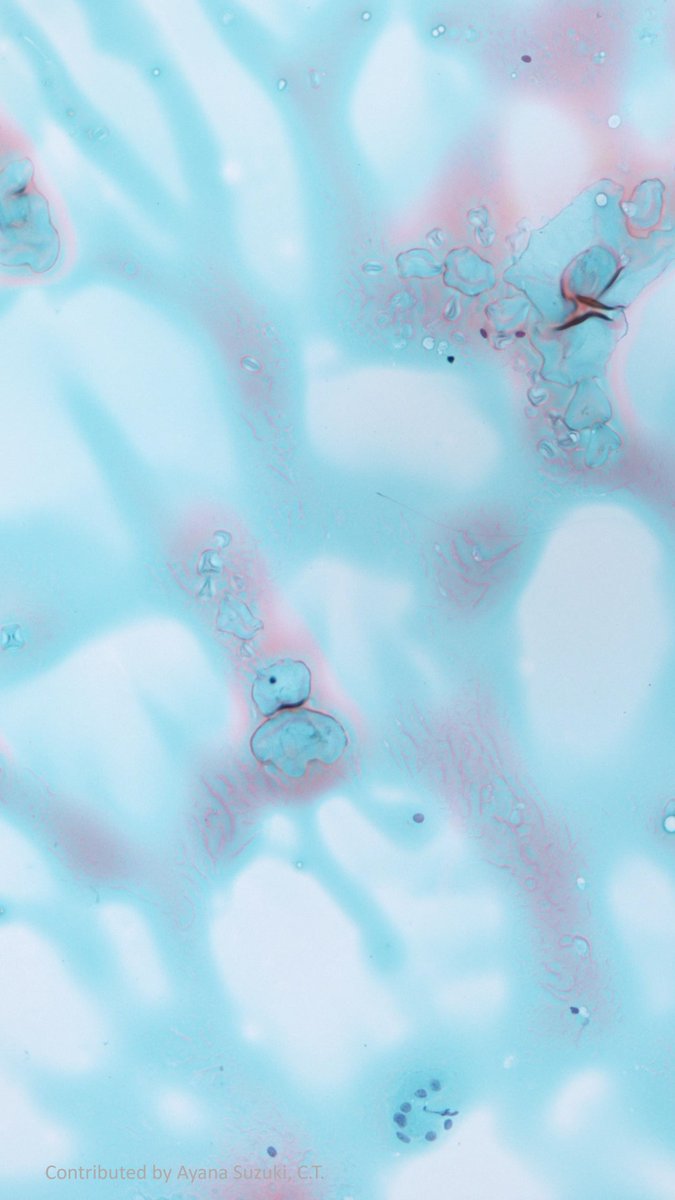
#Thyroid FNA shows abundant colloid but no follicular cells.
Interpretation:
A) Non-Diagnostic
B) Benign
#CytoPath #PathTwitter #Pathology #PathSky
5
8
53
4,778
7 Aug 2025
Today's BRAND NEW cytopathology challenges!
🧐🧐
pathologynotebook.com/cytopa…
pathologynotebook.com/cytolu…
pathologynotebook.com/cytour…
Enjoy!🥳🥳
#CytoPath #PathTwitter #Pathology #PathSky

1
2
9
986
7 Aug 2025
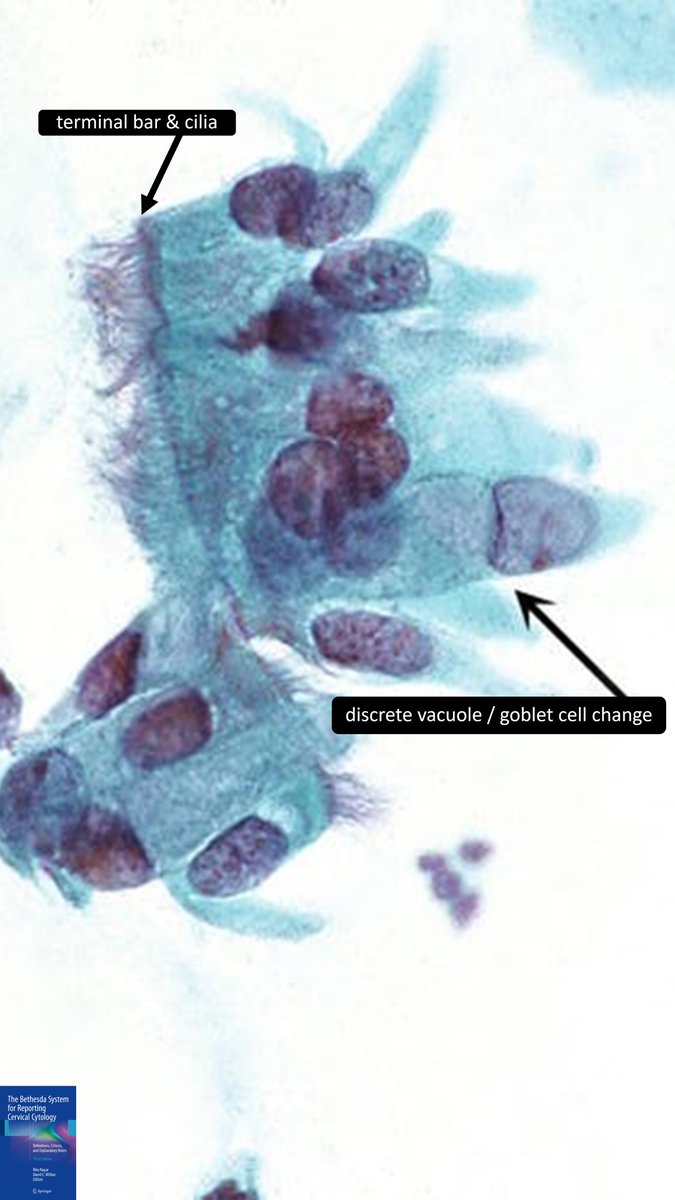
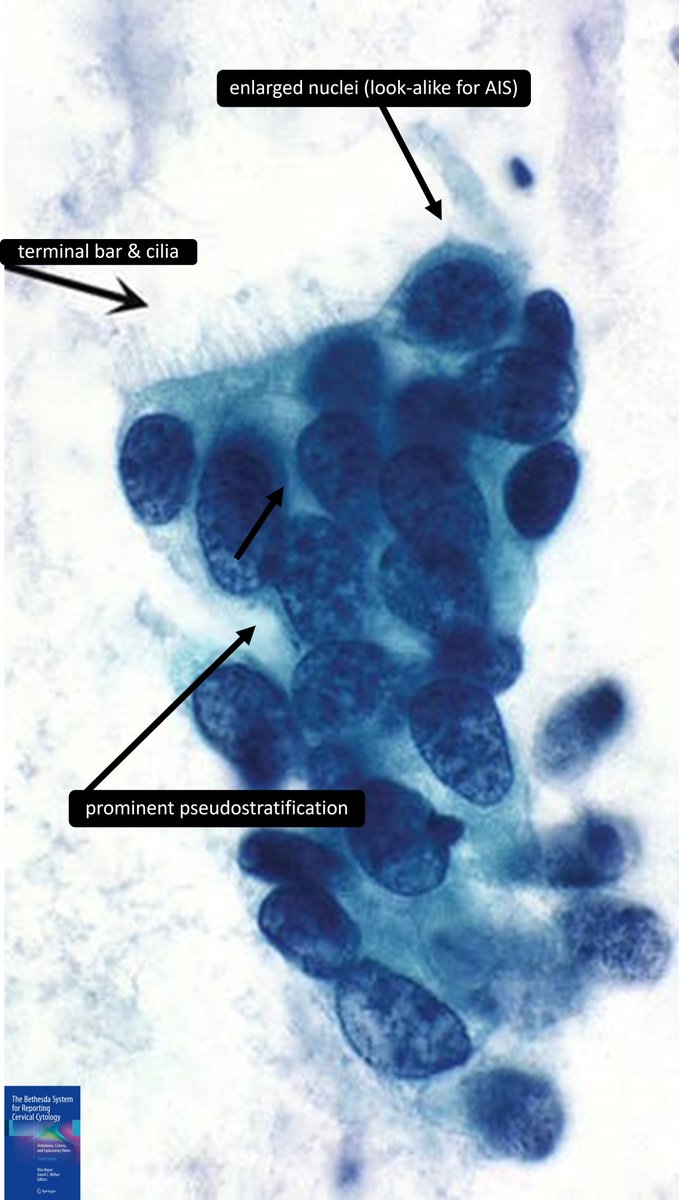
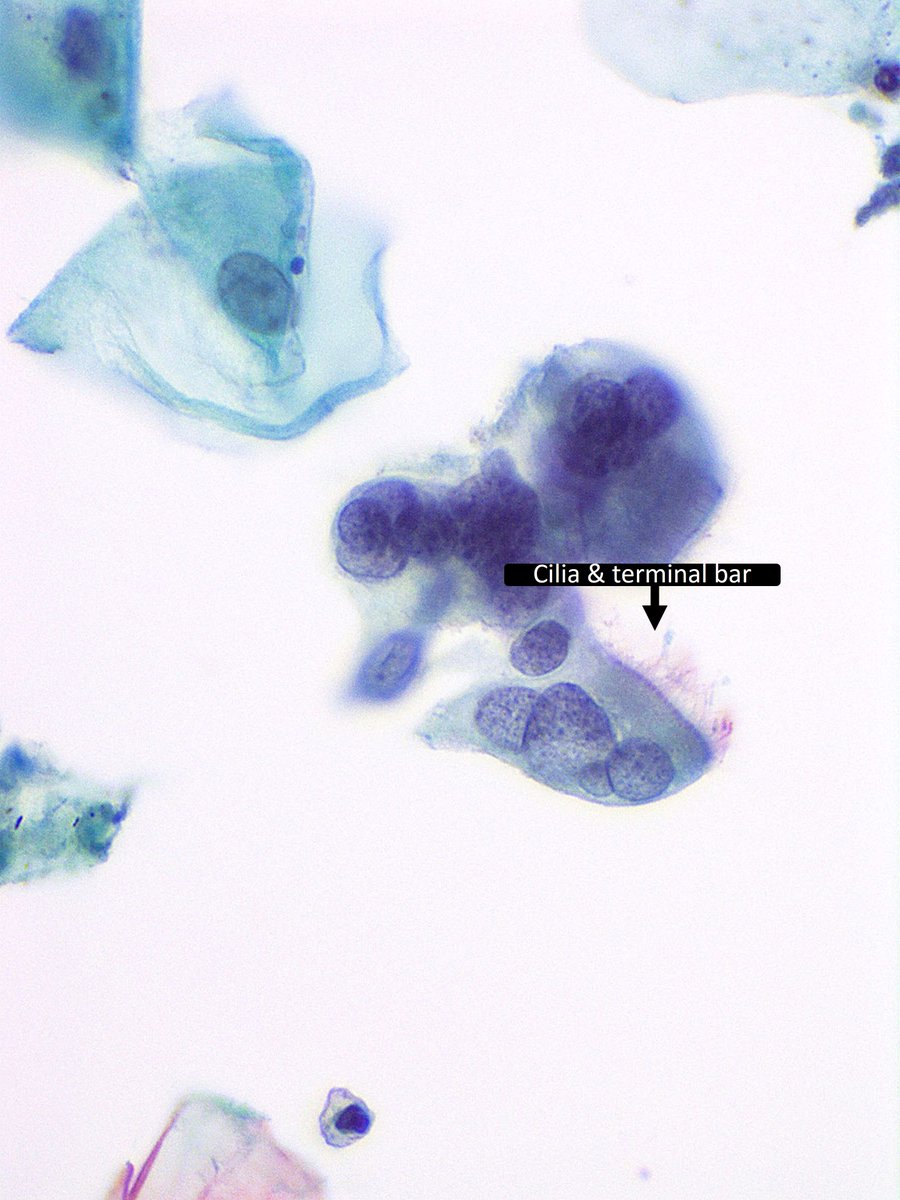
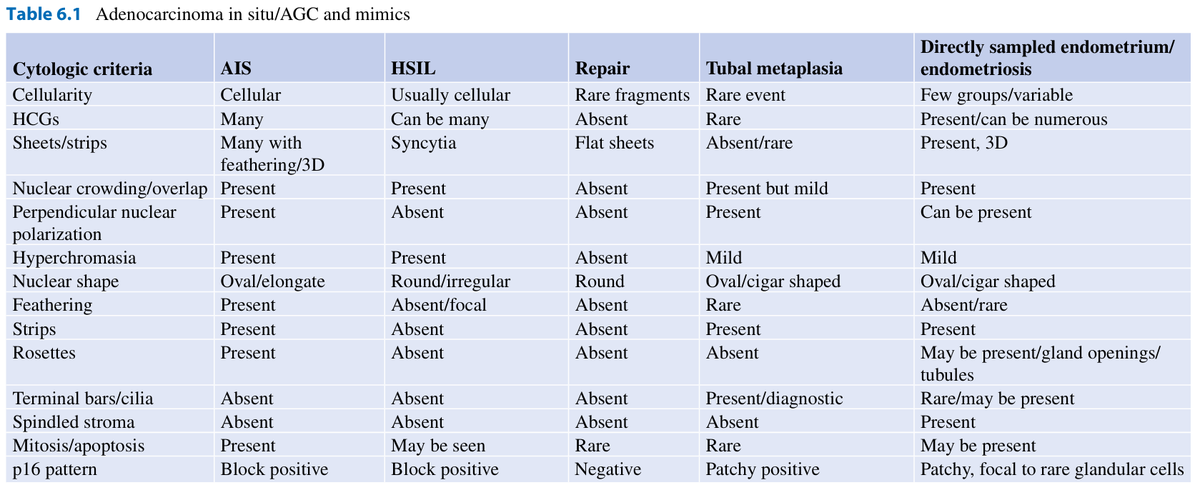
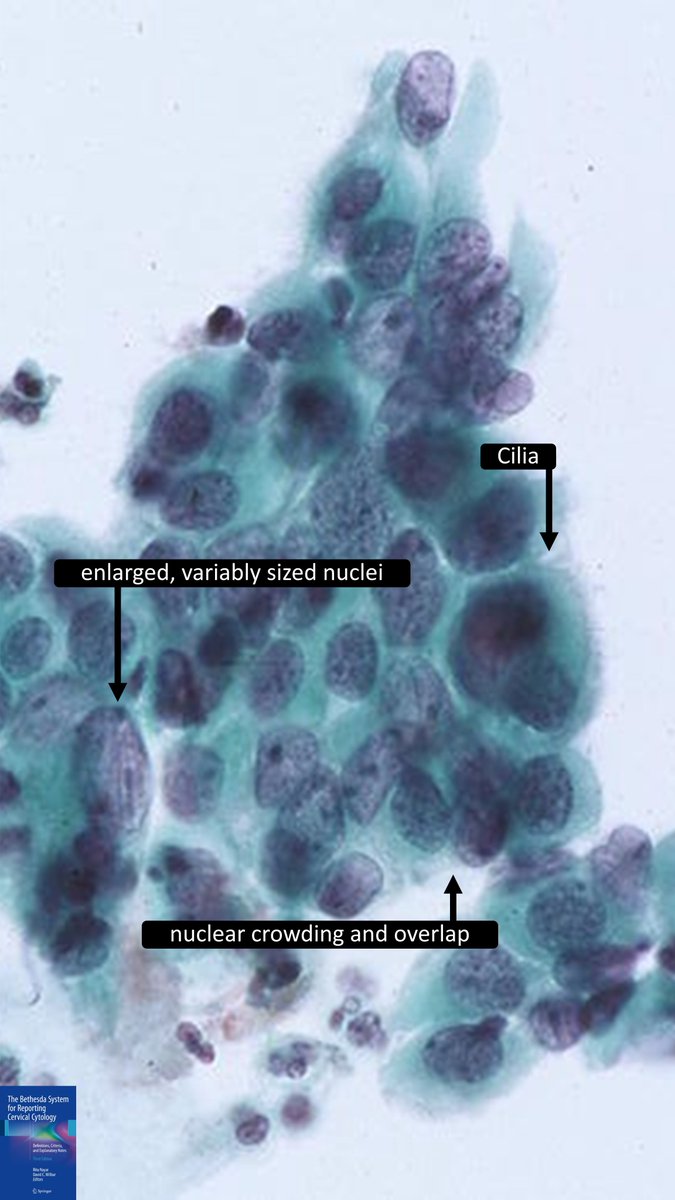
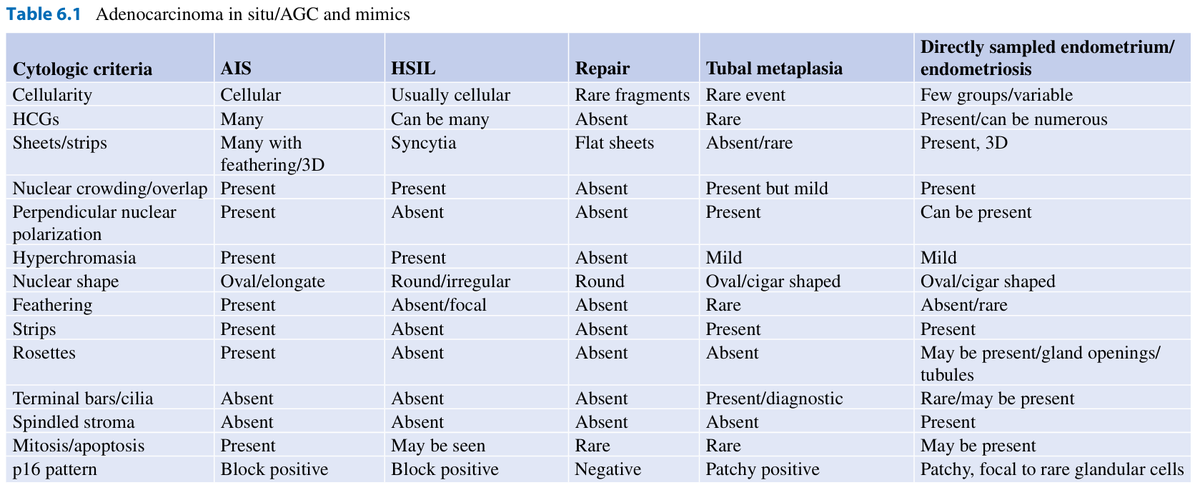
Answer for #1 and Bonus: Tubal metaplasia
Cells: columnar, ciliated (with terminal bar), pseudostratied or in small groups
Nuclei: round to oval, may be pleomorphic or hyperchromatic, chromatin evenly distributed, nucleoli not seen
Cytoplasm: discrete vacuoles and goblet cell change
!!! Individual ciliated cells is not enough !!!
#CytoPath #PathSky #PathTwitter #Pathology
1
3
15
1,004
7 Aug 2025
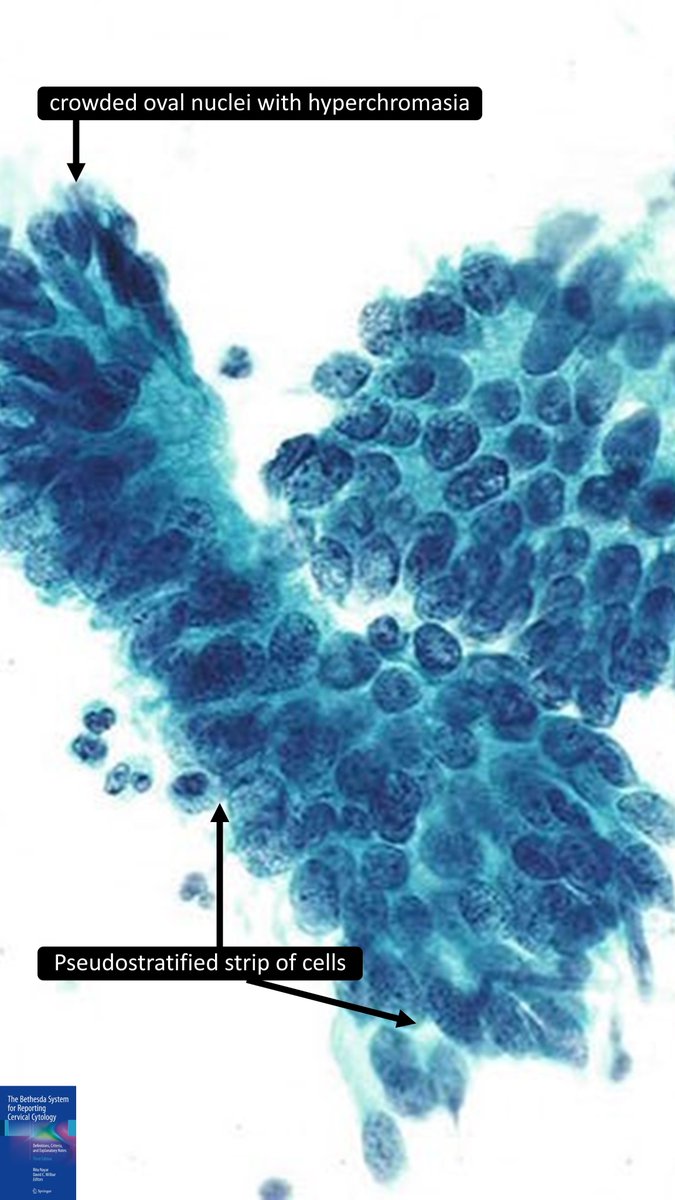
Answer for #2: Atypical endocervical cells
Cells: sheets, strips, pseudostratified
Nuclei: enlarged, elongated, hyperchromatic with heterogeneous & coarse chromatin
Hyperchromasia that is more monotonous than simple metaplasia
Cytoplasm: may be abundant, but N:C is increased; distinct cell borders
#CytoPath #PathSky #PathTwitter #Pathology
1
7
22
956