13h
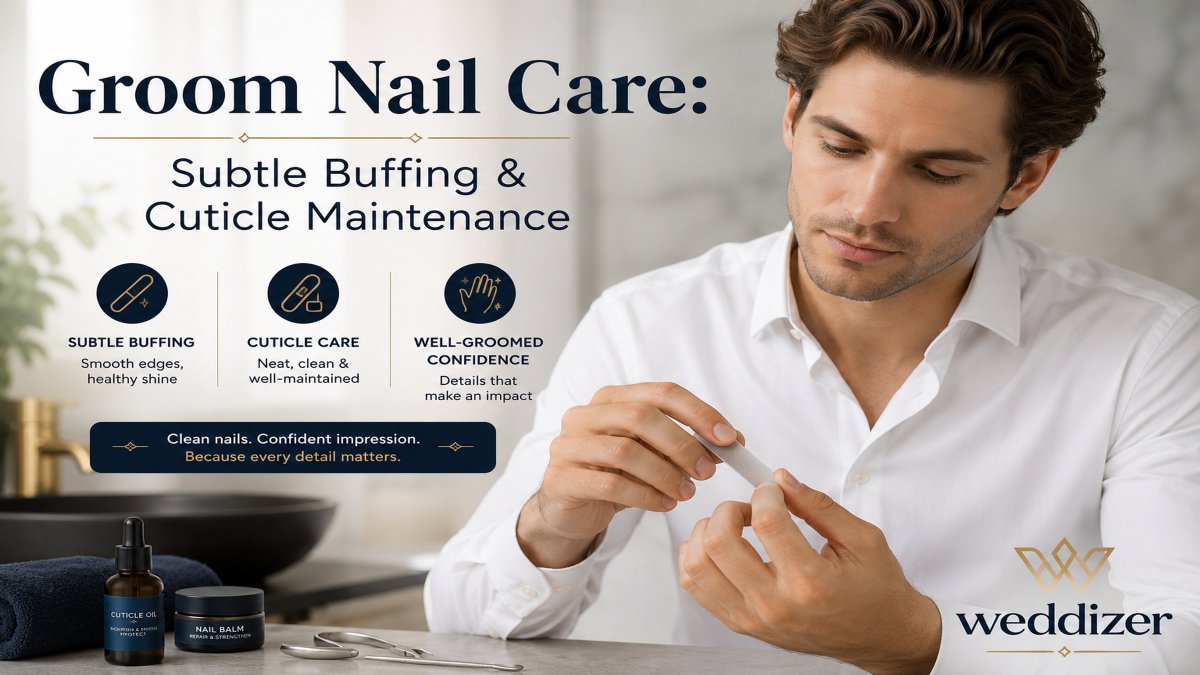
Actually it’s bc of her boobs. When a woman with a substantial cup size wears a top w/o any stretch (looks synthetic, maybe polyester?) that has no bust dart for shaping, the excess fabric has to go somewhere. In this case … the neckline.
Source: I’m a professional patternmaker
1
491

Jun 11
Pattern Makers, Your Work Matters
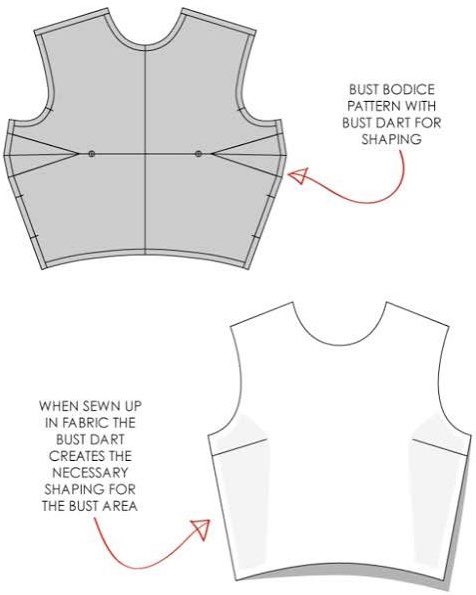
From dress patterns to jackets and suits, epatternz is the perfect place to sell your expertise. Upload now and start earning!
epatternz.com
#sewingpatterns #patternmaker #fashionentrepreneur

1

Briggette Donatien is a global fashion authority and wellness entrepreneur whose work spans continents and industries. With over 40 years in the fashion industry, she is a seasoned technical designer, patternmaker, and advisor shaping the next genera...

35
Jun 7
Your Patterns, Their Next Masterpiece
Brands are waiting for designs like yours. Upload your work to epatternz.com and start selling today.
Sign up now! → epatternz.com
#fashioncollaboration #patternmaker #digitaldesigns

1

Circa 1977, in the small industrial town of Sevnica in what was then Communist Yugoslavia, a seven-year-old girl named Melanija Knavs walked onto a makeshift runway at the Jutranjka children's clothing factory and modeled the factory's latest designs in front of an audience of workers and neighbors.
The woman who put her there was her mother, Amalija Knavs, a patternmaker at that same factory who had spent 33 years, from 1964 to 1997, creating textile patterns in a state-owned manufacturing plant while simultaneously coming home each evening and sewing handmade dresses for her two daughters from the same fabrics she worked with all day.
That seven-year-old girl would eventually become the First Lady of the United States, and the direct line from a Slovenian factory runway to the East Wing of the White House runs entirely through Amalija. Melania said it herself at the 2016 Republican National Convention in Milwaukee: her elegant and hard-working mother introduced her to fashion and beauty.
Amalija returned from occasional business trips carrying Western fashion magazines that were difficult to obtain in Communist-era Yugoslavia, and Melania absorbed them with the intensity of a child who already understood that what was in those pages represented something larger than Sevnica could contain. Amalija wore high heels when other women wore flats, chose her outfits with deliberate care, and built an aesthetic standard for her household in a two-bedroom apartment in an eight-story building that belied the modesty of their circumstances.
When Melania eventually moved to Ljubljana for high school and then to the wider world of modeling, the foundation Amalija had laid was already structural, not decorative.
After Melania married Donald Trump in 2005, Amalija and her husband Viktor left Slovenia and moved to the United States to be close to their daughter and later their grandson Barron, obtaining U.S. citizenship in 2018.
Amalija was photographed alongside Melania at a Zac Posen fashion show in New York as early as February 2004, a moment that captured, without any caption needed, a mother and daughter sharing the world that one of them had quietly built for the other from a factory floor in Sevnica.
-Glorious Days in History

1
1
2
99
Jun 7
Your Patterns, Their Next Masterpiece
Brands are waiting for designs like yours. Upload your work to epatternz.com
and start selling today.
Sign up now! → epatternz.com
#fashioncollaboration #patternmaker #digitaldesigns
2

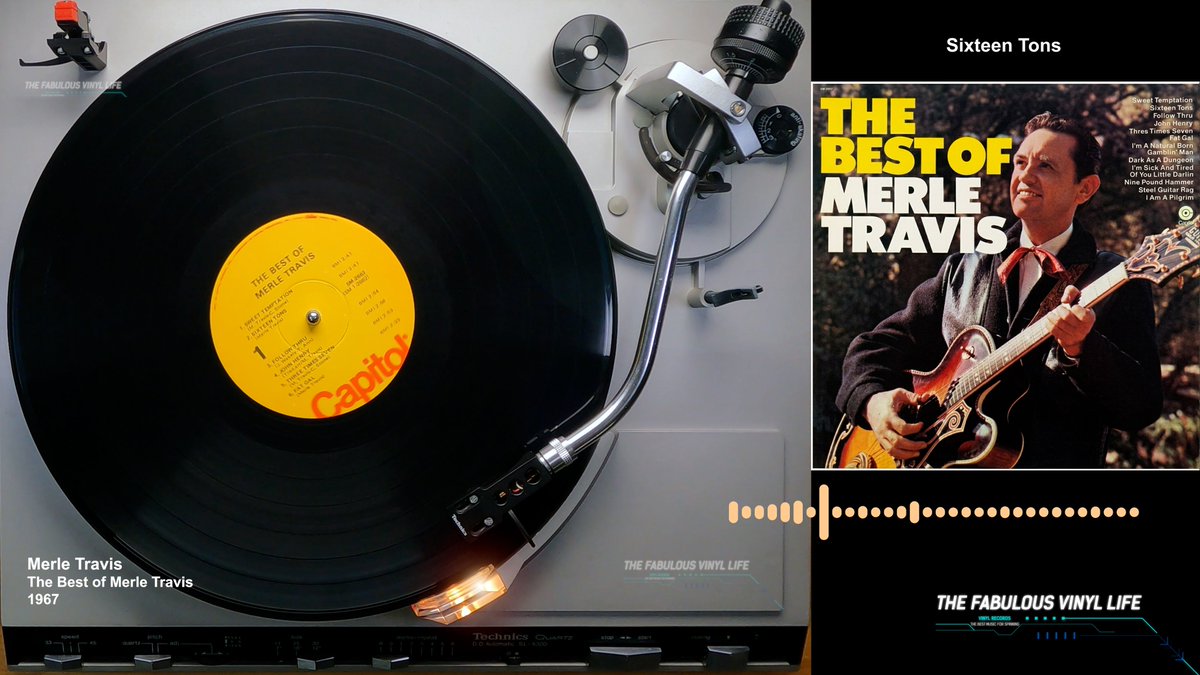
Merle Robert Travis (1917 – 1983) was one of the most influential American country music guitarists, songwriters, and inventors of the 20th century. Born in Rosewood, Kentucky, Travis grew up in the heart of western Kentucky's coal country. The son of a tobacco farmer turned coal miner, his upbringing amidst the struggles of mining life deeply shaped his perspective and future songwriting. He began learning the guitar at age 12, heavily inspired by local musicians like Mose Rager and Ike Everly (father of the Everly Brothers). They taught him a regional, syncopated style of fingerpicking that Travis would eventually evolve and popularize worldwide. Travis revolutionized acoustic and electric guitar playing by formalizing a technique that became universally known as "Travis Picking". Beyond his playing technique, Travis designed a solid-body electric Spanish guitar in 1948 that was built by California patternmaker Paul Bigsby. This innovative instrument predated and heavily influenced Leo Fender's creation of early mass-produced solid-body electric guitars like the Telecaster.
Signing with Capitol Records in 1946, Travis established himself as a prominent hitmaker and a master storyteller. His songwriting seamlessly pivoted between clever novelty songs and poignant, grit-infused social commentary.
His landmark 1947 conceptual project, Folk Songs of the Hills, introduced his most enduring compositions—"Sixteen Tons" and "Dark as a Dungeon". "Sixteen Tons" went on to become a massive international multi-million-selling crossover hit when re-recorded by Tennessee Ernie Ford in 1955.
In 1974, he earned a Grammy Award alongside his longtime disciple Chet Atkins for their collaborative instrumental LP, The Atkins-Travis Traveling Show. In recognition of his monumental impact as an instrumentalist, songwriter, and cultural figure, Merle Travis was inducted into the Country Music Hall of Fame in 1977. He continued recording traditional country and blues music until he passed away from a heart attack in October 1983.
rumble.com/v7au0em-merle-tra…
1
74


I mean yeah that was pretty obvious she is the Patternmaker after all
20

May 31
Bunch of Junk. Meant to discredit by tying to Russia.
Melania Trump was raised by her parents, Viktor and Amalija Knavs, in Slovenia.
The first lady, who's the subject of the January 2026 documentary Melania, grew up with her sister, Ines, and their parents in the town of Sevnica, about an hour from the capital of then-Communist Yugoslavia.
Viktor worked as a chauffeur and car salesman, while Amalija was a patternmaker.
He was once suspected of smuggling by the Yugoslavia Secret Police, but he was never convicted of anything…at that, or any other time, CONTRARY to what the American Press has said.
1
2
20
3,093

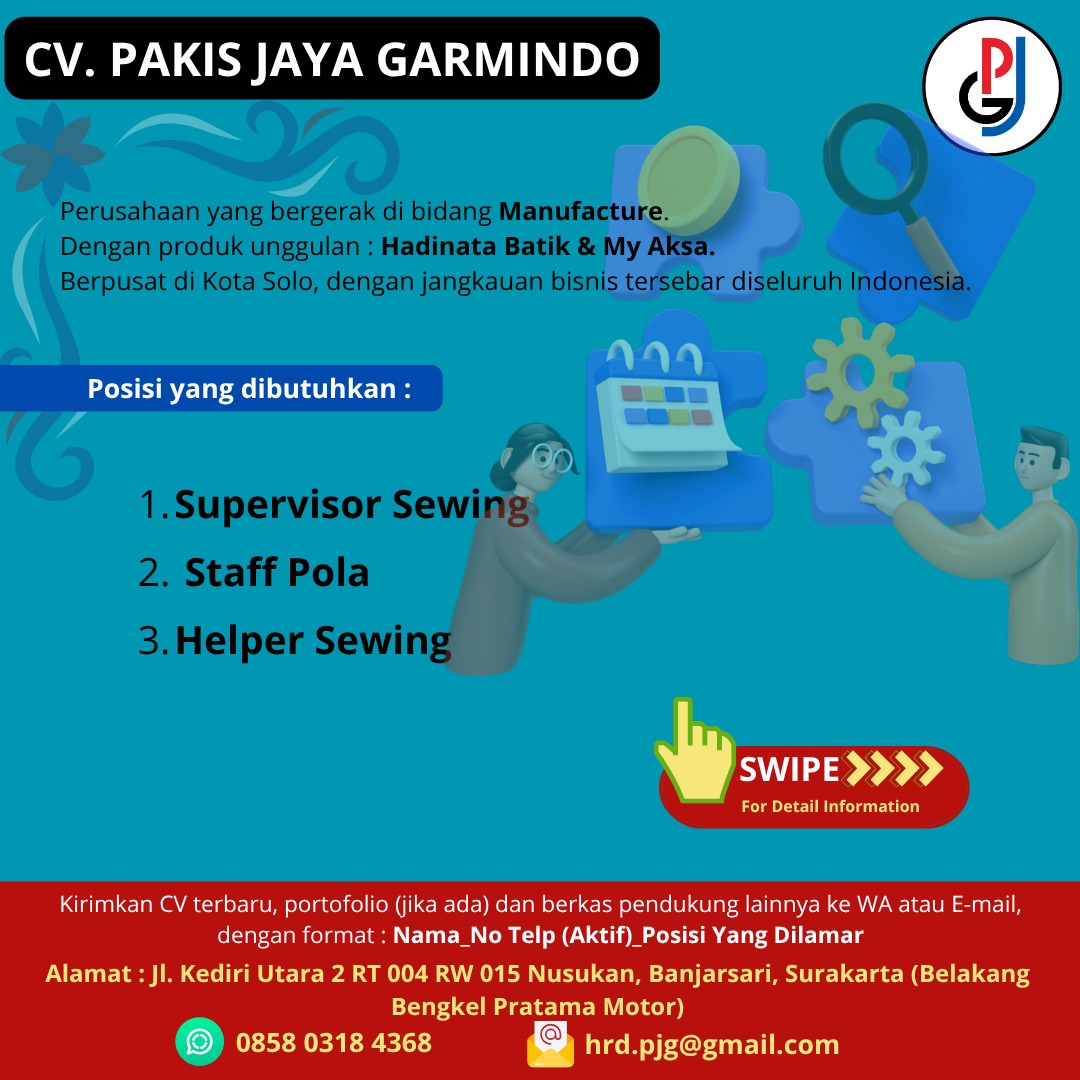
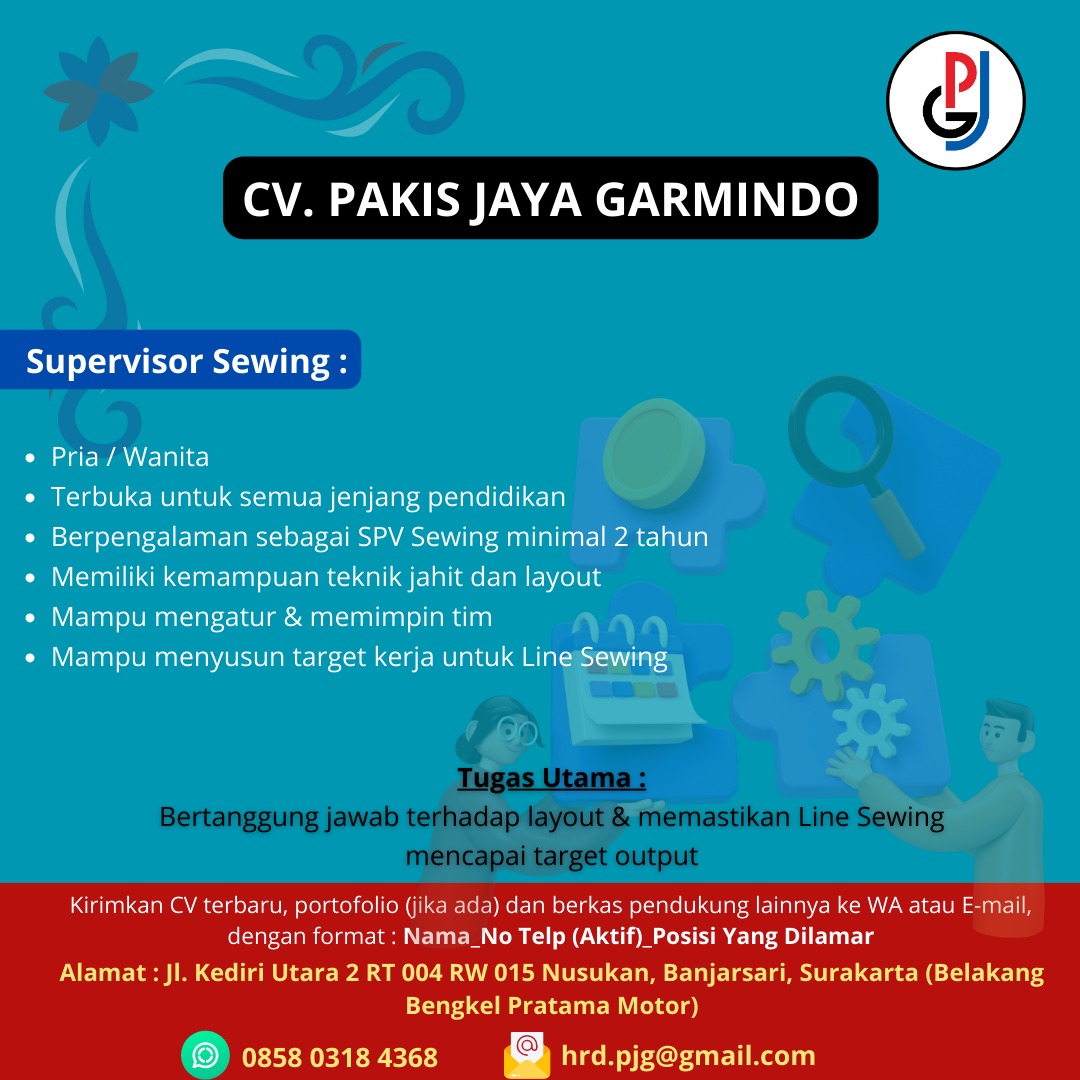
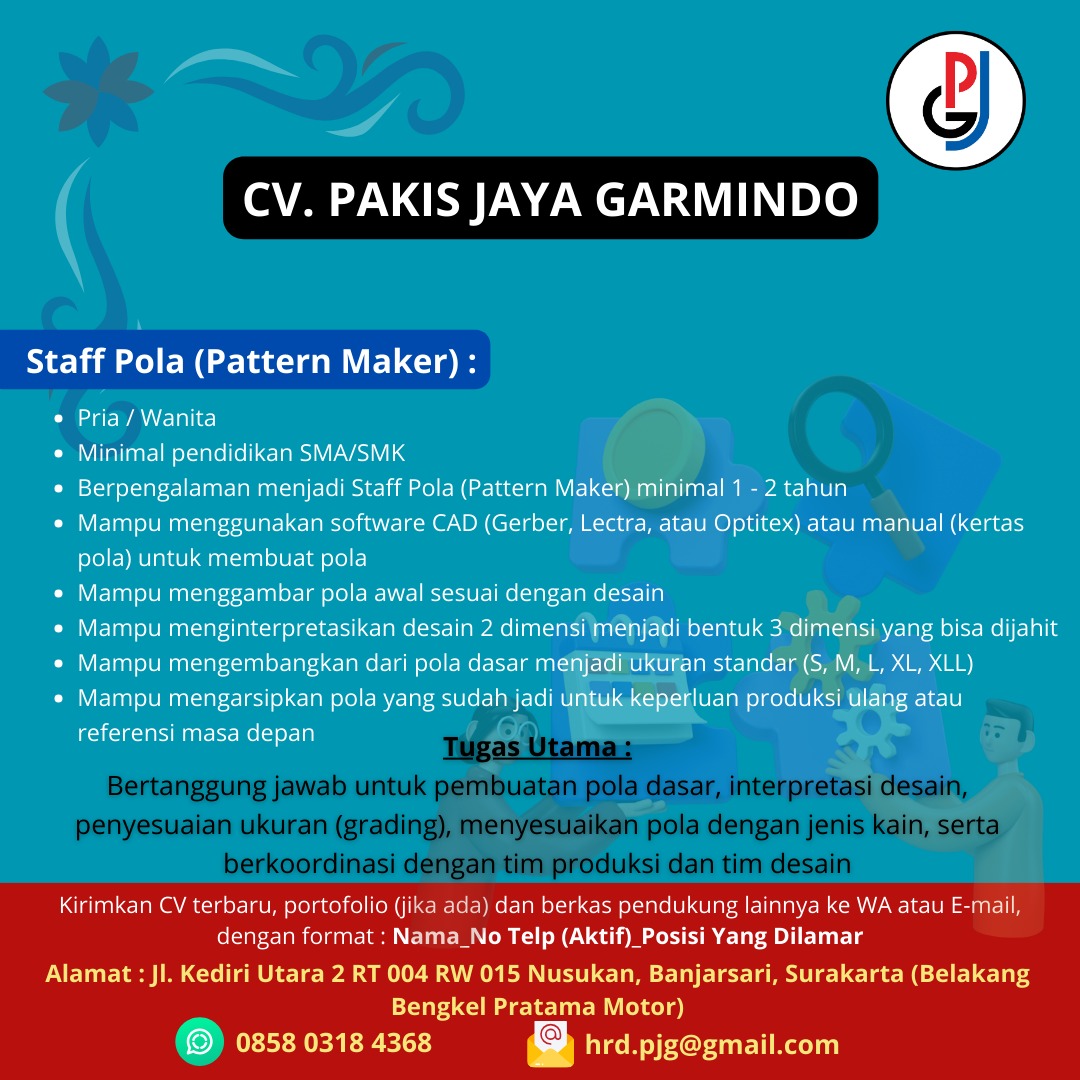
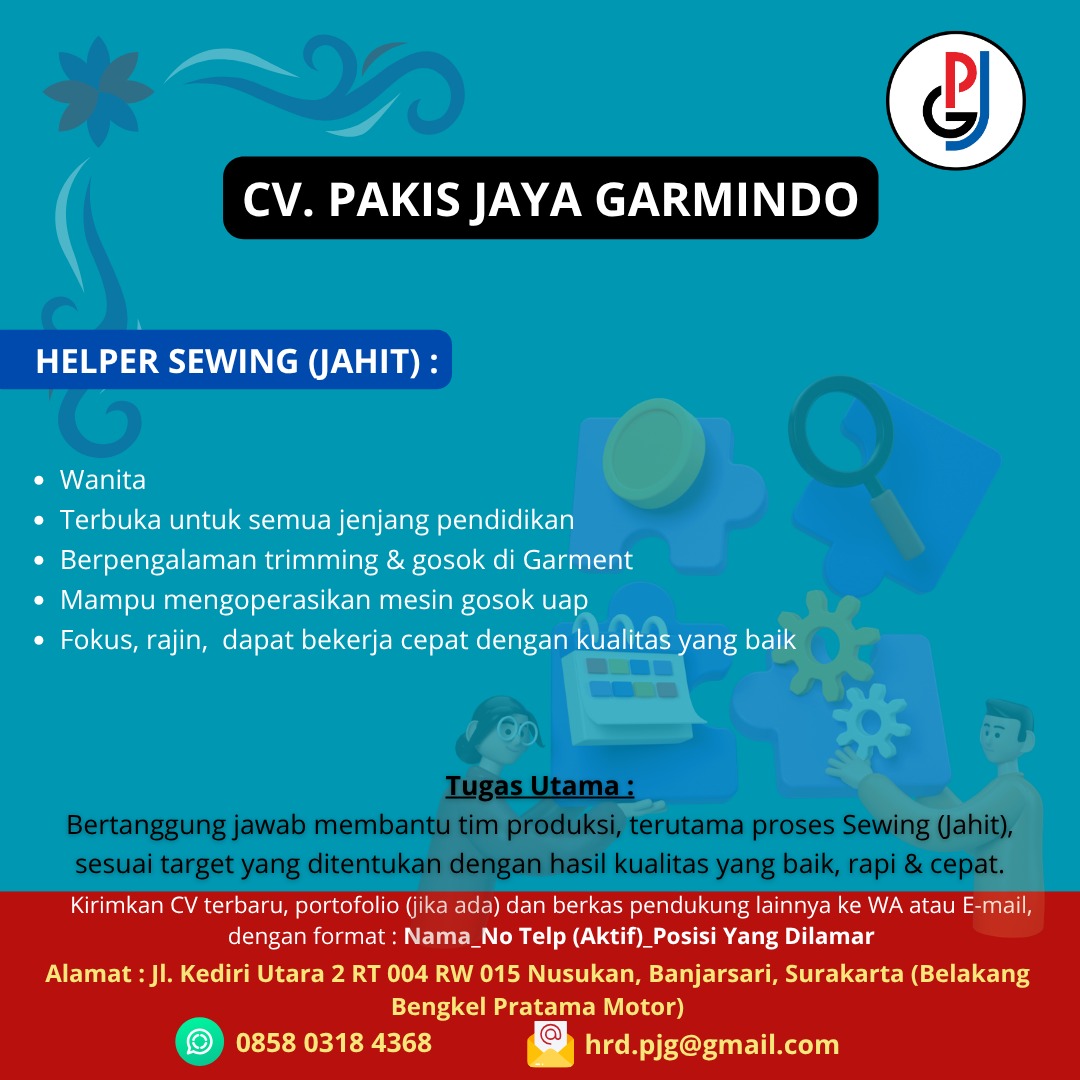
📢 LOWONGAN KERJA – CV. PAKIS JAYA GARMINDO 📢
📩 Kirim CV terbaru, portofolio (jika ada), dan berkas pendukung lainnya ke:
📧 hrd.pjg@gmail.com
📱 0858 0318 4368
📌 Format:
Nama_No Telp (Aktif)_Posisi Yang Dilamar
#LowonganKerja #LokerSolo #GarmentSolo #PatternMaker
60
Briggette Donatien is a global fashion authority and wellness entrepreneur whose work spans continents and industries. With over 40 years in the fashion industry, she is a seasoned technical designer, patternmaker, and advisor shaping the next genera...

222


May 22
I was working as a patternmaker and grader for a down coat manufacturer in Denver.
7

Hy, you can DM me to book a slot and check my rates!
vgen.co/WanzPattern03/…
#vgencomm
#cosplaypattern #cosplaycommission #commissionsopen #cosplayindo #cosplaydesign #patternmaker #cosplayerindonesia #digitalpattern #costumemaker
13

She is a patternmaker! 🪡
I wish this carefree life of this mysterious stranger were mine, but unfortunately, my reality is far from that (yet). Maybe some people could already see me this way from the outside.
I am a patternmaker who works independe...
7

May 19
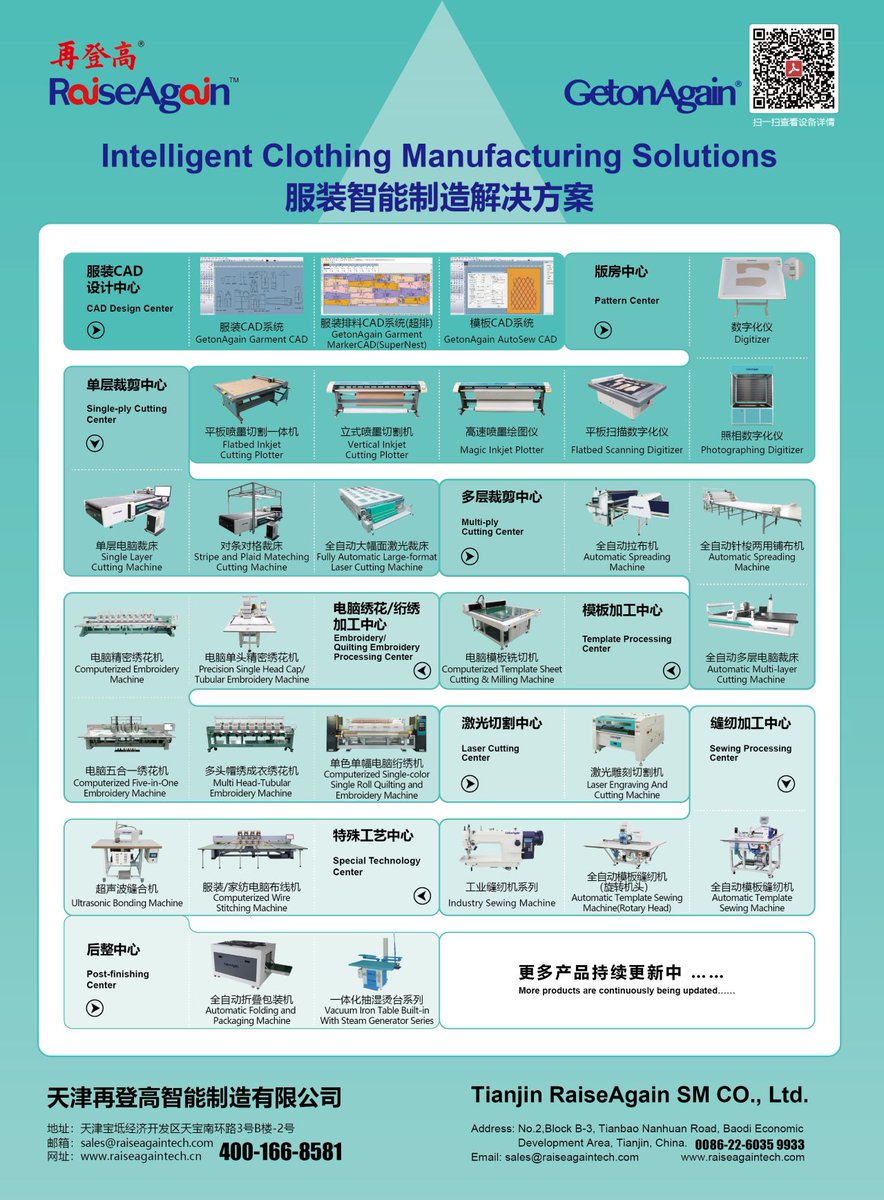
Contact : WhatsApp; wechat 8618322467900
jean@getonagain.com
#patternmaker #patterns #fashionpatterncutting #fashionidea #fashiondesinger #fashionista#garmentdistrict #fashionblog #patternmakingclasses#clothing#apparel#fashinon #design #garment CAD#cad#cam
58

May 18
Not only that, but EVERYTHING was built using slip-sticks. Dad gave me his - he was a patternmaker in the Chevrolet model shop at the Tech Ctr - after buying a calculator that could calculate everything that the slip-stick could ~'75. He also gave me 3-sided drafting ruler.
1
12

May 18
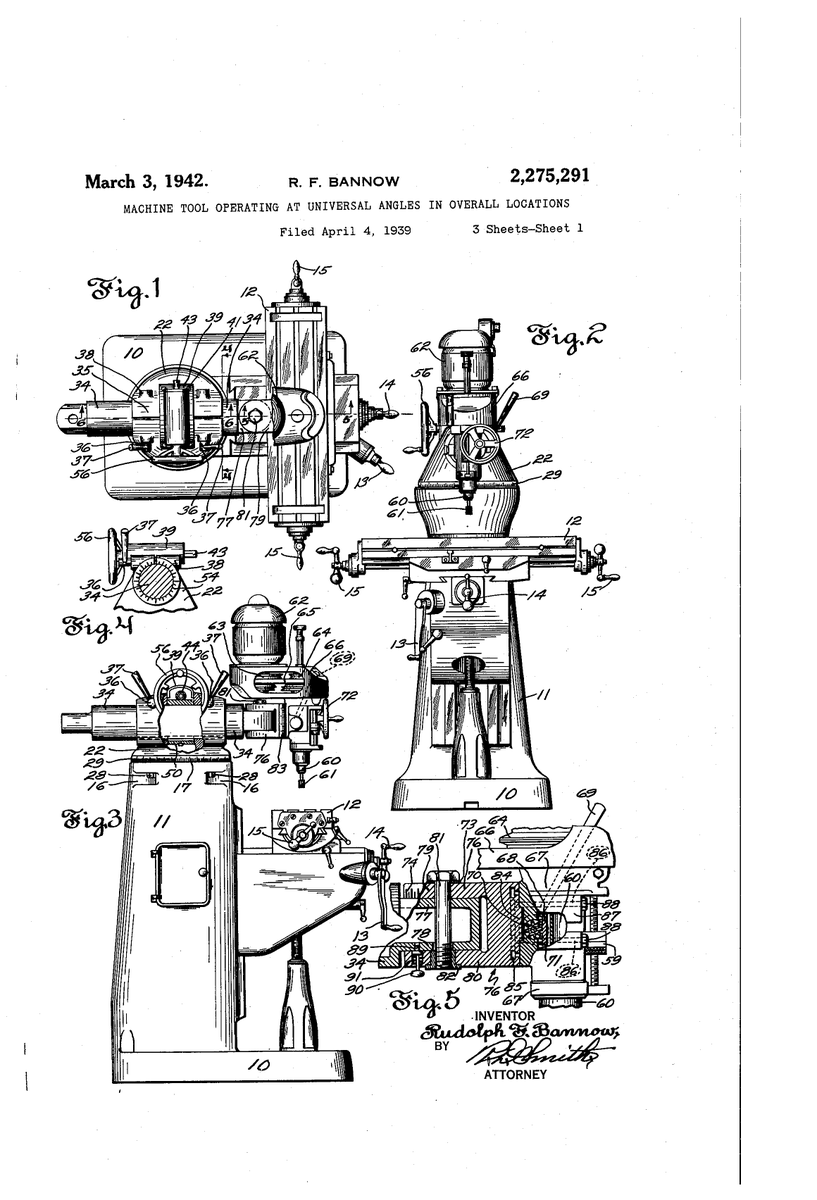
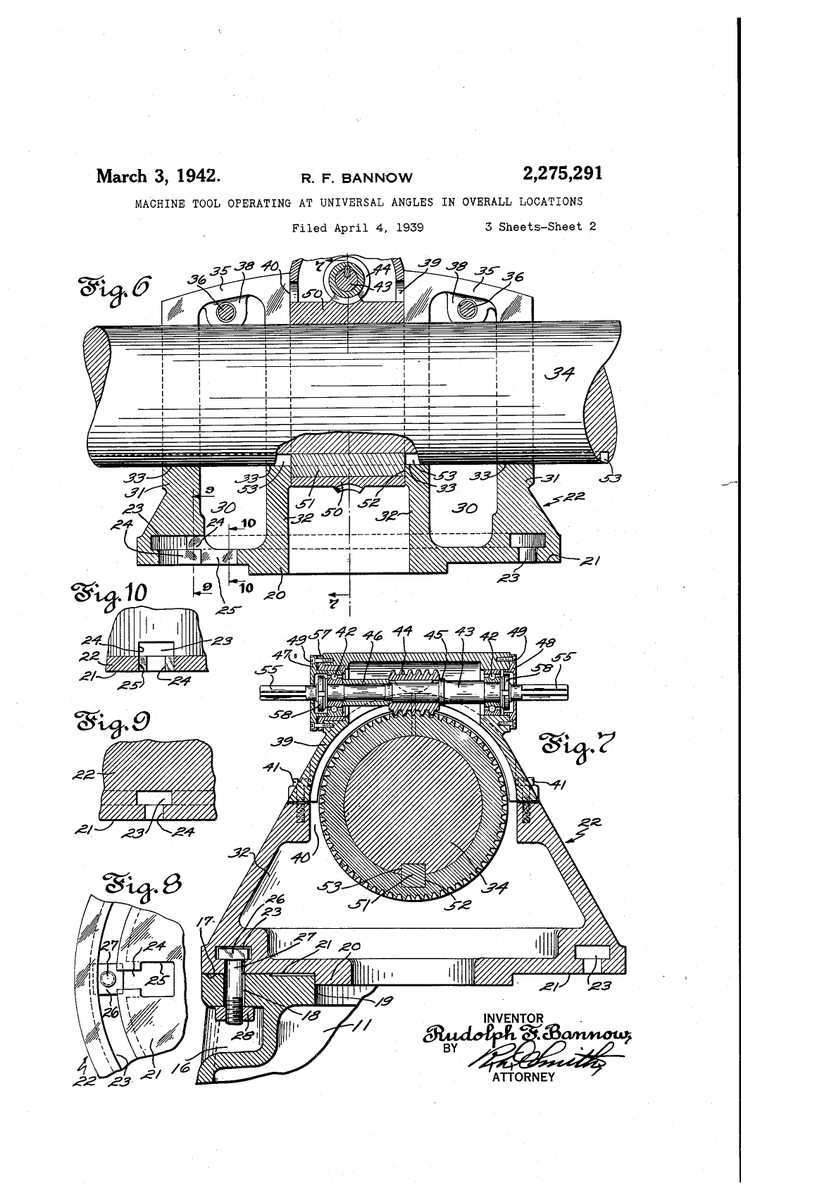
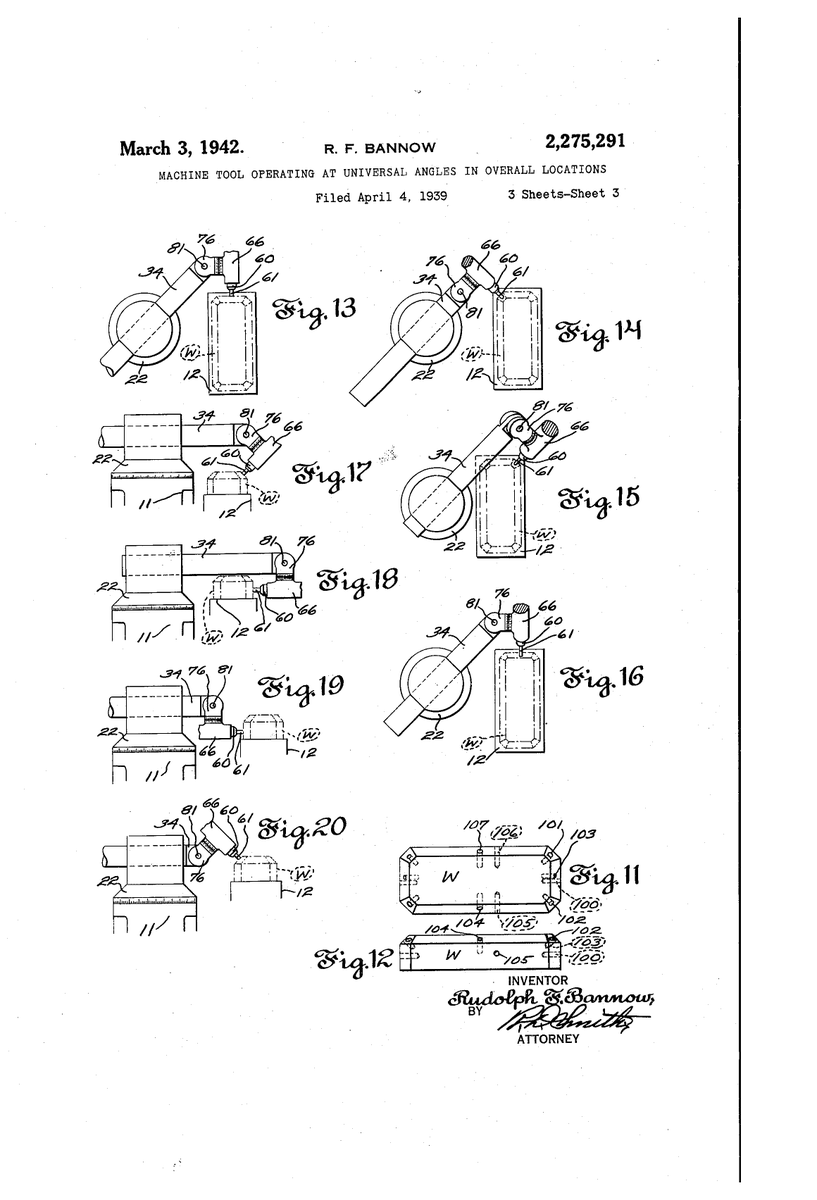
Few machines in the American workshop have inspired as many hours of conversation and shared experience as the Bridgeport milling machine. The familiar form in this post embodies a design whose foundational patent granted in 1942 captured a transformative approach to versatile precision machining.
In the closing years of the 1930s, as American industry prepared for greater output amid economic recovery and approaching global conflict, machinists faced persistent limitations with existing equipment. Traditional milling machines often demanded laborious repositioning of heavy workpieces to reach different areas or angles, slowing production and introducing opportunities for error. The need was acute for a more adaptable tool that could bring the cutter to the work efficiently, supporting the growing demands of manufacturing complex components for machinery and defense.
The turret milling design addressed these challenges through an innovative articulated structure. Mounted on a swiveling turret atop the machine’s column, an extendable cylindrical overarm carried a hinged yoke supporting the powered milling head. This configuration allowed the spindle to be positioned and inclined with remarkable freedom, enabling operations across the entire work table while the workpiece remained centrally located and balanced. It was a solution perfectly timed for an era when efficiency and flexibility in the shop became critical advantages.
Rudolph F. Bannow, a Swedish immigrant who had built his career as a patternmaker and owner of Bridgeport Pattern & Model Works in Connecticut, drew from practical experience when he conceived the turret mill—legend holds he first sketched the concept on a paper bag while sitting in his truck. The specific spark was creating a machine tool with universal ability to perform its cutting or other operations free from many restrictions and limitations that have heretofore handicapped users, as described in his patent. The clever engineering of the sliding ram, rotatable turret, and adjustable head joints translated that vision into the shop floor staple that has served generations of machinists so well.
Full patent text & diagrams: patents.google.com/patent/US…
22

May 17
Apparelizer celebrates the hidden craftsmanship that powers the fashion world.
#PatternMaker #HighFashion #FashionDesign #LuxuryFashion #FashionIndustry #FashionDesigner #CoutureFashion #RunwayStyle #DigitalFashion #SustainableFashion #FashionTechnology #Apparelizer #StyleTrends