
May 18
The VFX was led by Westworld, the Korean company founded in 2018, who previsualized every scene during pre-production to minimize variables and ensure precision.
1
20
1,708

Made with Seedance 2.0 by @yapper_so
Prompt:
Generate a cinematic, large-scale action long take animation. Theme: A Chinese youth flies a kite through crowded streets, leaps up steps, flips and lands, dashes toward a high platform, and executes a difficult jump. The drumbeat erupts the moment he lands. One single continuous shot throughout, no cuts, fluid movements, clear weight, inertia, and landing cushioning. Style transition: 0-5s: Clear, highly saturated yet controlled Makoto Shinkai style, with moist reflections. 6-10s: Ink wash explosion; background buildings simplified with ink strokes, speed lines in dry-brush splatter style, drumbeats visualized as ink shockwaves. The protagonist and kite must remain clearly defined. 4K video, American military marching band with over 50 members parading on campus, sunny weather. Band in formal dark blue military uniforms with golden epaulets, marching in neat formation. Brass players perform classic military marches, drummers play steady rhythms, conductor leads with a baton. Background: cheering students, American flags, ancient red-brick campus buildings. Camera: dynamic tracking, alternating wide and medium shots, smooth movement. Audio: stereo brass melodies, drumbeats, crowd cheers. Atmosphere: bright, energetic, patriotic, warm sunlight tones." Then it gets even crazier: - 0-5s → Makoto Shinkai-style visuals (clean, saturated, reflective) - 6-10sfull ink-wash explosion with speed lines brush effects And layered on top of that: - A full American marching band (50 members) in formation - Drumbeats synced with action (impact hits on landing) - Campus environment with red-brick buildings crowd energy Everything stays coherent in ONE continuous shot... no weird cuts, no broken physics. The motion actually has weight. Landings feel real. Transitions feel directed, not generated. Feels less like "Al video" and more like a previsualized film sequence Seedance is lowkey turning prompts into full-on choreography engines.
17
7
50
5,996

Ansel Adams’ primary technique for achieving the full, rich tonal range from deep black to bright white in his iconic black-and-white photographs was the Zone System, which he developed with Fred Archer in the late 1930s/early 1940s. This system allowed precise control over exposure and development to capture a wide dynamic range while matching his previsualized (mental preview) final print.
Core Principles of the Zone System
The Zone System divides all possible tones into 11 zones (labeled with Roman numerals I–X, plus 0 in some descriptions), each representing one stop (a factor of 2×) difference in exposure/light intensity:
•Zone 0 — Pure black, no detail (film base fog or maximum paper black).
•Zone I — Near black, slight tonality but no visible texture/detail.
•Zone II — First visible texture in deep shadows (very dark, but with subtle separation).
•Zone III — Dark areas with full texture/detail (e.g., deep shadows where you want clear definition).
•Zone IV — Slightly darker than middle gray.
•Zone V — Middle gray (18% reflectance, the tone most light meters “average” toward).
•Zone VI — Light gray (e.g., average Caucasian skin tones).
•Zone VII — Bright highlights with texture (e.g., light skin, concrete in sun).
•Zone VIII — Very bright with subtle texture/detail (e.g., textured snow or white clothing).
•Zone IX — Approaching pure white, faint tonality.
•Zone X — Pure white, no detail (specular highlights or maximum paper white).
The full range from pure black (Zone 0) to pure white (Zone X) spans about 10–11 stops in theory, but the usable range with detail is typically 7–9 stops (roughly Zone II–VIII or III–VIII), depending on film/paper and processing.
Exposure Technique for Optimal Range
Adams emphasized previsualization — imagining exactly how the scene’s tones should appear in the final print — then using exposure and development to achieve it.
The classic mantra is:
“Expose for the shadows, develop for the highlights.”
1Previsualize the scene in black-and-white zones.
2Identify the important shadows (areas where you want visible texture/detail, often placed in Zone III or Zone IV — the darkest areas you don’t want blocked up as pure black).
3Use a spot meter (or careful averaging) to measure those key shadows.
4Place them in the desired zone by adjusting exposure:
◦The meter always suggests Zone V placement (middle gray).
◦To place a shadow in Zone III, underexpose by 2 stops from the meter’s reading (since Zone V – Zone III = 2 stops darker).
◦Example: If shadows meter for 1/60s at f/8 (as Zone V), expose at 1/60s at f/16 (or equivalent) to place them in Zone III.
5Check where highlights fall:
◦Meter bright areas; see which zone they land in after shadow placement.
◦Ideal: Important highlights with texture in Zone VII or VIII (bright but not blown out).
6If the scene’s contrast range is too wide (highlights exceed Zone VIII–IX), reduce development time (N- development) to compress highlights while shadows stay protected.
◦If too flat/low contrast, increase development (N development) to expand the range.
This ensured maximum detail across the tonal scale, avoiding blocked shadows or blown highlights, and producing negatives with a full, printable range from rich blacks to sparkling whites.
Modern Application
While designed for black-and-white film and darkroom printing, the principles apply to digital: expose to protect shadows (often via ETTR or histogram monitoring), place key tones deliberately, and use post-processing (curves/levels) to map tones like Adams’ development control. His approach remains foundational for understanding dynamic range and intentional exposure.
For deeper reading, Adams’ book The Negative details this exhaustively.
1
1
3
49

Bikini shoot with @Rebekahwisden from the studio to the shoreline.
Previsualized with @higgsfield_ai.
👁️ Previs first.
🤩 Vision locked in.
🎥 Camera ready.
1
301

19 Oct 2025
ILM’s VFX for 'Fantastic Four: First Steps:' The Thing’s rocks collide naturally, Mister Fantastic’s limbs are previsualized for extreme poses, Sue Storm’s effects use 2D optical refractions, and Galactus uses millions of CG lights for scale. (cc:@80Level) 80.lv/articles/ilm-shows-off…
4
1,330

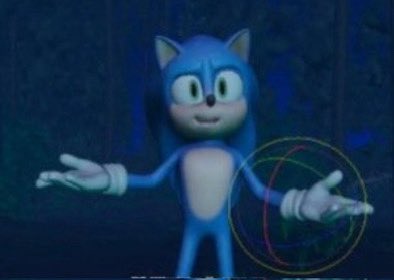
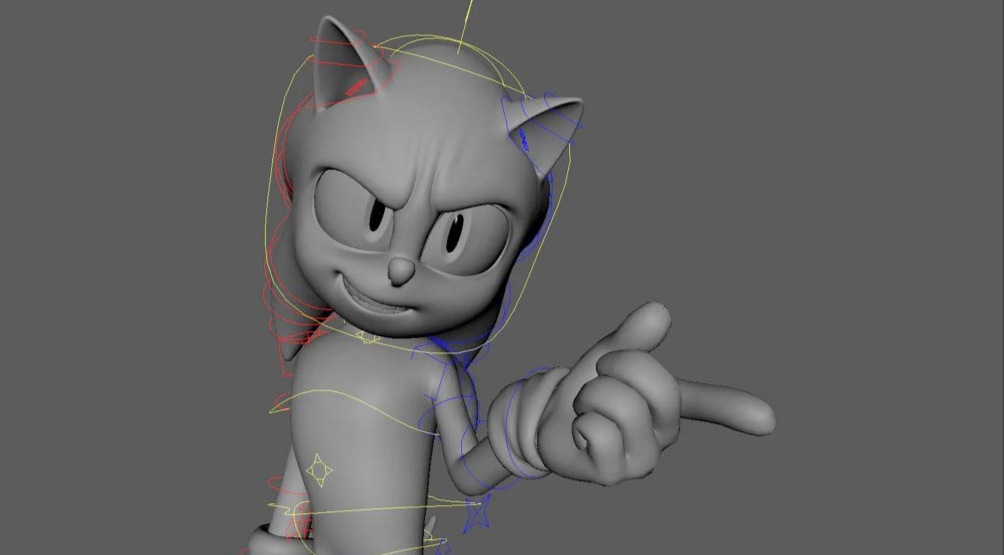
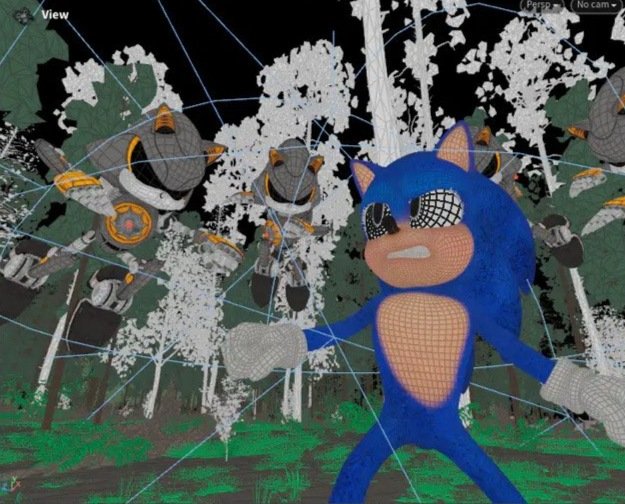
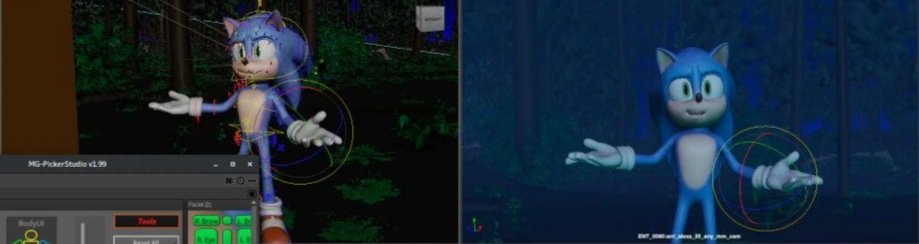

23 Sep 2025
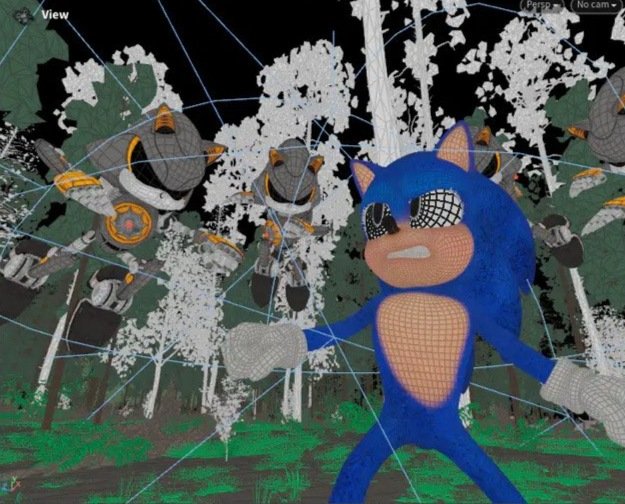
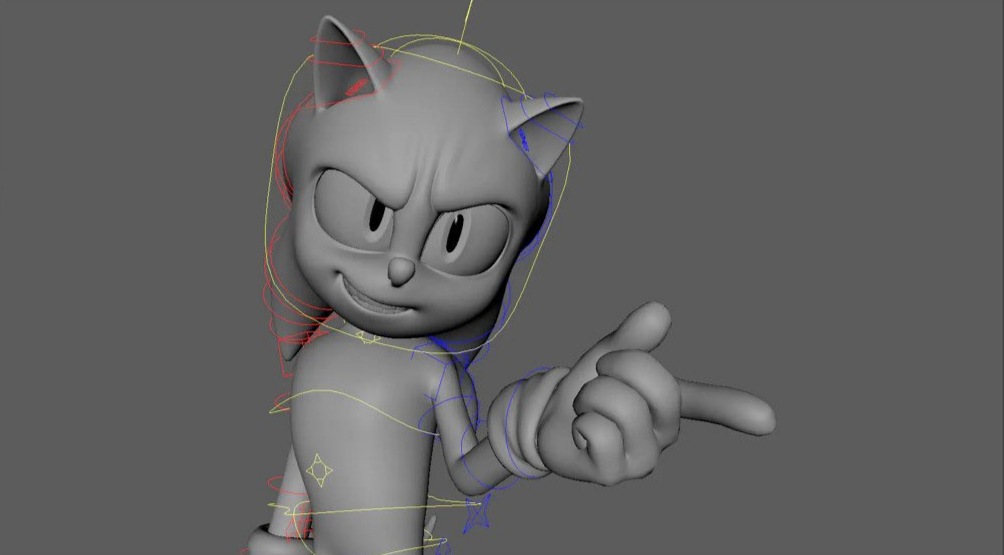
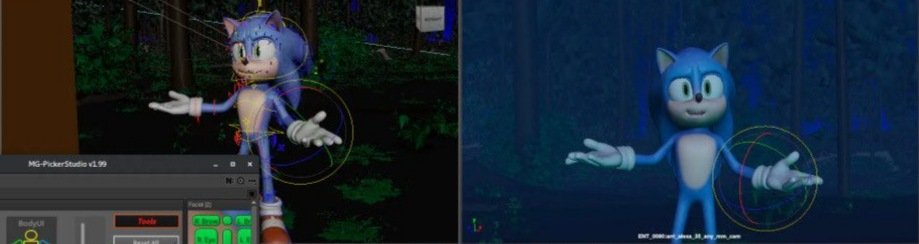
Some more previsualized shots of the Post Credit Scene in Sonic 3
Read more about it in this article 👉: area.autodesk.jp/case/animat…
#SonicMovie3 #Sonic3
5
64
439
10,698

12 Mar 2025
youtube.com/watch?v=uwyrCeCH…
yeap, not real.
plus the whole sequence to the basement was previsualized with vr system custom made from DexterStudios, the studio i used to work for.
3
8
205
48,618

6 Mar 2025
Enjoyed reading that.
I use the act of unplanned vectoring in a grid, made without a previsualized formula, dedicated to creating a path field, which the knots form upon.
It makes it so that every complete knot is unique, and has its own formula. One that I can only see in my head.
Through art I found a beautiful math. One that is natural, and changes, with each geometric layer.
Sorry I went tangent, but I agree tremendously.
2
19

4 Nov 2024
The Ring (2002) 📼
The original cut of the film was over 130 minutes, with an estimated 20 minutes of footage excised from the final cut. Numerous scenes were cut down or entirely removed from the film before release. Some scenes were present only at test screenings, while others appeared in previews or the "Don't Watch This" short film on the DVD and Blu-ray (which compiled some of the deleted scenes together). These scenes include Samara's line, "Everyone will suffer," which was cut from the film but can be heard in the previews. Richard's bathtub suicide was much more graphic. Samara's murder lasted longer in the original cut of the film and was much more brutal than what audiences saw in theaters. Her death had to be edited to obtain a PG-13 rating. Originally, the plastic bag over Samara's head failed to subdue her, leading Anna to repeatedly strike her in the head with a large rock (which can be seen lying on the ground in some shots of the well). The rock only weakened Samara, and finally, Anna resorted to slamming her head against the side of the well before dumping her in. Some test screenings contained scenes at the beginning and end of the film involving a murderer played by Chris Cooper. The first scene involved the murderer approaching Rachel, asking her to help clear his name, claiming he is rehabilitated and no longer a threat to society. She knows he's lying and refuses. Then, at the end of the movie, she pays him a visit and drops off a copy of the video. His scenes were supposed to be a bookend and were cut because test audiences were confused as to why he didn't show up again throughout the rest of the film. Noah goes over to Rachel's apartment and tries to find the tape. When the babysitter hears him say it's a homemade video and that it might be in the bedroom, she starts laughing. He finds the distorted pictures of the kids from the beginning in Rachel's room. One of the pictures shows the sign for the Inn. This leads into another scene where Noah goes to the rental cabins and finds the dead body of the cabin manager in a canoe on the lake. There was a scene where Rachel asks crab fishers on the island about the Morgans. They say that no one could get a good haul when Samara was around. There's additional material with Rachel in Cabin 12, where she tries to watch TV, but the reception is terrible, and she finds a journal left by the previous guests (similar to the Japanese film Ringu (1998) and the original Japanese novel Ring by Kôji Suzuki). Visual effects supervisor Charles Gibson said in an interview that another sequence was "previsualized" but cut from the film. "It was an all-CG montage of the 'Ring' tape being created from a point of view inside the VCR. There is an alternate scene of Rachel and Ruth's discussion at the funeral where Rachel searches Katie's room and finds the ticket for photos. Ruth comes in, and they discuss information Rachel found out from some of Katie's friends. Ruth becomes frustrated and angry about not knowing why Katie died and charges towards the closet, explaining to Rachel that she found Katie there. There is a flashback with Ruth finding Katie's corpse in the closet (the same flashback used in the funeral scene). Midway through the movie, Rachel rents some movies and gets laughs from one of the employees over her picks. This led to an alternate ending in which Rachel put the cursed tape in the sleeve for one of her rented movies and returned it to the store, where it ended up under "employee picks."
1
8
279

7 Aug 2024
Photography is Easy, Photography is Difficult
It’s so easy it's ridiculous. It’s so easy that I can’t even begin – I just don’t know where to start. After all, it’s just looking at things. We all do that. It’s simply a way of recording what you see – point the camera at it, and press a button. How hard is that? And what's more, in this digital age, it's free - it doesn't even cost you the price of film. It’s so simple and basic, that it's laughable.
It’s so difficult because it’s everywhere, every place, all the time, even right now. It's the view of this pen in my hand as I write this, it's an image of you reading now. Drift your consciousness up and out of this text and see: it's right there, across the room - there... and there. Then it’s gone. You didn’t photograph it, because you didn’t think it was worth it. And now it’s too late, that moment has evaporated. But another one has arrived, instantly. Now. Because life is flowing through and around us, rushing onwards and outwards, in every direction.
But if it's everywhere and all the time, and so easy to make, then what’s of value? which pictures matter? Is it the hard won photograph, knowing, controlled, previsualized? Yes. Or are those contrived, dry, and belabored? Sometimes. Is it the offhand snapshot made on a whim? For sure. Or is that just a lucky observation, some random moment caught by chance? Maybe. Is it an intuitive expression of liquid intelligence? Exactly. Or the distillation of years of looking seeing thinking photography. Definitely.
"Life’s single lesson: that there is more accident to it than a man can admit to in a lifetime, and stay sane" ⎯ Thomas Pynchon, V.
Ok, so how do I make sense of that never-ending flow, the fog that covers life here and now. How do I see through that, how do I cross that boundary? Do I walk down the street and take pictures of strangers, do I make a drama-tableaux with my friends, do I only photograph my beloved, my family, myself? Or maybe I should just photograph the land, the rocks and trees – they don't move or complain or push back. The old houses? The new houses? Do I go to a war zone on the other side of the world, or just to the corner store, or not leave my room at all?
Yes and yes and yes. That's the choice you are spoiled for, just don't let it stop you. Be aware of it, but don't get stuck – relax, it’s everything and everywhere. You will find it, and it will find you, just start, somehow, anyhow, but: start.
Okay, but shouldn’t I have a clear coherent theme, surely I have to know what I’m doing first? That would be nice, but I doubt Robert Frank knew what it all meant when he started, or for that matter Cindy Sherman or Robert Mapplethorpe or Atget or... so you shouldn’t expect it. The more preplanned it is the less room for surprise, for the world to talk back, for the idea to find itself, allowing ambivalence and ambiguity to seep in, and sometimes those are more important than certainty and clarity. The work often says more than the artist intended.
But my photography doesn't always fit into neat, coherent series, so maybe I need to roll freeform around this world, unfettered, able to photograph whatever and whenever: the sky, my feet, the coffee in my cup, the flowers I just noticed, my friends and lovers, and, because it's all my life, surely it will make sense? Perhaps. Sometimes that works, sometimes it’s indulgent, but really it’s your choice, because you are also free to not make 'sense'.
"so finally even this story is absurd, which is an important part of the point, if any, since that it should have none whatsoever seems part of the point too" ⎯Malcolm Lowry, Ghostkeeper.
Ok, so I need time to think about this. To allow myself that freedom for a short time. A couple of years. Maybe I won't find my answer, but I will be around others who understand this question, who have reached a similar point. Maybe I’ll start on the wrong road, or for the wrong reasons – because I liked cameras, because I thought photography was an easy option, but if I’m forced to try, then perhaps I’ll stumble on some little thing, that makes a piece of sense to me, or simply just feels right. If I concentrate on that, then maybe it grows, and in its modest ineffable way, begins to matter. Like photographing Arab-Americans in the USA as human beings with lives and hopes, families and feelings, straight, gay, young, old, with all the humanity that Hollywood never grants them. Or the black community of New Haven, doing inexplicable joyous, ridiculous theatrical-charades that explode my preconceptions into a thousand pieces. Or funny-disturbing-sad echoes of a snapshot of my old boyfriend. Or the anonymous suburban landscape of upstate in a way that defies the spectacular images we're addicted to. Or... how we women use our bodies to display who we believe we should be. Or...
"A Novel? No, I don't have the endurance any more. To write a novel, you have to be like Atlas, holding up the whole world on your shoulders, and supporting it there for months and years, while its affairs work themselves out..." ⎯ J. M. Coetzee, Diary of a Bad Year.
And hopefully, I will carry on, and develop it, because it is worthwhile. Carry on because it matters when other things don't seem to matter so much: the money job, the editorial assignment, the fashion shoot. Then one day it will be complete enough to believe it is finished. Made. Existing. Done. And in its own way: a contribution and all that effort and frustration and time and money will fall away.hard-won
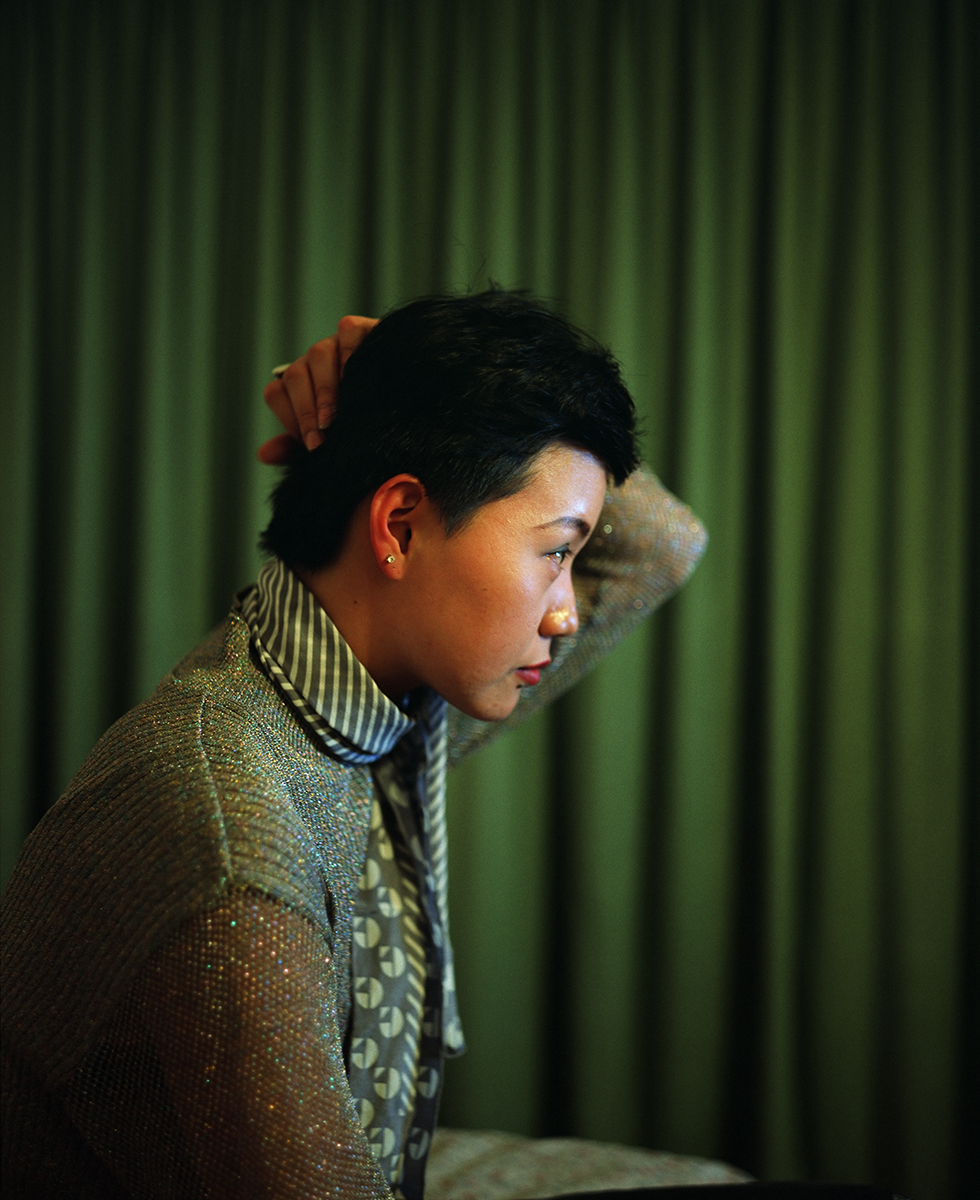
🧾Yale MFA Photography Graduation Book, 2009
🖼️Paul Graham | Television Portraits
6
6
38
2,428

28 May 2024
The film opens with a 'history of Wakanda' prologue, and Director Ryan Coogler insisted it be rendered as vibranium sand. My team & I previsualized the sequence, and it was fully executed by Storm Studios.
(9/15)
3
5
154
18,672

17 Jan 2024
#BakeOff
#Napoleon
Ridley wanted to approach battles as if he had a huge army. The team previsualized how many soldiers were necessary to fill the FG. Ridley wanted to wake up, begin shooting, and not be waiting on VFX. (28/45)
youtu.be/exWFS-0Rois?si=A8vA…
1
9
610

25 Aug 2023
These things are all rehearsed, I wouldn’t doubt they previsualized every type of “pose” before going for the real thing.
1
21
4,855

It was a production with many firsts, and we were all amateurs with no formal training. Every shot seen in the video was previsualized and sketched out in the preproduction phase of the project. It might be the original and oldest storyboard of its kind; it must be an artifact.
3
247

16 May 2023
Do you think that is in part because so many of these blockbusters have previsualized CGI action set pieces where they are crafted without the director’s involvement & are at times started before a director is even hired?
1
4
2,557

5 May 2023
One more step up that chain is the way I work. The image and concept are previsualized before the first piece of equipment is assembled.
But that is not to say all artist photographers should work that way or that it is superior. Street photography vs fine art studio work.
1
1
2
67

24 Apr 2023
when you’re a work-for-hire director coming on to make movies that have already been previsualized in cgi for you years before you’ve signed on to shoot anything, that’s gonna basically mulch any thought in your brain about the importance of human input or creativity or thought
8
123

16 Feb 2023
I want to use previsualized drone shots built in google earth studio and have the gps coordinates from this inputted onto cinema drones, then I want the Ai to learn what good drone shots are and eventually just fly them for me.
2
5
5,087

17 Jan 2023
👀first and🛠️after.
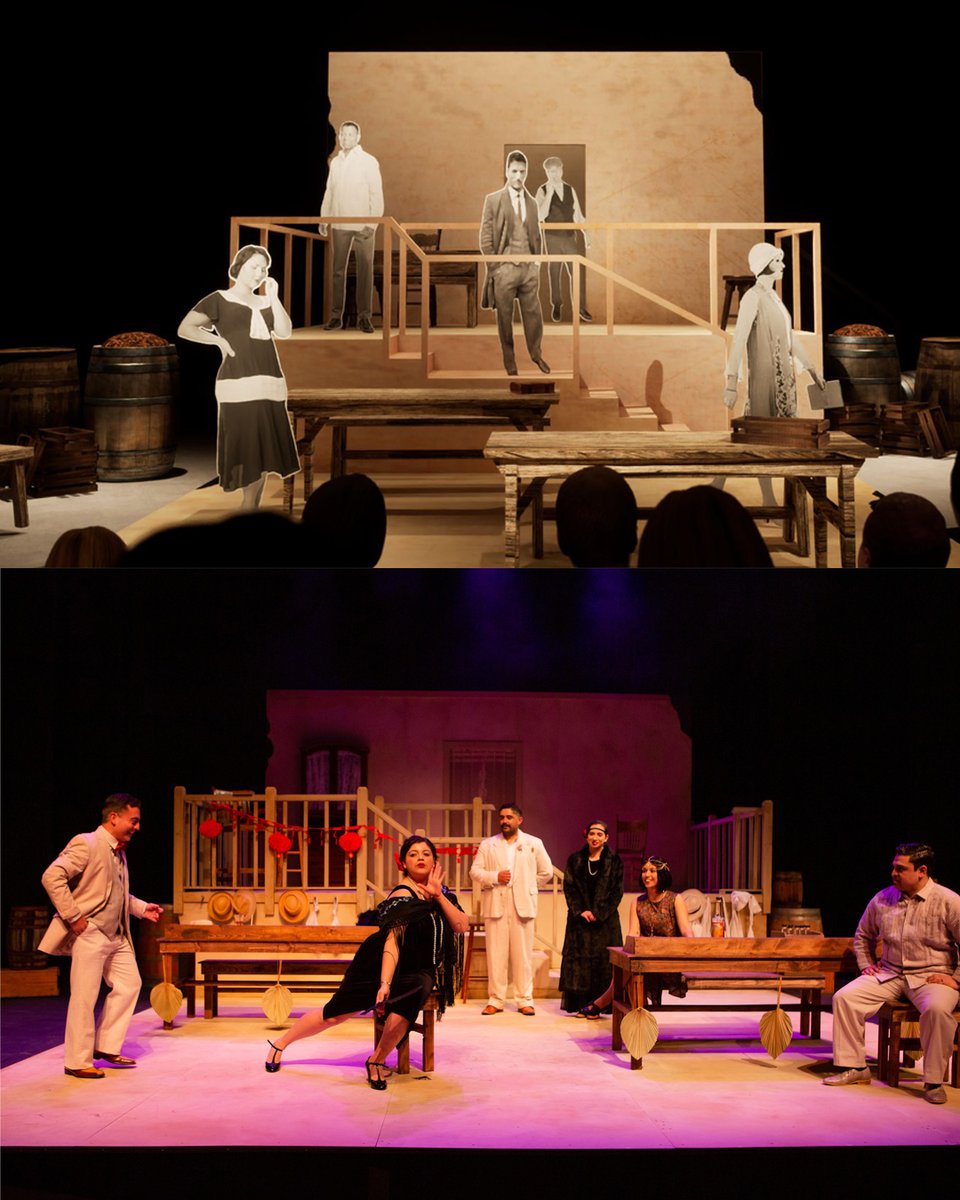
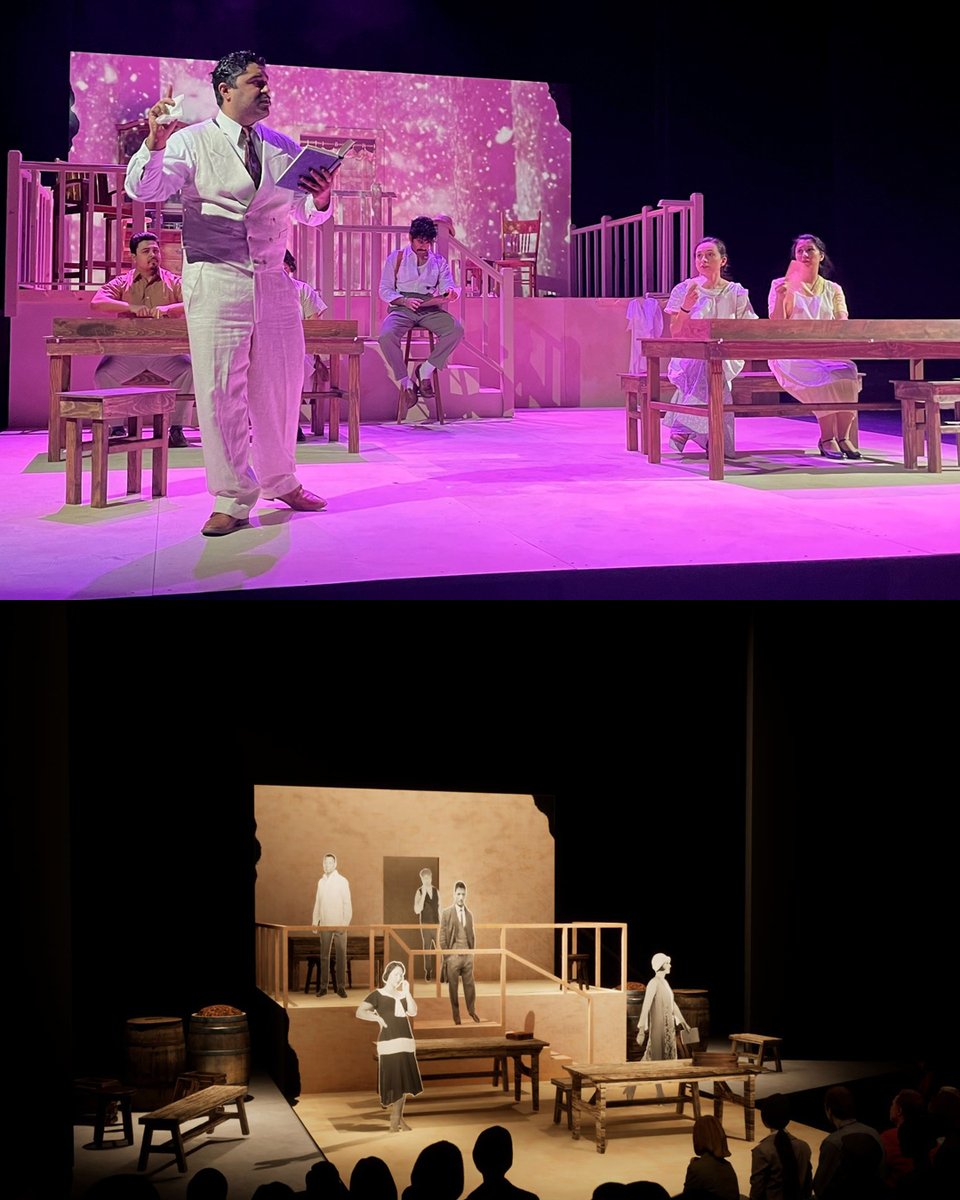
This is the before/after of the theater show "Anna In The Tropics".
Raha Rodriguez previsualized the scenic design first in #Twinmotion before the set was actually built.
Scenic design concept by Lex Marcos
1
12
1,864