
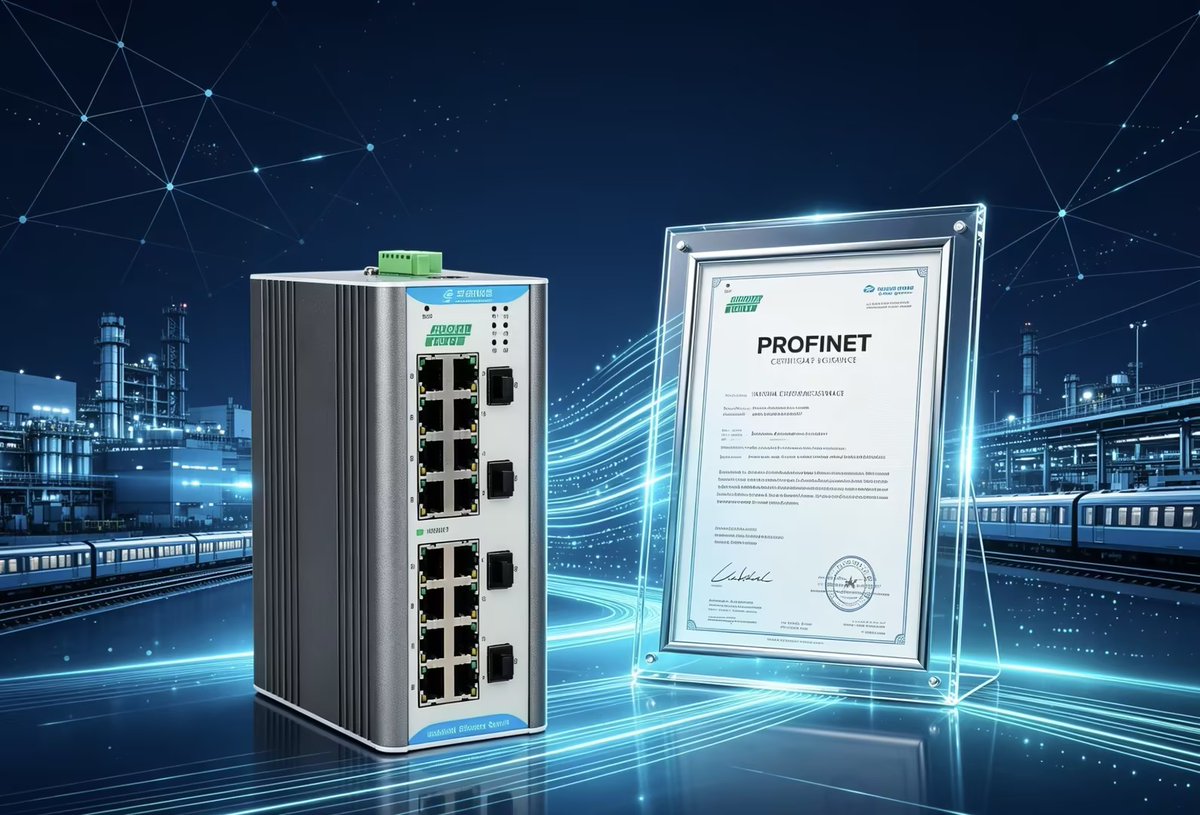
PROFINET Certified ✔️
Industrial networking solutions designed for seamless connectivity, high performance, and mission-critical applications.
#PROFINET #IndustrialEthernet #IndustrialAutomation #Industry40 #IndustrialNetworking #EthernetSwitch #IIoT #TranscendCommunication
1

Jun 11
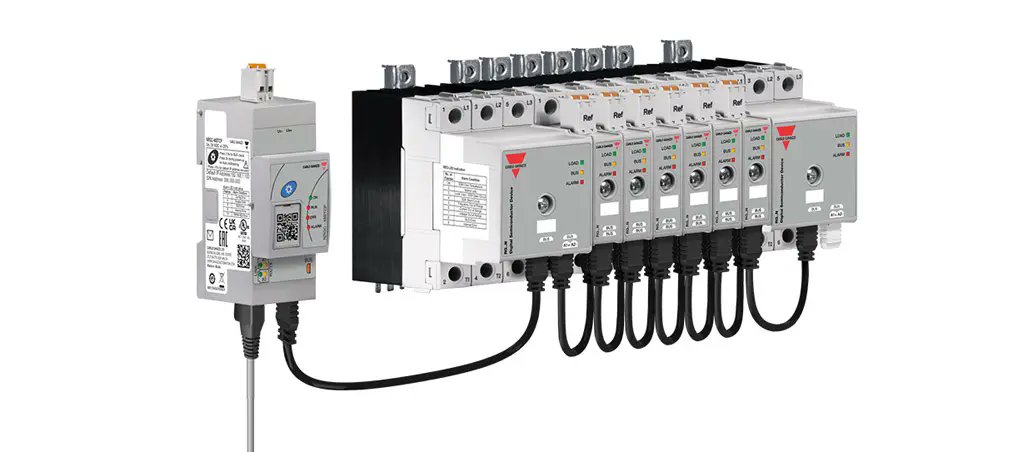
A @GavazziES eleva a fasquia na Indústria 4.0 com os novos relés digitais de estado sólido trifásicos da série NRG. Comunicação PROFINET/EtherCAT em tempo real e manutenção preditiva para otimizar a sua produção. ⚙️📉
Saiba tudo: elevare.pt/serie-nrg-trifasi…
#Industria40 #Automacao
12
よしのぶ@PLCエンジニア retweeted

Jun 11
産業ネットワークの強みは、速度ではなく「遅延やジッタ(非決定性)を時間枠に拘束する構造」にあります。
EtherCAT、PROFINET、TSNの制御思想や、FPGAで事故を未然に防ぐための「4層モデル」を解説。前提を維持するための制約構造の設計を整理しました。
#FPGA #Zenn
zenn.dev/saihara_dev/article…
1
7
418

🔹 Hasta 220 kW de potencia
🔹 STO integrado
🔹 Profinet, Ethernet/IP y Modbus TCP
🔹 Diseño compacto y fácil puesta en marcha
Una nueva generación de variadores diseñada para aumentar la productividad y reducir costes de integración.
1
36

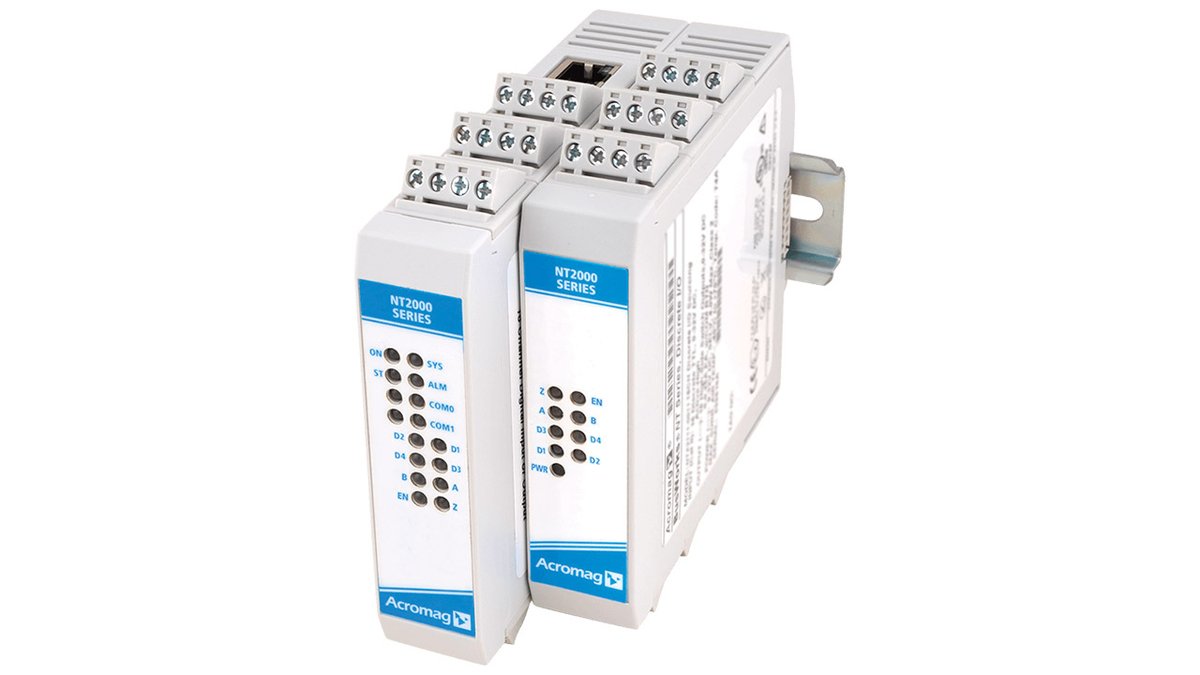
Stepper Motor Controller Added to Family of Ethernet Remote I/O Modules industrialethernet.net/new-p… New I/O module controls stepper motors with Modbus/TCP, Ethernet/IP, or PROFINET interface to host PC, PLC or PAC. #industrialethernet @acromag #steppermotors
21

Jun 1
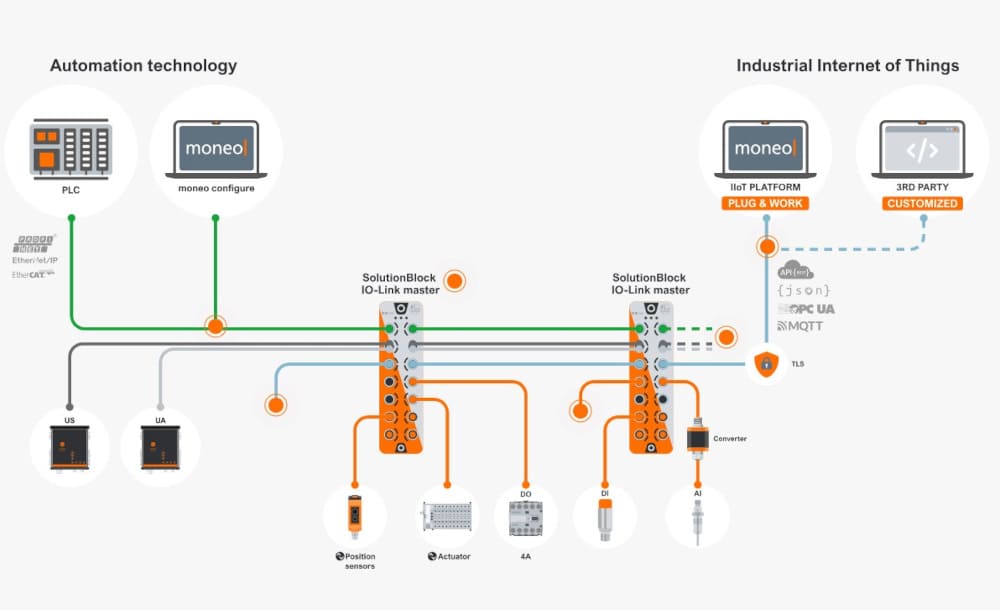
Nuevo maestro IO-Link SolutionBlock de ifm
👉 infoplc.net/noticias/ifm-1/m…
IO-Link SolutionBlock de ifm ofrece la capacidad multiprotocolo, que permite trabajar con PROFINET o EtherNet/IP
4
68

May 28
One MCU for real-time control, industrial Ethernet, and security. The @NXP i MX RT1180 delivers dual-core Arm performance with TSN, PROFINET, and EtherCAT.
Order now at Mouser: mou.sr/nxp-rt1180-tw
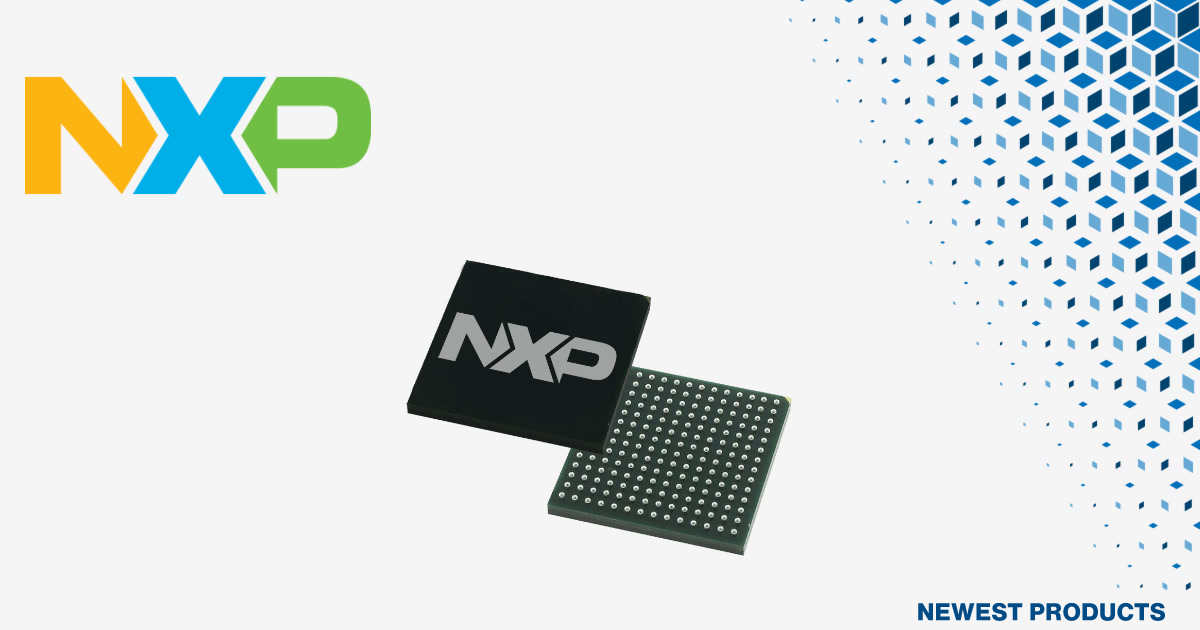
ALT NXP logo above an NXP i.MX RT1180 microcontroller shown from top and bottom, highlighting the chip package against a clean white background.
4
319

May 26
أشهر البروتوكولات الصناعية اللي راح تسمع فيها:
• Modbus
• Profinet
• Ethernet/IP
• OPC UA
هذي تعتبر "لغة التواصل" بين الأجهزة الصناعية.
1
6
274



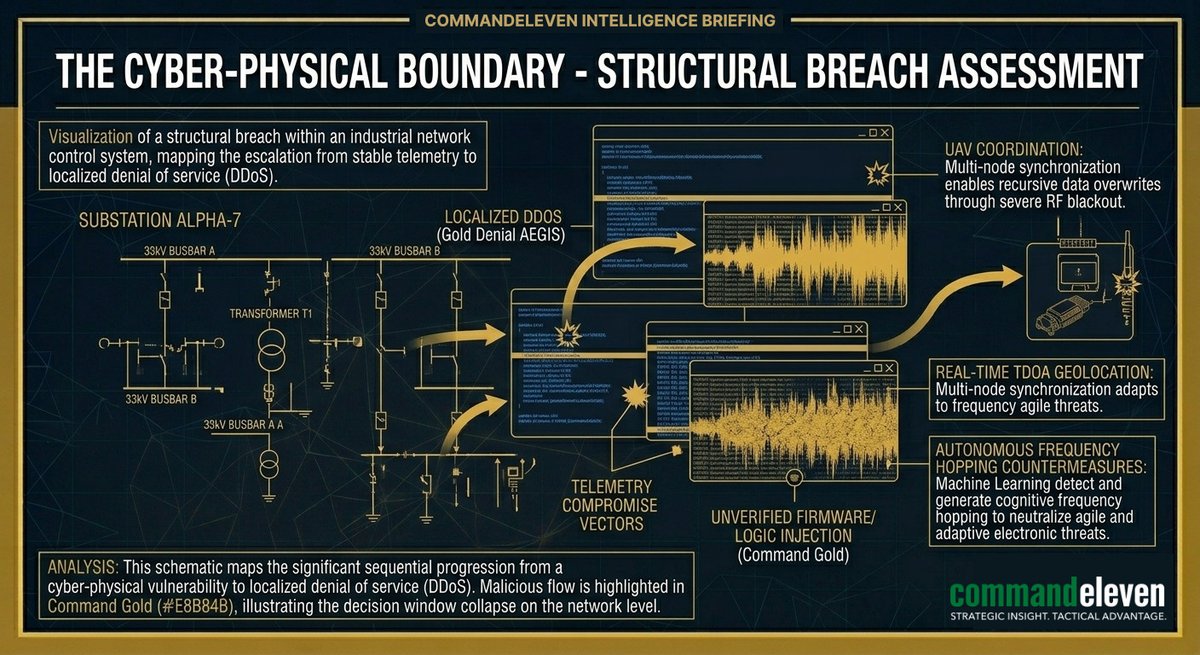
Supervisory Control and Data Acquisition (SCADA) systems and industrial control networks have transitioned from secondary tactical concerns to primary operational targets in contemporary conflict zones.
Forced IT/OT convergence exposes historically isolated legacy frameworks to external threats, turning industrial protocols into high-risk vectors for cyber-physical destruction.
The core technical intelligence from CommandEleven’s latest industrial control security suite:
1. THE COMPROMISE OF THE PHYSICAL AIR GAP
The systemic integration of legacy Operational Technology (OT) networks with internet-facing corporate Information Technology (IT) frameworks has erased the historic isolation of vital infrastructure. Exposed via remote diagnostics, third-party vendor pipelines, and misconfigured industrial gateways, critical physical operations are now vulnerable to direct digital infiltration from remote adversarial state actors and Advanced Persistent Threats (APTs).
2. CRYPTOGRAPHIC DEFICITS IN FOUNDATIONAL PROTOCOLS
The legacy communication protocols underpinning modern civil and military utilities completely lack native cryptographic primitives, authentication, or encryption mechanisms:
• Modbus TCP: Lacks built-in verification, allowing unauthorized injection of coils and registers to force physical machinery into catastrophic mechanical overspeed.
• DNP3: Transmits commands in cleartext with weak spoofing validation, enabling adversaries to falsify grid telemetry and trick dispatchers into executing emergency safety shutdowns.
• PROFINET: Relies blindly on Layer 2 architecture, permitting local injection of malformed industrial frames to induce total fieldbus denial-of-service (DoS) states.
3. CYBER-PHYSICAL CASCADES IN MILITARY DOCTRINE
Modern military doctrines actively synchronize digital infrastructure degradation with physical kinetic maneuvers. Prior to localized offensives, APTs deploy destructive malware (e.g., variants derived from the Industroyer frameworks) targeting electrical transmission substations. By remotely opening circuit breakers, attackers induce sudden, widespread blackouts designed to blind military air-defense radars, cripple supply chain logistics, and cause massive civil destabilization immediately ahead of frontline kinetic strikes.
TACTICAL SURVIVAL ARCHITECTURE:
• Commercial cybersecurity frameworks are entirely inadequate under kinetic conditions. Mitigating asymmetric infrastructure risk requires an immediate shift to strict physical micro-segmentation.
• Establish hardware-enforced unidirectional security gateways (data diodes) to ensure data can flow out for operational monitoring, but can never carry a malicious digital command back into the control loop.
• Standard Modbus and DNP3 traffic must be encapsulated inside encrypted TLS tunnels or upgraded to secure protocol variants to prevent telemetry manipulation.
• Most critically, installations must preserve absolute defense at the physical layer through the deployment of analog, mechanical safety valves and physical overrides that operate completely independent of any digital network or computing device.
#SCADA #CyberKinetic #OTSecurity #CriticalInfrastructure #AsymmetricWarfare #APTs #GridSecurity #CommandEleven
2
4
7
736

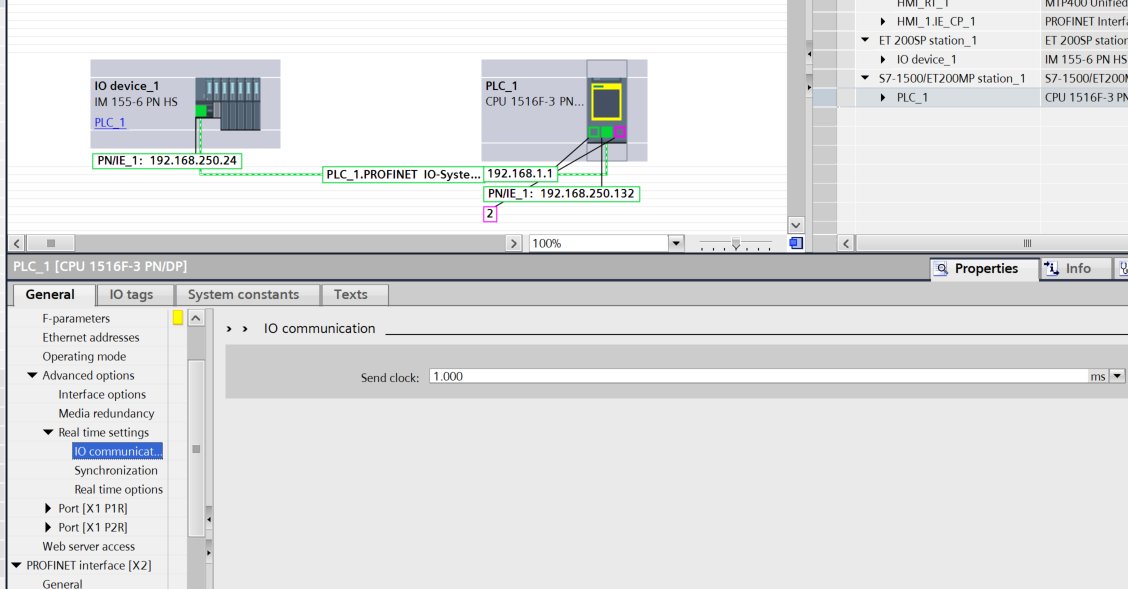
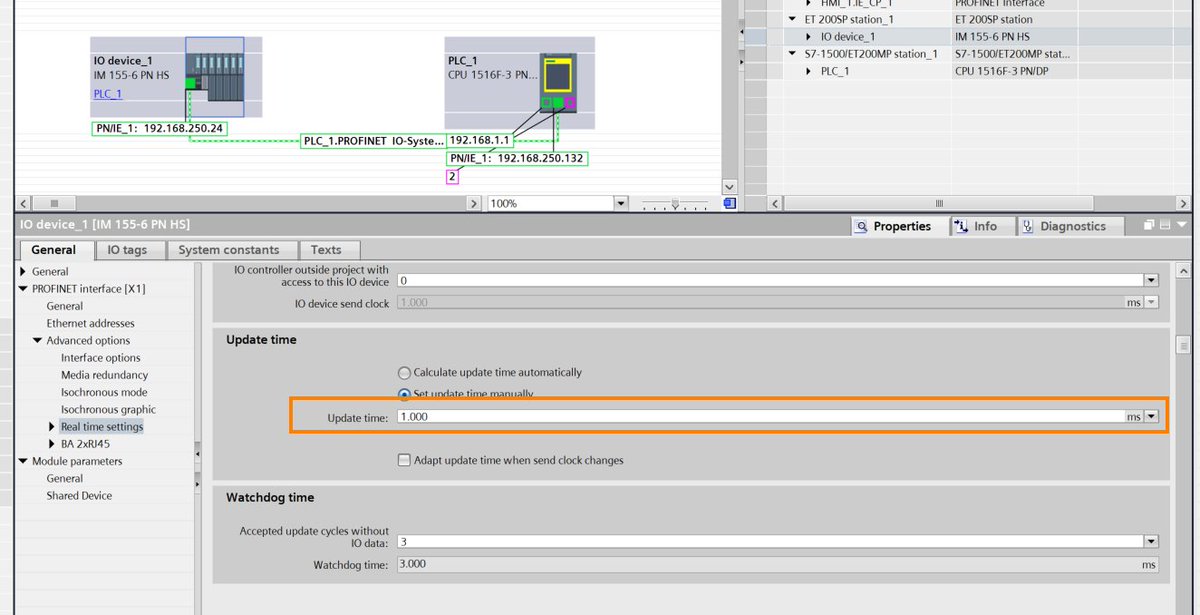
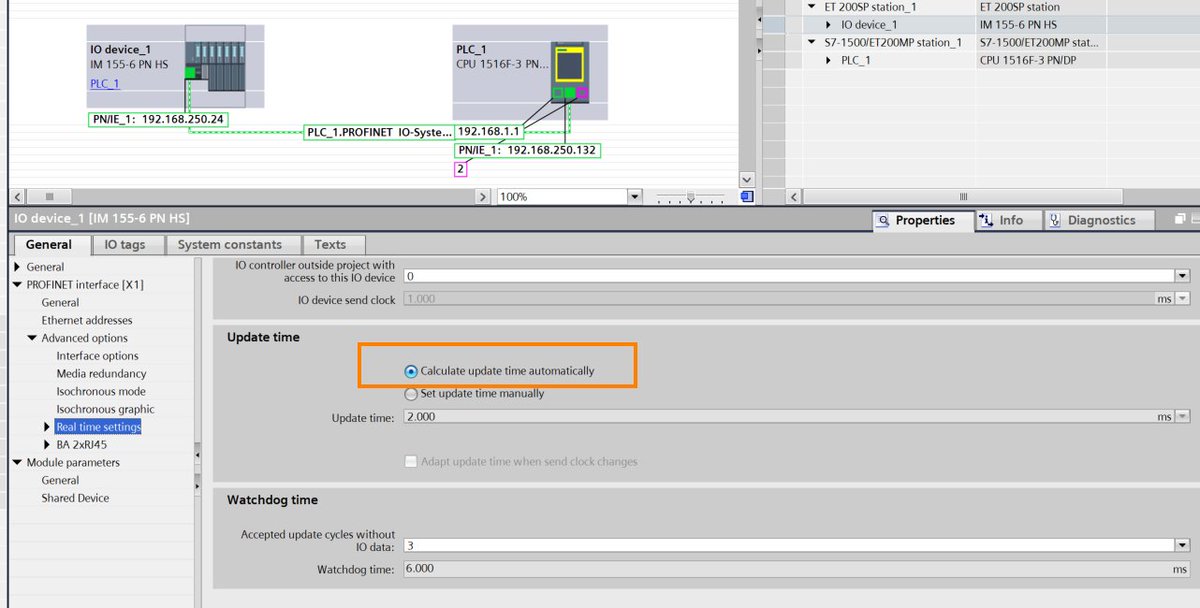


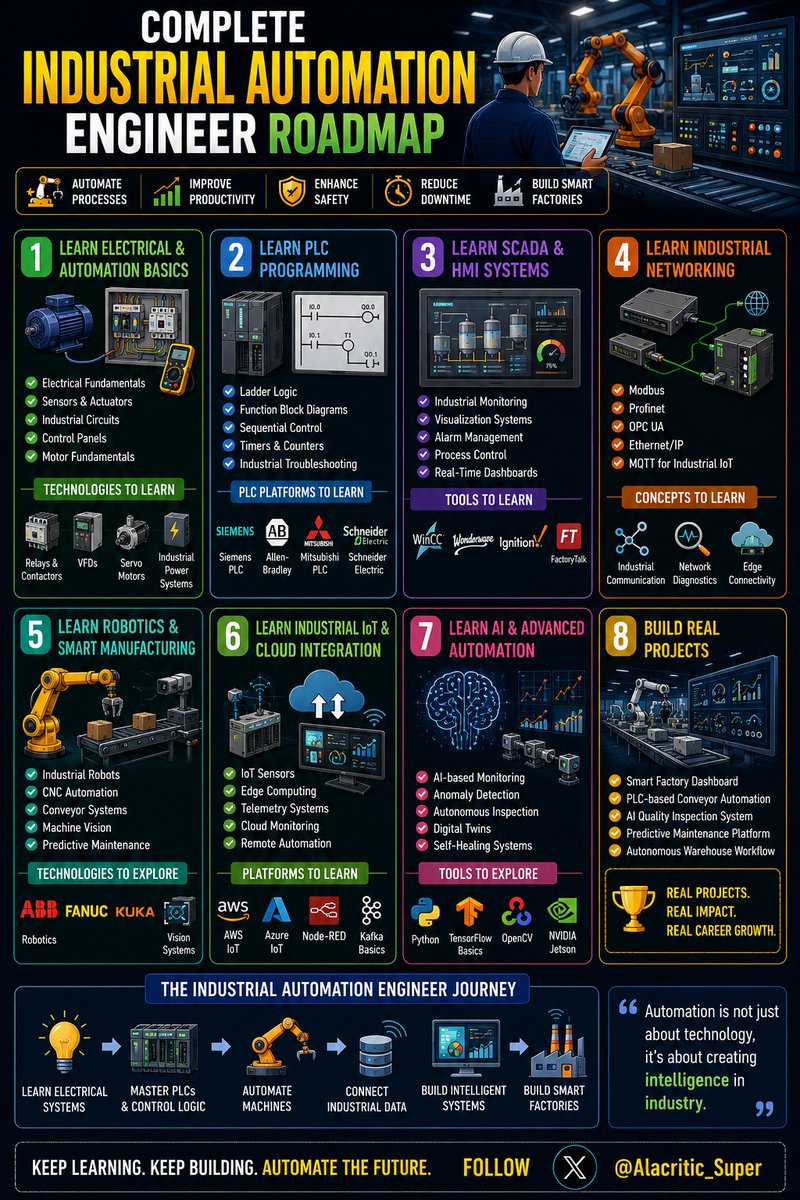
Complete Industrial Automation Engineer Roadmap ⚙️🏭🔥
🧠 STEP 1: Learn Electrical & Automation Basics
✔ Electrical Fundamentals
✔ Sensors & Actuators
✔ Industrial Circuits
✔ Control Panels
✔ Motor Fundamentals
🛠 Technologies to Learn:
✔ Relays & Contactors
✔ VFDs
✔ Servo Motors
✔ Industrial Power Systems
⚡ STEP 2: Learn PLC Programming
✔ Ladder Logic
✔ Function Block Diagrams
✔ Sequential Control
✔ Timers & Counters
✔ Industrial Troubleshooting
🛠 PLC Platforms to Learn:
✔ Siemens PLC
✔ Allen-Bradley
✔ Mitsubishi PLC
✔ Schneider Electric
📊 STEP 3: Learn SCADA & HMI Systems
✔ Industrial Monitoring
✔ Visualization Systems
✔ Alarm Management
✔ Process Control
✔ Real-Time Dashboards
🛠 Tools to Learn:
✔ WinCC
✔ Wonderware
✔ Ignition SCADA
✔ FactoryTalk
🤖 STEP 4: Learn Industrial Networking
✔ Modbus
✔ Profinet
✔ OPC UA
✔ Ethernet/IP
✔ MQTT for Industrial IoT
🛠 Concepts to Learn:
✔ Industrial Communication
✔ Network Diagnostics
✔ Edge Connectivity
🏭 STEP 5: Learn Robotics & Smart Manufacturing
✔ Industrial Robots
✔ CNC Automation
✔ Conveyor Systems
✔ Machine Vision
✔ Predictive Maintenance
🛠 Technologies to Explore:
✔ ABB Robotics
✔ FANUC
✔ KUKA
✔ Vision Systems
☁️ STEP 6: Learn Industrial IoT & Cloud Integration
✔ IoT Sensors
✔ Edge Computing
✔ Telemetry Systems
✔ Cloud Monitoring
✔ Remote Automation
🛠 Platforms to Learn:
✔ AWS IoT
✔ Azure IoT
✔ Node-RED
✔ Kafka Basics
🔄 STEP 7: Learn AI & Advanced Automation
✔ AI-based Monitoring
✔ Anomaly Detection
✔ Autonomous Inspection
✔ Digital Twins
✔ Self-Healing Systems
🛠 Tools to Explore:
✔ Python
✔ TensorFlow Basics
✔ OpenCV
✔ NVIDIA Jetson
🔥 STEP 8: Build Real Projects
✔ Smart Factory Dashboard
✔ PLC-based Conveyor Automation
✔ AI Quality Inspection System
✔ Predictive Maintenance Platform
✔ Autonomous Warehouse Workflow
💡 The best way to become an Industrial Automation Engineer:
👉 Learn Electrical Systems → Master PLCs → Automate Machines → Connect Industrial Data → Build Intelligent Factories
Follow @Alacritic_Super for insights on tech.
1
5
259

May 19
欧州はST文化というより、
PROFINET文化も強い。
そこに三菱MELSECを入れると、
ラダー/STだけではなく、
C Controllerが境界装置になる。
C/C を書くための装置ではなく、
PROFINET側の自由度をMELSECの責任境界に押し込める装置。
ここを見ると、
AI時代のPLC言語論も
「ラダー vs ST」だけでは足りない気がする。
4
222

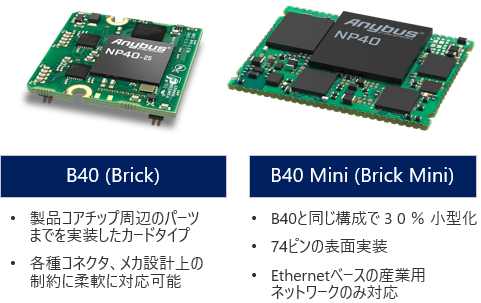
【Anybus 組み込み製品】ご紹介✨
IIFES 2025で、WAGO ジャパン様(@WagoJapanLtd)の超小型EtherCATモジュールを拝見しました✨
産業機器の小型化が進む中で、限られたスペースに必要な機能をどう実装するかは、ますます重要なテーマになっています☝️
HMS Networksでも、こうした省スペース化や多様なネットワーク対応を支援する組み込み通信インターフェースとして、Anybus CompactCom B40 / B40 Mini
をラインアップしています。
EtherCATをはじめ、PROFINET、EtherNet/IPなど、各種産業用ネットワークへの対応をご検討中の機器メーカー様は、お気軽にご相談ください。
■製品情報はこちら■
☆Anybus CompactCom 40 Brick EtherCAT⇀hms-networks.com/ja/p/ab6677…
☆Anybus CompactCom 40 Brick Mini – EtherCAT⇀hms-networks.com/ja/p/ab6102…
#WAGO #HMSNetworks #Anybus #EtherCAT #産業用通信 #組み込み #省スペース #FA

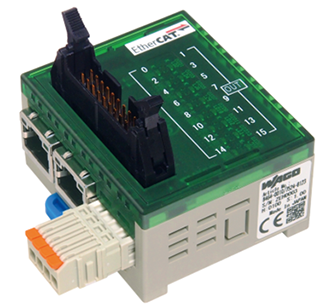
制御盤をもっと小さく、しかも速く💪
Micro I/O WAGO Field Module EtherCAT なら、名刺より小さい超小型サイズに、最大0.5ms応答のEtherCAT対応16点デジタルI/Oを搭載🚀限られたスペースでも👇を実現します😼
🔧柔軟&高性能な制御
🪛配線・設計のシンプル化
📈高い拡張性
💁♀️特長
✅16点デジタル I/O(PNP/NPN)
✅EtherCATノードID:ロータリースイッチで設定
✅DIフィルタ:0.5〜32msで調整可能⏱
さらにDOタイプは通信エラー時の動作を「OFF」または「出力保持」で選択でき、リスクマネジメントも柔軟に対応できます💯
🛠活用シーン
・制御盤の省スペース化を図りたい
・EtherCATベースのシステムでDIOを拡張したい
・高速応答が必要な生産設備ライン
・多様な配線形式に対応しながら設計したい
🔗詳しくは↓
e.apto-service.com/wago/Micr…
#WAGO製品情報
4
15
814
May 10
グローバルシェアやエコシステムで見ると、
たしかにIT側の市場分析としては分かります。
ただOT側では、
「どれが世界で伸びているか」より先に、
「この設備を誰が止め、誰が直し、誰が保証するのか」が来ます。
OTからITを使うのであって、
ITの都合でOTを組み替えるわけではない。
産業用ネットワークは、単なる通信規格というより、
現場を観測・復旧・保証できる状態集合 S_valid
に閉じ込めるための構成要素だと思います。
なので「三菱=CC-Link一本槍」という見方も少し違っていて、
三菱も地域ごとの成立条件に合わせています。
三菱がPROFINETに最近対応した、というより、
欧州向けの三菱製品では昔からPROFINET対応はありました。
実際、日本の食品大手で、フランス製の機械で
三菱PLC+PROFINETの構成もあります。
これは「CC-Linkが弱いから海外規格に寄った」という単純な話ではなく、
装置メーカーの地域標準や、客先標準に合わせてネットワークを選ぶ話だと思います。
日本の三菱PLC現場ではCC-Link系が成立しやすい。
欧州装置ではPROFINETが成立しやすい。
北米ならEtherNet/IPが成立しやすい。
つまり産業用ネットワークは、
性能表やグローバルシェアだけではなく、
どの地域・どの装置・どの保全体制で成立するかの問題です。
現場成立 ≒
制御対象の不確実性 H(Plant) に対して、
システム側の自由度 H(System) を下げ、
観測・復旧・保証できる状態集合 S_valid に閉じ込めること。
H(Plant) : 制御対象・現場側の不確実性
H(System) : システム側が許す自由度
S_valid : 観測・復旧・保証できる有効状態集合
現場成立の条件は、
Plant × System の状態遷移が、
できるだけ S_valid 内に収まること。
だから重要なのは、
「対応しているか」だけではなく、
保全できるか。
予備品を持てるか。
設定を追えるか。
異常時に切り分けできるか。
誰が責任を持って復旧できるか。
そこまで含めて、その現場を閉じられる構成が選ばれるのだと思います。

FA業界の「井の中の蛙」問題の核心を突いてる…。
国内だと「三菱PLCならCC-Linkでしょ」という思考停止が許されるけど、海を渡ればそこはPROFINETとEtherCATの大海原。
性能表(カタログスペック)で勝って、エコシステム(お作法)で負ける。この構造が変わらない限り、ガラパゴス化の加速は止められない...
1
3
25
3,562

FA業界の「井の中の蛙」問題の核心を突いてる…。
国内だと「三菱PLCならCC-Linkでしょ」という思考停止が許されるけど、海を渡ればそこはPROFINETとEtherCATの大海原。
性能表(カタログスペック)で勝って、エコシステム(お作法)で負ける。この構造が変わらない限り、ガラパゴス化の加速は止められない...
May 10

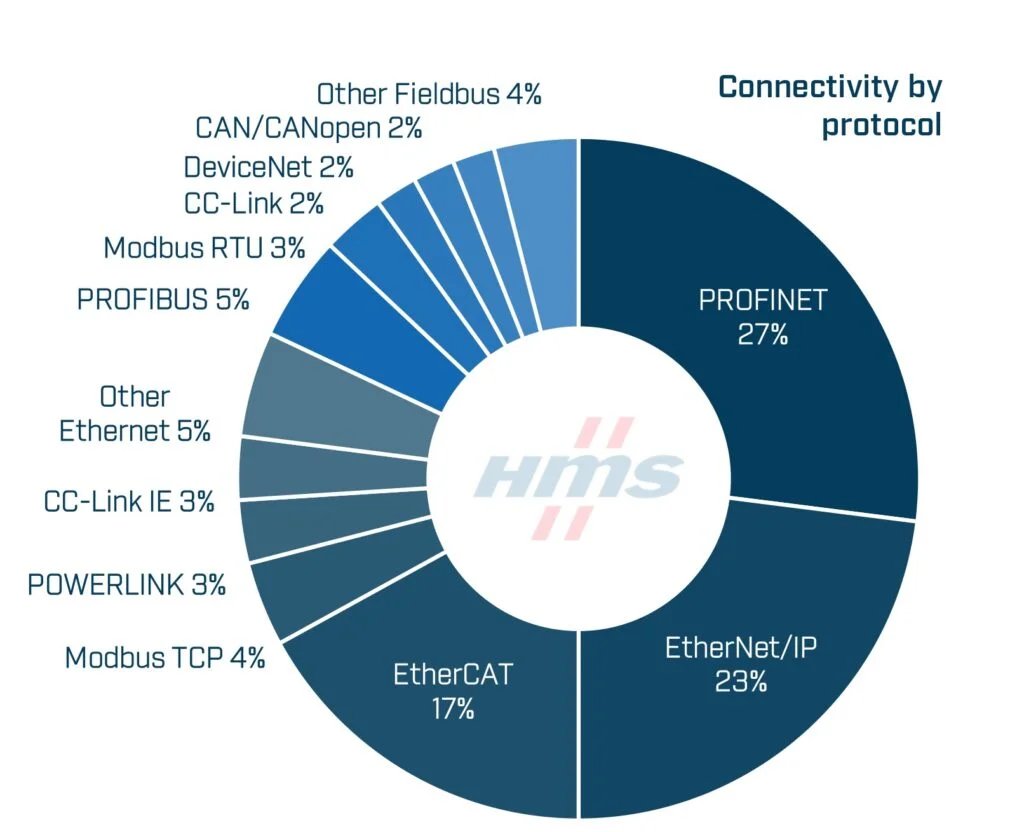
CC-Link IEのグローバルシェアは3%。
日本のFA現場にいると、CC-Link系が普通に使われているので、このグローバルシェア率の低さを見ると驚く人が多いと思う。しかし、実際にCC-Link系が使われているのは、日本と東アジアのごく一部とほぼ言ってもいい。
これは技術的な優劣の問題ではなく、構造的な結果と、取ってきた戦略の問題だと思う。
■「三菱FAのシェアがCC-Linkを連れている」構造
CC-Link IEの普及の原動力は、規格単体の自走力というより、三菱FAの顧客基盤。三菱PLCを使う現場では自然とCC-Link系が選ばれやすい。
しかし、裏を返せば三菱FA機器を使わない現場では、わざわざCC-Link IEを選ぶ理由が薄くなる。
■エコシステムの自己強化ループで出遅れた
産業用ネットワークは技術仕様だけでは決まらない。
対応機器が多い規格は採用されやすく、採用が増えるほど更にベンダーが集まる。
PROFINET、EtherNet/IP、EtherCATはこのループを早期に回し始めた。かたやCC-Link IEは、TSN世代でも対応製品の裾野拡大に苦しんでいるように見える。
■地域の壁が厚い
欧州はSiemens主導のPROFINETやBeckhoff主導のEtherCAT。(更にEtherCATはモーション系でも強い)
北米はRockwell主導のEtherNet/IP。
この勢力圏がかなり強い。
アジア以外でCC-Link IEが標準採用に入り込む余地は、かなり限定的だと思う。
--------------------------------
因みに安川のMECHATROLINKのグローバルシェアは、数字として出てこないくらいの規模感。
産業用ネットワークは、性能表だけでは勝てない。対応機器、採用実績、海外装置メーカー、保全性、ユーザー標準仕様まで含めたエコシステムで決まる。
つまり市場は、自社系ネットワークで閉じる方向ではなく、EtherCATのような広いエコシステムに接続する方向へ動いている。
なので安川も三菱も積極的にEtherCAT等の海外勢ネットワークに対応していく。しかしその逆方向、つまり海外勢からCC-Link系への対応って、実は消極的。
なので今後、CC-Link系のシェア率は更に小さくなっていくと思う。
2
4
31
22,220

May 10
CC-Link IEのグローバルシェアは3%。
日本のFA現場にいると、CC-Link系が普通に使われているので、このグローバルシェア率の低さを見ると驚く人が多いと思う。しかし、実際にCC-Link系が使われているのは、日本と東アジアのごく一部とほぼ言ってもいい。
これは技術的な優劣の問題ではなく、構造的な結果と、取ってきた戦略の問題だと思う。
■「三菱FAのシェアがCC-Linkを連れている」構造
CC-Link IEの普及の原動力は、規格単体の自走力というより、三菱FAの顧客基盤。三菱PLCを使う現場では自然とCC-Link系が選ばれやすい。
しかし、裏を返せば三菱FA機器を使わない現場では、わざわざCC-Link IEを選ぶ理由が薄くなる。
■エコシステムの自己強化ループで出遅れた
産業用ネットワークは技術仕様だけでは決まらない。
対応機器が多い規格は採用されやすく、採用が増えるほど更にベンダーが集まる。
PROFINET、EtherNet/IP、EtherCATはこのループを早期に回し始めた。かたやCC-Link IEは、TSN世代でも対応製品の裾野拡大に苦しんでいるように見える。
■地域の壁が厚い
欧州はSiemens主導のPROFINETやBeckhoff主導のEtherCAT。(更にEtherCATはモーション系でも強い)
北米はRockwell主導のEtherNet/IP。
この勢力圏がかなり強い。
アジア以外でCC-Link IEが標準採用に入り込む余地は、かなり限定的だと思う。
--------------------------------
因みに安川のMECHATROLINKのグローバルシェアは、数字として出てこないくらいの規模感。
産業用ネットワークは、性能表だけでは勝てない。対応機器、採用実績、海外装置メーカー、保全性、ユーザー標準仕様まで含めたエコシステムで決まる。
つまり市場は、自社系ネットワークで閉じる方向ではなく、EtherCATのような広いエコシステムに接続する方向へ動いている。
なので安川も三菱も積極的にEtherCAT等の海外勢ネットワークに対応していく。しかしその逆方向、つまり海外勢からCC-Link系への対応って、実は消極的。
なので今後、CC-Link系のシェア率は更に小さくなっていくと思う。
1
10
59
14,057
