
20 Jun 2025
Hey all, it’s been a minute! I’m really excited to announce that @adamjnadeau and I are getting ready to open our first @flourish_educ school in Nashville, Tennessee where Adam lives. Adam was a superstar school and regional leader with @RocketshipEd and I couldn't be more excited to start this with him.
A little background :)
When I left Rocketship, I was totally burnt out on politics. Charter schools are a constant battle because they are beholden to districts for authorization. I certainly never imagined starting another school when I left.
Two things changed.
First, AI happened. In 2022, when ChatGPT changed the world, I stopped actively investing from my venture fund and began starting companies again. It was as big a change as the development of the Internet and I wanted to be on the side of "AI for good" .
I've built two software companies since then. @ProjectReadAI that I started with @vivramak is an amazing AI co-teacher for Science of Reading, now used in 30,000 classrooms. @SparkspaceAi that I started with @davidvinca1 is to writing what Project Read is to reading, helping kids learn to write with AI coaching and feedback.
I'm really happy with how well both companies have done. If used with the right dosage, they will drive student learning in a way that the previous generation of edtech tools could only dream of. At the same time, the way that AI is being used in schools is still incremental. And unfortunately, because technology is being used incrementally, there is no market for companies like ProjectRead or SparkSpace to do more.
What's needed is a rethink from the ground up of what it means to be in a classroom - for students, for teachers, for parents. That's what Flourish is about.
The second thing that changed since Rocketship is the creation of Education Savings Accounts (ESAs). As a Dem, I long believed that charter schools were the most fair way to help the school system innovate. But I was wrong. ESAs allow private schools to take government payments for the students who attend their schools. We think there is a huge opportunity to open private schools which serve kids like we served at Rocketship, who had no opportunity to go to private school before. For non-educators, it might seem like a small distinction between charters and private schools. After all, aren’t charters independent from school districts? Yes they are, but they are approved and overseen by those same school districts, which means that they need to fit within that system. Private schools are truly independent; they can do whatever they want as long as parents love what they do. So ESAs are actually a very big change for those of us that start and run schools in terms of the innovation and independence we can have.
Flourish is really a technology company pretending to be a school. We have to create the labs we need to iterate our technology until we can realize our vision of the joyful classroom. We are building our own AI because no one has built something like this (there is no market for it yet). With Flourish, we are going to bring AI to classrooms and figure out what works. By "works", I mean that kids and parents love it, classrooms are joyful, teaching becomes manageable, and kids learn the academic and non-cognitive skills which are going to help them be happy, productive adults.
I believe that all of the skills we take for granted in schools like perseverance, agency, teamwork, empathy, what we call social emotional skills (SES) will be the ones that help us navigate the age of AI most effectively, as opposed to narrow academic pursuits. We are a project-based learning school, engaging children in open-ended, comprehensively rigorous projects which require those social skills without losing the academic rigor we had at Rocketship. One strength both Adam and I have from our days at Rocketship is rigor around measuring the things we think are important. For decades, these social emotional skills have been hard to measure. We think that is about to change because of AI.
We've built "Coach" which is a robot with no screen, that talks to students as they work.
Right now, it’s like having a helpful older student sit with every student in the class all day long. So when a student gets stuck or confused, is having a hard time organizing, or just needs clarification or proofreading, instead of putting their hand up and waiting for the teacher, they can just talk to their coach. And right out of the box, it is able to solve the vast majority of problems students encounter. Just this part is going to lower frustration and increase learning in the classroom both for students and teachers significantly.
The second aspect of Coach is that it becomes the onramp to allow for small-dose remediation as students work. So in addition to being a helpful friend to get a student unstuck, we want it to start providing insights into the content, taking advantage of teachable moments when a student needs to figure something out, and is most receptive. Our hypothesis is that small-dose instruction in the moment as students are doing projects is the most effective method because motivation is high, and there is opportunity to immediately apply concepts and understandings as part of their project work.
The third aspect of Coach we want to build is when it becomes clear that more than a small dose of remediation is needed, we will set aside a separate time to do that without ruining the flow of the student’s work. That’s likely to be the Coach using a set of traditional edtech programs as tools to help students learn what they need. Coach will get experience with hundreds or thousands of tools and become better and better at matching students with the lessons they need. And as foundation models become more capable, Coach will develop more and more capabilities to instruct on its own without tools.
The final aspect of Coach, that we are very excited about is assessment. Because the Coach has literally hundreds of hours per year of conversations with each student, it knows a lot about them. We believe we can train the Coach to assess students not just in academic skills, but also in social-emotional skills (SES). Those are two big unlocks. For academic skills, teachers probably spend a quarter of their time doing some type of assessment. There are low-stakes assessments like spelling tests or homework papers, higher stakes assessments like formative assessments that help you teach better, and then big end of the year assessments which take days. We think Coach can do better at all of them, virtually eliminating the need for assessment and giving our teachers a continuously updated dashboard of every student in their class and what they need.
Assessment in Social Emotional Skills (SES) is an even bigger game changer. Even though most adults would say that SES are more important than any specific academic knowledge, schools assess academics because they know how to do that. Saying that you were going to teach SES pre AI often meant that you were not going to be rigorous about assessment, because it was too hard. We believe Coach is going to have a very good assessment of things like grit, agency, communication, executive function, and the other SES which are most important. Just as Coach can teach academic skills in the course of conversation, they can do the same with SES. “John, I know you are frustrated here, but what you are trying to do is hard. Can you use a little more grit and try to get this done?”
That’s a lot to do with Coach and we’ll learn a lot trying to realize this vision. I’m pretty sure having an AI sitting with every student to support their learning all day long is going to be a very positive change for both students and teachers.
We are building this as a for-profit. We are a public benefit corporation so that we can hold our mission of making learning joyful with the same importance as we do returns to investors. One thing I learned about non-profits from building Rocketship is that they are anti-scale. They are amazing when you start out, but once they get bigger, they are so hard to grow. Fundraising is 10x harder, great executives much harder to find, a constant pressure to sacrifice growth for quality, when the real answer is to balance the two correctly.
We think that building a set of lab schools around the country is really important, so that we are our own first users and can perfect the Coach. But eventually the labs aren’t our business. We want to empower teachers to start their own micro-schools, parents to work with their children, and traditional schools to use Coach to supercharge their learning. By doing this from first principles, we think our solution will be unique.
Ultimately, we have reached a point in the AI age, where we can’t allow our schools to be mediocre, where they must evolve. We have to figure out how to help children be amazing human beings, and to have the skills they need to enter a world where getting a job is much less important than making a job.
We’re on a search for our CTO who will be our third co-founder and I’m always looking for great generalist founders and early execs, so if you know folks who might want to join us in our quest, let me know. We will also start a push for teachers to leave their classrooms and start Flourish schools by the end of this calendar year, so if you have a friend who might be interested, let them know about us and give them a leg up.
We funded this through a check from my fund Dunce Capital to start and will raise some more at the end of this calendar year to prove out our approach.
4
1
32
3,098

9 Apr 2025
JSFM denounces abduction of rights lawyer over protest against illegal Indus canal projectRead more At: aninews.in/news/world/europe…
@sohailabro81
@JSFMOfficialOrg
@JSFM_Natherland
3
4
195

16 Jan 2025
Thinking about making a change?
Project READ offers assessment and referral services to local adult upgrading programs t..
Find out more at: www.project read.ca
#LiteracyON #projectread #adultupgradingprograms #buildyourskills

1
2
18
18 Oct 2024
🌟 Exciting News! 🌟
We are thrilled to be recognized as a semi-finalist for the Best Nonprofit Employer – Workplace Mental Health by @CharityVillage!
charityvillageconference.com…
#CharityVillage #ProjectREAD #EmployeeWellness #LiteracyON
1
2
31

8 Oct 2024
Telangana: Congress leaders meet farmers in Nagole to discuss Musi Riverfront Development ProjectRead more At: aninews.in/news/national/gen…
2
5
172

28 Aug 2024
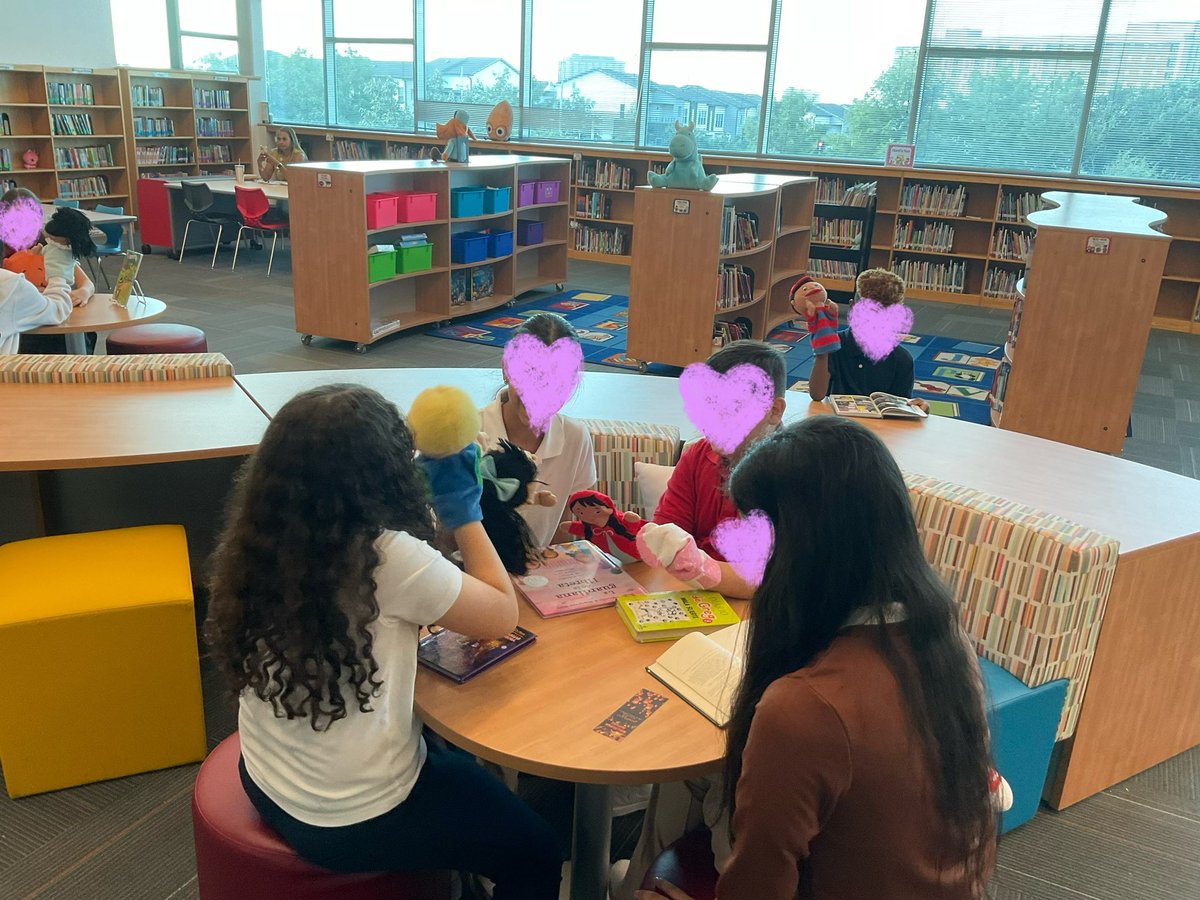
Talk about a strong start, in just two weeks the George Bush library welcomed students to READ (Research, Explore, Apply, Design) in the library! #ProjectREAD @DISD_Libraries @CharissaGovan @mibroughton @Dallasacademics
28 Aug 2024

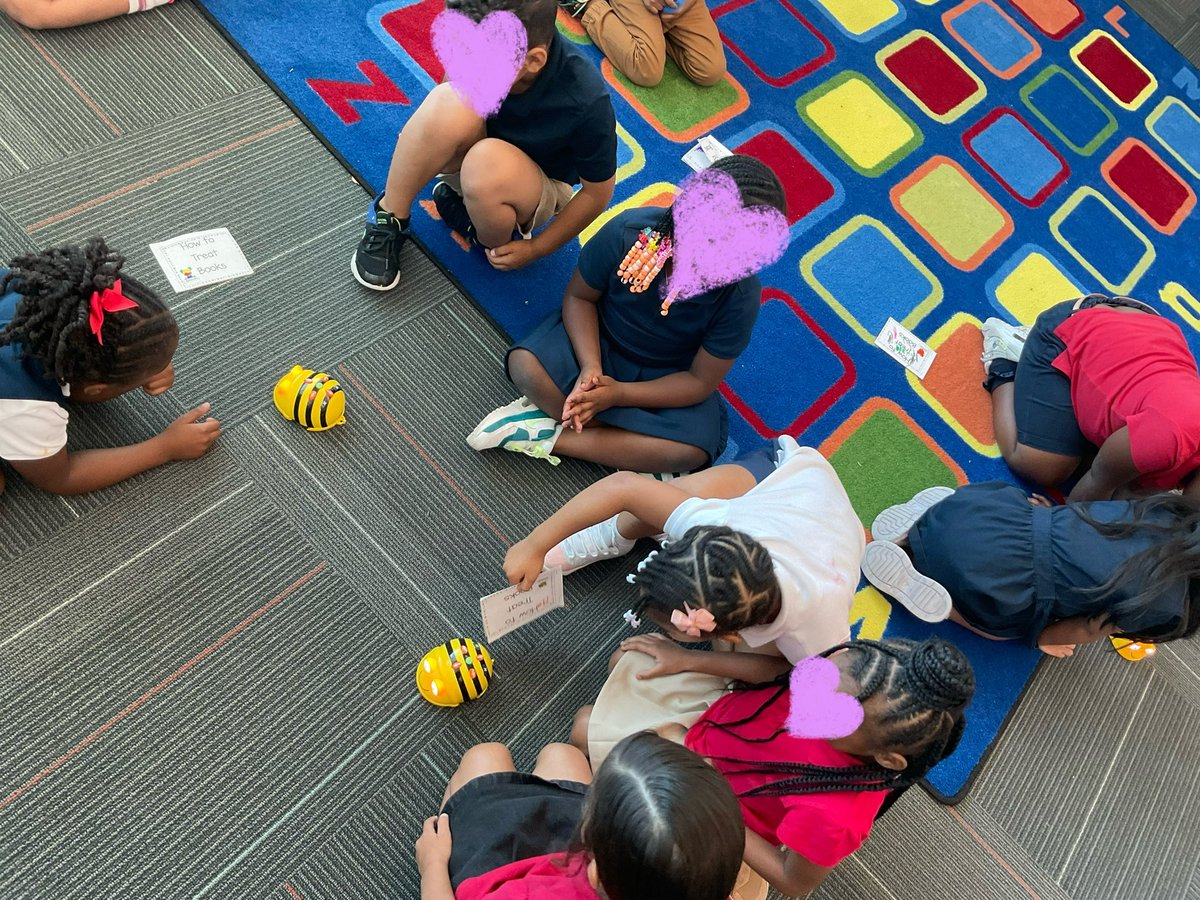
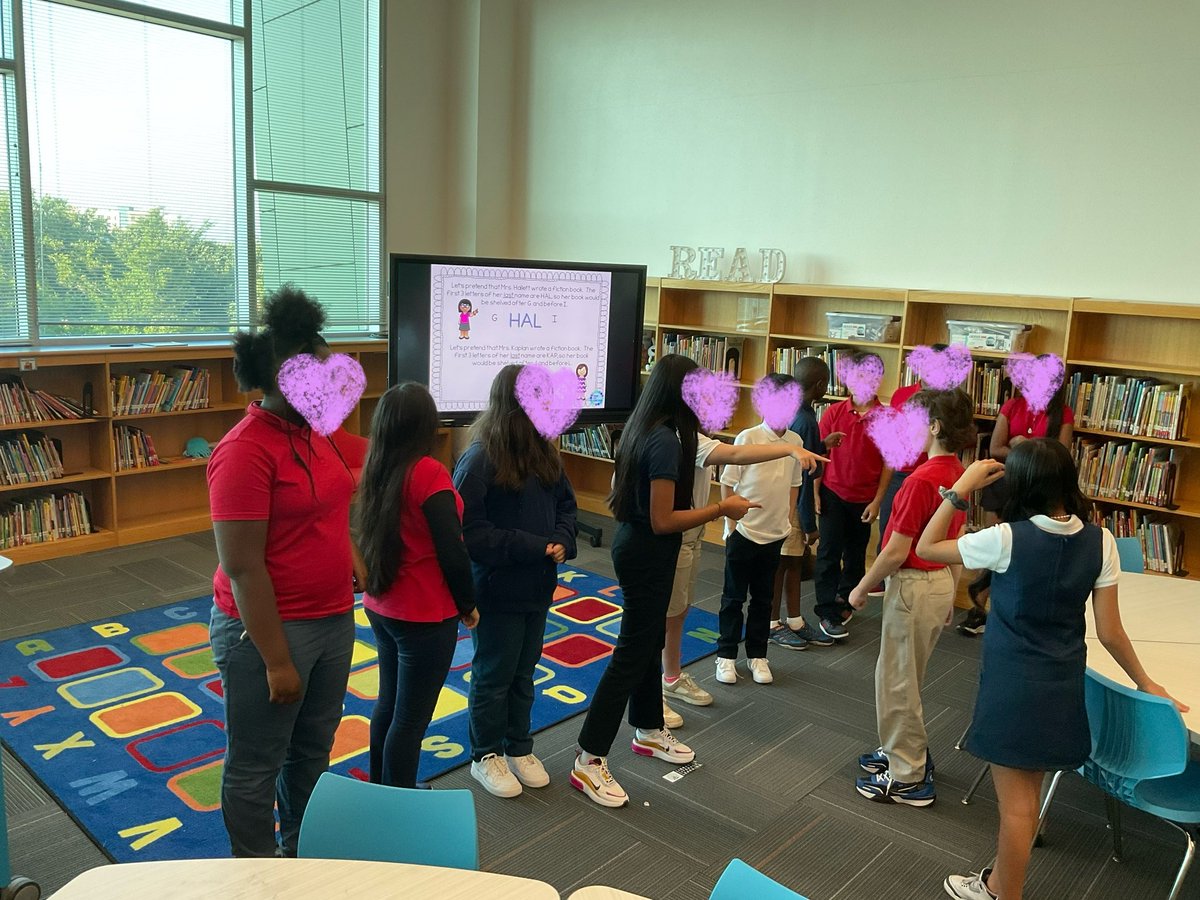
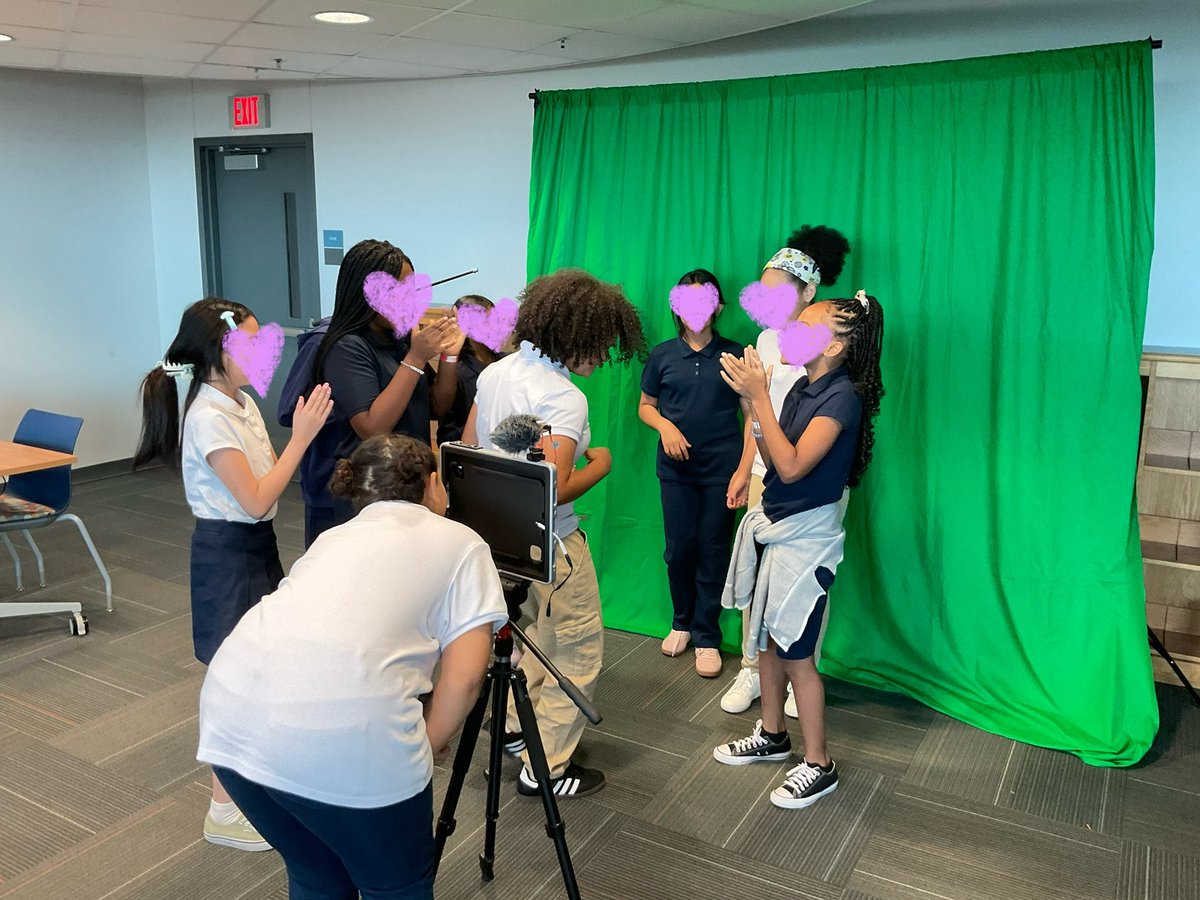
What a busy first 2 weeks! We have done a little bit of everything and are loving our library. K-1 were introduced to Beebot and story sequencing, while 2-6th created videos and practiced organizing books. So excited to see what this year brings! @DISD_Libraries @ProjectReadDISD
1
9
389
3 Jul 2024
Jane won the Community Award from Action Read! So excited to celebrate her work to support Literacy in our community. Congratulations Jane & thanks @ActionRead!
We're proud to make a difference in our community.
#LiteracyOn #LiteracyForAll #CommunitySupport #ProjectREAD
1
1
3
299
30 May 2024
At PRLN, we're proud to make a difference in our community. Through assessments & referrals to our dedicated adult upgrading programs, we help empower countless individuals with the skills they need to succeed: projectread.ca
#LiteracyOn #LiteracyForAll #ProjectREAD
2
2
36

#ProjectRead is a fantastic resource- a decodable story generator, which allows teachers to create stories that target specific #phonics skills.
And if you choose to pay, the AI tutor will provide your students w/ individualized instruction & feedback.
projectread.ai/
1
7
170

18 Apr 2024
Sources:
parkerphonics.com/post/a-bri….
hechingerreport.org/kids-str…
lexialearning.com/blog/the-s….
Phonics online apps:
ProjectRead (the first phonics app introduced)
ClearFluency (the second phonics app introduced)
4
6
19
1,554

5 Apr 2024
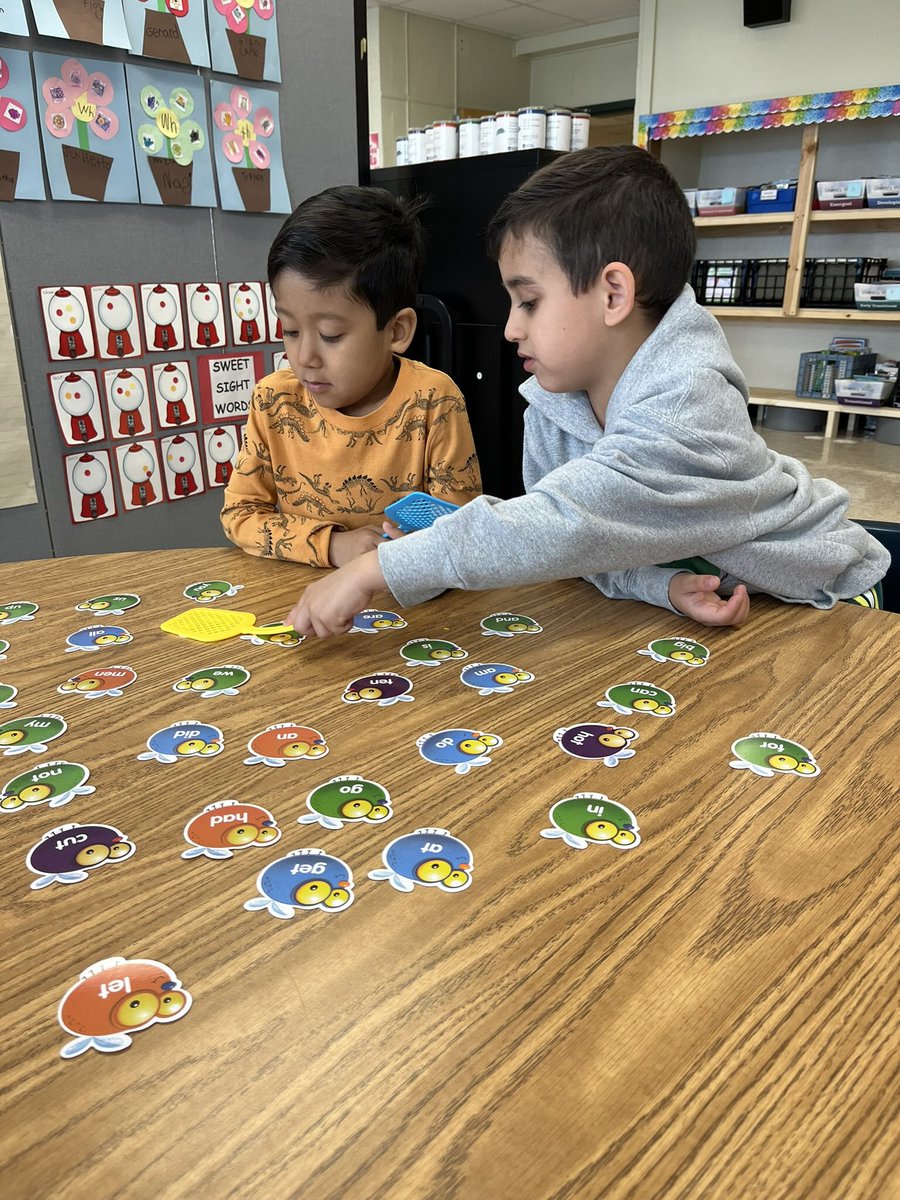
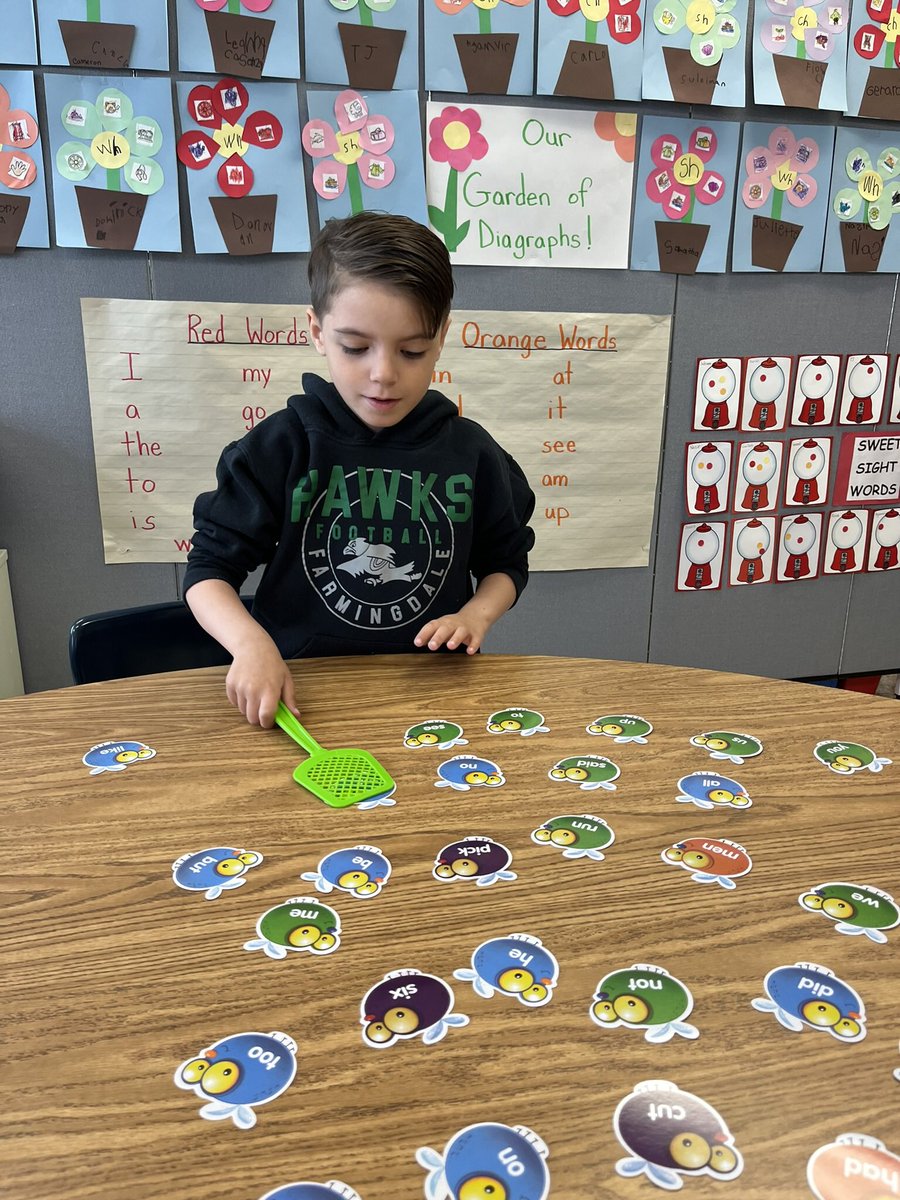
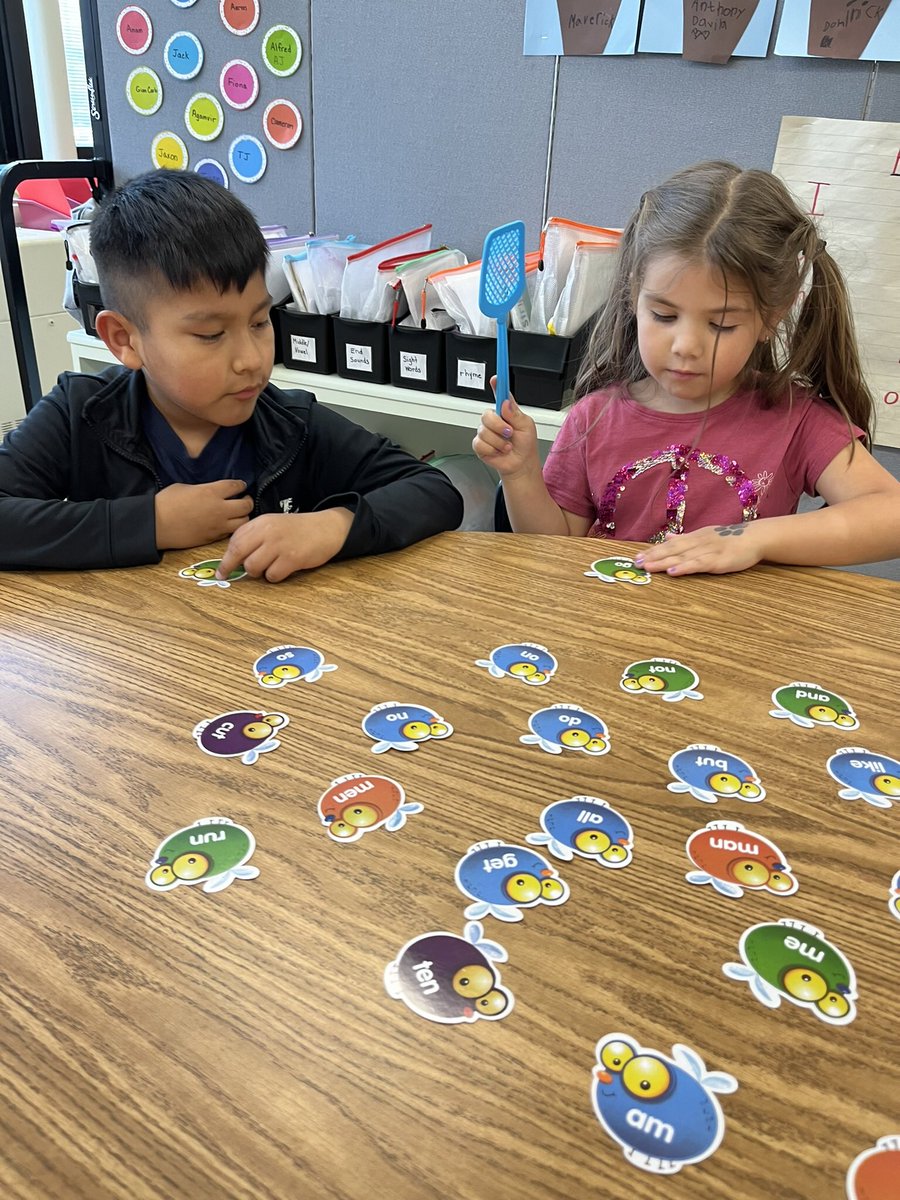
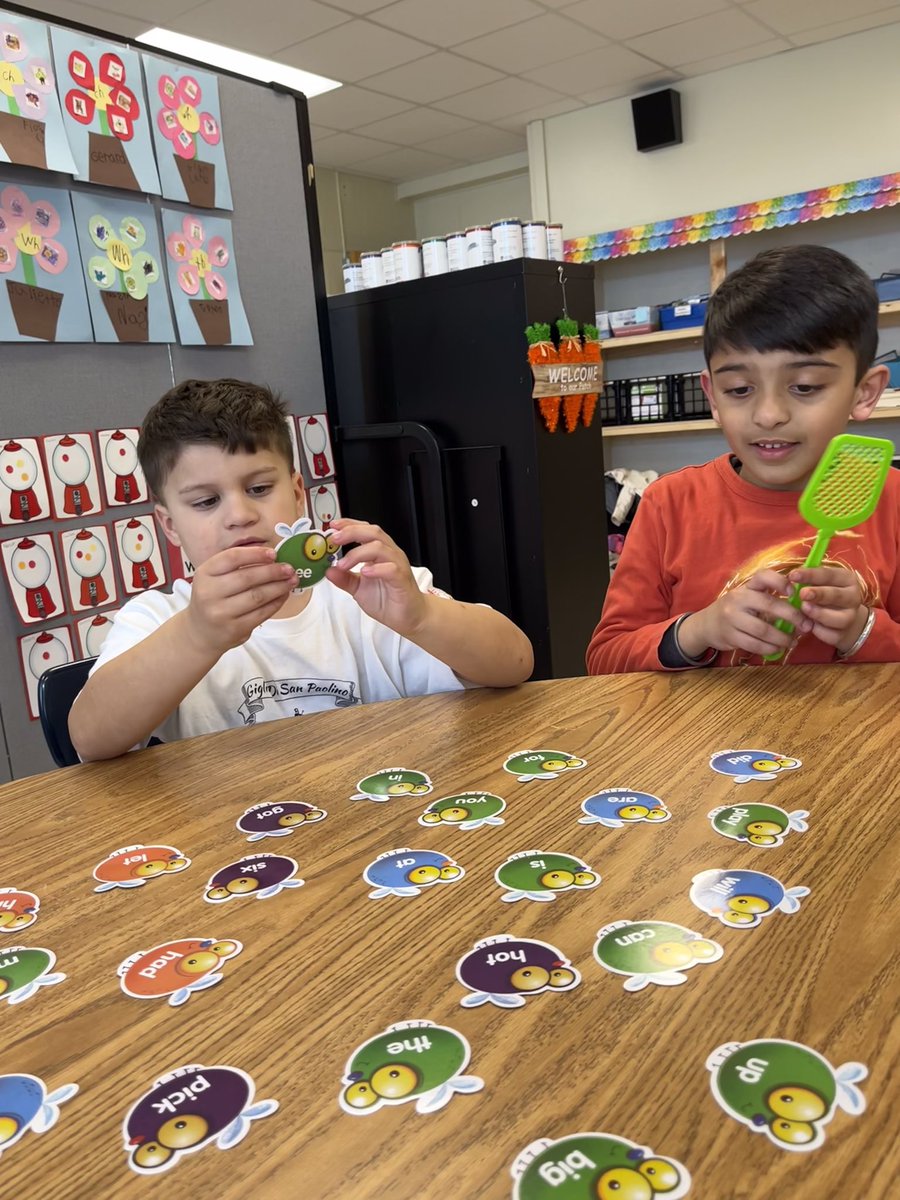
It was buggy🪲today ProjectRead. We had fun swatting a whole bunch of sight and decodable words .
5
187

25 Jan 2024
Thank you to everyone who showed up to our #ProjectREAD Opening! We had so much fun showcasing these awesome resources to our families! And a special shoutout to our student leadership kiddos who volunteered their time to come and help run the event! ❤️ #DallasISDLibrarian
1
4
19
1,811
23 Jan 2024
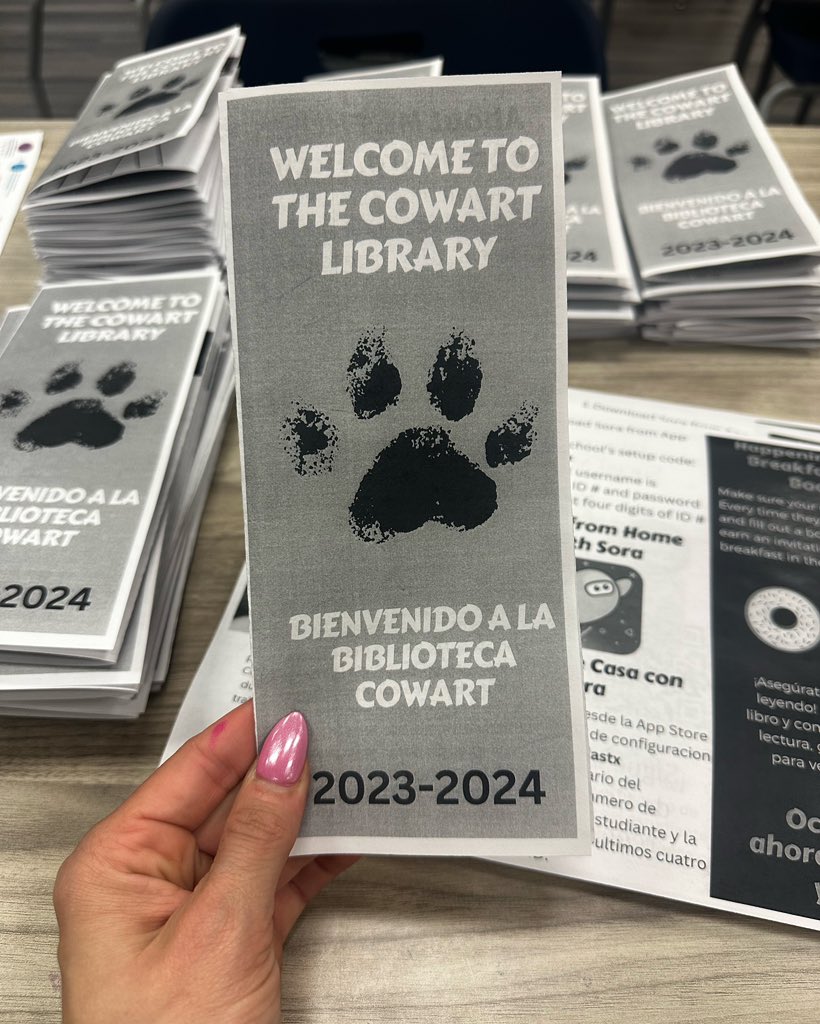
Getting ready for the grand (re)opening of our #ProjectREAD Library! ❤️ Make sure to join us January 24th from 5:30 - 7:00 pm and learn all about our newly innovated space and resources! #DallasISDLibrarian
3
9
539

19 Jan 2024
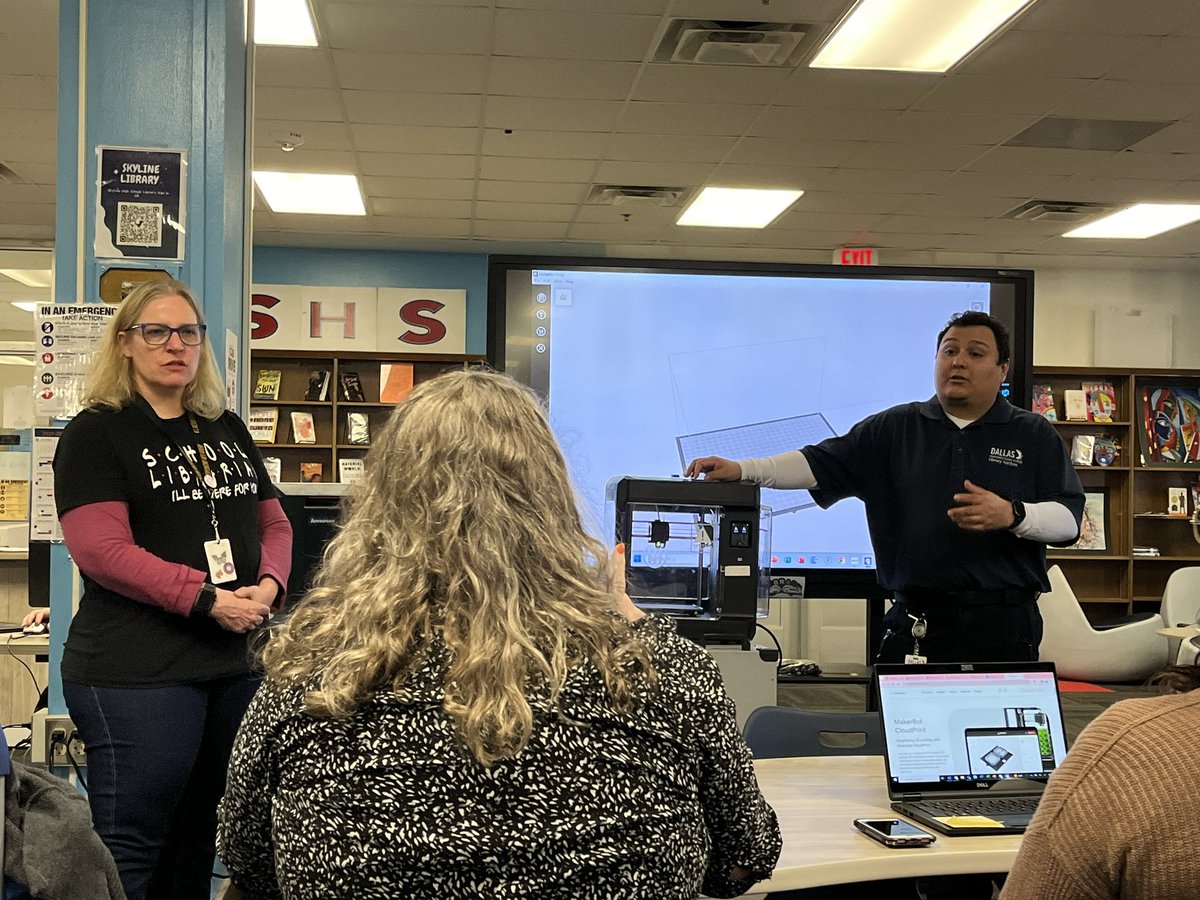
Excellent 3D printing training by Allison Criner and Mark Mendoza for Project READ!!! @DISD_Libraries @GreinerLibrary #ProjectREAD
2
7
140

20 Dec 2023
The 2 highest-density-areas of AI startups that I see in edtech:
- AI Teacher copilots, like @magicschoolai , @DiffitApp, , @curipodofficial, Doowii, Brisk, Worksheets AI, @cograder
- AI Literacy practice tools, like Ello, ProjectRead, Otto, etc
What others are you seeing?
2
13
768

9 Dec 2023
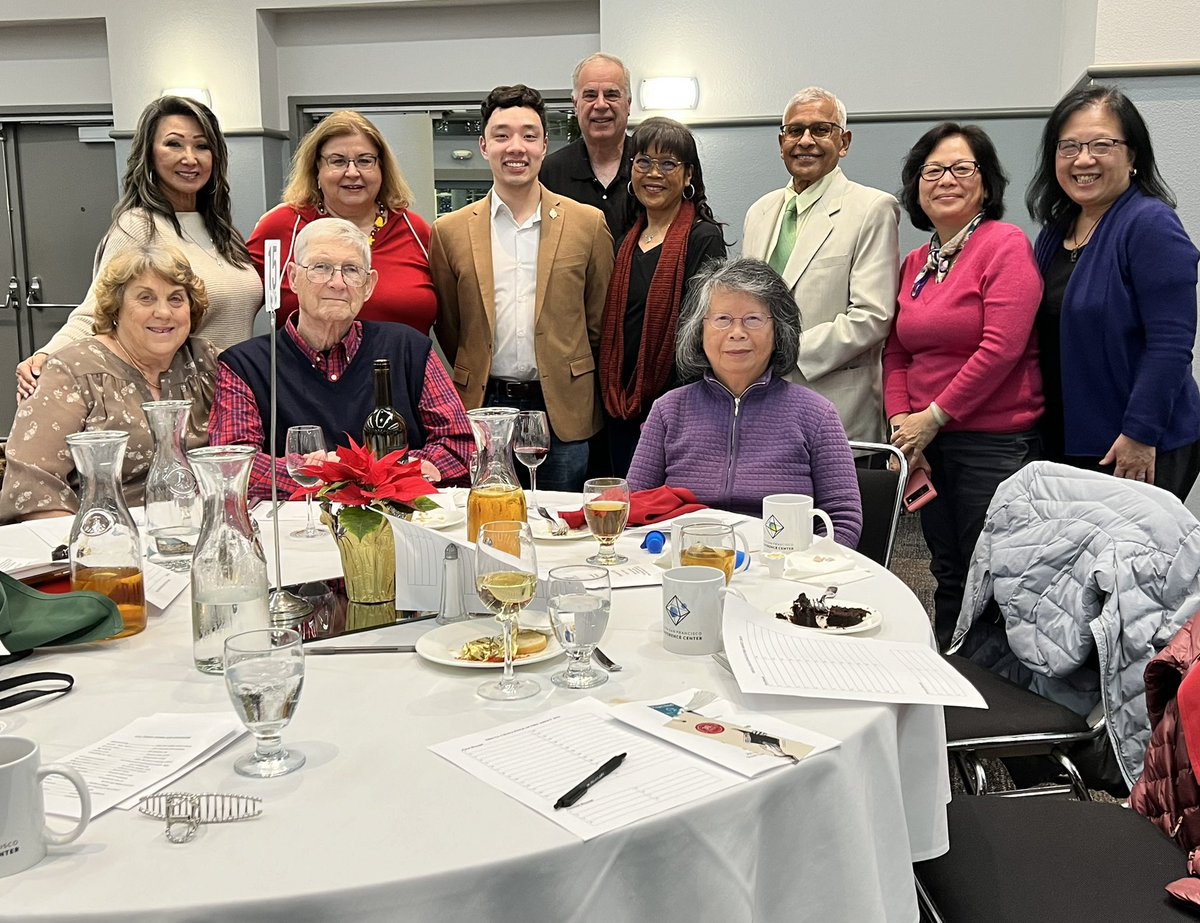
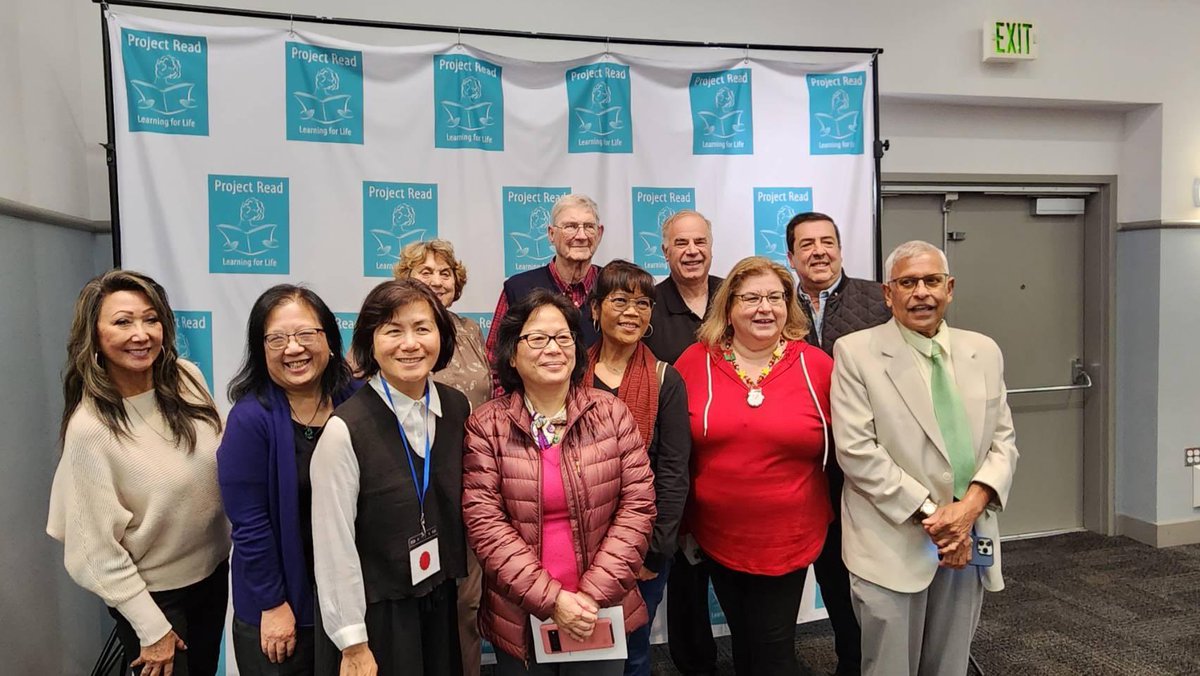
Great night at the 30th Annual Trivia Challenge! Benefits #ProjectRead. ✅
Congratulations to all the teams. It was fun having several @SSFCERT members, along w/ Mayor @JamesColemanSSF and @RepKevinMullin cheering all the teams on!
@CityofSSF @SSFLibrary @SSFRotaryClub #trivia
2
70

9 Dec 2023
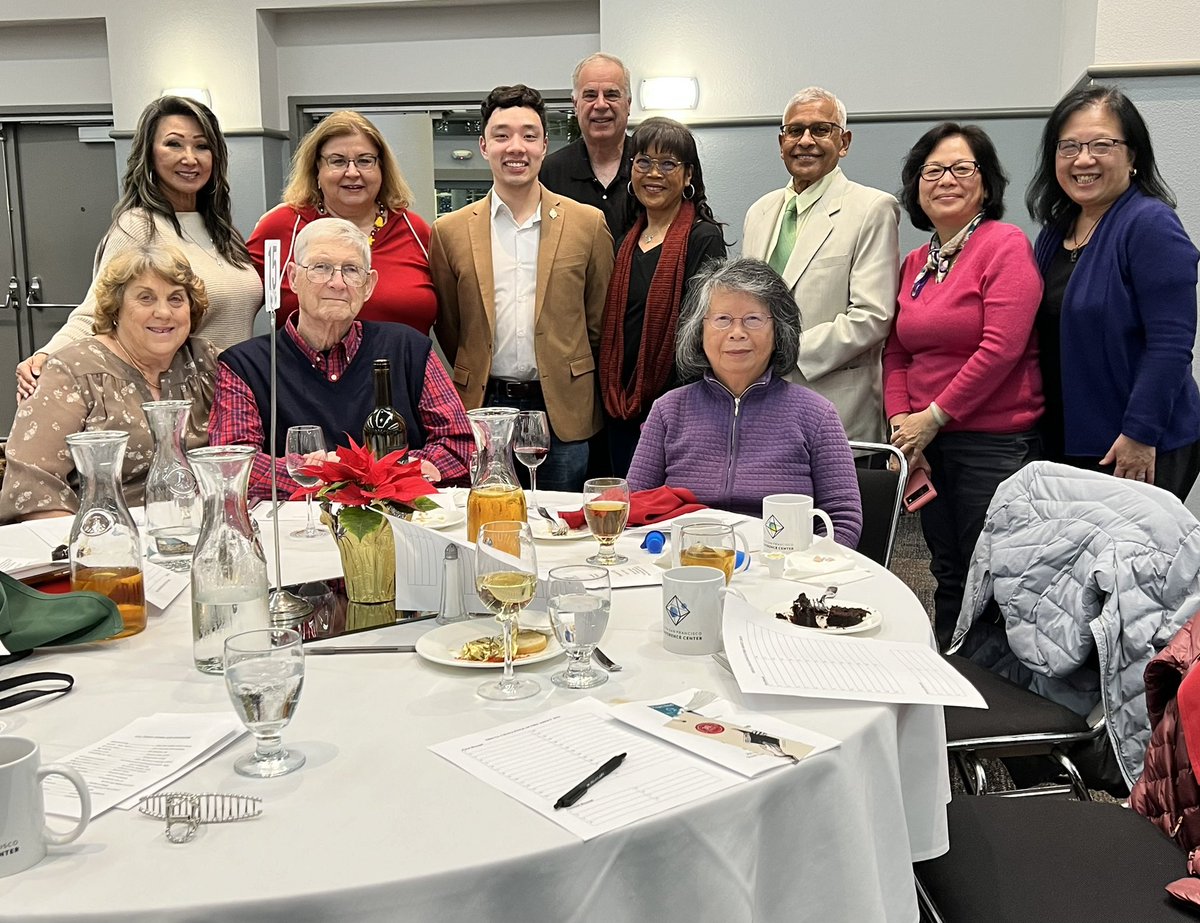
#TriviaChallenge going on #now!
Some members of @SSFCERT and Mayor @JamesColemanSSF enjoying this fun evening to benefit #ProjectRead.
Beautiful and fun South City evening!
@SSFLibrary @CityofSSF @SSFRotaryClub #fun #Trivia
2
42
6 Dec 2023
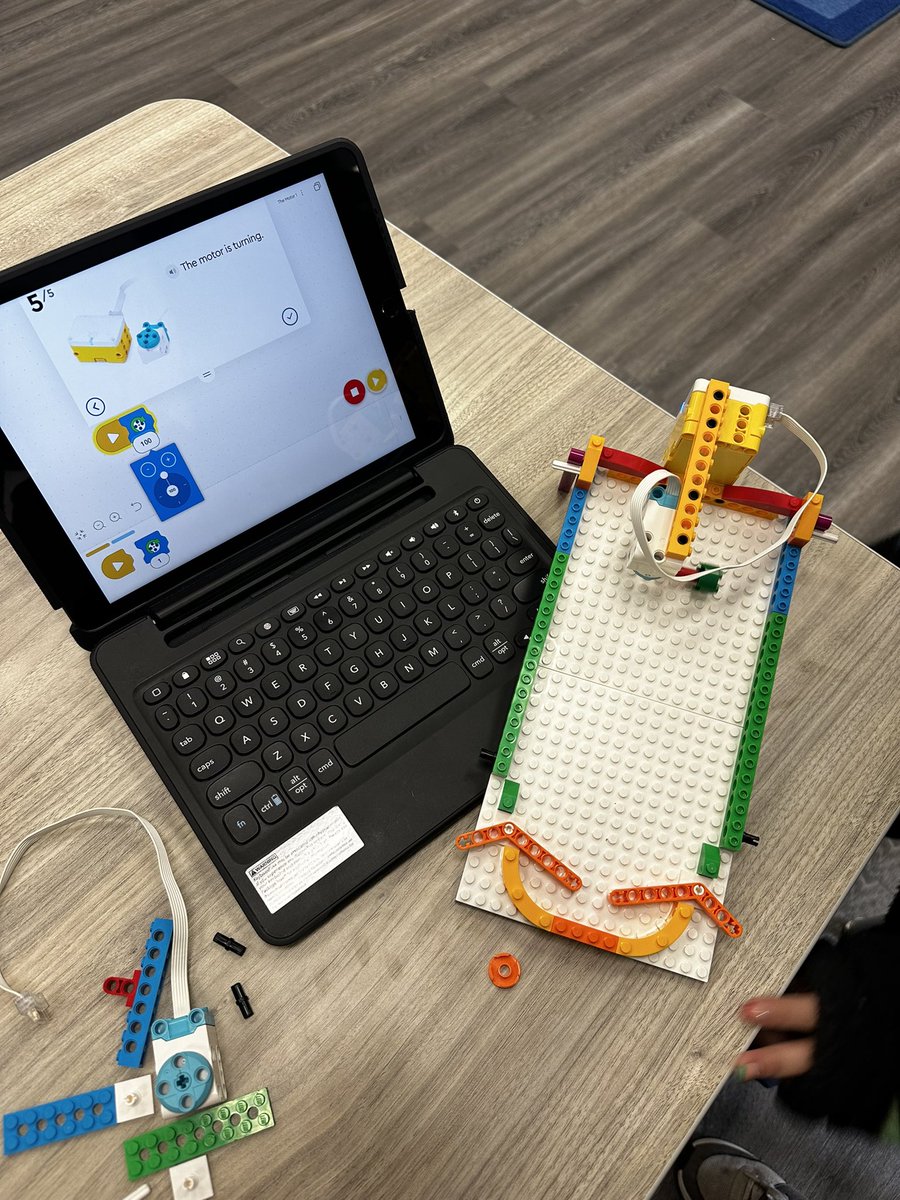
In honor of #HourofCode, our 3-5th graders busted out the @legoeducation Spike Essential kits and practiced coding skills! We love having these resources available in our #ProjectREAD space! 💜 #STEM #Coding
1
13
342
10 Oct 2023
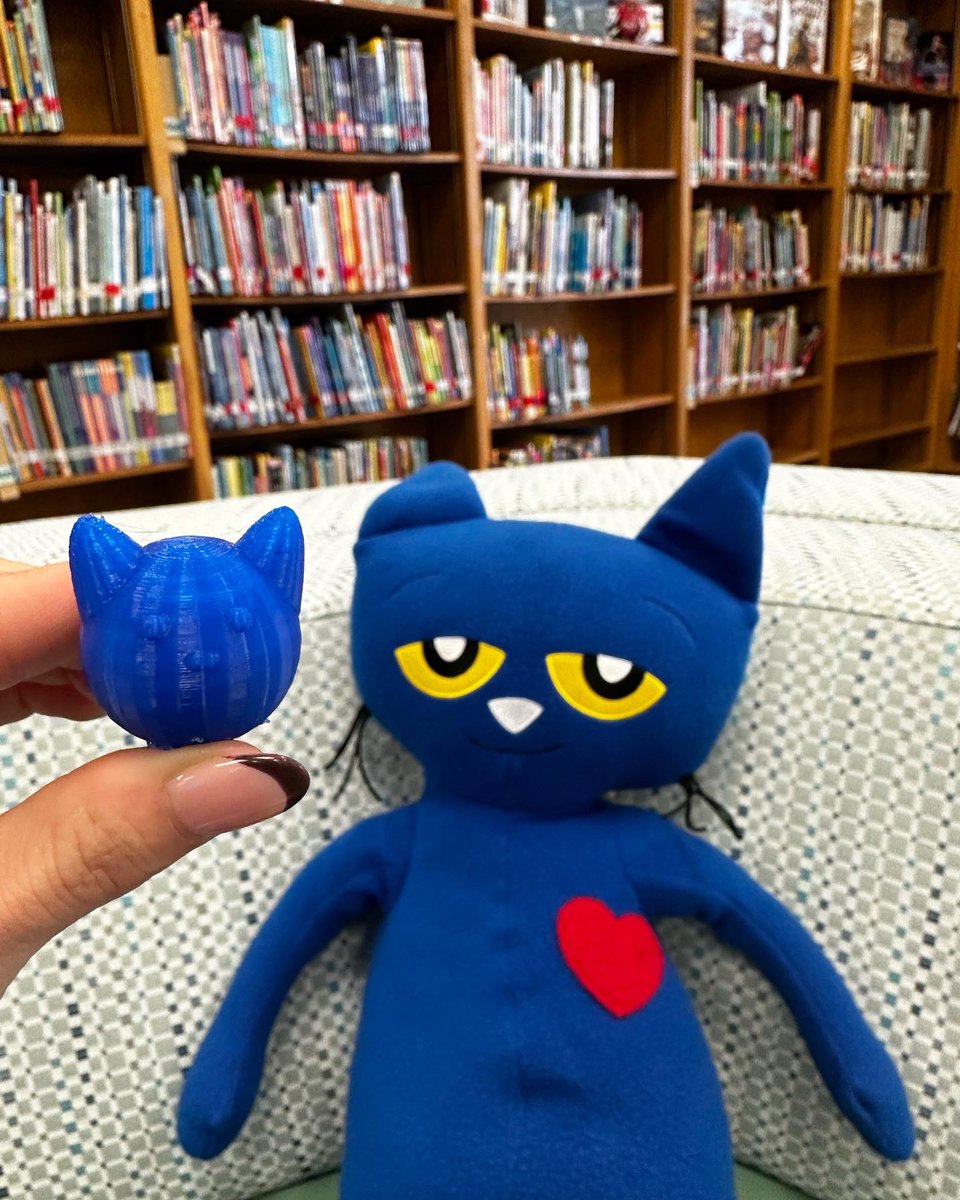
Our #ProjectREAD 3D printer is up and running so of course we had to make a mini Pete the Cat! 🫶🏼🩵🤯 #MakerSpace #STEMintheLibrary
1
5
18
869

26 Sep 2023
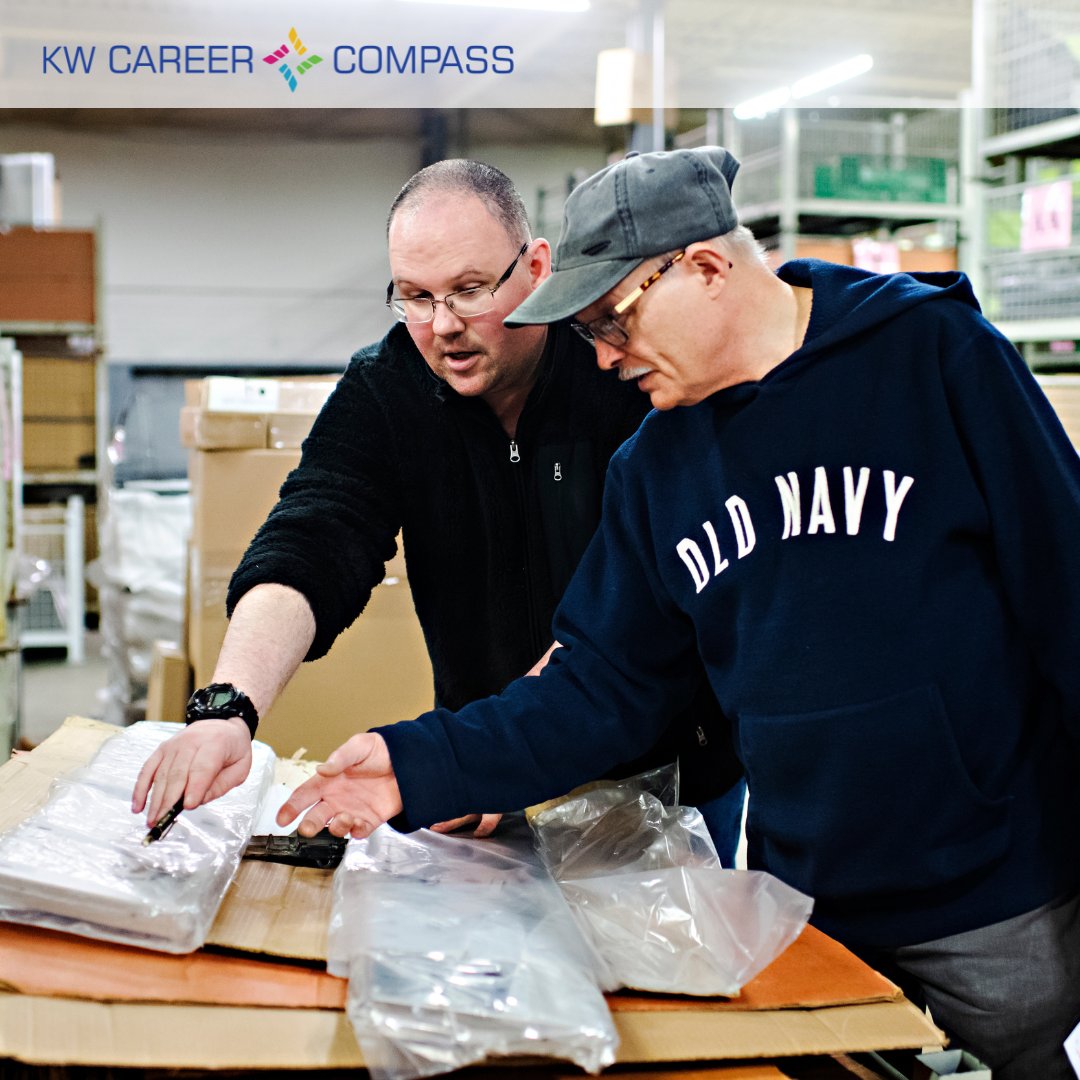
We've partnered with @projectREAD & @TheLiteracyGroup to bring you LEG Up! to Material Handling! Starting October 4, this pilot project is free & will prepare adults, 18 with a developmental disability to work in material handling. Space is limited!
ow.ly/KzaA50PPlb0
1
61