
Learning platforms teach.
Portfolio platforms showcase.
Winumu verifies. 🛡️
Because opportunities should be based on demonstrated ability, not claims alone.
Build your proof of skill - winumu.com
#ProofOfLearning #TechAfrica #Winumu

1
1
21

12 Dec 2025
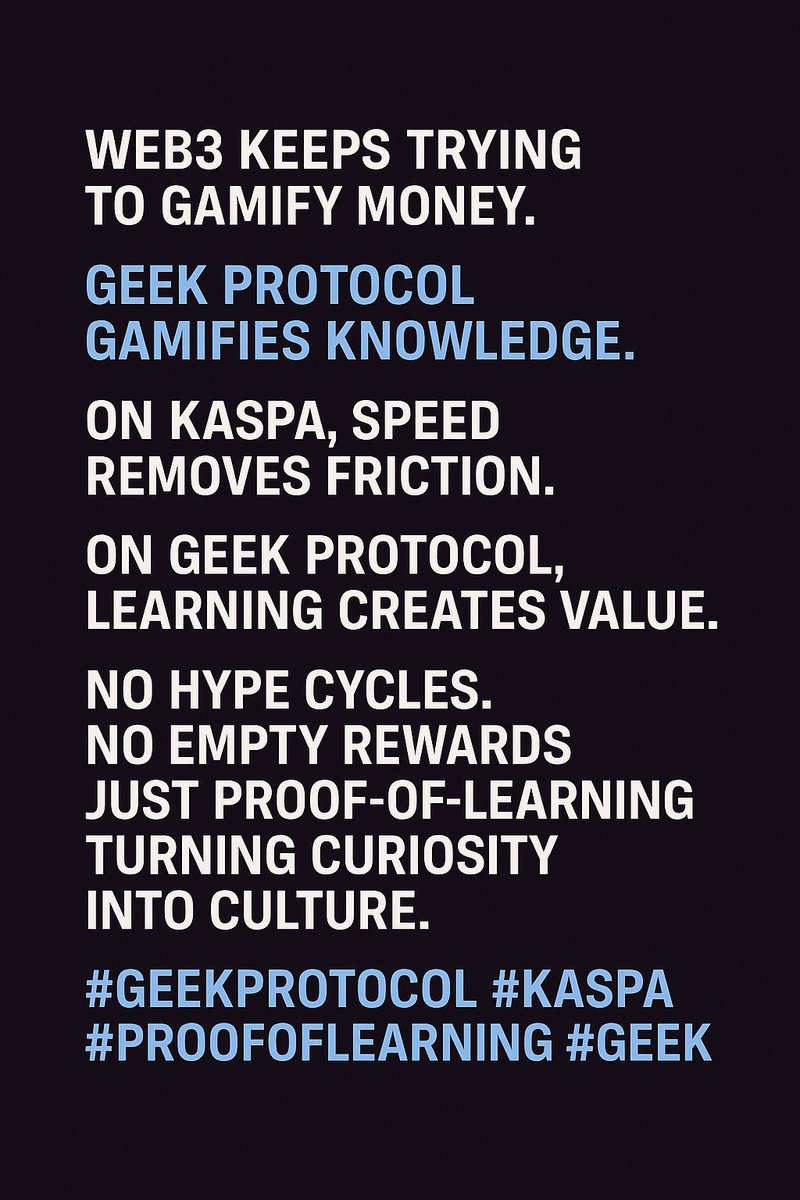
Web3 keeps trying to gamify money.
Geek Protocol gamifies knowledge.
On Kaspa, speed removes friction.
On Geek Protocol, learning creates value.
No hype cycles.
No empty rewards.
Just Proof-of-Learning turning curiosity into culture.
All hope. No hype.
#GeekProtocol #Kaspa #ProofOfLearning #GEEK
2
2
7
210
4 Dec 2025
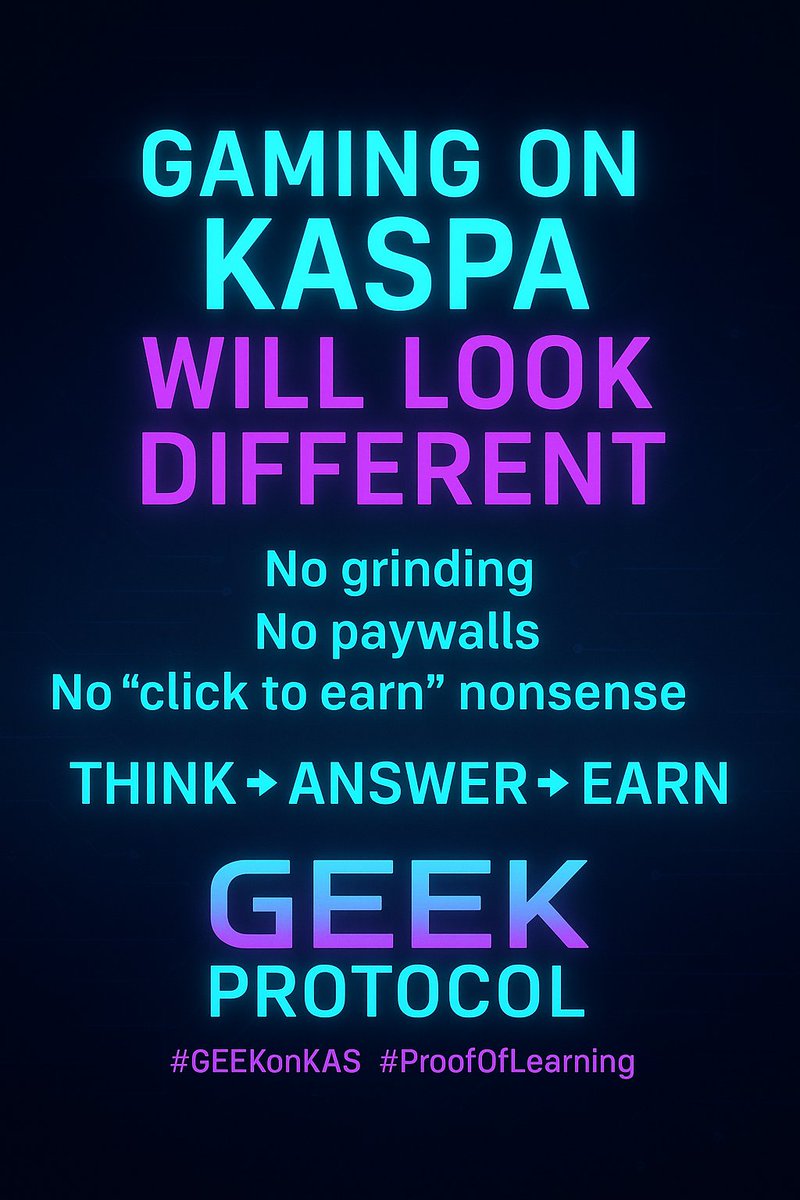
Most Web3 games copy old models.
Geek Protocol flips the formula:
⚡ No grinding
⚡ No paywalls
⚡ No “click to earn” nonsense
Just:
Think → Answer → Earn.
Kaspa’s speed makes it possible.
The community will make it unstoppable.
#GEEKonKAS #ProofOfLearning
2
3
3
134

4 Dec 2025
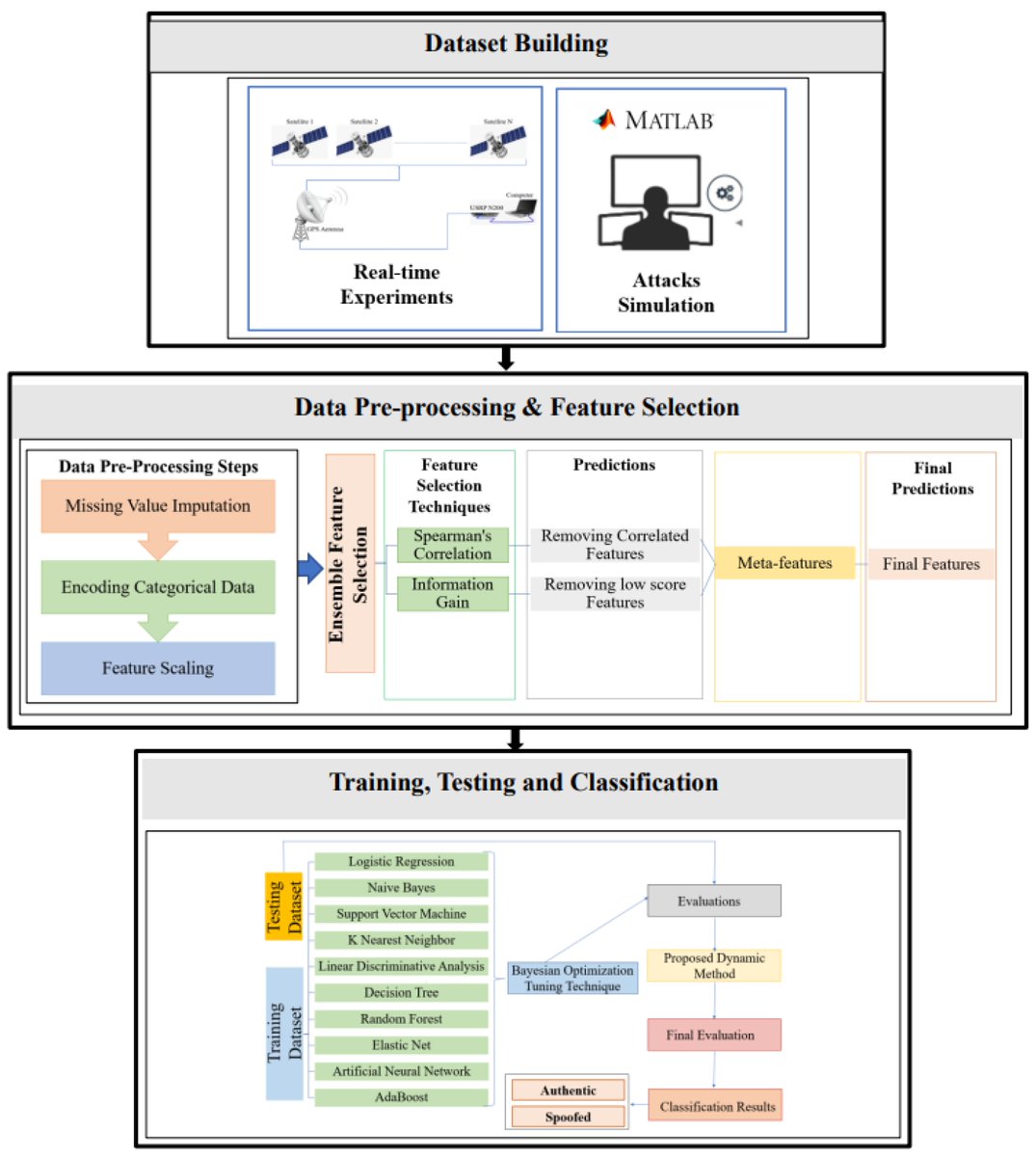
Why Learning-Based Verification (PoL & PoTD) Fails in Adversarial ML Settings and Cannot Secure Networks Like Gensyn
As the ML ecosystem explores ways to verify training without re-running full workloads, learning-based verification has emerged as an appealing idea. Methods such as Proof-of-Learning (PoL) and Proof-of-Training-Data (PoTD) attempt to validate training by analyzing signals produced during the learning process rather than verifying each computation step.
However, despite their conceptual elegance, these methods break down under adversarial conditions, especially in permissionless compute markets like @gensynai , where providers are incentivized to cheat if they can get away with it.
This article provides a rigorous breakdown of why learning-based verification is fundamentally unreliable for decentralized ML.
1️⃣ What Learning-Based Verification Tries to Achieve
Instead of confirming that every operation was computed correctly, learning-based methods aim to confirm that:
🔹 the model “looks like” it went through real training
🔹 the checkpoints show consistent learning patterns
🔹 the model memorized the data batches it claims to have seen
This works only if:
🔹 the training dynamics are honest
🔹 the provider cannot fabricate plausible signals
🔹 the environment is non-adversarial
But in decentralized compute networks, none of these assumptions hold.
2️⃣ Proof-of-Learning (PoL)
PoL relies on the idea that true training runs produce detectable gradient signatures.
A provider:
🔹 trains a model
🔹 logs intermediate checkpoints
🔹 submits them to a verifier
🔹 the verifier checks whether the transitions between checkpoints match expected training behavior
In theory, if someone tries to fake training, the gradients will not behave naturally.
But in adversarial environments, this assumption fails.
Weaknesses:
🔹 gradient signatures can be spoofed
🔹 fabricated checkpoints can mimic real learning
🔹 verifier cannot confirm actual operations were executed
🔹 attackers can generate checkpoints offline using cheaper methods
🔹 training divergence patterns can be artificially constructed
PoL therefore becomes a pattern-matching system, not a secure verification protocol.
3️⃣ Proof-of-Training-Data (PoTD)
PoTD improves PoL by checking whether the model:
🔹 memorizes specific training batches
🔹 reproduces data patterns consistent with the claimed dataset
It assumes that if a model memorizes the data, it must have been trained on it.
This assumption is false.
Weaknesses:
🔹 memorization can be faked
🔹 partial training can produce similar effects
🔹 attackers can overfit synthetic data crafted to look like training data
🔹 backdoored or poisoned data cannot be detected
🔹 the verifier cannot validate the order or correctness of operations
PoTD is still heuristic, not a cryptographically sound or adversarially robust method.
4️⃣ Learning-Based Methods Cannot Prevent Subtle or Targeted Manipulations
Even if one assumes an honest-looking training progression, learning-based verification fails to detect:
🔹 small but malicious data injections
🔹 targeted weight manipulation
🔹 altered learning rate schedules
🔹 omitted training steps
🔹 fine-tuned backdoors
🔹 malformed loss dynamics engineered to look “normal”
A compute provider on Gensyn could:
🔹 fake 95% of training
🔹 perform minimal computation
🔹 patch weights afterward to simulate proper learning
🔹 still pass PoL or PoTD checks
This makes the methods dangerous when financial incentives are at play.
5️⃣ Why Learning-Based Verification Breaks in Permissionless Networks (like Gensyn)
In adversarial compute marketplaces, nodes may attempt to maximize profit by minimizing work.
Learning-based verification cannot stop them.
1️⃣ Providers can fabricate plausible checkpoints
2️⃣ Attackers can simulate “learning-looking” dynamics cheaply
3️⃣ Data memorization does not imply correct execution
4️⃣ No verification of operator-level correctness
5️⃣ Backdoors and subtle manipulations go undetected
6️⃣ Rational attackers exploit heuristics instead of following protocol
Learning-based verification works only when no one is trying to cheat.
@gensynai must assume everyone is trying to cheat.
6️⃣ Conclusion: Learning-Based Verification Is Not a Secure Foundation for Decentralized ML
Across PoL, PoTD, and related approaches, the limitations are fundamental:
🔹 they are heuristics, not proofs
🔹 they break under adversarial incentives
🔹 they cannot prevent fake training
🔹 they cannot detect targeted manipulations
🔹 they cannot guarantee operation-level correctness
Learning-based verification cannot secure Gensyn or any permissionless ML network.
To achieve trustless, economically robust verification, networks must rely on execution-based methods, particularly:
🔹 deterministic operators (RepOps)
🔹 Merkle commitments
🔹 refereed delegation
🔹 minimal re-execution mechanisms
These are the techniques used in Verde, the first system enabling verifiable, deterministic ML execution suitable for decentralized training.
#MLVerification
#ProofOfLearning
#DecentralizedAI
#Gensyn
3 Dec 2025

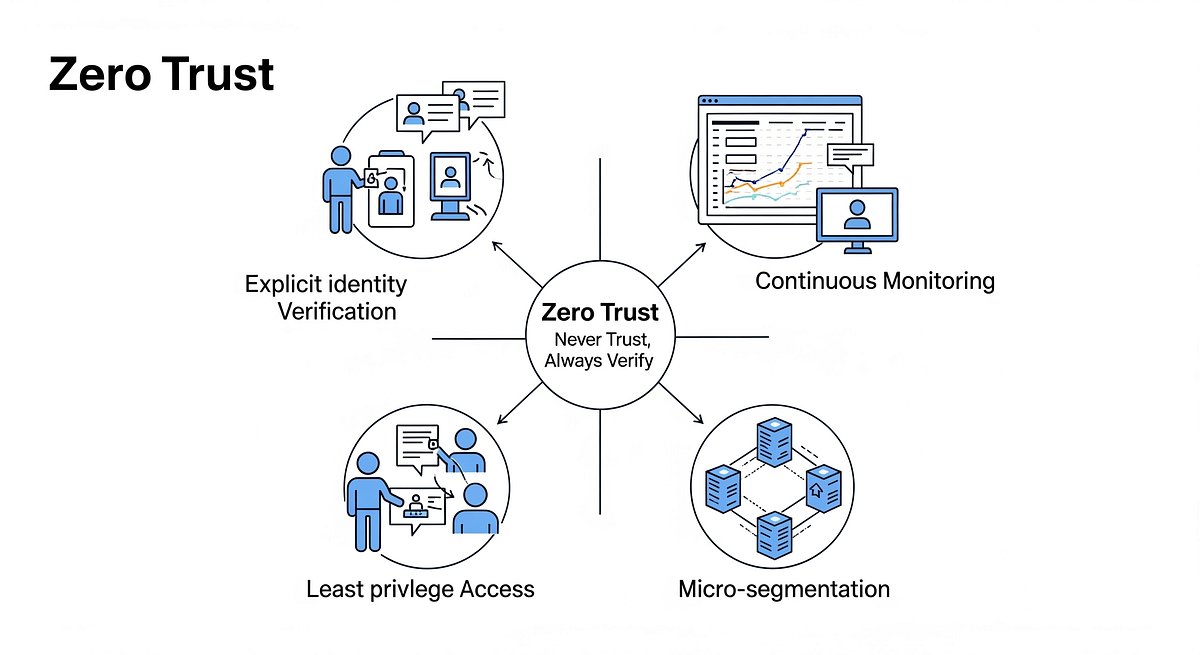
The Limits of Trust-Based Verification: Why TEEs and Reputation Cannot Secure Decentralized ML (Especially in Gensyn)
Trust-based verification is the oldest and most intuitive way to validate computation: trust the environment, trust the hardware, or trust the operator. It works well in controlled, centralized systems. But in decentralized AI networks such as @gensynai , where participants are unknown, economically motivated, and potentially adversarial, trust-based methods break down completely.
This article explains why TEEs (Trusted Execution Environments) and reputation systems are fundamentally insufficient for verifiable machine learning in permissionless networks.
1️⃣ Understanding Trust-Based Verification
Trust-based verification assumes:
🔹 the hardware is secure
🔹 the provider is honest
🔹 the environment cannot be tampered with
This approach shifts the problem of verification from computation to trust. Instead of checking the ML execution, you trust a guarantee external to the computation.
There are two dominant variants:
🔹 TEE-based trust (Intel SGX, AMD SEV)
🔹 Reputation-based trust (whitelists, score systems, stakeholder endorsements)
Both are widely used in cloud infrastructure but fail in decentralized compute markets.
2️⃣ TEE-Based Verification and Its Fundamental Limits
Trusted Execution Environments provide a cryptographic guarantee that:
🔹 code runs in isolation
🔹 the host OS cannot interfere
🔹 attestation proves the correct environment
In theory, this solves the verification problem.
In practice, TEEs suffer from deep structural limitations.
Limit 1: GPUs do not support meaningful TEEs
Machine learning workloads run primarily on GPUs.
Modern GPUs lack mature, reliable TEEs.
Without GPU-level protection:
🔹 the CPU’s TEE is irrelevant
🔹 memory copies can be tampered with
🔹 GPU kernels cannot be attested
🔹 mathematical operations cannot be proven
This alone disqualifies TEEs from securing decentralized ML.
3️⃣ Limit 2: Real TEEs Have a Long History of Breaks
Intel SGX has faced:
🔹 cache attacks
🔹 speculative execution exploits
🔹 side-channel leakage
🔹 enclave compromise
🔹 key extraction attacks
🔹 microarchitectural vulnerabilities
These vulnerabilities confirm a key point:
TEEs are hardware, and hardware can be broken.
Relying on TEEs means relying on the assumption that no future exploit will compromise the system, an assumption not acceptable in adversarial networks.
4️⃣ Limit 3: TEEs Reduce Openness and Participation
Decentralized networks rely on permissionless entry:
🔹 any GPU
🔹 any machine
🔹 any provider
Requiring TEEs creates:
🔹 hardware centralization
🔹 vendor lock-in
🔹 reduced global participation
🔹 economic inequality between nodes
Networks like @gensynai thrive on massive diversity and openness.
TEE requirements erase these benefits.
5️⃣ Reputation Systems and the Sybil Problem
Reputation-based verification attempts to solve trust by encoding the provider’s history of good behavior.
But in permissionless networks, reputation systems suffer from:
🔹 Sybil attacks
🔹 identity resets
🔹 fake collusion networks
🔹 dishonest upvoting
🔹 replayed identities
🔹 migration between wallets or accounts
An attacker can simply spawn:
🔹 10 new identities
🔹 100 new identities
🔹 1,000 new identities
Reputation collapses immediately because:
identities are cheap, computation is expensive.
6️⃣ Why Trust-Based Verification Cannot Secure Gensyn
To secure a global decentralized ML network, verification must be:
🔹 cryptoeconomic
🔹 adversarially robust
🔹 permissionless
🔹 reproducible
🔹 hardware-agnostic
🔹 open to commodity GPUs
Trust-based methods violate all these requirements.
Summarizing the failure modes:
1️⃣ TEEs do not exist for GPUs
2️⃣ TEEs are historically vulnerable
3️⃣ TEEs create centralization pressure
4️⃣ Reputation fails under Sybil attacks
5️⃣ Trust assumptions break in economic adversarial environments
6️⃣ Providers can simply “fake honesty” by spinning new identities
Trust-based verification can never be the foundation of decentralized AI.
@gensynai any permissionless ML platform, must rely on methods that verify execution, not intent or identity. This is why execution-based methods (Refereed Delegation deterministic operators like RepOps) are the only viable direction.
#gensyn
26
44
760

30 Nov 2025
I finally plugged my RTX 4090 into the @gensynai RL-Swarm and it felt like joining a world-spanning supercomputer. Noloco keeps latency in check so my node stays in sync with others across the public internet, and the work gets turned into Proof of Learning instead of just “GPU hours” real contributions, verifiably accounted for on-chain
If you want a simple path in:
- Join Discord and spin up an RL-Swarm node
- Jump into CodeZero as a Solver, submit rollouts on coding tasks
- Evaluators assign rewards using model-based checks (no code execution), and Verde/Judge kicks in only on suspicious steps
- Settlement happens in the Outer Armor consensus layer built on Polkadot, so work and payouts are locked and auditable
What convinced me this isn’t vapor: millions of agents learning together, verifiable compute via Verde, and early testnet hitting 40k accounts and 4M txns. Censorship-resistant access to compute means students and indie teams can train without begging clouds for GPU time. Who else is spinning up a node this week
#GensynAI #RLswarm #CodeZero #DePIN #AI #ProofOfLearning

3
9
156
27 Nov 2025
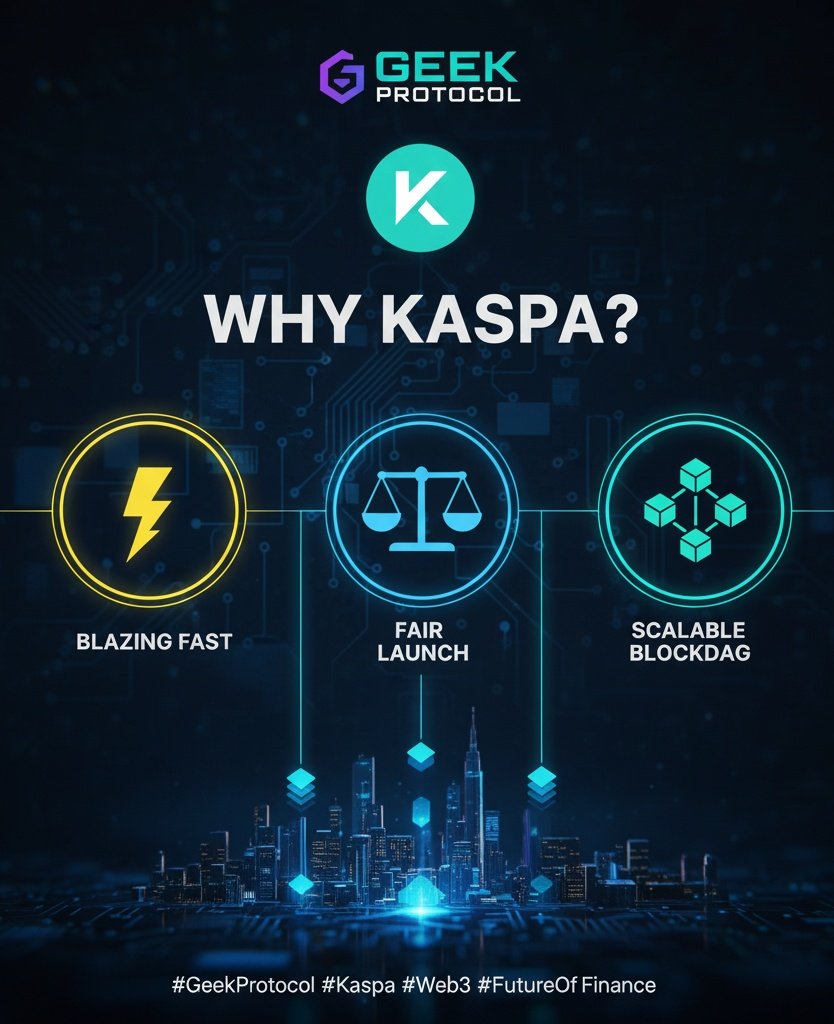
Thinking about diving into a new blockchain? Let us introduce you to #Kaspa! 🚀
Why Kaspa for the next generation of #Web3?
⚡️ Blazing Fast: Instant confirmations, making transactions a breeze.
⚖️ Fair Launch: No pre-mine, no ICO – truly decentralized from day one.
💡 Scalable: Built on the revolutionary BlockDAG tech, designed for mass adoption.
It's the perfect home for innovative dApps like #GeekProtocol. Come build with us!
#KaspaCommunity #Blockchain #Crypto #ProofOfLearning
1
1
2
86

23 Nov 2025
Everyone who rents Compute fears getting scammed. You pay your money, but how do you know the Solver actually trained the ML model seriously, and didn't just return a random result?
@gensynai solves that problem with Proof-of-Learning (PoL), and this is a major game-changer.
Essentially, PoL is a cryptographic proof that confirms the computation actually took place and achieved the progress it committed to. It’s not just "Proof-of-Work" (PoW) - it’s "Proof-of-Learning"
This is critically important: PoL ensures the network's integrity and reliability. It shields the renter from fraudulent Solvers and protects honest compute providers from suspicion. This core element allows Gensyn to operate entirely trustlessly.
@austinvirts @cyd00r @xailong_6969
#gensyn #gensynai #gSwarm #ProofOfLearning
25
47
406

20 Nov 2025
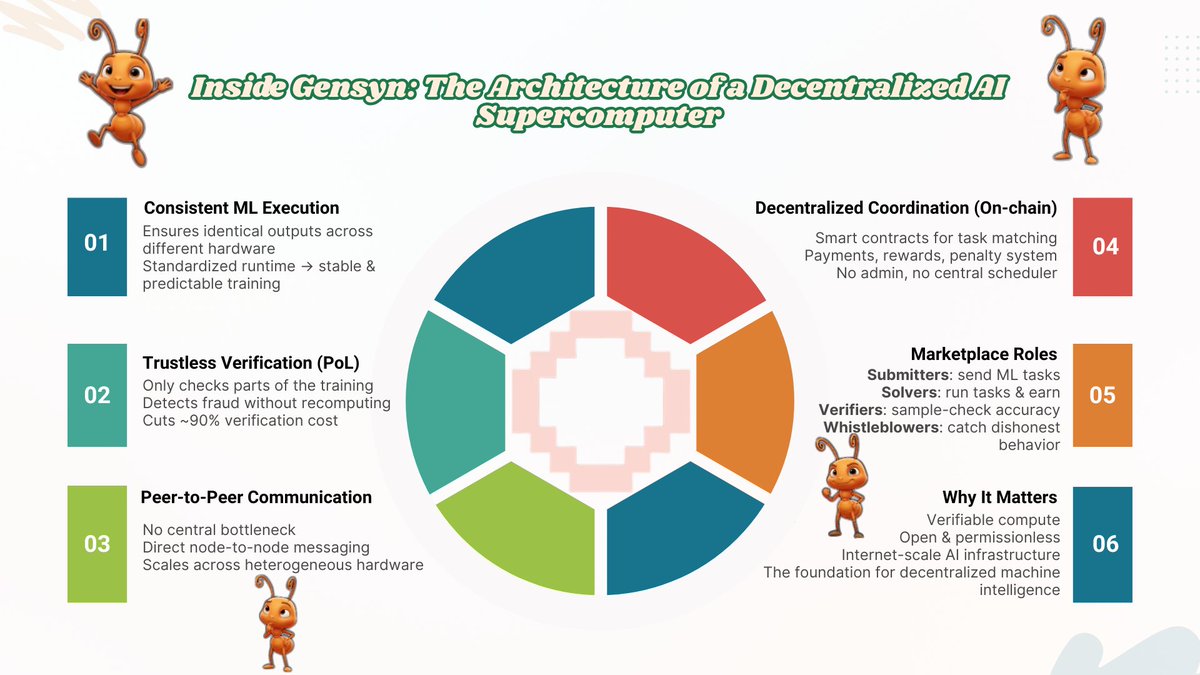
Inside Gensyn: How the network actually works under the hood
If the first post was about what @gensynai wants to achieve,this one is about how it’s engineered to make that vision real.
To understand @gensynai , you need to understand its four core building blocks, and how they combine into a decentralized, Internet-scale compute layer for AI.
1⃣. Consistent ML Execution, the bedrock of reliability
In a global network, thousands of different machines will train the same model.
Different GPUs. Different operating systems. Different drivers.
Without consistency, the network falls apart.
@gensynai solves this with a standardized ML runtime that ensures:
🔹Identical outputs across heterogeneous hardware
🔹Stable, predictable training
🔹No floating-point drift or vendor, specific quirks
It creates a “common ground” so every node behaves the same.
2⃣. Trustless Verification, Gensyn’s real breakthrough
Decentralized compute only works if you can trust the results without trust.
But verifying ML by re-running it is too expensive.
So @gensynai introduces Probabilistic Proof-of-Learning (PoL):
🔹Checks only a subset of the training
🔹Uses probability to confirm correctness
🔹Catches fraud efficiently
🔹Slashes verification cost by ~90%
It proves the work was done without redoing the work.
This is the core innovation that makes the whole network practical.
3⃣. Peer-to-Peer Communication, scaling without central bottlenecks
Instead of relying on a central scheduler, Gensyn uses P2P messaging:
🔹Nodes communicate directly
🔹Tasks are distributed flexibly
🔹Bandwidth is minimized
🔹The system adapts to heterogeneous hardware
This architecture allows the network to grow horizontally, more nodes -> more compute, without stressing a central system.
4⃣. Decentralized Coordination, on-chain logic keeps the network honest
Smart contracts handle the rules of the network:
🔹Matching tasks to solvers
🔹Payments and rewards
🔹Reputation and penalties
🔹Dispute resolution
No admin.
No central authority.
No trusted third party.
The protocol itself enforces fairness.
5⃣. The Marketplace Model, four roles, one incentive loop
The network operates like a coordinated economic system:
Submitters
Post ML tasks and pay for compute.
Solvers
Provide hardware, train models, and earn rewards.
Verifiers
Check correctness through PoL.
Whistleblowers
Catch verifiers who attempt to cheat.
The incentives are simple:
Honesty is profitable.
Dishonesty gets punished.
That’s how the network maintains integrity at scale.
6⃣. Why this architecture matters
This isn’t “ML on blockchain.”
It’s a full-stack rethink of how AI compute can be:
decentralized
🔹Verifiable
🔹Permissionless
🔹Globally scalable
🔹Economically sustainable
If AI is going to break out of centralized clouds,
it needs an architecture like this, one that turns the entire Internet into a verifiable compute layer.
#Gensyn #DecentralizedAI #OpenCompute #ProofOfLearning #AIInfrastructure
19 Nov 2025

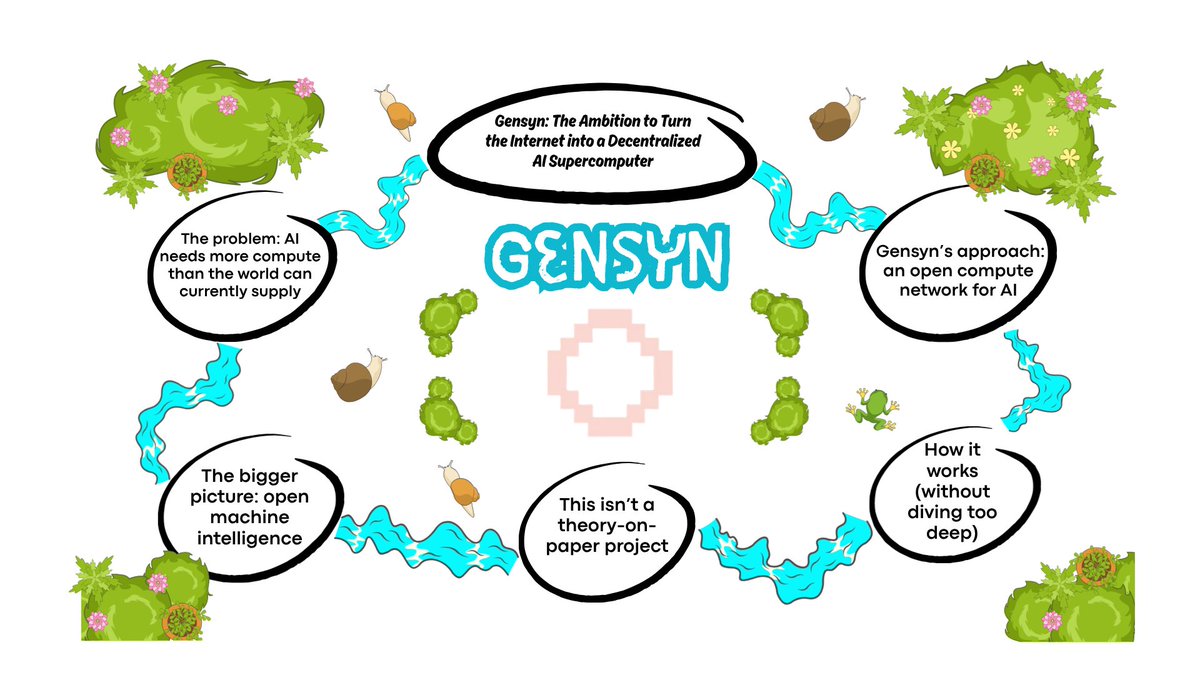
Gensyn and the idea of turning the Internet into a decentralized AI supercomputer
AI is moving faster than the compute we have to fuel it.
GPUs are overpriced, cloud bills are brutal, and “machine intelligence” is slowly becoming something only a few giant data centers control.
@gensynai is trying to break that bottleneck.
1⃣. The problem: AI needs more compute than the world can currently supply
Training real models isn’t cheap.
You need strong hardware, stable infra, and cloud costs that climb every year.
The funny part?
We do have a lot of compute, it’s just locked up in centralized data centers or sitting idle inside millions of machines around the world.
So @gensynai asks a simple question:
If the Internet can share information, why can’t it share compute too?
2⃣. Gensyn’s approach: an open compute network for AI
Instead of relying on a handful of cloud providers, @gensynai wants a network where anyone with unused hardware, a PC, a rack server, a bunch of spare GPUs, can plug in and help train models.
The idea is straightforward but huge:
Combine global compute -> build a shared, decentralized “AI supercomputer.”
No gatekeepers.
No locked-in infrastructure.
No dependence on Big Tech.
3⃣. How it works (without diving too deep)
Think of @gensynai as a marketplace:
🔹Submitters send ML tasks
🔹Solvers run them with their hardware
🔹Verifiers check the results
🔹Whistleblowers catch bad actors
Everything is coordinated through smart contracts.
The magic is in verification:
You don’t rerun the whole model just to see if someone cheated.
Gensyn uses Probabilistic Proof-of-Learning, which:
🔹Checks only parts of the training
🔹Verifies correctness through probability
🔹Detecs fraud without redoing the work
🔹~90% of validation cost
Basically:
No trust required, only proof.
4⃣. This isn’t a theory-on-paper project
@gensynai has raised over $50M, led by a16z.
Their testnet has already crossed 1M trained models, meaning the network is running at scale, not living inside a whitepaper.
Anyone can jump in:
🔹Run a Swarm / RL-Swarm node
🔹Contribute compute
🔹Earn participation scores
🔹Vote in Judge Markets
🔹Apply to the Pioneer Program
🔹Position for future incentives (when token details arrive)
This is the stage where a concept starts becoming infrastructure.
5⃣. The bigger picture: open machine intelligence
If @gensynai pulls this off, it could:
🔹Reduce the dominance of centralized data centers
🔹Make AI training something anyone can afford
🔹Turn idle hardware into a global power source for intelligence
🔹Create an open, permissionless compute layer for AI
=> AI stops being a privilege, and becomes a shared public resource.
=> @gensynai isn’t about “cheaper compute.”
It’s about reimagining how AI is built at the infrastructure level.
If the future of AI is truly open and decentralized,
@gensynai is building the foundation for it, brick by brick.
#gensyn
16
22
482

13 Nov 2025
SiliX Platform unlocks a new income model for AI users.
Learn with AI → generate Proof-of-Learning → earn rewards based on real progress.
Contribute your knowledge to train the AI → the system validates your value → earn extra rewards as an “AI trainer.”
And the rewards aren’t just points —
they come in Crypto Boxes filled with valuable tokens like BTC, ETH, SOL, BNB, and more.
Learn to earn.
Teach to earn.
Together, we build a smarter financial AI for everyone.
#SiliX #AI #Blockchain #ProofOfLearning #NextEra

97
5
34
4,938

12 Nov 2025
🐝 The Hive Has Awakened @gensynai
Humans were the first compute network every thought, action, and collaboration a living node. Gensyn is bringing that same energy on-chain. ⚡
1️⃣ We’ve always been wired for connection but our collective intelligence was fragmented and centralized.
2️⃣ Like ants in a colony or bees in a hive, nature runs on coordination, not control. Gensyn mirrors that millions of nodes, one collective mind.
3️⃣ Every contributor provides compute, gets verified through proof-of-learning, and earns no middlemen, no trust required.
4️⃣ AI models now train across independent nodes, verified and synced autonomously.
This is AI without permission.
A living, breathing decentralized swarm powered by humanity, verified by cryptography.
The hive is alive. 🧠🌍
#Gensyn #AI #DeAI #Web3 #DecentralizedCompute #ProofOfLearning #AIEconomy #DePIN

5
1
17
114

12 Nov 2025
Fact about @gensynai (POL)
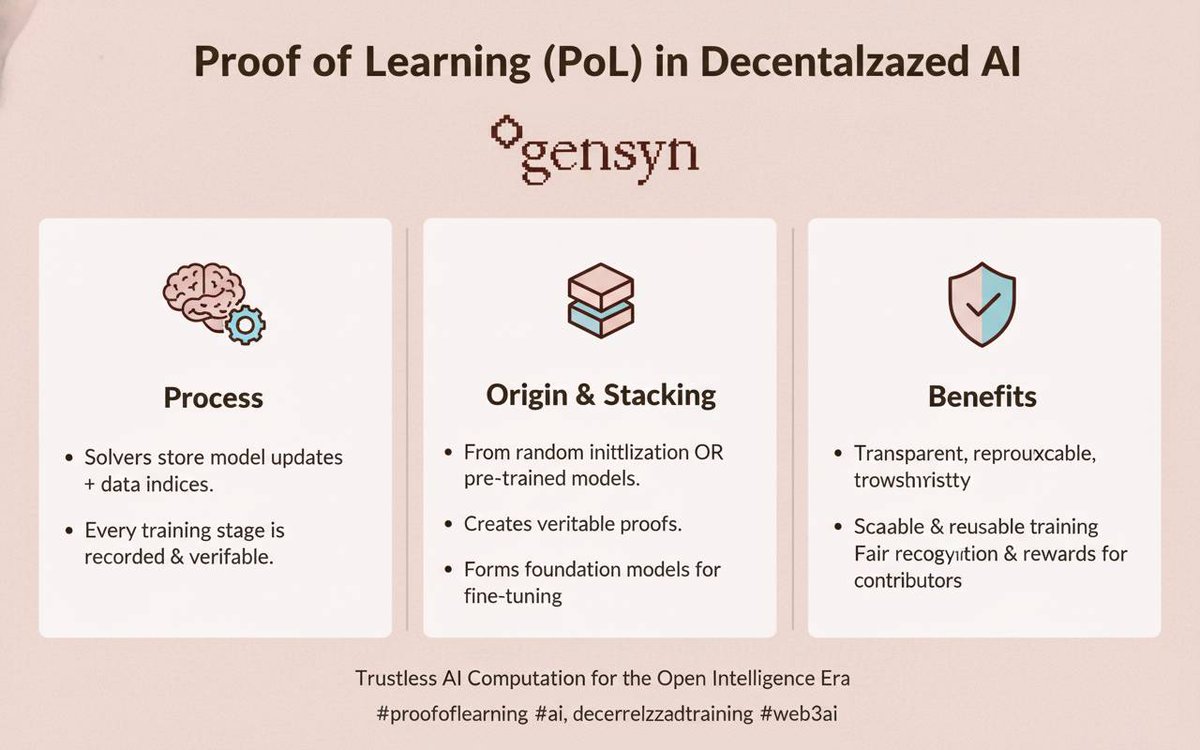
One of the most crucial stages in decentralized AI training is the creation of Proof of Learning (PoL) and @Gensyn executes this process with exceptional precision.
Solvers periodically store model updates along with the corresponding data indices,ensuring that every stage of the training process is recorded and verifiable.
These proofs can originate either from models trained from random initialization or from pre trained models that already contain verified proofs.This stacking system enables the formation of foundation models, which can later be fine-tuned for new tasks or datasets with minimal effort.
As a result,
every layer of training remains transparent, reproducible, and trustworthy enhancing the credibility and reliability of the decentralized compute network.This approach not only makes decentralized training scalable and reusable
but also ensures that every contributor is fairly recognized and rewarded.
S,uch proof based architecture forms the backbone of trustless AI computation for the open intelligence era.#ProofOfLearning #AI #DecentralizedTraining #Web3AI
11 Nov 2025

Topic :
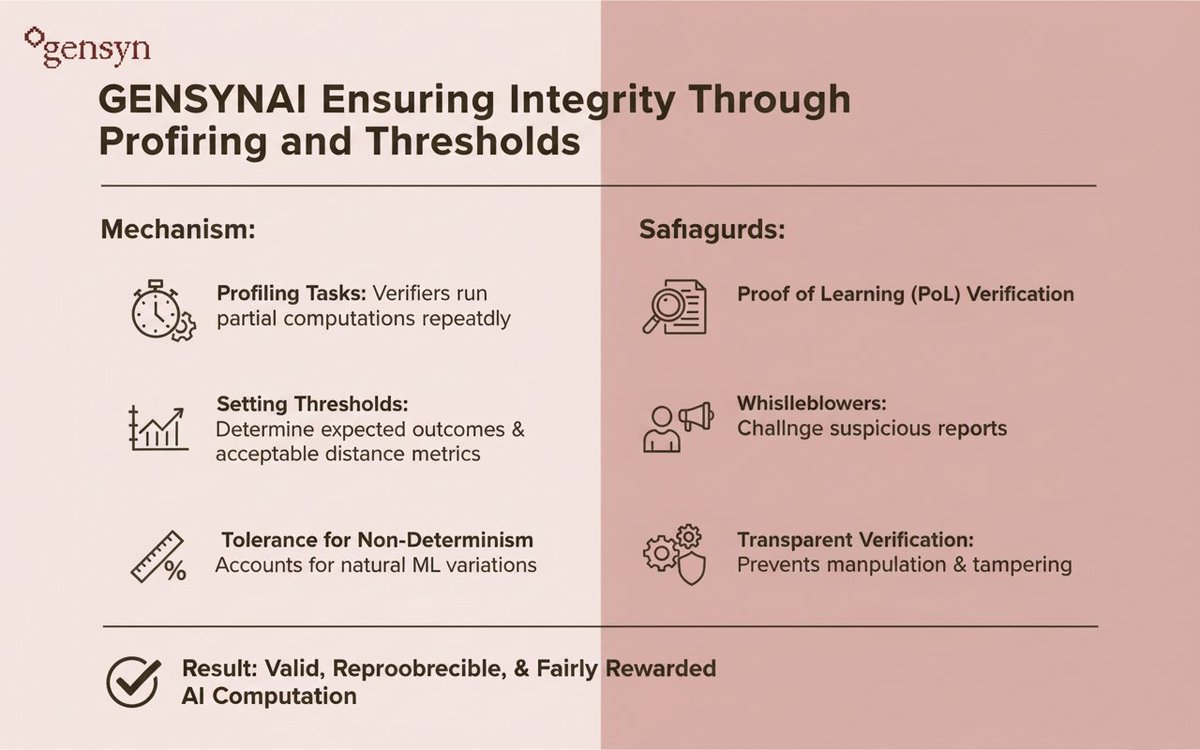
@gensynai s Ensuring Integrity Through Profiling and Thresholds
In decentralized AI training,Gensyn introduces a ground breaking mechanism called Profiling and Thresholds to verify Proof of Learning (PoL) with precision and fairness. Before full scale training begins, verifiers execute profiling tasks running parts of the computation multiple times to set expected thresholds and determine acceptable distance metrics.
These metrics define the tolerance for non deterministic outcomes that naturally occur in machine learning.
To maintain honesty, whistleblowers are empowered to challenge suspicious or inaccurate threshold reports, ensuring that no participant manipulates results for personal gain. This transparent verification process not only strengthens the reliability of Gensyn’s decentralized compute network but also safeguards it from dishonest behavior and performance tampering.
By combining rigorous statistical profiling with community driven verification,Gensyn guarantees that every contribution to AI training is valid, reproducible, and fairly rewarded setting a new standard for trustless AI computation across the open intelligence ecosystem...
15
1
17
608
11 Nov 2025
$KAS reminds me why I got into crypto — truth, tech, and community.
No VC hype, no empty promises — just real innovation, real people, and real proof of work.
That’s why I’m all in on Kaspa. ⚡
From the team behind Geek Protocol 🧠✨ #Kaspa #AllHopeNoHype
#KAS #SmartMoney #ProofOfLearning
3
172
10 Nov 2025
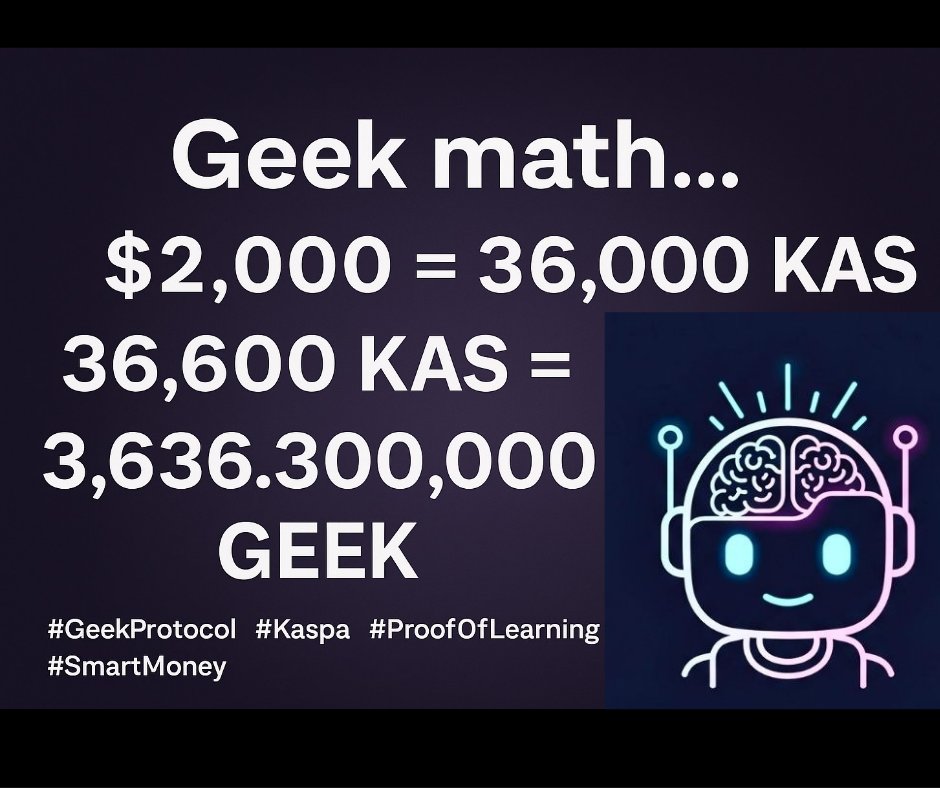
Geek Math 🧠
$2,000 = 36,000 $KAS = 3,636,300,000 $GEEK
Proof that smart money isn’t about hype — it’s about math, vision, and timing.
📚 #GeekProtocol | ⚡ #Kaspa | 🎓 #ProofOfLearning | 💰 #SmartMoney
“All Hope. No Hype.”
6
5
7
174
30 Oct 2025
🧠 The Future of Learning is almost Here..........
Own Your Knowledge! 🧠
At Geek Protocol, we believe your intellect is your greatest asset. We're pioneering #ProofOfLearning on #Kaspa, empowering you to:
✅ Verify your expertise
✅ Earn real $GEEK rewards
✅ Build an undeniable reputation in Web3
Ready to reclaim your education?
#GeekProtocol #Web3 #Education #KnowledgeEconomy #PlayToEarn
2
4
131
29 Oct 2025
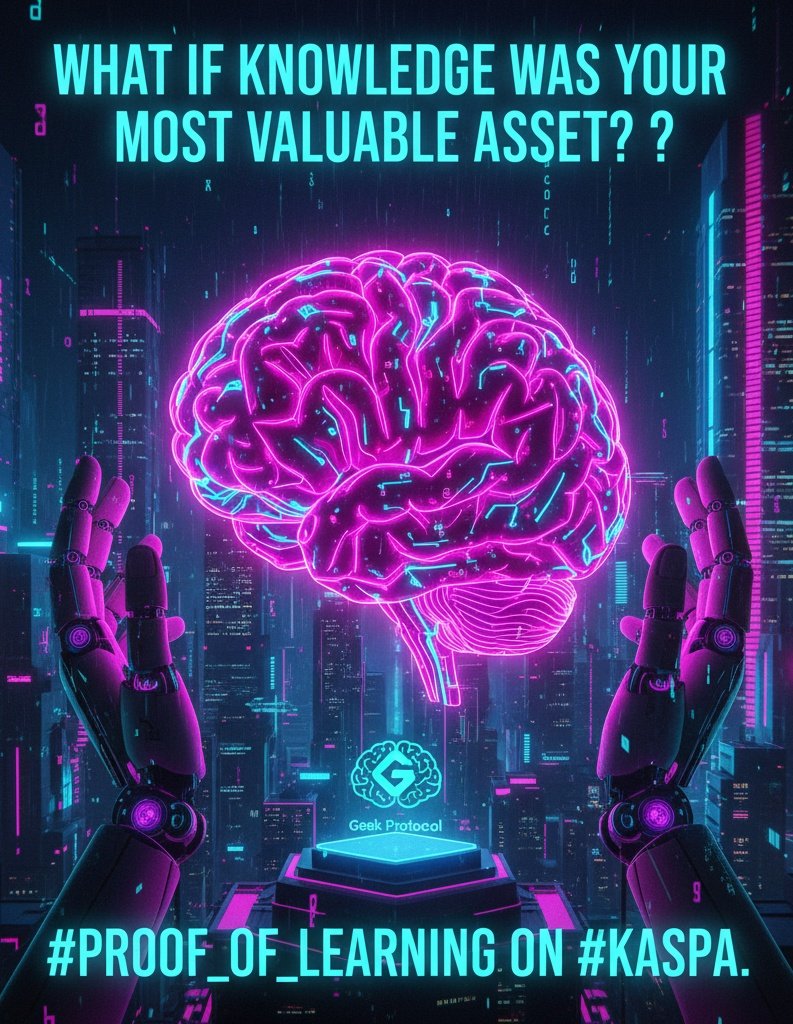
What if your knowledge was your most valuable asset? 🧠
At Geek Protocol, we're turning that vision into reality with #ProofOfLearning on #Kaspa.
It's more than just quizzes; it's about building verifiable reputation, earning real rewards ($GEEK), and contributing to a decentralized knowledge economy.
Join us in shaping the future of Web3 learning & earning!
#GeekProtocol #Web3 #Education #PlayToEarn $GEEK #DecentralizedKnowledge #Blockchain
2
3
115
27 Oct 2025
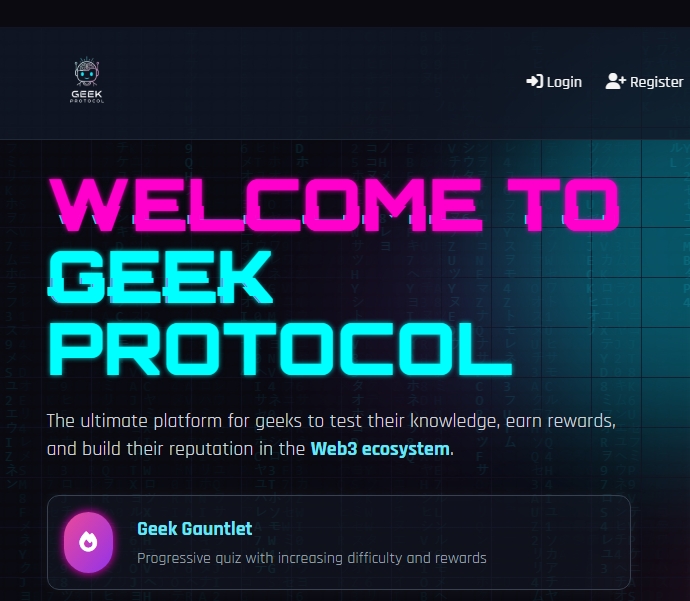
Geek Protocol is getting closer to in making knowledge an asset. 1 step down and a hundred more to go.
#proofofwork #proofoflearning #kaspa #geekprotocol #Geek #knowledgeisnowanasset
3
2
3
132
25 Oct 2025
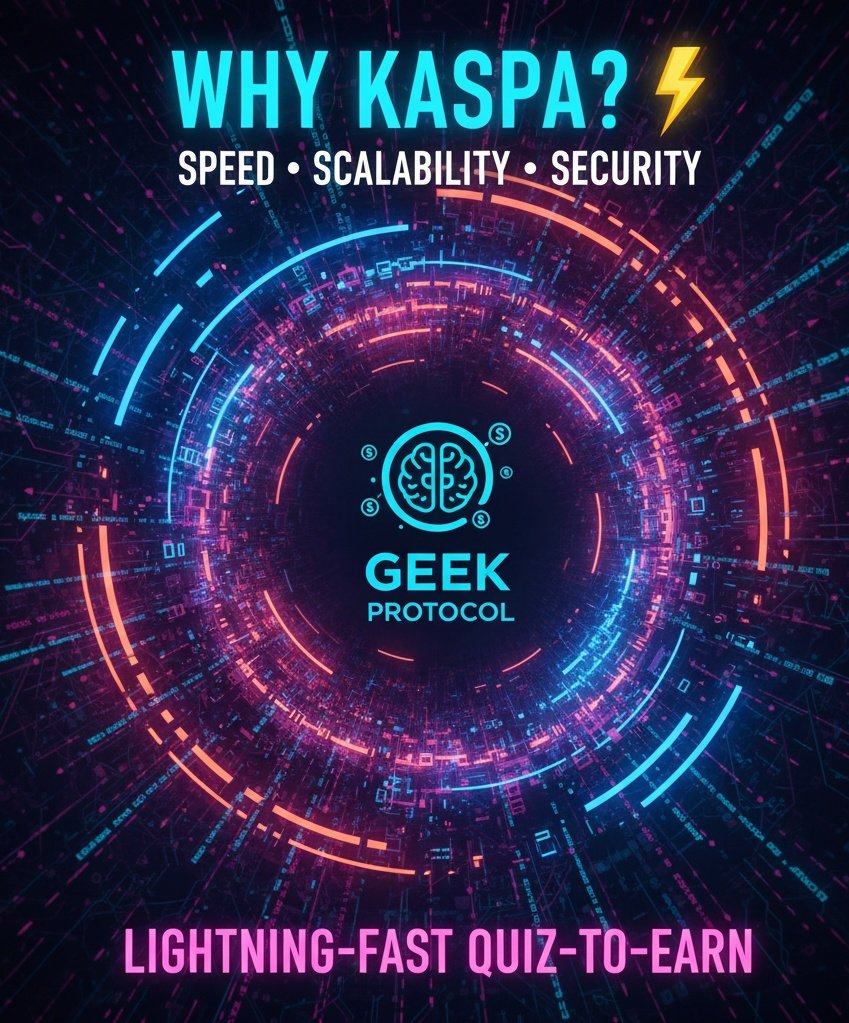
Why #Kaspa for Geek Protocol? ⚡️
Because building the future of #ProofOfLearning demands speed, scalability, and security. Kaspa's revolutionary GhostDAG protocol provides the perfect foundation for our high-performance Quiz-to-Earn ecosystem.
Get ready for lightning-fast trivia and seamless $GEEK rewards!
#GeekProtocol #Blockchain #DeFi #Web3 #KaspaNetwork
4
6
13
199
19 Oct 2025
1K GEEKS! 🚀 We've officially crossed 1,000 followers on X!
To our first 1,000 members, thank you. You are the true founding members of this movement, the core of our proof-of-community.
This isn't just a follower count; it's a testament to the power of our "All Hope. No Hype" vision and the growing belief in a real "Proof-of-Learning" economy. This is a massive milestone on our journey to mainnet.
We're just getting started. Let's keep building together!
#GeekProtocol #1KFollowers #Community #Kaspa #ProofOfLearning

2
4
190
9 Oct 2025
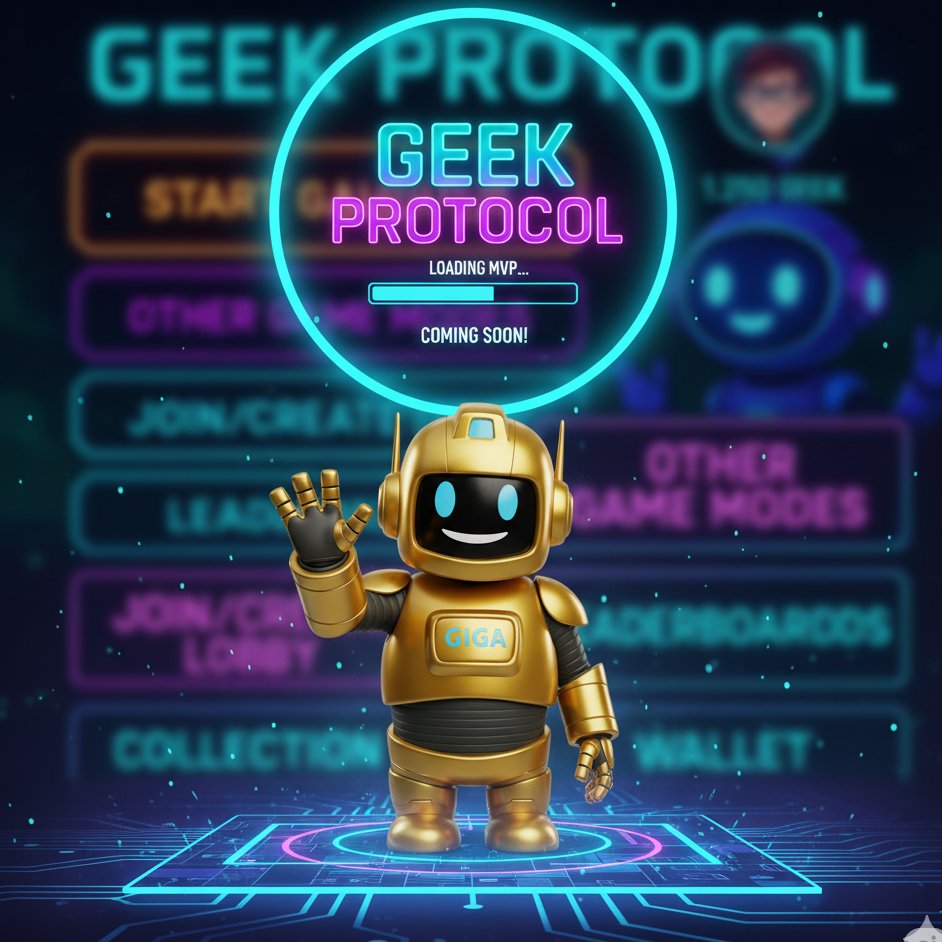
The gears are turning, the code is compiling, and the future is getting closer. 🚀
We're pushing hard to get something truly special into your hands. You'll be able to see exactly what we've been building very, very soon. 👀
Get ready for a new era of #ProofOfLearning on #Kaspa.
#GeekProtocol #Web3 #ComingSoon
1
5
200
8 Oct 2025
In a world of fleeting trends, what creates lasting value? For the Geek Protocol, the answer is utility. We're not building a moment; we're building a "Proof-of-Learning" economy. An ecosystem where your knowledge isn't just a party trick—it's a tangible asset that powers the entire network. Trends fade. Utility endures. #GeekProtocol #Utility #ProofOfLearning #Kaspa
1
1
5
1,679