
Jun 15
Turned straight six engine with spun rod bearing into five cylinder. Hacksawed off end of rod, pushed piston to top. Drilled piston through spark plug hole, knotted length of fence wire to hold it up. Removed rockers and pushrods. Back together fired right up, idle a bit rough.
1
56

Jun 14
Yeah, I can see that.. not a ton of love for the old stuff or old ways.. I remember I had picked up at a police auction a ‘37 HD UL.. needed pushrods.. local HD shop was real old school, guy in the parts dept looked like Popeye, but he found me the parts, new, in original packing
1
1
14

Jun 12
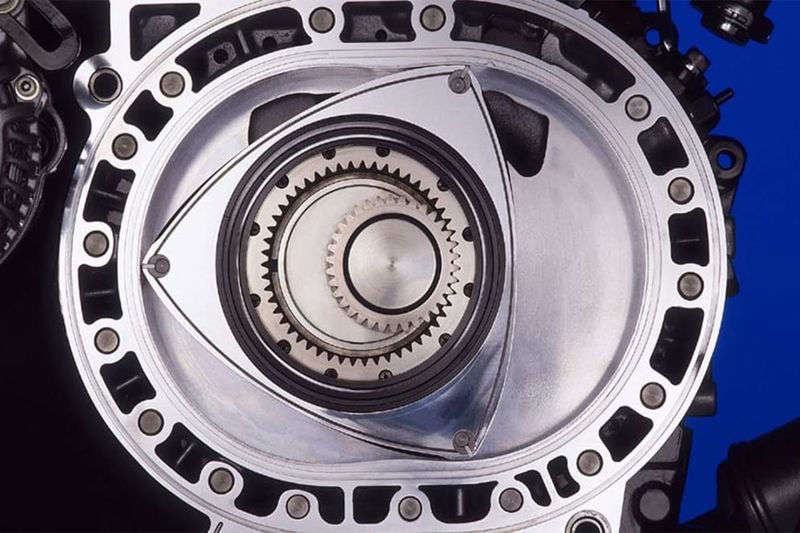
I am the Mazda 13B. Born in the fires of Hiroshima’s engineering halls, I am twin rotors spinning in eternal, perfectly balanced motion. No clumsy pistons slamming up and down like drunk blacksmiths. No heavy crankshaft throwing itself around like a wrecking ball. Just me—smooth, screaming, alive. And I am here to tell you exactly why I am a better engine than that lumbering brute, the Chevy LS V8.
Let’s start with the obvious: size. I am tiny. A compact 1.3-liter miracle that weighs barely more than a well-fed housecat compared to the LS’s portly 400-plus pounds of cast iron and aluminum excess. Stuff me into an RX-7 or RX-8 and the car becomes a scalpel. The LS? It’s a sledgehammer that needs its own foundation poured just to sit still. I let designers put the weight where it belongs—low and centered—for razor-sharp handling. The LS forces engineers to compensate for its beer-gut mass with bigger brakes, stiffer springs, and endless compromises. I dance. The LS lumbers.
Now, revs. Oh, the revs. I sing up to 8,500, 9,000, even 10,000 rpm when properly built. Each rotation is pure joy. The LS? It grunts to maybe 6,500 on a good day before valve float and rod failure start whispering sweet nothings of destruction. My power comes on like a banshee’s wail—linear, intoxicating, addictive. You feel every degree of throttle as the rotors sweep fresh air and fuel into the chambers with hypnotic precision. The LS delivers its torque in a lazy wave down low, sure, but that’s just brute force pretending to be character. I deliver excitement at the top where real driving happens. Bridge apexes at redline in third gear and you’ll understand why my drivers grin like madmen while LS owners are already shifting and yawning.
Weight is destiny in performance. I make cars feel alive. Drop me into a Miata or an FD RX-7 and the power-to-weight ratio becomes ridiculous. The LS crowd loves to brag about 500, 700, even 1,000 horsepower builds, but they’re usually hauling around an extra 300-400 pounds of unnecessary engine. That extra mass kills acceleration in the real world, hurts braking distances, and murders cornering grip. I let chassis engineers chase perfection. The LS forces them to chase forgiveness for its own sins.
Sound. Let’s talk about the voice of God. My exhaust note is a raspy, screaming howl that rises and falls like a turbine crossed with a chainsaw. At idle I burble with that signature rotary chatter. On boost I rip the sky open. It’s unmistakable. Iconic. The LS? It’s a muscle car rumble. Respectable, sure. Classic, even. But ultimately forgettable—like every other V8 on the planet. Mine is the sound of something alien and wonderful. When people hear me coming, they don’t think “another Camaro.” They think “What the hell is that?” And then they smile.
Reliability? The haters love to point at apex seals like they’re some fatal flaw. Sure, neglect me and I’ll teach you expensive lessons. But treat me right—good oil, proper warm-ups, quality parts—and I’ll spin happily for hundreds of thousands of kilometers. Bridge-port me, run a proper ECU, keep the temps in check, and I become a high-revving monster that outlives many neglected LS engines running on 87 octane and wishful thinking. The LS is “reliable” the way a tractor is reliable: boring and overbuilt for farm duty. I am reliable the way a samurai sword is reliable—devastating when wielded by someone who understands the blade.
Fuel economy? I’ll grant the LS wins here on paper. But who buys either of us for economy? I’m not here to sip fuel like a Prius. I’m here to devour it with passion. And when you factor in my smaller overall package allowing lighter cars with better aerodynamics, the gap narrows. Plus, nothing beats the grin-per-gallon ratio I deliver.
Simplicity is another lie the LS crowd tells. They boast about pushrods and two valves per cylinder like it’s a feature. I have no valves. No camshafts. No timing chains to rattle. Just rotors, eccentric shaft, and seals.
28
4
55
3,395

Jun 12
Once filtered, pressurised oil travels
to every critical surface:
→ Crankshaft main and rod bearings
→ Camshaft bearings
→ Cylinder walls and pistons
→ Valve train — rockers, lifters,
pushrods
→ Turbocharger bearings if equipped
11


Jun 12
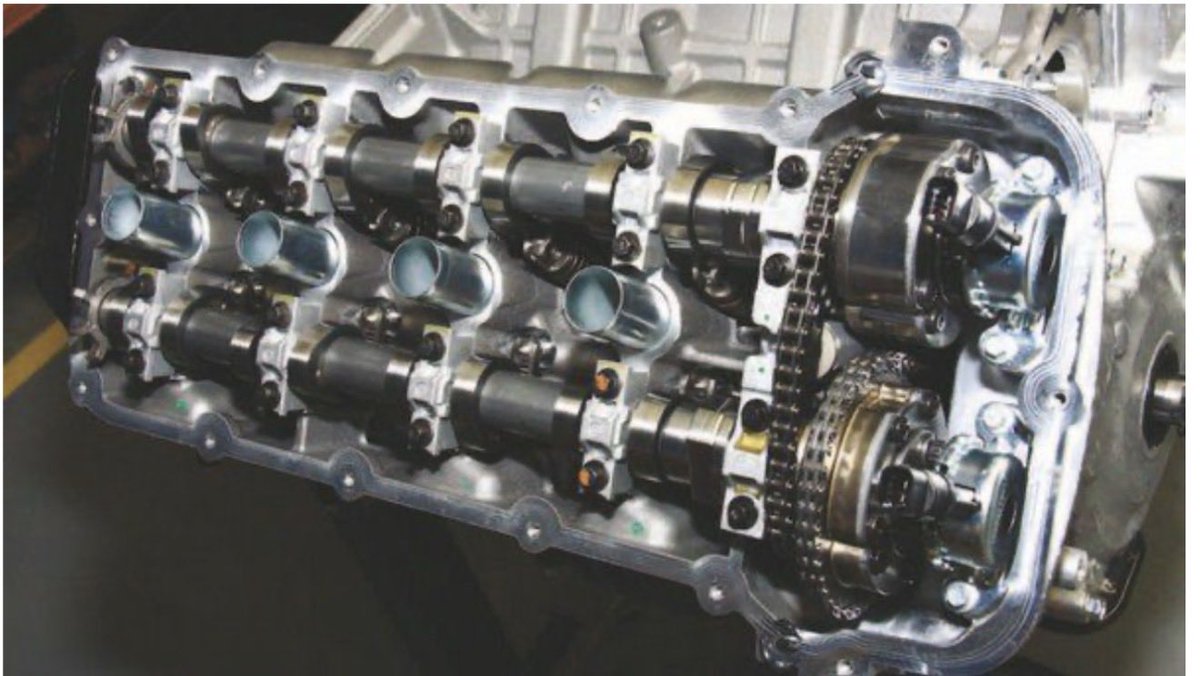
Overhead cam engines don’t have pushrods like that. Maybe i’m missing something but I’ve never seen it.
This is a ford coyote V8
1
2
30

Jun 11
Injectors, ECM, accessories belt stuff, alternator, cam, pushrods, flywheel, clutch assembly, rockers/lifters, are all different as well.
1
37

Jun 10
Shhh I sake kia for a living let me get this misinformation off since they won bring back the stinger (which can make 600 hp with after market twins fbo better cams and pushrods a tune) plenty of those exist even the stock twins capped out at 550 hp
51

Jun 9
You’re right most of them were.But the Trident was still a tradition layout with pushrods and overhead valves.
If had two camshafts in the crankcase one for inlet and one for exhaust.
😎👍🏍️🇬🇧
1
8

Jun 8
There’s nothing the driver can do about this…
but it’s amazing that he managed to race with the pushrods reversed and still take the checkered flag!
3
219

Jun 7
The majority of your followers aren’t going to understand the reason. It would be good if you show them photos of the reasons for such rules. I presume the pushrods are handed, with the shoulder the rose joint sits against and the circlip on opposite sides of the pushrod for each sides of the car.? If you posted photos it would be good content and educate these fans at the same time. Even so it’s a pretty harsh decision/rule as I’d have thought they would be identical.
7
3,724

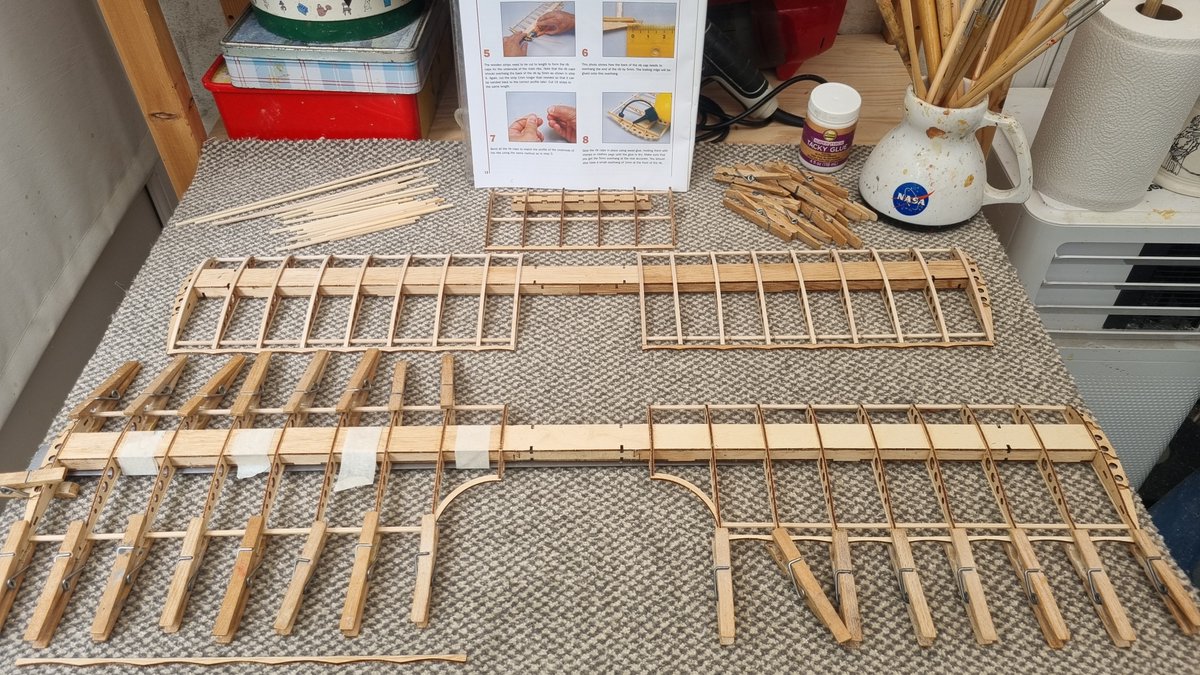
Sadly that won't be possible. Also, the lovely brass pushrods for the valve mechanism are on the cockpit side of the engine, so not visible once assembled anyway.
I do intend to leave the fuselage and wings uncovered though, so that the structure and rigging will be visible.
1
3
16

The Rover is architecturally all wrong for producing serious power, which is why it's so expensive to get it to where say TVR had it, and why it tended to go bang in that state...
It's a 3.5 litre engine with some very odd port shapes and pushrods that run far too close to bores
2
2
78

Add to that the fact they are constantly starting, and these cars are having a lot of problems with things like rockers, pushrods, lifters, camshafts, and in some cases even crankshafts and rod bearings.
1
2
18

May 12
6.7L is the future? 🤣
GM is still using pushrods in most of their gas engines.
2
96


Founded in 1979 as Pete's Performance, a small speed workshop, Speedmaster started by building engines for customers as a hobby. Over the years, it has grown into a global leader in high-performance engine parts, expanding to include selling, assembling, manufacturing, and racing. What began as a one-man operation has now evolved into a company with over 100 team members worldwide. Whether you're wanting to build a race engine or just upgrading a tired OEM motor, Speedmaster car parts is where you can find everything from air conditioning compressors to internal parts like valves, camshafts, pushrods, pistons and rocker arms.
Shop now at JEGS! bit.ly/41DmY5h
1
2
747

May 9
God no. This has double overhead cams rather than single cam with pushrods. It has proper coils rather than cart springs, Webers rather than SUs. It's almost as if BMC had invested none of their profits from the 50s into new technology.
2
10
1,278

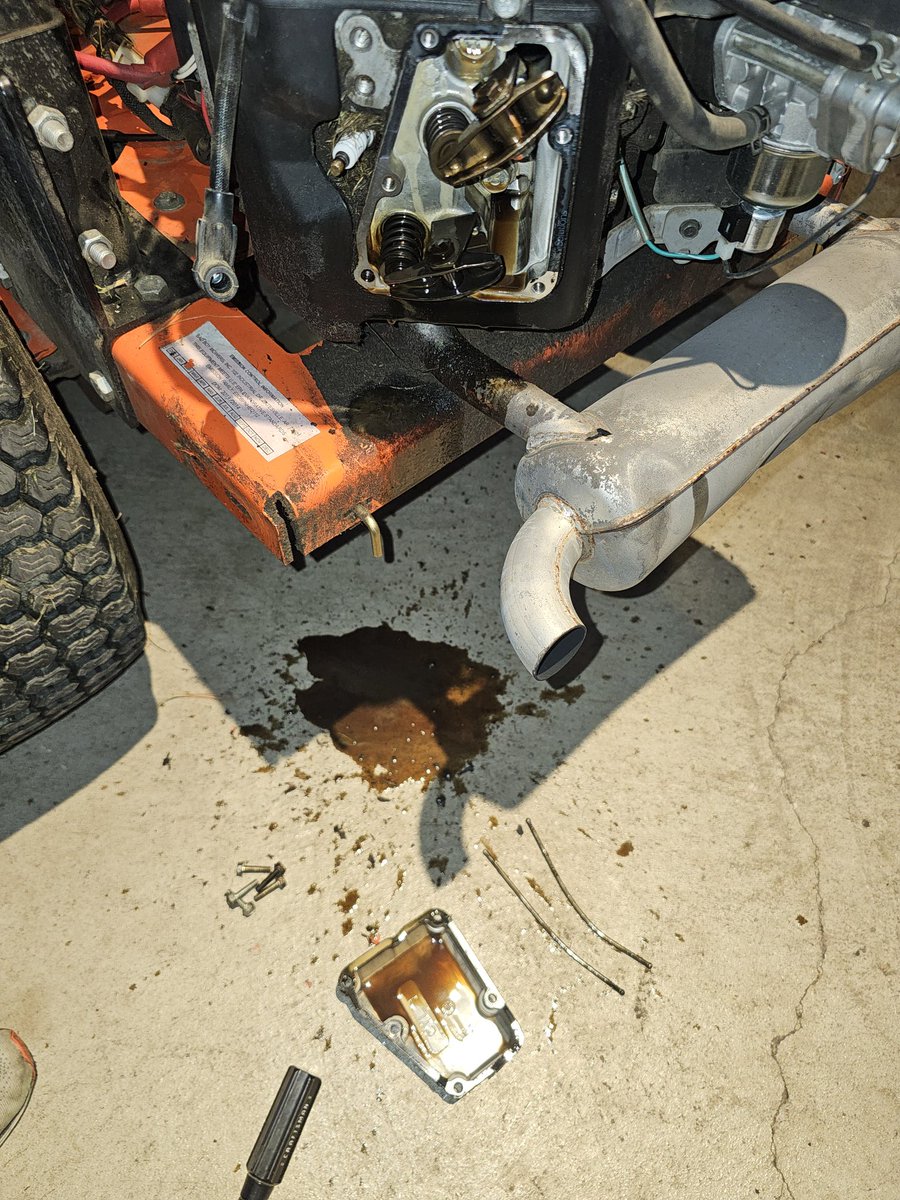

I have a twin overhead cam engine.
They're no pushrods in that baby.
3
13