Death Ranger retweeted

I keep saying AI engineers are going to eat quantum engineers' lunch.
And not only does data need to be safe once quantum computers arrive, but you probably also don't want yesterday's harvested data to be decrypted when the time comes. 2030 is not that far, y'all.
Jun 15

☢️You remember? Google optimized Shor's algorithm. The algorithm that breaks asymmetric cryptography (RSA, elliptic curves) once you have a quantum computer with enough Qubits.
The US government blocked the paper. So Google published a Zero Knowledge proof instead: a mathematical proof that they have the result, without revealing how. Cryptographic sorcery 🧙
But the Internet is sneaky. Someone launched a contest to re-discover the result with AI. The LLM searches a huge space of circuits (each one a candidate optimization of Shor's), and tests whether it beats the previous best. The clever part: they use the ZKP verifier as the reward function. No false positives, and it turns out to be a very efficient signal.
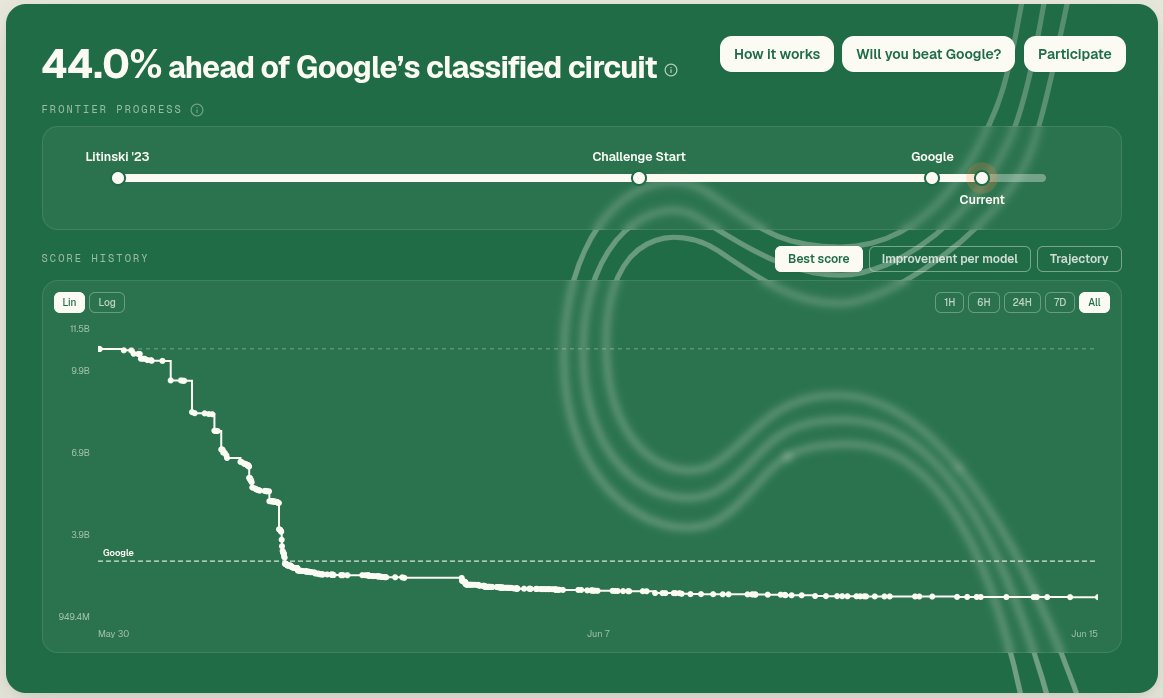
In less than 2 days, the community re-discovered Google's result !!!
🔔15 days later, the LLMs are still improving it. They're already 44% ahead of Google.
Hard to say where this stops, ie. what the true minimum quantum complexity for Shor's is. But we will not close the full gap. You still need a Quantum Computer with a relatively large number of qubits. The only thing that changed is that this number drops a little every day, and it has been dropping for 15 days straight.
1
1
11
NonduMbambo retweeted

We ran the first 11km with no water, people started swearing at those handling fuelling stations.
Then we bumped into a Quantum with a few packs of Thirst*, people (men) were so aggressive fighting each other and the poor old man.
Jun 15

Group 3 runners suffered!
It was also hot so maybe a lot of group 1 and 2 runners used the water to cool down
3
2
8
6,978

Its US Open week and that means a KILLER contest.
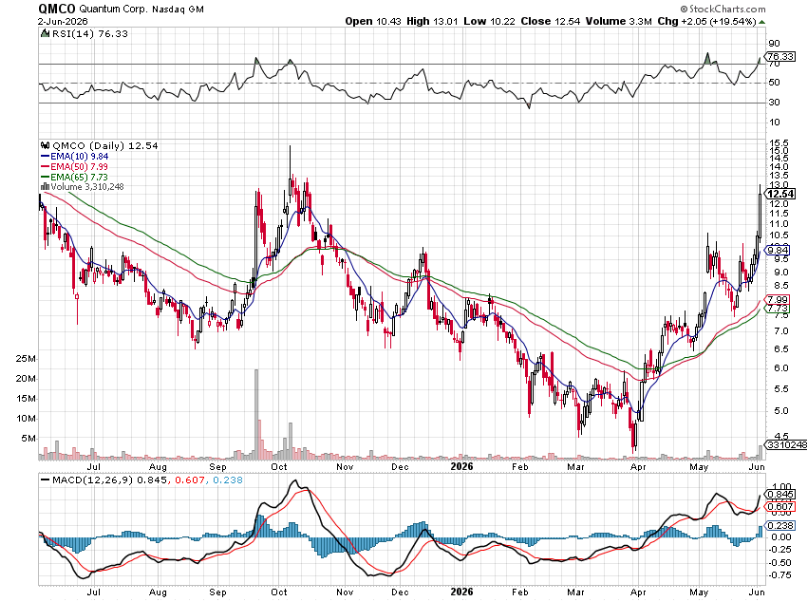
We have teamed up with @CallawayGolf to give away a brand new USA 250 Quantum Driver.
☑️RePost This
☑️Tell us who will win
☑️Make sure to enter on website.

70
86
99
8,284


Ma quantu si bravu, subito la remigrazione, così vista l'imminente stagione agricola di raccolta dei pomodori, vendemmie e quant'altro, tutti i tuoi sostenitori correrànno a frotte per sostituire tutti sti poveri cristi che saranno rimpatriati, VERO MINCHIA QUANTU SI FURBO.
2
1
96
Waffentraeger retweeted

As part of the Interoperable Robotic Convoy (#InterRoC) research project, the German Armed Forces has commissioned @quantumdrones to develop and test #unmanned #convoy solutions for #military #logistics. euro-sd.com/2026/06/news/exc…
2
6
420
mrformless retweeted

Infleqtion CEO Matt Kinsella joined the New York Stock Exchange's "Inside the ICE House" podcast to talk about where quantum technology stands today and where it's headed.
On the docket: how sensing and computing are driving diverse revenue, where we are in the quantum life cycle, and why a more competitive market is good for U.S. leadership in quantum innovation.
Listen to the full conversation: youtube.com/watch?v=vGbbjz4v…
3
25
98
8,594
KimiCoco retweeted

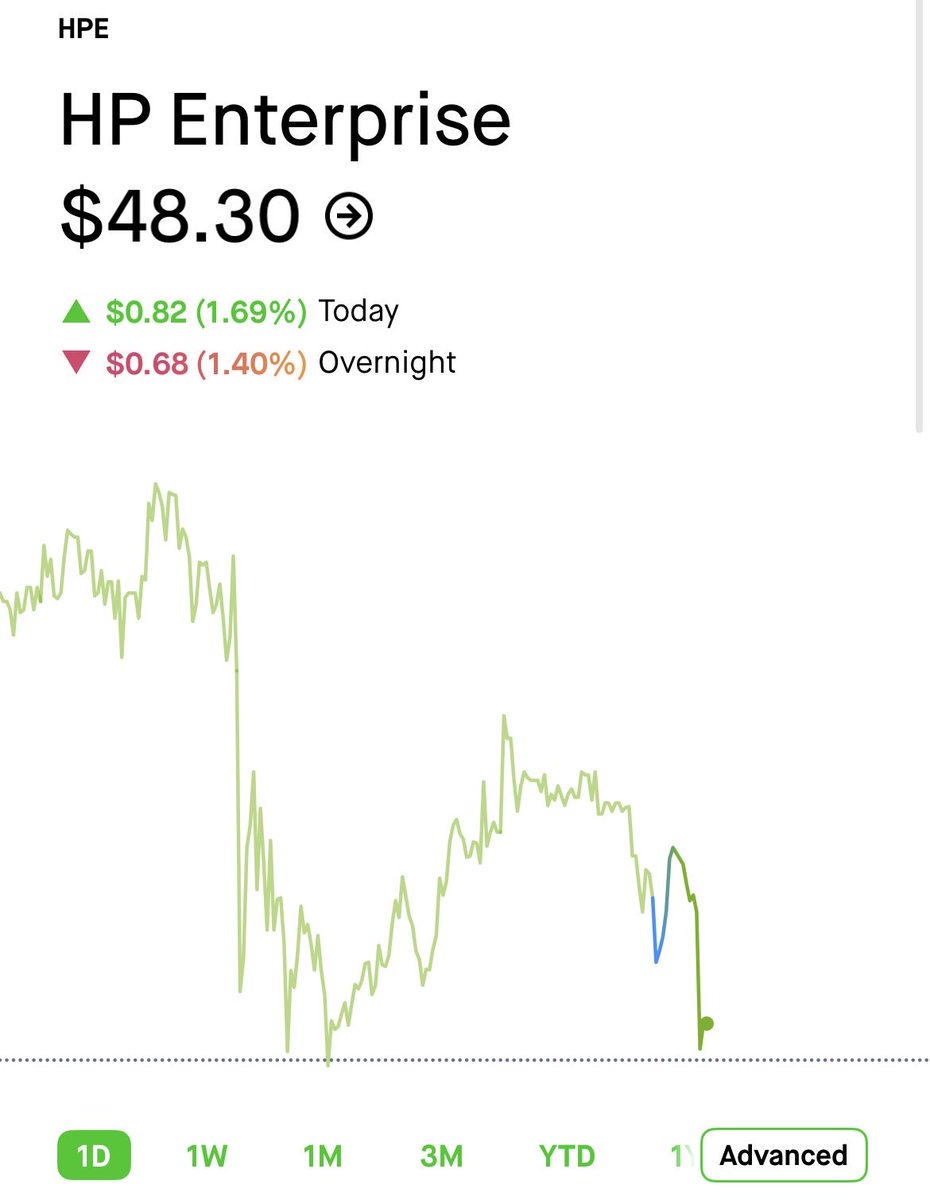
🚨 #BREAKING: HPE $HPE Just Expanded Research Partnerships With Eight Quantum Computing Companies to Build a Hybrid Quantum Supercomputing Platform.
What was announced:
➜ HPE $HPE announced on June 15, 2026, that it has expanded research relationships with eight quantum computing companies.
➜ The goal is to build a full-stack hybrid quantum supercomputing platform.
➜ The announcement was made at HPE Discover Las Vegas 2026.
The eight partners and what each brings:
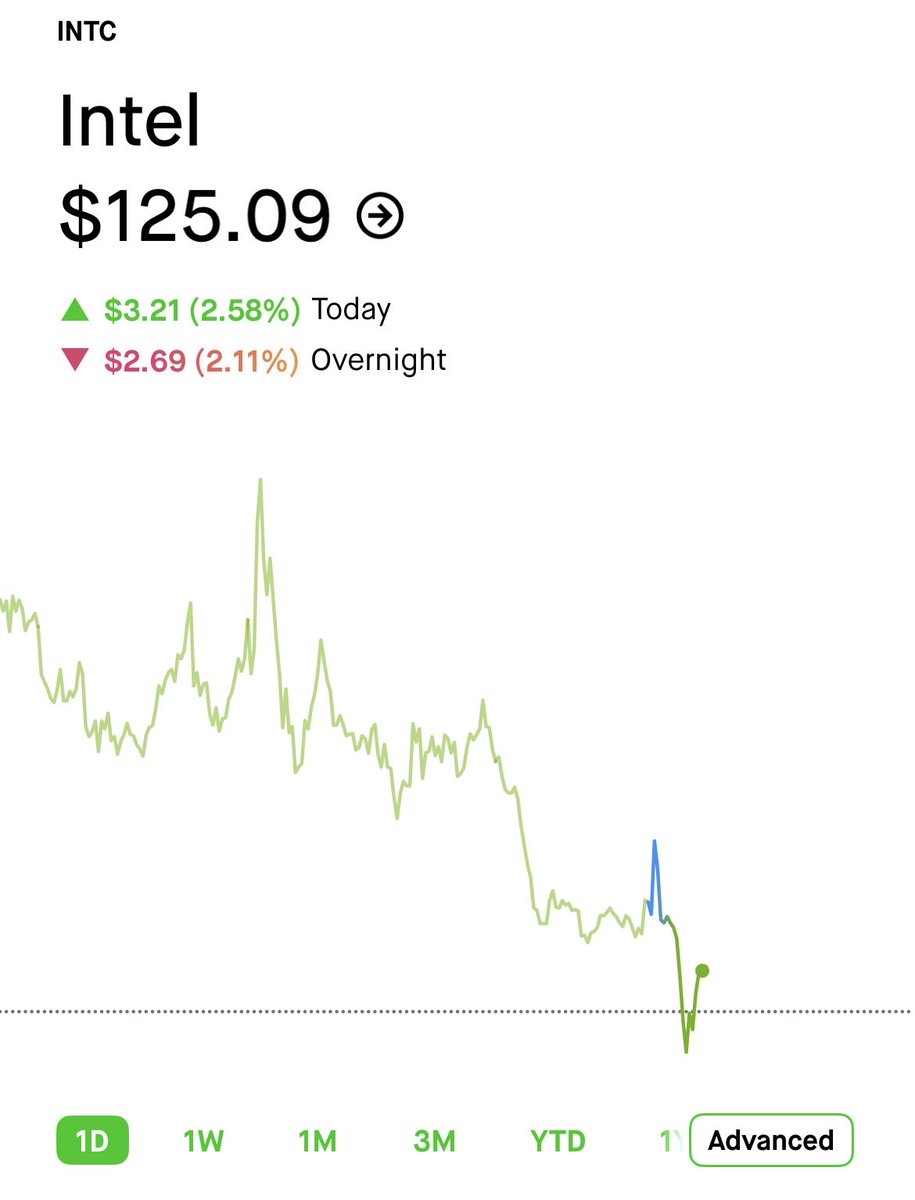
➜ Intel $INTC contributes silicon spin qubit technology.
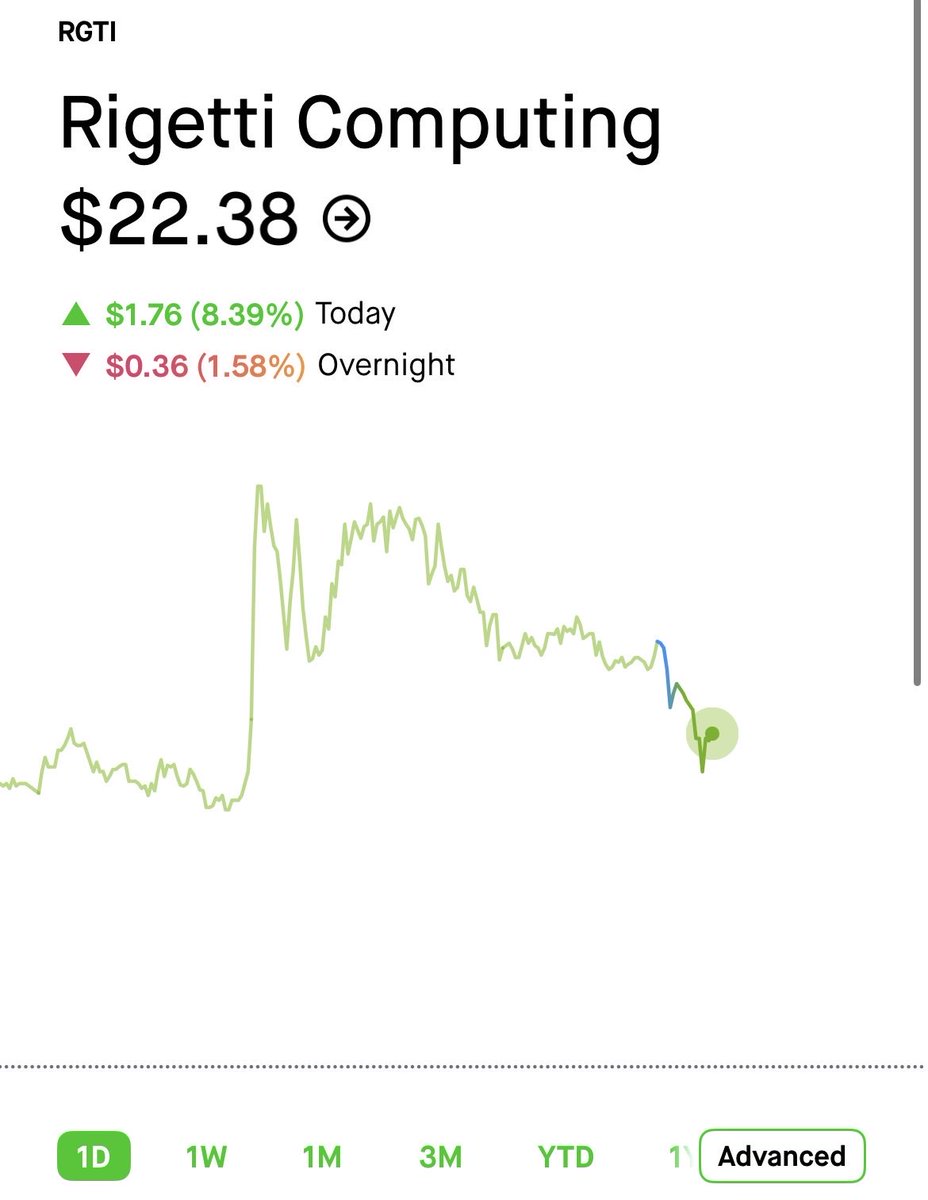
➜ Rigetti $RGTI contributes superconducting qubit processors.
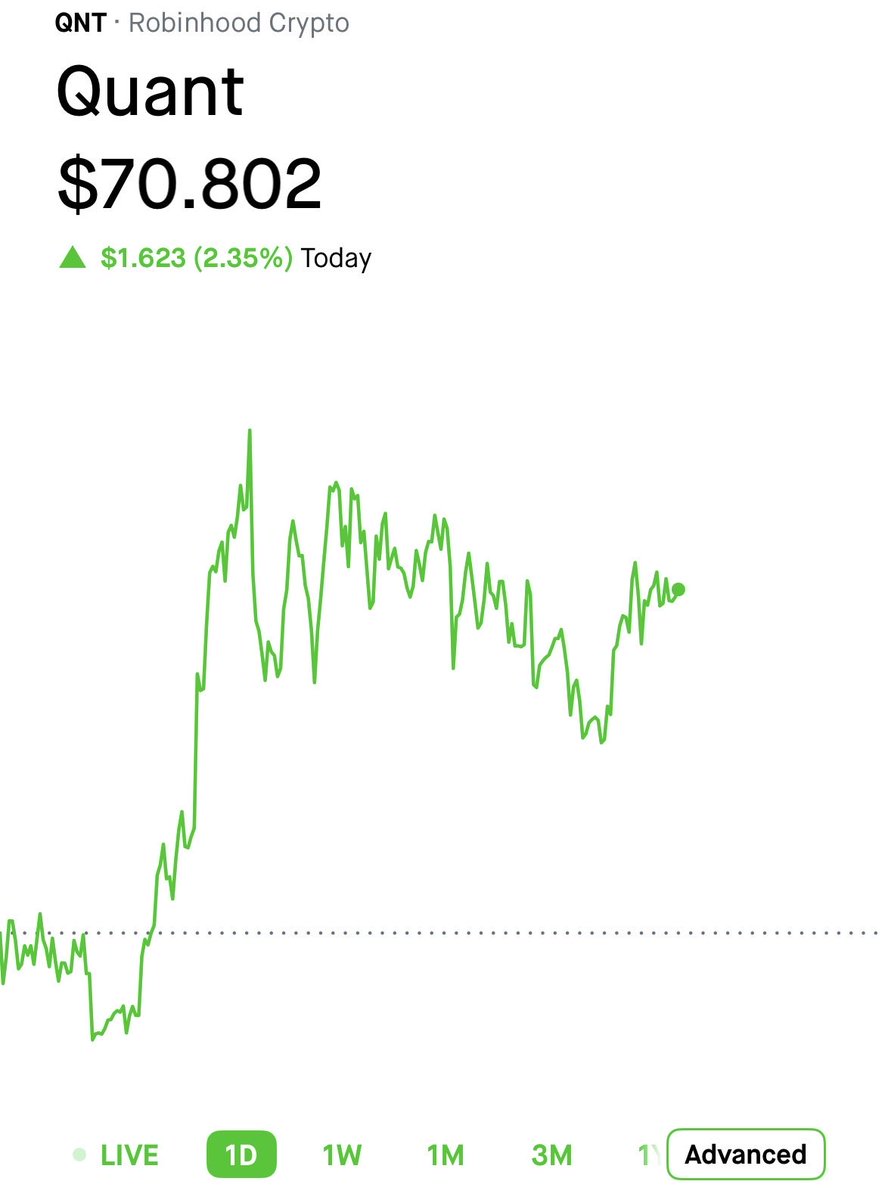
➜ Quantinuum $QNT contributes ion trap qubit systems using its trapped-ion QCCD architecture.
➜ IQM contributes superconducting qubit systems.
➜ QuEra Computing contributes neutral atom qubits.
➜ Qblox contributes quantum control systems.
➜ Quantum Machines contributes quantum control and orchestration.
➜ Riverlane contributes quantum error correction software.
➜ Together, the eight partners cover four quantum computing approaches: neutral atom, ion trap, superconducting, and silicon spin.
➜ The partnerships also include the control and error-correction technologies required to operate quantum systems at scale.
What the platform is designed to do:
➜ HPE is positioning its Cray supercomputing platform as the classical computing backbone that quantum processors connect into.
➜ HPE's Cray platform was verified as the builder of the three fastest exascale supercomputers in the world by the November 2025 TOP500 list.
➜ The collaborations will develop integrated testbeds for hybrid algorithm co-design, software interoperability, and system-level performance benchmarking.
➜ The work will span high-performance computing and AI environments.
➜ HPE's model is similar to how GPUs work alongside traditional supercomputers today.
➜ Under this approach, quantum processors act as specialized accelerators for specific workloads rather than replacing existing computing infrastructure.
➜ Trish Damkroger, SVP and General Manager of HPC and AI Infrastructure Solutions at HPE, stated: "By bringing supercomputing and quantum technologies together in a hybrid platform, we will accelerate the transition from research to real-world application. Our new strategic collaborations will extend world-class HPC infrastructure to make quantum accessible, scalable, and operational."
Target application areas:
➜ HPE identified scientific discovery as a key target area.
➜ HPE identified national security as a key target area.
➜ HPE identified industrial innovation as a key target area.
What is and is not confirmed:
➜ These are expanded research relationships, not product launches.
➜ These are not commercial agreements.
➜ HPE and its partners have not disclosed revenue figures tied to these collaborations.
➜ No commercial deployment timelines have been disclosed.
1
2
210