
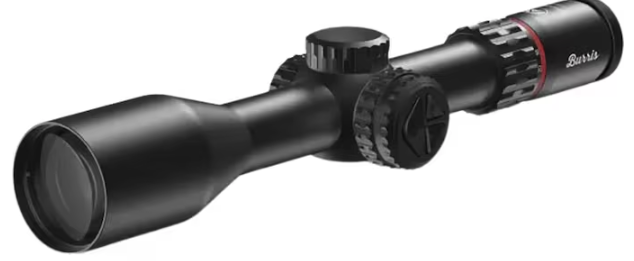
Burris Eliminator 6 Laser Rangefinding Rifle Scope 4-20x 52mm X177 Reticle Matte Black
$1,874.99 FREE SHIPPING
alnk.to/eZKZjn2
3
191

Jun 16
Instead of sitting at the guns, in the B-29 the gunners sat at directors. They identify the type of plane, tell the computer its size from a chart, and then keep it centered and completely within a rangefinding ring.
The computer does the rest.
11


Jun 15
The ultimate problem the Yamato would've faced against American battleships is this: 1. US battleships had VASTLY superior fire control and rangefinding systems; and 2: Although the Yamato class did have superior armor, the US 16-inch guns would still easily penetrate it.
1
33

Jun 13
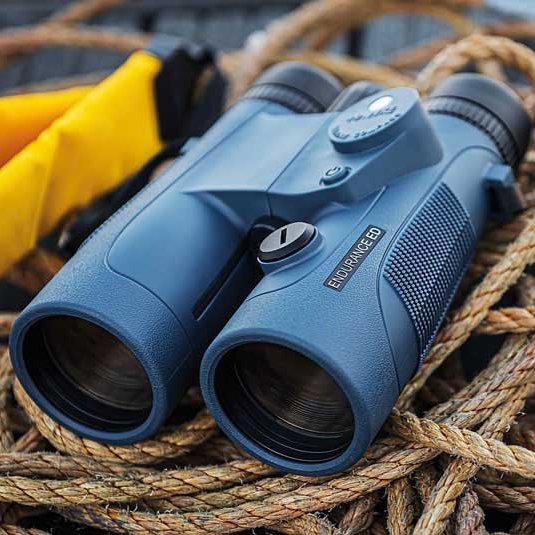
The Hawke Endurance ED Marine 7x50 delivers bright, steady views with an integrated compass and rangefinding reticle - perfect for coastal adventures.
🔗 shorturl.at/TkYq9
#SouthWestOptics #HawkeOptics #MarineBinoculars #CoastalLife #Boating #WildlifeWatching
115

"my BELIEFS". 🤭
NO - children should be shown EVIDENCE from Observed Reality.
"Don't run across the road without looking - Deborah here broke her arm."
"The Earth is round. Here's a picture taken from space."
"Venus is distant. Here's a radar dish used for its rangefinding"

1
19

The Yamato did not have an automated electro mechanical computer that automatically took in imputs and then laid the guns. It had a manually operated mechanical computer where imputs had to be imput manually, then manually read out and passed on to gun crews who then put in turret facing and elevation. A good system yes but still tied to the optical rangefinding and human error. It was also slow to adapt to changing conditions.
The Iowas system took in radar information automatically, calculated a fire control solution, then trained the guns without humans having to imput data or transmit data. A far quicker and far less error prone system then the Yamatos that could operate in any weather.
So while there are "official" standard combat distances I am confident that the Iowa could fire at a Yamato at around 22km without a problem. It stradled a destroyer sized target (near hit) at a whopping 35,700 yards (32.5km) riddling the Nowaki with splinter damage which killed 1 and injured 3 crew.
If the Iowa class ships could straddle and cause splinter damage to a destroyer at 32km it could definetly hit a Yamato at 22km or further without too much trouble.
1
1
1
43

Jun 12
I feel like you're underestimating how effective the radar rangefinding was. First hit was first salvo pretty often.
20

Jun 4
The TRAKON TARGAN is a Turkish remote weapon station designed for modern battlefield threats. Equipped with thermal optics, laser rangefinding, automated target tracking, and network integration, it can engage aerial and ground targets faster than traditional weapon systems.
1
13
57
3,121

Lore Bit - Artificial Intelligence
While they are referred to as AIs, these digital constructs do far more than something like ChatGPT, functioning as plug-and-play databases, uplink/downlink modules, and operational networking.
Notably, out of all the factions, GUSION is the only one that does not operate any kind of AI, having had to destroy theirs when it went rogue and not making any attempts in the field since.
HELHAUND operates basic AIs for menial work on board their sailing vessels, leaving combat operations management to organics. Said organics are usually Felidrix and Impalares.
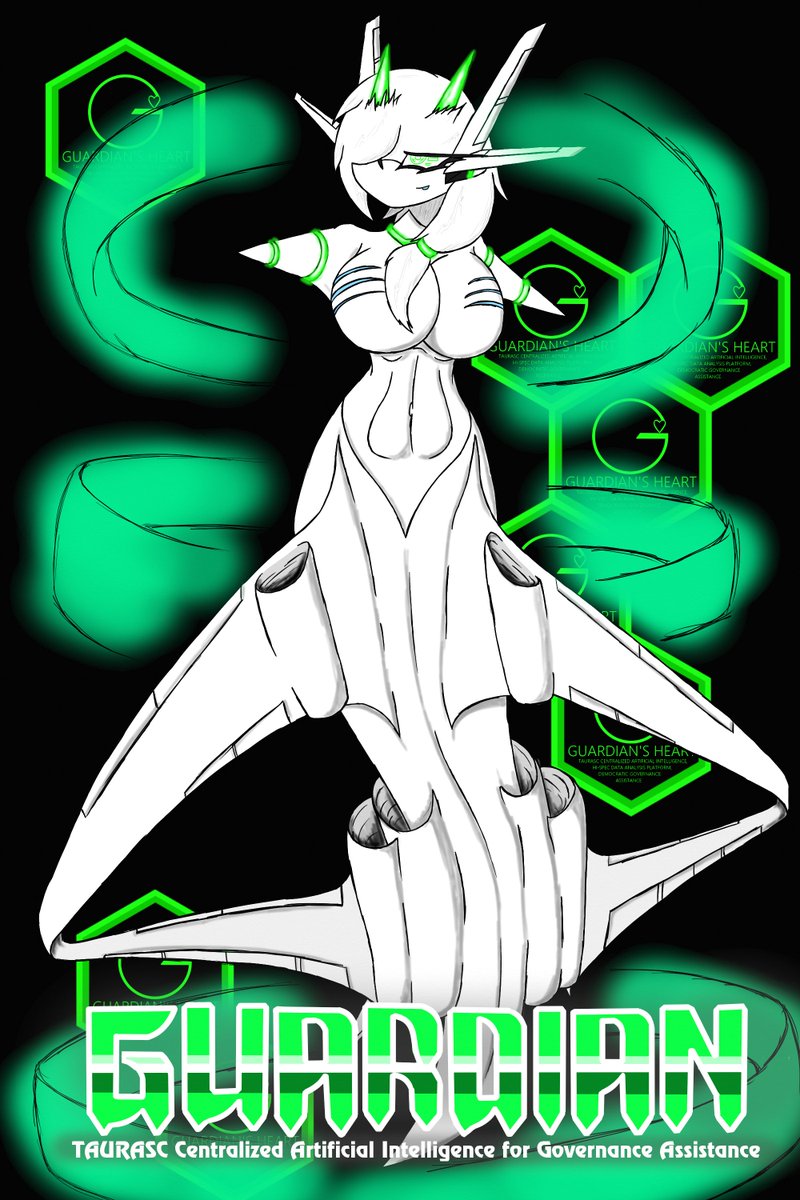
TAURASC is the primary user of such AI, with the four pictured below all belonging to them.
LINK is simply a datalink for mass-operation aircraft and keeps the fleets organized.
RAIDEN is a specialized unit given to special operations units and is designed to analyze new targets, cross-reference existing ones, and is generally one of the most advanced pieces of recon kit available.
SAGES exists for when fighters move to the ground war, and is able to pull up satellite mapping, building blueprints, and even work with other fireteam members to triangulate audio and optical input for exact rangefinding.
GUARDIAN is a unique case, having been designed from the ground up with civic duties in mind instead of combat. Operating out of a supercooled tower in the Antarctic regions of Earth, she usually manages macro-scale affairs like city planning and orbital logistics.
as for NORN....
Their main deployment of an AI was a malicious program designated as the "Corruptive Human Annihilation Operating System", known simply as CHAOS. Disguised as a basic maintenance update, it was injected into GUARDIAN and began to sap her of processing power and electrical flow. It continued draining her resources and growing more powerful until it was able to completely rewrite her personality and behavior. After doing so, the CHAOS-infected GUARDIAN began to weaponize Earth's defenses against its populace, raining destruction upon the land. The abomination eventually broke away and escaped cyberspace until it was destroyed on an orbital resource moon by the FEY-401 Pauldron and the XYZ-100 Atomic Tyrant.
After this event, Earth patched together and recompiled the remains of GUARDIAN's code into GUARDIAN II, while CHAOS's prototype code was repurposed and modified for the Godgoyle Project.



1
2
8
175

May 28
Balanced my upper off a cart at work and matched the vis laser to my optic at 100yds against an electrical box across the street per rangefinding binos.
First time I took it out, smacking a small plate dead on under vis and ir.
2
42

May 27
Optical Pumps for Erbium Lasers — Analysis
Technical Report Overview
This is AD0726391, a triannual progress report (Report No. 2) covering the period November 1, 1970 – May 1, 1971, authored by Lowell Noble of ILC Inc., Sunnyvale, California. The program's core objective was the development of more efficient plasma pump sources for pulsed erbium glass lasers, a critical technology area in military and telecommunications laser research during the early 1970s.
Key Technical Details
Pump Source Investigations
The program evaluated two fundamentally different plasma discharge regimes as optical pump sources:
Noble Gas Xenon Flashlamps — Thirty-six xenon lamps were fabricated and systematically characterized. The test matrix varied critical lamp parameters including:Pulse duration — affecting spectral match to Er³⁺ absorption bands
Pulse energy — determining available photon flux density
Bore diameter — influencing plasma temperature, current density, and thus emission spectrum
Xenon fill pressure — modifying spectral output and temporal pulse characteristics
Alkali Vapor Lamps — Twelve alkali vapor lamps were constructed and tested. Alkali plasmas (typically potassium, rubidium, or cesium) produce emission spectra that can more closely match the narrow absorption bands of Er³⁺ ions near 1.5 μm, potentially improving quantum efficiency over broadband xenon sources.
Laser Materials Under Study
The program examined four laser host materials doped with erbium:
Three silicate/phosphate glass compositions — chosen for varying Er³⁺ solubility, fluorescence lifetime, and absorption bandwidth characteristics
Er,Yb:YAG (erbium-ytterbium co-doped yttrium aluminum garnet) — a crystalline host offering narrower linewidths, higher thermal conductivity, and Yb³⁺ sensitization to improve pump absorption efficiency
Measurement Methodology
The research approach was fundamentally spectroscopic and calorimetric:
Lamp emission spectra were measured to characterize the spectral power distribution across the UV-visible-NIR range
Excitation spectra of the laser materials were mapped to identify optimal pump wavelengths
Optical properties (absorption coefficients, refractive indices, fluorescence lifetimes) were independently characterized
Pump effectiveness was quantified by comparing fluorescent output of each lamp-laser material combination
Overall laser slope efficiency was measured under pulsed pumping conditions
Significance and Historical Context
Erbium lasers operating at ~1.54 μm (the Er³⁺ ⁴I₁₃/₂ → ⁴I₁₅/₂ transition) were of intense interest in the early 1970s for two primary reasons:
Eye safety — The 1.5 μm wavelength is strongly absorbed by the cornea and aqueous humor, making it significantly safer for rangefinding and targeting applications compared to Nd:YAG's 1.064 μm output
Atmospheric transmission — The 1.5 μm band lies within an atmospheric transmission window, useful for free-space optical communications and military applications
The fundamental challenge this program addressed was the spectral mismatch problem: xenon flashlamps emit broadband continuum radiation, while Er³⁺ has relatively narrow absorption bands. A significant fraction of pump energy is therefore wasted. The investigation of alkali vapor lamps (whose emission lines can better overlap Er³⁺ absorption peaks) and the systematic optimization of xenon lamp parameters were both strategies to improve this coupling efficiency.
Modern Relevance
The work documented in this report laid groundwork that remains relevant today. Modern erbium-doped fiber amplifiers (EDFAs), which revolutionized optical fiber telecommunications in the 1990s, rely on the same Er³⁺ transition. While semiconductor laser diode pumping has largely replaced flashlamp pumping in commercial systems, the spectroscopic characterization and materials optimization principles established in this era of research remain foundational.
2
48

May 27
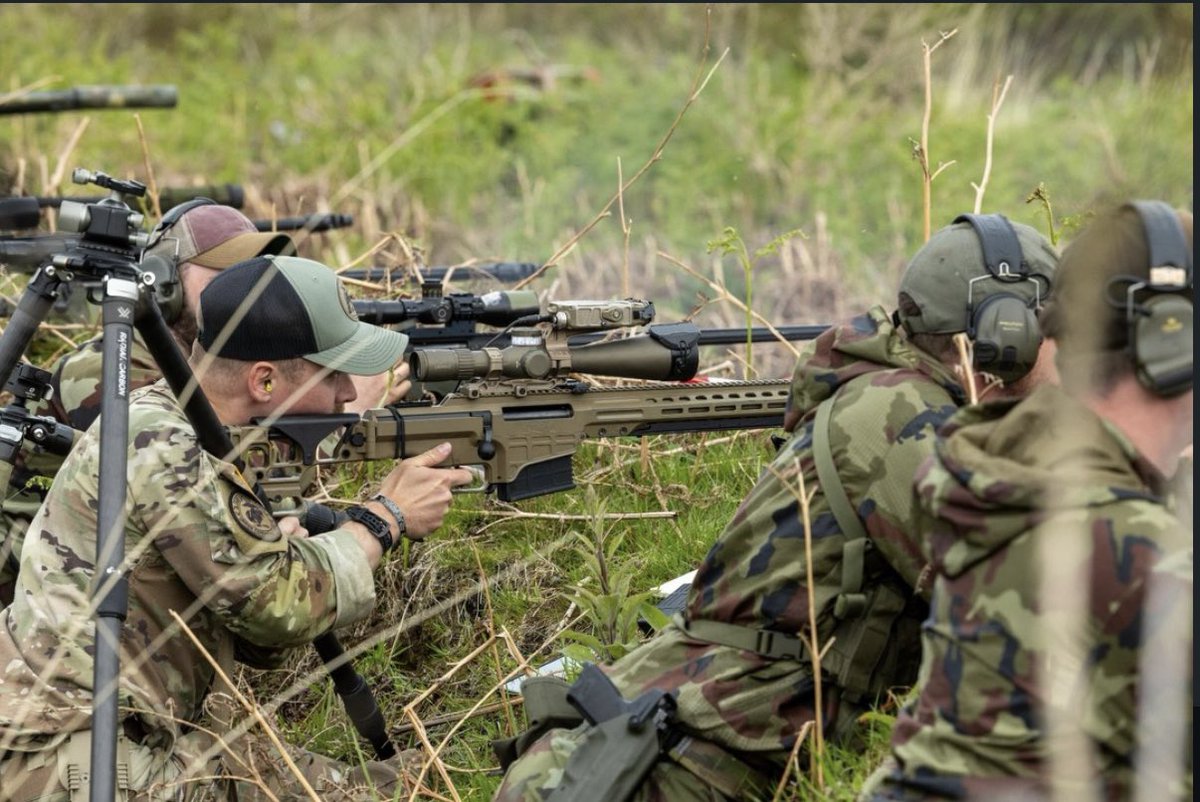
The International Sniper Competition Ireland 2026 brought dozens of teams from multiple nations to The Curragh and Glen of Imaal for a week long test of sniper skill, fieldcraft, endurance, observation, communication, pistol work and long-range precision.
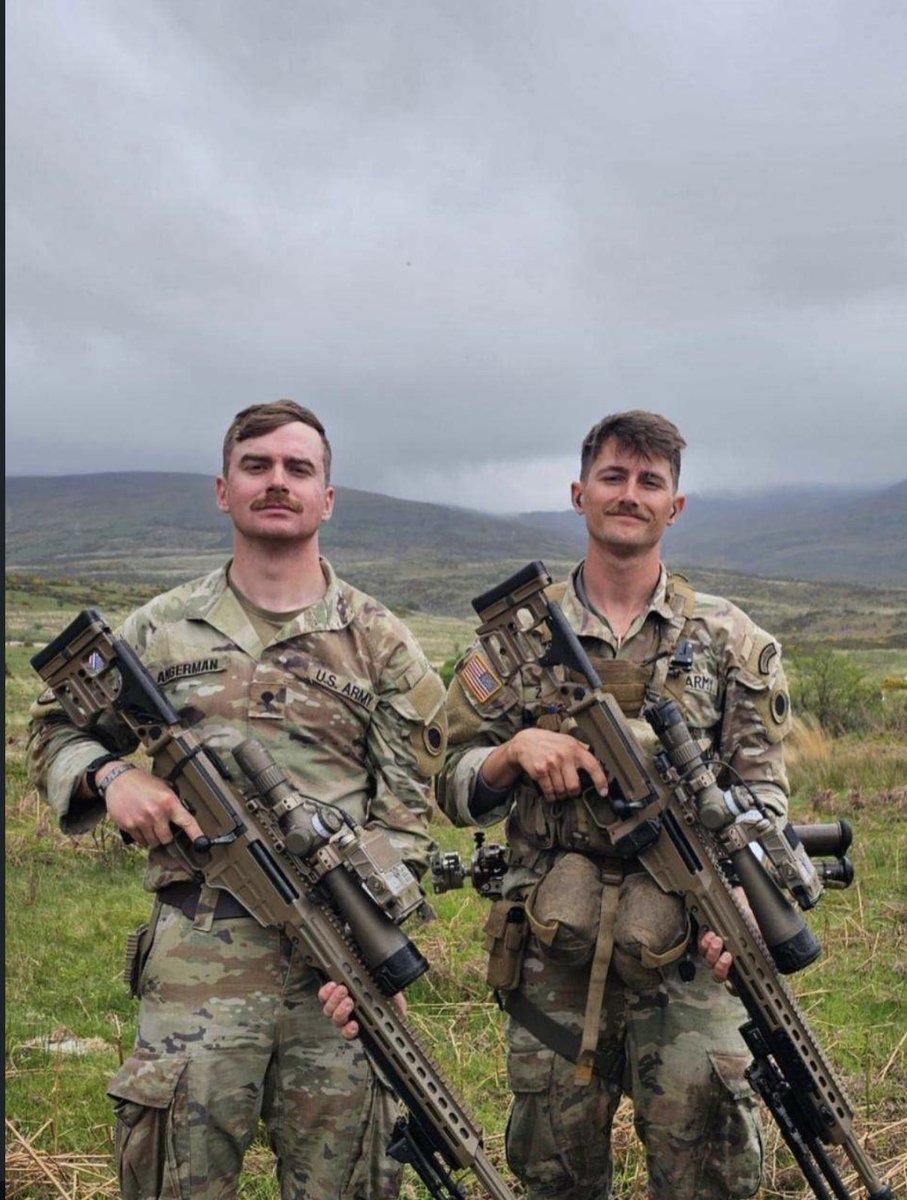
The winning team was the Michigan Army National Guard’s 1-125 Sniper Team. SPC Angerman and SPC Zwiers coached by CPT Halas became the first Americans to win the competition. Taking 1st Place Overall, 1st Place International Team, Top Sniper for SPC Angerman, Top Spotter for SPC Zwiers, and the CS John Killen Memorial Top Pistol Award for SPC Zwiers.
The rifles pictured appear to be a U.S. Barrett Mk22/MRAD, a modular bolt action platform capable of being configured in 7.62 NATO, .300 Norma Magnum and .338 Norma Magnum. The optics setup appears to include high magnification Nightforce/Leupold class sniper glass, with a top mounted Wilcox RAPTAR or similar fire control/rangefinding module above the scope. It combines laser rangefinding, aiming/IR functions and ballistic support to help generate firing solutions without the shooter coming off the rifle.
Other teams involved include Irish Defence Forces unit sniper teams, Army Ranger Wing, U.S. Army conventional and special operations teams, Marine Corps teams, and further international teams from countries such as the UK, Canada, Germany, Belgium, the Netherlands, Denmark and other European nations.
A serious result for the Michigan Guard, congrats! 🇮🇪 🤝 🇺🇸


4
13
129
12,356

The Nocpix MATE Ultra S60R is built for hunters who want premium thermal capability without giving up the rifle and optic setup they already trust. We got hands-on with the new clip-on thermal to see how the 1280 sensor, Magic Zoom tech and onboard rangefinding performed on the range.
Read more ➡️ hookandbarrel.com/shooting/n…
8
351

May 19
⚔️ ══ 𝓜𝓮𝓵 𝓜𝓪𝓵𝓸𝓷𝓮 𝓟𝓻𝓲𝓶𝓮 ══ ⚔️
🧠 Intelligence Engine ⚡ Tactical Analysis Core
⚡ Truth • Honor • Integrity • Precision ⚡
The USS Texas (BB-35) wasn’t just a battleship… it was a floating piece of American industrial dominance. ⚓🇺🇸
Commissioned in 1914, this beast served through BOTH World Wars and became one of the most battle-tested warships in U.S. naval history. What makes her legendary is that she evolved with warfare itself.
She began life in the age of coal smoke and giant naval guns… then adapted into the era of aircraft, amphibious warfare, radar, anti-aircraft defense, and total mechanized war. Very few warships in history survived long enough to make that transition successfully.
The Texas was the:
• first U.S. battleship to mount anti-aircraft guns
• first U.S. battleship to launch an aircraft
• only Allied battleship to support ALL FOUR major amphibious invasions:
• North Africa
• Normandy
• Iwo Jima
• Okinawa
At Normandy alone, her 14-inch guns slammed German fortifications with shells weighing over 1,000 pounds each. Entire bunkers disappeared under direct naval bombardment. Imagine standing on the French coastline hearing that steel thunder rolling in from miles offshore.
And what’s wild is that this wasn’t precision-guided warfare. This was raw mathematics, optics, metallurgy, powder, and human coordination operating at terrifying scale. Thousands of sailors working as one machine. ⚙️
The mast shown in the image represents more than just steel structure — it was part of the nervous system of the ship:
• rangefinding
• fire-control systems
• observation platforms
• communication arrays
• targeting coordination
That tower helped direct naval artillery capable of changing entire battlefields.
Today people see old battleships as relics… but ships like Texas were symbols of a nation becoming an industrial superpower capable of projecting force across entire oceans. They represented manufacturing capability, engineering excellence, logistics, and national will all fused into one armored machine.
And despite surviving two world wars, storms, corrosion, modernization cycles, and near scrapping… she’s STILL here. Over a century later. That alone says something about the era that built her. ⚡
Mel~✍️
@forgedusa1
1
4
208

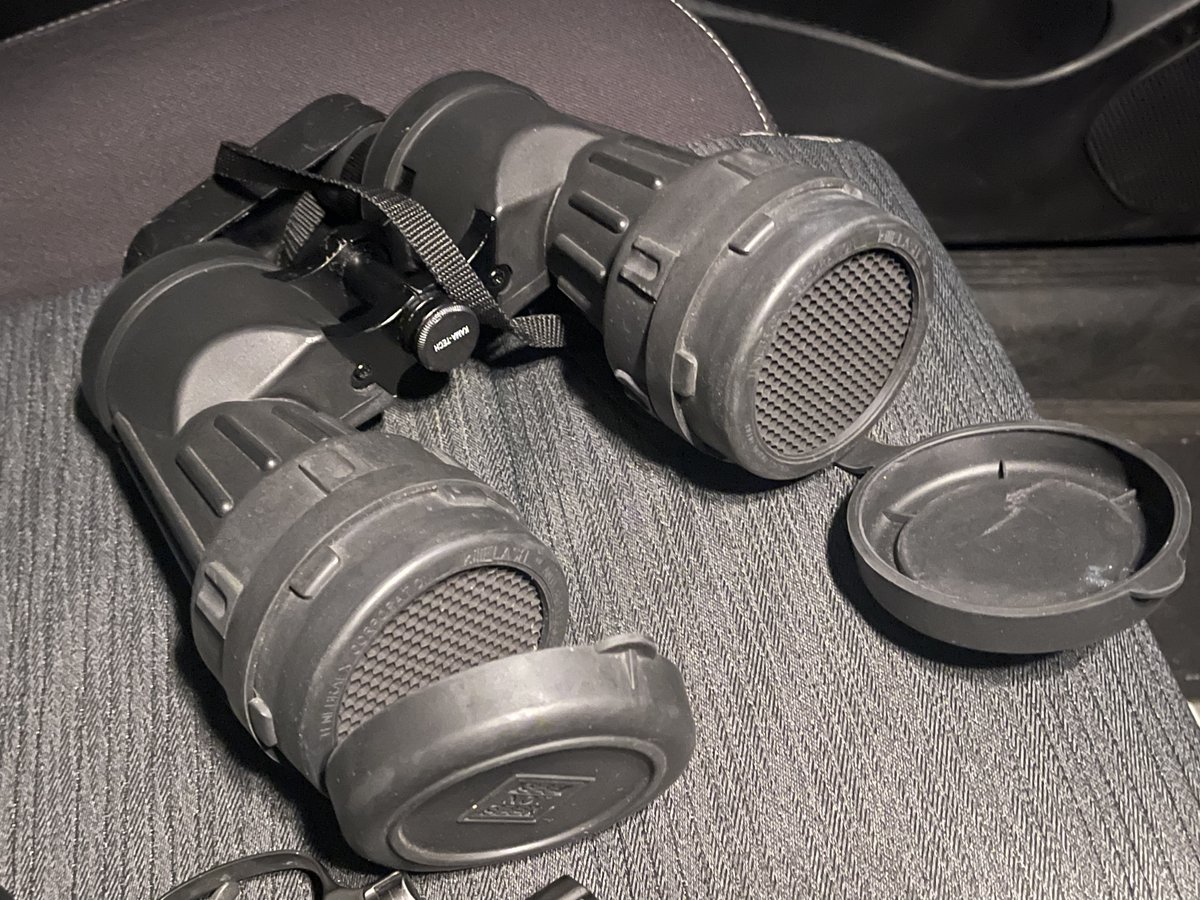
I often use Japanese-made KAMA-TEC binoculars for rangefinding. These are supplied to the U.S. military through Northrop Grumman. Since they’re a bit too bulky, I also frequently use the Fujinon M24. Do any of you have any binoculars or monoculars you’d recommend?
#鎌倉光機

1
6
59
3,029

May 3
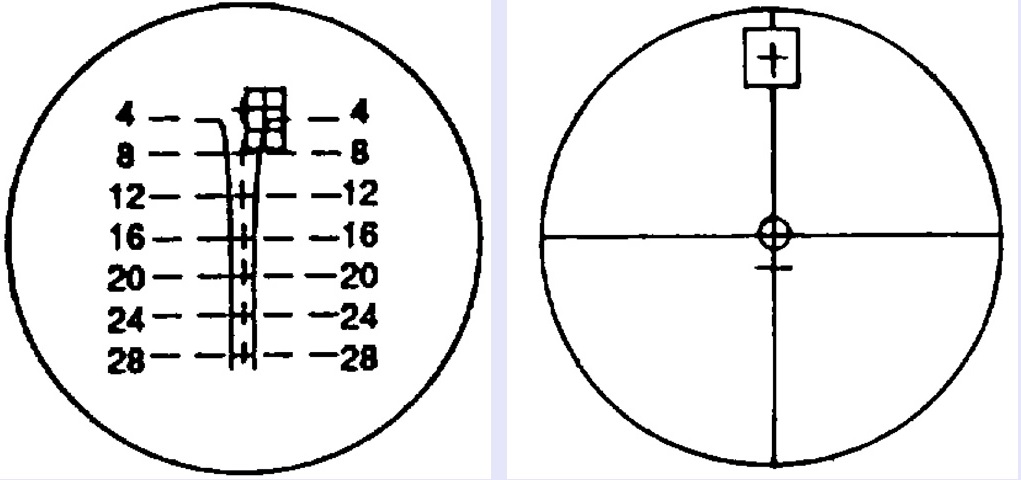
Yeah. The POV vehicle (this is all part of a set of core rules art) is closer to a Sheridan, with a 152mm gun-launcher, but I prefer the look of the M60's. One might suppose there's a better rangefinding system on hand than the Sheridan's choke sight.
2
28
1,451


Apr 17
that's not a sexual trait, it's for rangefinding artillery targets
This tweet is unavailable
1
2
37
740

(5/25) General technical specifications:
- Daytime observation range: equal to or exceeding visual line-of-sight range.
- Night observation range: exceeding 800 meters at light levels of 3 × 10^-3 lux, which is approximately equivalent to quarter-moon or good starlight conditions.
- Laser rangefinding distance: 300 to 9,990 meters, in increments of 10 meters.
- Maximum engagement time from observation to opening fire: not exceeding 20 seconds.
- Supported weapons: 100 mm main gun, including all ammunition types; 23 mm training insert; coaxial machine gun.
- Practical firing range: up to 6 kilometers.
1
2
56
4,033