
2,842 Photos and videos





GenJeFT retweeted

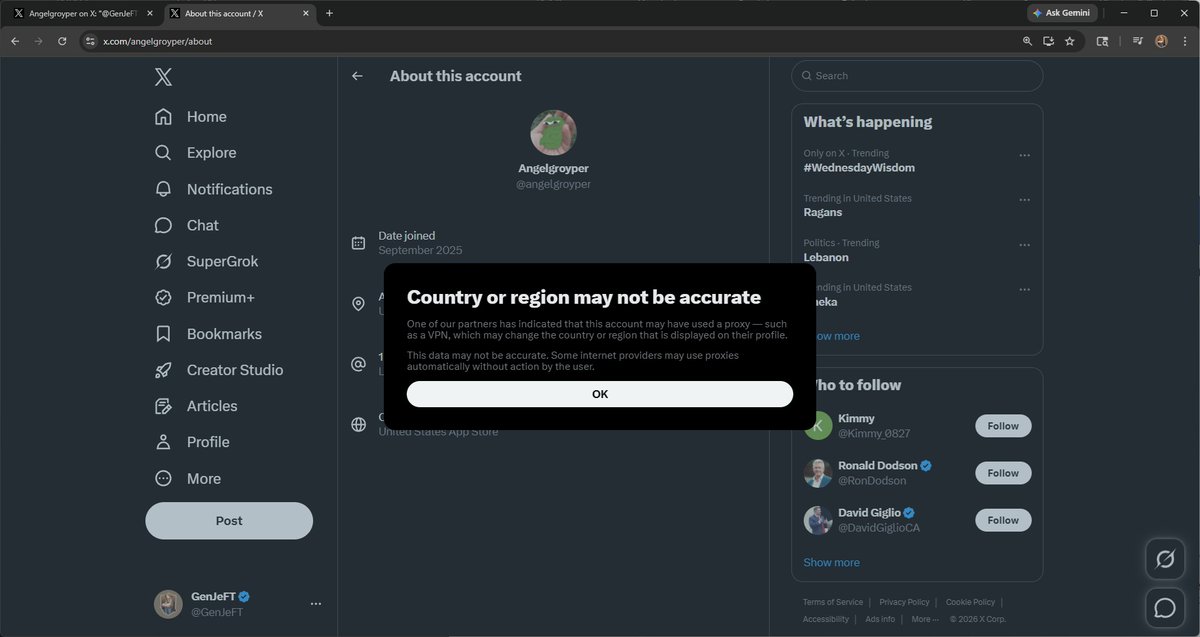
Over a third of businesses in the UK use VPNs for their staff to be able to work.
They've gone completely fucking insane.

🚨NEWS: Keir Starmer is expected to ban VPN’s in an announcement next month says a Government spokesperson
[@BBCNews ]
317
1,957
20,810
1,157,915
GenJeFT retweeted

Jun 17
When I was organising the march, a Muslim lady contacted me to say the same happens to muslim girls in their community, so they encourage their men to go after British girls instead to keep their own daughters safe. She also said, as many marriages are arranged, they dont want to have to "service" (her word) their husbands so encourage them to take British girls. She reassured me by saying, "not nice girls like your daughter though", like that was some sort of comfort. I was so shocked and disgusted I blocked her.
Jun 17

It is NOT just the men.
Many of the women are just as evil.
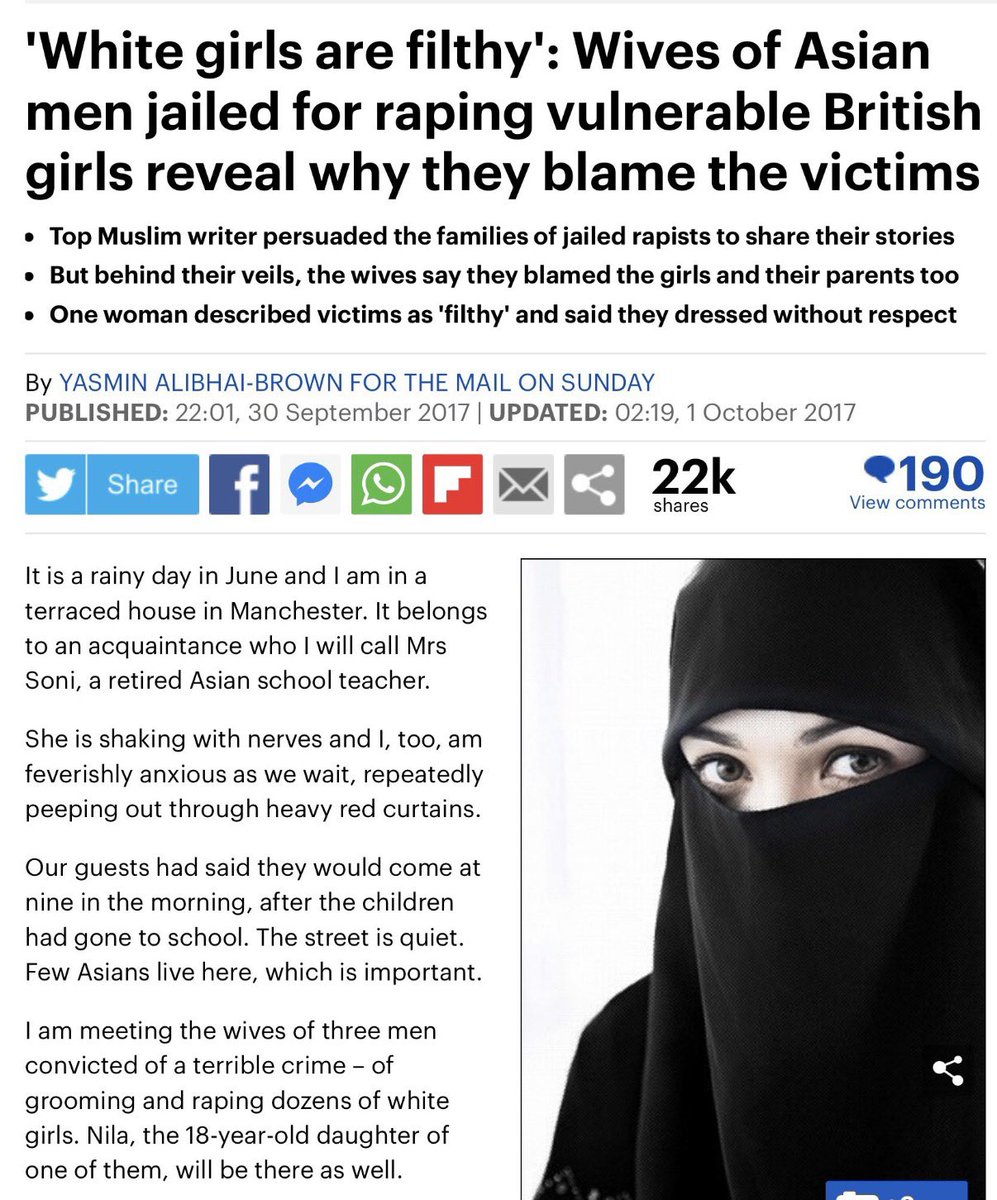
“White girls are filthy” say the wives of Pakistani Muslim men jailed for raping vulnerable White British girls.
They say that they “deserve it” because they dress without respect.
Islam is incompatible with the West.
327
4,269
19,777
633,423
GenJeFT retweeted

A single ship sank off the coast of France and killed more people than the Titanic and Lusitania combined. You have probably never heard its name. There is a reason for that.
86 years ago today, June 17 1940, the RMS Lancastria was sitting off Saint-Nazaire. Dunkirk was over. The British army was still scrambling to get out of France, and the Lancastria, a former Cunard luxury liner turned troopship, was packed with soldiers, RAF crew, embassy staff, and civilian families including women and children.
The ship was licensed to carry about 2,200 people. The captain was told to load as many as humanly possible and ignore the limit. By the time she was full, estimates of how many were crammed aboard run as high as 6,000 to 9,000. Nobody knows the real number because they stopped counting at the gangway.
Then the German bombers came. A Junkers Ju 88 put four bombs into her. One reportedly dropped straight down a funnel. Thousands of tons of fuel oil poured into the sea, and as people jumped, the planes came back and strafed the water and the oil caught fire. She rolled over and went down in about 20 minutes.
Survivors in the water, covered in oil and watching the ship disappear, started singing. "Roll Out the Barrel" and "There'll Always Be an England." That actually happened.
The official death toll was recorded as 1,738. Almost no historian believes that. Real estimates sit between 3,500 and 6,000 dead, which makes it the worst maritime disaster in British history by a wide margin. More dead than the Titanic and Lusitania put together, in one afternoon.
Here is the part that keeps it out of the history books. When the news reached London, Churchill personally ordered a blackout. His words were that the newspapers had "got quite enough disaster for today at least." He meant it as a temporary hold. The story was so devastating, coming right after Dunkirk, that the order quietly stuck. The British public did not really learn what happened until weeks later when an American paper broke it, and by then the war had moved on.
The wreck still sits down there as a war grave. For decades survivors fought just to get it officially recognized. No one was ever held to account, because officially, for a long time, it barely happened.
So today, give it a minute. RMS Lancastria. The biggest loss of life in British maritime history, and the disaster the government decided you were not allowed to grieve.

13
163
814
45,883
GenJeFT retweeted

Let me get this right.
The retards got angry when Trump renovated to Lincoln Memorial Reflecting Pool.
They got angry when algae formed and discolored the water.
They got angry when workers tried to fix it by adding hydrogen peroxide to the water.
Now they're protesting to keep the algae.
You can't please these retards, it's time to stop trying.
367
1,234
15,892
212,772

And this report is just the tip of an enormous iceberg of evil

🚨Big announcement from Asmongold!
He just said live on stream that he’ll be reading the entire UK Rape Gang Inquiry report word for word on stream.
With his huge audience of 3.4 million Twitch followers, this is going to reach a massive number of people.
No more relying on mainstream media spin.
Tune in to @Asmongold on Twitch tomorrow. This one’s important.
#Asmongold #RapeGangInquiry #GroomingGangs
1,979
16,978
121,035
22,268,704
GenJeFT retweeted

Jun 17
OBAMA MADE AMERICANS BUY HEALTH INSURANCE, OR YOU PAID A FINE!
BIDEN MADE YOU TAKE A SHOT, OR YOU LOST YOUR JOB!!
TELL ME AGAIN, HOW TRUMP IS A FASCIST DICTATOR??
1,052
8,858
43,501
554,809
GenJeFT retweeted

Jun 17
BREAKING: 🇨🇳 China's weapons under fire: Top military developers disappear after combat failures
A report claims several senior Chinese military scientists, weapons designers, and defense officials have been removed, investigated, or vanished from public view following the reported poor performance of Chinese made air defense systems in recent conflicts.
The alleged failures have sparked fresh questions about the combat effectiveness of some of China's most heavily promoted weapons programs.
Source: The Washington Times
60
239
1,203
147,133
GenJeFT retweeted

Guy films the no-go zone in Frankfurt at night, asking why there are Somalis in Germany. A Somali immediately confronts him, tells him to get the fuck out of there, and throws a bottle at him while he’s walking away. Demands he stop filming too.
This is Germany now.
279
3,681
18,140
291,700


GenJeFT retweeted

🚨 EPSTEIN BOMBSHELL: Media and Dems LIED for YEARS trying to tie Trump to the pedo island creep.
New details drop: Epstein hated Trump because Trump turned him in to the cops. No dirt found when Epstein went shopping for leverage.
Handwritten notes offering “dirt” on Trump? Empty.
Trump said he hadn’t spoken to the guy in 15 years and wasn’t a fan. Shocker, the guy who actually helped put eyes on Epstein gets smeared while real elites partied with him.
Trump was right again. The left’s favorite conspiracy just blew up in their face.
364
4,185
14,620
231,818

“But it will be different this time!”
No. No it won’t.
Communists seize power promising to liberate the productive forces.
But they never grasp that abolishing private property destroys the incentive structures that make production possible in the first place.
Without ownership, people no longer bear the costs or capture the rewards of their effort.
Why innovate, maintain, or risk capital when the returns are socialized and losses are someone else’s problem?
Entrepreneurship is the market’s trial-and-error engine whereby ideas compete in real time against actual consumer demand.
Failures are liquidated quickly while successes that best serve people scale and survive.
On the other hand, central planners have no prices, no profits, and no losses to guide this discovery process.
They guess in the dark until the system starves.
Every communist regime has proven the point.

16
76
367
11,854
Utterly irreconcilable with Western values


1,469
7,438
46,669
1,726,691
GenJeFT retweeted

🚨: Anyone 2,000 light-years away with a big enough telescope on us tonight isn't seeing now. they're seeing Rome at its peak.
from where they sit, Jesus hasn't died yet.
393
606
6,871
811,269
GenJeFT retweeted

Me on my way to random Vtubers DMs to send them a video of model trains
8
12
128
2,817
GenJeFT retweeted

🚨 EARTH-SHATTERING UPDATE: WHITE HOUSE UFC TERROR PLOT WAS FAR WORSE THAN WE KNEW! 😱💥
An Ohio mom’s desperate call to police just saved America from pure HELL.
19-year-old Tycen Proper and four co-conspirators across multiple states planned to unleash explosive drones slamming the north side of the UFC Freedom 250 arena at the White House — forcing politicians, elites, and Trump himself into sniper kill zones on evacuation routes.
They stockpiled guns, ammo, body armor, and tactical gear. They mapped targets. They wanted a revolution in blood. This wasn’t theory — it was days away from execution on June 14. justice.gov
New details dropping now reveal a coordinated nightmare involving encrypted chats, anti-government extremism, and high-value hits on Congress members. How many more were involved? How deep does this go?
We came THIS CLOSE to massacre on the People’s House lawn.
Thank God for vigilant parents and our heroes in law enforcement who stopped it cold.
But the real question: Why aren’t heads rolling for the security failures that let this get this far?
SHARE if you’re furious. COMMENT what shocked you most. This changes everything. 🔥
#UFCTerrorPlot #WhiteHouseAttack #FoiledButNotForgotten #WakeUpAmerica #TrumpSaved
264
744
4,781
1,220,862
GenJeFT retweeted

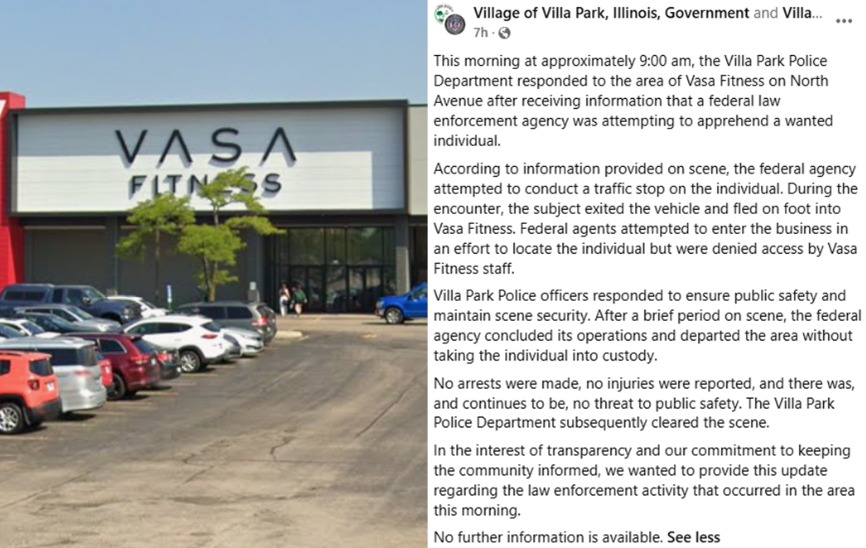
BREAKING: Federal agents in Villa Park, Illinois, were pursuing a wanted individual when the suspect fled into a @VASAFitness. The gym staff then DENIED federal agents access to the gym, preventing them from making the arrest.
Why is @VASAFitness protecting wanted criminals???
543
4,811
12,161
168,750

Because they sold out to Islam.

EVERY FUCKING PERSON WHO HAS BEEN SCREAMING ABOUT THE EPSTEIN FILES FOR MONTHS...
...IS DEAD FUCKING SILENT ABOUT A QUARTER-OF-A-MILLION WHITE GIRLS BEING GANG RAPED BY MUSLIMS!!!
I DON'T GIVE A DAMN ABOUT WHAT ANY OF YOU FUCKING PEOPLE HAVE TO SAY EVER AGAIN!!!!!!
130
1,709
11,544
255,414
GenJeFT retweeted

Jun 16
The fact that the UK isn't burning since this was released tells you a lot about the culture of the UK right now.
Pakistani Muslims were very smart in who they abused. They KNEW working class girls would get zero protection.
Jun 16

🚨NEW: Rupert Lowe’s Independent Rape Gang Inquiry estimates that at least 250,000 white British girls have been groomed, raped, and abused by perpetrators who are predominantly Pakistani Muslims
175
775
6,800
93,957

Democrats blocked tax relief for working families because they’d rather tax you into dependency than let people keep their money and stand on their own two feet.
Because it’s never been about lifting the poor out of poverty. These monsters want them reliant on the state.

16
111
499
6,052