


May 21
アムズで
使用中のオイルをメーカーに送り
まだオイルが使えるかをチェックするサービス
コストが掛からないならREDTREEでしようかな。
これで、おかしいオイルもあぶり出せるよね🤣
12
297

May 12
#art #paintings #redtree
#mysterious
🎨Odilon Redon
French Artist
The Red Tree, c.1905
The red tree is a symbol of the passion for knowledge, and of the balance between thoughts, emotions and actions on the path of spiritual quest.

1
3
78





Apr 24
So how do you think people will react if I record myself standing still while redtree avatar swings at me and call ER shit because of it?

2
3
330

Apr 20
販売店様からお伺いしたお話とREDTREE様側からの言い分にズレがあるという事とそのどちらかの真実を証明する事は私自身では不可能であるということを併せて、私自身もこの場で発言した内容に非があるという事は認めますので、そちらは申し訳ありませんでした。
1
7
1,096
Apr 20
今回の件は私も一方的な話として販売店様側からお伺いした内容を元にそのような結果というお話となりましたがエンドユーザーである立場として、販売店様とREDTREE様との連携が上手く取れて居ない時点で販売店様にも非がある可能性があるという事と、
1
7
1,924

Apr 16
☕ Join us this Saturday, April 18, for our Coffee Shop Writing Series at Redtree Coffee in Oakley. We will be there from 9:00 am - 11:00 am drinking coffee, writing, and sharing! RSVP here: tinyurl.com/OWPSpringwriting
#OWP #ohiowritingproject #writingproject #writingcommunity

1
3
150
Apr 14
REDTREE
RoyalPupleOil
AMSOIL
のウェブサイト、数日で作ったので、確認不足です。不具合があるかもしれません。
何かあれば、コメントください
現状8割の出来です🤣
1
2
533

Mar 31
おはようございます😃
新年度開始
REDTREE的には4月がターニングポイントになりそうです。今期の目標はオートサロン出展です。
しかし、足元からコツコツと
今日は4ヶ月放置していた帳簿です
天気は悪いのですが
ガンバロー🇯🇵

1
6
216

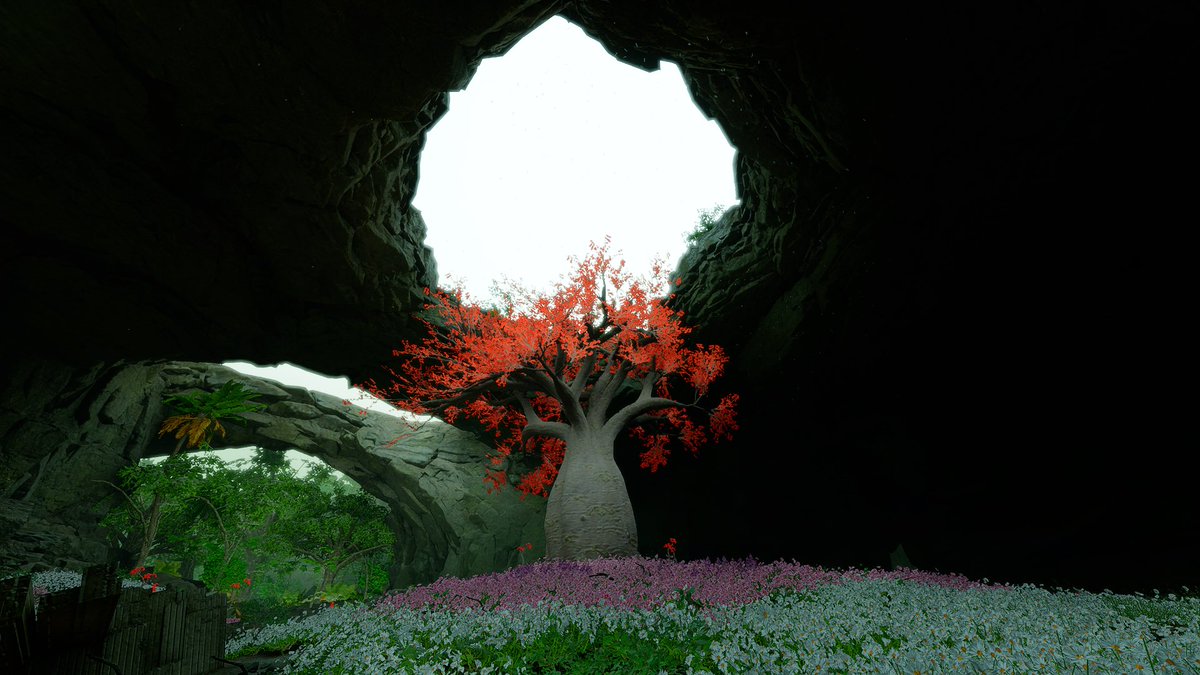
نصيحة هامة في لعبة Crimson Desert 🔥👌🏻
كيفية الحصول على الحصان الاسطوري الأحمر Camora في اللعبة ⚔️
إن العثور على هذا الحيوان صعب جدًا ولكنه ليس مستحيل. توجه إلى غابة Redtree في منطقة Tashkalp ، وتحديدًا إلى مرج كهفي مليء بالزهور في منطقة the rainforest. يقع الموقع في أقصى جنوب شرق Tommaso, شرق المعبد the Sanctum of Renunciation، وغرب النهر الأحمر the Red River. إذا لم تكن قد فتحت خريطة المنطقة بعد، فقم بقرع الجرس في Tommaso, لتفعيل مهمة "Toll of Pywel" أولًا.
#ScorpionGames | #سكوربيون_جيمز
#CrimsonDesert

5
22
517
45,886

Mar 27
Crimson Desert Tips & Tricks #32
Camora is a red legendary horse and the hardest to locate. Head to Redtree Forest in the Tashkalp region, specifically to a cavern meadow filled with flowers in the rainforest area. The location lies far southeast of Tommaso, east of the Sanctum of Renunciation, and west of the Red River. If you haven’t unlocked the regional map yet, ring the bell in Tommaso to trigger the ‘Toll of Pywel’ quest first.

64
954
35,675



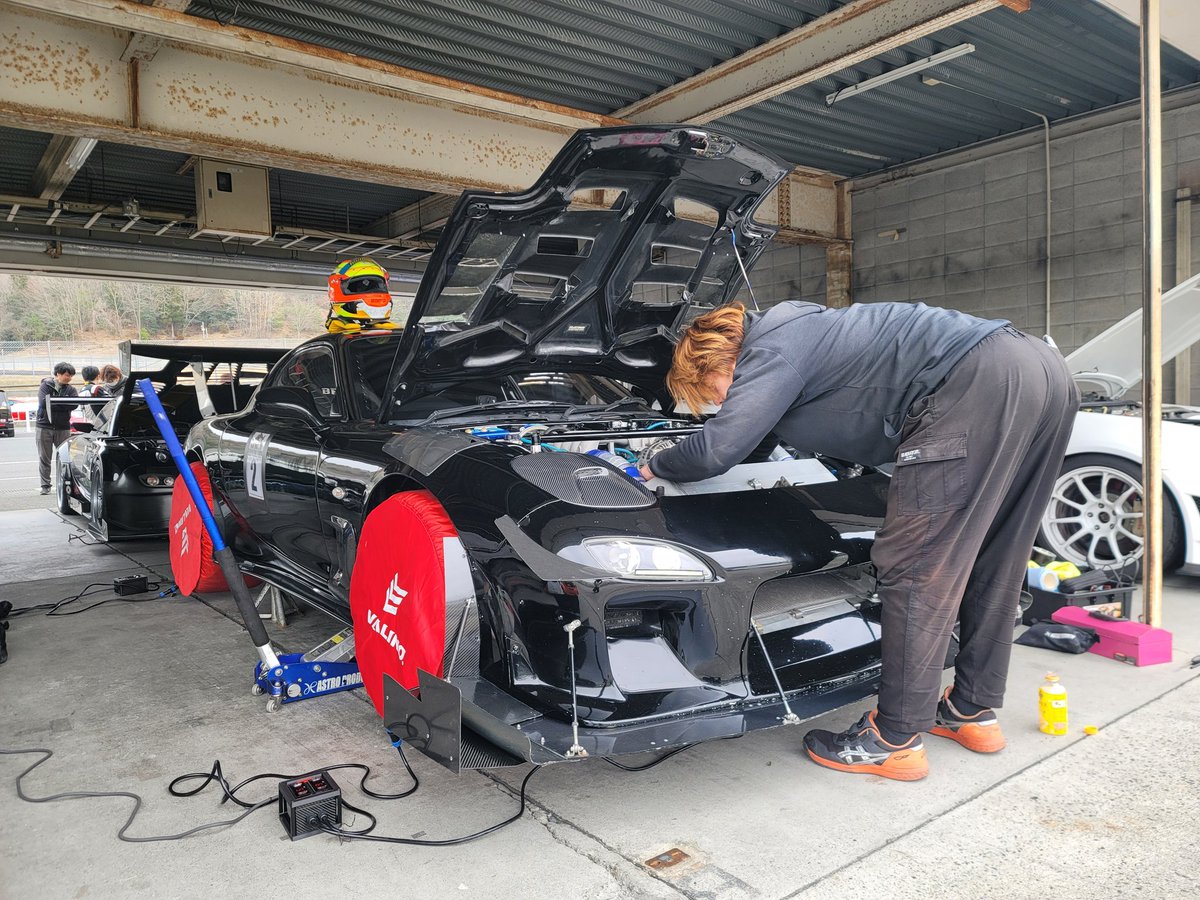
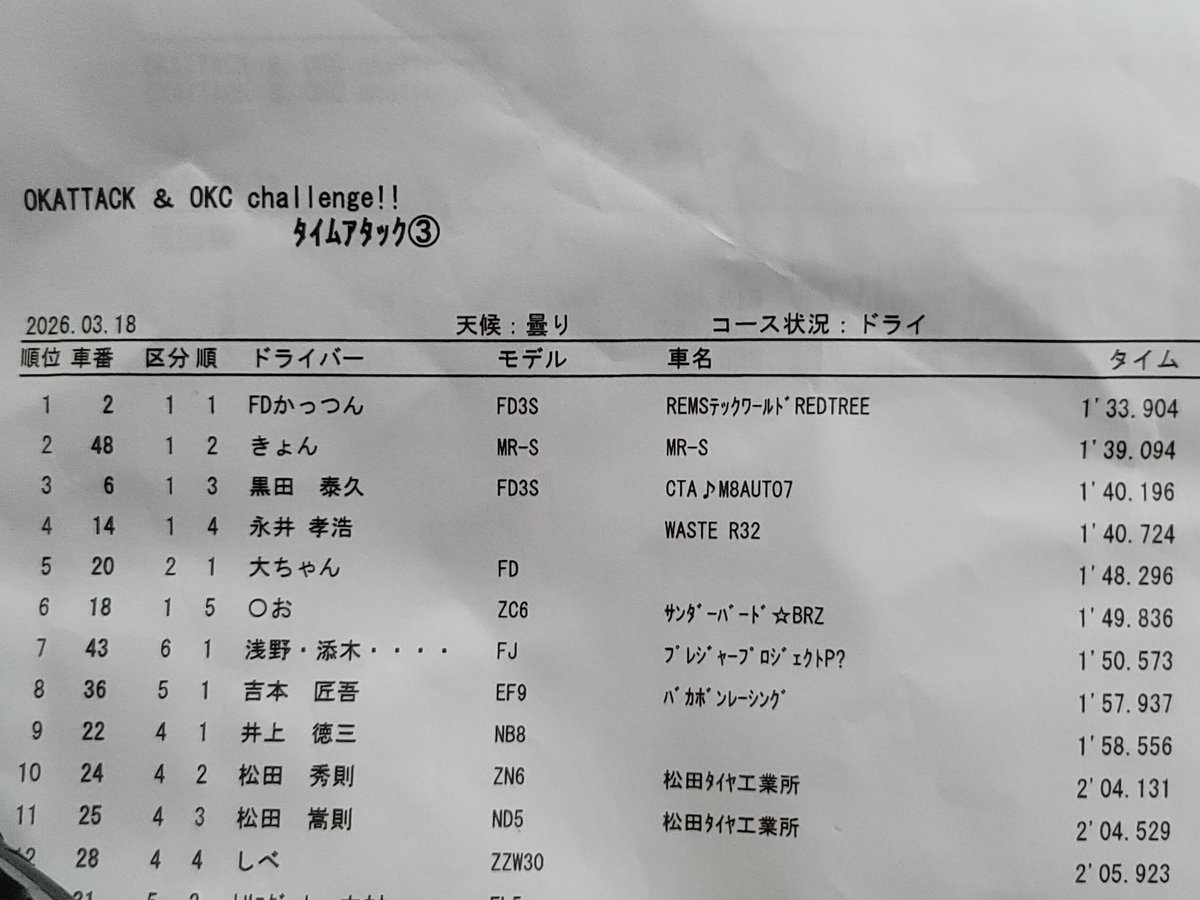
OKATTACKの車載動画を公開します
こんな下手くそな走りでも
1分33秒904
が出るってクルマかなり仕上がってきました
来シーズンはミッション変えて32秒台を狙います‼️
#REMS
#テックワールド
#REDTREE
#TechworldRacingSimulator
#岡山国際サーキット
2
6
78
4,241


Mar 13
Lifelong Motion Patterns Predict Lifespan | Neuroscience News
Summary: We often think of aging as a slow, steady decline, but new research suggests it is actually a series of rapid, discrete shifts. By monitoring African turquoise killifish 24/7 across their entire adult lives, scientists discovered that behavior in early midlife can predict an individual’s total lifespan.
Despite shared genetics and environments, some fish began “napping” during the day and swimming slower as young adults—early signals that they were on a “short-lived” trajectory. This study suggests that aging isn’t a smooth slide but a “staged architecture” where the body remains stable for weeks before transitioning into a new stage in just a few days.
Key Facts
- The “Truman Show” for Fish: Researchers tracked 81 fish continuously, generating billions of video frames to identify 100 “behavioral syllables” (basic building blocks of movement and rest).
- Early Predictors: By day 70–100 (early adulthood for killifish), behavioral differences in sleep and swimming speed were strong enough for machine-learning models to forecast which fish would live the longest.
- Stepwise Aging: Aging progressed in 2–6 rapid transitions. Like a Jenga tower, the “structure” of the animal’s behavior stayed stable until a sudden shift forced a new, less-resilient stage.
- The Sleep Signal: Fish on shorter aging paths began sleeping significantly more during the day, while long-lived fish remained active during daylight and slumbered primarily at night.
- Molecular Mirror: At the point where behavior became predictive, the researchers found coordinated gene activity changes in the liver, specifically in processes related to protein production and cellular maintenance.
---
By midlife, an animal’s everyday behaviors can signal how long it is likely to live.
That is the striking conclusion of a new study supported by the Knight Initiative for Brain Resilience at Stanford’s Wu Tsai Neurosciences Institute, in which researchers put scores of short-lived fish under continuous, lifelong surveillance to explore how behavior and aging are linked.
Individual fish aged in markedly different ways, despite having similar genetics and living in a carefully controlled environment. By early adulthood, those differences were already visible in how the animals swam and rested—and were strong enough to predict whether a fish would ultimately live a long or short life.
While the research was conducted in fish, the findings raise the possibility that tracking subtle, daily behaviors like movement and sleep, now routinely captured by wearable devices, may offer clues about how aging unfolds in people.
The findings were published in Science on March 12, 2016, in a study led by Wu Tsai Neuro postdoctoral scholars Claire Bedbrook and Ravi Nath. The research grew out of a Knight Initiative–supported collaboration between the Stanford labs of geneticist Anne Brunet and bioengineer Karl Deisseroth, the study’s senior authors.
How to watch aging unfold in real time
Most aging studies contrast groups of young animals with groups of old ones. While informative, those snapshots blur how aging unfolds within individuals over time, and how differences between individuals emerge.
Bedbrook and Nath wanted to know what might be revealed by watching aging continuously across an entire adult lifespan. Even animals of the same species, raised under similar conditions, can follow very different aging paths and live dramatically different lengths of time. The researchers asked whether natural behavior could reveal when and how those individual trajectories begin to diverge.
The African turquoise killifish made that question experimentally possible. With a typical lifespan of just four to eight months, it is one of the shortest-lived vertebrates studied in the lab, yet it shares key biological features with longer-lived species like humans, including a complex brain.
The Brunet lab has been at the forefront of developing the killifish as a model for studying aging, laying the foundation for this study, the first to follow individual vertebrates continuously, day and night, across their entire adult lives.
Bedbrook, Nath, and their colleagues built an automated system in which individual fish lived in separate, camera-monitored tanks. Like a scientific version of The Truman Show, the 1998 film in which a man’s entire life is recorded continuously, the setup captured every moment of the animals’ lives. In total, they tracked 81 fish and generated billions of video frames.
From those recordings, the researchers extracted detailed information about the animals’ posture, speed, rest, and movement, identifying 100 distinct “behavioral syllables”—short, recurrent actions that represent the basic building blocks of how a fish moves and rests.
“Behavior is a wonderfully integrated readout, reflecting what’s happening across the brain and body,” said Brunet, the Michele and Timothy Barakett Professor of Genetics at Stanford Medicine. “Molecular markers are essential, but they capture only slices of biology. With behavior, you see the whole organism, continuously and non-invasively.”
With this life-long behavioral record in hand, the researchers could begin asking a new set of questions: When do animals start to age differently? What distinguishes those paths early on? And, can behavior alone predict whether an individual will live to a ripe old age?
Early signals of an animal’s lifespan
One of the team’s most surprising findings was how early individual aging paths begin to diverge. After following each fish through its entire lifespan, the researchers grouped animals based on how long they ultimately lived and then looked back to see when behavioral differences first emerged.
They found by early midlife (70 to 100 days of age), fish that would go on to live shorter or longer lives were already behaving differently.
Some of the clearest differences involved sleep. As young adults, fish that went on to have shorter lives tended to sleep not only at night but increasingly during the day. In contrast, fish that went on to longer lives mainly slumbered at night.
But sleep was not the only signal. Fish on paths to a longer life also swam with greater vigor and reached higher speeds when darting around the tank—a measure of spontaneous movement that has been linked to longevity in other species as well. They also tended to be far more active during daylight hours.
Crucially, those behavioral differences were not just descriptive but predictive. Using machine-learning models, the researchers showed that just a few days of behavioral data from middle-aged fish were enough to forecast lifespan. “Behavioral changes pretty early on in life are telling us about future health and future lifespan,” said Bedbrook.
Aging unfolds in steps
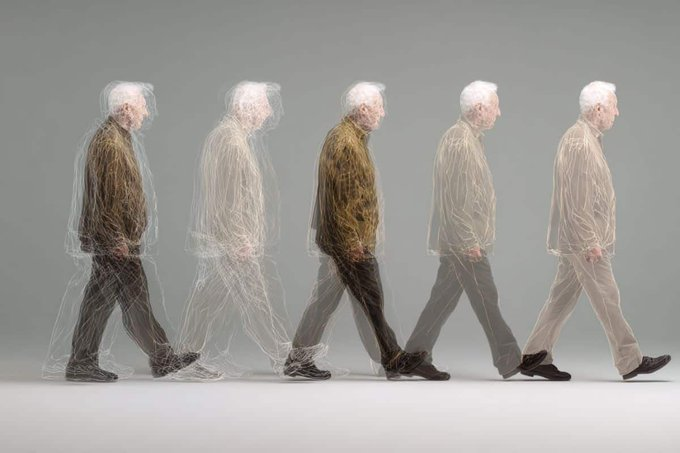
The team’s observations also revealed that aging—in killifish, at least—does not progress as a smooth, gradual drift. Most of the fish underwent two to six rapid behavioral transitions, each lasting just a few days, followed by longer, stable stages that lasted weeks. Importantly, fish tended to progress through these stages in sequence, rather than switching back and forth between them.
“We expected aging to be a slow, gradual process,” said Bedbrook. “Instead, animals stay stable for long periods and then transition very quickly into a new stage. Seeing this staged architecture appear from continuous behavior alone was one of the most exciting discoveries.”
This stepwise pattern echoes emerging evidence from human studies, including research showing that molecular features of aging change in waves, especially during midlife and older adulthood. The killifish results offer a behavioral view of the same phenomenon.
The researchers suggest that aging may involve long stretches of relative stability punctuated by brief periods of rapid change. This process is more like a Jenga tower, in which many blocks can be removed with little effect, until one change forces a sudden restructuring, than a smooth downhill slide.
The researchers also examined gene activity across eight organs in adult fish at a stage when behavior could reliably predict future lifespan. Rather than focusing on individual genes, they looked for coordinated changes across groups of genes that work together in shared biological processes.
The clearest differences appeared in the liver, where genes involved in protein production and cellular maintenance were more active in fish on shorter aging paths. These findings offered a molecular hint that the animals’ internal biology is changing alongside the behavioral patterns as they age.
Behavior as a new window into aging
“Behavior turns out to be an incredibly sensitive readout of aging,” said Nath. “You can look at two animals of the same chronological age and see from their behavior alone that they’re aging very differently.”
That sensitivity shows up across many aspects of daily life, including sleep, which emerged as an important signal of how aging was unfolding. In humans, sleep quality and sleep-wake cycles often deteriorate with age, and these changes have been linked to cognitive decline and neurodegenerative disease.
Nath aims to explore whether sleep itself can be manipulated to promote healthier aging, and whether intervening early, before decline sets in, can alter an individual’s aging path.
The team also plans to test whether aging paths can be modified through targeted interventions, including changes to diet as well as to genes that may help influence the pace of aging.
For Bedbrook, the killifish study opens the door to deeper questions about what drives aging transitions and whether those transitions can be delayed, prevented, or reversed. She is also interested in pushing the experimental system toward more naturalistic settings, allowing animals to interact socially and experience richer environments that more closely resemble real life.
“We now have the tools to map aging continuously in a vertebrate,” she said. “With the rise of wearables and long-term tracking in humans, I’m excited to see whether the same principles—early predictors, staged aging, divergent trajectories—hold true in people.”
Another major frontier lies in the brain itself. Deisseroth’s lab develops tools to monitor neural activity continuously over long periods of time, making it possible to follow changes in brain activity alongside the same animals’ aging paths. Those experiments could reveal whether the brain mirrors aging in the rest of the body or plays a more active role in setting its pace.
Both Bedbrook and Nath will continue pursuing these questions as they open their own laboratories at Princeton University this July, bringing the tools and ideas developed at Stanford into the next phase of their research.
Ultimately, the hope is that mapping aging at this resolution will clarify why aging varies so widely, and point toward new ways of promoting healthy aging.
Funding: The research was funded by the National Institutes of Health (R01AG063418 and K99AG07687901), a Knight Initiative for Brain Resilience Catalyst Award and Brain Resilience Scholar Award, the Keck Foundation, the ARIA Foundation, the Glenn Foundation for Medical Research, the Simons Foundation, the Chan Zuckerberg Biohub – San Francisco, a NOMIS Distinguished Scientist and Scholar Award, the Helen Hay Whitney Foundation, the Wu Tsai Neurosciences Institute Interdisciplinary Scholar Award, and the Iqbal Farrukh & Asad Jamal Center for Cognitive Health in Aging.
Competing Interests
Karl Diesseroth is a cofounder and a scientific advisory board member of Stellaromics and Maplight Therapeutics, and advises RedTree and Modulight.bio. Anne Brunet is a scientific advisory board member of Calico. All other authors declare no conflicts of interest.
Read more:
neurosciencenews.com/staged-…
4
3
27
2,087

Mar 11
251231 MBC 가요대제전
/Gayo Daejejeon
/ 歌謡大祭典
/ MUSIC FESTIVAL
Streaming Ticket
REDTREE Reward
Photo Wall Photocard



1
13
5,151