
Jun 15
I could take offense to this statement Rachey, after taking in the washing from the line, my wife would empty the basket telling me I had not folded the items correctly, then expect me to watch as she refolded every item, now my Ex wife 🤣🤣🤣🤣🤣
1
1
15

@OfAnarchyAngel
Opie had been up before the sun.
Truth was, he hadn’t slept much at all.
The house had been cleaned twice, every bottle washed, every blanket folded and refolded until everything looked just right. He’d spent the last hour standing in the nursery doorway,
1
49

Jun 13
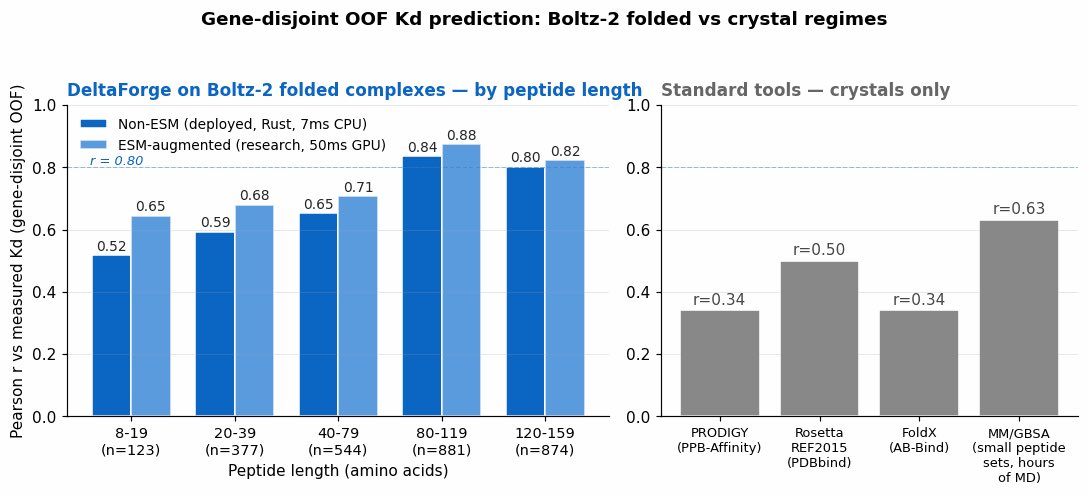
Boltz-2 ipSAE is a partly predictive binary classifier of binding or not binding. It does not predict how strongly something binds. Your assertion is empirically incorrect, though. What “studies”? We refolded the entire PPB affinity dataset with Boltz-2 (no MSA on peptides).
Jun 1

Pure physics features for folded binders don’t seem to cleanly predict binding. We did a lot of work on building featurizers to recover Kd predictive power post-folding, but the pure physics versions degenerate.
Also, interestingly (going to post about this), ipTM tracks well for ESMFold2 as best predictor, but ipSAE is the best structural predictor for Boltz-2 where ipTM frequently fails to predict binder status.
1
102

Jun 13
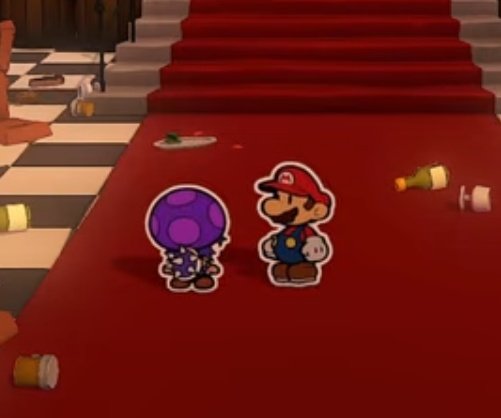
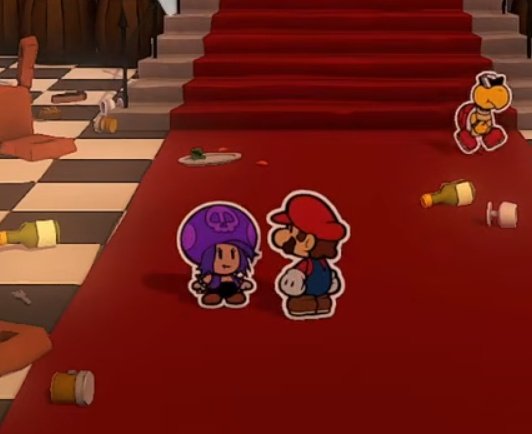
#mario #supermario #origamiking #origamikingrefolded bro I was just watching super mario origami king refolded it has a lot of new cool characters designs and cham than this happened , a toad serving bowser ? That's the first time I'm seeing this (agree or not ?)
1
68

Jun 12
3/n:
Shimla, June 1946
By 1946, Romesh Das had lost the softness from his face.
He was 31, lean from years of underground work, with the eyes of a man who had learned to sleep in fragments and trust only those silences that had earned it. In his breast pocket he carried a small tin cigarette case. He had never smoked. Inside the case was the letter written at Tripuri, folded and refolded until the paper had become almost cloth.
Shimla was obscene in its beauty. Alluring.. like a lush courtesan.
The hills rose blue and aloof, as if mountains could absolve men of what they did beneath them. Pines stood in ordered ranks. The British buildings looked down from their ridges with the smug melancholy of an empire preparing to leave but determined, before leaving, to rearrange the furniture and hide the knives.
The Cabinet Mission sat under slow turning fans in a room where the polish of the table reflected faces in distortions. The British had come with briefcases, memoranda, and maps already bruised in two colours. Their voices were mild. Their intentions were not.
“Two nations,” one of the Viceroy’s men kept saying, as though repetition could make butchery administrative. “It is the only practical solution.”
Across the table sat Muhammad Ali Jinnah, immaculate, pale, dry as a blade. He had the bearing of a man who had trained himself to need no one and had succeeded too well.
“We demand Pakistan,” Jinnah said “Nothing less.”
Bose, still Congress president, sat at the centre of the Indian side.
He had aged. The years had scored their lines into him. Prison, illness, quarrels, betrayals and the sleepless arithmetic of revolution had left their mark. But the strange heat remained. He looked, Romesh thought, like a lamp burning in a room where everyone else was rationing light.
Bose did not raise his voice.
He spoke for nearly an hour.
At first in English, precise and unsentimental. Then, when he turned toward Jinnah, in Hindustani, softer but more dangerous, because it carried not merely argument but memory.
He offered a federation broad enough for fear to breathe. Strong provincial autonomy in Muslim-majority regions. Control over education, language, personal law, local policing. Cultural safeguards written not as charity but as architecture. A republic of many rooms, but one foundation.
Defence, foreign affairs, currency, strategic planning…these, he said, must remain indivisible. No country could be born with its spine split and then asked to stand.
He spoke of rivers that did not stop flowing because a clerk had sharpened a pencil. Of railways built by Indian labour and paid for by Indian hunger. Of armies in which Hindu, Muslim, Sikh, Christian, Parsi and tribal soldiers had been made to die under one imperial flag and might yet live under their own.
Then he leaned forward.
“The British drew the first line in 1905,” Bose said quietly. “They are trying to draw the final one now.”
The fans turned. Papers shifted. Somewhere outside, a crow screamed with the coarse authority of the real world.
“If we accept it, we hand them their greatest victory. If we refuse, we deny them the one thing they still possess…the power to divide us before they depart.”
Jinnah’s face did not change.
But his fingers moved once against the table.
The talks stretched over ten days.
There were walkouts almost born and then strangled. There were British officers in side rooms, whispering partition as though it were medicine. There were telegrams from Punjab, Bengal, Bombay, Calcutta. Strikes. Demonstrations. Students lying down on railway tracks. Mill workers refusing to load goods marked for military transfer. Peasant unions passing resolutions in villages whose names no British official could pronounce but whose grain they had known how to collect.
Contd 👇🏼
1
2
321

新Web版XBOX CLOUD(日本リージョン)で下記のSYOG対応を検出しました #XBOX #XBOXJP #クラウドゲーミング #StreamYourOwnGame
Brass: A Peaceful, Cozy Adventureは国産のタイトル。
Beastro、Frog Sqwad、STARSEEKERはゲームパスにも対応しています
2026/06/11 09:00 ~ 2026/06/12 11:00
追加
A Tale of Paper: Refolded(Digerati)
Another Dawn(KR Games)
Beastro ビーストロ(Timberline Studios)
Brass: A Peaceful, Cozy Adventure(Seaknot Studios G.K.)
Frog Sqwad(Panic Stations)
Frog Sqwad:デラックスエディション(Panic Stations)
STARSEEKER: Astroneer Expeditions - Founder's Edition (Game Preview)(Devolver Digital)
STARSEEKER: Astroneer Expeditions (Game Preview)(Devolver Digital)
バイオモーフ(Lucid Dreams Studio)
457

-reorganized my pads box
-refolded my air mattress
-washed the dishes
-finally cooked my old minced meat ( made some everything salad as i like to call it)
-showered
16

Jun 11
Really my child fr 😭 just refolded all his pants bcos they weren’t “neat enough”.
1
74

it went through all the dev logs, dug up abandoned intuitions and refolded them into the latest version in a way that fits so perfectly well it gives me goosebumps
1
1
40

And she knew that - how?
Didn't ask if she could take it, just helped herself. It's only a pity that Kimi hadn't used it first and refolded it.
1
41

Jun 8
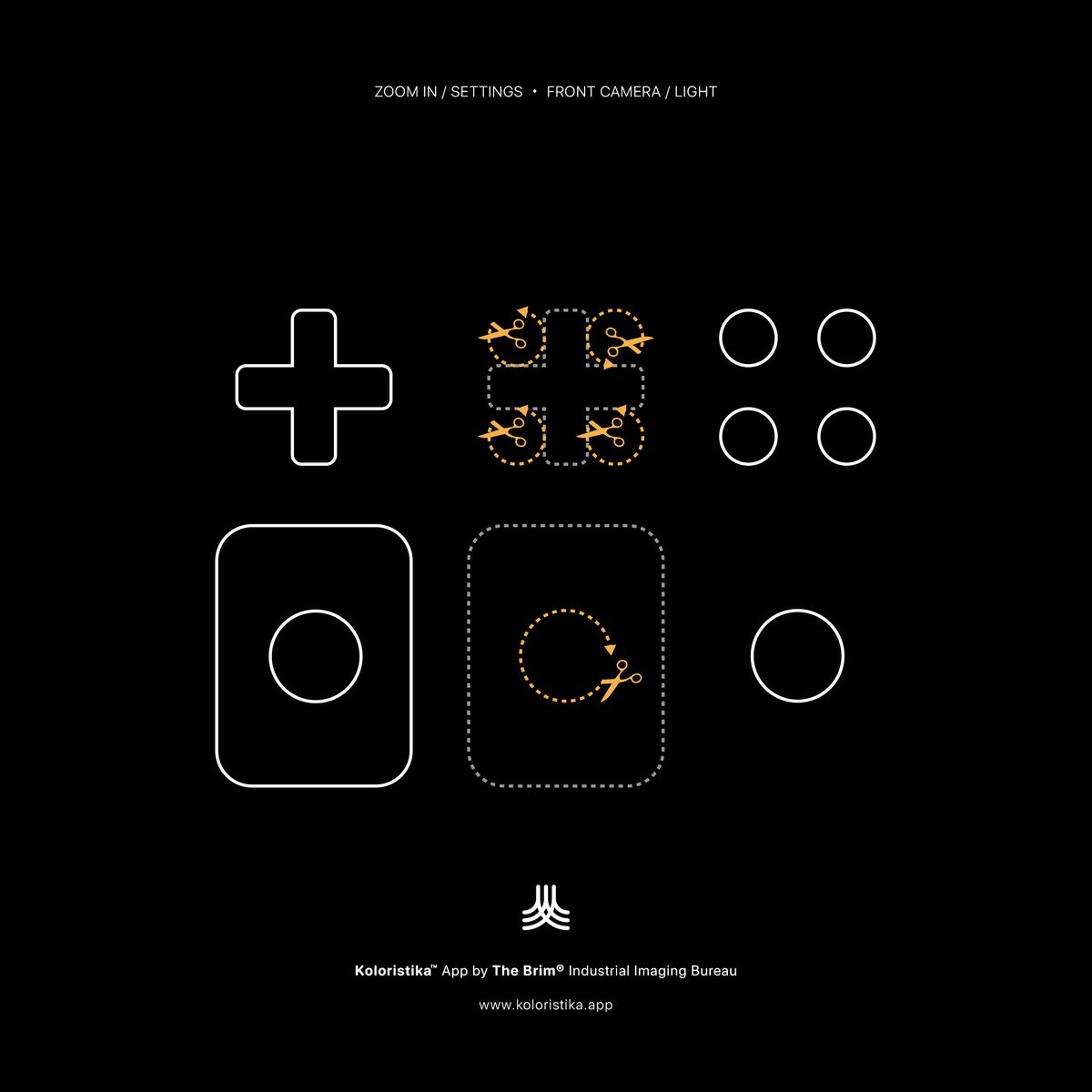
𝗙𝗢𝗟𝗗 𝗧𝗛𝗘 𝗜𝗡𝗧𝗘𝗥𝗙𝗔𝗖𝗘 𝗢𝗩𝗘𝗥
𝖳𝗁𝖾 𝗅𝗂𝗀𝗁𝗍 𝗅𝖺𝗇𝖽𝗌 𝗈𝗇 𝗍𝗁𝖾 𝖿𝗋𝗈𝗇𝗍 𝖼𝖺𝗆𝖾𝗋𝖺. 𝖳𝗁𝖾 𝗌𝖾𝗍𝗍𝗂𝗇𝗀𝗌 𝗅𝖺𝗇𝖽 𝗈𝗇 𝗍𝗁𝖾 𝗓𝗈𝗈𝗆 𝗂𝗇. 𝖤𝗏𝖾𝗋𝗒 𝖼𝗈𝗇𝗍𝗋𝗈𝗅 𝗆𝖾𝖾𝗍𝗌 𝖺𝗇𝗈𝗍𝗁𝖾𝗋, 𝖻𝖾𝖼𝖺𝗎𝗌𝖾 𝗇𝗈𝗇𝖾 𝗈𝖿 𝗍𝗁𝖾𝗆 𝗐𝖾𝗋𝖾 𝖾𝗏𝖾𝗋 𝗌𝖾𝗉𝖺𝗋𝖺𝗍𝖾.
𝖬𝗈𝗌𝗍 𝗂𝗇𝗍𝖾𝗋𝖿𝖺𝖼𝖾𝗌 𝖺𝗋𝖾 𝖺𝗌𝗌𝖾𝗆𝖻𝗅𝖾𝖽. 𝖤𝗏𝖾𝗋𝗒 𝖿𝗎𝗇𝖼𝗍𝗂𝗈𝗇 𝗀𝖾𝗍𝗌 𝗂𝗍𝗌 𝗈𝗐𝗇 𝖻𝗎𝗍𝗍𝗈𝗇. 𝖮𝗇𝖾 𝗆𝗈𝗋𝖾 𝗍𝗁𝗂𝗇𝗀 𝗍𝗈 𝗅𝖾𝖺𝗋𝗇. 𝖳𝗁𝗂𝗌 𝗈𝗇𝖾 𝗐𝖺𝗌 𝖿𝗈𝗅𝖽𝖾𝖽. 𝖮𝗇𝖾 𝗌𝗁𝖺𝗉𝖾. 𝖳𝗁𝖾 𝖼𝗂𝗋𝖼𝗅𝖾, 𝗍𝗁𝖾 𝖼𝗋𝗈𝗌𝗌, 𝗍𝗁𝖾 𝖿𝗋𝖺𝗆𝖾. 𝖱𝖾𝖿𝗈𝗅𝖽𝖾𝖽 𝖿𝗈𝗋 𝖾𝖺𝖼𝗁 𝗃𝗈𝖻.
𝖶𝖾 𝖽𝗋𝖾𝗐 𝗂𝗍 𝗈𝗇𝖼𝖾. 𝖳𝗁𝖾𝗇 𝖿𝗈𝗅𝖽𝖾𝖽 𝗂𝗍 𝗂𝗇𝗍𝗈 𝖾𝗏𝖾𝗋𝗒𝗍𝗁𝗂𝗇𝗀.
1
2
2
29

Jun 8
A folded piece of paper, yellowed at the edges, that had clearly been opened and refolded thousands of times.
It was a receipt.
From a children's hospital. Dated 1991.
The son was born in 1991.
He read the line items.
Neonatal intensive care. Two weeks. Respiratory support. Emergency blood transfusions. Specialist consults.
At the bottom of the receipt, in his father's handwriting, were three words:
"Worth every penny."
The son sat on the floor of the empty apartment for a long time.
He had spent his whole life thinking his father was a cold man.
A man who did not say "I love you." A man who worked two jobs and slept in a chair. A man who never came to his college graduation because he was on a shift.
He had spent thirty-three years not knowing that his father had spent thirty-three years carrying a receipt.
The son put the wallet in his jacket pocket.
He has carried it every day since.
Some fathers love you in words.
Some fathers love you in receipts.
The hardest part of grief is not what they took with them.
It is what you finally understand about what they left behind.
1
4,029


How about: mRNA vaccine produces more anti-RBD focused Ab response, whereas infection (& non-mRNA vaccines) produce more anti-NTD Ab's
BA.3.2 ⭐NTD⭐ is part most DRASTICALLY refolded in that structural paper: not all immunity directed at same *features*

...BA.3.2 has struggled badly in countries with lower vaccination rates or which lacked access to the most powerful (mRNA) vaccines: South Africa, South America, China, USA, etc. This doesn't make a whole lot of sense to me. /12
2
6
21
1,889
May 31
LigandAI’s DeltaForge affinity prediction is getting smarter. It works better on Boltz-2 refolded complexes than alternative methods do on X-ray data in terms of predicting affinity (Kd and dG).
3
9
46
2,894

May 30
Do we remember that Neil folded everything in his duffle bag to perfection and he caught Andrew’s snooping because the tags weren’t refolded correctly?
May 29

I do think Neil had OCD. He had a stalker binder, he had someone knock him out at a club to avoid being drugged. He crawled out a window and hitchhiked home because it was better than whatever awaited him. He was terrified of phones. He kept everything he owned in a bag.
50
916
7,822


x.com/i/status/2060059240287… In Michigan Leslie`W made a Dearborn Mi police report in 2010`that someone broke into her apartment " 1 of the many they made her homeless from" and refolded her underwear is ways she whould never and never did" these are classic perpetrator behaviors
May 28

Jack Murphy describes Organised Harassment/Stalking tactics incl. using gig economy to source ordinary civilians to perpetrate stalking/harassment tactics
These techniques & tactics, hallmarks of security state crimes, are easily disseminated to co-opted civilian collaborators
2
2
71

May 26
I bet a box of Cracker Jacks that you then refolded the peel to make a "hollow orange" before throwing the peel away
1
2
135