
Algae is a naturally occurring phenomenon of standing water and the point is active remediation
When you first replaster, you can’t put the chemicals that would kill algae because it will disrupt the curing process of plaster.
Plus you need to remove the algae in the pipes alr
92
You retards know so little. Algae is a naturally occurring phenomenon of standing water and the point is active remediation
When you first replaster something, you can’t put the chemicals that would kill algae because it will disrupt the curing process of the pool plaster.
20
Algae is a naturally occurring phenomenon of standing water and the point is active remediation
When you first replaster something, you can’t put the chemicals that would kill algae because it will disrupt the curing process of the pool plaster.
9

Which maintenance? Changing the roof, blocks, electrical or plumbing? Or he needs to buy cement to replaster the house. The damages fees you pay before you enter is for what?
1

Jun 12
I love plaster. But I try never to repair a spot. I’d rather just replaster the whole wall
1
5
311

Jun 12
I remember helping my grandma replaster her floors with a mix of ash and dung.
Also preparing a surface for drying fresh coffee beans with a mix of ash abd cow dung.
58

Trump paid his Pool Guy who doesn’t deserve the money to do it right you have to replaster the pool put that cheap escape decided to use paint it’s going to look good for a couple years and then the paint is going to start the to chip. I know I take care of Pools and I have one
3
649

Jun 10
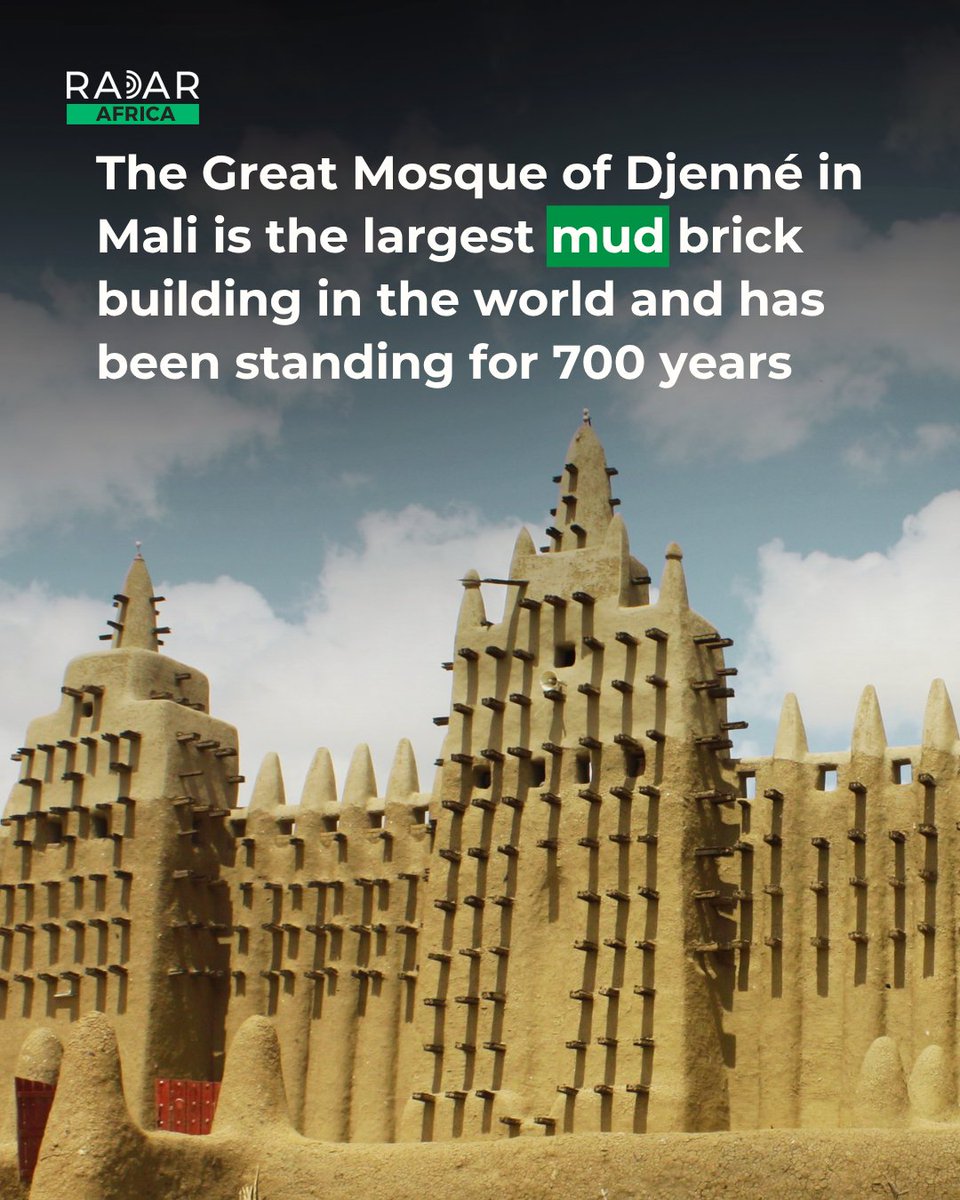
Every year the entire community of Djenné gathers for a festival to replaster the mosque with fresh mud, a tradition that has continued for centuries and is one of the most powerful examples of collective architectural stewardship anywhere on earth.
65


Jun 8
Baffles me how jeets have enough money for extravagant furniture but can't replaster the wall/fix the leak in a country where labour is dirt cheap. 🤦♂️
Jun 7

ایبٹ آباد کے 27 سالہ نوجوان فرحان نے پولینڈ سے تعلق رکھنے والی 66 سالہ خاتون سے شادی کر کے ثابت کر دیا کہ سچی محبت کے سامنے عمر ایک عدد سے زیادہ کچھ نہیں ہے۔

1
2
88

I am no plasterer (although I did live with a bloody good one for a number of years), so I could be off by a country mile here... I wonder if a decent plasterer would even consider patching those holes, but instead replace however many boards in full and then replaster on the top
1
6
165

Anyone who has had to replaster a pool knew this was gonna look boss. Oh, and it does.
26
516

May 25
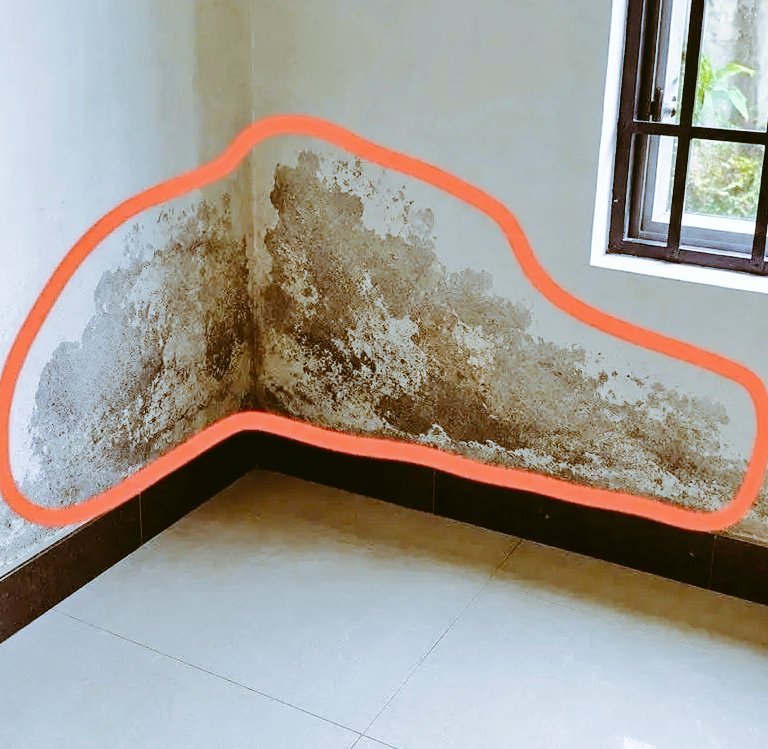
Rising damp
Caused by:
1. No DPC (damp proof course) installation during construction
2. Poorly done DPC
Solution:
1. Hack off the damaged plaster
2. Let the wall dry completely
3. Replaster with waterproof cement mix
4. Fix drainage around the building so water doesn't pool near the wall

Dear engineers on these streets, what is the cause of this 🤔
4
19
33
3,832

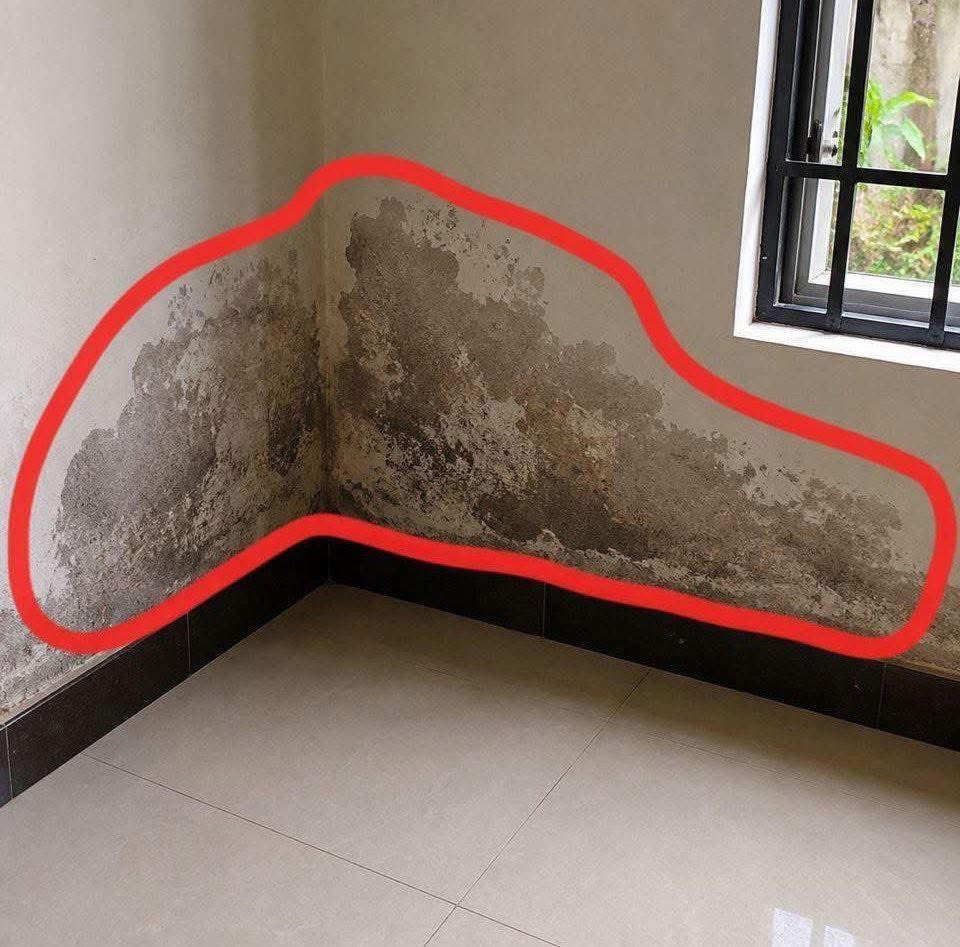
One of the most common causes of WALL DAMPNESS in buildings is Rising Damp.
Rising damp occurs when moisture from the ground travels upward through porous masonry walls by capillary action. The water moves through bricks, blocks, and mortar joints, carrying mineral salts along with it. Over time, this creates visible damage on walls, especially at ground-floor level, usually up to about 1 meter high.
Common Signs of Rising Damp
- Tidemarks: Brown or yellow staining appearing just above skirting level.
- Damaged Finishes: Peeling paint, bubbling wallpaper, flaking plaster, or cracked wall finishes.
- Salt Deposits: White powdery mineral deposits (efflorescence) visible on masonry surfaces.
- Rotting Timber: Damp and decaying skirting boards, timber flooring, or floor joists.
Primary Causes
1. Missing or Failed Damp-Proof Course (DPC)
Older buildings may lack a proper DPC, or the existing damp-proof barrier may have deteriorated with age.
2. Bridged Damp-Proof Course
External soil, paving, debris, or raised flower beds placed above the DPC level can allow moisture to bypass the protective barrier.
3. Poor Drainage or Underground Leaks
Leaking pipes, poor site drainage, or constantly waterlogged foundations can continuously feed moisture into the wall base.
Recommended Treatment Process
Step 1: Confirm the Source
Proper diagnosis is critical. Rising damp must be distinguished from condensation, roof leaks, or plumbing failures. Moisture meters are commonly used to map affected areas accurately.
Step 2: Remove Contaminated Plaster
Hack off salt-contaminated plaster up to approximately 1.2 meters high, or at least 300 mm above the highest visible damp line.
Step 3: Install a New Damp-Proof Barrier
Drill injection holes along the lowest accessible mortar joint at intervals of about 100–120 mm. Inject a chemical damp-proof cream or install moisture-resistant rods to form a new horizontal moisture barrier.
Step 4: Apply Waterproof Protection
Treat exposed masonry with a waterproof tanking slurry or damp-proof membrane to prevent residual moisture and salts from penetrating internal finishes.
Step 5: Replaster and Finish
Use breathable renovation plaster or moisture-resistant plaster systems before repainting or reinstalling finishes.
Important Note
Many people repaint damp walls without solving the root cause. This only hides the problem temporarily. Proper treatment must address the moisture source first before cosmetic repairs are done.

1
2
12
850

May 10
I ran the numbers versus my pool replaster quotes adjusting for size and came out with $3.5 million so half the price
1
5
250

May 10
I did the tiling in my kitchen a few years back and I must've done a good job as when the time came to renovate couldn't pull the bastards off, and so had to pull wall down and replaster it instead.
1
2
163


Apr 29
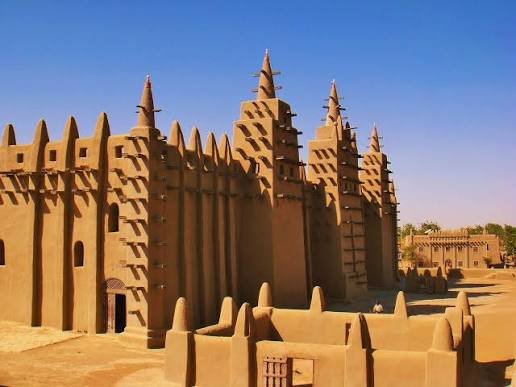
On 24 November 1988, the Great Mosque of Djenné in Mali was officially inscribed as a UNESCO World Heritage Site, cementing its status as the definitive masterpiece of Sudano-Sahelian architecture.
While the original site dates back to the 13th century under Sultan Kunburu, the current structure was finalized in 1907. Built from banco (mud bricks) and supported by toron (palm wood) scaffolding that doubles as permanent decoration, the mosque stands as the largest earthen building in the world. Its survival depends on the Crépissage, an annual community festival where residents manually replaster the walls to prevent erosion.
4
85

Discovering West Africa: World’s largest mud-brick building in Mali!
The Great Mosque of Djenné is a Sudano-Sahelian masterpiece. Every year, the community unites for "La fête de crépissage" to replaster its walls. A true icon of West African heritage.
#WestAfrica #Mali #WATO

2
61

Apr 19
Meanwhile, I have a Grade II listed house and have to seek planning permission to erect a gate, put a gazebo in the garden or replaster the ceiling.
4
95