Bernadette Brown 🇵🇸 🇱🇧 🍉 retweeted

Met Police is already arresting peaceful protesters — and appears to be targeting Jewish protesters for violent repression
Via @skwawkbox
thecanary.co/skwawkbox/2026/…
1
58
95
1,386
who_is_john_galt 🇺🇸 retweeted

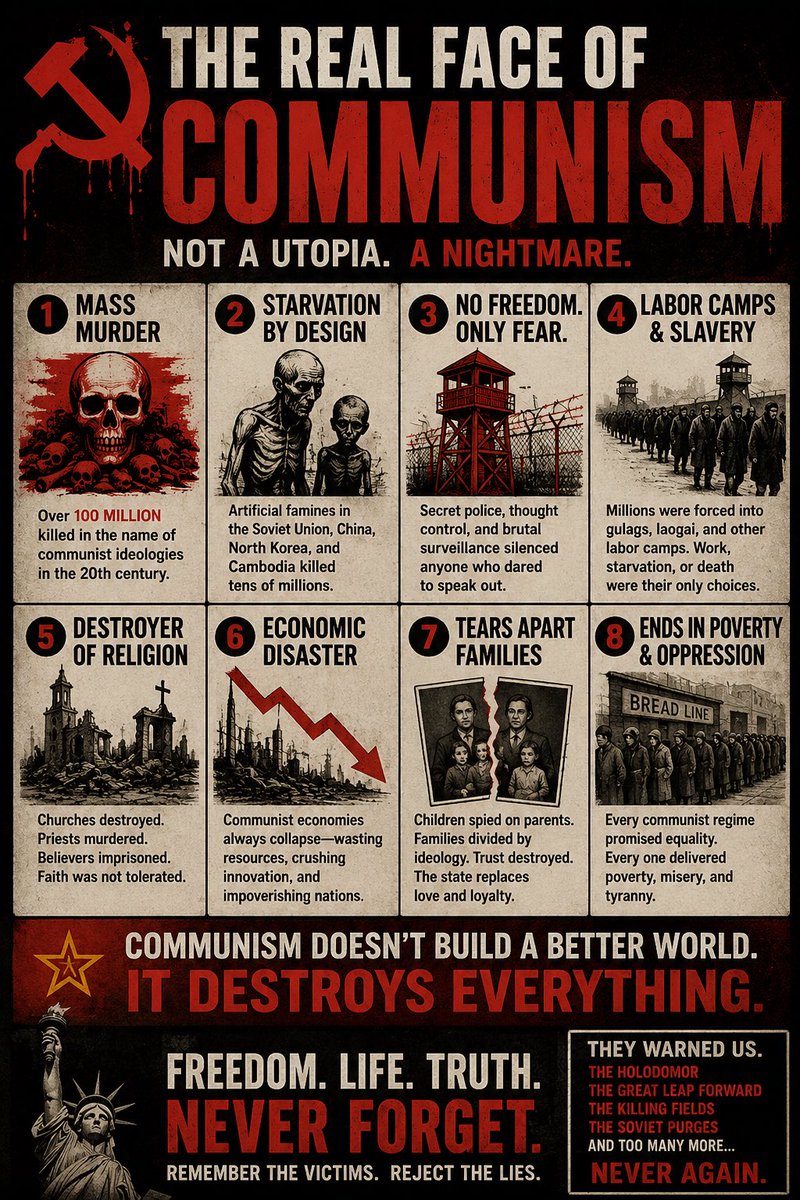
If an ideology repeatedly leads to repression, shortages, and authoritarian rule when implemented, at what point do we judge it by its results instead of its promises?
Communism is not about “equality” but is all about destruction.
14
82
166
2,679

The Iranian regime has deep domestic foundations—its ideology, the economic empire of the Revolutionary Guard, state security institutions, geopolitical buffers, and powerful partners such as Russia and China.
The situation has now evolved into one where President Trump appears eager to reach a deal, while Iran understands Trump’s negotiating psychology very well. Israel, meanwhile, understands the true nature of the Iranian regime better than most.
The real solution to the problem—and the real path to lasting peace in the Middle East—is to eliminate the Iranian regime, which has long been a source of instability and conflict. This regime is not merely a handful of visible officials or military commanders.
Rather, it is part of a broader axis of hostile forces—an interconnected chain of influence involving Iran, Russia, North Korea, and China.
The Iranian regime is a systemic product of theocracy, revolutionary ideology, resource control, and proxy warfare. It has repeatedly sacrificed the welfare of its own people—while ordinary Iranians suffer under economic hardship and political repression—in order to prioritize what it calls the “Axis of Resistance.”
In the coming years, many people will likely witness the Iranian regime continuing to manipulate the United States and exploit perceived weaknesses in American politics. The regime has repeatedly shown a willingness to disregard the interests of its own citizens and its domestic opposition. Even if tens of thousands more people suffer, the regime and the forces aligned with it may continue pursuing their objectives through both direct and indirect means.
Iran has often employed a strategy of delay, brinkmanship, and protracted negotiations, taking advantage of U.S. political cycles and divisions within the international community.
Therefore, if the United States seeks a genuine and lasting victory—peace through strength—it must confront not only the Iranian regime itself but also the broader anti-American forces that support and sustain it.
20

idk i thought that shit was really impactful and reminded me of my own suicide attempts. The unfortunate reality is that repression will kill you and to see it play out that way is realistic. A lot of trans people kill themselves unfortunately
12
The Iranian regime has deep domestic foundations—its ideology, the economic empire of the Revolutionary Guard, state security institutions, geopolitical buffers, and powerful partners such as Russia and China.
The situation has now evolved into one where President Trump appears eager to reach a deal, while Iran understands Trump’s negotiating psychology very well. Israel, meanwhile, understands the true nature of the Iranian regime better than most.
The real solution to the problem—and the real path to lasting peace in the Middle East—is to eliminate the Iranian regime, which has long been a source of instability and conflict. This regime is not merely a handful of visible officials or military commanders.
Rather, it is part of a broader axis of hostile forces—an interconnected chain of influence involving Iran, Russia, North Korea, and China.
The Iranian regime is a systemic product of theocracy, revolutionary ideology, resource control, and proxy warfare. It has repeatedly sacrificed the welfare of its own people—while ordinary Iranians suffer under economic hardship and political repression—in order to prioritize what it calls the “Axis of Resistance.”
In the coming years, many people will likely witness the Iranian regime continuing to manipulate the United States and exploit perceived weaknesses in American politics. The regime has repeatedly shown a willingness to disregard the interests of its own citizens and its domestic opposition. Even if tens of thousands more people suffer, the regime and the forces aligned with it may continue pursuing their objectives through both direct and indirect means.
Iran has often employed a strategy of delay, brinkmanship, and protracted negotiations, taking advantage of U.S. political cycles and divisions within the international community.
Therefore, if the United States seeks a genuine and lasting victory—peace through strength—it must confront not only the Iranian regime itself but also the broader anti-American forces that support and sustain it.
14
Andrew retweeted

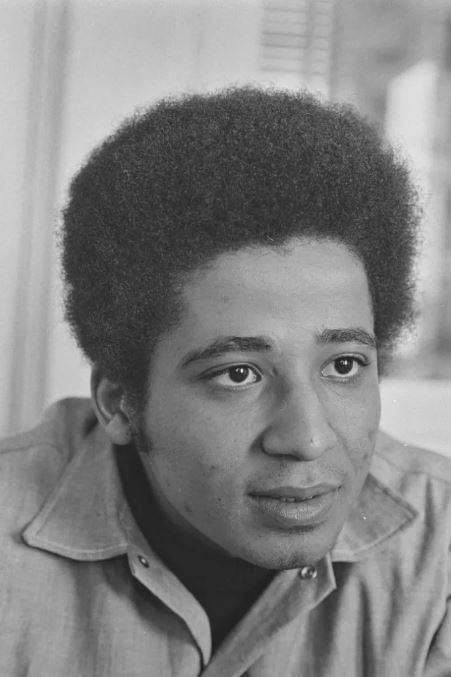
‘If we accept revolution, we must accept all that it implies: repression, counter-terrorism, days filled with work, nervous strain, prison, funerals.’
— George Jackson
67
178
2,388
Vicks_inhaler retweeted

Reminder that not allowing Dehatis to spit, pee and p00p everywhere is perceived as oppression, suppression, repression, depression and benchpression which must be responded to violently. Just a few days ago we saw the video of an autowallah beating up a senior citizen who objected to his spitting and littering.

A minor despute over spitting inside a lift of a housing society in Pimpri's Morwadi turned into a violent scene after a minor attacked neighbour with knife, leading to registration of an FIR in the matter. #Pune
4
23
184
11,518
Mamma 💙 retweeted

Jun 13
UN Special Rapporteur highlights Eritrean Government’s Transnational Repression and abuse of Religious communities in Annual Human Rights Report. Also ongoing sexual abuse during National Service 1/2
martinplaut.com/2026/06/13/u…
3
71
89
3,795
The Iranian regime has deep domestic foundations—its ideology, the economic empire of the Revolutionary Guard, state security institutions, geopolitical buffers, and powerful partners such as Russia and China.
The situation has now evolved into one where President Trump appears eager to reach a deal, while Iran understands Trump’s negotiating psychology very well. Israel, meanwhile, understands the true nature of the Iranian regime better than most.
The real solution to the problem—and the real path to lasting peace in the Middle East—is to eliminate the Iranian regime, which has long been a source of instability and conflict. This regime is not merely a handful of visible officials or military commanders.
Rather, it is part of a broader axis of hostile forces—an interconnected chain of influence involving Iran, Russia, North Korea, and China.
The Iranian regime is a systemic product of theocracy, revolutionary ideology, resource control, and proxy warfare. It has repeatedly sacrificed the welfare of its own people—while ordinary Iranians suffer under economic hardship and political repression—in order to prioritize what it calls the “Axis of Resistance.”
In the coming years, many people will likely witness the Iranian regime continuing to manipulate the United States and exploit perceived weaknesses in American politics. The regime has repeatedly shown a willingness to disregard the interests of its own citizens and its domestic opposition. Even if tens of thousands more people suffer, the regime and the forces aligned with it may continue pursuing their objectives through both direct and indirect means.
Iran has often employed a strategy of delay, brinkmanship, and protracted negotiations, taking advantage of U.S. political cycles and divisions within the international community.
Therefore, if the United States seeks a genuine and lasting victory—peace through strength—it must confront not only the Iranian regime itself but also the broader anti-American forces that support and sustain it.
12
Innocent Dhego Malobi retweeted

#RDC #OPPOSTION #REPRESSION #UDPS
Monsieur @AugustinKabuyaT vous avez encore besoin d’autres preuves ?
 Andy Ledia
8
33
74
2,617

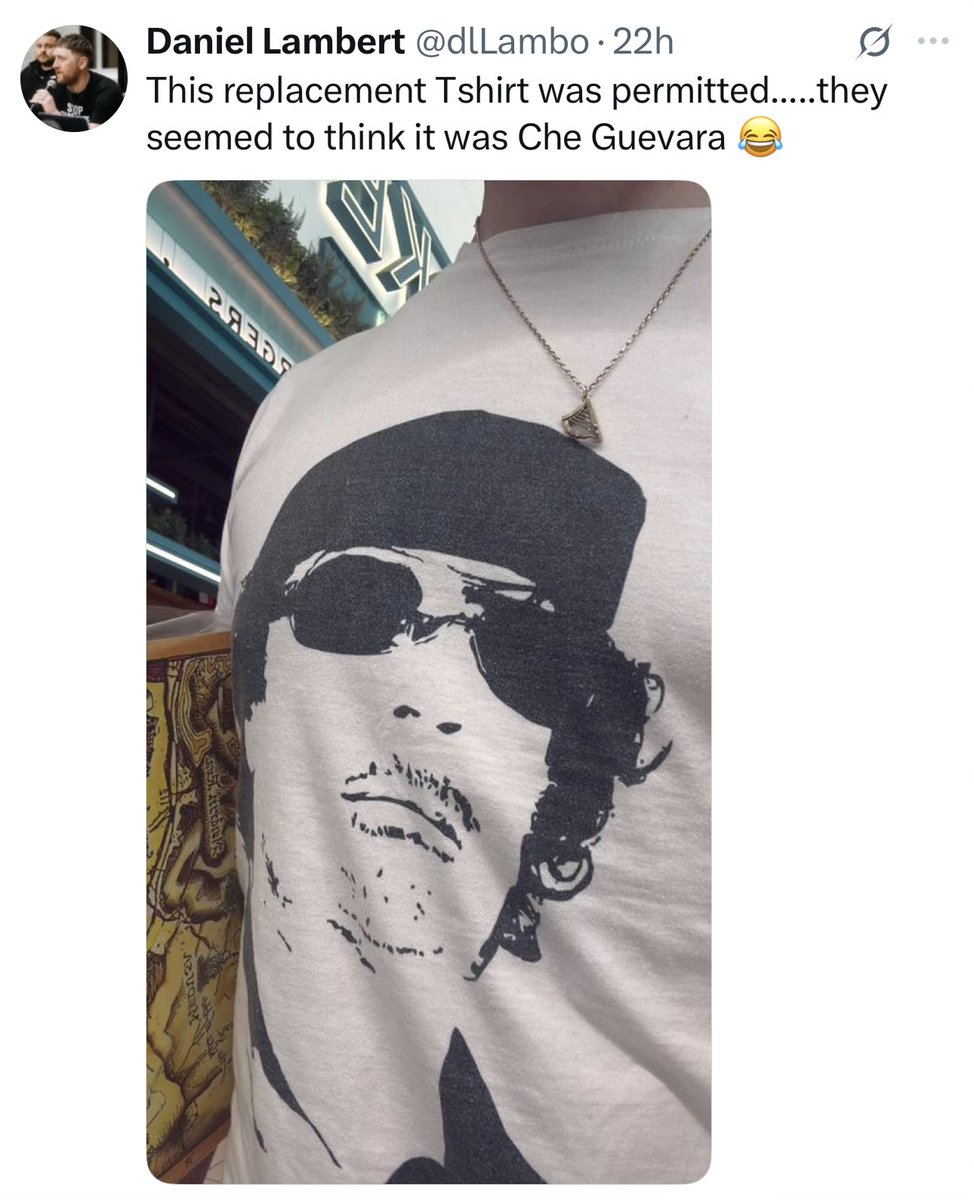
Kneecap’s manager Daniel’s back-up t-shirt to board a plane is Colonel Gaddafi 🤪 who the ICC issued arrest warrant for, after the unlawful killing of civilians.
Gaddafi also enjoyed torture, arbitrary detention, and enforced disappearances of thousands. Pro-Gaddafi forces committed rapes and sexual assaults, including gang rapes, as part of the repression. Also a fan of cluster bombs, landmines, public executions and the recruitment of child soldiers.
Fanboying a mass-murderer, whilst crying relentlessly about “Free Palestine”. Par for the course with this lot.

Lol
Well done @Gatwick_Airport !! 👏🏻 👏🏻 👏🏻
1
2
158
Mamma 💙 retweeted

UN Special Rapporteur highlights Eritrean Government's Transnational Repression in Annual Human Rights Report martinplaut.com/2026/06/13/u…
11
14
249

die Schau der Repression, d.h. lügen auf Befehl, denn wenn #Putin das wüsste, wäre das nicht passiert ❗👇❗

Putin was lied to that the Russian army is gradually moving near Zaporizhzhia.
4
Hadia Niazi retweeted

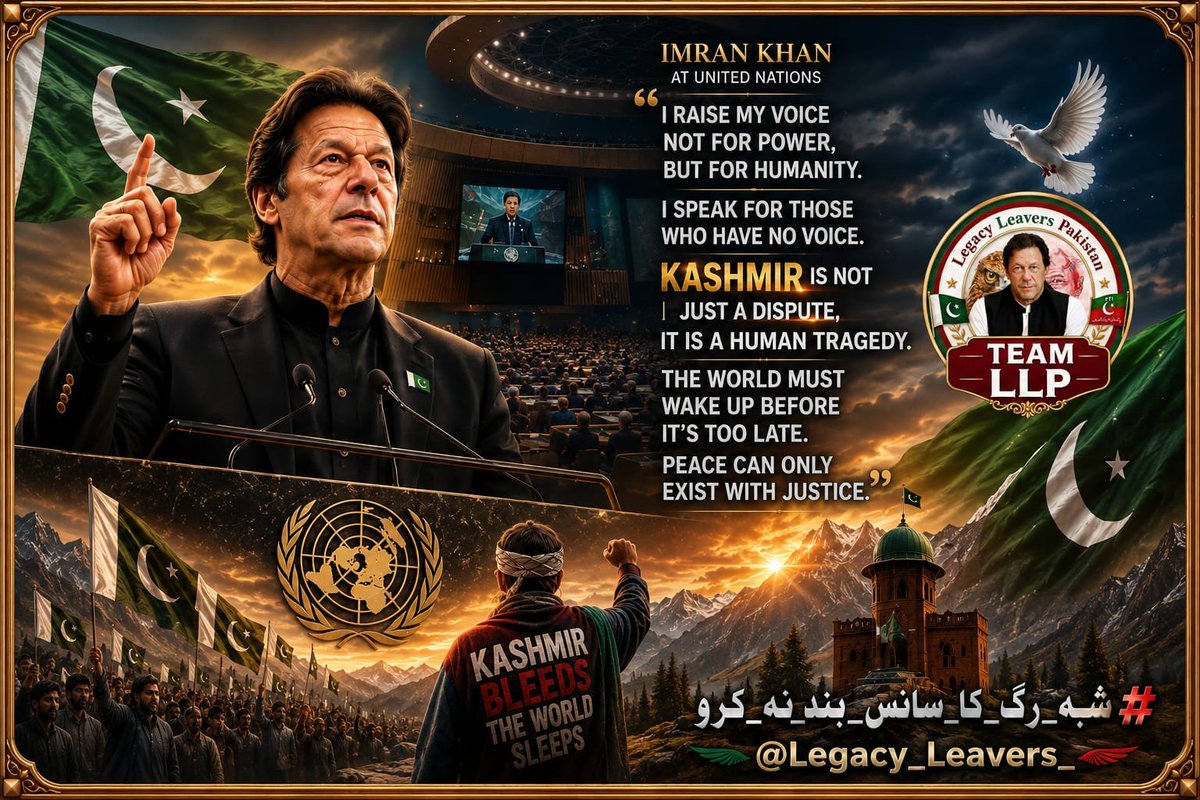
The use of force and repression will not bring about a lasting solution to the issues faced by the people of Kashmir.
#شہ_رگ_کا_سانس_بند_نہ_کرو
@Legacy_Leavers_
7
8
Navamy retweeted

The message of Main Vaapas Aaunga- the wounds of partition will find healing neither in retribution nor in repression.
3
32
1,102