John L retweeted

Jun 13
Dan Bilzerian says his Social Media is not focused on his "Campaign" in response to Nick Fuentes & the Groypers in his replies.
34
24
659
36,087
T-800 retweeted

This is an attack on democracy, and the first response should be to bomb them
Jun 12

🚨 🇮🇱 THIS IS MASSIVE
An ISRAELI CYBER FIRM just got exposed for running a GLOBAL ELECTION INTERFERENCE OPERATION across five countries, simultaneously.
Read that again.
The moment journalists called BlackCore for comment, the company DELETED ITS ENTIRE INTERNET PRESENCE
This is what a ROGUE STATE does when it can’t win the argument.
[More details in the replies 👇🏼 ]

31
417
1,860
28,187
Upendra retweeted

Sullurpeta morning show sold out! ❤️🔥🔥🔥🔥🔥🔥🧨
Epic response and superb Sunday momentum! 💥🔥
#PEDDI ❤️🔥🔥🔥🔥🔥🔥

1
38
97
824

 Arjun
Arjun
 ESPN
ESPN
jjekai 🌿 retweeted

Jun 12
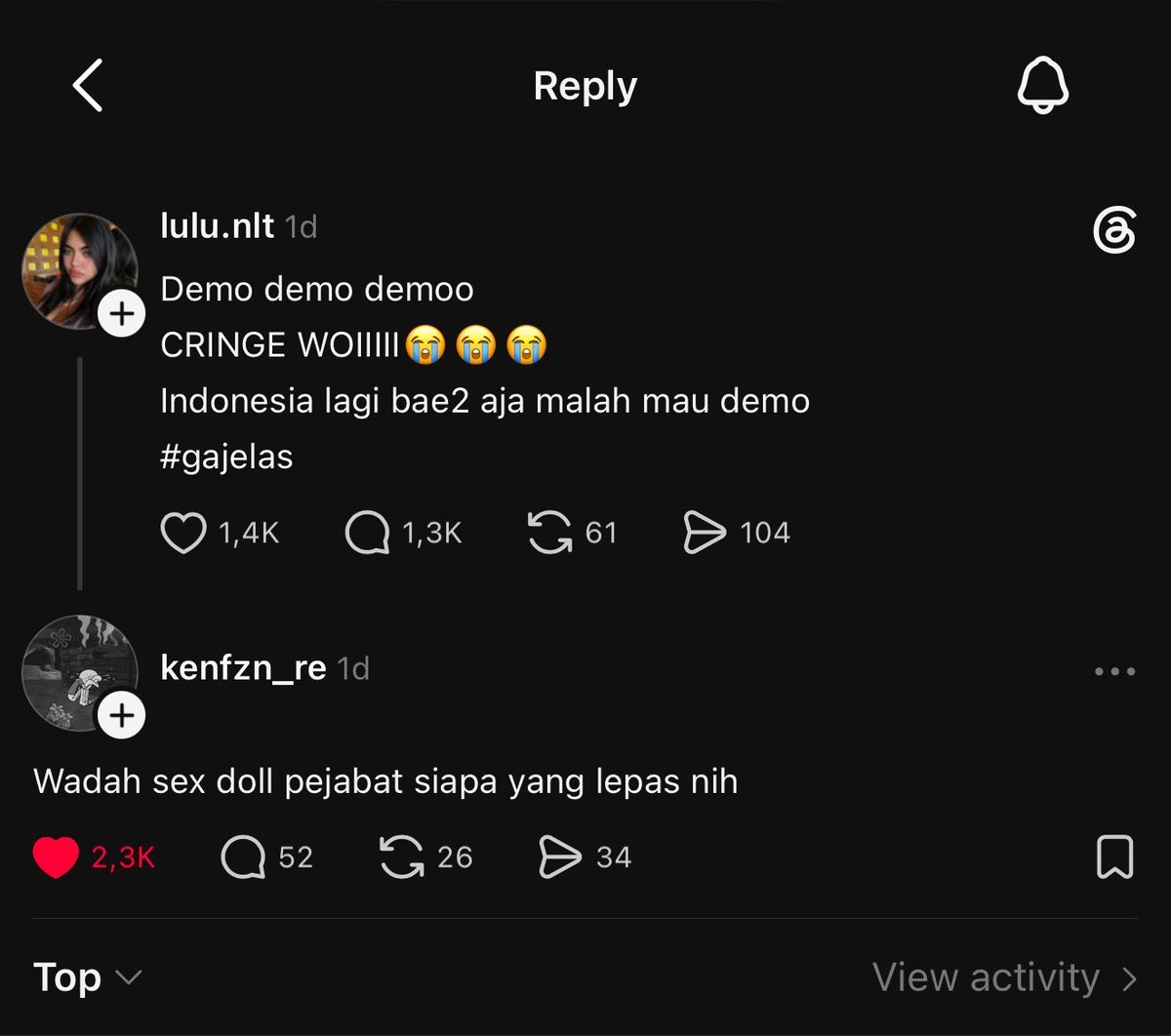
intersectionality in play. apakah nih cewe salah? tentu jelas. tapi calling her a sex doll in direct response to her stupidity is proof that women are always being objectified by men.

5
965
4,598
61,339
Dike Clinton Chisom retweeted

He thought kneeling would fix everything... wait until you see her response.
14
63
73
446
Aaron Wynter, Jay Cook retweeted

Jun 12
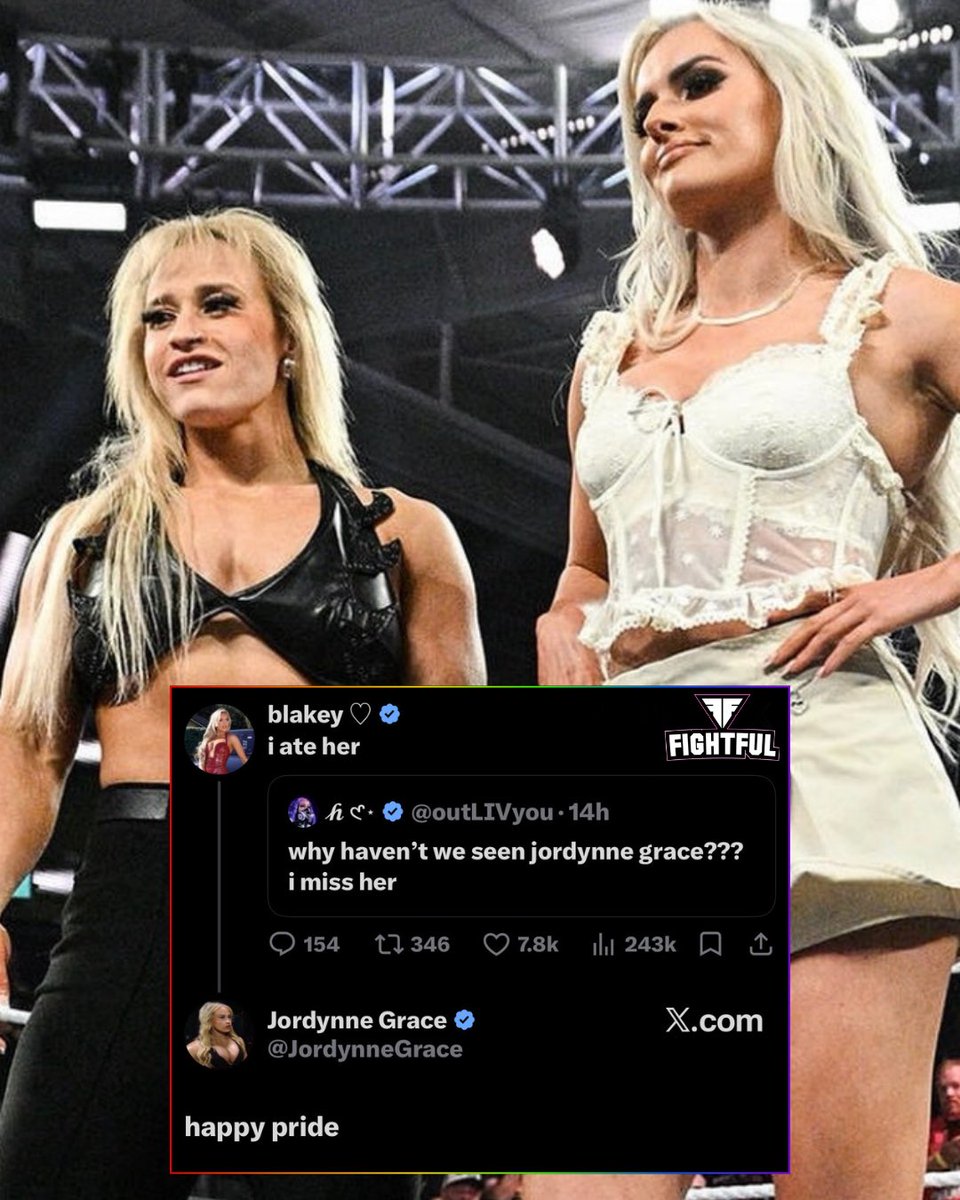
Jordynne Grace’s response to Blake Monroe’s tweet
😂
15
314
7,283
136,202
Haji Basha⛽️🪵💥 retweeted

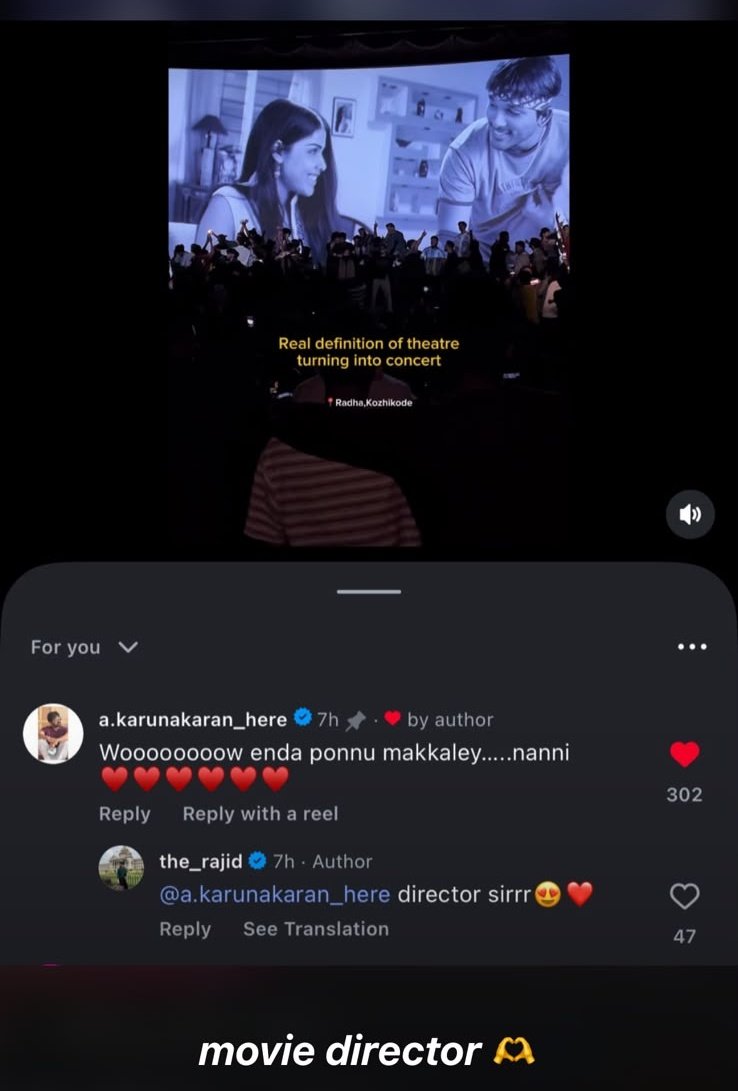
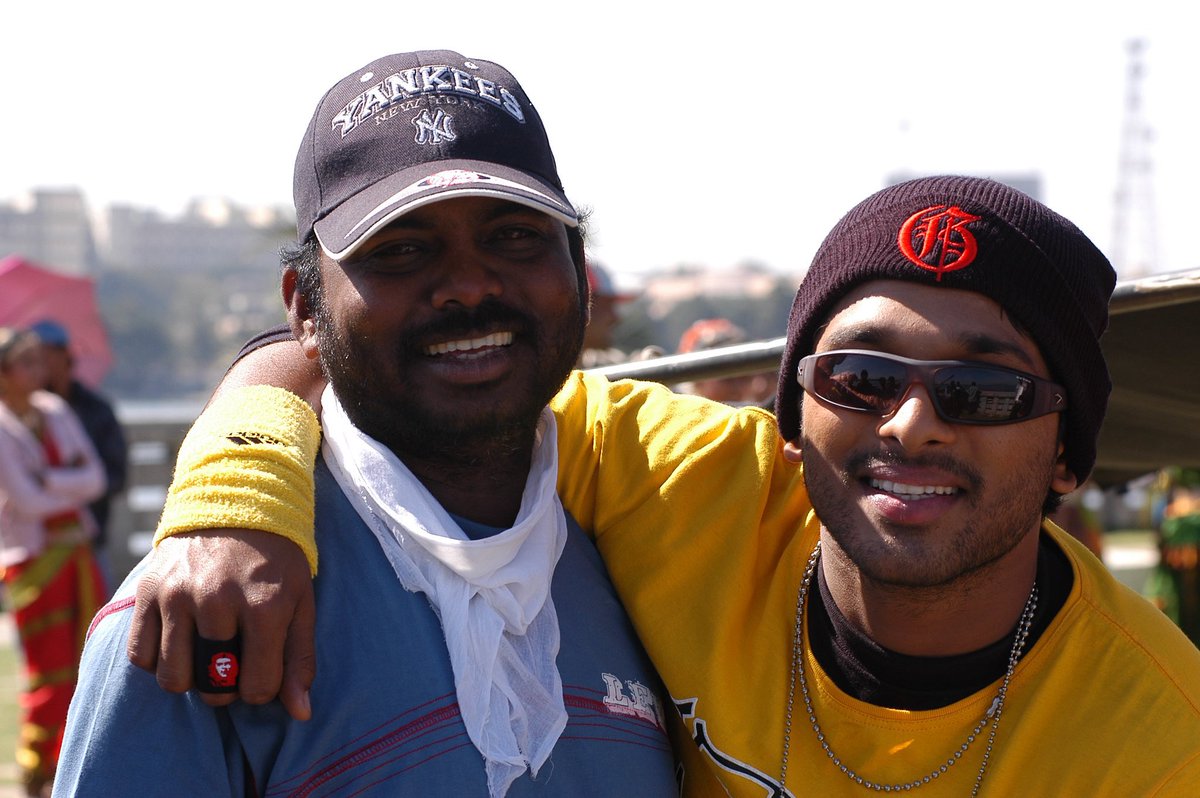
#HappyBeHappy director #Karunakaran thanking @AlluArjun Malayali fans in Malayalam 🙏♥️
He is so happy with the response 🥹♥️
#Happy4K
1
213
634
5,594

There is nothing even coherent in this response

expectations from life are so high that they’re scared they won’t be able to fulfill their family’s needs, and rather than working hard for the same; having no kids is what your whole generation’s combine response is”
this man is making sense and i lowkey hate that

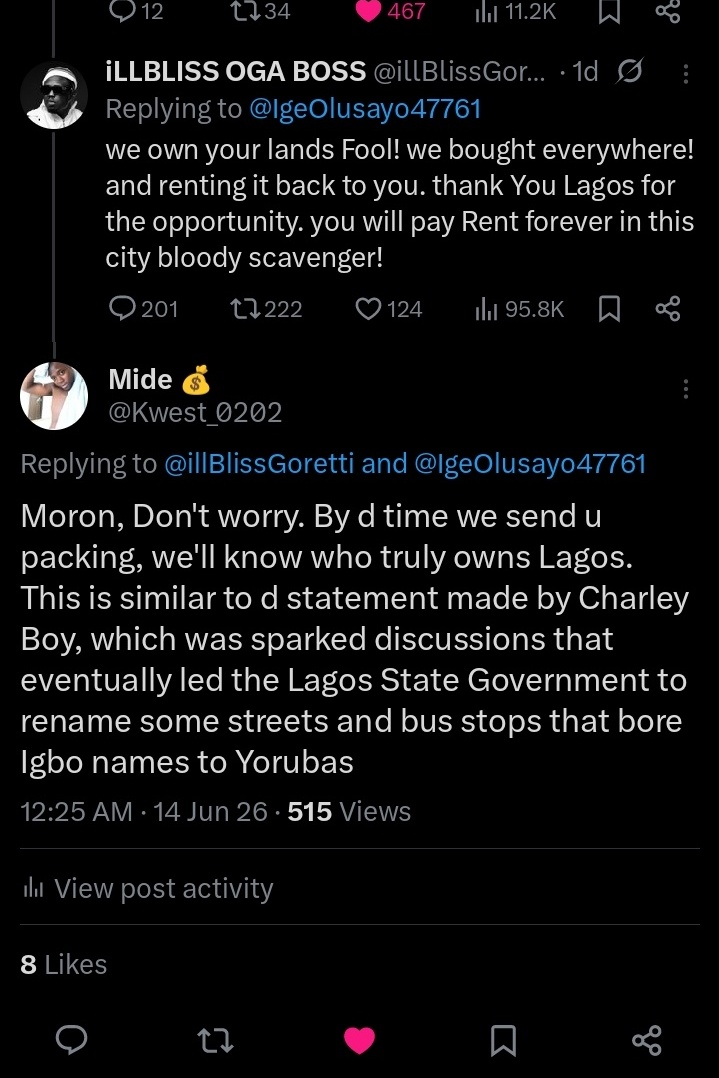
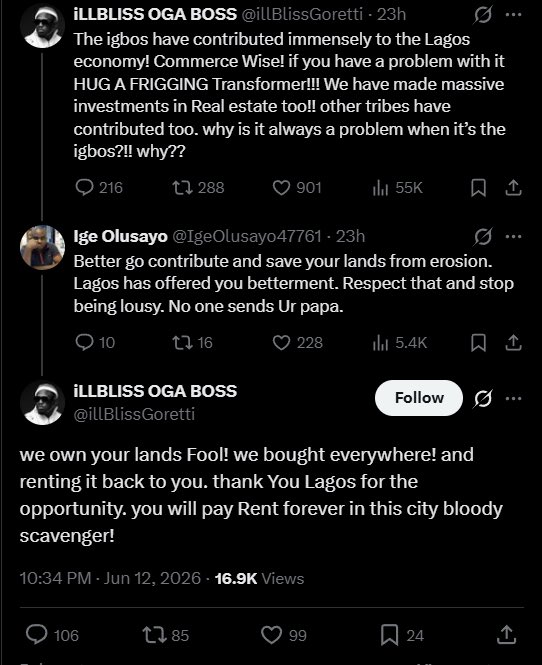
Here is my response to the nonsense he posted. This guy is making things more difficult for Igbos living in Lagos because statements like this are unlikely to sit well with many Yorubas. I swear, it is a very provocative statement... You @illBlissGoretti will pay for it.


19s
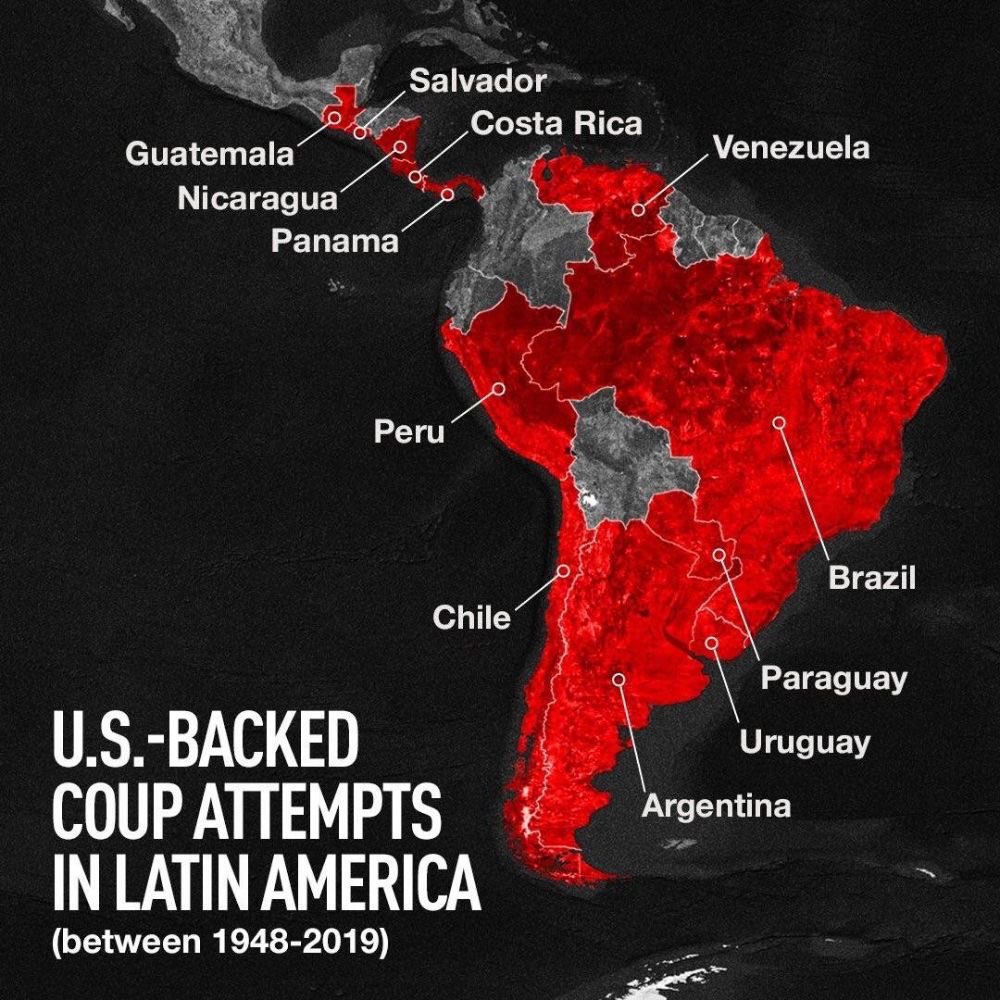
US REGIME CHANGE OPERATIONS
🚨 #Grenada (1983) —-
From 1979 onwards, the #Caribbean state of Grenada increasingly aligned its politics with those of the Soviet Union.
When incumbent Prime Minister Maurice Bishop sought to appease the US, he was deposed and assassinated by military units.
Against this backdrop, then-US President Ronald Reagan, supported by several Caribbean states, launched an invasion.
However, this happened against strong opposition from the British government, which viewed the Commonwealth member as under the UK's sphere of influence. After the withdrawal of US troops, a #British governor oversaw transition and elections in 1984.
📌 #Guatemala —
In 1954, elected Guatemalan President Jacobo Arbenz Guzman was toppled by local fighter groups backed by the CIA under US President Dwight Eisenhower.
Arbenz had sought to nationalise a company, stoking fears within the US of more socialist policies in Guatemala.
Under the CIA’s Operation PBSuccess, the agency trained fighters led by military officer Carlos Castillo Armas, who took power after the coup.
A civil war raged in Guatemala from 1960 to 1996 between the Guatemalan government and military on one side, and leftist rebel groups on the other
📌 #Cuba ( 1960) —
In 1959, #Cuban communist leader Fidel Castro came to power after overthrowing dictator Fulgencio Batista.
Under #Eisenhower, the CIA devised a plan to train Cuban exiles to invade the country and overthrow Castro.
US President John F Kennedy, a Democrat who won the 1960 election, was briefed about the plan during his inauguration.
Castro found out about the training camps through Cuban intelligence.
In 1961, Kennedy signed off on the Bay of Pigs Invasion, a plan for the Cuban exiles to overthrow Castro.
However, the invasion failed when the Cuban military overwhelmed them.
📌 Brazil ( 1960 ) —
In 1961, Joao Goulart came to office as president of Brazil, with a mandate to pursue social and economic reforms.
He maintained good relations with socialist countries such as Cuba and nationalised a subsidiary of the US-owned International Telephone and Telegraph (ITT).
In response, the CIA funded pro-US politicians and supported anti-communist groups.
This undermined Goulart’s leadership, culminating in a military coup in 1964, which established a US-friendly dictatorship that would last until 1985.
📌 #Ecuador —
After going through 27 presidents between 1925 and 1947, Ecuador witnessed a rare period of stability in the 1950s.
It was not to last. By the early 1960s, the US was worried about the pro-Cuba policies of President Jose Velasco Ibarra and his Vice President Carlos Julio Arosemena, who advocated for closer relations with Soviet bloc nations.
The CIA, using US labour organisations as its conduits, financed the spread of anti-communist sentiment in the country
#DominicanRepublic #Cuba #Myanmar #Trump #موجب_الرِياض #Iran #Tehran #Pakistan #RahulGandhi #WeAreOlympiacos #Ukraine #G7Summit2026 #G7Summit #France #MariaCorinaMachado #Cuba #LatinAmerica
1

19s
"This country is beautiful, and it is worth fighting for. And the Jewish community thinks that wholeheartedly. All we want in response is for Australia to fight for us as hard as we fight for Australia."
– AIJAC Executive Manager Joel Burnie on 2CC Canberra Radio with Stephen Cenatiempo.
Video: 2CC Canberra Radio / AIJAC.
Paul Norton retweeted

5/5
The WMA Congress meets in Rotterdam this October to consider this petition.
The right response is simple: reject it. Unanimously.
Medicine must heal, not divide. Medical associations should be judged by standards of medical ethics — applied equally to all 117 members, based on evidence, not political pressure campaigns.
The moment we expel medical bodies based on political litmus tests is the moment we destroy the neutrality that makes global medicine possible.
Defend the IMA. Defend medical neutrality. Defend the principle that a physician's allegiance is to the patient — not to the mob.
The Lancet should be ashamed. And every physician who values science over activism should say so — loudly — before October.
1
38
293
2,963

no, bitch, someone needs to respond to you jihadis, so that's called a response; keep your jihadi opinions up your fucking pisslamic ass and none will give a fuck about you, ugly bitch
1
kushal meena retweeted

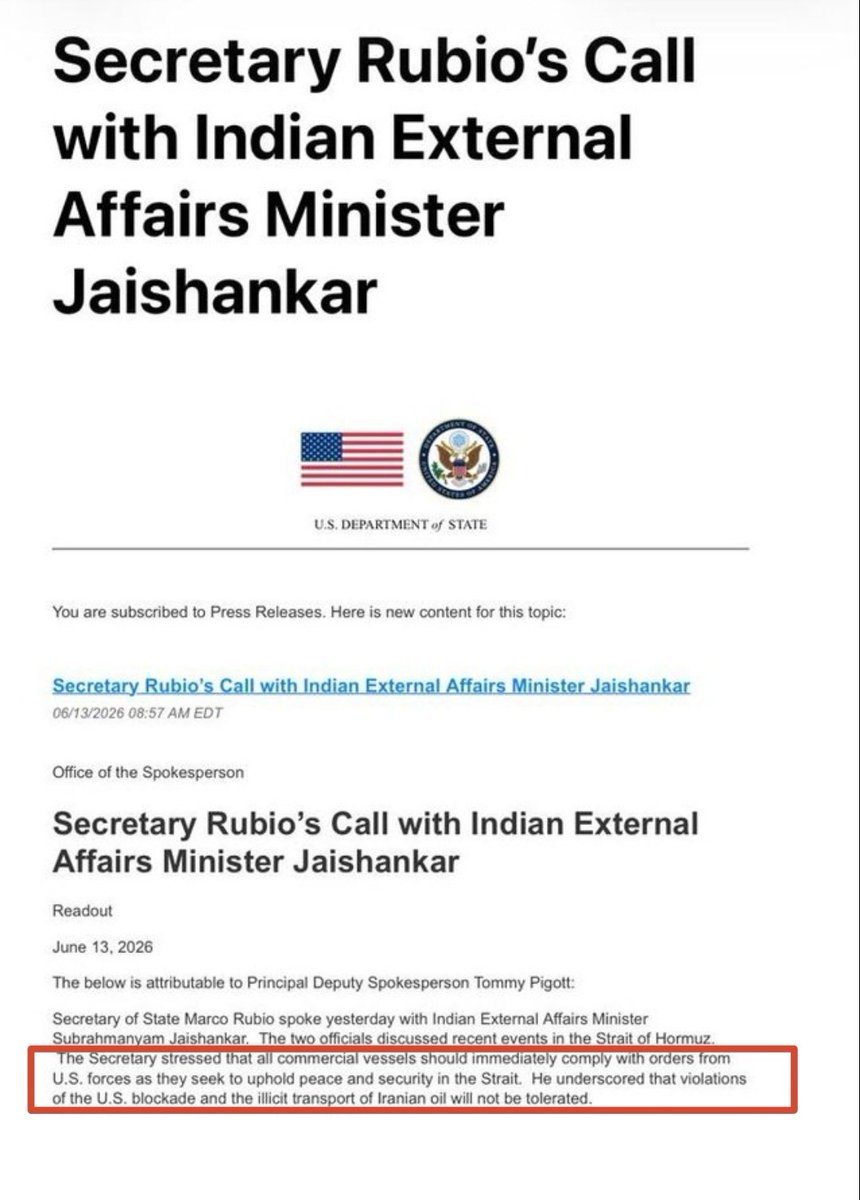
And here is Laal Aankh response by US Secretary of State Marco Rubio.
Jun 12

Spoke to US Secretary of State Marco Rubio this evening. I reiterated India’s strong protest at the attacks by the US Navy in the Gulf that killed three Indian mariners. Such lethal actions against commercial shipping are not justified.
155
1,865
6,706
125,724
SSRK Fanatic ✰ C🕶️lie retweeted

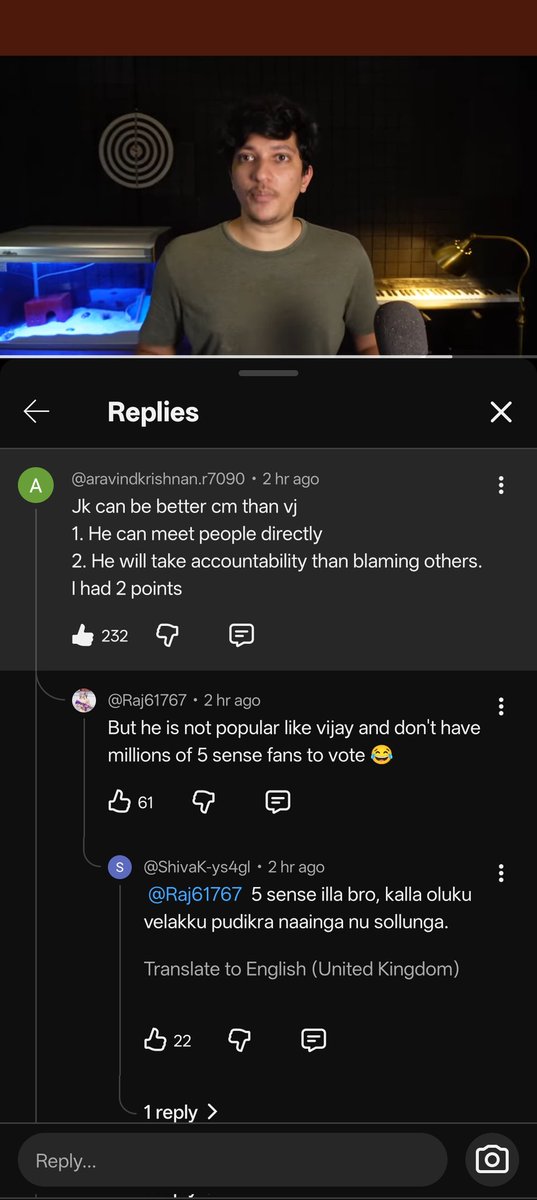
Youtuber JK faced 15hrs powercut when he reached EB team no response etc.
1
18
72
947
Tilly retweeted

I don't want to hear another gaslighting establishment arsehole claim that the response to this was the result of anything other than the actions of the evil invading savage who did this.

It’s now been reported that Steven has sadly lost sight in both eyes after he was so violently attacked and nearly beheaded by a vile foreigner in Belfast the other day ,so not only is he a vulnerable adult who had hearing loss he now is blind. Well done to the British government
4
12
181