
Lazard bids to replace Centerview as Venezuela's financial advisor, offering a $25 million fee compared to the $150M Centerview was negotiating. This comes as Venezuela seeks to restructure one of the world's largest sovereign defaults, with liabilities exceeding $150B.

5
nadine gerard retweeted

Orbán reste aux commandes du Fidesz ! Battu en avril par Péter Magyar, l’ex-Premier ministre hongrois restructure son parti et prédit l’échec du nouveau gouvernement libéral. « Les Hongrois seront bientôt déçus ».
#ViktorOrban #Hongrie #Fidesz #Europe
L'article en 1er commentaire👇

1
11
32
1,229

You guys know the solution
But you are scared of the consequences that’s all
Amend the constitution
Only indigenous people can vote and own land
Or restructure Nigeria to regional government
You can’t get what you want in this one Nigeria
10

13m
How many children have been deported since January 2025?
The length of detention of children has increased significantly. Pre-2025 averages were typically in the 27–33 day range for FY2021–2024 (e.g., ~30 days in FY2024), not 26.
news.bloomberglaw.com
The increase has been dramatic under the current administration: monthly averages for discharged children rose from ~37 days in January 2025 to 112 days in March, peaking around 217 days in April 2025, with figures in the 150–190 day range through much of 2025 (e.g., 179–182 days for those still in care by August/September 2025 reports). As of mid-2026 data references, the elevated lengths of stay persist amid stricter processes, though exact current daily averages fluctuate with lower referral volumes.
youthlaw.org
This is "extreme" in the sense of a 5–7x increase from the prior norm, shifting ORR from short-term shelter care (intended for quick family reunification) to much longer-term holding. Proponents argue it's necessary for thorough vetting to prevent trafficking/exploitation seen in prior surges. Critics (advocates, legal nonprofits) call it de facto prolonged detention harming child welfare, with reports of distress in facilities designed for brief stays.
nysfocus.com
Causes of Longer Custody TimesStricter sponsor vetting: Expanded fingerprinting/DNA for all household adults, original ID requirements, broader background checks, and reviews of prior "super sponsors." This catches risks but delays approvals, especially for non-immediate family or those with any immigration issues.
e1.nmcdn.io
Lower inflows but backlog processing: Referrals dropped sharply (tens of thousands vs. 100k /year previously), allowing focus on rigorous reviews retroactive checks on earlier cases.
Policy emphasis: Prioritizing safety and enforcement over speed, reversing some Biden-era accelerations.
Legal Services FundingYes, the administration moved to reduce or restructure federal funding for legal representation of unaccompanied children (e.g., stop-work orders and contract terminations in early 2025 affecting programs serving ~26k kids). This was challenged in court, with preliminary injunctions restoring some funding, but ongoing disputes, delays, and new RFP restrictions (e.g., reporting requirements, virtual orientations) have created instability.
immpolicytracking.org
Impact on court decisions: Unaccompanied children do not have a guaranteed right to government-funded counsel (unlike some other systems). TVPRA encourages "to the greatest extent practicable" access to attorneys, but many previously relied on funded pro bono/legal aid for screenings, asylum claims, and release advocacy. Reduced support means more children appear in immigration court unrepresented or with delays, slowing individual case resolutions and potential releases. "Mega hearings" and backlogs exacerbate this. However, immigration courts (EOIR) handle final removal/asylum decisions separately from ORR custody/release—legal delays don't directly "block" sponsor placement but complicate overall timelines.
Not primarily for "swift release": Pre-2025 faster releases often occurred via administrative sponsor vetting rather than full court wins. Longer ORR stays now stem more from vetting/enforcement than court backlogs alone.
Private Detention IndustryORR care uses a network of shelters, group homes, and therapeutic placements (many contracted to nonprofits and for-profits like Southwest Key). The dramatic drop in new referrals has likely reduced overall ORR bed demand, but longer average stays per child increase per-child costs and occupancy duration.Broader immigration detention (ICE for adults/families, not core ORR UAC shelters) has seen major expansion under Trump 2.0:Billions in new contracts to private operators (GEO Group, CoreCivic) for adult/family facilities, reactivation of sites, and military/tent-based capacity.
This supports mass enforcement goals, with private firms profiting significantly (hundreds of millions to billions in obligations).
opensecrets.org
ORR-specific contracting has faced scrutiny (e.g., past issues with providers), but the surge in lengths of stay has kept some facilities busier longer-term despite fewer entries. Critics tie funding shifts and vetting to indirect benefits for operators via sustained populations; the administration frames it as child safety enforcement. No evidence shows deliberate "expansion of private detention" as the goal for UAC policy—it's a byproduct of prioritizing vetting over rapid release.
stateline.org
Trade-offs are real: stricter rules reduce exploitation risks documented in prior years but extend government custody (with associated trauma/costs) and strain legal access. Data draws from ORR/HHS reports, CRS, OIG, and cross-checked analyses from various outlets.
5

This is just a single example of why we should strip wealthfare, life-long alimony, ristrict child support n make it criminal to use on anything but the chikds expenses and complete restructure Marriage n Devorce!

For 3 and half years in her marriage and already having kids for her husband, she has been ch€ating with this guy who spends a lot on her, and also has keys to his crib
She told the side man she wants to pack in with her kids that she doesn’t love the husband. Side man objected 😂 and she claimed the side man has been using her all these while 😂😂😂
The side man said she got it all wrong , they’re grown ups doing what grown ups do .
She asked him if he welcomes other girls and spend on them as much as he spends on her, he said yes , she got so jealous 😂😂 .
Delusional of her to even think the side man will settle for a lady like her 😭
5

20m
Task for today
1.Deploy new LawalX Tech website LawalX.com
2. Fix error encountered by instructor while trying to create a lesson.
3. Restructure the architecture of the quiz of the LMS
4. Deploy LMS after fix
5 upload all students in csv into the school portal before hand over of the school management portal to the new client…
5. Help fix a friend website built on Wordpress showing malware warning.
What’s your task for today?

1
4
teeyteey retweeted

They had to restructure their football leadership after their disappointing season. We'll see how it goes this season.

🚨🔴⚫️ AC Milan are closing in on Markus Krösche to be appointed as new Head of Football. Final steps.
Follows club plan to appoint Rúben Amorim as new head coach. 🇵🇹
Krösche will be joined by Timmo Hardung, per @MatteMoretto.
🎥 youtu.be/Ce4XAzf2Xvw?si=j1FS…

1
2
6
238

A senior Lucid Motors executive is departing as the company’s new CEO continues to restructure the leadership team. The leadership changes come as Lucid focuses on execution, growth, and navigating an increasingly competitive EV market.
Read more:
techamerica.ai/senior-lucid-…

1

Microsoft is a has been company falling behind in the AI race just like they did the internet need massive layoffs inside this business then restructure as a more efficient company and bring in better talent to much dead weight
578

54m
I am not denying that an X-Successor might be good to have in the market.
But it has to be a new codebase with a clear goal of cleaning it up because the old X11 is borderline unmaintainable. That does not mean it has to be a complete re-write, but it has to have the goal to restructure it in a way so it can keep living.
8

🔴 Goldsmiths University enters third restructuring in five years, triggering indefinite strike
Staff at Goldsmiths, University of London began an indefinite strike June 8 in response to a restructuring plan targeting 22 million pounds ($29.5m) in savings, with more than a fifth of the workforce at risk of redundancy.
This marks the third restructure in five years. The university imposed a lockout with 100 percent pay deductions on staff participating in a marking boycott that began April 27.

9
Finance Dawg retweeted

This is hilarious
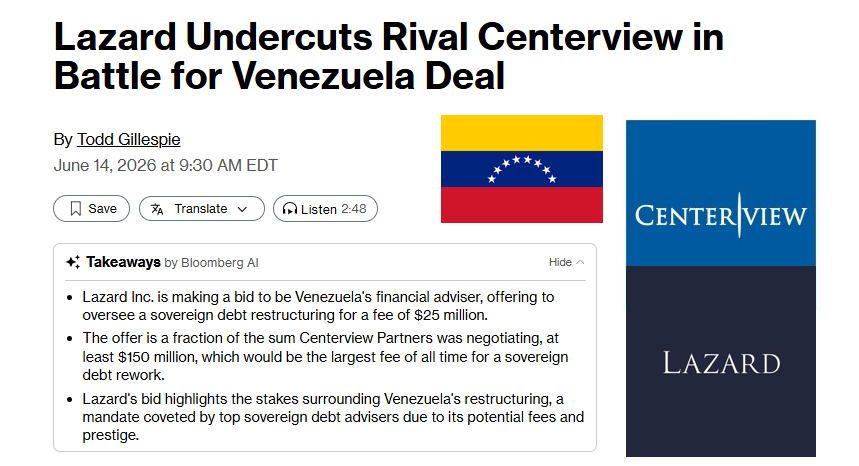
Centerview asked $150mm to restructure Venezuela
Lazard counteroffered at...$25mm, which is 83% lower
Look, I am the first one to believe restructuring advisors should get paid, but Centerview asking $150mm for Venezuela and justifying it by saying it corresponds to 0.1% of total debt restructured is kind of hilarious
And finally, great stuff by Lazard really undercutting them and matching the sum paid to advise Greece ($200bn of debt)
9
19
352
51,571

Same man, even I am skeptical now but on the bright side I don't think they are willito spend years trying to make 3 games identical to nu-gow games which will need them to wholly restructure the game which will take ample resources and huge time prolly decades

1
30