

Additionally, for 10s after Rosaria casts Rites of Termination, her crit damage increases by 300% and her final damage dealt increases by 200%.
Would also be great
2

No, they are not Roman Catholics. While they submit to the Pope of Rome, they do not consider themselves Roman Catholics. They have their own identity, culture, and customs. Rome has written on this subject. It is also why they won't let them switch from Eastern to Roman Rites.
2
7
DALHATU YUNUSA retweeted

15h
All happened Within 24 hrs,'for his burial to in line with islamic rites,his remains were handed over to the state government',.....
Sai Godiya
1
1
3
293

No shit. Ever heard of the doc "cave of bones"? Fist sized monkey brains were in the stone age, had art and burial rites, hundreds of thousands of years before us.
5


Provided the priest does that. It is not a thing in most Eastern Catholic rites.
5
Yes, there is. The default ordinary is the Novus Ordo. It is literally call the ordinary of the Roman Catholic Church. Byzantine Liturgy is of the "Eastern" Catholic Rites. They are not "Roman" Catholics. It was fall under Catholic.
2
13
maleficiumマレフィキウム公式 11/9(月)東京キネマ倶楽部単独公演決定 retweeted

【6/26(Fri)淺草VAMPKIN主催公演公開】
🥀 Upcoming Rites ── 知恵の蛇女覚醒
── 狂気の夜明けに新たな毒が廻り始める
虚無に満ちたこの世界を
徹底的に黒く塗り潰すため
我々は深淵より新たな闇の住人
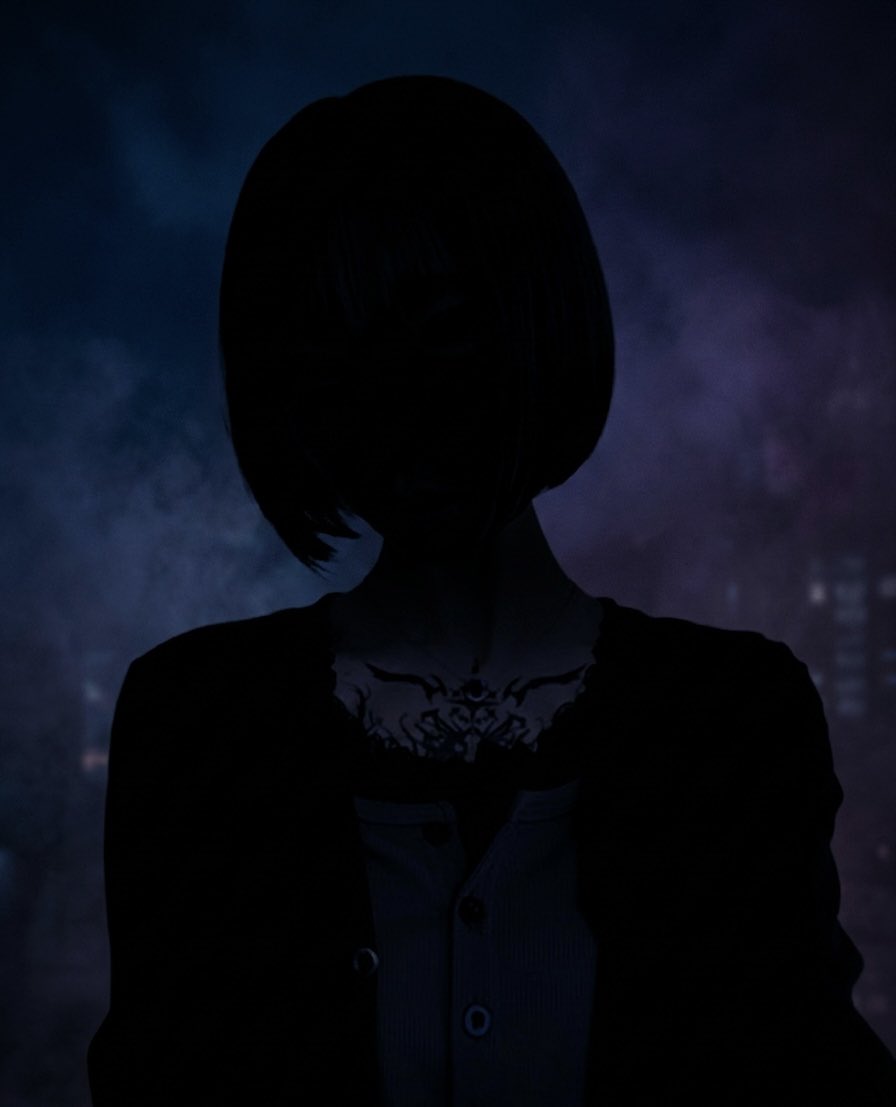
「知恵の蛇女(ヨルムンガンド)」
を召喚した
6/26(金) 浅草VAMPKIN
数多のアーティストたちが交差する
この夜我々はラストの20:50〜にて
新体制という名の劇薬を投下する
彼女がもたらすのは救済か
それとも世界の終わりか
鼓膜を破るほどの美しき轟音のなかで
新たな聖痕をその胸に刻み込んでほしい
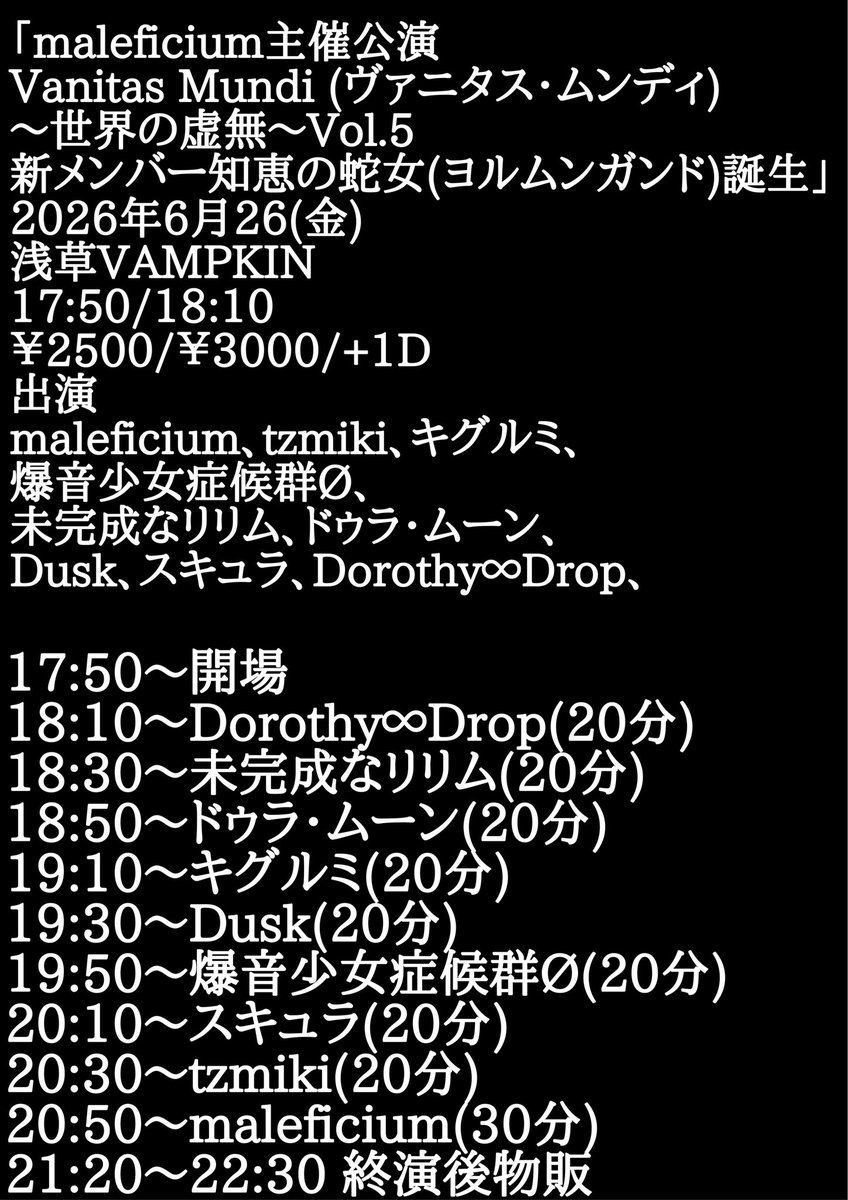
🗓 「maleficium主催公演 Vanitas Mundi (ヴァニタス・ムンディ)〜世界の虚無〜Vol.5 新メンバー知恵の蛇女(ヨルムンガンド)誕生」
2026年6月26(金)
浅草VAMPKIN
17:50/18:10
¥2500/¥3000/ 1D
出演
maleficium、tzmiki、キグルミ、爆音少女症候群Ø、未完成なリリム、ドゥラ・ムーン、Dorothy∞Drop、Dusk、スキュラ
予約サイト↓6/5(金)21:00〜予約受付開始
livepocket.jp/e/vm_vol_5
maleficiumの出演
20:50〜(30分)
予約特典
※いずれかどちらか1つのみ選んでください
★maleficium特典
何とこの日限定の
maleficiumポスター風キャプコレを配布
このキャプコレはこの日のみの限定バージョンです
★蛇女(ヨルムンガンド)特典
新メンバーからのメッセージカード
※こちらは予約特典の都合上前日の
6/25(木)23:59までに公式へサイトにてご予約の上DMにてメセカ希望と必ずご連絡ください。
#maleficium #マレフィキウム#VanitasMundi

11
41
3,284

Ya aucune marionnette, il y a seulement des faits. Excisions en masse, mariage de petite fille, levirat, les rites etc etc tout ça fait parti de la culture africaine. Et cette culture est pedophile. C’est écrit noir sur des études, des rapport et des analyse du monde entier.
1
5

Le « vous » concerne les sénégalais. Mais bcp d’autres pays dans cette zone.
Si les marrabouts sont légion au Sénégal ce n’est pas pour rien c’est que beaucoup de monde y croient
Et même au Maroc je vois les sénégalais à Fes, avec des rites qui n’ont rien avoir avec l’islam
7

Prioritizing Church wedding over the Prayers and traditional rites inside your father's parlour is anti-Human and anti-African
1
10

Blessed Sunday
I wanted to share this message before you watch the video. It might be another point but still related, and all these claims come from one source.
If it is said that doctrines such as baptism, the Eucharist, the priesthood, and church tradition are not part of the apostolic faith, but rather errors and deviations that entered the Church at an early stage, then there are historical questions that cannot be ignored:
When did this deviation happen?
Who objected to it at the time?
Where are the documents that recorded this objection?
Where are the communities that preserved the correct teaching throughout the centuries?
If the Church misunderstood baptism, the Eucharist, the priesthood, or church tradition, then where is the historical evidence showing the existence of a Christian stream that preserved the original faith against this alleged deviation?
When a historian studies the early centuries, they do not find a historical vacuum. Rather, they find churches spread across Egypt, Syria, Asia Minor, Rome, and North Africa. They find the letters of the Fathers, their homilies, commentaries, and writings, and among them they find broad agreement on foundational matters such as baptism, the Eucharist, episcopacy, and apostolic tradition.
There may be differences in certain rites or theological formulations, but the overall picture remains remarkably consistent across geographically distant regions and different cultures.
Therefore, the question is not: Can individuals or groups make mistakes? No one denies that.
Rather, the question is: Is it reasonable to claim that the apostolic faith disappeared from the churches known in history, from the writings of the Fathers, from the liturgies, and from the councils, and then reappeared centuries later without leaving a continuous historical chain transmitting it from one generation to another?
This does not mean that everything ancient is necessarily correct, nor that truth is measured by the number of its followers. But any historical claim that the true apostolic faith disappeared for many centuries and then later re-emerged is required to provide historical evidence for that claim.
The antiquity of an idea alone does not prove its truth. But whoever claims that the faith of the early Church was radically different from what is witnessed by early Christian sources cannot simply reject what exists in history; they must answer:
Where was this faith throughout those centuries?
Who carried it?
Where were its churches?
Where are its writings?
And where are its traces in history?
Here in the video shared his Holiness Pope Shenouda III false ideas of Protestants
In the Coptic Orthodox Church, Christian knowledge is received through the life of the Church as a whole, not through Scripture alone in isolation. Its main sources are Holy Scripture, Holy Tradition, the teachings of the Church Fathers, the Ecumenical Councils, the Divine Liturgy, the lives of the saints, and the apostolic teaching authority of the Church. These are not separate or competing authorities, but one unified apostolic faith handed down from generation to generation. The Bible is central, yet it is read and understood within the Church that preserved it. Through worship, doctrine, prayer, and holy living, the Church continues to guard and transmit the truth revealed in Christ. AI translated from his holiness pope shenouda III from original Arabic #PopeShenouda #Copticfaith
1
29

those in the picture are silent sisters, they handle dead bodies and do funeral rites. they’re not there to do the job of a servant or lady in waiting, but to perform certain religious rites for the faith. they also make a silent vow, hence why they are called that
9
