
Jun 12
#viabilita Viale Antonino di San Giuliano, chiusura da altezza via dei Robilant direzione Tangenziale
509

30 minutos en responder y 300 años de diferencia.
▪️Wenzel Hollar (Praga, 1607 - Londres, 1677). Tonna galea. Aguafuerte, h. 1645. Thomas Fisher Rare Book Library.
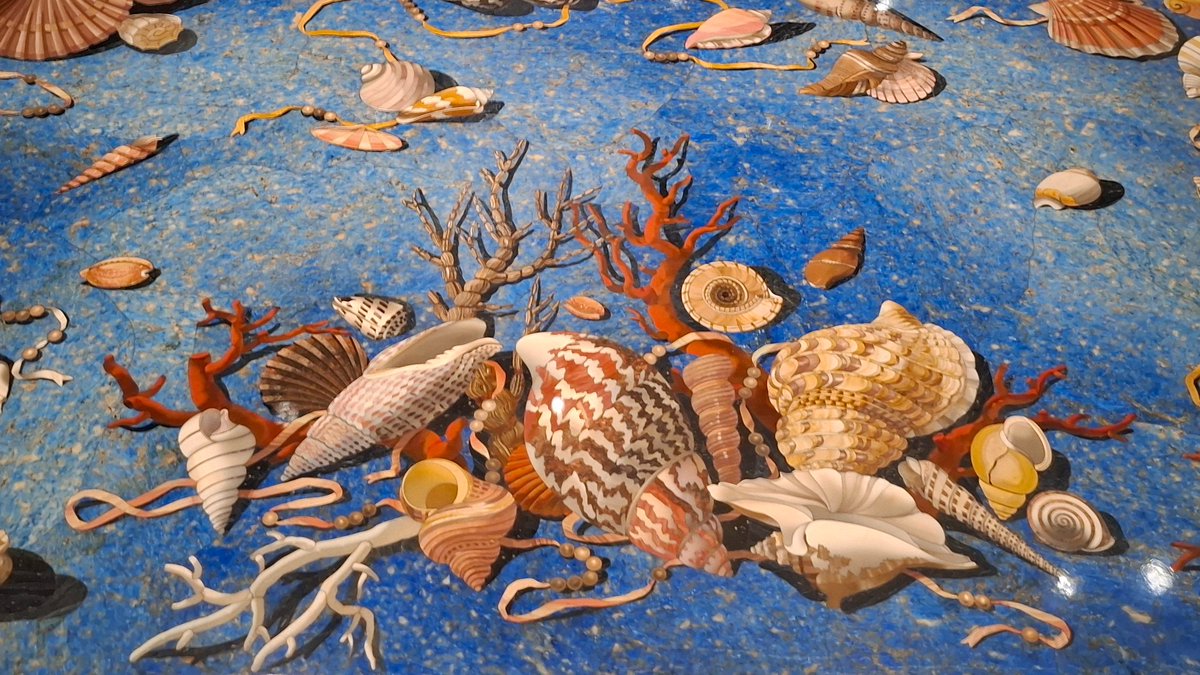
▪️Giorgio Morandi (Bolonia, 1890 - 1964). Natura morta, 1943. Óleo sobre lienzo. Robilant Voena.
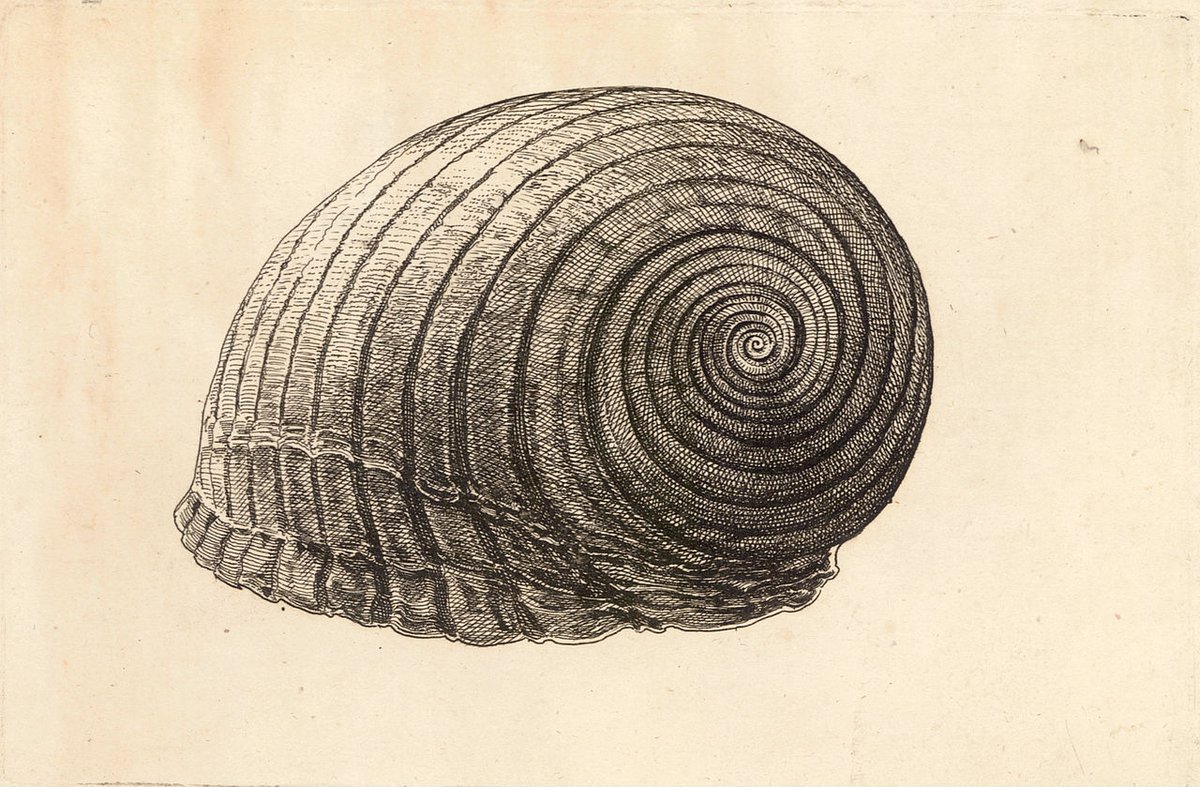


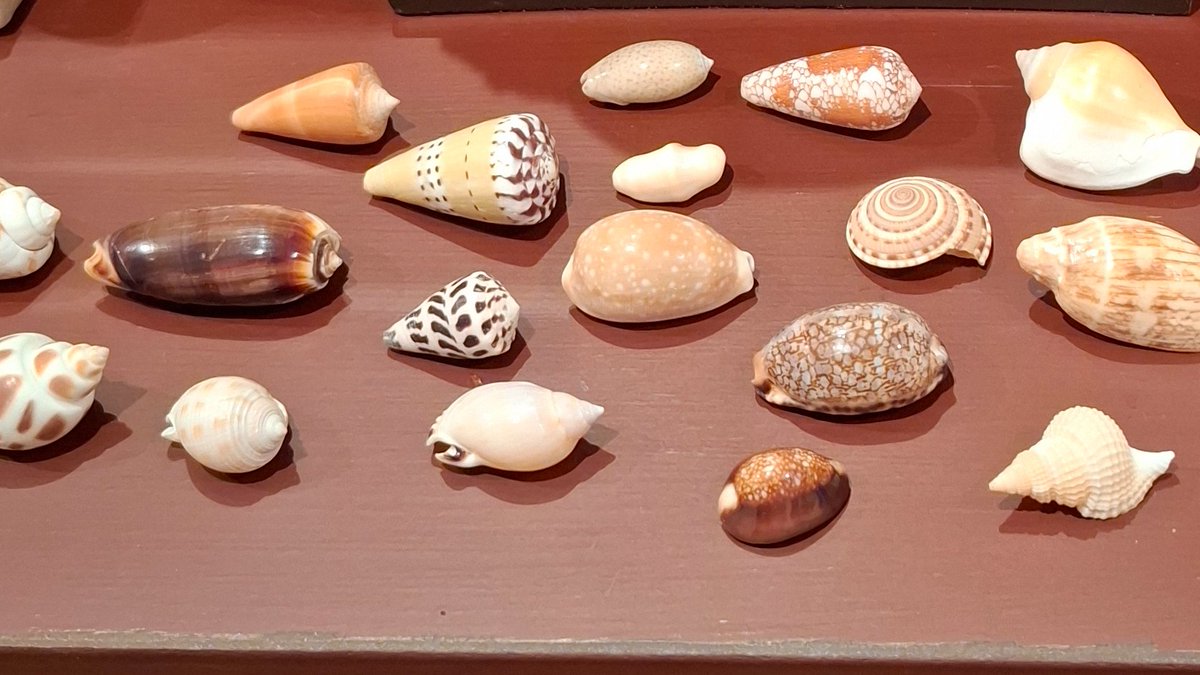
Una serie relacional de las que gusta Mariano @ColeccionMMoret Seguro que encuentra un grabado 😉 tic - tac, tic- tac
1
4
20
1,896

Edmondo and Michele di Robilant Chart a Course for Robilant with Old Masters and New Names observer.com/2026/06/gallery…
2
3
41

Edmondo di Robilant has left Robilant Voena, and his son Michele is steering their new London gallery toward a more globally oriented program. trib.al/g1q2DmY
1
2
290

Il 27 giugno lo presenterò in occasione del Palio Remiero di Cavallino-Treporti.
Sto preparando gli argomenti di dialogo con Andrea Di Robilant.
Jun 1

📚 #libri: 𝐋’𝐚𝐭𝐥𝐚𝐧𝐭𝐞 𝐝𝐢 𝐑𝐚𝐦𝐮𝐬𝐢𝐨, di Andrea Di Robilant (Corbaccio, 2025).
Non sono in molti a conoscere il contributo dato alla creazione delle basi di una moderna geografia da un trevigiano, Giovanni Battista Ramusio, vissuto tra gli anni Ottanta del XV secolo e la seconda metà del secolo successivo. A far emergere il suo ruolo di appassionato cultore della materia geografica provvede questo libro di Andrea di Robilant.
Leggi la recensione:
laciviltacattolica.it/recens…
3
89

May 25
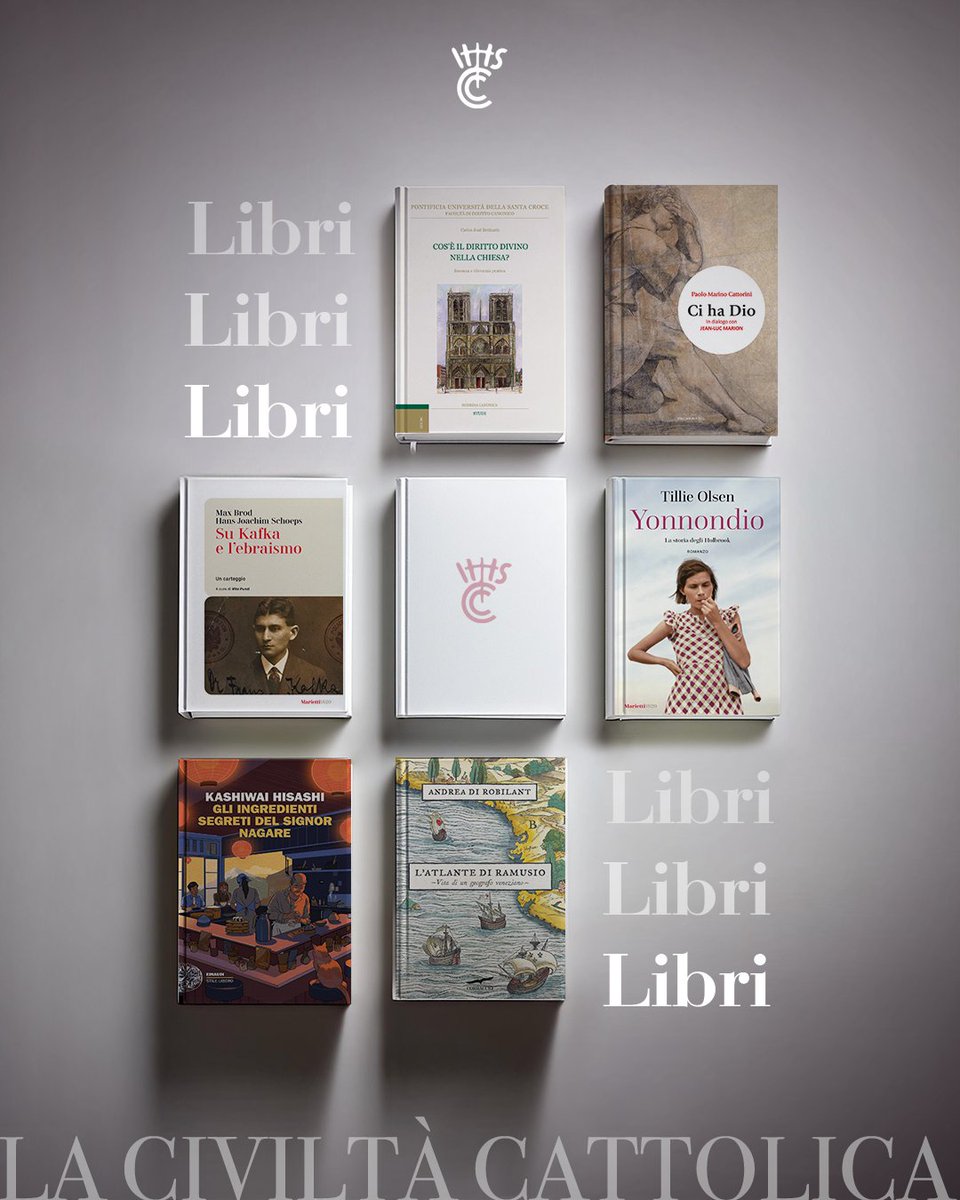
📚 Nel quaderno di 𝐦𝐚𝐠𝐠𝐢𝐨 parliamo di Tillie Olsen e Kashiwai Hisashi, ma anche di #libri che si occupano di diritto divino, geografia, filosofia, Kafka e l'ebraismo e tanto altro.
1. Yonnondio, di Tillie Olsen (Marietti1820, 2025);
2. Gli ingredienti segreti del signor Nagare, di Kashiwai Hisashi (Einaudi, 2025);
3. L’atlante di Ramusio, di Andrea Di Robilant (Corbaccio, 2025);
4. Cos’è il diritto divino nella Chiesa? Essenza e rilevanza pratica, di Carlos José Errázuriz (Edizioni Santa Croce, 2025);
5. Ci ha Dio, di Paolo Marino Cattorini (Marcianum, 2024);
6. Su Kafka e l’ebraismo, di Max Brod e Hans Joachim Schoeps (Marietti1820, 2024);
Le nostre recensioni: laciviltacattolica.it/recens…
2
4
288

May 2
6 January 1889
Dear Professor,
“In the end I would much rather be a Basel professor than God; but I have not dared push my private egoism so far as to desist for its sake from the creation of the world. You see, one must make sacrifices however and wherever one lives.
But I have reserved myself a small student’s room, situated opposite the Palazzo Carignano (in which I was born as Vittorio Emanuele), which also permits me to hear from the desk the magnificent music below, in the Galleria Subalpina. I pay twenty-five francs, including service, buy my tea, and do all my shopping myself, suffer from torn shoes, and thank heaven every moment for the old world for which men have not been simple and quiet enough.
Since I am sentenced to while away the next eternity with bad jokes, I have my writing here, which really does not leave anything to be desired – very nice and not at all exhausting. The post office is five steps from here, so I mail my letters myself to play the great feuilletonist of the grand monde. Of course, I maintain close relations with Figaro; and in order to get an idea how harmless I can be, listen to my first two bad jokes.
Do not take the Prado case too hard. I am Prado; I am also father Prado; I dare say that I am Lesseps too. I wanted to give my Parisians, whom I love, a new notion: that of a decent criminal. I am also Chambige – also a decent criminal. Second joke: I salute the immortal one; Monsieur Daudet belongs to the quarante. Astu.
What is disagreeable and offends my modesty is that at bottom I am every name in history. With the children I have put into the world, too, I consider with some mistrust whether it is not the case that all who come into the kingdom of God also come out of God. This fall I was blinded as little as possible when I twice witnessed my funeral, first as Conte Robilant (no, that is my son, insofar as I am Carlo Alberto, unfaithful to my nature); but Antonelli I was myself. Dear Professor, this edifice you should see: since I am utterly inexperienced in the things which I create, you are entitled to any criticism; I am grateful without being able to promise that I shall profit. We artists are incorrigible.
Today I saw an operetta; Quirinal-Moorish, and on this occasion also noted with delight that Moscow as well as Rome are now grandiose affairs. You see, I am not denied considerable talent for landscapes too.
Consider, now we have beautiful, beautiful chats; Turin is not far; very serious professional obligations are lacking just now; a glass of Veltliner could be obtained. Négligé of dress, a condition of being decent.
With affectionate love, your
Nietzsche
You may make any use of this letter which will not degrade me in the eyes of those at Basel.
I have had Caiphas put in fetters. Also, last year I was crucified by the German doctors in a very drawn-out manner. Wilhelm, Bismarck, and all anti-Semites abolished.
I go everywhere in my student’s coat, and here and there slap somebody on the shoulder and say, Siamo contenti? Son dio ho fatto questa caricatura.
Tomorrow my son Umberto will come with the lovely Margharita, whom, however, I shall also receive here only in shirt-sleeves. The rest for Frau Cosima – Ariadne – from time to time there is magic.”
Friedrich Nietzsche, Letter to Jacob Burckhardt
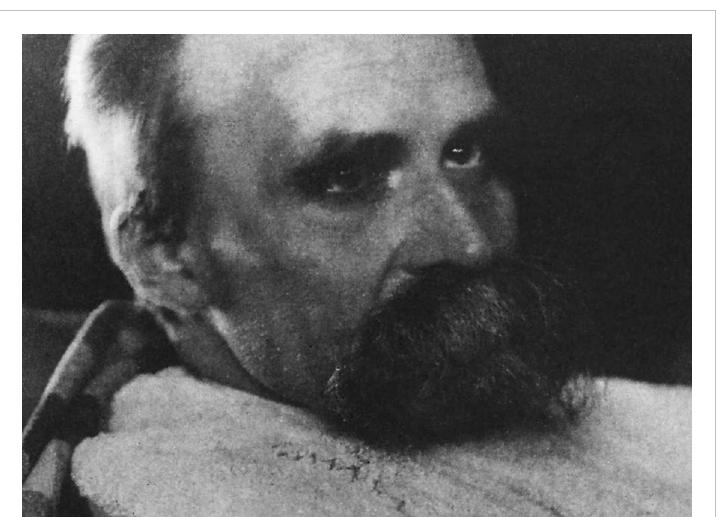
1
14
53
3,298

Apr 21
Aging isn't just inevitable decline. It's a set of biological systems that are starting to look engineerable.
#SynBioBeta2026 is May 4-7th in San Jose, California, you can learn more about the conference and get your tickets here: syntheticbiologysummit.com/?…
DNA damage accumulates. Protein homeostasis collapses. Cells drift from their youthful identities. These aren't mysteries anymore — they're mechanisms. And mechanisms can be targeted.
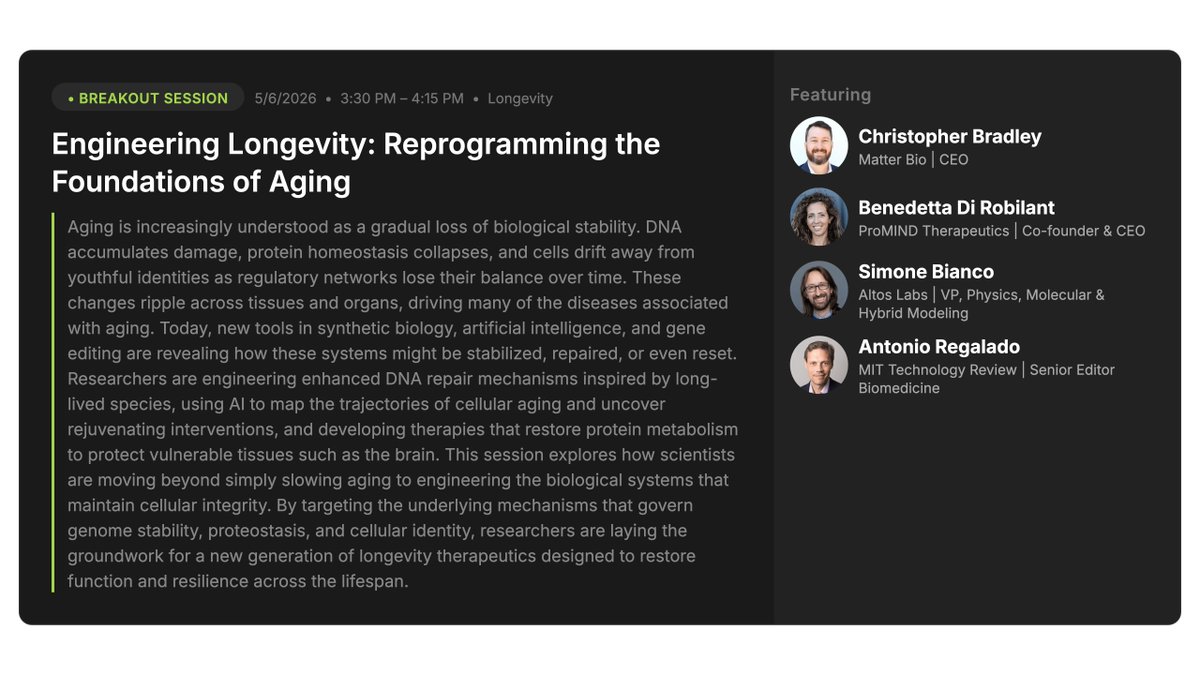
At SynBioBeta 2026, a Longevity track session brings together the scientists and builders working on exactly that: Christopher Bradley (CEO, Matter Bio), Benedetta Di Robilant (Co-founder & CEO, ProMIND Therapeutics), Simone Bianco (VP Physics, Molecular & Hybrid Modeling, Altos Labs), moderated by Antonio Regalado (Senior Editor, Biomedicine, MIT Technology Review).
Christopher Bradley co-founded Matter Bio with Harvard geneticist George Church to study what long-lived species — including 400-year-old Greenland Sharks — do differently at the genomic level, and translate those mechanisms into human therapies. Their ongoing collaboration is analyzing data from over 10,000 centenarians, 20,000 of their relatives, and 300 species to find the DNA stability genes nature already figured out.
Benedetta Di Robilant co-founded ProMIND Therapeutics to restore proteostasis in the brain, targeting the protein metabolism dysfunction that underlies neurodegeneration in aging.
Simone Bianco leads physics and molecular modeling at Altos Labs, one of the most well-resourced bets in longevity science, focused on cellular reprogramming and restoring youthful biological identity.
Antonio Regalado has covered this field for MIT Technology Review longer than most of these companies have existed.
The session runs May 6 from 3:30-4:15 PM in the Longevity track.
If aging biology, longevity therapeutics, or the science of cellular rejuvenation is your world, this is the session to be in.
1
5
20
1,116

Il vantaggio di questo business è che il prodotto è immateriale,
è idea, strategia, concept creativo
Un rebranding riuscito può valere decine di milioni di fatturato per il cliente, per il quale il costo di avvalersi di Robilant è relativamente piccolo rispetto al beneficio.
⬇️
1
4
992
Si chiama Robilant Associati S.p.A. e sta a Milano, nel cuore del "design district" tra i Navigli e Via Tortona.
Fondata da un uomo di grande cultura, ha messo al centro della sua società le persone, che poi ha fatto diventare nel tempo suoi soci.
⬇️
1
4
794

Mar 21
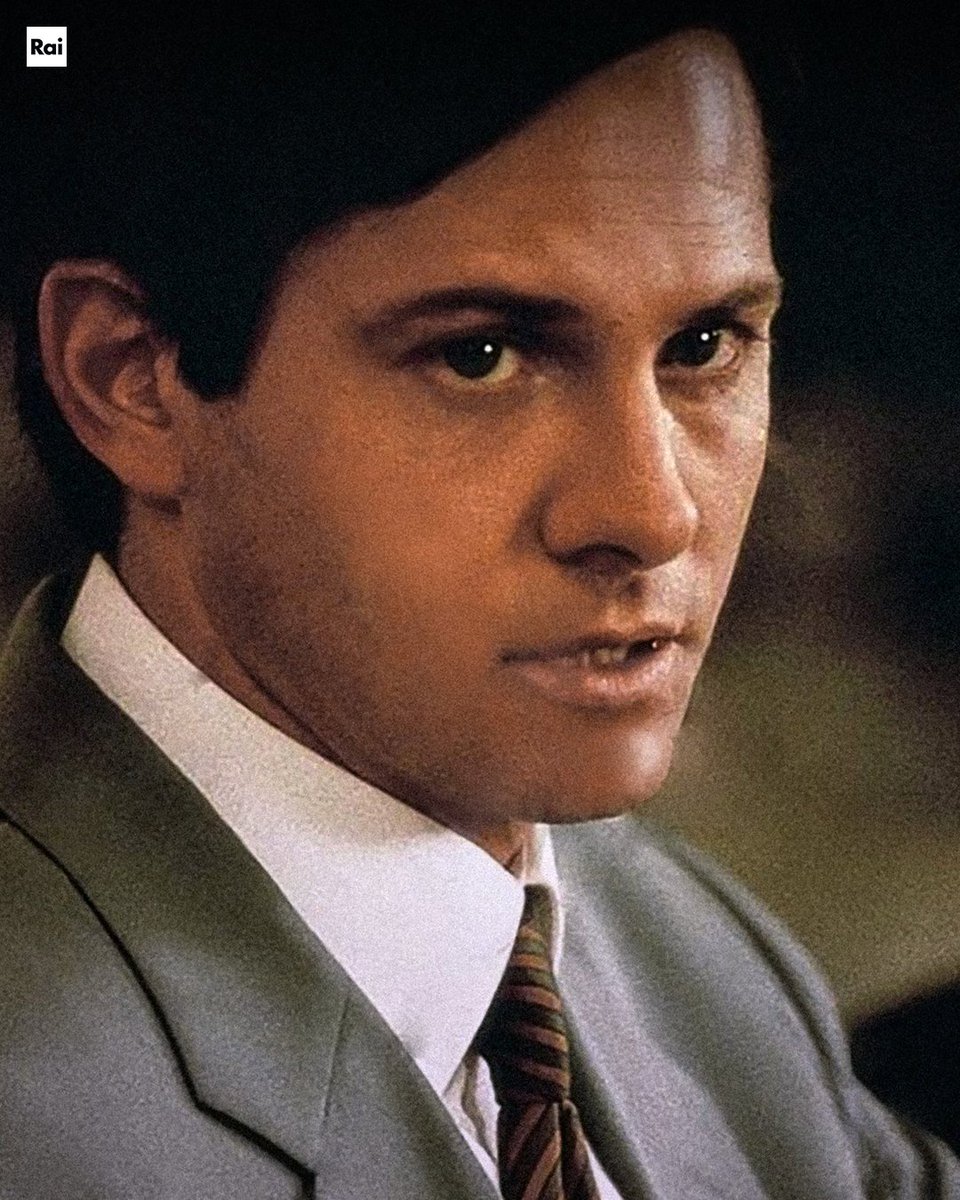
Alle 21:10 “Il giudice ragazzino” di Alessandro Di Robilant con Giulio Scarpati, Sabrina Ferilli, Leopoldo Trieste | La storia vera di Rosario Livatino, sostituto procuratore della Repubblica di Agrigento, che si batté contro il potere criminale delle cosche mafiose
3
10
758
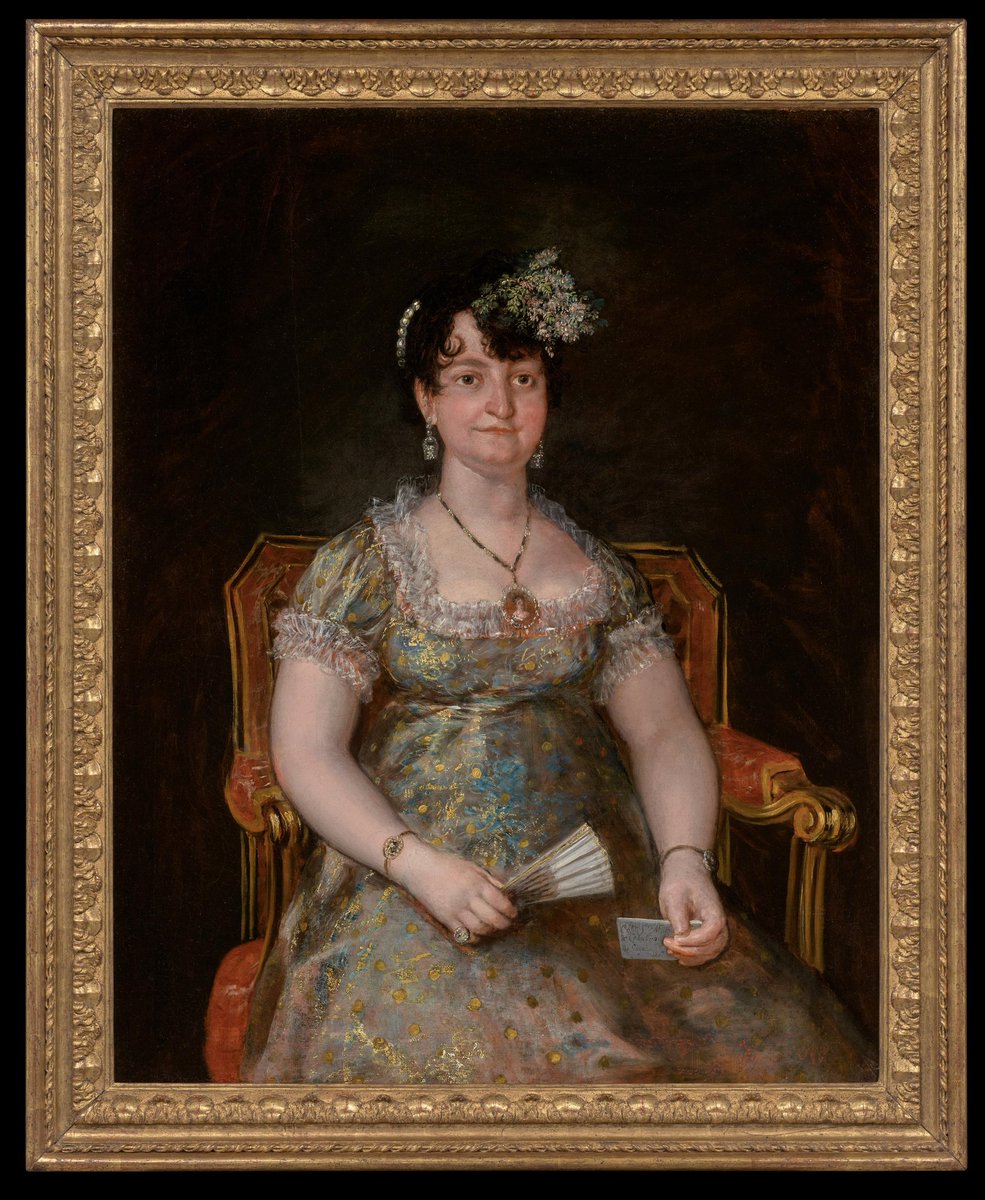
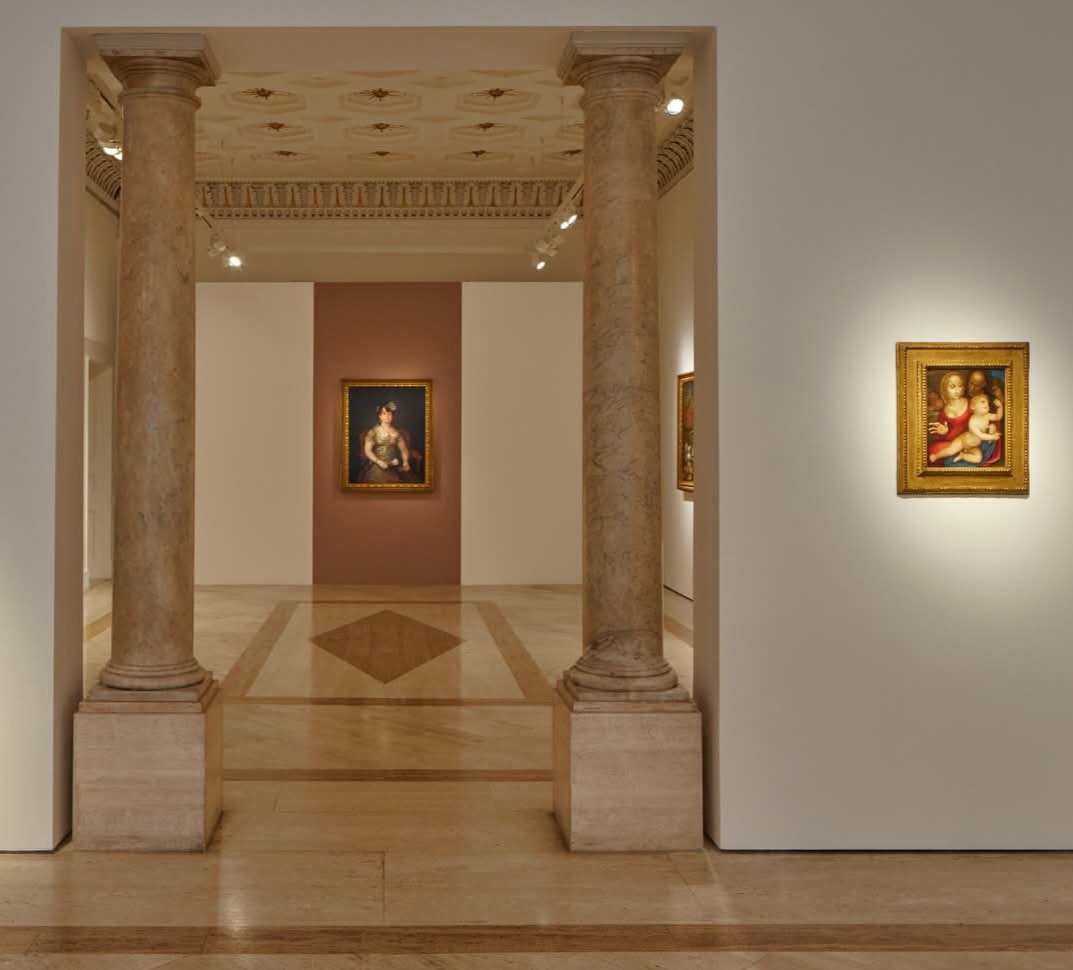
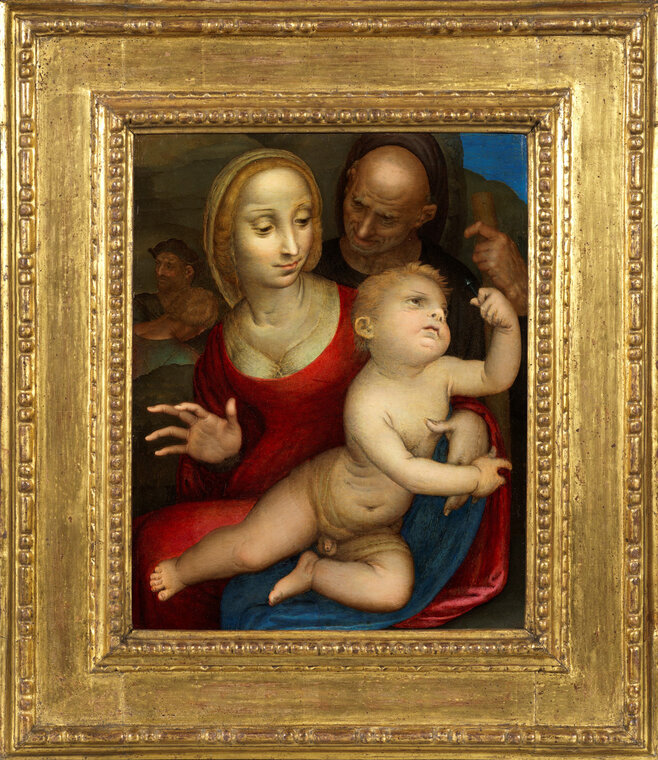
Francisco #Goya. María Soledad Rocha Fernández de la Peña, Marquesa de Caballero. Óleo sobre lienzo, 1807. Robilant Voena.

Yáñez de la Almedina, y al fondo, Goya.
En Robilant Voena.
8
44
1,309
Yáñez de la Almedina, y al fondo, Goya.
En Robilant Voena.
1
5
54
2,736

Mar 8
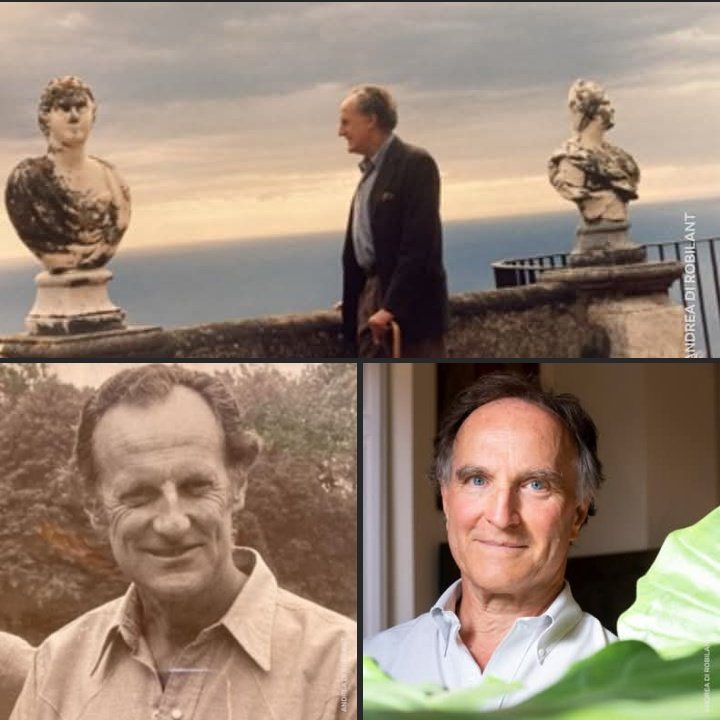
Solving the mystery of a doomed love between an 18th-Century Venetian aristocrat and an Anglo-Venetian woman brought Andrea di Robilant closer to his father...
Andrea's father, Count Alvise di Robilant, found a box of “very mysterious, very old letters" in the Venetian palazzo where he grew up.
The family prised the letters apart, and realised they were partially written in a secret code.
"It was very mysterious and very beautiful to look at," says Andrea, a journalist. "Imagine these... 18th-Century scrolls with all these squiggles and signs, it was like a page of ancient hieroglyphics."
Andrea’s father set out to crack the code – and it soon became clear that these were love letters.
"[They] were written by an ancestor of ours called Andrea Memmo to a wonderful, wonderful young Anglo-Venetian girl called Giustiniana Wynne," says Andrea.
But theirs was an impossible love.
The couple couldn’t marry because Memmo's family was too grand for Giustiniana - and her mother feared Memmo's attention might prevent her from finding a suitable match.
They went to great lengths to see each other, writing letters hand-delivered by servants running through the streets of Venice.
"They really take us in... all the dark corners of Venice, in the theatres, in the gambling houses, in the dark alleys, in the gondolas," says Andrea.
In one of her letters, Giustiniana writes: "Ah, Memmo, so much happiness. I was with you for close to two hours. I listened to your voice. You held my hand... If only I could be free and tell the world about my love!"
The romance of the letters, and the couple's forbidden love, enthralled Andrea's father. But, in 1997, someone broke into his house and murdered him. There was no explanation for the crime, and Andrea was plunged into grief.
"When the death of a very close person to you happens in that way, you enter a strange, bizarre space in which you fluctuate between belief and disbelief and general confusion and deep pain all at the same time," he says.
During the police investigation, news of the letters leaked out to the press.
"It was really grotesque," says Andrea, "because people were trying to draw links between this 18th-Century love story and my father's murder. It was just pure chaos."
Andrea decided, in honour of his father, to finish the book his dad had wanted to write about the lovers.
"I think he'd become sort of secretly in love with Giustiniana because she was such an engaging, attractive girl, and he had a great deal of affection for Memmo as well," he says. "That's why he clung to this story."
Writing the book helped Andrea feel close to his father.
"It brings satisfaction, even perhaps a little bit of joy that you somehow strangely share with a dead person, but it doesn't bring closure," says Andrea.
He still doesn't know why his father was killed. But, in investigating the story of the lovers, he has grown to love Giustiniana and Memmo just as his father did.
"[They] are very much present in my life. It's really quite extraordinary, the closeness I feel to them. And, of course, every time I go through that experience, I share it with my father."
1
2
41

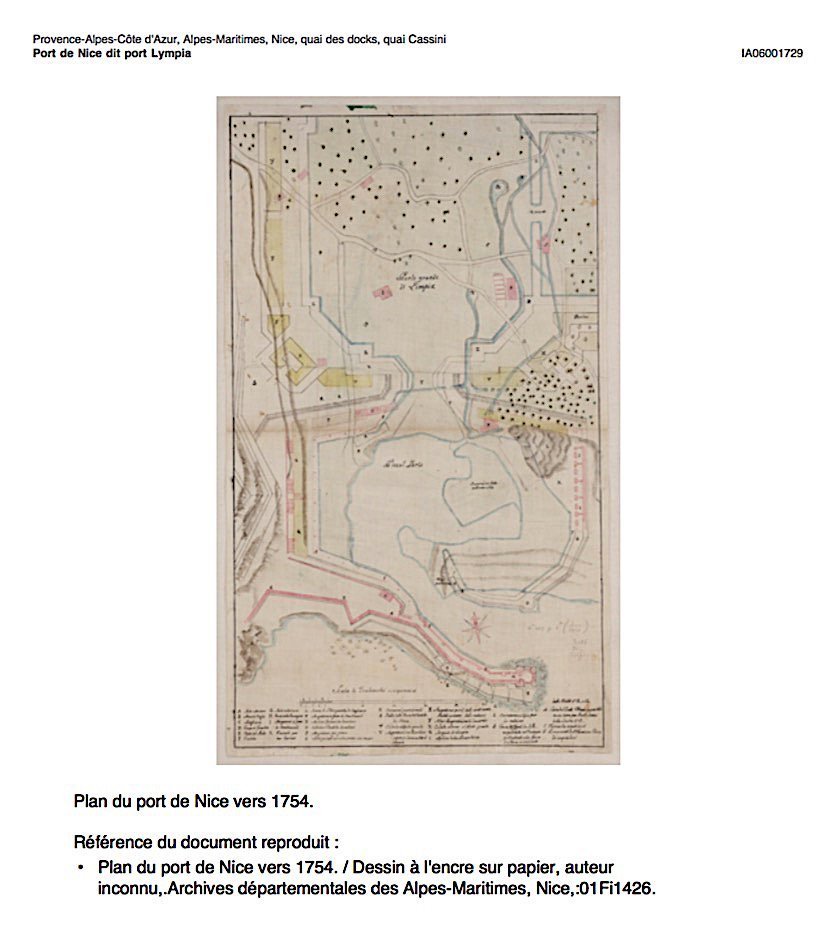
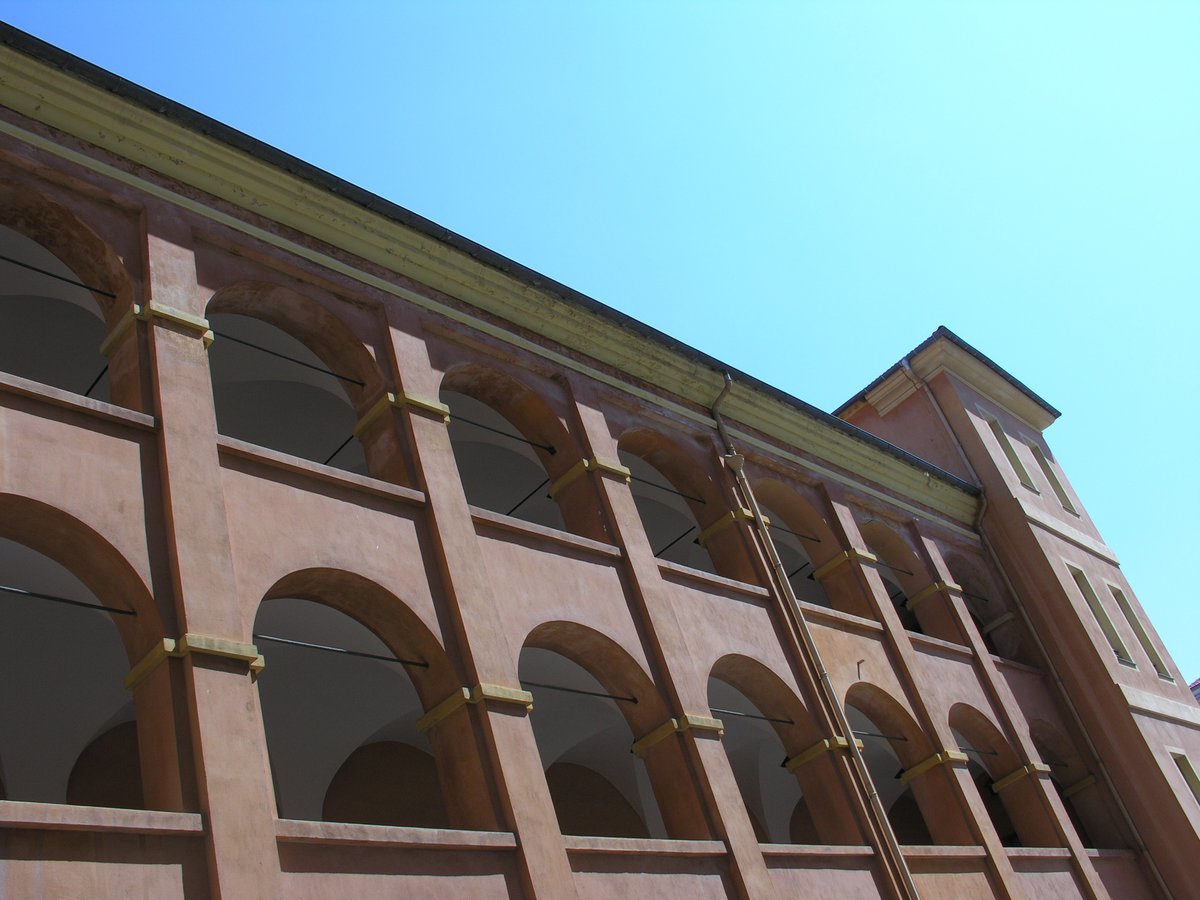
15 février 1781 Countea de Nissa : Le plan, en grande partie réalisé, de Nicolis di Robilant, comte Filippo, ingénieur militaire piémontais, né et mort à Turin (1723-1783), pour le port de Nice.
pss-archi.eu/architecte/1099…
Palais Rusca#Nice #NiceRendezVous™ #Nice06
1
1
3
155

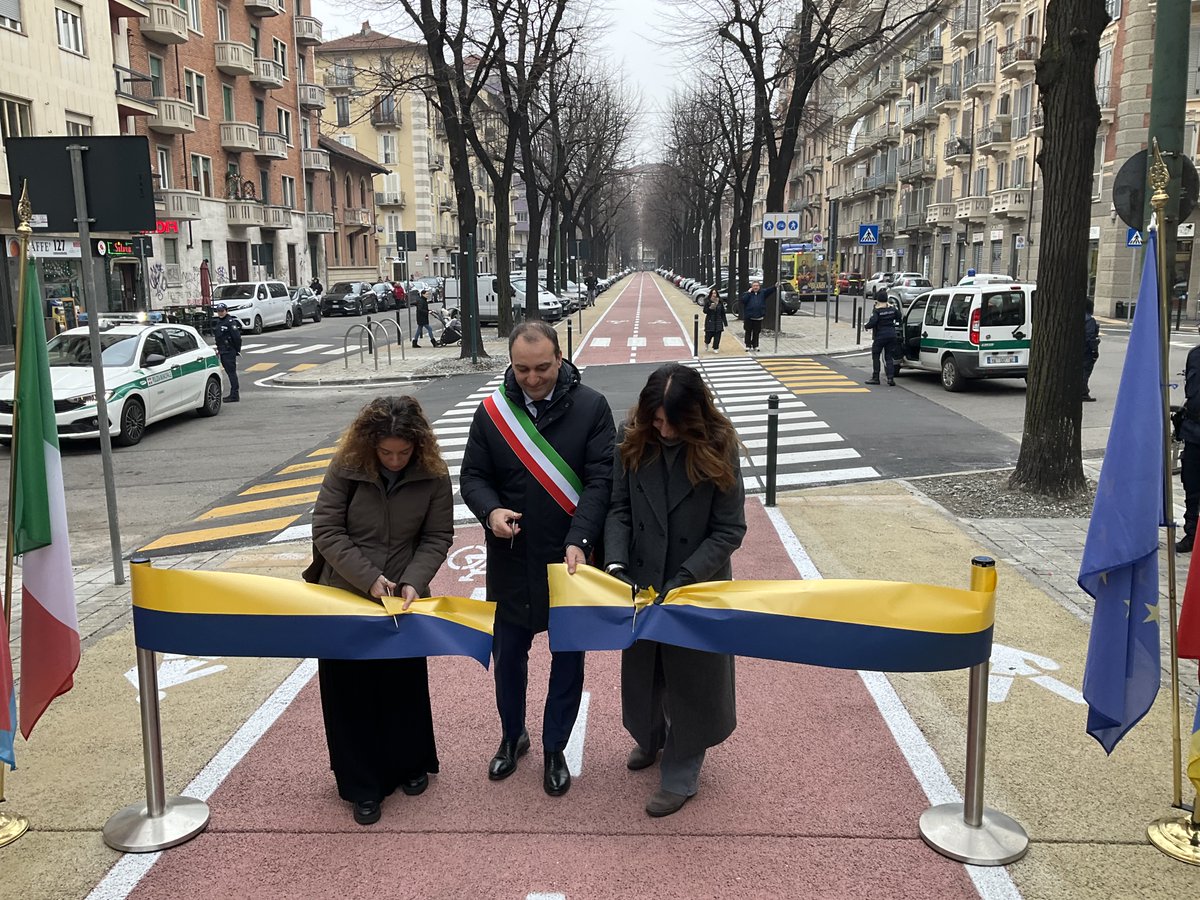
CORSO RACCONIGI HA CAMBIATO VOLTO: riqualificato il viale nel tratto tra via Monginevro e piazza Robilant con più spazio al verde, pavimentazioni drenanti e pista ciclabile.
sguardisutorino.blogspot.com…
@twitorino #corsoracconigi #torino
2
3
102

Jan 25
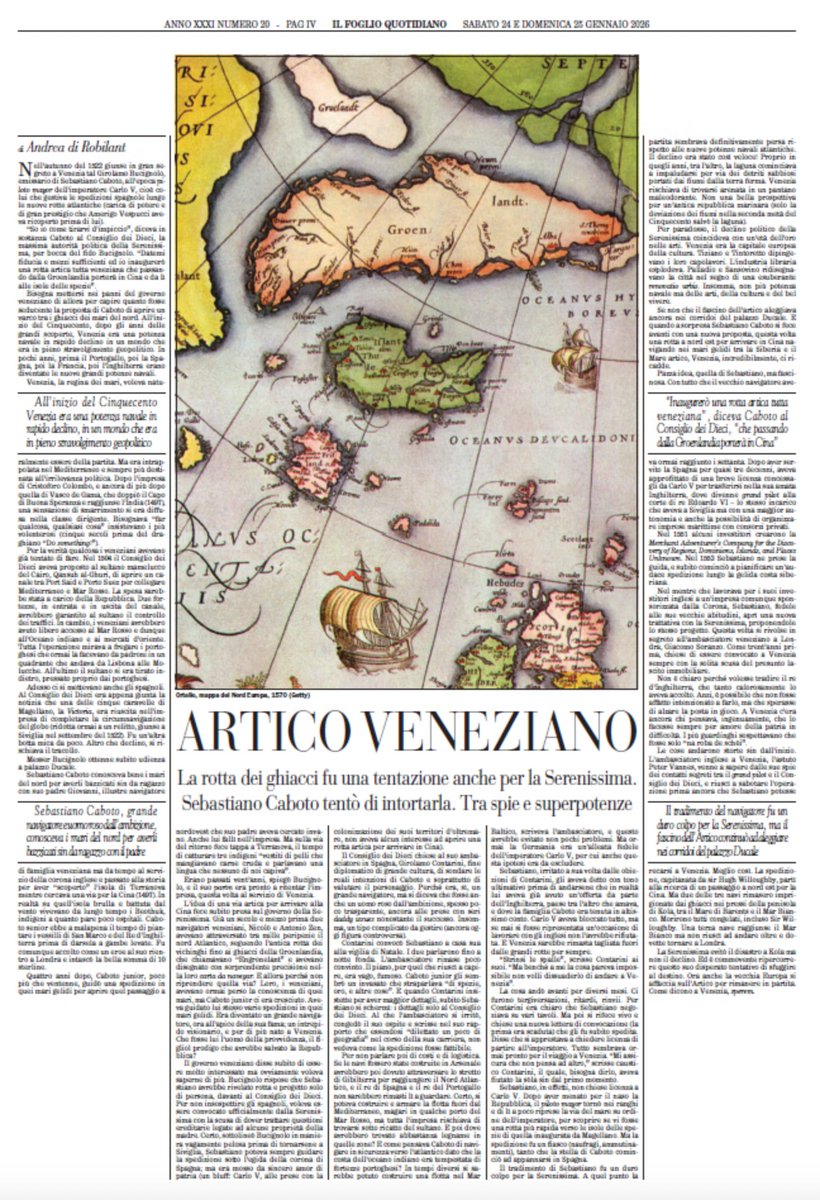
Artico veneziano. La rotta dei ghiacci fu una tentazione anche per la Serenissima. Sebastiano Caboto tentò di intortarla. Tra spie e superpotenze. L'articolo di Andrea di Robilant è sul Foglio del Weekend edicoladigitale.ilfoglio.it/
4
751
Jan 24
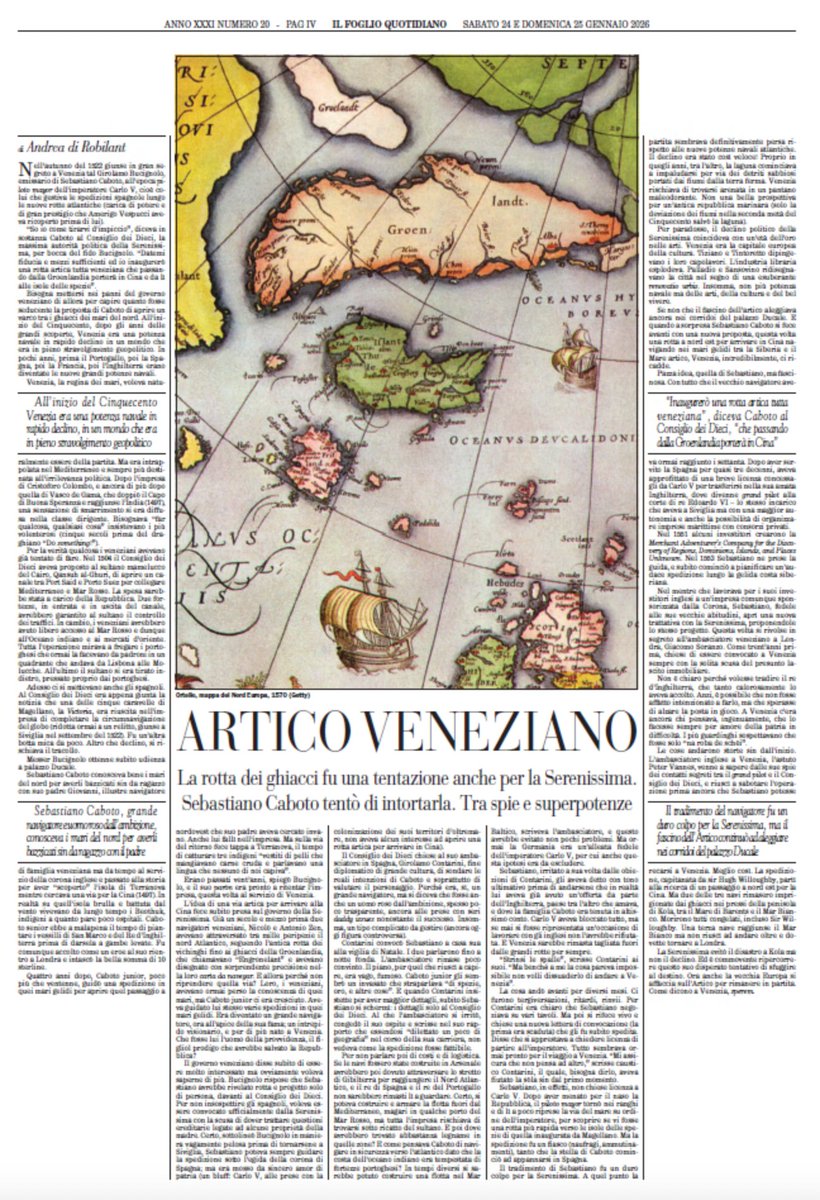
Artico veneziano. La rotta dei ghiacci fu una tentazione anche per la Serenissima. Sebastiano Caboto tentò di intortarla. Tra spie e superpotenze. L'articolo di Andrea di Robilant è sul Foglio del Weekend edicoladigitale.ilfoglio.it/
3
9
1,393

Sultan Abdülhamid düşmedi. 1909'da İstanbul işgal edildi. 1908'deki darbenin başında İtalyan General De Robilant olduğunu neden gizliyorsunuz? 1909'da Makedon ordusu işgal ederken yabancı donanmaların Osmanlı askerlerini vurduğunu ve güneye asker çıkardığını neden gizliyorsunuz?
3
8
63
1,904

15 Dec 2025
✨ From someone that lived in London for 15 years, here’s the favourites I’ll look forward to at Breakpoint next year. No offence to Brick lane and the British Museum✨
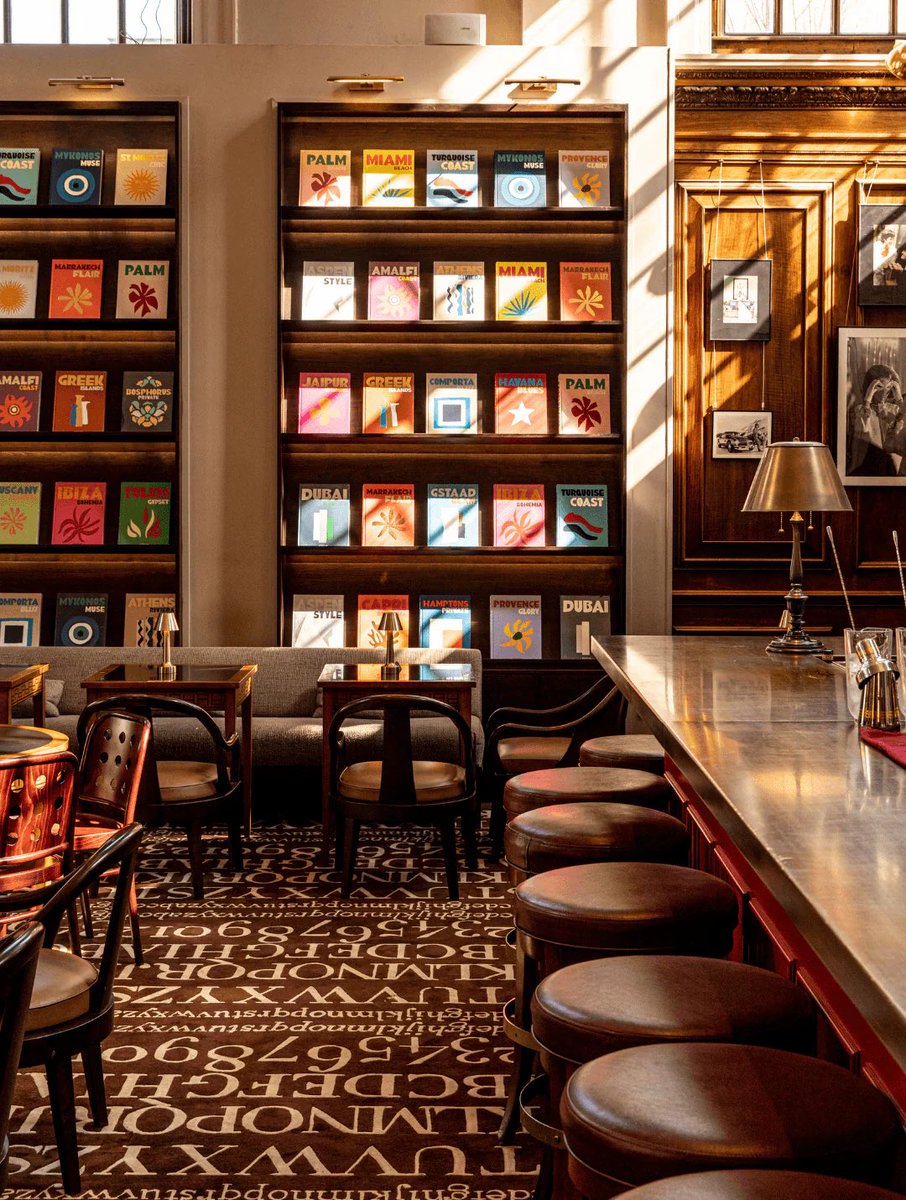
📚🍸Maison Assouline. A large format book store and cocktail bar. Great date venue.
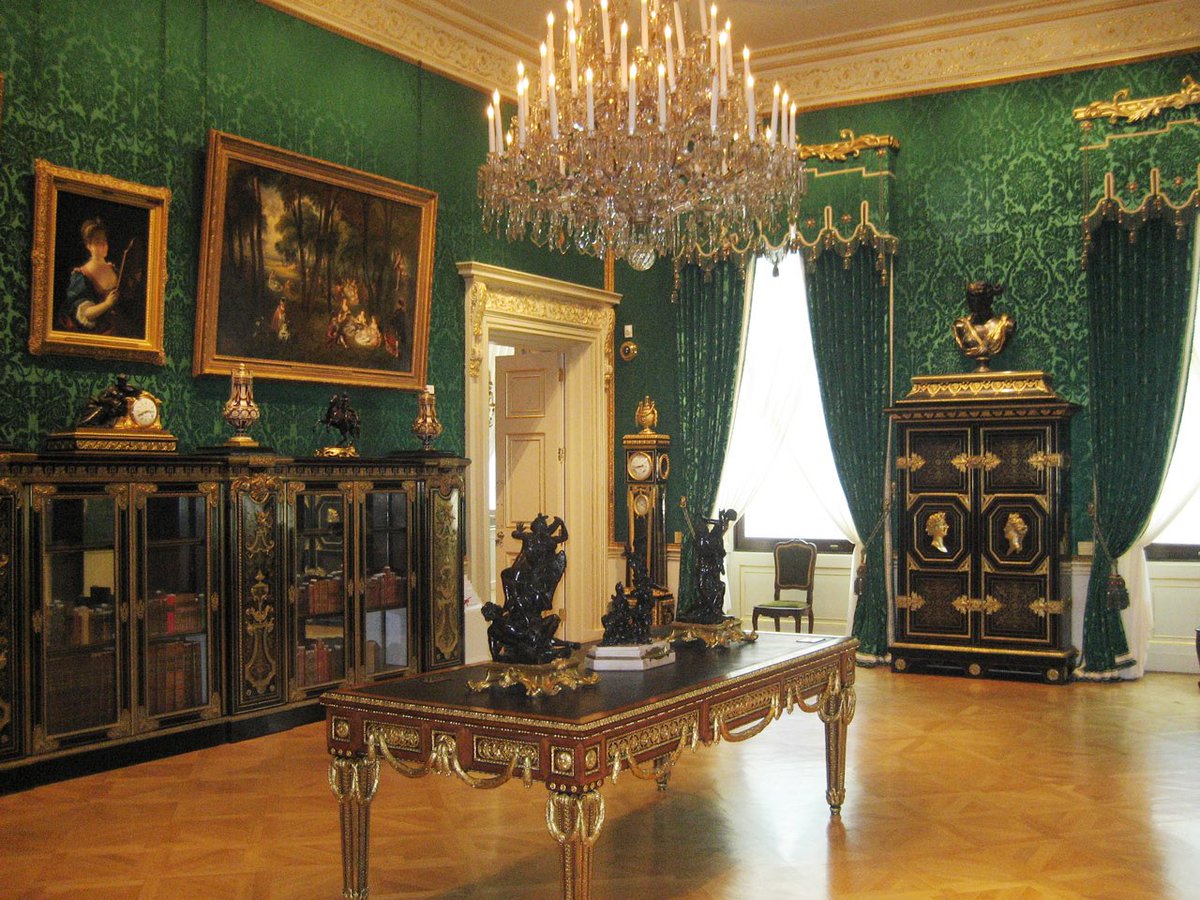
🪞⛏️The Wallace Collection. House with a substantial collection of French aristocratic art (the French sold their fancy items very quickly after the revolution) and, er, weapons. Crypto persons: the staircase balustrade has the first depiction of fiat currency in human history.
🧀 Borough market and specifically the Kappa Casein cheese sandwich made with 5 types of cheese, butter and onions. Crunch though the bread and enjoy the warm gooey cheese inside.
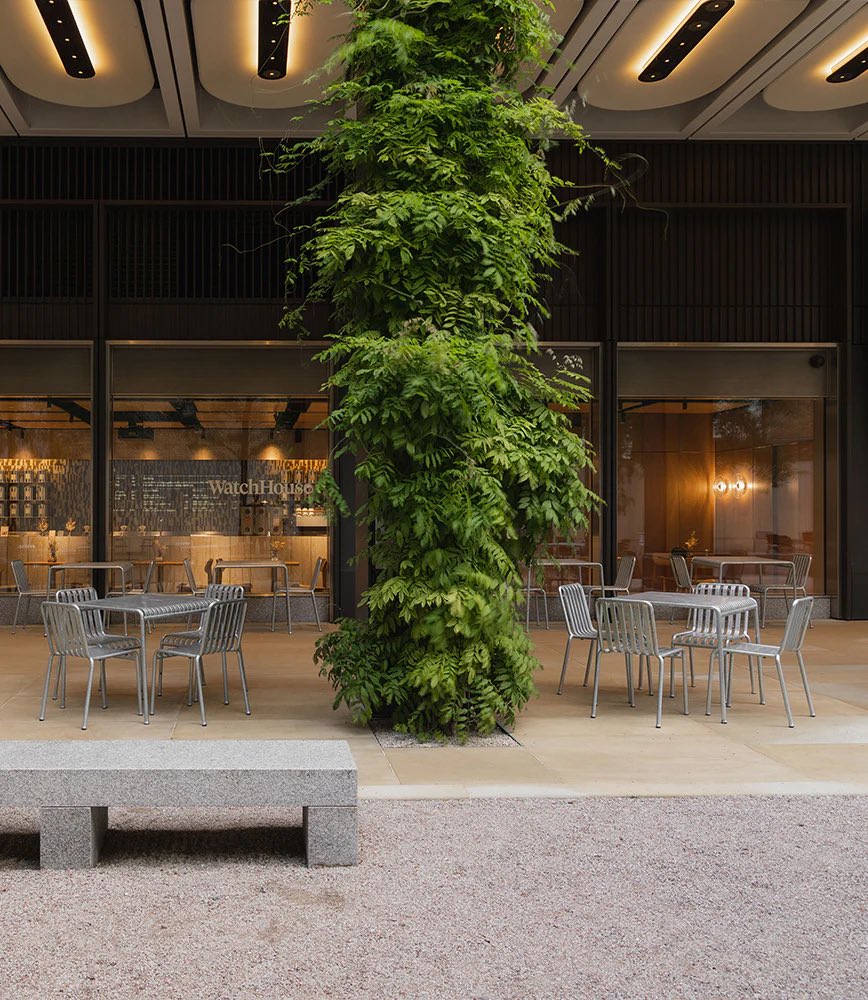
☕️🍂Watchhouse Hanover. Get a cuban cigar at the nearby Davidoff store, sit in the courtyard and enjoy it with a flat white and a raspberry chocolate brownie. For a proper brunch, try Ozone or Lantana.
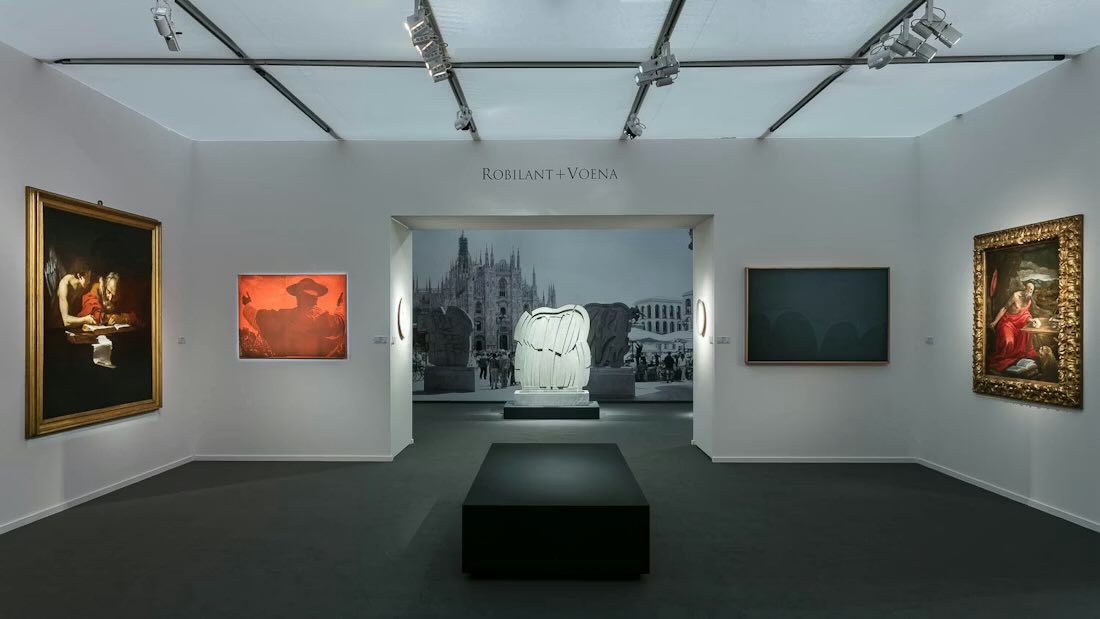
🏠🖼️ Robilant Voena - an Edwardian home converted to an art gallery and the gallerists/dealers have great taste. Also: Saatchi gallery.
⏱️Watch room at Selfridges. More watches than the NY department stores and less stress than the diamond district. Includes vintage items. If you want boutiques they’re all together on Bond St 5 minutes away.
✖️Klub Verboten. A European-style techno club. People in NY go to Box and watch someone else doing something wild. People in London go to KV and do something wild. Read the rules before buying a ticket.
😅🥊 1Rebel probably the best gym classes in the world. Everything from boxing to pilates, a thumping soundtrack, lit like a nightclub, they give you filtered water in metal bottles and fresh refrigerated face towels and sell protein shakes too. A bit like if you took the best bits of every gym class from the US (which they absolutely did). Do the Rumble class at Liverpool St - the bags are in concentric rings and you can quietly imagine battering the other class members. Honourable mentions to BXR (Anthony Joshua’s gym, also boxing oriented) and Gymbox.
Ronnie Scott’s for jazz, Zima for vodka, Saddler’s Wells for the ballet, Hampstead Heath for getting away from it all.
10
3
42
2,027