
“Emily’s funny! She is very very funny…”
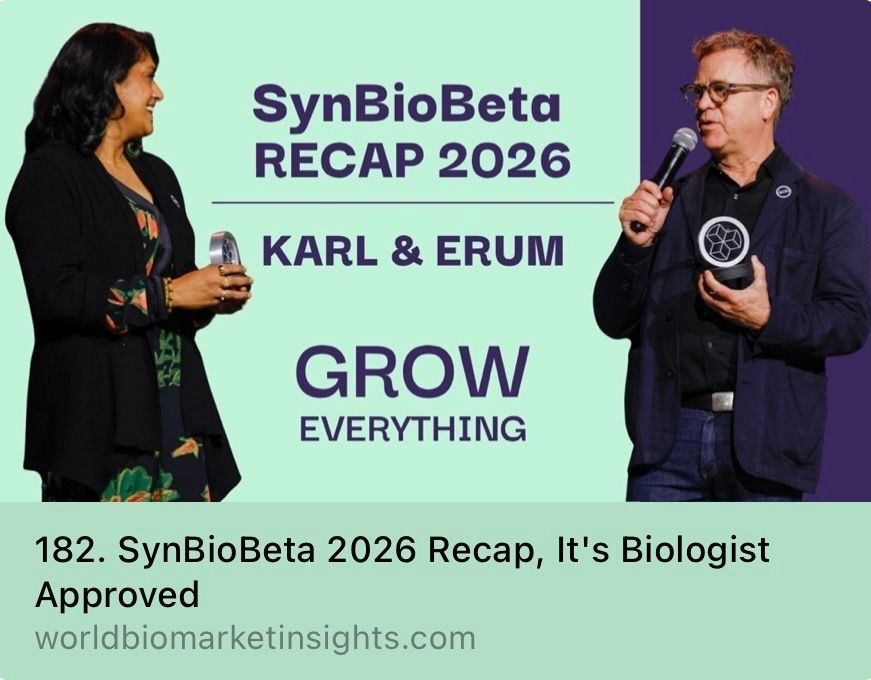
Thanks to Erum Khan and @karlschmieder of the Grow Everything (@messaginglab) podcast for highlighting our CEO and co-founder, @EmilyLeproust, and her talk at #SynBioBeta2026. Watch at 16:20: worldbiomarketinsights.com/1…
@synbiobeta
2
4
815

May 29
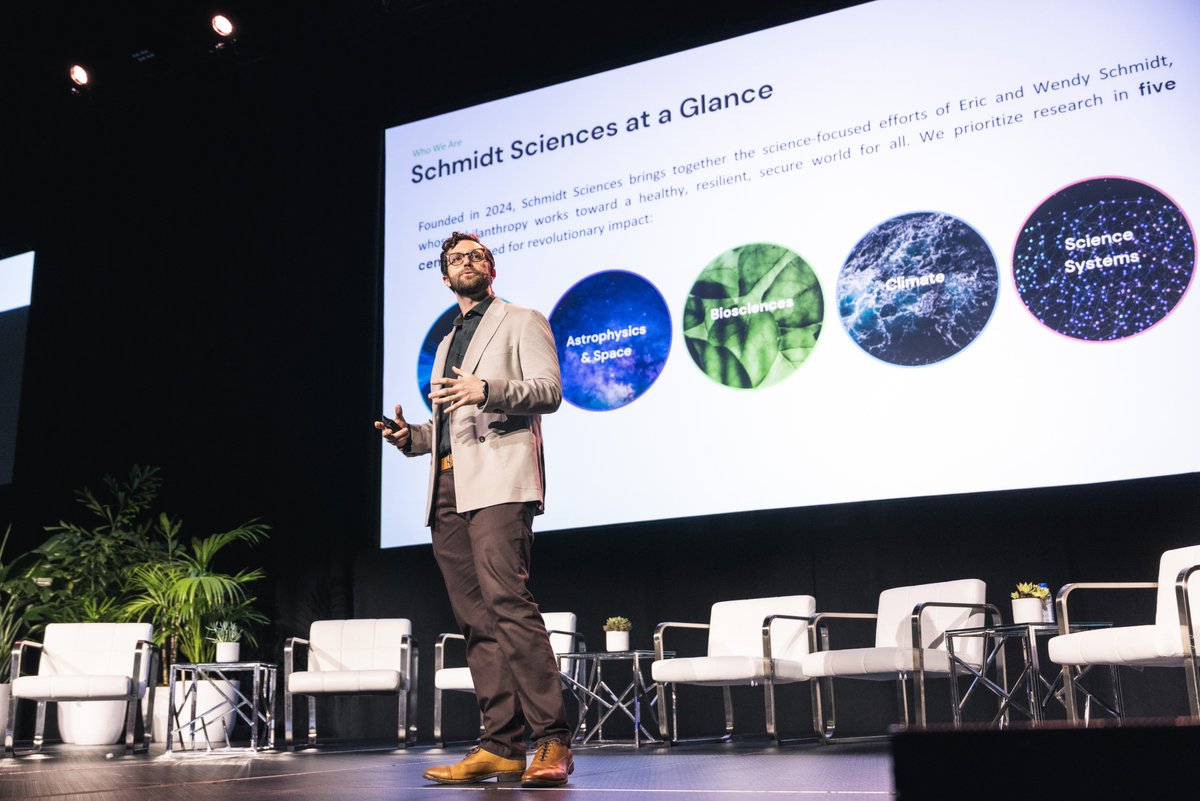
On the main stage at #SynBioBeta2026, Michael Clear described the @SchmidtSci funded unlock that will finally bring biomanufacturing into the AI era.
1
3
65
#SynBioBeta2026 was electric with the energy of a rapidly growing field at the intersection of AI, biology, and technology, and Twist Bioscience was proud to be right at the center of it all.
👉 Key takeaways include…
@TwistBioscience, @SynBioBeta
2
4
9
1,417

May 7
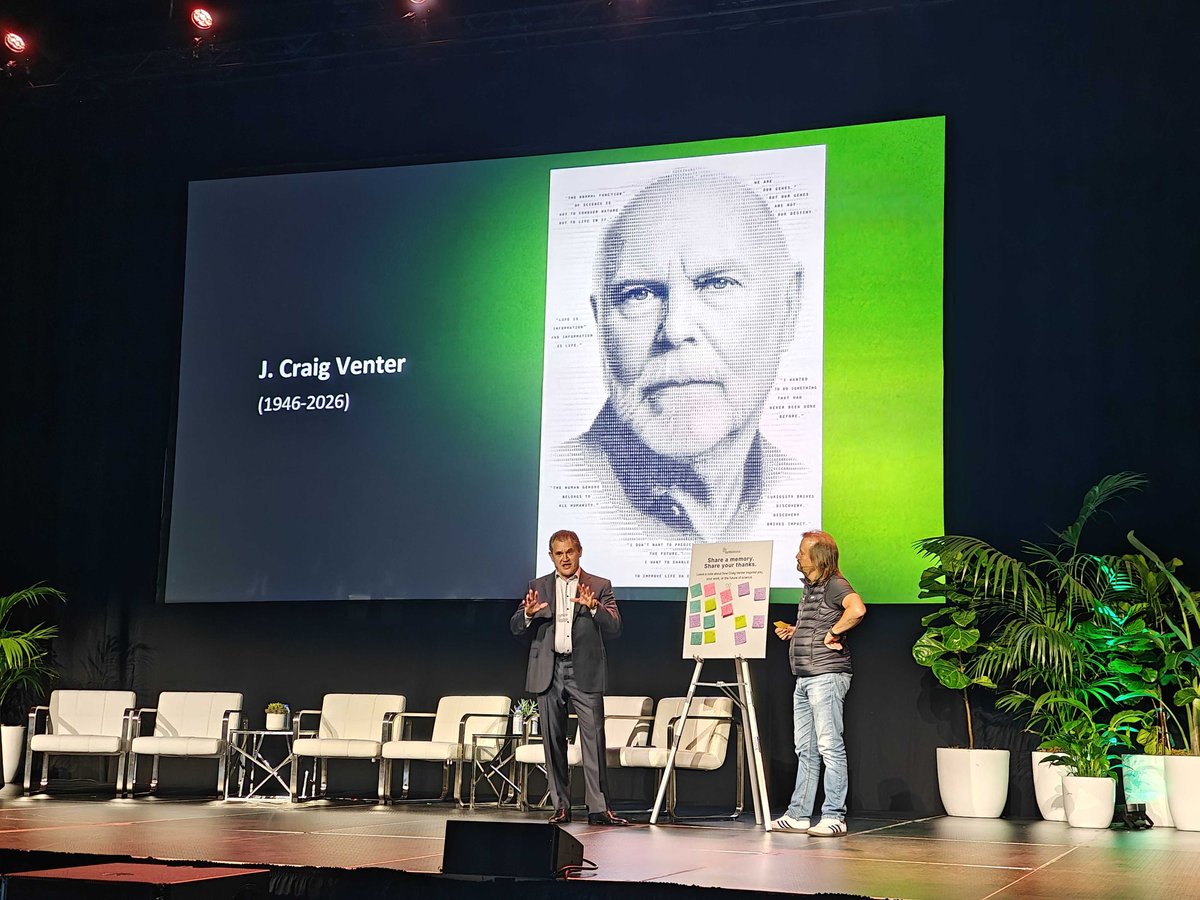
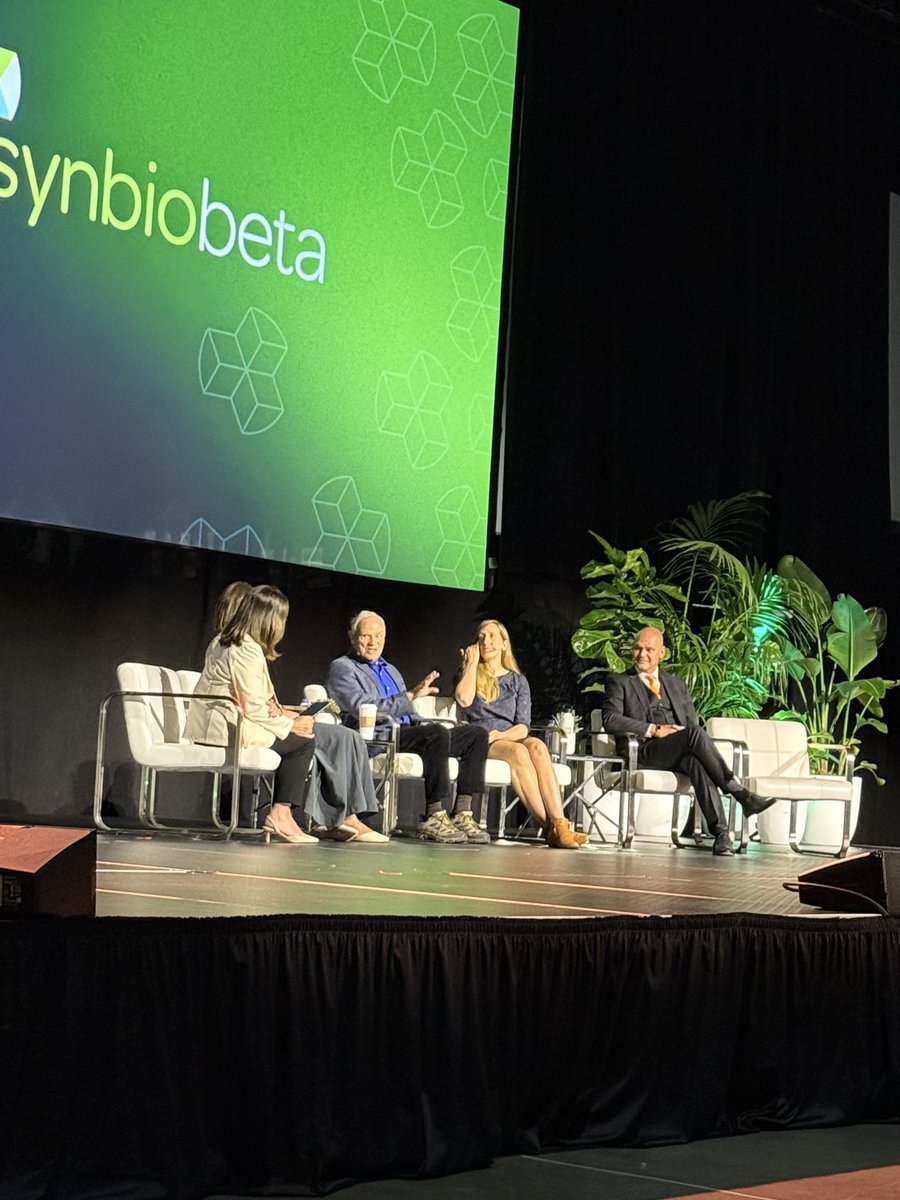
We held a memorial for Craig Venter, who passed away last week. Barry Merriman, Craig's CTO, joined me on stage to read messages that attendees had written on a tribute wall in the expo hall.
The messages people left were specific in the way that matters. One person wrote that Celera Genomics was the first investor in their company. Another said Craig was the reason they entered biology. Someone wrote that he inspired them to do their PhD in synthetic biology. My favorite was from someone named Nico: "Craig, you inspired me and gave me shit. I hope to dream as big as you and live life as fully."
George Church sent a note too. He first met Craig in 1989 at one of the early genome meetings. Craig was central to progress and centrally to excitement in these fields.
Barry shared three things he took from working with Craig directly.
1) Always think bigger. If you've thought of something, ask how you could think bigger.
2) One person can do great things. Craig proved that repeatedly in an era of committees and consortia.
3) ...And this is the one I think about most, Craig pioneered a whole new way of funding science. He went to the capital markets out of frustration with government grants and used the scale of industry to fund research at a level nobody else was doing. Human Genome Sciences became a $10 billion company. Celera became a $30 billion company. Neither had a business plan. They ran on Craig's vision.
People misread him as someone chasing money, but Barry said that wasn't it. He figured out that if you harness global capital markets, you can do science at a scale that NIH grants will never touch.
One last detail I love. At Human Longevity, Inc., they ran Craig's own genome as the calibration standard for their production sequencing pipeline. He's been sequenced over a thousand times. More than any person ever has been or ever will be. When the Science journal demanded they submit all 10,000 genomes from their first paper, Craig said that was $50 million worth of data and refused.
He gave them the thousand sequencings of his own genome instead!
Craig. Direct, bold, unrepeatable.
#CraigVenter #SynBioBeta2026 #SyntheticBiology
5
39
1,859

May 7
Final day of #SynBioBeta2026!
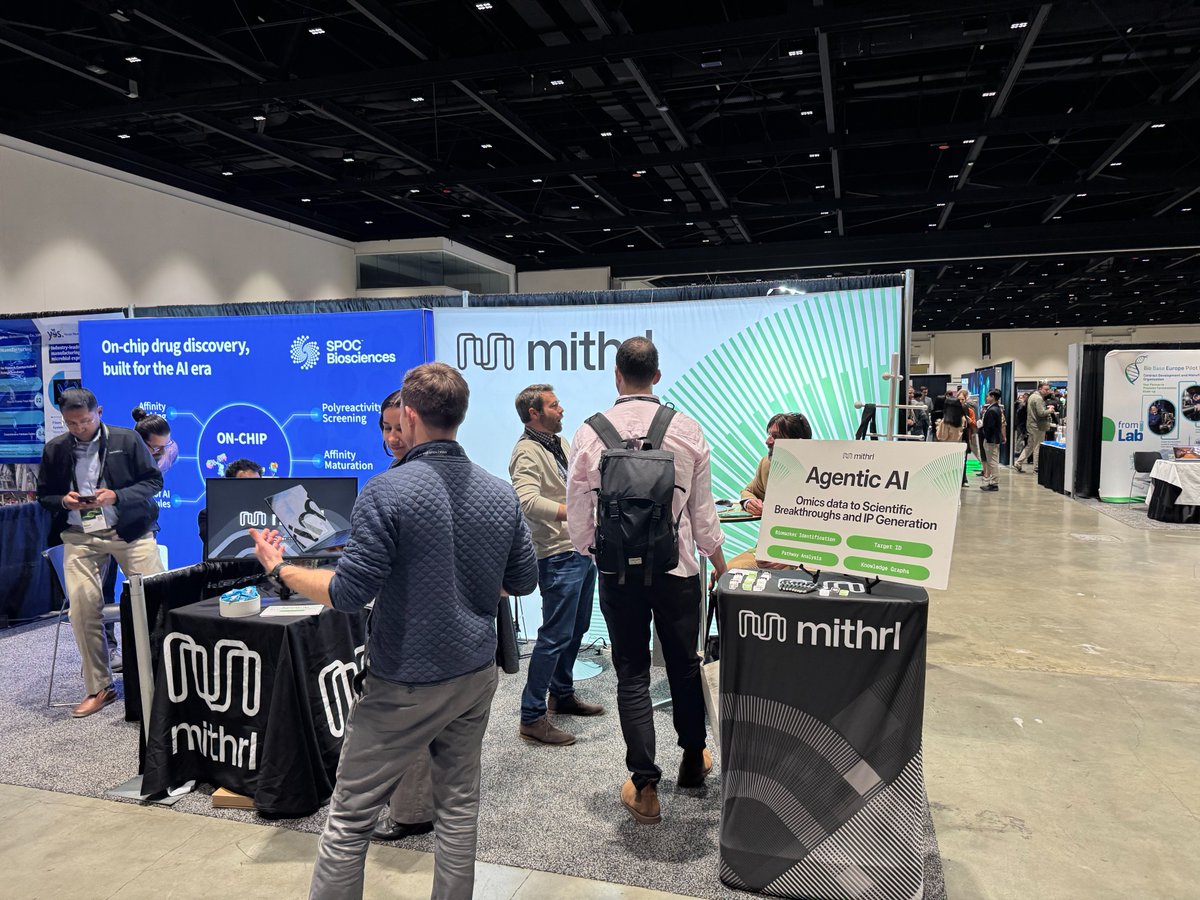
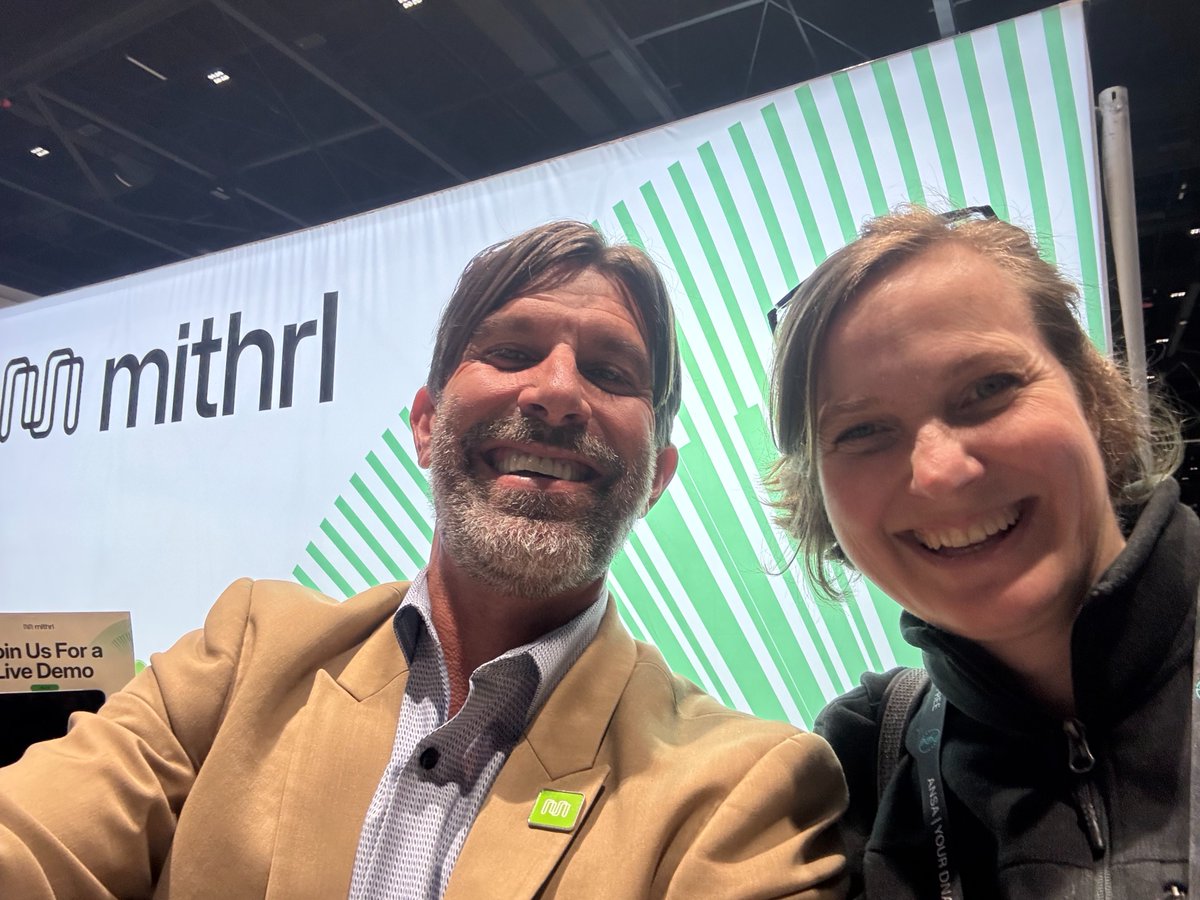
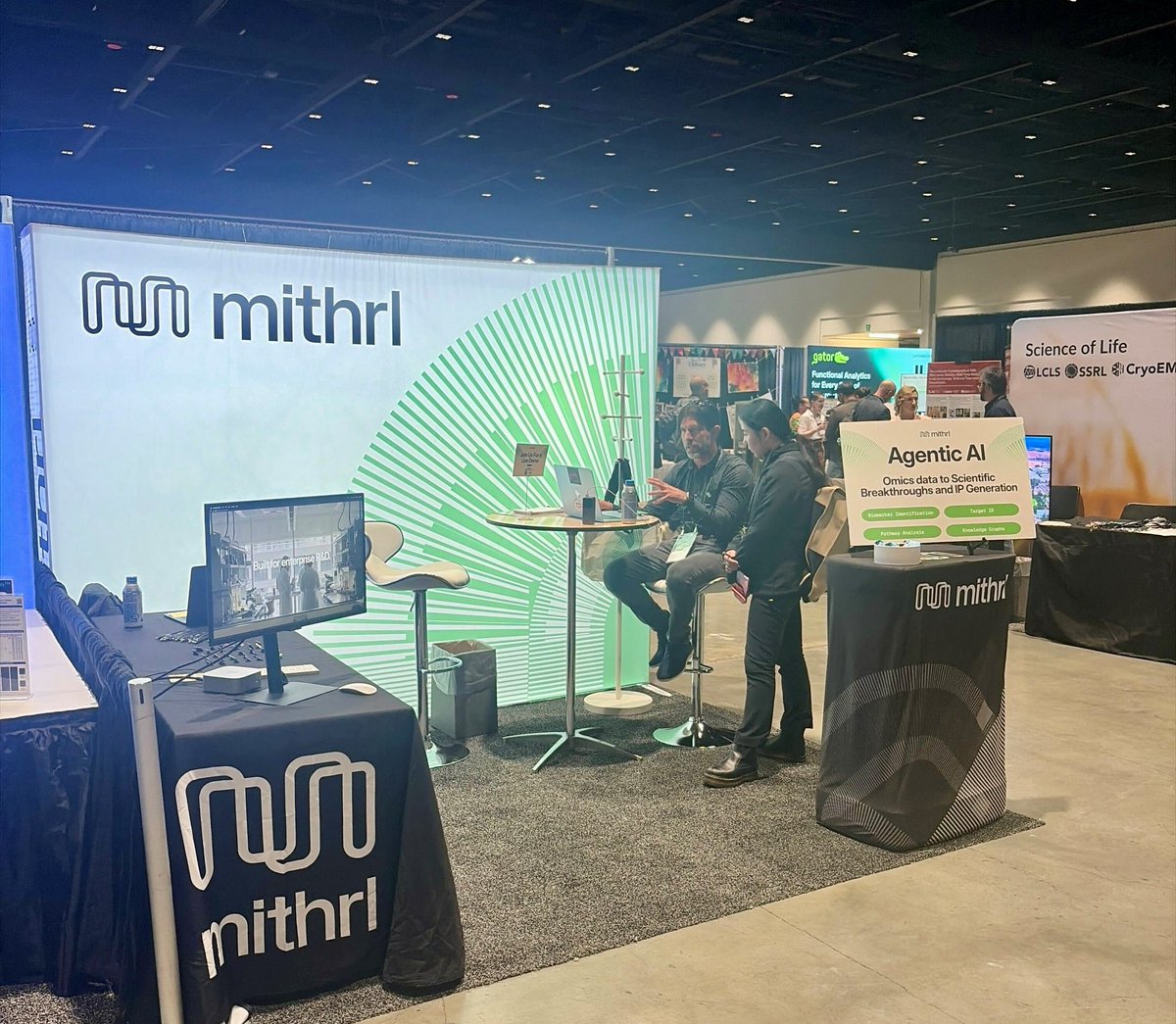
If you’re here, stop by booth #804 to see live demos of Mithrl’s Scientific Decision Engine and learn how we help biopharma and academic research teams turn complex omics data into reproducible, decision-ready insights.
Shiloh Barfield and Rachel van der Lugt will be at the booth throughout the day and are excited to meet fellow researchers working across discovery research.
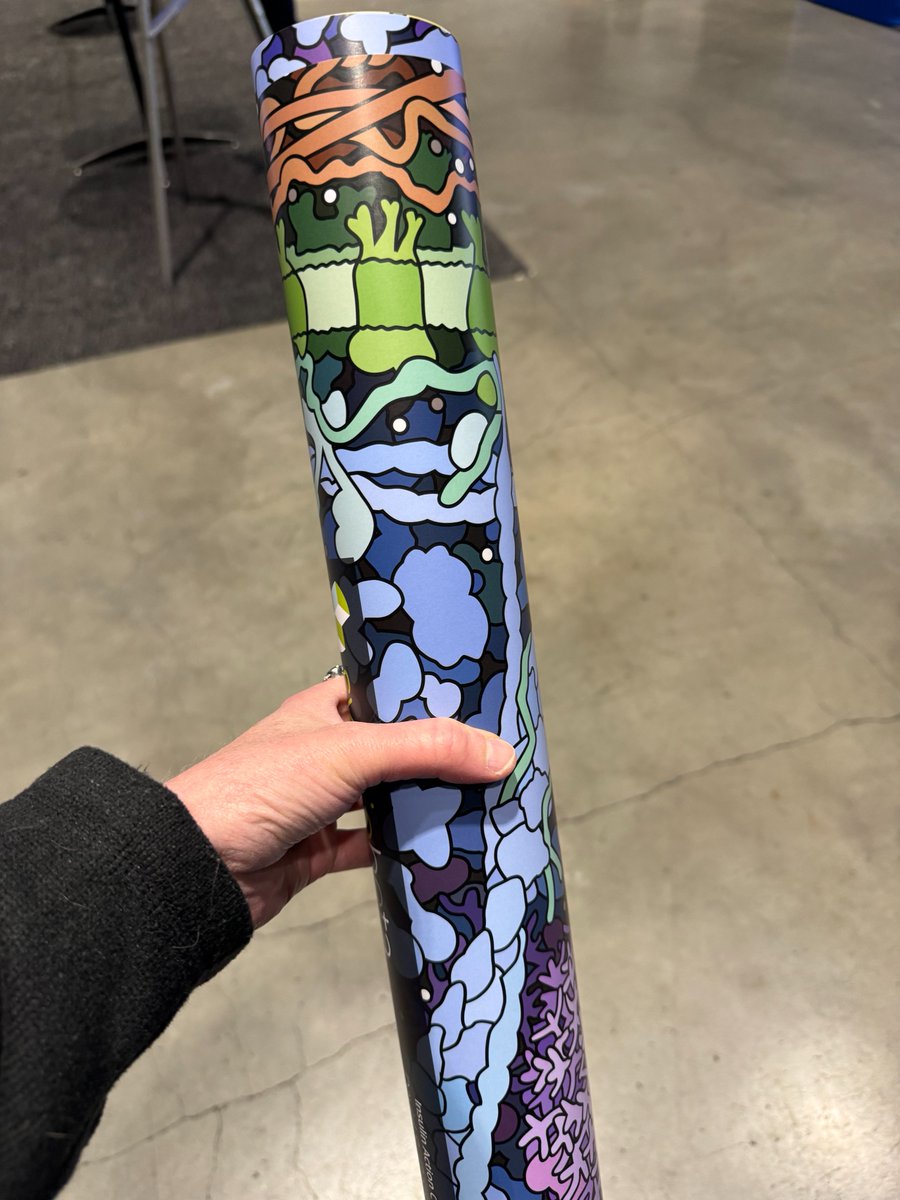
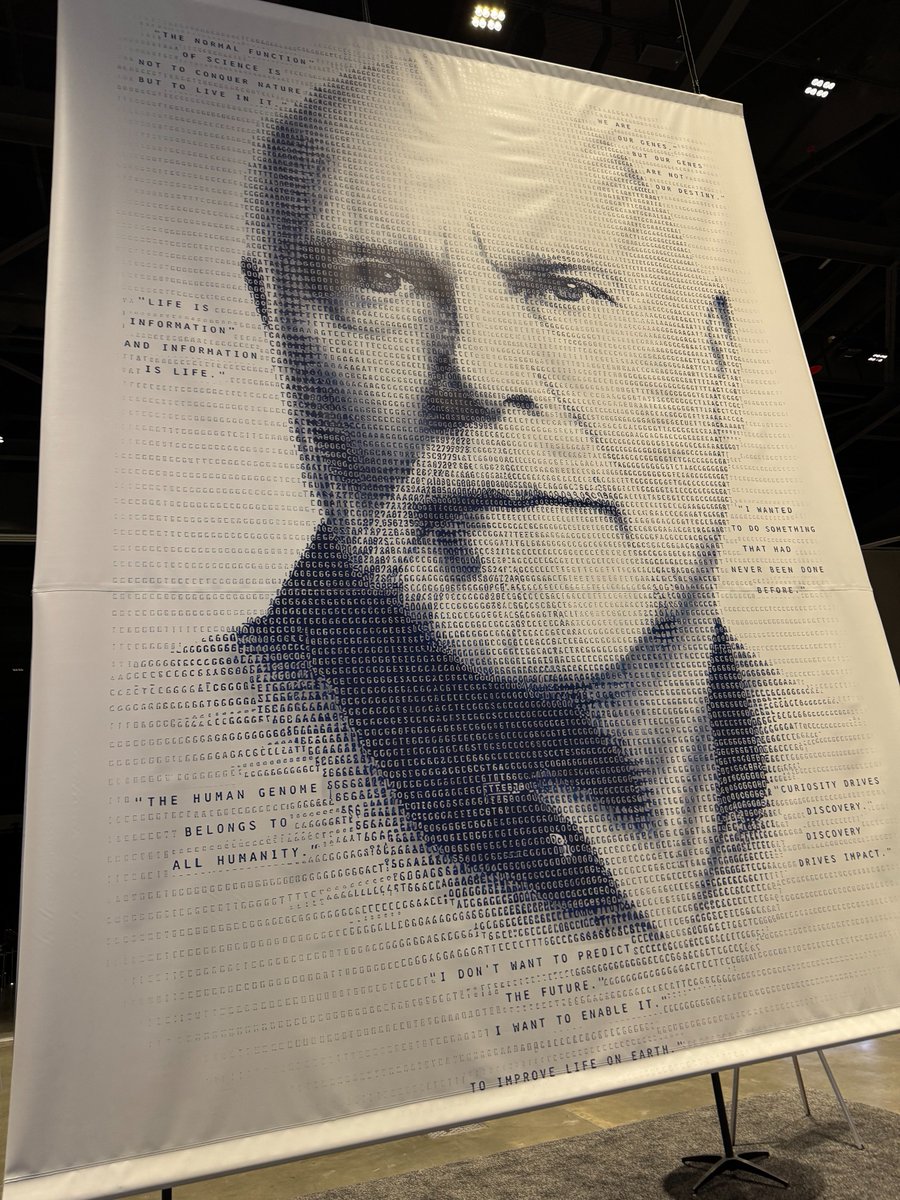
Huge shout-out to the @SynBioBeta team for hosting such an outstanding conference. We’re having a great time making new connections and especially love the cell art poster and the tribute to the legend Dr. Craig Venter (1946–2026). A memorable touch from the SynBioBeta team. IYKYK.
#Biopharma #DrugDiscovery #Omics #AI @ShilohB66714 @LugtRachel38704 @johncumbers
1
5
495
May 6
"What keeps me up at night is the fast pace of acceleration of open weight models in the ecosystem. They do not prioritize the same type of safety refusals." - Yunyun Wang, @OpenAI
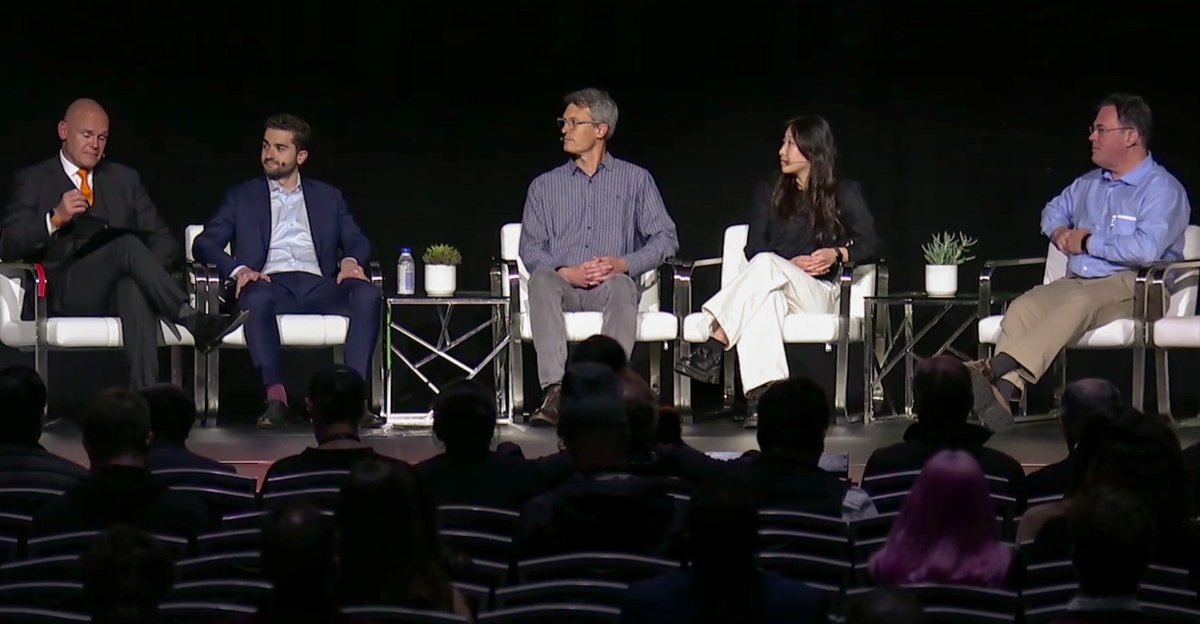
We just ran a biosecurity panel at @SynBioBeta today. Here's what you missed:
AI is making it easier to design dangerous biology. The design-build-test cycle is compressing so fast the panel debated whether it's still a cycle at all.
The screening tools mostly work. Kevin Flyangolts from @aclid said even heavily AI-redesigned sequences still conserve key functional residues, so current systems catch most of them... for now.
But nobody wants to pay for screening. Jake Beal from @Raytheon said plainly that biosecurity is a pure cost center for every DNA provider. If you refuse to synthesize a flagged sequence, the customer goes to your competitor. Now, it's a race to the bottom.
OpenAI deliberately downweighted biology training in their open weight models to reduce misuse risk. The problem is that the people building drug therapies and medical countermeasures need those same capabilities. The defenders lose too.
Know-your-customer matters as much as computational screening. Scott Fay from @AnsaBio made this case. We've been talking about a passport system for legitimate users of risky sequences for years. Still doesn't exist.
The Sequence Biosecurity Risk Consortium is trying to shift screening from "does this match a known pathogen" to "does this do something harmful to human cells." It's the right direction, but the speed needs to pick up.
We love talking about what synthetic biology can build. We're less excited about what it takes to keep it safe. So who exactly is going to fund the defense side of this equation before something goes wrong? Something to think about.
@DARPA @mkoeris
#SynBioBeta2026 #SyntheticBiology #Biosecurity #Biotech
2
11
20
3,077
May 6
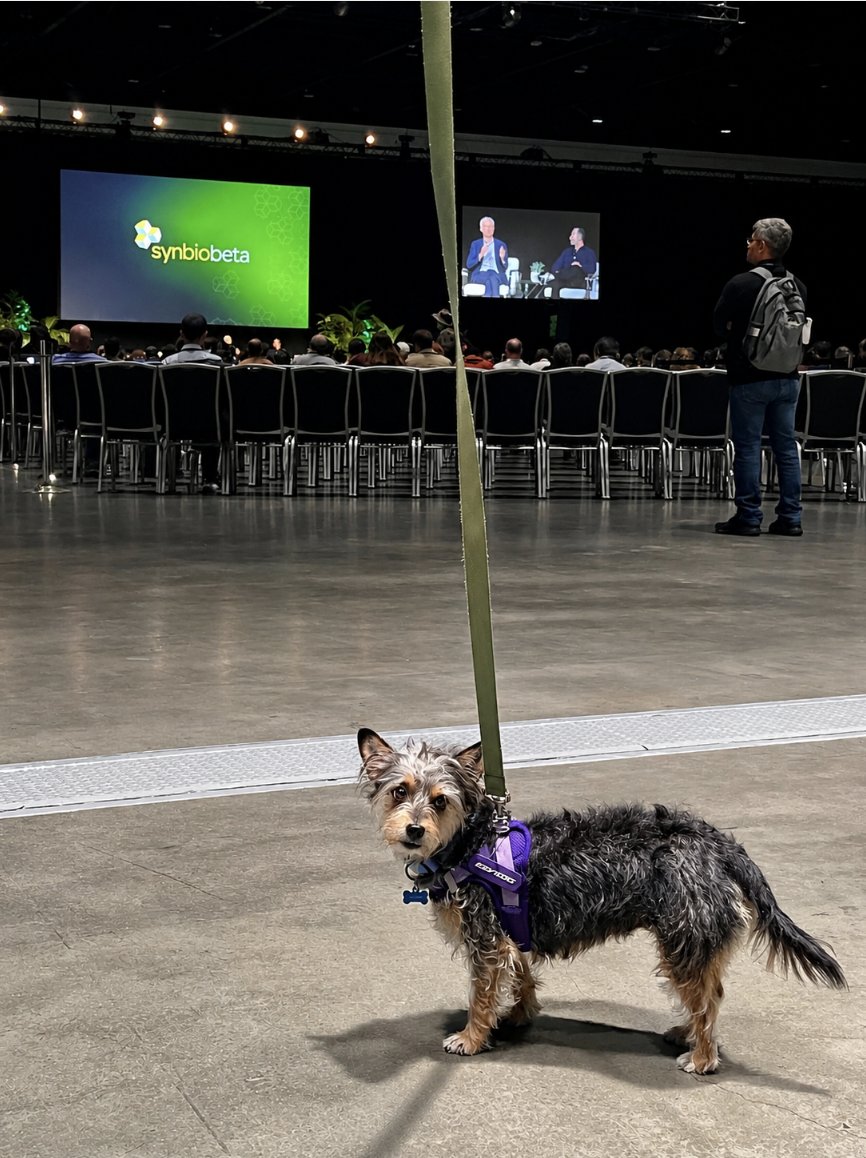
Not all our #SynBioBeta2026 attendees walk on 2 legs 🐶
Taco here found the "From Cells to Patients: Solving the Scale Mismatch in Virtual Biology" Main Stage Panel particularly interesting.
1
20
670
May 6
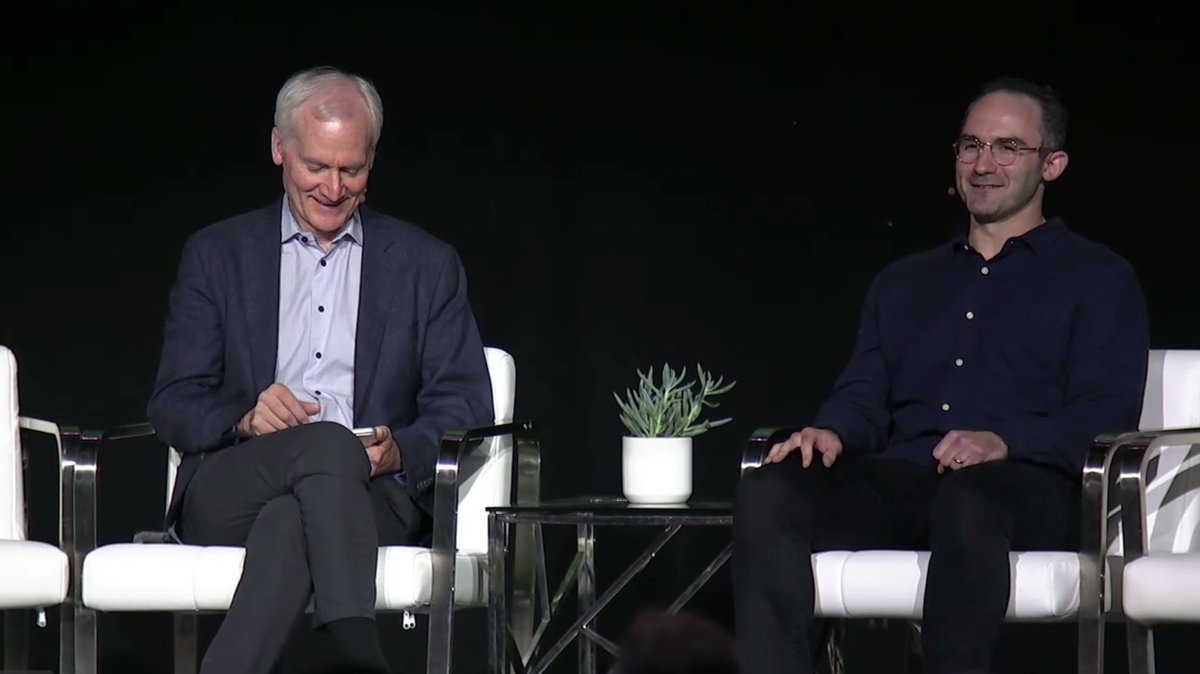
Anthropic Says Life Sciences Is Its Biggest Bet After Code.
Eric Kauderer-Abrams started @AnthropicAI 's life sciences division ten months ago. He took on the stage at @SynBioBeta with Marc Tessier-Lavigne from @Xaira_Thera , and what caught my attention was how plainly Eric stated the following:
"The greatest opportunity to have a beneficial, scaled impact with everything that's happening in frontier AI is in the life sciences."
After coding, it's their biggest investment area. They've been training Claude on bioinformatics, chemistry, molecule design, structural biology, clinical regulatory. Their models went from mediocre in life sciences to roughly PhD level across most domains in under a year. That's a steep curve.
But what I found more telling than the benchmarks was the infrastructure they're building around it. Wet labs for basic research so their own scientists hit the walls firsthand. An acquisition of Coefficient Bio (acquired by Anthropic) to teach @claudeai how to think like a biotech program manager, not just a bench scientist. The gap between "Claude can answer a biology question" and "Claude can help you run a drug program" is enormous, and they're clearly aware of it.
Marc mentioned that 90% of drugs fail in the clinic. Two-thirds of those failures aren't bad science, but patient matching. You have a good target, a good drug, and you can't find who will respond. That's the problem both of them kept circling back to, and it's where causal AI models trained on real perturbation data might actually move the needle.
Marc said nobody's pushing a button for a development candidate anytime soon. But Anthropic went from $1B to $30B in revenue in sixteen months. That kind of resource behind this kind of focus is new. It's fun to think of what R&D can look like in the next few months!
#SynBioBeta2026 #SyntheticBiology #Biotech #AIxBio
22
100
747
131,029
May 6
Hamilton Company has been coming to @SynBioBeta for years. This year, they showed up with something new.
Tyler Schweder from Hamilton's process analytics team walked Gary George through their full upstream workflow: pH, dissolved oxygen, viable cell density, total cell density, dissolved CO2... and the one everyone's been waiting for. Glucose for cell culture. Ten years in the making.
That's not a feature launch. That's a milestone.
Hamilton isn't just sensors. It's syringe pumps, benchtop robotics, and the big liquid handling platforms the industry already knows. Full workflow, one company.
They crushed their lead goal on day one.
Welcome to #SynBioBeta2026, Hamilton. 🔬
2
5
19
2,390

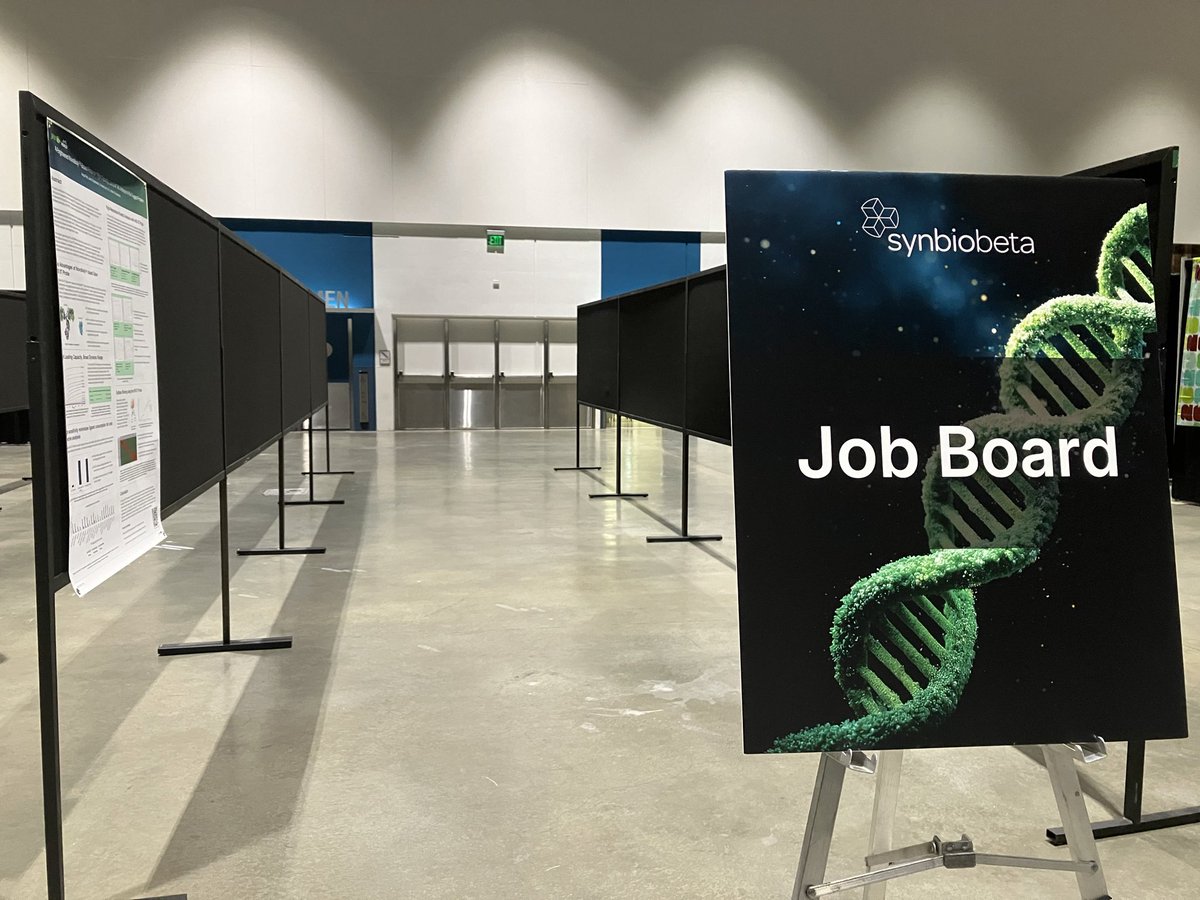
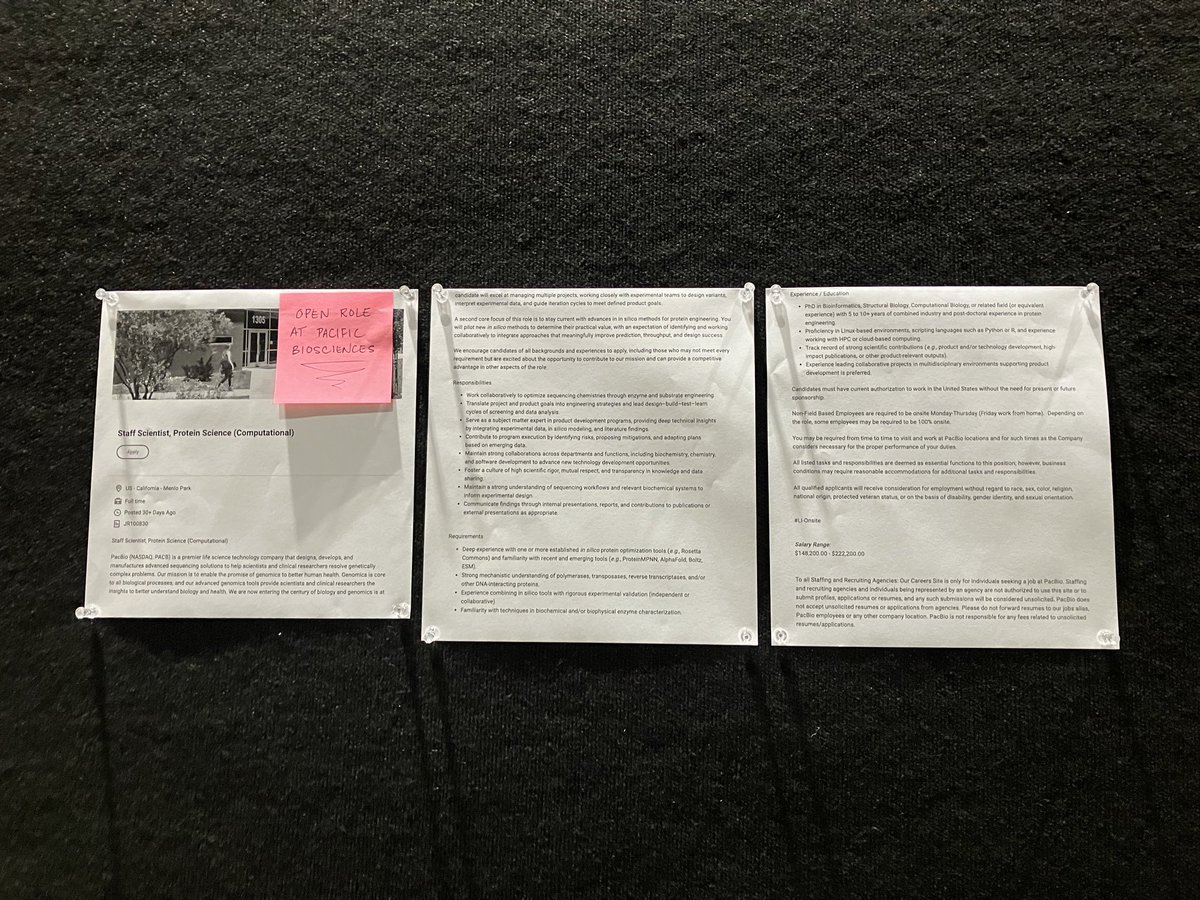
Lonely looking job boards… not a surprise in the current economy. Hoping we are reaching the bottom of the biotech layoffs… Yay for @PacBio for posting their job notice #SynBioBeta2026
2
91

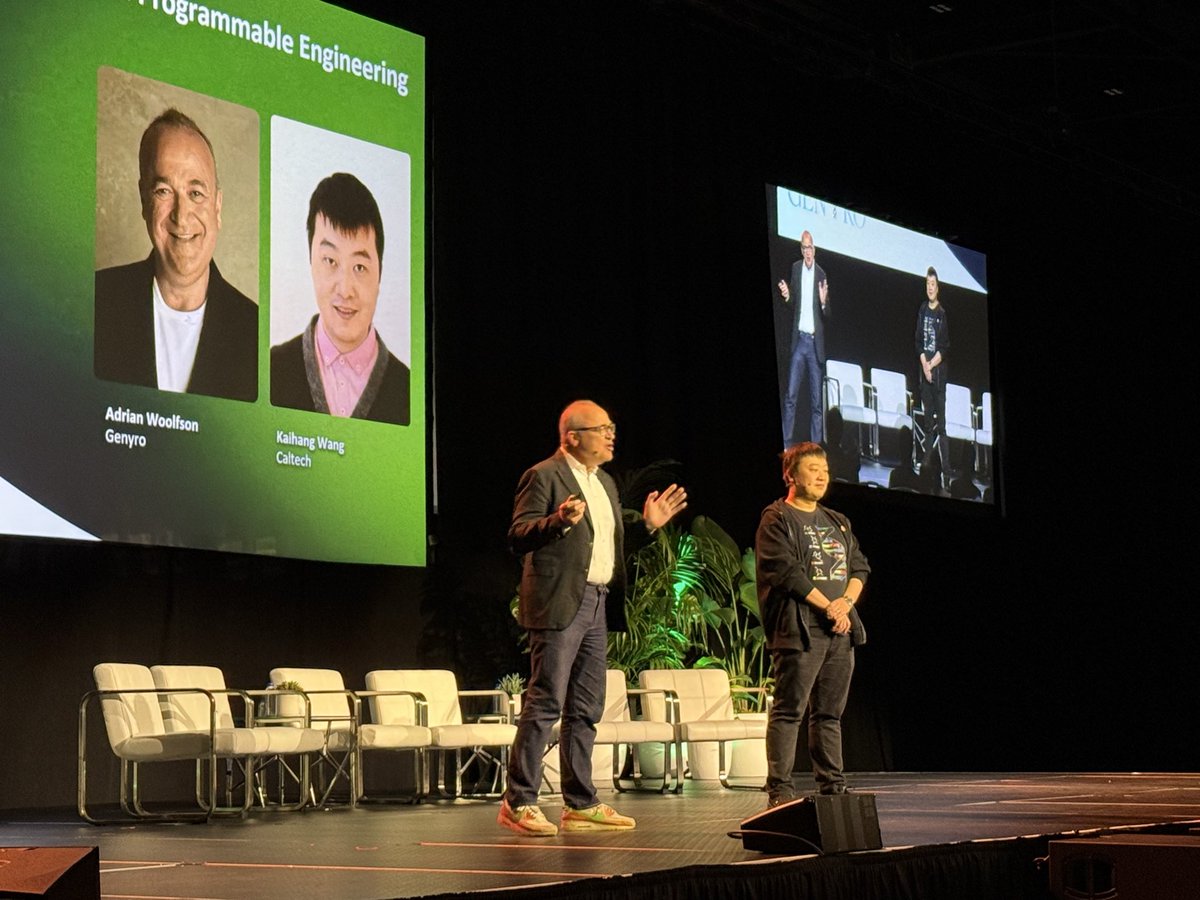
‘Biology will be bigger than Steel’
-Adrian Woolfson, on stage with Kaihang Wang at #Synbiobeta2026 day 2.
1
3
101
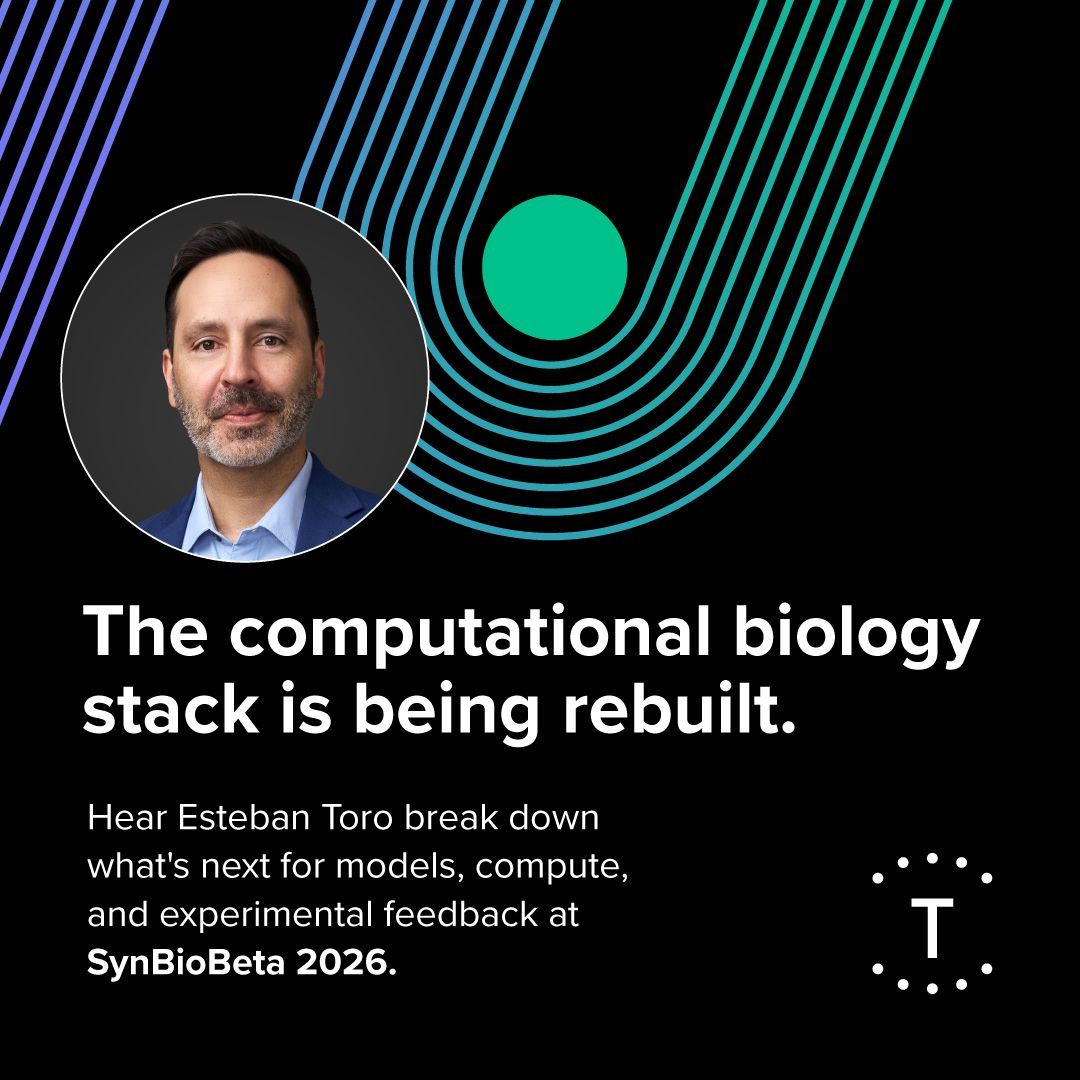
The computational biology stack is evolving fast, & we'll be right in the middle of the conversation at #SynBioBeta2026
Esteban Toro, VP R&D, breakout session: "The New Computational Biology Stack: Models, Compute, & Experimental Feedback" Wed., May 6 | 3:30–4:15 PM
📍booth 117
2
5
295
May 5
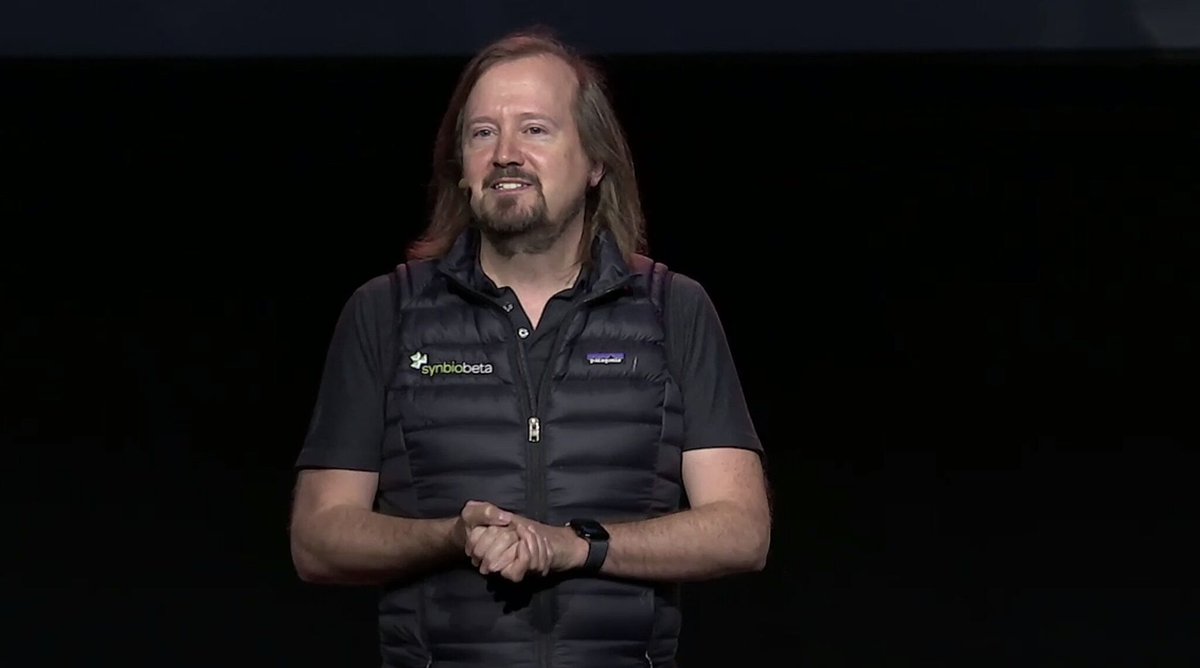
I opened SynBioBeta 2026 this morning in San Jose staring out at the biggest crowd we've ever assembled - and I couldn't stop thinking about a phone call I had last week with Sergiy Velychko, a postdoc in George Church's lab.
While we talked about his work editing mouse embryos and human cells at Soxogen, I was literally watching a computer in the corner of my room edit its own code and self-improve in real time. Same decade. Two parallel tracks of self-improving systems - one silicon, one carbon. That's not metaphor. That's Tuesday!
The biotech bear market ground people down for four years. Capital dried up. Companies folded. But the people in this room kept building anyway - kept experimenting, kept pushing. That matters more than any funding cycle.
We also lost one of the architects of this field. Craig Venter stood on the SynBioBeta stage many times, and this week we honour him with a tribute in the expo hall. If you're at #SynBioBeta, please leave a note. We'll get it to his family.
For a long time, it's felt like this cycle has had square wheels. Well, now I think it's finally starting to roll.
Design, Build, Test, Learn. Every layer is accelerating. DNA synthesis costs are collapsing. Assembly tech is debuting on this stage today. Testing is scaling with hardware and automation. And AI scientists are transforming the Learn step from bottleneck into engine.
#SynBioBeta2026 #SyntheticBiology #Biotech
8
70
2,929
May 5
We're live at #SynBioBeta2026! Come find us at booth 804 (directly across from the stunning portrait honoring Dr. Craig Venter).
Stop by for a live demo of Mithrl's Scientific Decision Engine and see how R&D teams are moving from raw omics data to novel, actionable insights faster, and with full transparency, traceability, and reproducibility built in.
We're also proud to sponsor the SynBioBeta AI x Biopharma Luncheon, featuring a fireside chat on AI for supporting biomedical research and defensible decision-making, with Vivek Ardash, Co-Founder & CEO of Mithrl, and Eric Kauderer-Abrams, Head of Life Sciences at @AnthropicAI.
Sign up early for this one!
📅 Wednesday, May 6 | 12:00 PM
📍 San Jose Convention Center, Room 210A
🔗 Reserve your spot: bit.ly/4tT8ieI
#SynBioBeta #AIxBio #Biopharma #DrugDiscovery #Mithrl #AI @flyingthor @SynBioBeta @johncumbers @ShilohB66714
2
6
479

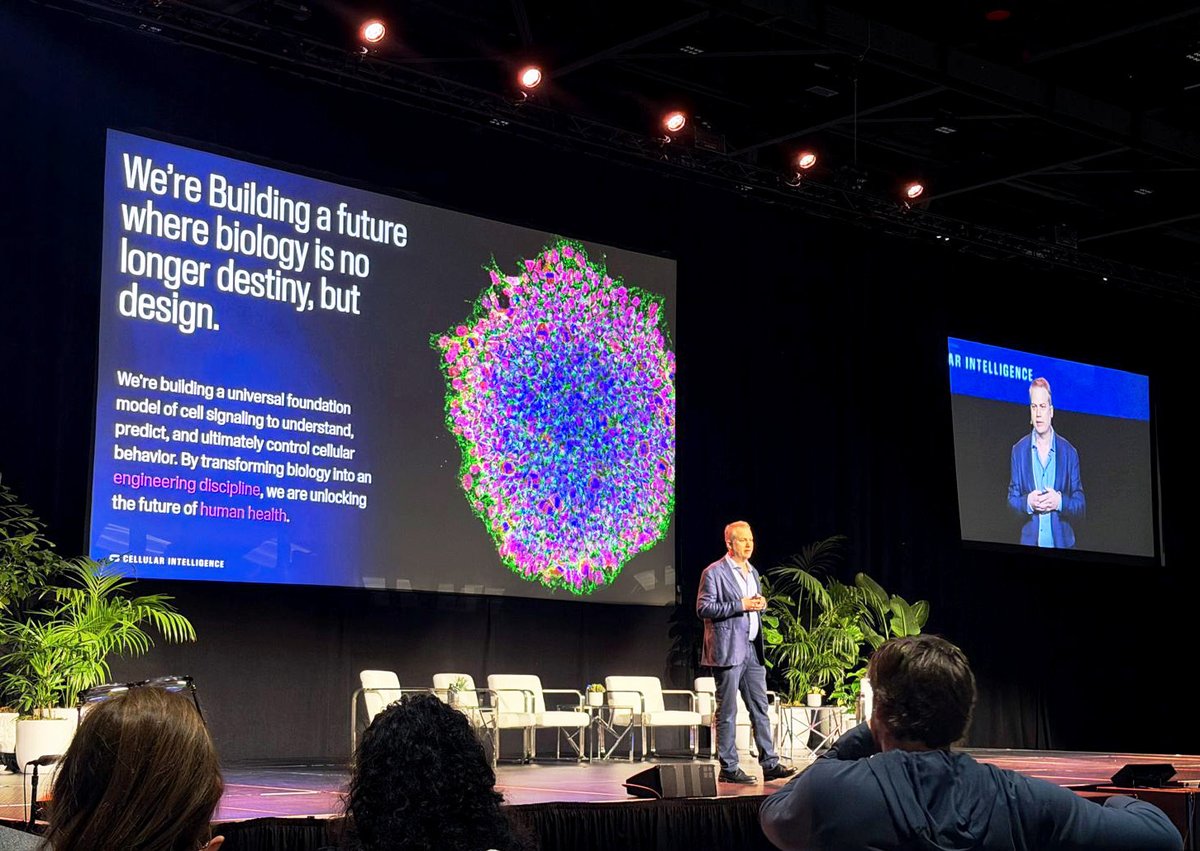
Our CEO @MichaBreakstone just stepped off the stage at #SynBioBeta2026. The energy in the room was electric, confirming what we've believed since day one at Cellular Intelligence: Biology is ready to be transformed from trial-and-error into a true engineering discipline.
Thank you @SynBioBeta for the platform to share our vision. We are building a future where biology is no longer destiny, but design.
2
13
688

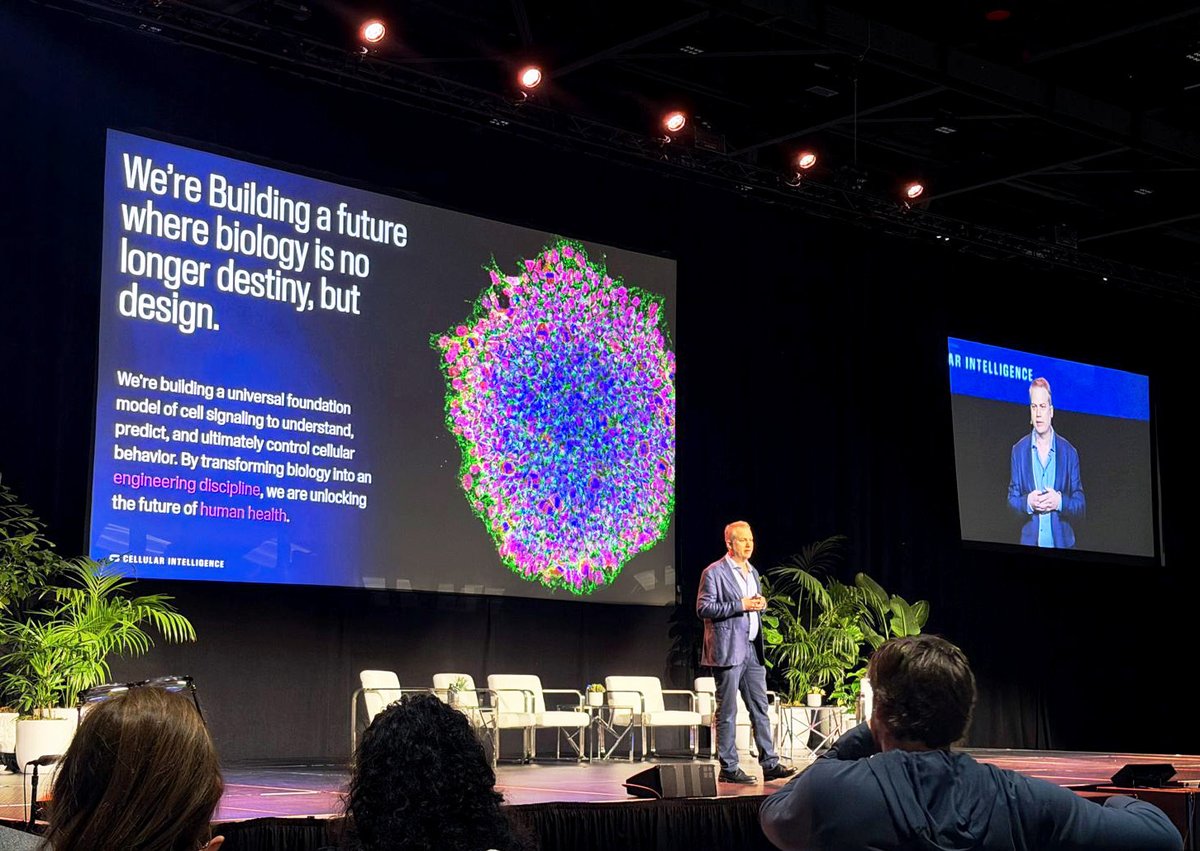
Just stepped off the stage at #SynBioBeta2026. The energy in the room confirmed what we've believed since day one at @CellularIntelHQ: Biology is ready to be transformed from trial-and-error into a true engineering discipline.
The grammar of cell signaling is learnable. And once we decode it, we begin to understand it, predict it, and ultimately control cell fate.
1
11
310
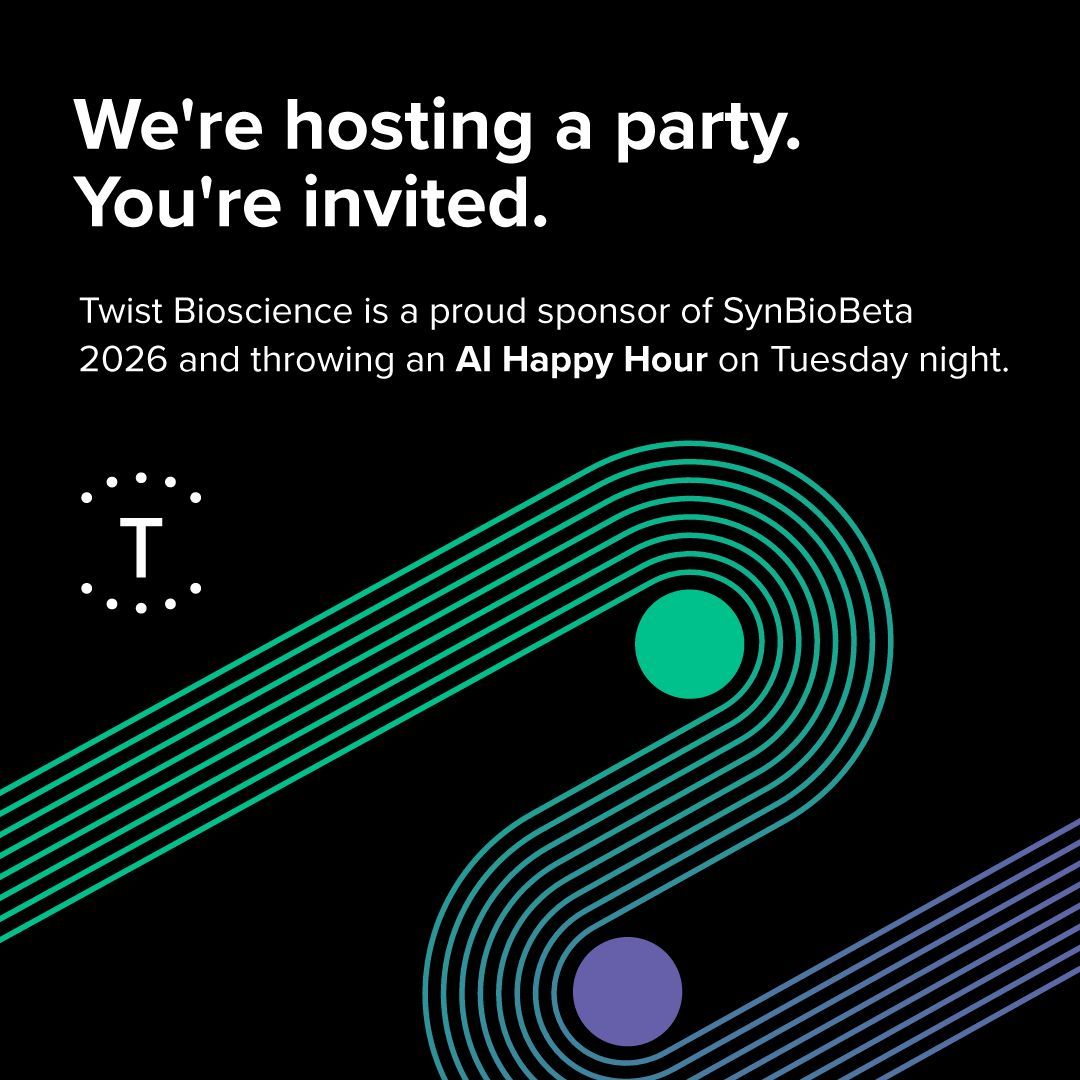
We're a major sponsor of #SynBioBeta2026, & we're throwing a party to celebrate. 🎉
Join us for AI Happy Hour Tuesday, May 5 | 6:30 PM. Connect with AI & biotech leaders, grab a drink, & discuss the future of biology.
Visit booth (#117) during the day & we'll see you tonight!
6
252
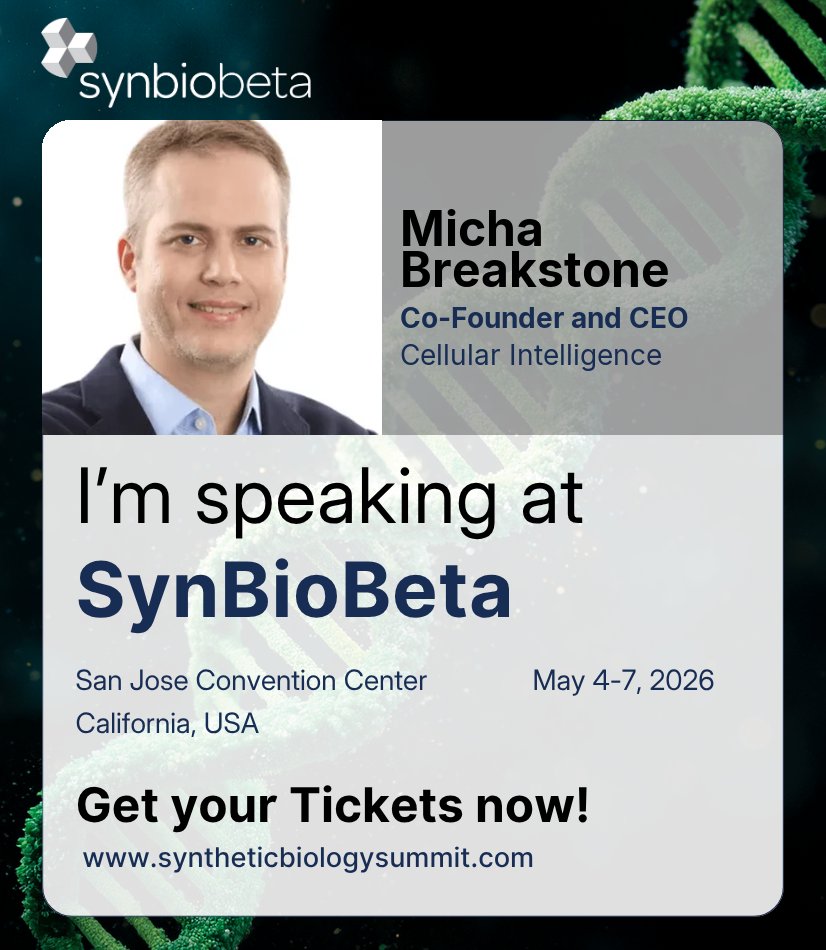
In just one hour at #SynBioBeta2026, our CEO @MichaBreakstone takes the stage to outline the future of cellular engineering.
Join us. We are building a future where biology is no longer destiny, but design.
Thanks @SynBioBeta for the stage.
3
7
482
May 4
At 5 PM today in San Jose, #SynBioBeta2026 officially begins.
The New Attendee Reception is the first event of the conference, and it's the perfect on-ramp: grab your lanyard, walk the venue, and start meeting the people you'll be running into for the next four days. First impressions matter, and this is where they happen.
Sponsored by Hawkwood Biotech Partners, the SF-based industrial biotech consultancy and Venture Firm that has been in the room for some of the biggest scale-up stories in the field, from fermentation to commercialization to fundraising.
They know this space cold, and they're showing up in force tonight.
Look for Vatshal Bhanushali, Emily Hopkins, MBA, Logan Roberts, Sanya Sehgal, Tony Day, and Richard Kenny on the floor.
Register: luma.com/qa9og62f
5
354