
Jun 11
ขอฝากชิอน/ดงจูด้วยนะคะ🥹 ชิอนเป็นคนที่คอยพัฒนาตัวเองอยู่ตลอดเลยค่ะ แล้วก็ใส่ใจแฟนคลับม้ากมาก
ขอขายของนิดนึงนะคะ555555 อานนี้เป็น fancam เพลง no diggity จากรายการ rtk2 ที่วอนอัสไปออกค่ะ ชิอนเท่มากกกกก! youtu.be/hM8QvMMcUtY?si=_kra…

1
1
1
190

& fun fact ! incase ya’ll didn’t watch. there’s a reason why other bg contestants in rtk2 feared competing w/ him as an ace bc not only he does sing but he can DANCE very well and can put on a grand performance even if he was on stage alone. so idk, ya’ll maybe do sum research
7
572


Jun 3
Qysh eshte e mundshme na nuk kemi nje televizon publik qe flet veq shqip 24 orë, kurse pakicat qe perbejne ma pak se 4% te popullates kan programet ne gjuhen e vet qe flasin 25 orë ne gjuhen e tyre (RTK2 dhe RTK3) ??? A ma shpjegon @albinkurti #Kosova
Jun 3

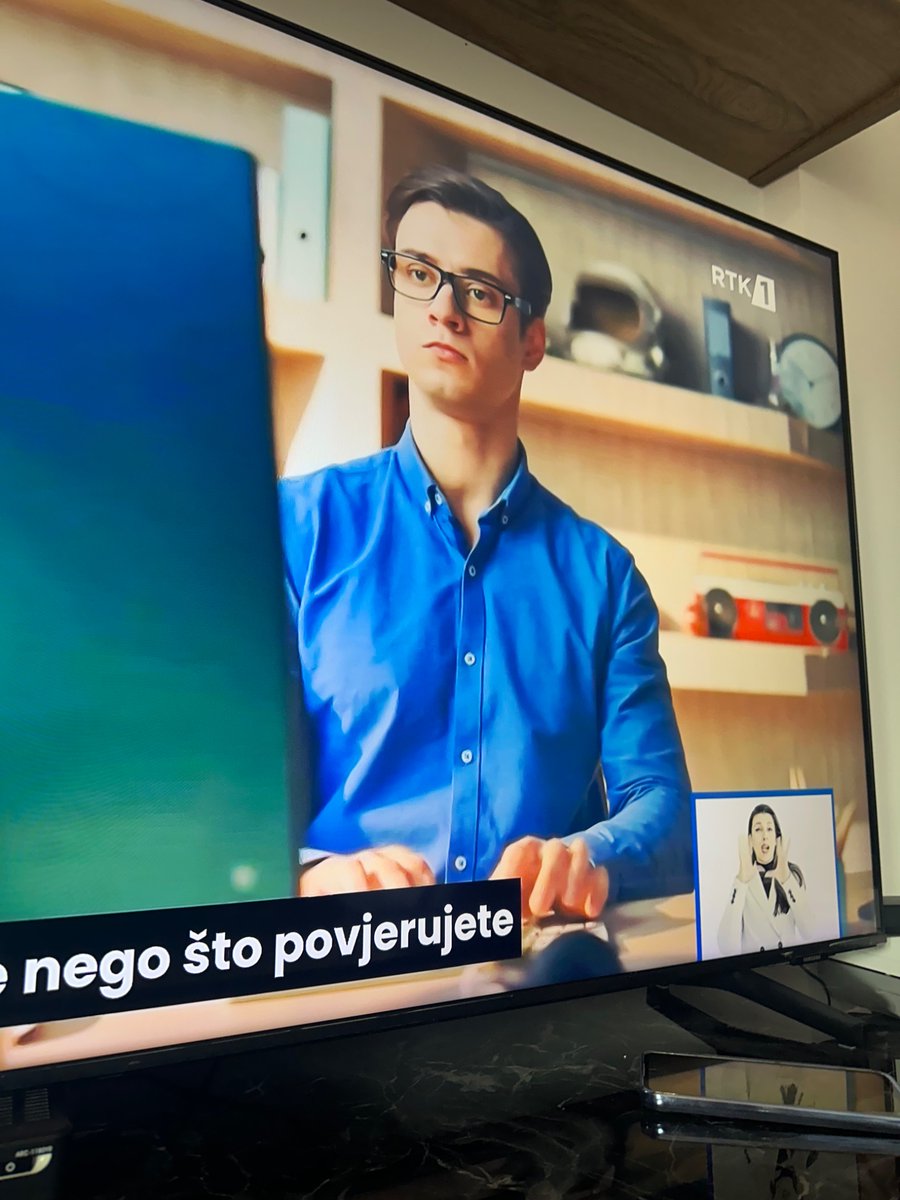
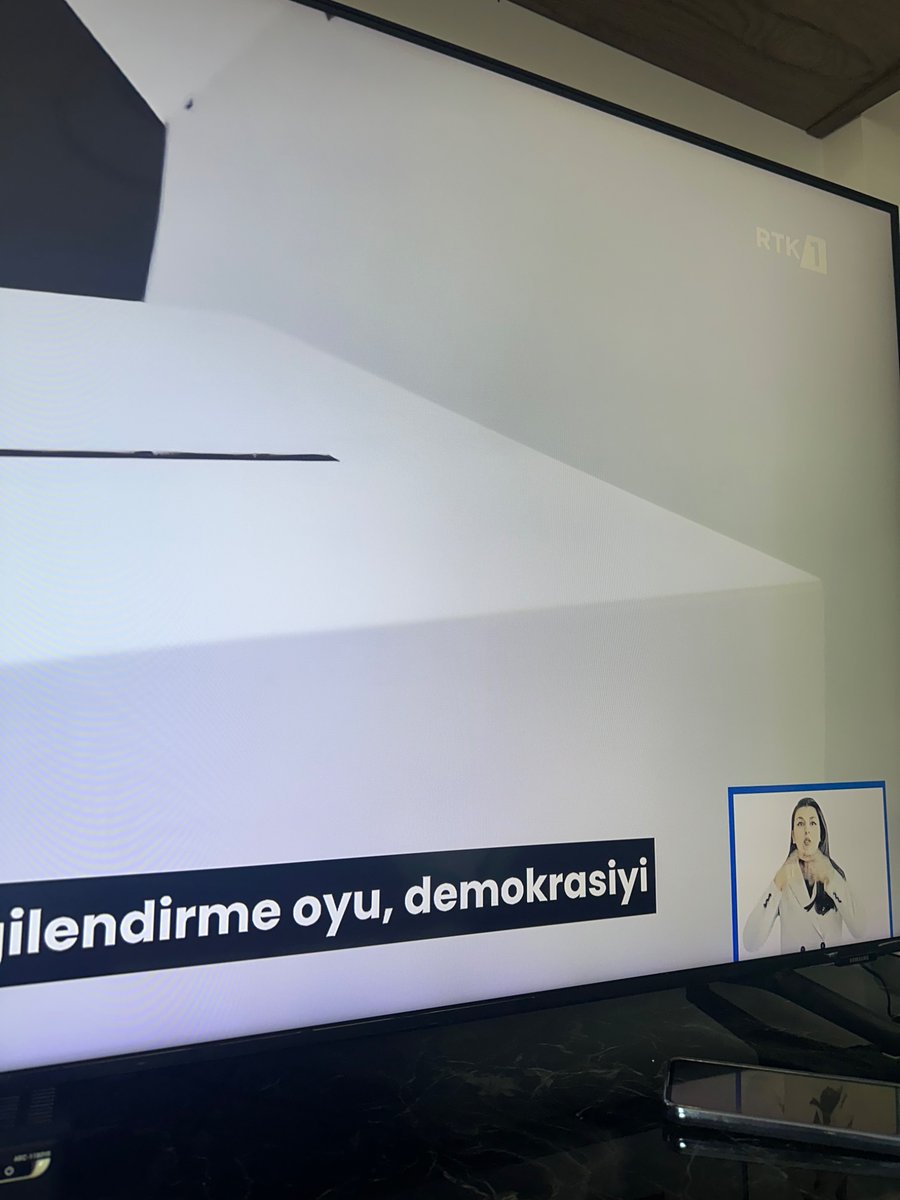
A po ju duket normale qe ne Kosove popullata 95% shqiptare nuk ka televizion kombtar publik te vetin ? Isha duke shikur RTK1 edhe mdulen 3 reklama ne gjuhe te ndryshme, lajmet me dalin ne gjuhe te ndryshme, perderisa ne RTK2 dhe RTK3 nuk dalin asnjeher programe shqip? #Kosova
1
6
214
Jun 3
A po ju duket normale qe ne Kosove popullata 95% shqiptare nuk ka televizion kombtar publik te vetin ? Isha duke shikur RTK1 edhe mdulen 3 reklama ne gjuhe te ndryshme, lajmet me dalin ne gjuhe te ndryshme, perderisa ne RTK2 dhe RTK3 nuk dalin asnjeher programe shqip? #Kosova
1
6
414

Jun 2
1.實名感謝月老張以傑
2.正式入坑前一天我其實跑去參加布穀町還是ICE我忘了 反正就在花博和涵涵說我看小男生看到半夜三點
3.一開始其實是SOLO追但因為RTK2和日本線下認識很多THX我很開心
4.謝謝五位男士讓我持續在畫畫
5.我詞窮了
4
147

May 30
wait yeonkyu getting shocked at park sohyun knowing and remembering about rtk2 stages is killing mejdjfb
2
11
465

I played RTK2 on Super Nintendo. The old Outlaws was on the same engine and frankly kinda lame...
It all got better in the next two gens before everything went to shit
1
2
16

May 22
they’ve actually been on such a good run of releases since rtk2, it may be the only good thing to come out of that evil show
open.spotify.com/track/5T3Le…
1
1
25

May 22
I can’t wait, I have no doubts! Drowning was a hyperfixation of mine after Junhyeok performed it on rtk2 where I found out about it and him! Woodz has such insane vocals I just know hearing him sing irl will be 10x better!
2
172

May 12
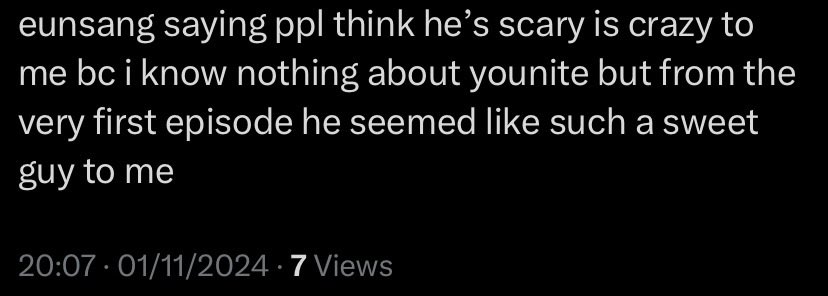
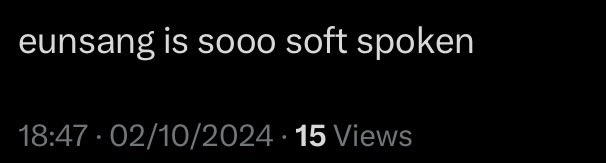
went looking for my old tweets back from rtk2 era when i was just a lurker and omg😭😭
1
12
2,269

May 4
The Regression of Media Freedom in Serbia and the Instrumentalization of the Issue of Serbian Print Media in Kosovo
When the facts damage Serbia, propaganda attacks Kosovo
Serbia has recorded a regression in the Media Freedom Index, ranking 104th, down from 96th place last year. At the same time, Kosovo has advanced by 15 places. This decline of Serbia and rise of Kosovo appears to have caused political concern inside Serbia and within its media network beyond its borders.
Immediately after the publication of the index, several Serbian media outlets began shifting attention away from Serbia’s regression and toward Kosovo. Instead of addressing the reasons why Serbia is falling in international media freedom rankings, they searched for a topic related to the media, but one that could be used against Kosovo.
Repackaging the narrative about Serbian newspapers
This is a familiar narrative technique: Serbia’s authoritarianization is sought to be covered up through the victimization of Serbs in Kosovo. According to some Serbian media outlets, the entry of newspapers from Serbia into Kosovo has been blocked for three years now. This issue has been turned into a political narrative, where a problem of physical import and print distribution is presented as Kosovo’s censorship of information in the Serbian language.
The fact that this narrative is being used to cover Serbia’s regression can also be seen from the comparison with last year. Back then, the narrative was built mainly around “the right of Serbs to information.” This year, the same topic has been repackaged and hardened: it is now presented as censorship by Kosovo against the Serbian press and as the “complicity” of the international community.
So, while Serbian media remain silent about the regression of media freedom in Serbia, they shift the debate to Kosovo. The goal is clear: to divert attention from the real problem, which is the democratic and media deterioration in Serbia.
Why this is not censorship, but a shifting of the debate
It should be recalled that several Serbian-language media outlets operate in Kosovo. The minimum documentable number is around 10 to 15, including portals, radio stations, and local television channels. Moreover, RTK2, a separate Serbian-language channel, also operates with public funding from the Republic of Kosovo. RTK1 also has designated space for news and materials in the Serbian language.
No portal or digital media outlet from Serbia is sanctioned in Kosovo. In addition, the Serbian language is an official language at the national level in Kosovo. Under the Law on the Use of Languages, Serbian citizens are guaranteed access to services and information in their own language, and this is implemented in institutions, public documents, and official communication.
Due to rapid digitalization, the print press has declined significantly across the entire region. In Kosovo, there have been no daily print media outlets with real weight in the market for years. In Serbia as well, according to the Media Ownership Monitor, the print market has experienced a major decline over the years, while the print press is the media segment that is continuously losing audience. According to IPSOS data, the daily print audience in Serbia was halved between 2016 and 2022.
The Reuters Institute, in the Digital News Report 2025 for Serbia, also emphasizes that the print press is losing readers and revenue. According to this report, print media in Serbia account for only 5% of advertising revenue, while online media reach more than 27%.
IREX/VIBE 2024 for Serbia also finds that, in line with global trends, the popularity of print media in Serbia continues to decline. Competition from online media and access to free information are the main challenges for print publications.
Therefore, the Serbian press cannot simply be presented as a victim of Kosovo. Serbian-language newspapers coming from Serbia have been affected as physical goods, within the framework of measures and obstacles related to supply, import, and distribution. There is no evidence that Kosovo has banned the Serbian press because of language or editorial content. This is the essential distinction between a commercial/logistical problem and a claim of political censorship.
The debate must be returned to Serbia’s regression
In summary, faced with the decline of media freedom in Serbia and Kosovo’s improvement in the international index, Serbian media are trying to shift the debate from Serbia to Kosovo. Instead of dealing with pressure on journalists, propaganda, disinformation, and the capture of the media space in Serbia, they produce a narrative of victimization about Serbs in Kosovo.
This is not an honest analysis of media freedom. It is an attempt to cover Serbia’s media authoritarianization with a recycled topic against Kosovo. For this reason, the debate must be returned to where it belongs: to Serbia’s regression, to political control over the media, and to the use of Serbian media as an instrument to attack Kosovo even when international facts say otherwise.
#Kosovo #Serbia #Mediafreedom #ReportersWithoutBorders #propaganda #disinformation
@USEmbPristina @SecRubio @UN @RobertaMetsola @EP_President @Europarl_EN @EP_EPRS @OSCE @OSCEKosovo @vonderleyen @MFA_Croatia @HelsinskiOdbor @albinkurti @VjosaOsmaniPRKS @UNHumanRights @kajakallas @MartaKosEU @TC_PristineBE @aliciakearns @DorisPack2 @agim_musliu @NATO_KFOR @GunterFehlinger @Sandulovic_N @i_videnovic @DanielSerwer @GermanAmbKOS @pvengu @carlbildt @EjupMaqedonci @ivananusic12 @DailyShqip @ThisisKaltri @Romanistan1971 @petritmalaj @shkamberi @FlamurKrasnq @NewsOnKosova @GlobalPatriaX @ridvan_emini
1
9
27
1,326


 sara🖤
sara🖤
ฝาก ONEUS ไว้ในอ้อมอกอ้อมใจทุกคนด้วยน้า 🥺 โวคอลหูเคลือบกลิตเตอร์ ส่วนผสมที่ลงตัวมาก ๆ แร็ปไลน์สุดจะเท่! ยิ่ง performance บนสเตจคือไม่ว่าจะงานไหน ๆ ก็ถูกชมตลอดทั้งจากทูมูนและนอกด้อม งานปลายปี RTK1 , RTK2 จัดเต็มทุกสเตจ ควรค่าแก่การแมสที่สุด ദ്ദി ̥_ ̫ _ ̥ )
Apr 15

บอยกรุ๊ปเจน 4 เบอร์กลาง ๆ ถ้าไม่นับกลุ่ม TOP6 เหลือแค่
กระแสดี แฟนคลับแน่น : P1Harmony / CRAVITY
ยังสู้อยู่ : ONEUS / VERIVERY / TNX / JUST B / TEMPEST
แฟนคลับมี แต่ค่ายเริ่มดอง : CIX / EPEX / MCND /YOUNITE / BAE173 / GHOST9
ที่เหลือคือยุบวง พักวงกันเกือบหมดแล้ว TT
10
7
614


who enjoyed rtk2 😭 i can't even rewatched it 😭😭 i only enjoyed vity performances hsjshshs
Apr 14

cravity asked luvitys what their favorite memories from the past 6 years were, someone commented road to kingdom and woobin just went “you enjoyed it??” 💀
1
2
151


あしたのらいぶはこちら🐰🌸🤍
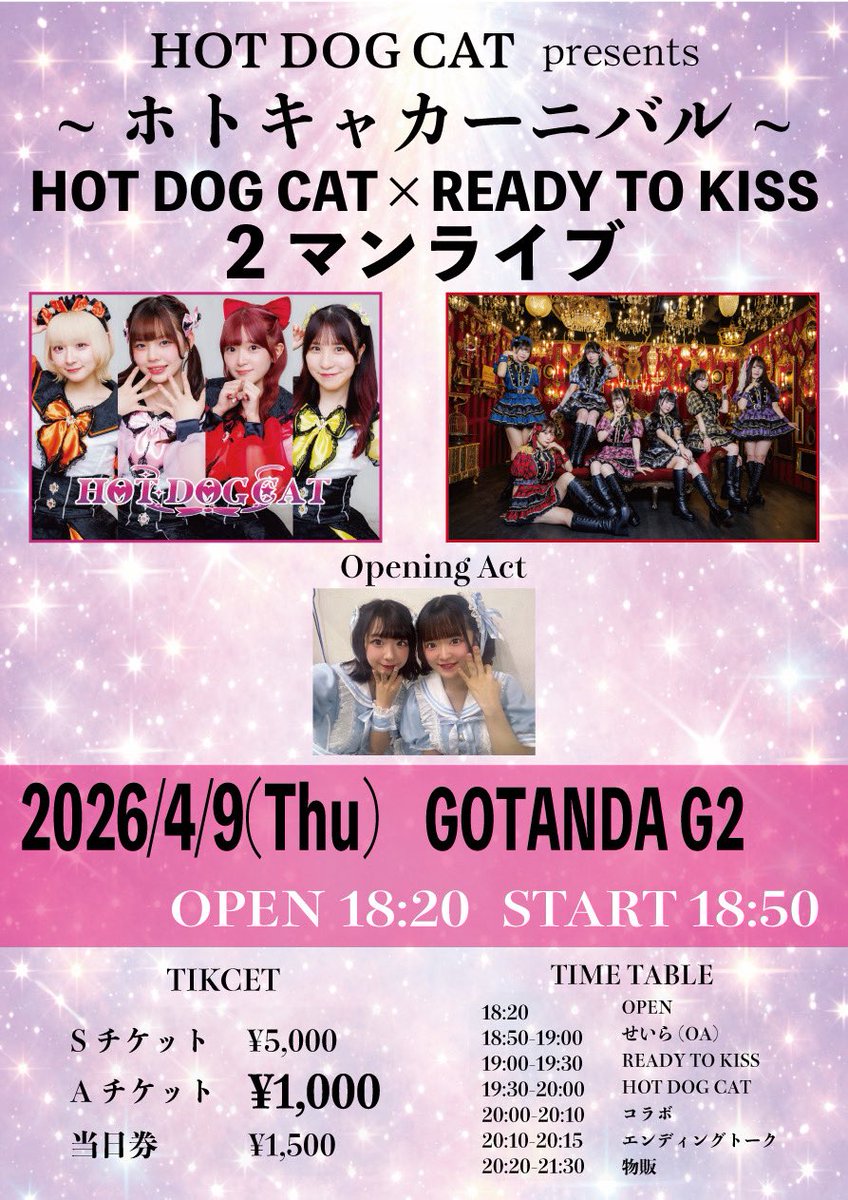
HDC×RTK2マン😽💋ひらがなせいらちゃんもいるよん👶🏻衣装交換でメンカラ違うの着るんだけどいつも通り白降ってください🙏🏻🪄❕コラボ曲もあるよん頑張る✊🏻まってます🌸🤍
📍GOTANDA G2
🎤19:00-19:30
20:00~コラボ
📸20:20-21:30

HOT DOG CAT presents
ホトキャカーニバル
HOT DOG CAT x READY TO KISS 2マン🐱💋
【日程】2026年4月9日(木)
【会場】GOTANDA G2
【時間】開場 18:20/開演 18:50
【料金】※各D代別
Sチケット 5,000円
Aチケット 1,000 円
当日券 1,500円
【出演】HOT DOG CAT, READY TO KISS
【Opening Act】せいら
《Sチケット特典》
優先入場(エリア分け無し)
出演3グループの2ショット撮影券各1枚
入場順
S→A→当日券
《チケット》
t-dv.com/hdcrtk2man-20260409
2026年3月29日 22:00~販売開始
【注意事項】
※アルコール提供なしとなります。
※飲酒状態のお客様は入場できません。
【タイムテーブル】
18:20 開場
18:50-19:00 せいら
19:00-19:30 RTK
19:30-20:00 HOT DOG CAT
20:00-20:10 コラボ
20:10-20:15 エンディングトーク
20:20-21:30 物販
6
1
19
828