EbonyFootLover24 retweeted

Last #SoleSaturday a travel nurse was assigned to collect a sperm sample from me for my annual health assesment. This test is to make sure my testicles are making reproductive fluid correctly.
Using her feet, she examined my ballsack and tested the sensitivity of my penis. Then at the end of the exam she was required to get an extraction for lab testing.
After she saw the quality of my cum she said I was good and fertile! Check the comments for the @ and the full video link
1
46
357
5,622
Deep Mukherjee retweeted

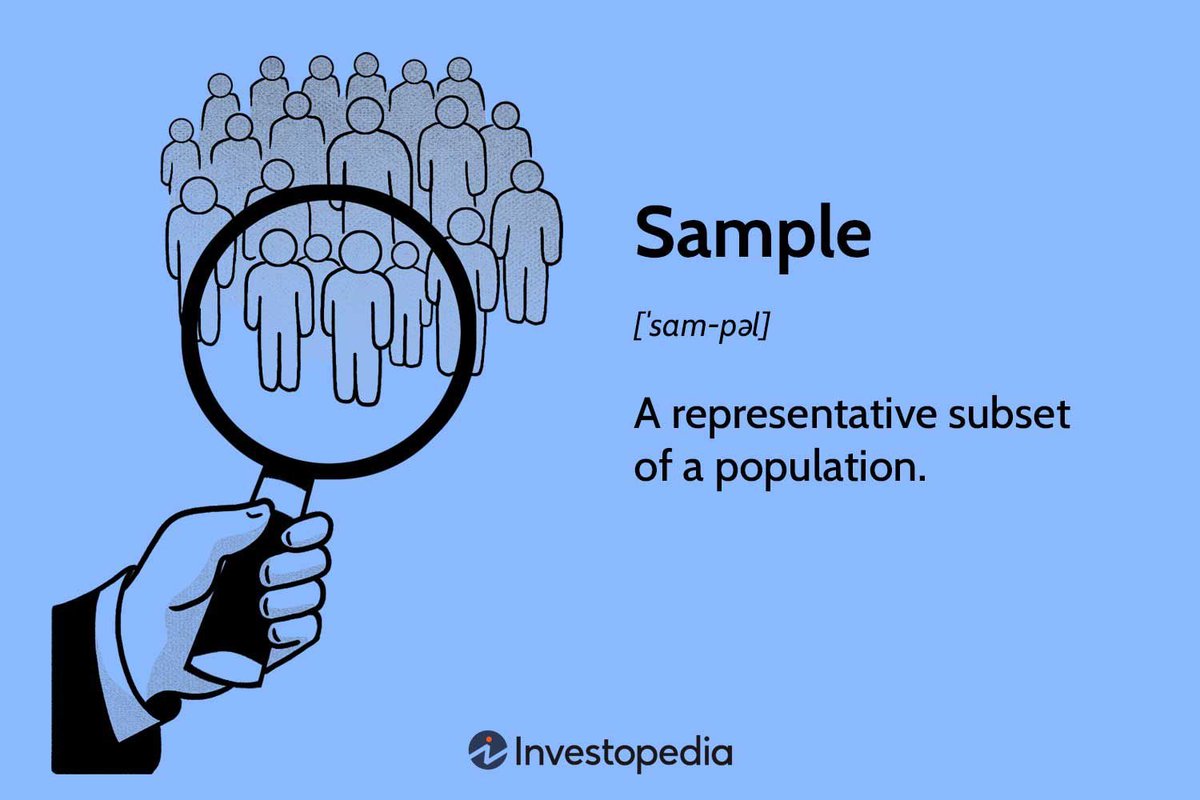
Ancient India holds a completely mind-blowing, hardly-known conceptual connection to small sample statistics problem: estimating a massive population from a microscopic sample.
It is recorded in the Vana Parva of the Mahabharata, through a highly advanced mathematical concept known as Akṣa-Hṛdaya (The Heart of the Dice/Numbers).
In the epic, King Nala loses his entire kingdom in a rigged game of dice because he lacks the cognitive framework to understand probability & patterns. He goes into exile, loses his identity & ends up working as a humble charioteer named Bāhuka for King Rituparna of Ayodhya.
Rituparna was not just a king; he was a master of Akṣa-Hṛdaya, which ancient texts describe as a secret system that allowed a person to immediately compute vast numbers & understand the mathematics of gambling.
1 day, as Nala is driving Rituparna’s chariot through a dense forest, they pass a massive, sprawling Vibhitaka tree (the Terminalia bellerica, ironically the very tree whose nuts were dried & used as dice in ancient India).
Rituparna looks at the bursting, chaotic canopy of leaves & fruits & makes a casual boast to Nala:
"Look at this tree, Bāhuka. Not all of its leaves & fruits are visible to the eye. But I can tell you that on this tree, there are exactly 50 million leaves & 2095 fruits."
Nala is stunned & deeply skeptical. He stops the chariot & says, "O King, you are making a claim about things that are hidden from view. I am going to chop down this tree, count every single leaf & verify if your words are true."
Nala literally spends hours cutting the branches & counting. When the final tally matches Rituparna's calculation down to the last single digit, Nala falls at his feet & begs to learn the secret.
How did King Rituparna do this? Mainstream mythological retellings treat this as a magical mantra/a divine superpower. But in reality, Rituparna was executing the world's oldest recorded example of Estimation by Sampling.
Rituparna could not see 50 million leaves. He did not have time to count them. Instead, he took a tiny sample of a single branch, counted the density of leaves on that specific layout, calculated the total volumetric area of the tree's canopy & multiplied the sample weight against the whole.
The text notes that the moment Nala absorbs the mathematics of sampling & probability into his consciousness, the demon Kali (the personification of chaos, ignorance & bad luck) is literally vomited out of Nala’s body.
In ancient Indian thought, mastering the mathematical relationship b/w a tiny sample & the grand universe was the ultimate spiritual tool to destroy chaos & regain control over destiny. 🙏🙏
13
84
281
3,761
FilaFresh retweeted

🚨 Drake Shows Love to Denise Belfon With OVO Care Package After “Work” Sample Clearance 🎁
Following the use of Denise Belfon’s 1998 Soca classic “Work” on the track “BBW” from Drake’s latest album Maid of Honor, the Toronto superstar sent Belfon an OVO care package as a token of appreciation.
4
62
665
36,545

Lastly I selfishly want to watch what that new nasty ass sweeper looks like in a big sample size
In conclusion the potential of a 4-6 starter with a 4.50-4.80xfip alone should given a chance and SURE AS HELL been given a chance to start before Joey Estes
Adit Urfa Nunki retweeted

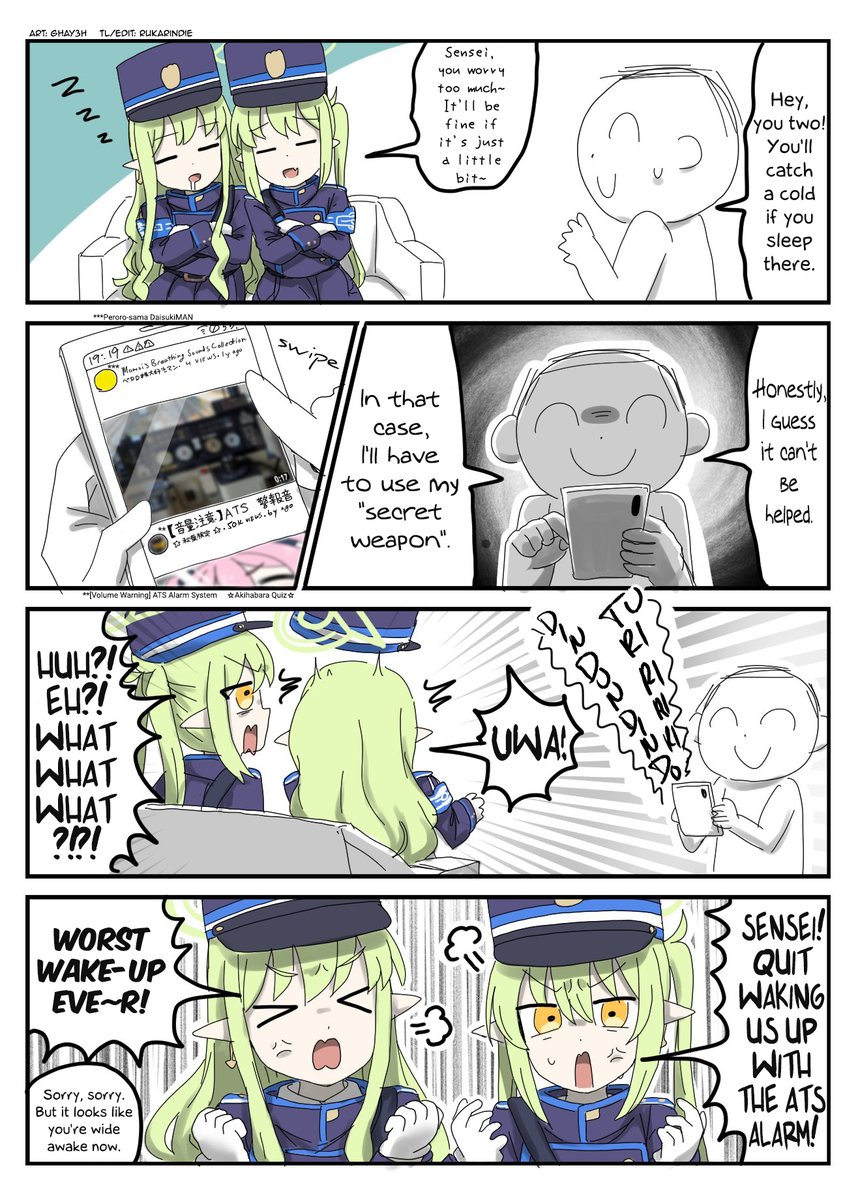
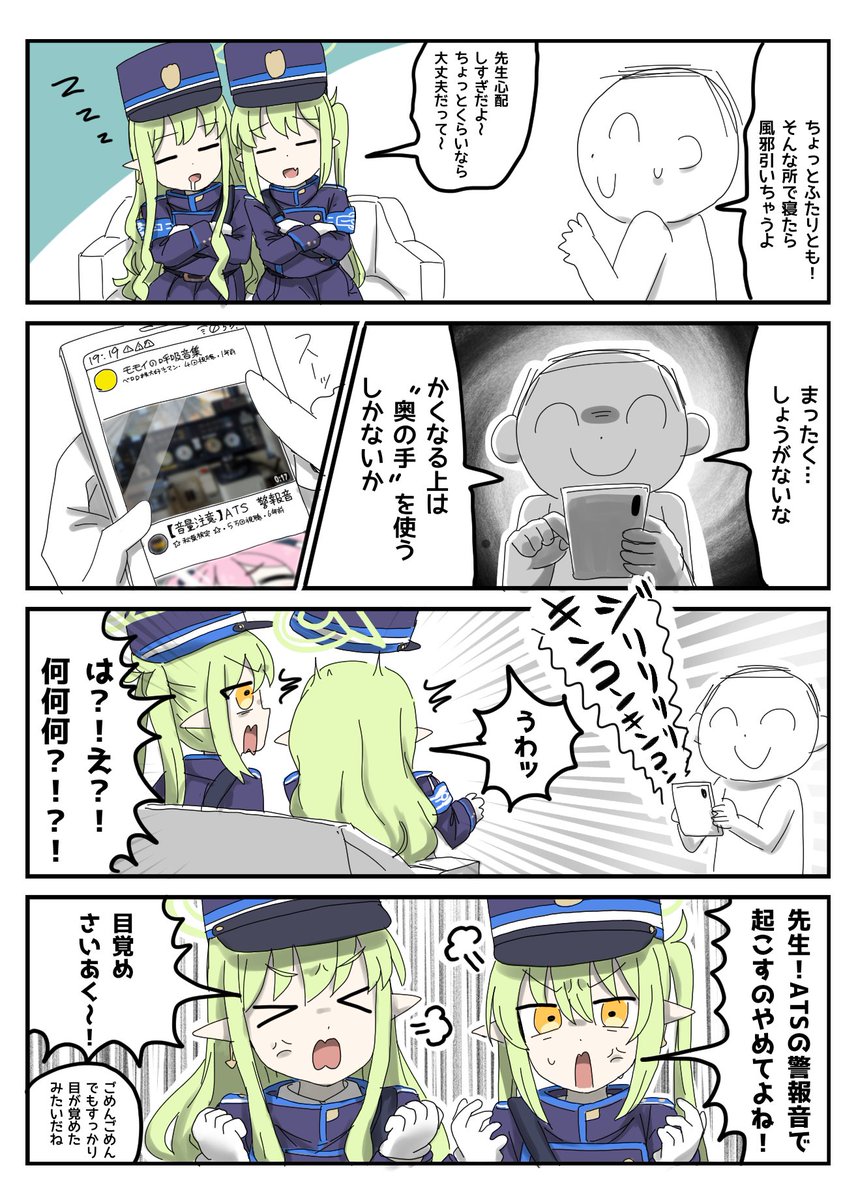
Work-related triggers.
Note: Audio sample of alarm in comments.
TL/ED: @rukarindie
Art: @/ghay3h

1
10
118
3,270

Where'd the get the sample from? What's the demographic of those polled?
Neither of those are listed, and 4700 people out of 42 million is hardly a representative size.
1


Hi! I can definitely help you with this 1:10 min video. I offer very student-friendly rates and high-quality results.
Sent my rates and sample edits straight to your DMs, @ch1zkeyks. Let's get this done for you! ✨
2

Hmm.. this timeline might be misleading.
Sample taken, same day reports by evening, depends on the tests can be day or 2 but you get it on your phone or email.
Doctors appointment and follow up can we a week.
Depends what consultation you sought for.
107

Sanju’s average is incredible, but Gill’s consistency, bigger sample size, and match-winning impact keep him ahead in the ODI pecking order. 🏏
1
5

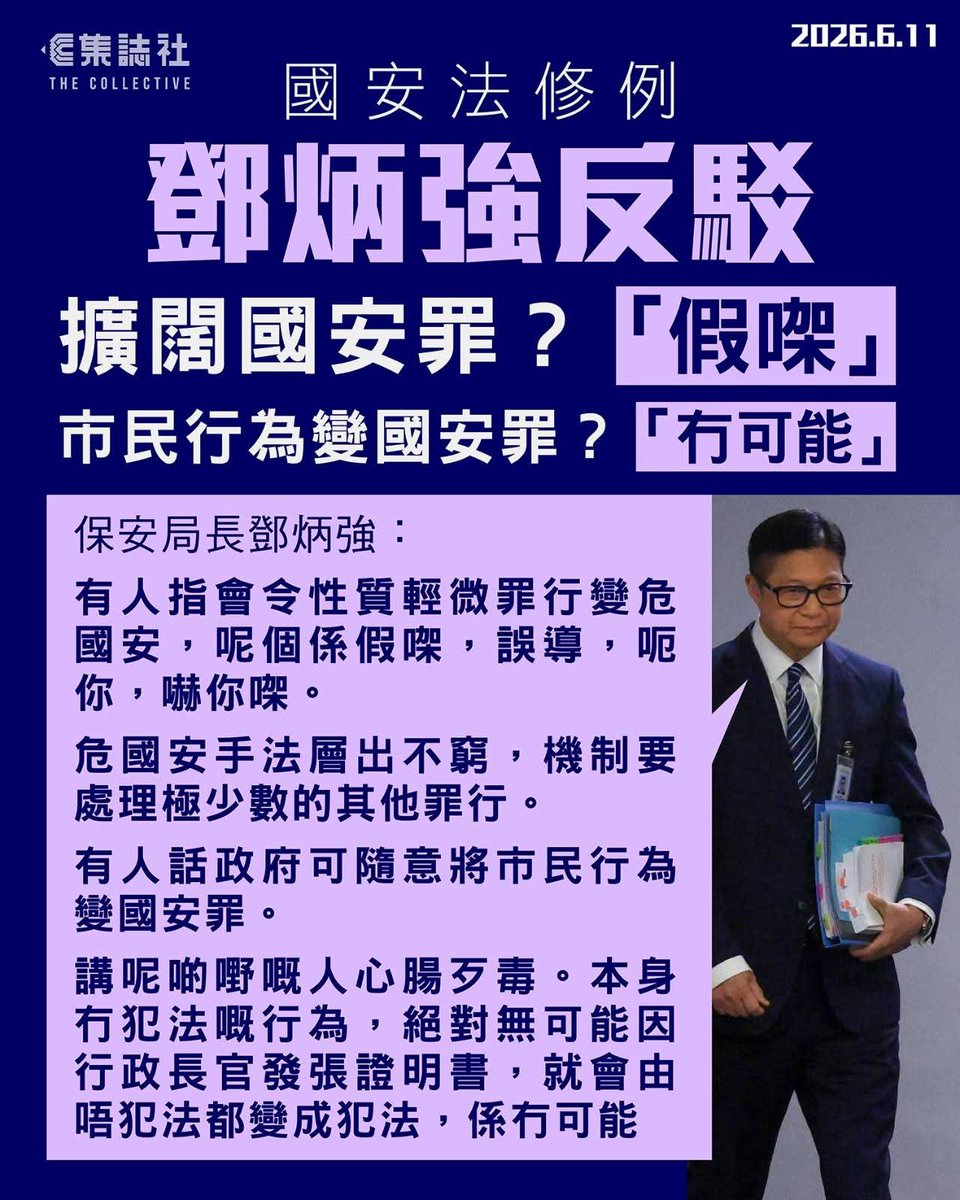
有幾難?搵個識word嘅AO,draft 個 sample,要用個陣改個file no.、罪名、人名、日期、簽名,搞掂!!今天還有王法嗎?
本身國安法好似話關好少人事,依家變咗個個都出事!!想你信就嘜都話唔會/無事,出事就話有改善以災亂港🤮🤮,宏福苑係例子!!
1
KURO retweeted

有料のファンサイトがあります。
毎日更新で、過去1年分以上の延べ10000点以上の画像が、入会するとすべて閲覧可能です。
動画も時々あります。
興味のある方はリンクの"Sample and how to join"をダウンロードしてご覧ください 🤭💕
lit.link/fufukochan
SAMPLE PASSWORD:fifth5963

1
2
95
5,673

update update!!
task: logo
Thanks for trusting!
dm for inquiry budget friendly always!
Pm for sample


1
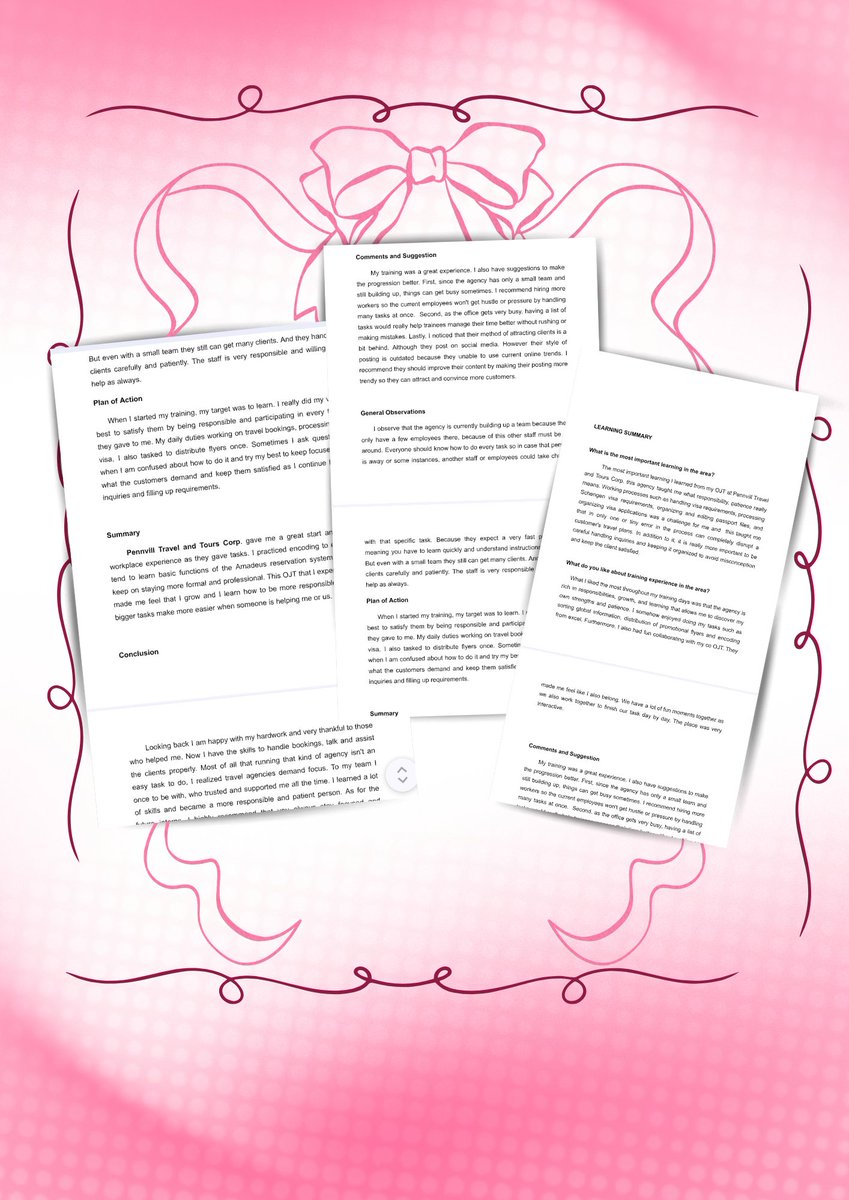
update update!!
task: reflection of OJT
Thanks for trusting!
dm for inquiry budget friendly always!
Pm for sample

rose retweeted

Kun's video being used as a sample in eunhyuk's fanmeet didjjdjdjdjdjd
7
9
65

Laerte retweeted

Jun 11
[Sample] Let's see who's the real alpha 💪

1
112
1,083
8,377

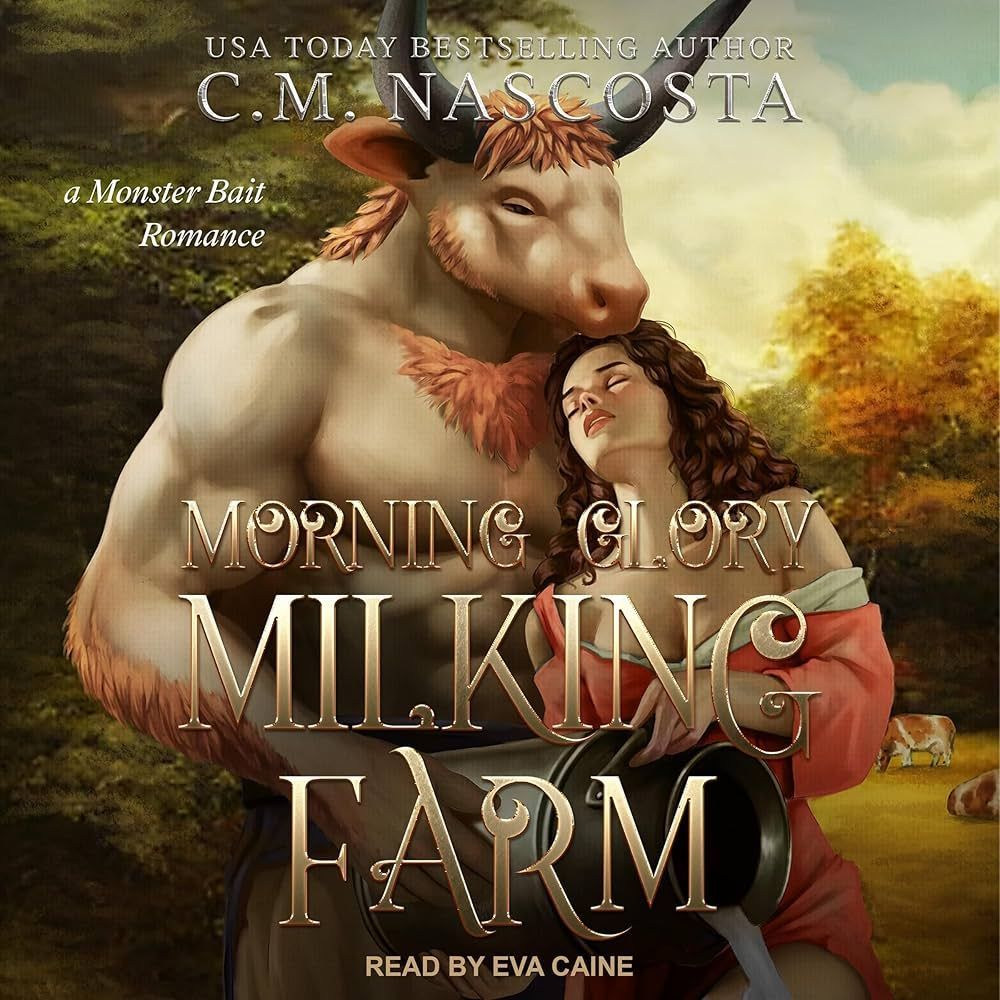
I'm running a #smuttybookclub and would love to hear your #mosterfucker recommendations, here is just a small sample from my goodreads. But if you have a fave series on tumblr or Furaffinity feel free to link it as well #furryart #gay #minotaur #musky



2