
Tired of Fatigue?
Exhausted?
Do u want yr physical/emotional energy back?
Get results: Start the TIRED OF FATIGUE RECOVERY PLAN t h i s w e e k :)
DrDeniseMarie can help u get back 2yr oldself.
ThePLAN provides sciencebased pathways.
Openings Tues/Weds
thecccollective.org/user-pro…

7

Jun 10
The real drivers of mortality are much larger and deadlier:
Boat strikes remain the leading human-caused killer. FWC studies show they account for ~20-25% of examined deaths; many adult carcasses reveal scars from 10 strikes. High-horsepower boats (300-500 HP go-fasts and center consoles) with large, fast-spinning props tearing through shallow seagrass flats where manatees rest and graze function like underwater food processors. Sublethal trauma is widespread.
Water-quality collapse compounds everything: nutrient runoff fueling red tide and catastrophic seagrass die-offs (leading to starvation), glyphosate detected in ~56% of sampled manatees (chronic exposure linked to health/immunity impacts), microplastics ingested by 70% of examined animals (recent analyses show plastics directly kill a meaningful percentage; even a baseball-sized wad of soft plastic debris can be lethal), plus broader petrochemical and chemical pollutants from urban/ag runoff and boating activity. 2025 saw 600 documented deaths statewide amid ongoing habitat stress.
What can we the people actually do? Science-based steps grounded in FWC mortality data, water-quality monitoring, scarring studies, and peer-reviewed research — not partisan narratives:
Boat responsibly — Strictly obey (and support expansion of) science-backed idle/no-wake zones in critical habitat. Always use a dedicated lookout/spotter. Slow way down in shallows and known aggregation areas. Consider lower-impact options where practical.
Cut chemical runoff at the source — Ditch or drastically reduce glyphosate/Roundup and synthetic fertilizers/pesticides on lawns and gardens (especially near water). Manatees drink freshwater. Switch to native plants and regenerative/organic practices — these measurably reduce toxic loads reaching waterways.
Stop feeding the plastic problem — Reduce single-use plastics. Participate in or organize waterway cleanups. Trash and microplastics concentrate in seagrass beds and get grazed along with food.
Support real habitat recovery — Back evidence-based seagrass restoration and nutrient-reduction projects (advanced stormwater treatment, riparian buffers, precision agriculture) proven effective by monitoring data.
Report and amplify — Call FWC immediately (1-888-404-FWCC) for any injured, sick, or dead manatee. Support rescue, rehab, and research organizations like @savethemanatee
that operate on hard data.
Educate and push evidence-based solutions — Share facts from official sources. Advocate for engineering and ecological fixes (better treatment infrastructure, data-driven protected areas) that actually move the needle on water quality and strike risk.
These animals survived ice ages. With clear-eyed, biology- and data-driven choices from boaters, homeowners, and communities, we can give them a real shot at recovery instead of slow attrition.
What’s one concrete step you’re taking this month? Let’s focus on solutions that work.
#ManateeProtection #ScienceBased #CleanWater
14
Jun 10
The real drivers of mortality are much larger and deadlier:
Boat strikes remain the leading human-caused killer. FWC studies show they account for ~20-25% of examined deaths; many adult carcasses reveal scars from 10 strikes. High-horsepower boats (300-500 HP go-fasts and center consoles) with large, fast-spinning props tearing through shallow seagrass flats where manatees rest and graze function like underwater food processors. Sublethal trauma is widespread.
Water-quality collapse compounds everything: nutrient runoff fueling red tide and catastrophic seagrass die-offs (leading to starvation), glyphosate detected in ~56% of sampled manatees (chronic exposure linked to health/immunity impacts), microplastics ingested by 70% of examined animals (recent analyses show plastics directly kill a meaningful percentage; even a baseball-sized wad of soft plastic debris can be lethal), plus broader petrochemical and chemical pollutants from urban/ag runoff and boating activity. 2025 saw 600 documented deaths statewide amid ongoing habitat stress.
What can we the people actually do? Science-based steps grounded in FWC mortality data, water-quality monitoring, scarring studies, and peer-reviewed research — not partisan narratives:
Boat responsibly — Strictly obey (and support expansion of) science-backed idle/no-wake zones in critical habitat. Always use a dedicated lookout/spotter. Slow way down in shallows and known aggregation areas. Consider lower-impact options where practical.
Cut chemical runoff at the source — Ditch or drastically reduce glyphosate/Roundup and synthetic fertilizers/pesticides on lawns and gardens (especially near water). Manatees drink freshwater. Switch to native plants and regenerative/organic practices — these measurably reduce toxic loads reaching waterways.
Stop feeding the plastic problem — Reduce single-use plastics. Participate in or organize waterway cleanups. Trash and microplastics concentrate in seagrass beds and get grazed along with food.
Support real habitat recovery — Back evidence-based seagrass restoration and nutrient-reduction projects (advanced stormwater treatment, riparian buffers, precision agriculture) proven effective by monitoring data.
Report and amplify — Call FWC immediately (1-888-404-FWCC) for any injured, sick, or dead manatee. Support rescue, rehab, and research organizations like @savethemanatee
that operate on hard data.
Educate and push evidence-based solutions — Share facts from official sources. Advocate for engineering and ecological fixes (better treatment infrastructure, data-driven protected areas) that actually move the needle on water quality and strike risk.
These animals survived ice ages. With clear-eyed, biology- and data-driven choices from boaters, homeowners, and communities, we can give them a real shot at recovery instead of slow attrition.
What’s one concrete step you’re taking this month? Let’s focus on solutions that work.
#ManateeProtection #ScienceBased #CleanWater
29
Jun 10
The real drivers of mortality are much larger and deadlier:
Boat strikes remain the leading human-caused killer. FWC studies show they account for ~20-25% of examined deaths; many adult carcasses reveal scars from 10 strikes. High-horsepower boats (300-500 HP go-fasts and center consoles) with large, fast-spinning props tearing through shallow seagrass flats where manatees rest and graze function like underwater food processors. Sublethal trauma is widespread.
Water-quality collapse compounds everything: nutrient runoff fueling red tide and catastrophic seagrass die-offs (leading to starvation), glyphosate detected in ~56% of sampled manatees (chronic exposure linked to health/immunity impacts), microplastics ingested by 70% of examined animals (recent analyses show plastics directly kill a meaningful percentage; even a baseball-sized wad of soft plastic debris can be lethal), plus broader petrochemical and chemical pollutants from urban/ag runoff and boating activity. 2025 saw 600 documented deaths statewide amid ongoing habitat stress.
What can we the people actually do? Science-based steps grounded in FWC mortality data, water-quality monitoring, scarring studies, and peer-reviewed research — not partisan narratives:
Boat responsibly — Strictly obey (and support expansion of) science-backed idle/no-wake zones in critical habitat. Always use a dedicated lookout/spotter. Slow way down in shallows and known aggregation areas. Consider lower-impact options where practical.
Cut chemical runoff at the source — Ditch or drastically reduce glyphosate/Roundup and synthetic fertilizers/pesticides on lawns and gardens (especially near water). Manatees drink freshwater. Switch to native plants and regenerative/organic practices — these measurably reduce toxic loads reaching waterways.
Stop feeding the plastic problem — Reduce single-use plastics. Participate in or organize waterway cleanups. Trash and microplastics concentrate in seagrass beds and get grazed along with food.
Support real habitat recovery — Back evidence-based seagrass restoration and nutrient-reduction projects (advanced stormwater treatment, riparian buffers, precision agriculture) proven effective by monitoring data.
Report and amplify — Call FWC immediately (1-888-404-FWCC) for any injured, sick, or dead manatee. Support rescue, rehab, and research organizations like @savethemanatee
that operate on hard data.
Educate and push evidence-based solutions — Share facts from official sources. Advocate for engineering and ecological fixes (better treatment infrastructure, data-driven protected areas) that actually move the needle on water quality and strike risk.
These animals survived ice ages. With clear-eyed, biology- and data-driven choices from boaters, homeowners, and communities, we can give them a real shot at recovery instead of slow attrition.
What’s one concrete step you’re taking this month? Let’s focus on solutions that work.
#ManateeProtection #ScienceBased #CleanWater
19

El colágeno es una proteína estructural clave para la piel 🧬
Su síntesis disminuye con la edad, afectando firmeza y elasticidad
👉 beverly.es/products/collagen…
#colageno #nutricion #wellness #sciencebased
152

Independent lab testing found Aerapy UV systems achieved up to a 99.97% reduction of SARS-CoV-2 in a single air pass and over 99.9% reductions of other pathogens, including MRSA.
aerapy.com/uv-disinfection-r…
#ScienceBased #PublicHealth #UVGI

6
🌊🐮 Great video on “Manatee Manners” for swimmers — giving these gentle giants space and minimizing disturbance is exactly right.
But individual etiquette is only part of the picture. The real drivers of mortality are much larger and deadlier:
Boat strikes remain the leading human-caused killer. FWC studies show they account for ~20-25% of examined deaths; many adult carcasses reveal scars from 10 strikes. High-horsepower boats (300-500 HP go-fasts and center consoles) with large, fast-spinning props tearing through shallow seagrass flats where manatees rest and graze function like underwater food processors. Sublethal trauma is widespread.
Water-quality collapse compounds everything: nutrient runoff fueling red tide and catastrophic seagrass die-offs (leading to starvation), glyphosate detected in ~56% of sampled manatees (chronic exposure linked to health/immunity impacts), microplastics ingested by 70% of examined animals (recent analyses show plastics directly kill a meaningful percentage; even a baseball-sized wad of soft plastic debris can be lethal), plus broader petrochemical and chemical pollutants from urban/ag runoff and boating activity. 2025 saw 600 documented deaths statewide amid ongoing habitat stress.
What can we the people actually do? Science-based steps grounded in FWC mortality data, water-quality monitoring, scarring studies, and peer-reviewed research — not partisan narratives:
Boat responsibly — Strictly obey (and support expansion of) science-backed idle/no-wake zones in critical habitat. Always use a dedicated lookout/spotter. Slow way down in shallows and known aggregation areas. Consider lower-impact options where practical.
Cut chemical runoff at the source — Ditch or drastically reduce glyphosate/Roundup and synthetic fertilizers/pesticides on lawns and gardens (especially near water). Manatees drink freshwater. Switch to native plants and regenerative/organic practices — these measurably reduce toxic loads reaching waterways.
Stop feeding the plastic problem — Reduce single-use plastics. Participate in or organize waterway cleanups. Trash and microplastics concentrate in seagrass beds and get grazed along with food.
Support real habitat recovery — Back evidence-based seagrass restoration and nutrient-reduction projects (advanced stormwater treatment, riparian buffers, precision agriculture) proven effective by monitoring data.
Report and amplify — Call FWC immediately (1-888-404-FWCC) for any injured, sick, or dead manatee. Support rescue, rehab, and research organizations like @savethemanatee that operate on hard data.
Educate and push evidence-based solutions — Share facts from official sources. Advocate for engineering and ecological fixes (better treatment infrastructure, data-driven protected areas) that actually move the needle on water quality and strike risk.
These animals survived ice ages. With clear-eyed, biology- and data-driven choices from boaters, homeowners, and communities, we can give them a real shot at recovery instead of slow attrition.
What’s one concrete step you’re taking this month? Let’s focus on solutions that work.
#ManateeProtection #ScienceBased #CleanWater

Manatee Manners: How to responsibly swim near manatees 🌊
You are out on the water and encounter a manatee - what's the best thing to do and what should you keep in mind when swimming near manatees? Watch our short video to learn more!
64
🌊🐮 Great video on “Manatee Manners” for swimmers — giving these gentle giants space and minimizing disturbance is exactly right.
But individual etiquette is only part of the picture. The real drivers of mortality are much larger and deadlier:
Boat strikes remain the leading human-caused killer. FWC studies show they account for ~20-25% of examined deaths; many adult carcasses reveal scars from 10 strikes. High-horsepower boats (300-500 HP go-fasts and center consoles) with large, fast-spinning props tearing through shallow seagrass flats where manatees rest and graze function like underwater food processors. Sublethal trauma is widespread.
Water-quality collapse compounds everything: nutrient runoff fueling red tide and catastrophic seagrass die-offs (leading to starvation), glyphosate detected in ~56% of sampled manatees (chronic exposure linked to health/immunity impacts), microplastics ingested by 70% of examined animals (recent analyses show plastics directly kill a meaningful percentage; even a baseball-sized wad of soft plastic debris can be lethal), plus broader petrochemical and chemical pollutants from urban/ag runoff and boating activity. 2025 saw 600 documented deaths statewide amid ongoing habitat stress.
What can we the people actually do? Science-based steps grounded in FWC mortality data, water-quality monitoring, scarring studies, and peer-reviewed research — not partisan narratives:
Boat responsibly — Strictly obey (and support expansion of) science-backed idle/no-wake zones in critical habitat. Always use a dedicated lookout/spotter. Slow way down in shallows and known aggregation areas. Consider lower-impact options where practical.
Cut chemical runoff at the source — Ditch or drastically reduce glyphosate/Roundup and synthetic fertilizers/pesticides on lawns and gardens (especially near water). Manatees drink freshwater. Switch to native plants and regenerative/organic practices — these measurably reduce toxic loads reaching waterways.
Stop feeding the plastic problem — Reduce single-use plastics. Participate in or organize waterway cleanups. Trash and microplastics concentrate in seagrass beds and get grazed along with food.
Support real habitat recovery — Back evidence-based seagrass restoration and nutrient-reduction projects (advanced stormwater treatment, riparian buffers, precision agriculture) proven effective by monitoring data.
Report and amplify — Call FWC immediately (1-888-404-FWCC) for any injured, sick, or dead manatee. Support rescue, rehab, and research organizations like @savethemanatee that operate on hard data.
Educate and push evidence-based solutions — Share facts from official sources. Advocate for engineering and ecological fixes (better treatment infrastructure, data-driven protected areas) that actually move the needle on water quality and strike risk.
These animals survived ice ages. With clear-eyed, biology- and data-driven choices from boaters, homeowners, and communities, we can give them a real shot at recovery instead of slow attrition.
What’s one concrete step you’re taking this month? Let’s focus on solutions that work.
#ManateeProtection #ScienceBased #CleanWater
45

Jun 7
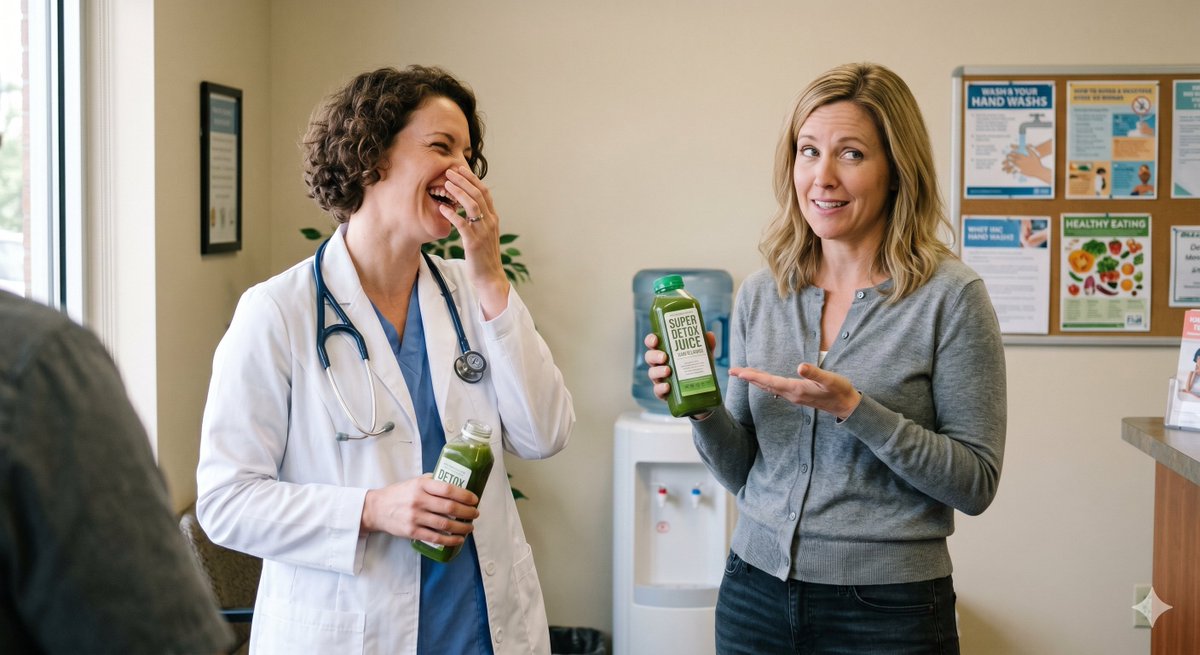
Every time someone says they are going on a "juice cleanse to detox their body," a medical professional simply sighs and stares blankly out a window.
You have a liver. You have kidneys. They literally do this for free, 24/7.
If your organs have actually stopped "detoxing" you, you don't need a $14 swamp-water celery smoothie. You need an ambulance. 🚑🥒
#HealthMyths #Debunked #ScienceBased #Wellness #Detox #JuiceCleanse #Nutrition #HealthyLiving #Fitness #EvidenceBased
40

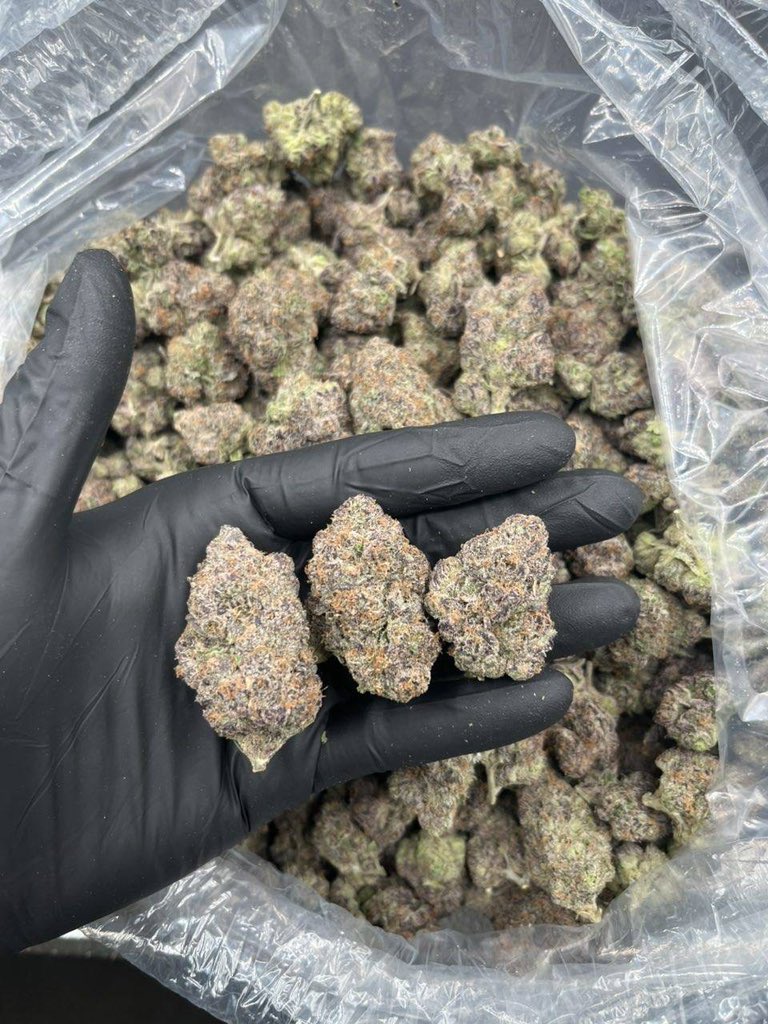
People deserve transparency, clean products, and honest labels backed by science, not fear. This NIH announcement reminds us: you don't ban your way into understanding. You study, regulate responsibly, and hold bad actors accountable. #ScienceBased #Transparency
1
4
12
163

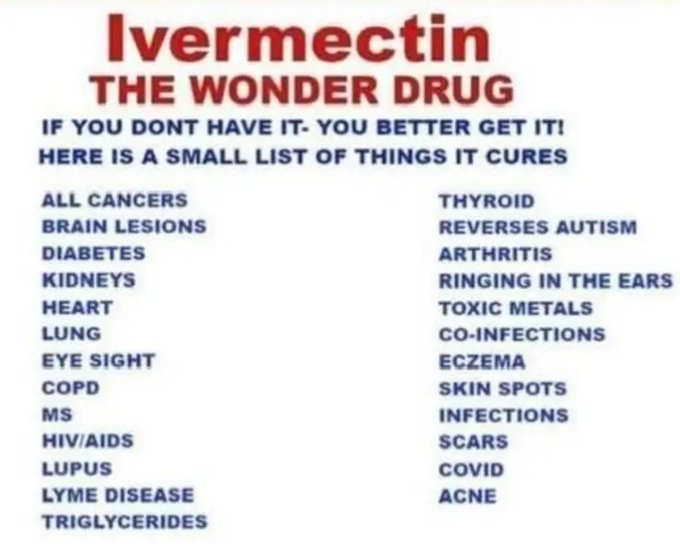
Always verify health information with trusted medical sources before believing viral claims online. Your health deserves facts, not fear.
#HealthAwareness #FactCheck #MedicalTruth #StayInformed #Healthcare #WellnessEducation #HealthMatters #ScienceBased #MedicalAwareness
16


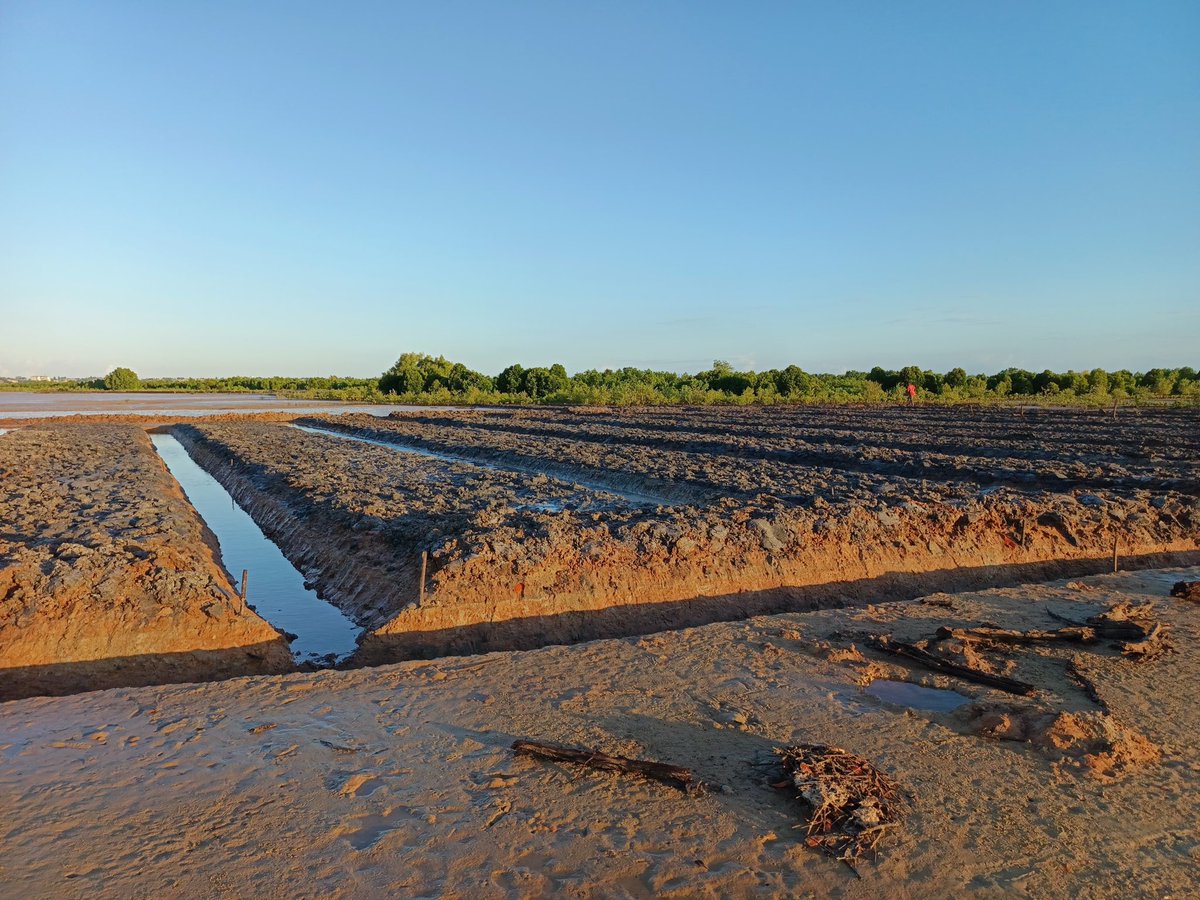
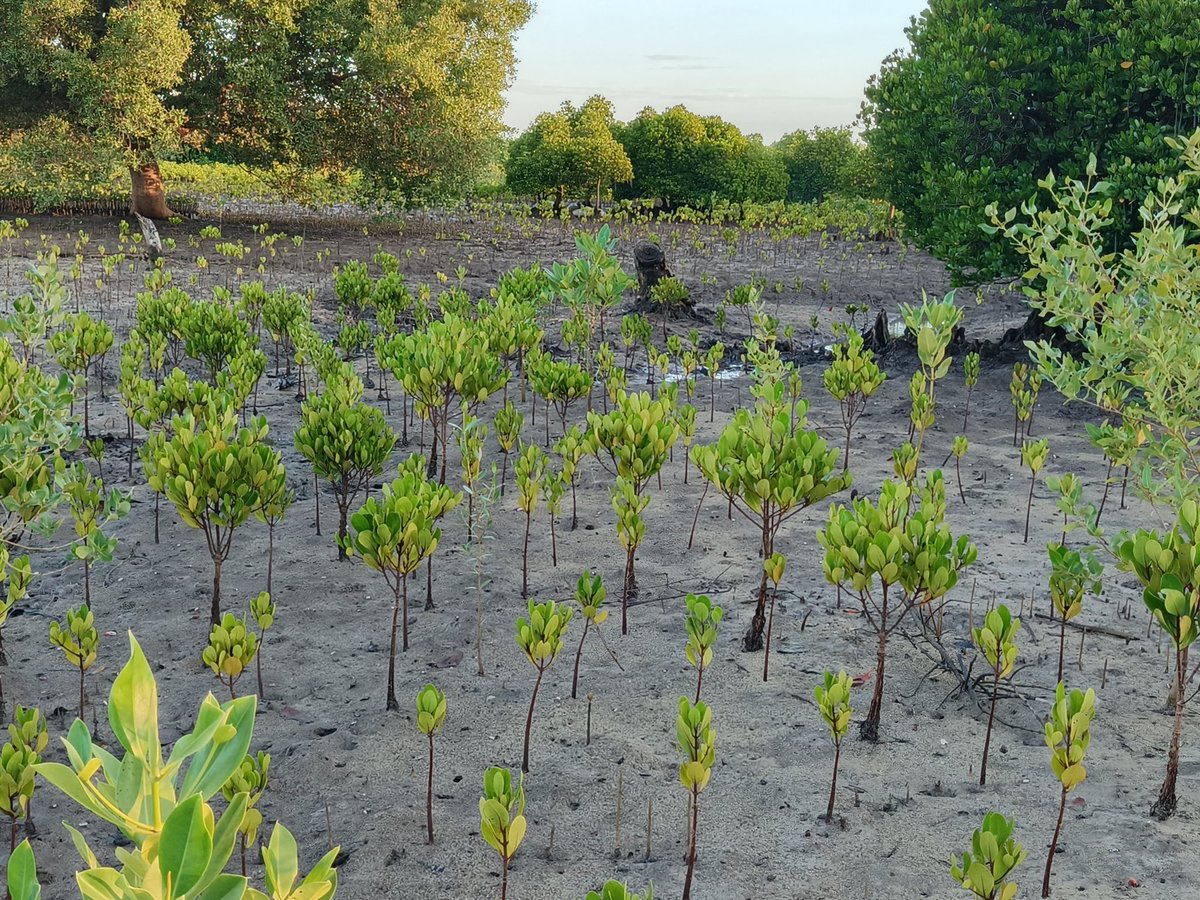
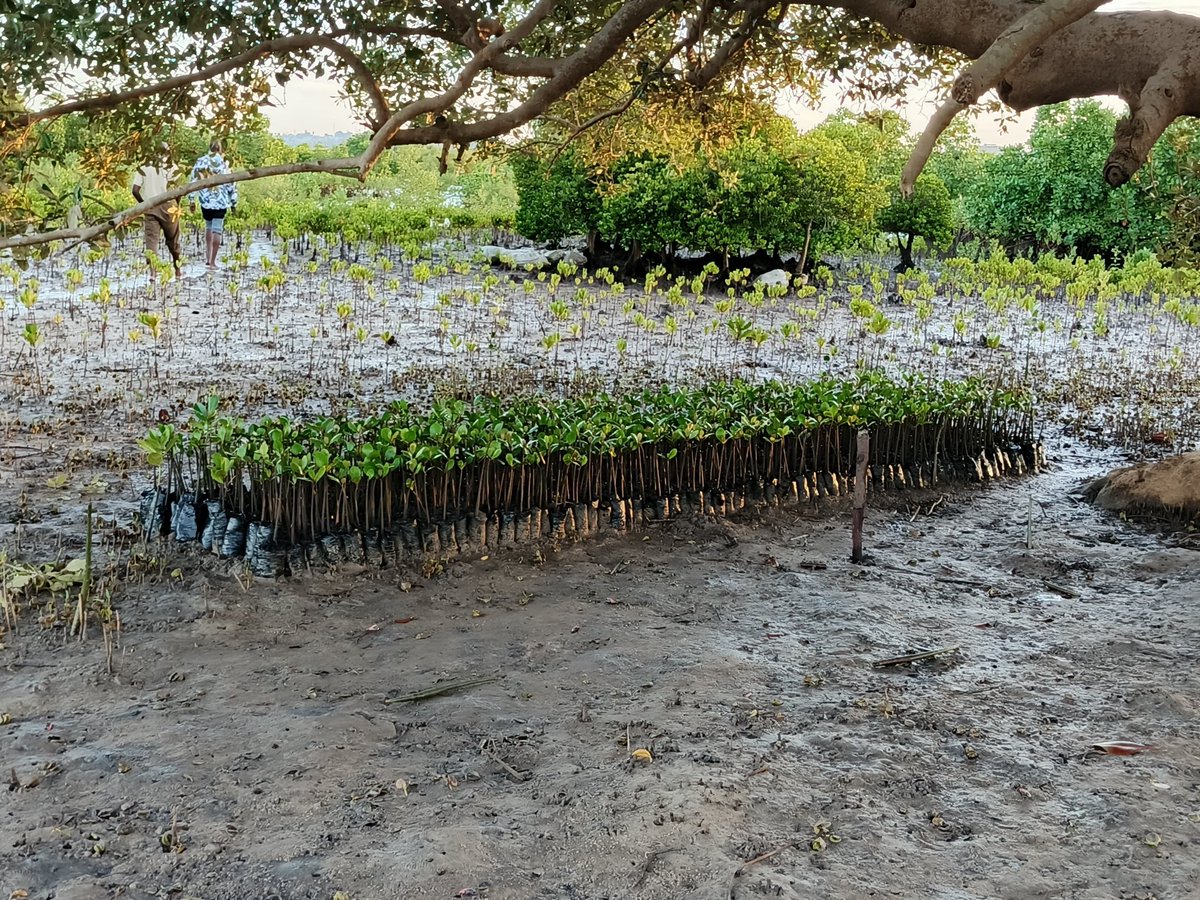
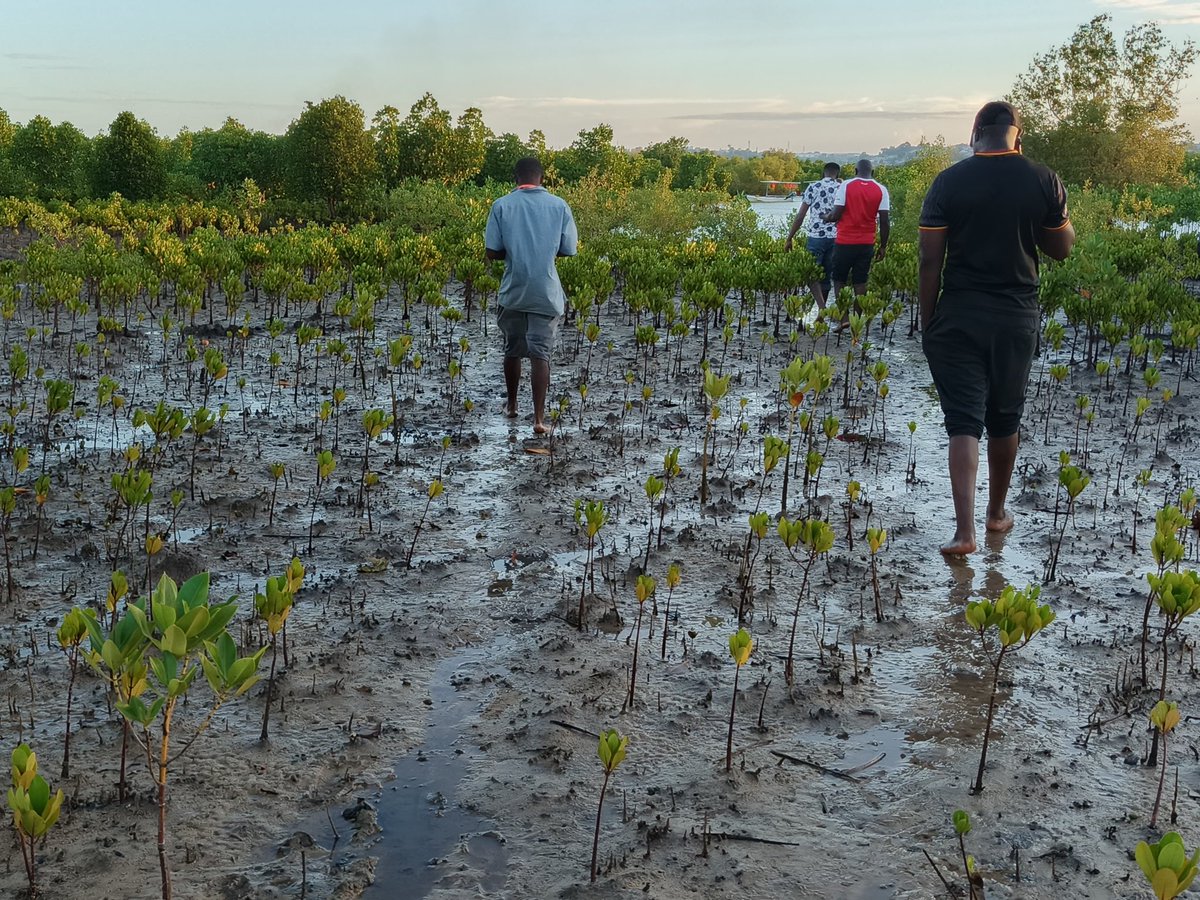
Addressing Mangrove Restoration Concerns at the MiraraniSite in Tudor
This brief responds to concerns raised about the ongoing mangrove restoration activity at the Mirarani site in Tudor, particularly regarding site suitability and species selection.
The Kenya Forest Service (KFS) has applied a stepwise, science-led restoration process. Technical experts conducted assessments of tidal hydrology, elevation, salinity gradients, and historical ecosystem conditions to determine site suitability. This approach aligns with global best practice, which holds that successful mangrove restoration depends on understanding ecological and hydrological conditions before planting. Consequently, species selection at Mirarani has been matched to specific microhabitats within the site, ensuring ecological compatibility and adherence to the principle of “right species, right site.”
KFS is implementing this activity in full alignment with the Mangrove Ecosystem Restoration Guidelines (2025) and the National Mangrove Ecosystem Management Plan (2017–2027), which prioritise ecosystem functionality, hydrological integrity, and longterm monitoring over shortterm planting targets. This approach is consistent with international guidance, which recognises that restoration success is achieved when ecological processes are restored and supported over time, rather than through planting alone.
Global case studies reinforce the validity of this approach while demonstrating that largescale planting efforts can complement restoration when guided by science. In Senegal, communityled initiatives have planted over 79 million mangrove trees across more than 350 villages, illustrating how scale can be achievedthrough coordinated, communitydriven efforts. In Pakistan, the Sindh Forest Department, together with partners, planted over 847 million mangroves between 2013 and 2021, contributing to one of the largest mangrove afforestation efforts in the world. These examples demonstrate that highvolume planting is not inherently problematic when embedded within structured, sciencebased restoration frameworks.
The Mirarani intervention forms part of a broader restoration strategy under the Adopt a Forest initiative, integrating stakeholder participation with strong technical oversight. KFS therefore maintains a clear focus on longterm ecological performance, including survival rates, ecosystem recovery, and resilience.
In summary, the Mirarani mangrove restoration activity reflects a policyaligned, scientifically grounded, and globally validated approach. By combining technical expertise, national policy frameworks, and lessons from international case studies, KFS ensures that restoration efforts remain credible, effective, and sustainable. At the same time, KFS leverages public participation to strengthen long‑term ecosystem stewardship.
References
• Diouf, D. (2019). Communitybased mangrove restoration in Senegal: The Oceanium experience. In: Mangrove Ecosystems of Africa – A Regional Review. UNEPWCMC / FAO. Alternative source: IUCN (2017). Mangrove restoration in Senegal – scaling up community action.
• Sindh Forest Department, Government of Sindh (2022). Mangrove afforestation in the Indus Delta: Achievements and lessons (2013–2021). Karachi: Sindh Forest Department.
Peerreviewed reference: Ahsan, M., & Khan, M. A. (2020). Mangrove restoration along the coast of Pakistan – a success story. Wetlands Ecology and Management, 28(5), 789–802.
• Kenya Forest Service (2025). Mangrove Ecosystem Restoration Guidelines. Nairobi: KFS.
• Ministry of Environment and Natural Resources (2017). National Mangrove Ecosystem Management Plan 2017–2027. Nairobi: Government of Kenya.
• Wetlands International & IUCN (2020). Guidelines for mangrove restoration – learning from best practice. Wageningen: Wetlands International.
2
13
37
1,608

We’re heading to Agwandodo Community on May 2nd for an Environmental Field Research
• Real field experience
• Data-driven impact
• Meaningful contribution
Want in?
Register via the link in our bio
@beautiful_ada03
#communityimpact #ptbscience #puritythebrand #sciencebased
1
2
11

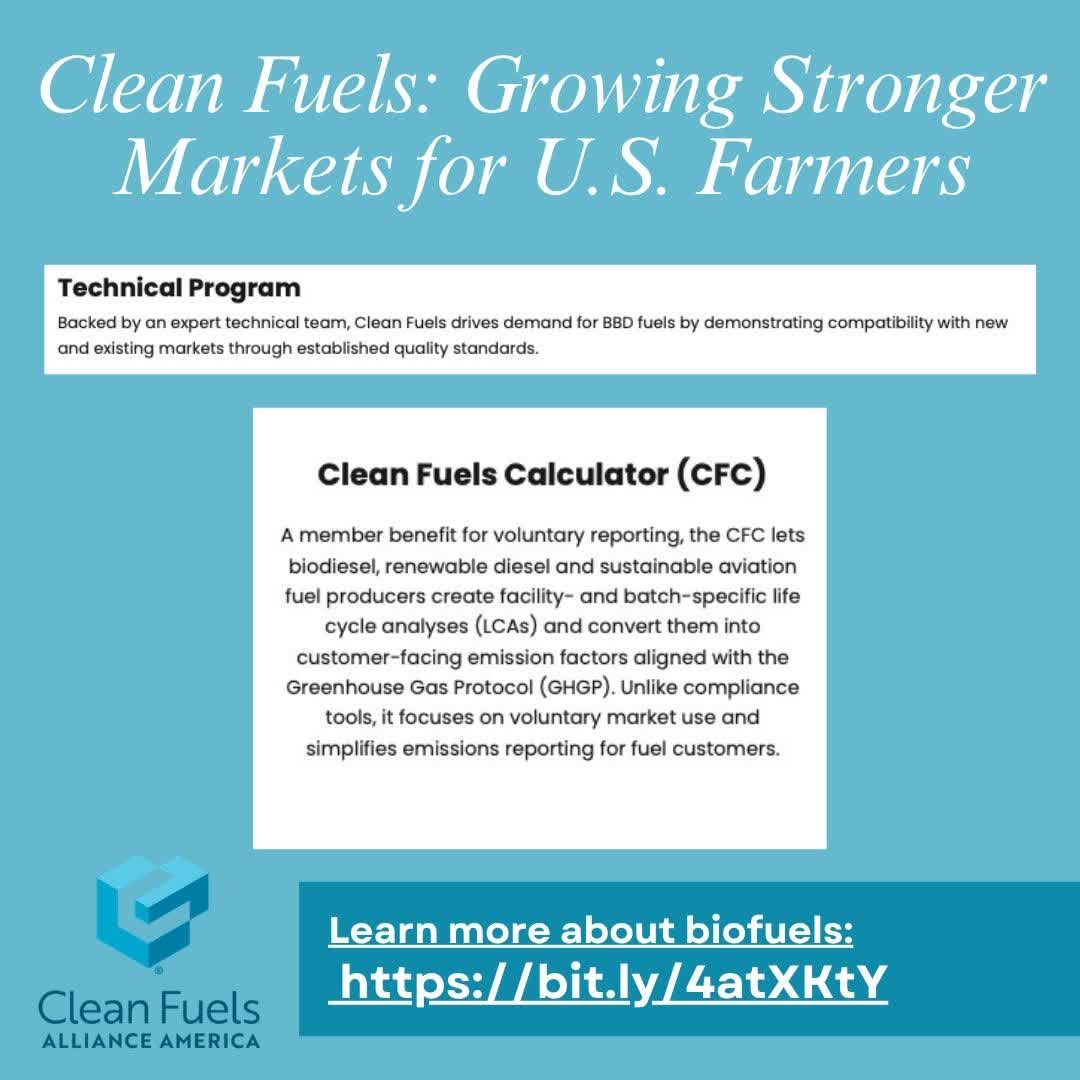
Science matters.
Clean Fuels research helped cut modeled ILUC values for soy-based fuels by 60%, strengthening their climate benefits.
#ScienceBased #CarbonReduction
1
1
68

Apr 27
Taurine isn’t hype.
A meta-analysis of 34 studies found it helped lower blood pressure.
That matters because blood pressure is one of the biggest predictors of aging and disease risk.
Better vascular health = better aging.
Follow @slowmyage for more tips on optimizing your health!
💬 Drop your questions in the comments — I’ll cover them in future videos.
#slowmyage #Longevity #Taurine #HeartHealth #BloodPressure #HealthyAging #ScienceBased #Novos
1
2
170
Apr 25
Pterostilbene improved egg cell quality in mice.
Less oxidative stress.
Better mitochondrial function.
But it didn’t prove improved fertility — and it’s not human data.
This is promising biology, not a fertility hack.
Follow @slowmyage for more tips on optimizing your health!
💬 Drop your questions in the comments — I’ll cover them in future videos.
#slowmyage #Longevity #Fertility #CellularHealth #HealthyAging #ScienceBased #Novos
1
2
211


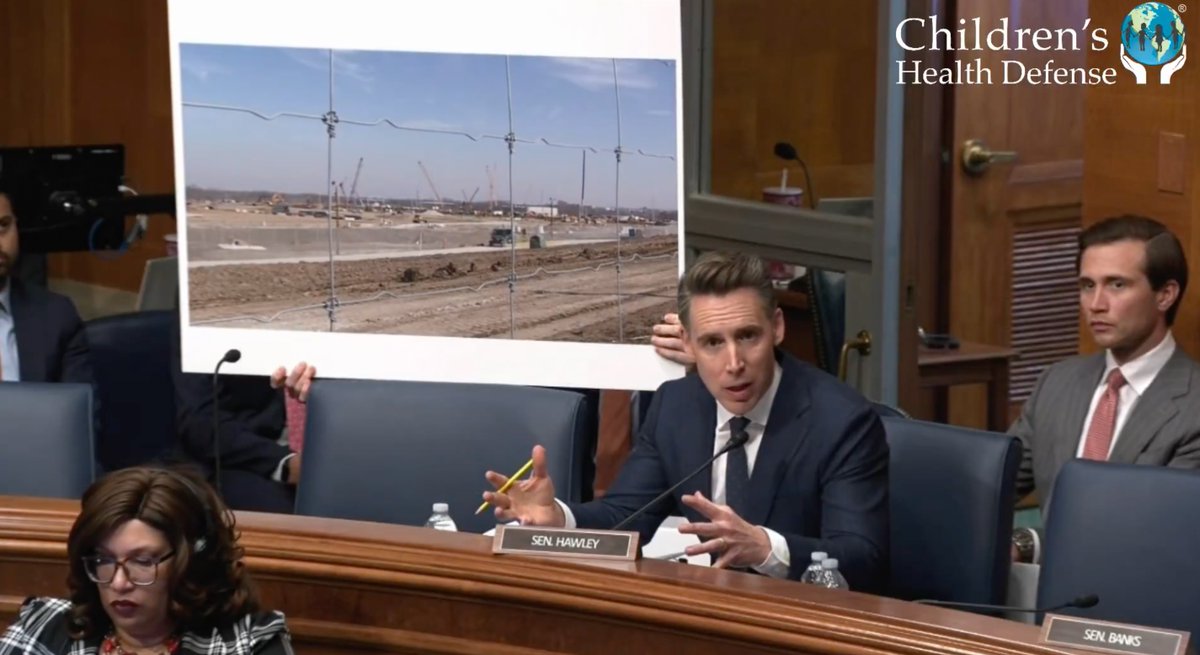
Health Secretary Robert F. Kennedy Jr. stated to USA TODAY that "electromagnetic radiation is a major health concern," following a study on cellphone radiation. He expressed particular worry about 5G towers.
x.com/704nomore/status/20474…
Meanwhile, 22 states have restricted cellphone use in schools to protect children's health, focusing on mental health rather than radiation.
RFK Jr. warns of EMF radiation risks from expanding data centers, citing over 10,000 studies highlighting concerns like neurological damage, cancer links, and compromised blood-brain barrier integrity.
He emphasizes the seriousness of these risks, suggesting that disbelief in the dangers of wireless radiation may reflect a lack of understanding.
#RFKJr #EMFRadiation #PublicHealth #DataCenters #NeurologicalDamage #CancerRisks #BloodBrainBarrier #WirelessRadiation #HealthAwareness #EnvironmentalHealth #ScienceBased #ElectromagneticFields #HealthRisks #ConspiracyTheorist #Litigation #ResearchStudies #HealthImpact #ProtectOurHealth #InformedPublic #RadiationAwarene #6G #5G #celltower #mobilwtower #EMF #digitalindia #cellphone #radiation #5Gtowers @awakenindiamvmt @Darryl_DSouza_

Apr 23

RFK Jr. is sounding the alarm on EMF radiation—and what the rapid expansion of data centers could mean for public health.
“I’ve litigated on this issue.”
“We produced over 10,000 studies for the Court of Appeals.”
He points to documented risks:
— Neurological damage
— Cancer links
— Increased permeability of the blood-brain barrier
“The risks to me are horrendous.”
Given the settled science based on thousands of studies, if at this point you don't believe in the danger of wireless radiation, maybe you're the conspiracy theorist.
@SecKennedy @ChildrensHD #stop5g #radiation
3
6
134

Apr 19
Benefits of Sex (Research-Backed) 🧬
🔹 Heart Health: Supports cardiovascular fitness and lowers blood pressure.
🔹 Stress Relief: Lowers cortisol levels and promotes relaxation.
🔹 Better Sleep: Oxytocin and prolactin release improves sleep quality.
🔹 Immunity: Linked to higher levels of Immunoglobulin A (IgA) antibodies.
🔹 Mood & Pain: Increases dopamine and endorphins; may reduce migraines.
🔹 Bonding: Boosts oxytocin, the "cuddle hormone," for emotional trust.
🔹 Brain Health: Linked to better cognitive recall and memory in older adults.
🔹 Longevity: Regular activity correlates with a lower risk of mortality.
🔹 Pelvic Health: Strengthens floor muscles and improves bladder control.
🔹 Confidence: Enhances overall body image and mental self-worth.
The Reality: Consensual intimacy is a multi-dimensional tool for physical, mental, and emotional longevity. 📚✨
— @Informer_here 📊
Source: Various Research and studies
#HealthTips #Wellness #ScienceBased #Longevity

1
2
26
283,072