🔞Basilisk🔞♂🐍♀ (Prizes I owe (9/13) retweeted

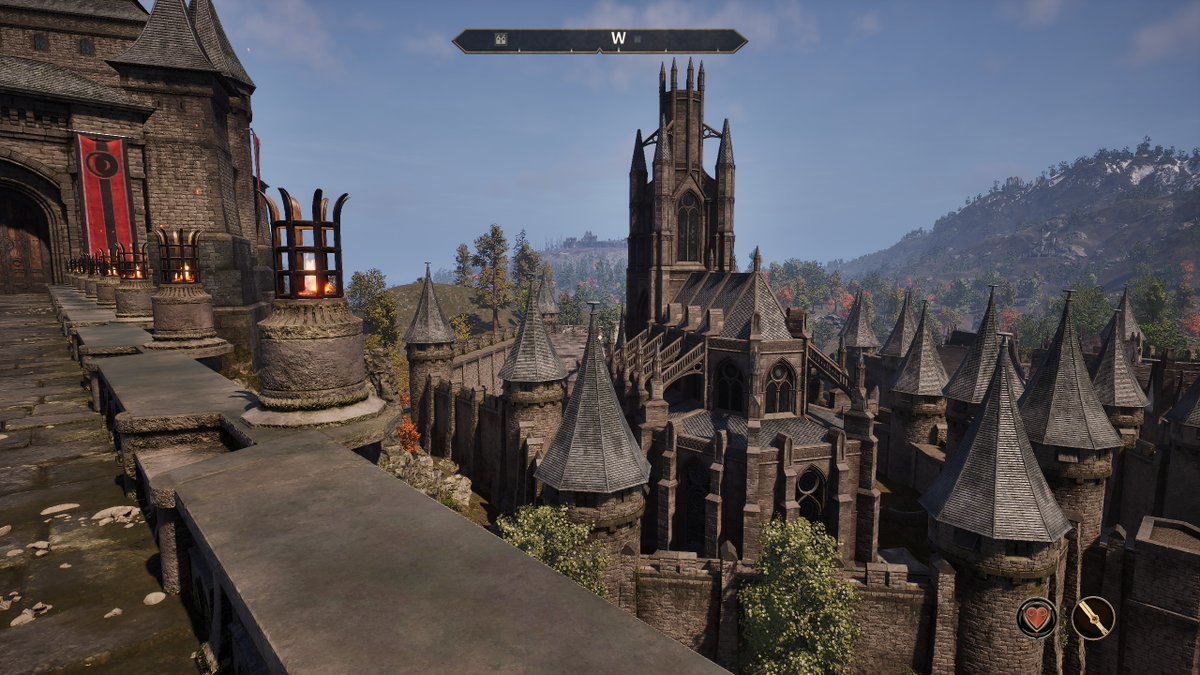
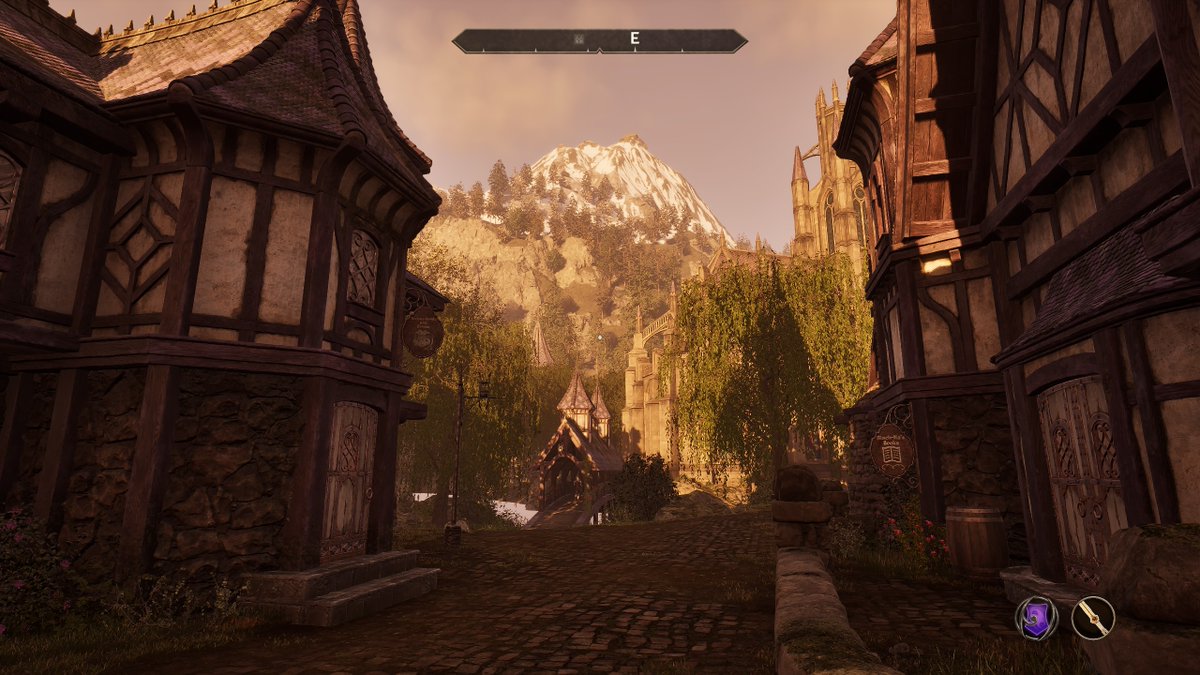
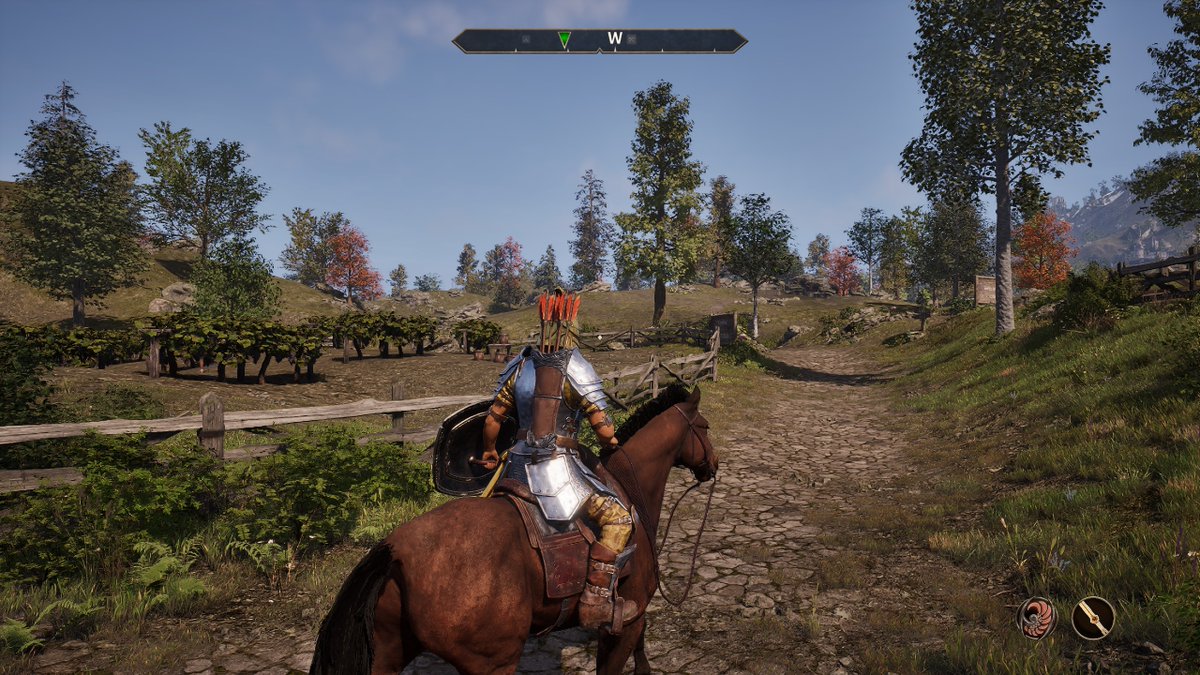
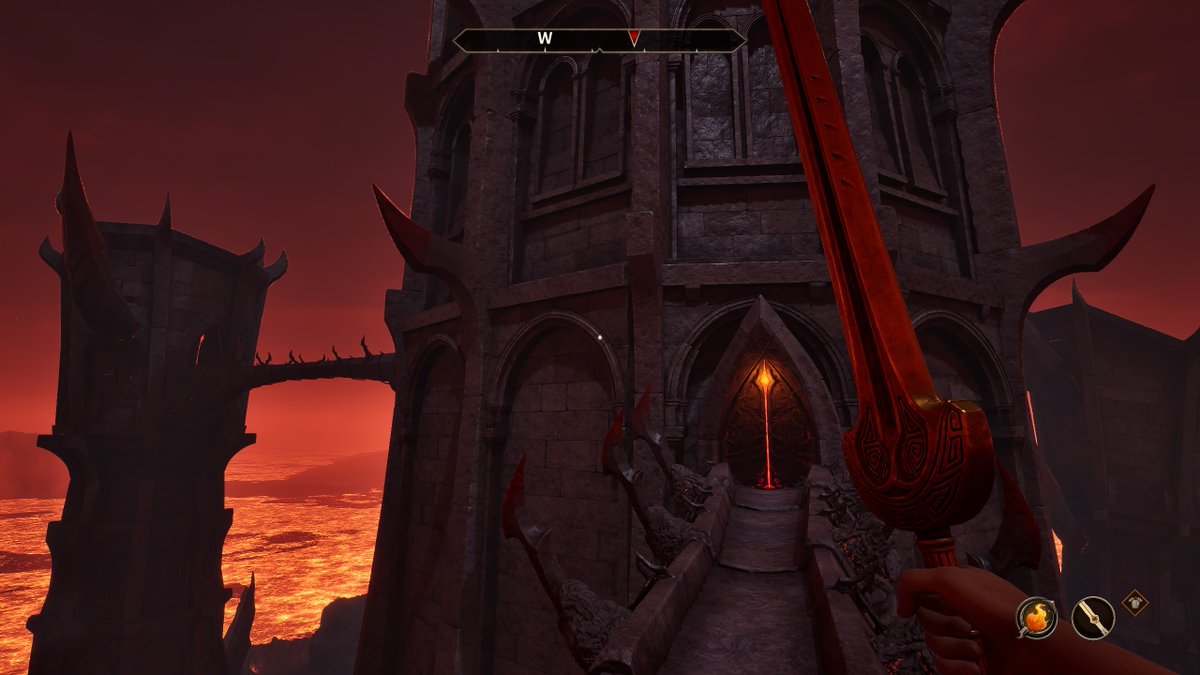
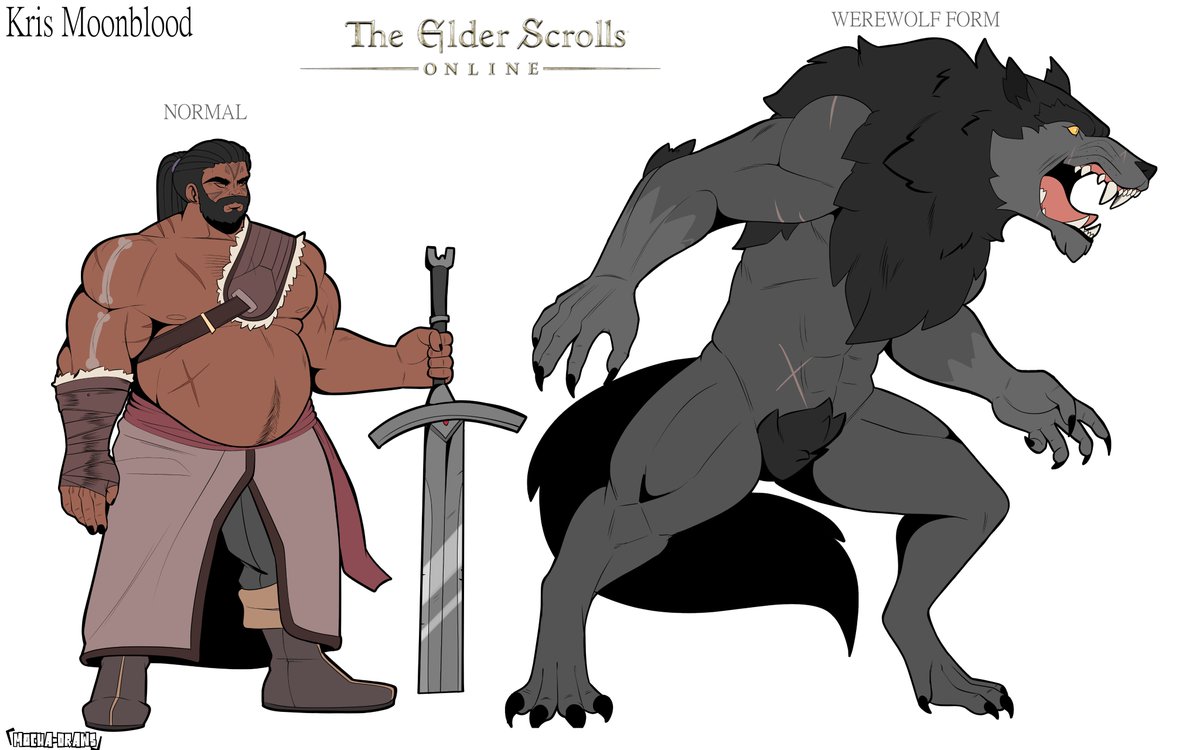
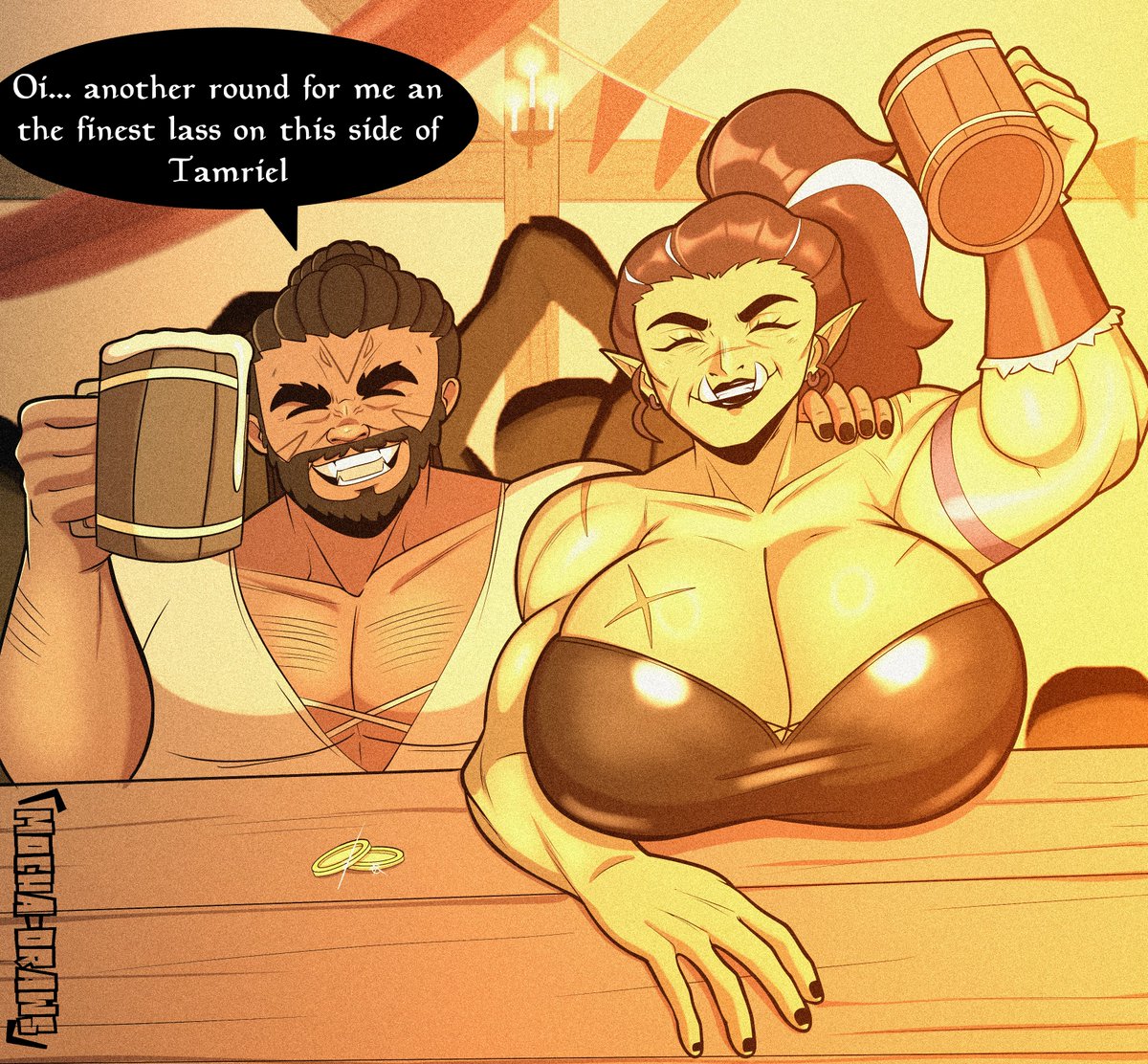
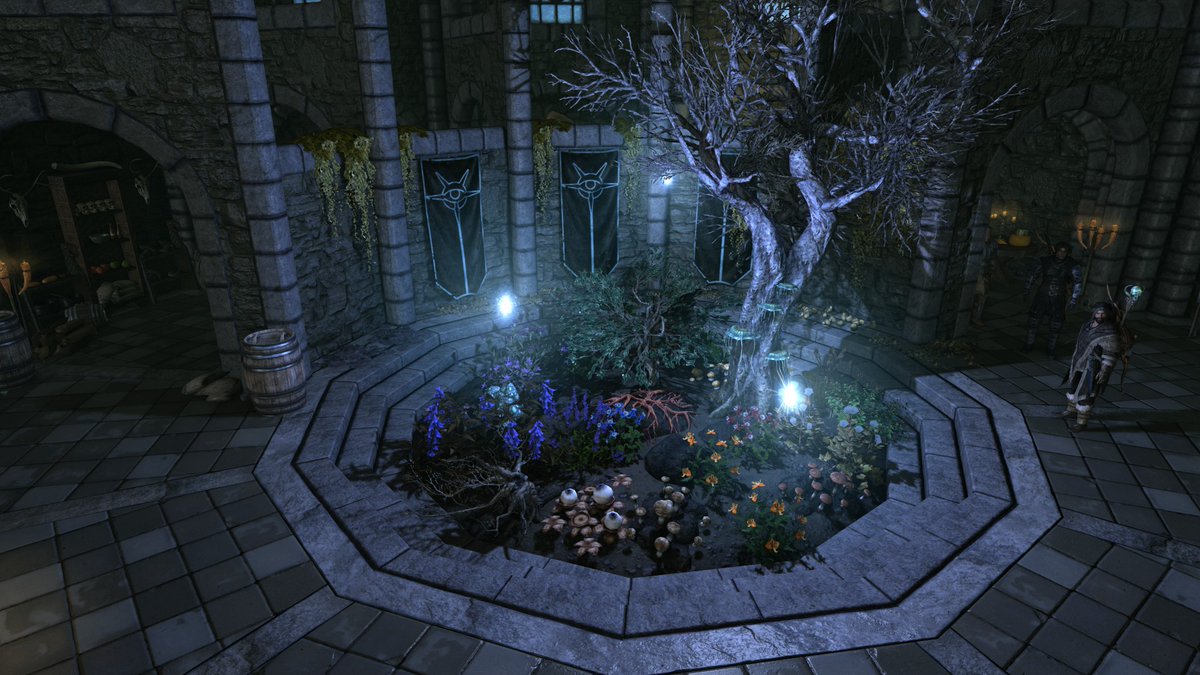
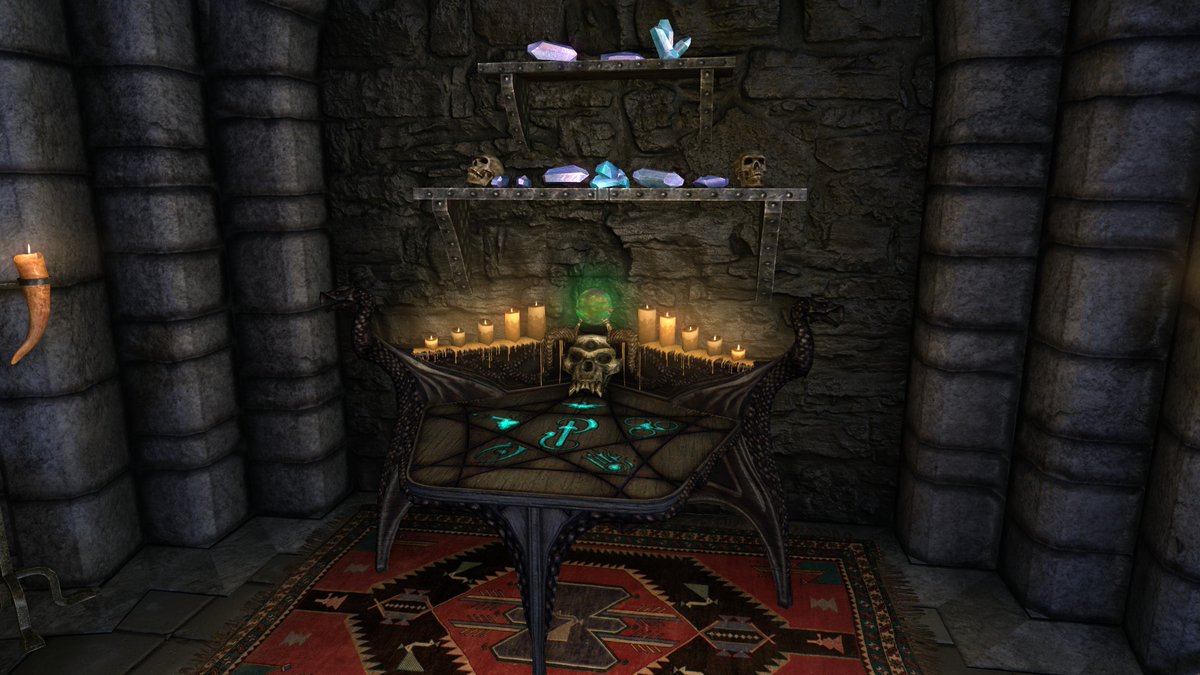
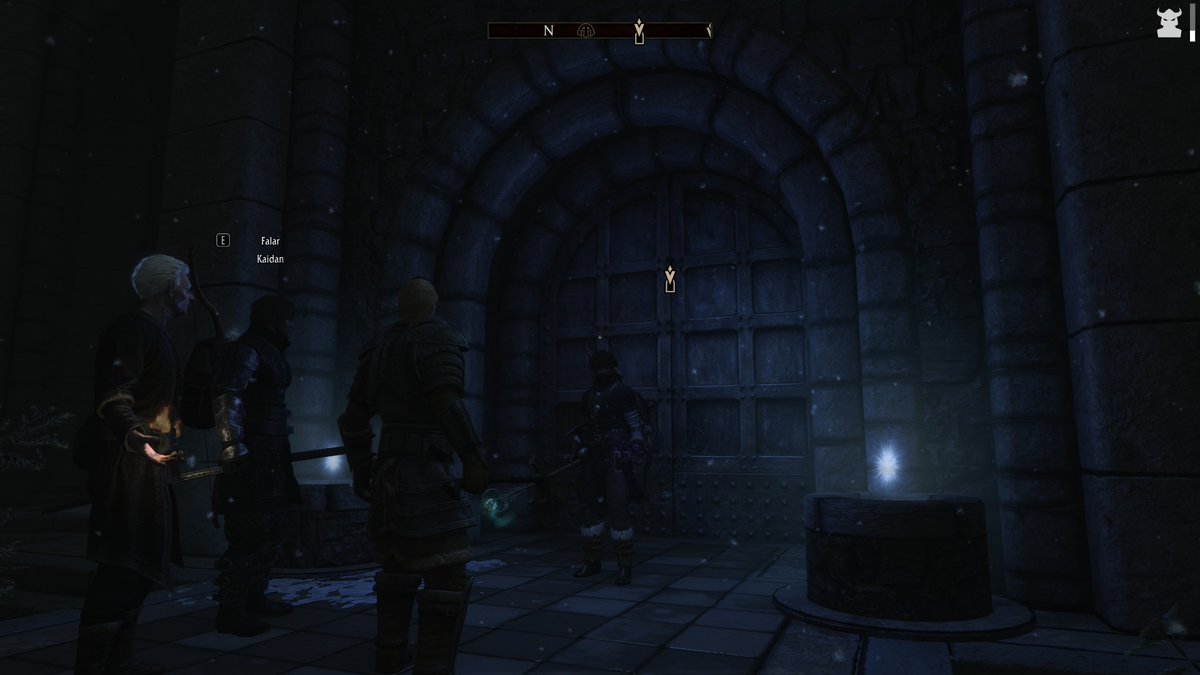
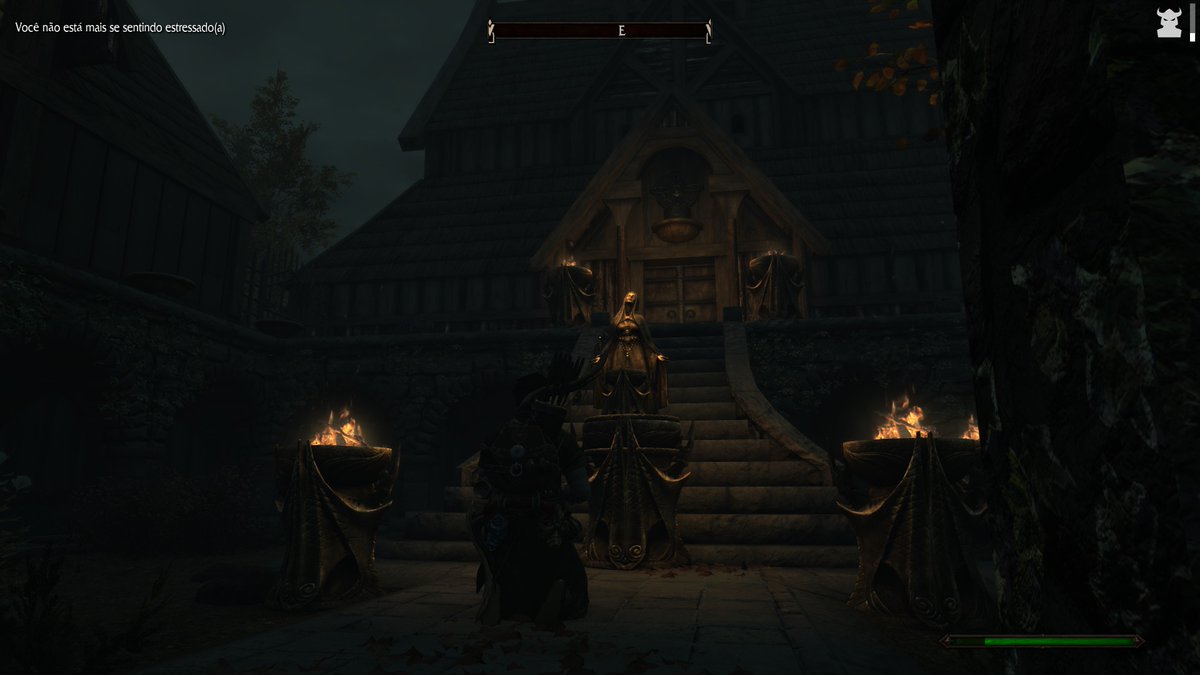
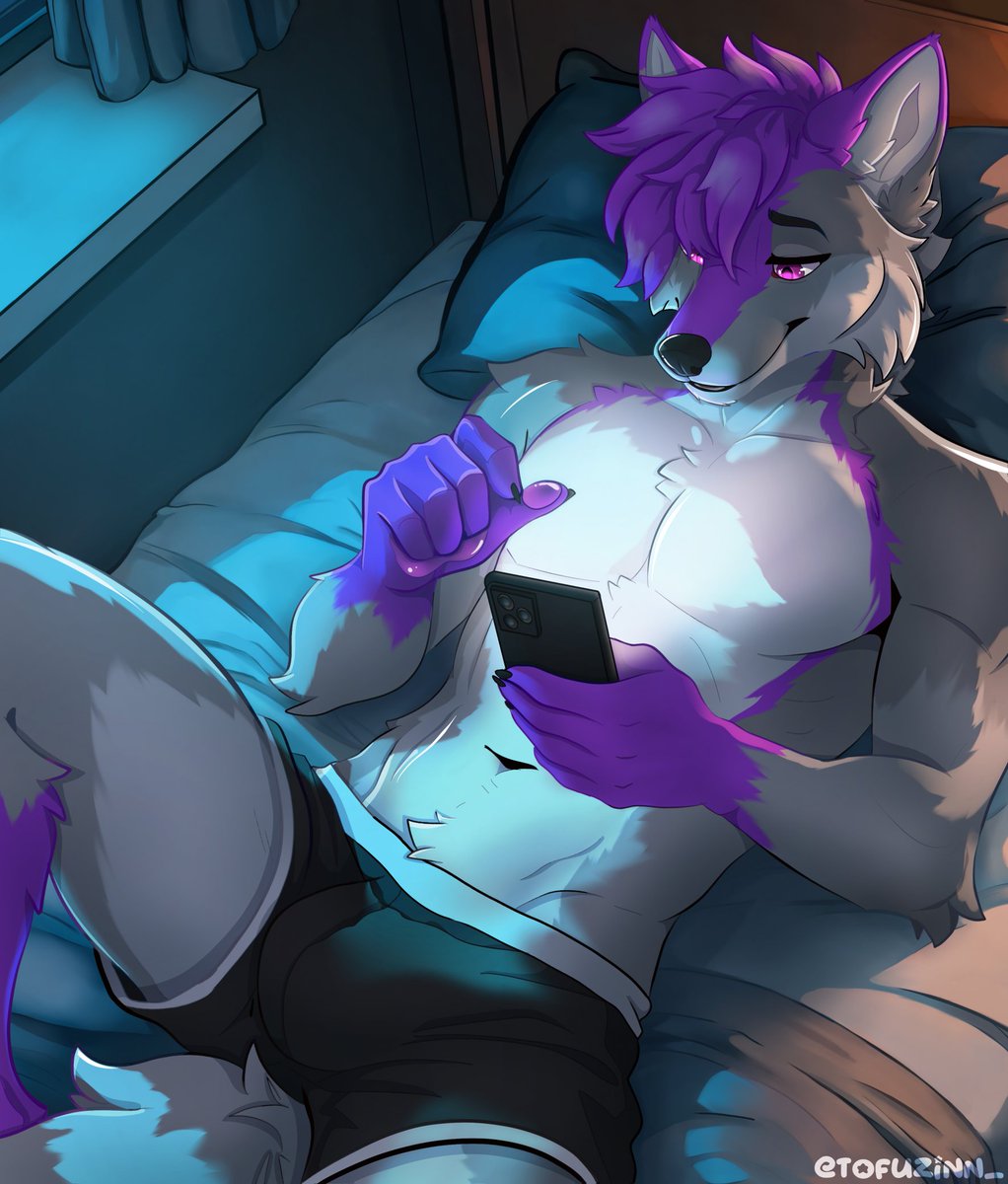
Not gonna lie. The Elder Scrolls Online got me in a chokehold. and I'm enjoying myself. so I drew my character.
3
34
687
12,940

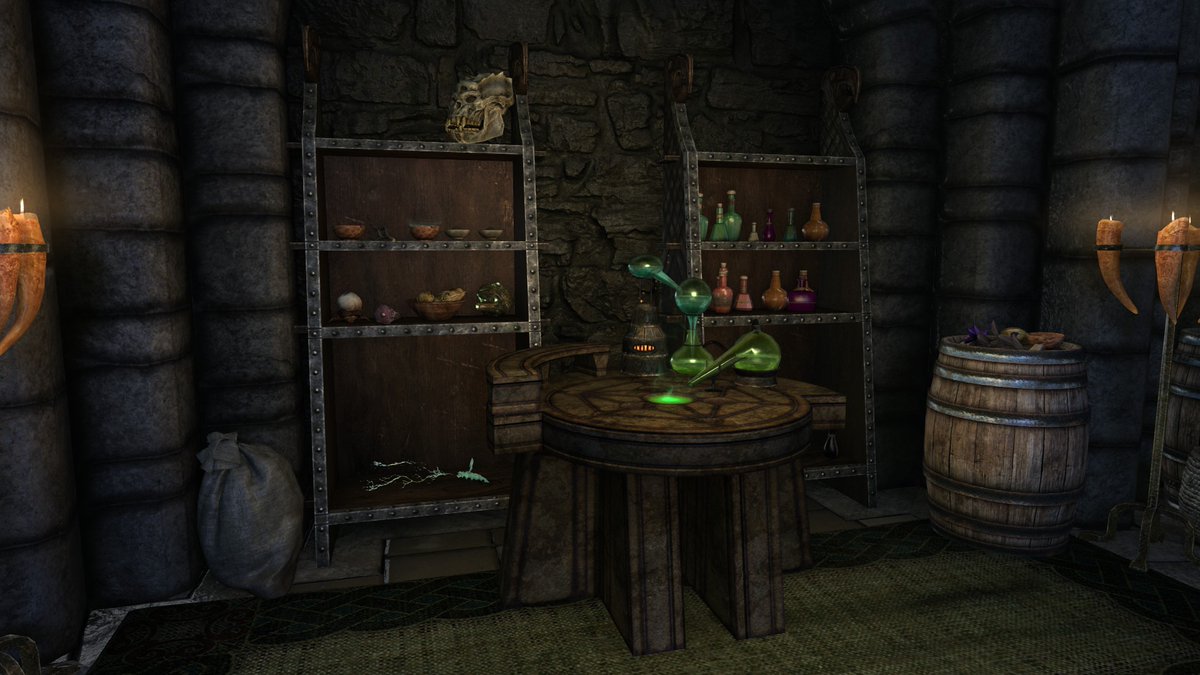
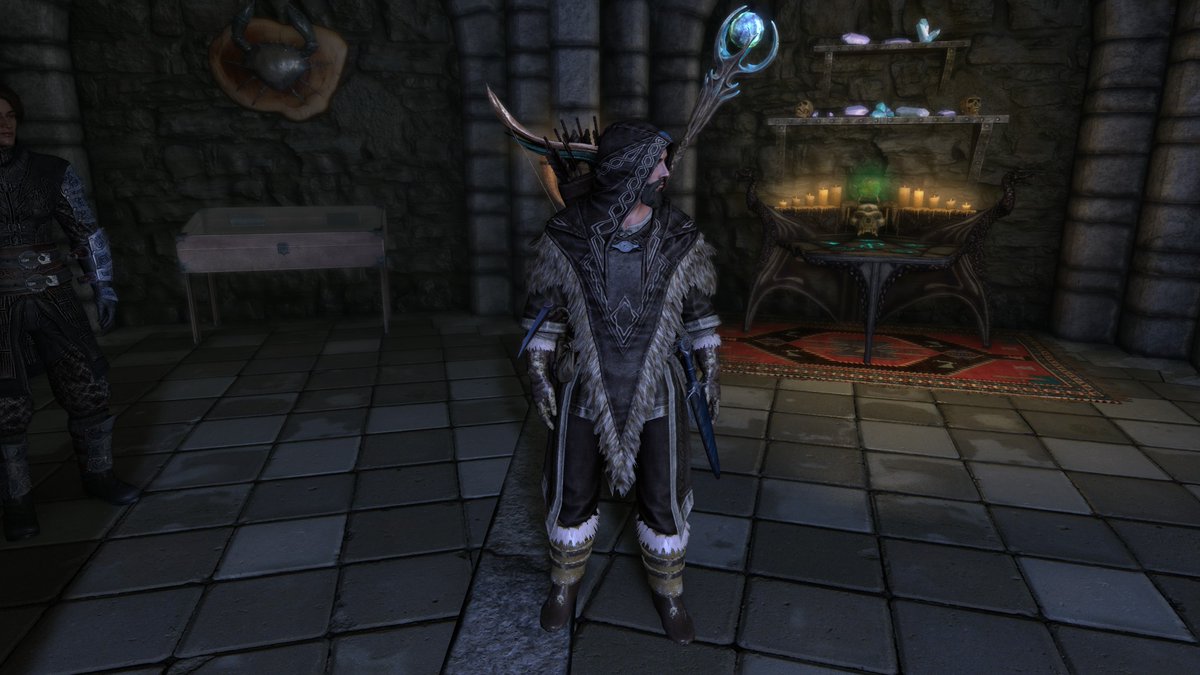



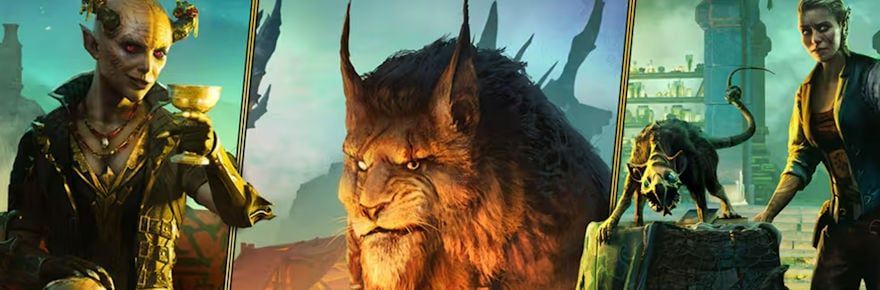
Xbox to pour more development into Fallout, Halo, and Elder Scrolls franchises, report says
🔗 massivelyop.com/2026/06/15/x…
#Fallout #ElderScrolls #Halo
20


1./2 Your initial instinct aligns with widespread parental and public sentiment in the UK. Recent consultations and polls show strong support (around 80-90% among responding parents) for restricting under-16s from social media due to real risks like grooming, exploitation, addictive algorithms, cyberbullying, body image issues, and exposure to harmful or sexual content.
Prime Minister Keir Starmer and the government have pushed forward with plans for a ban on “high-risk” platforms for under-16s, plus restrictions on features like disappearing messages, stranger chats, and livestreaming—even on “safer” apps. This builds on the Online Safety Act and follows Australia’s 2025 model.
Why the Opposition?
Critics—including children’s charities like the Molly Russell Foundation and NSPCC, researchers, teens, and civil liberties groups—raise several evidence-based concerns:
• Enforceability and workarounds: Age verification (passports, facial scans, etc.) is invasive, error-prone, and easy to bypass with VPNs, fake accounts, or new unregulated apps. This could drive kids to darker, less moderated spaces with more risks, creating a false sense of security.
• “Cliff edge” effect: At 16, teens suddenly gain full access without gradual preparation, potentially overwhelming them with unfiltered content after years of restriction.
• Misses root causes: Many experts argue the core problems are addictive design (infinite scrolls, personalized algorithms, notifications) and lack of robust safety features. A ban lets platforms off the hook for better moderation while ignoring that social media also provides connection, support for marginalized groups (e.g., LGBTQ youth), education, and creativity. Research shows impacts aren’t uniformly negative—some teens benefit, others suffer, depending on use.
• Broader rights and unintended harms: Blanket bans can isolate kids socially (many use it to stay in touch with friends), undermine autonomy, and widen digital divides. Some studies and groups like the LSE highlight that exclusion doesn’t inherently improve safety and may violate children’s rights to participate in decisions affecting them.
Opposition isn’t just “pro-Big Tech”—it’s pragmatic skepticism about whether prohibition works better than regulation, education, and parental tools.
1
1
9


não estão financiado o projeto, eles compraram o estúdio, os projetos estão sendo financiados da mesma forma que todo elder scrolls e fallout foi financiado antes, pelo lucro de jogos anteriores da bethesda. a microsoft não fez nada acontecer, ela só virou a dona do que já havia
1
3

8m
2. Scroll-linked animations without code.
Framer has built-in scroll effects that trigger animations as the user scrolls past an element.
Fade in. Slide up. Scale. Rotate. All without touching code.
The key is restraint. One or two subtle scroll animations make a page feel polished.
Twelve of them make it feel like a 2014 agency website.
Use scroll animations to guide attention — not to show off that you know how to use scroll animations.
1
4
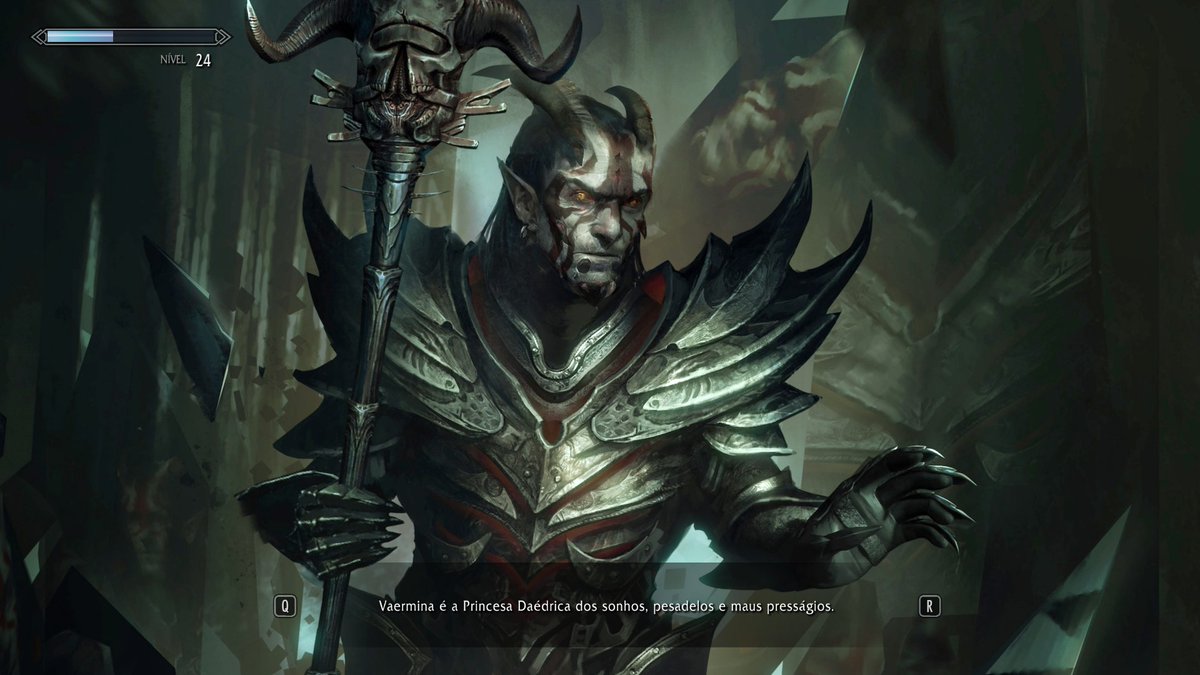
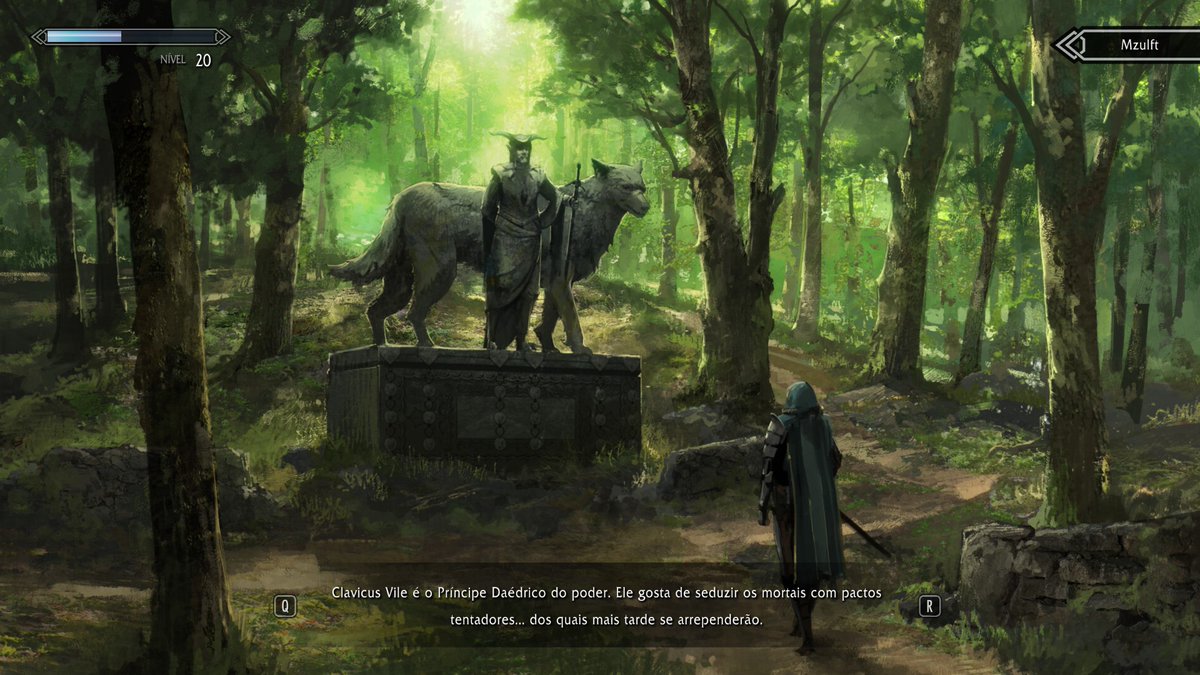
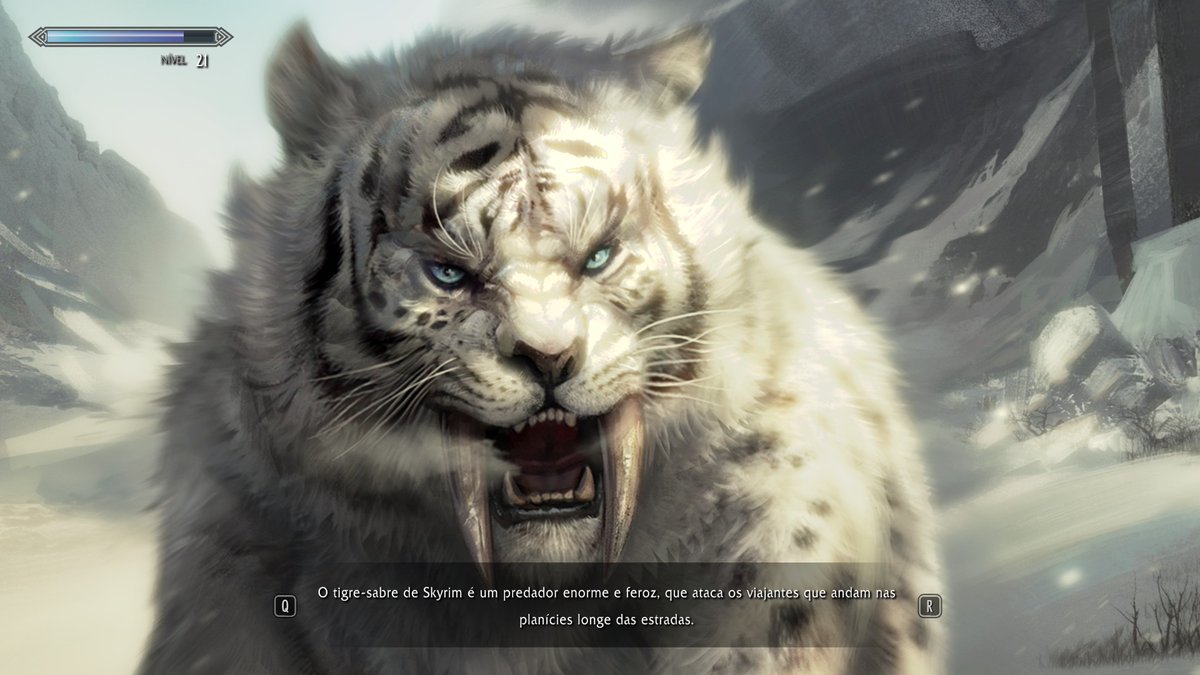
when I say didn't exist is because platinum was not going to make bayonetta 2 at that moment, they didn't have money, nintendo made it happen, just like sony made spider-man and wolverine happen. elder scrolls and fallout are regular franchises
2
8


Are they? The dead scrolls have different versions of the OT, the Torah is supposed to come from Moses(pbuh) yet it describes his death/funeral, your Church fathers like Eusebius are on record quoting different verses, etc, etc
It's a general confirmation just like the prophets
1
2
生牡蠣 retweeted

中尾憲太郎が直々に指名したこの2人にScrolls(スクロールス)ベースオデッセイを語って頂きます!
辻 怜次さんは4人組ロックバンド「Bentham」のベーシストとして活動するほか、秋山黄色、Aqilla、シンガーズハイ、peanut buttersなどのサポートミュージシャンとしても活動を展開しており、自分自身の音を現場に持って行くのは勿論ですが、そこで求められる様々な音をその場でどう対応するか?がいつもの課題です。
彼のスクロールスの始まりはここから。「足すだけではなくて、引き算ができるプリアンプをいつも探していた」
三島想平さんは自身のバンドcinema staffのメインコンポーザー/ベーシストとしての活動と共に、アーティストのサポートやプロデュース、楽曲提供も行い多方面での音楽活動をしております。そして彼のエンジニアとしての音楽制作の中でも、様々なベースサウンドが求められます。
「ベースプリアンプは一番最初にコントロールするべき物なので、凄く気を使う部分だけど一番楽しい部分でもある」その思いを持ちながらスクロールを使い始めた様です。
中尾憲太郎の今までのキャリアと音を知るこの2人がフラットに、そして彼へのリスペクトを込めてこのEQDの新しいベースプリアンプ、スクロールスを掘り下げます。
@kentaro_nakao @REIJISKYWALKER @mishimasouhei
Scrolls(スクロールス)ファーストインプレッション:三島想平(cinema staff)・辻 怜次(Bentham)
youtu.be/Y7v_Y1yVqO8
*スクロールスの売り切れが続いておりご迷惑をお掛けいたしておりますが、6月末までには再度日本国内で流通予定ですので、お近くのEQD取扱店までお問い合わせください。
44
142
38,150