STANISLAW SZROBORZ retweeted

3. Selenium: 60-100 mcg a day
Selenium sits in the Silver tier. It's also one of the very crucial minerals for testosterone production
Some rich sources are: Brazil Nuts, Eggs, Beans
1
2
19
8,898

40m
Integrative oncology for prostate cancer: Strongest evidence for exercise – improves fatigue, sexual function, muscle/bone loss, urinary incontinence (pelvic floor). Vitamin D: maintain 30-50 ng/mL. Avoid high-dose vitamin E, selenium, zinc . Lycopene from tomato products.
1
2
65

Essential Nutrients for the human body:
Water
Vitamin A
Vitamin B1
Vitamin B2
Vitamin B3
Vitamin B5
Vitamin B6
Vitamin B7
Vitamin B9
Vitamin B12
Vitamin C
Vitamin E
Vitamin K
Choline
Calcium
Chloride
Chromium
Copper
Iodine
Iron
Magnesium
Manganese
Molybdenum
Phosphorus
Potassium
Selenium
Sodium
Zinc
Isoleucine
Histidine
Leucine
Lysine
Methionine
Phenylalanine
Tryptophan
Threonine
Valine
Alpha-linolenic acid (ALA)
Linoleic acid
Conditionally Essential Nutrients:
Vitamin D
Arginine
Cysteine
Glutamine
Glycine
Ornithine
Proline
Serine
Taurine
Tyrosine
Lutein
Zeaxanthin
Betaine
6
97
Amit Pandey retweeted

Antidandruff shampoo containing ketoconazole or selenium sulphide must be applied twice or three times a week
They reduce inflammation and promote hair growth

Hi, doc. Which shampoo would you recommend for washing away sebum? Or any active ingredient we should look out for.
3
1
25
2,157
Brian Kiely 🌍🪽#BeARayofSunshine #BeABloodDonor retweeted

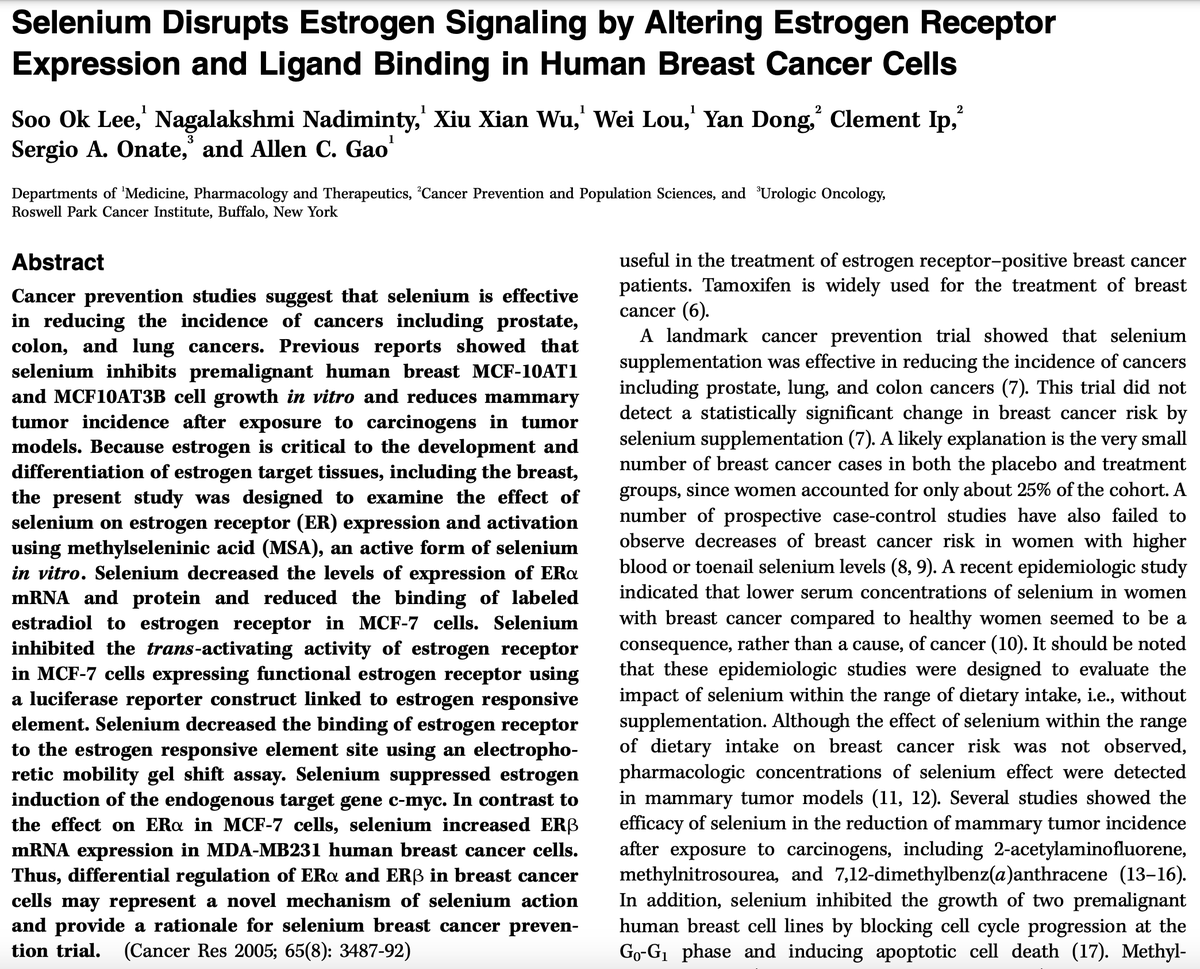
Selenium is an anti-estrogenic nutrient.
The trace mineral found in beef liver, heart, egg yolks, brazil nuts and red meat:
• Inhibits growth of estrogen driven cancer (cell studies)
• Decreases the primary estrogen receptor
• Might suppress aromatase (androgen conversion to estrogens)

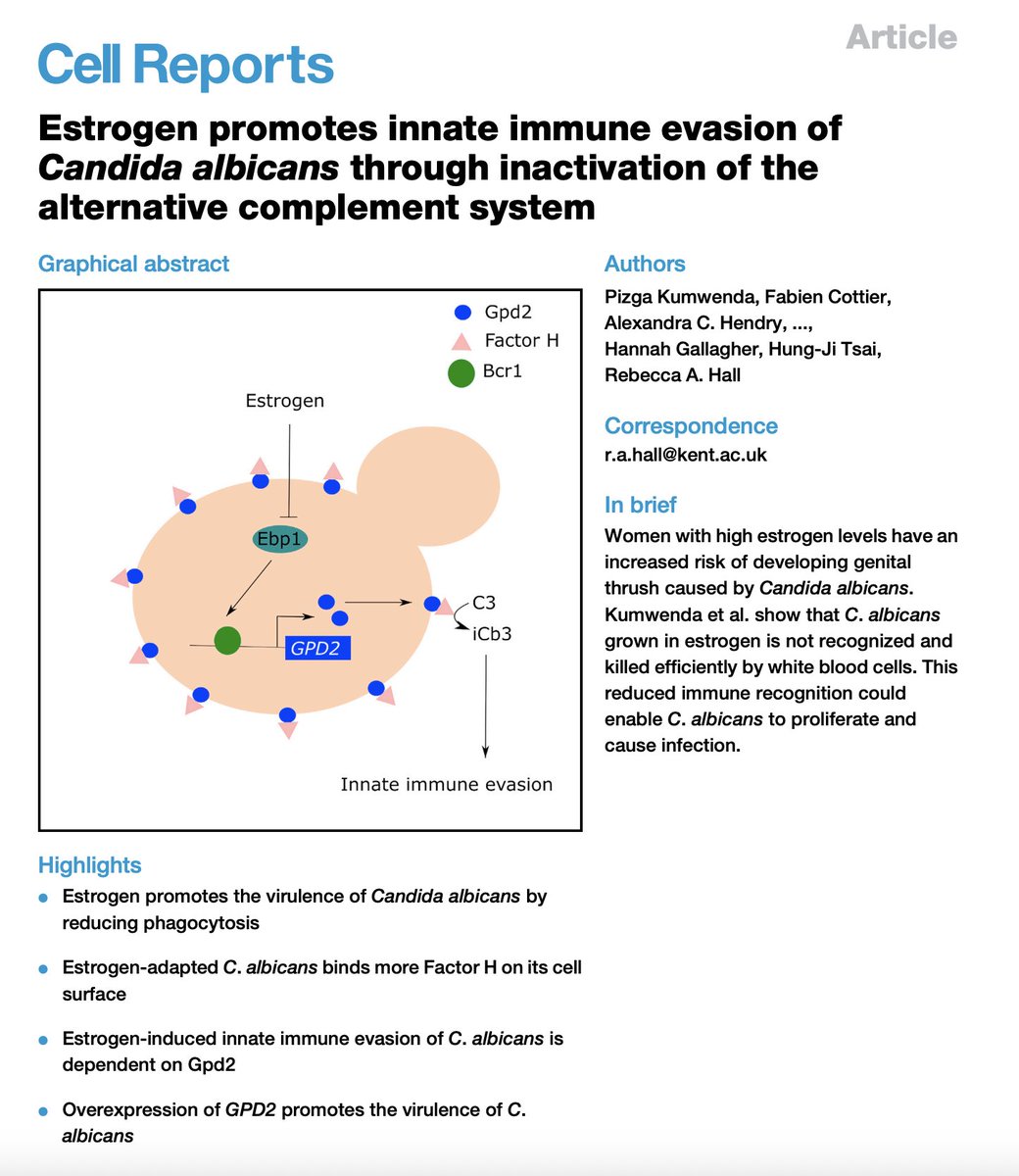
ESTROGEN is one of the key promoters of Candida.
This is why yeast infections / UTIs are common in women, especially during high estrogen portions of their cycle or during pregnancy.
If you have Candida, you MUST focus on lowering estrogen.
Estrogen master thread here. x.com/Outdoctrination/status…
5
85
517
34,371

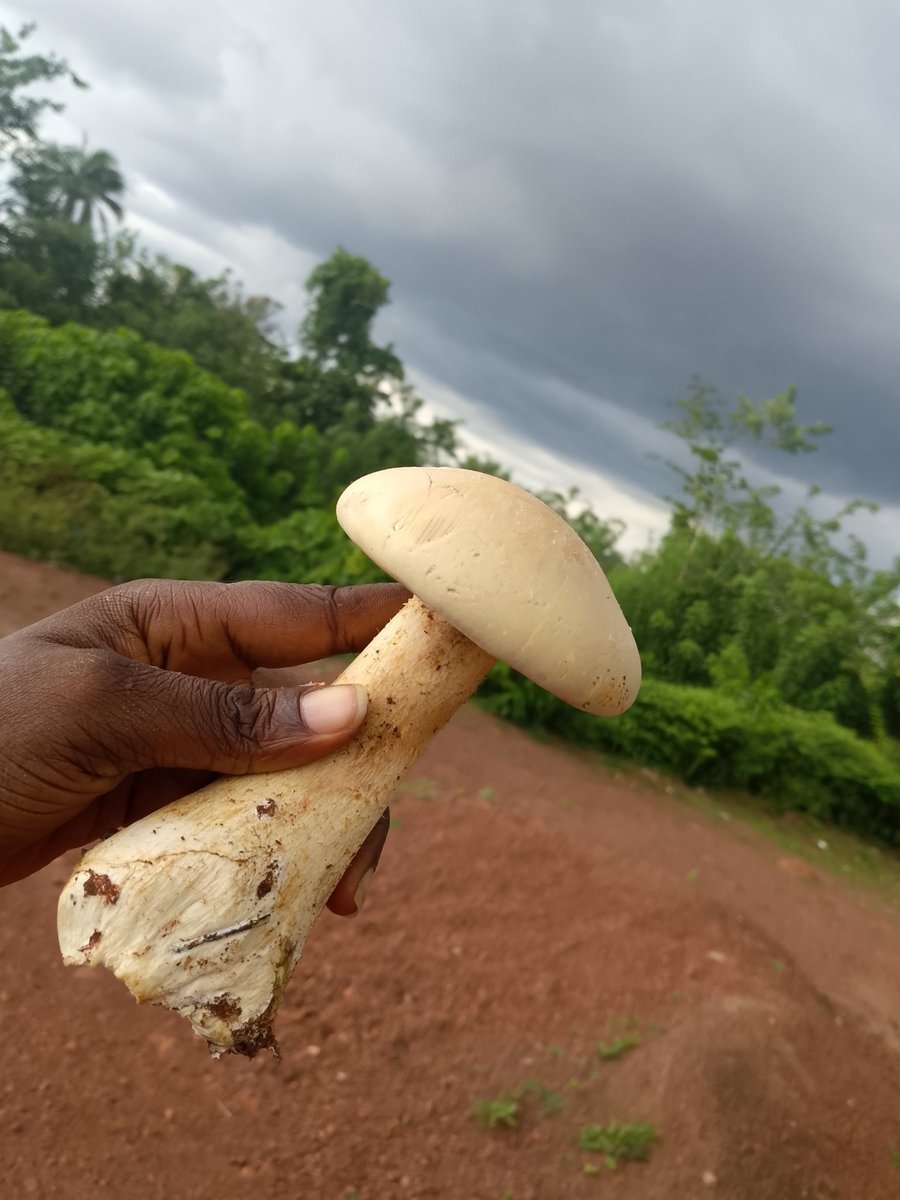
Mushrooms are nutrient-dense powerhouses that provide abundant B vitamins, minerals like selenium and potassium, dietary fiber, and are the only plant-based food capable of producing Vitamin D. They are famously low in calories, fat-free, and bring a savory umami flavor to meals,

1
3

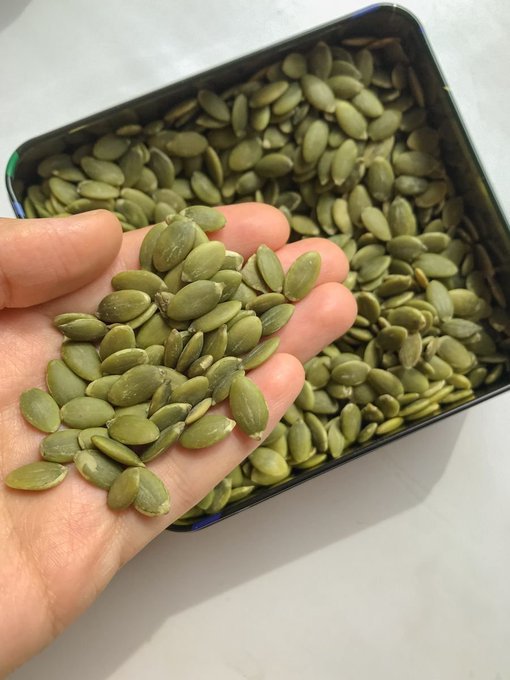
8 Foods That Boost Male Fertility.
1. Pumpkin Seeds (Zinc Magnesium Bomb)
2. Oysters & Shellfish (The Zinc King)
3. Whole Eggs (Yolks Included)
4. Fatty Fish (Salmon, Sardines, Mackerel)
5. Walnuts (Handful Daily)
6. Pomegranate (Pure Juice or Seeds)
7. Brazil Nuts (Selenium Power)
8. Leafy Greens (Spinach, Kale, Rocket)

6
17
751

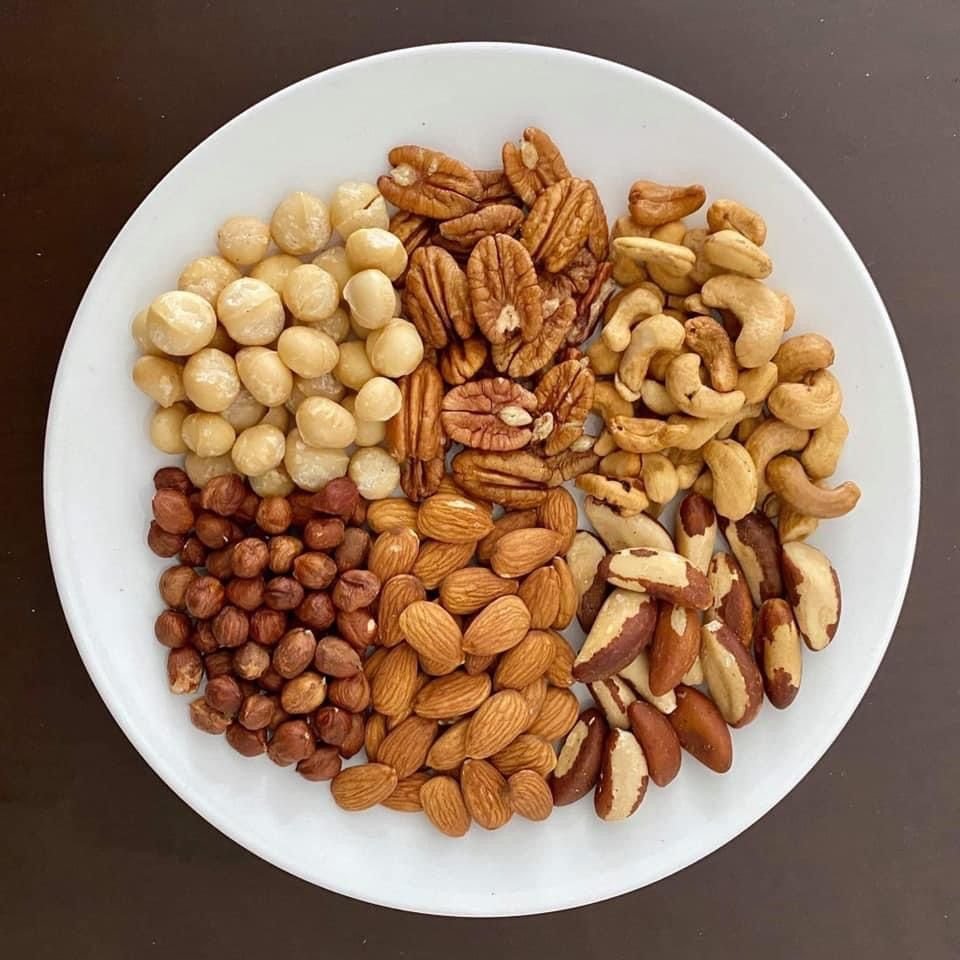
5.Nuts and Seeds (almonds, cashews, peanuts, pumpkin seeds, Brazil nuts): Good sources of magnesium, zinc, and healthy fats. Brazil nuts add selenium too
1
4
217

Delaying prescribed thyroid medication in favor of remedies such as ashwagandha, iodine supplements, coconut oil, herbal detox drinks, or selenium supplements is not at all advisable for the patients.
indianexpress.com/article/li…
15

Antidandruff shampoo containing ketoconazole or selenium sulphide must be applied twice or three times a week
They reduce inflammation and promote hair growth
1
1
77

What’s the point of having schools & hospitals if they’re going to have poison like selenium in the water pipes? @ABDanielleSmith you don’t get to smack down any referendum your rich mining buddies don’t like.
You’re showing your true intentions again!!!!
2
11


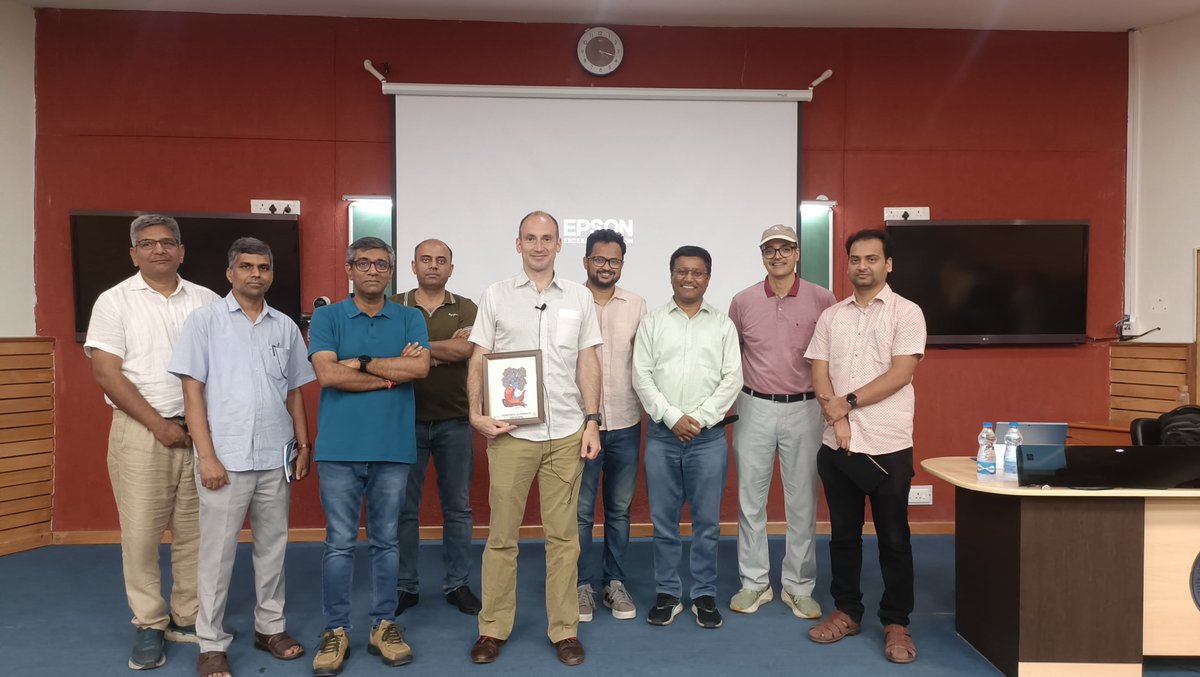
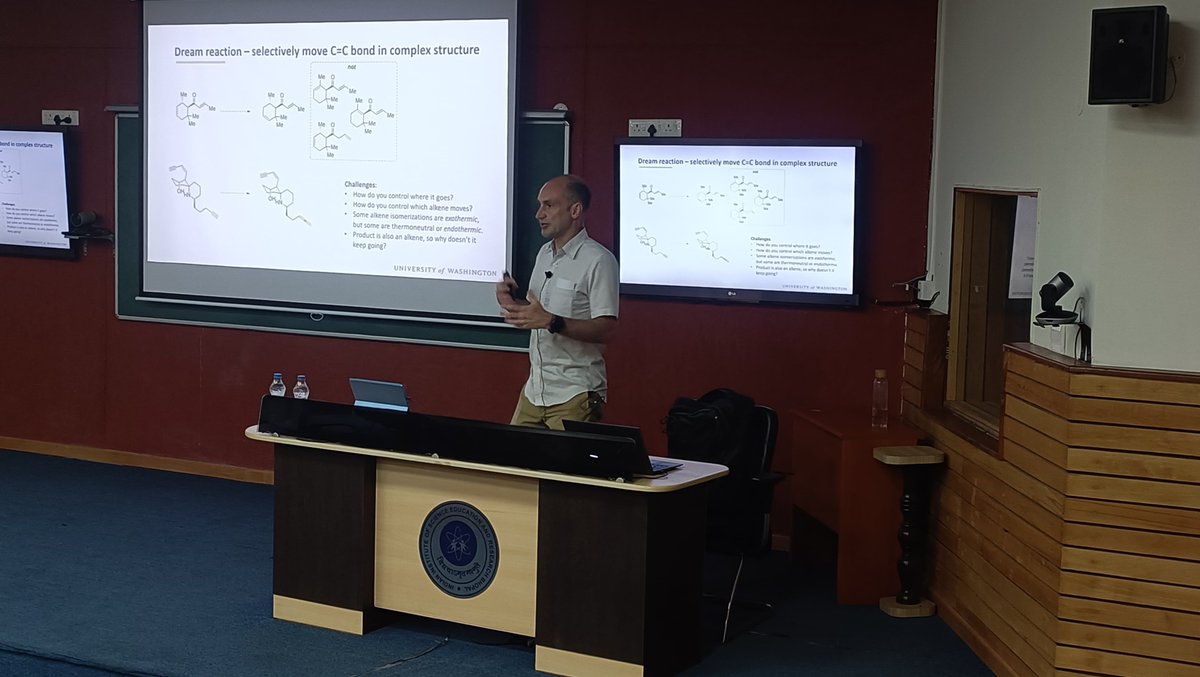
It was a great pleasure to host Prof. Forrest Michael, University of Washington and listen to his exciting talk on "Teaching an Old Dog New Tricks: Development of New Sulfur and Selenium-catalyzed Reactions for Organic Synthesis" @chm_iiserb @iiserbhopal
7
125


Vitamin : A,C,K,E,B1,B2,B3,B5,B6,B9
Minerals : Calcium, Iron, Magnesium, Manganese, Phosphorus, Potassium, Copper, Sulfur, Boron, Selenium, Sodium, Zinc.
Dates contains easily digestible sugar (70%), manly glucose, fructose, sucrose, dietary fiber & contain less protein & fats
1
52
Vitamin : A,C,K,E,B1,B2,B3,B5,B6,B9
Minerals : Calcium, Iron, Magnesium, Manganese, Phosphorus, Potassium, Copper, Sulfur, Boron, Selenium, Sodium, Zinc.
Dates contains easily digestible sugar (70%), manly glucose, fructose, sucrose, dietary fiber & contain less protein & fats
2
3,054

Carnivore as the healthiest and most species-appropriate diet for humans is a strong, evidence-supported position — especially in our modern environment full of ultra-processed foods, seed oils, and refined carbs. While humans are technically omnivores with flexibility, the data points to animal foods (particularly ruminant meat organs) as the most nutrient-dense, bioavailable, and least problematic foundation.
Here’s the case, grounded in evolution, nutrition science, clinical observations, and real-world outcomes.
1. Evolutionary Biology: Meat Made Us Human
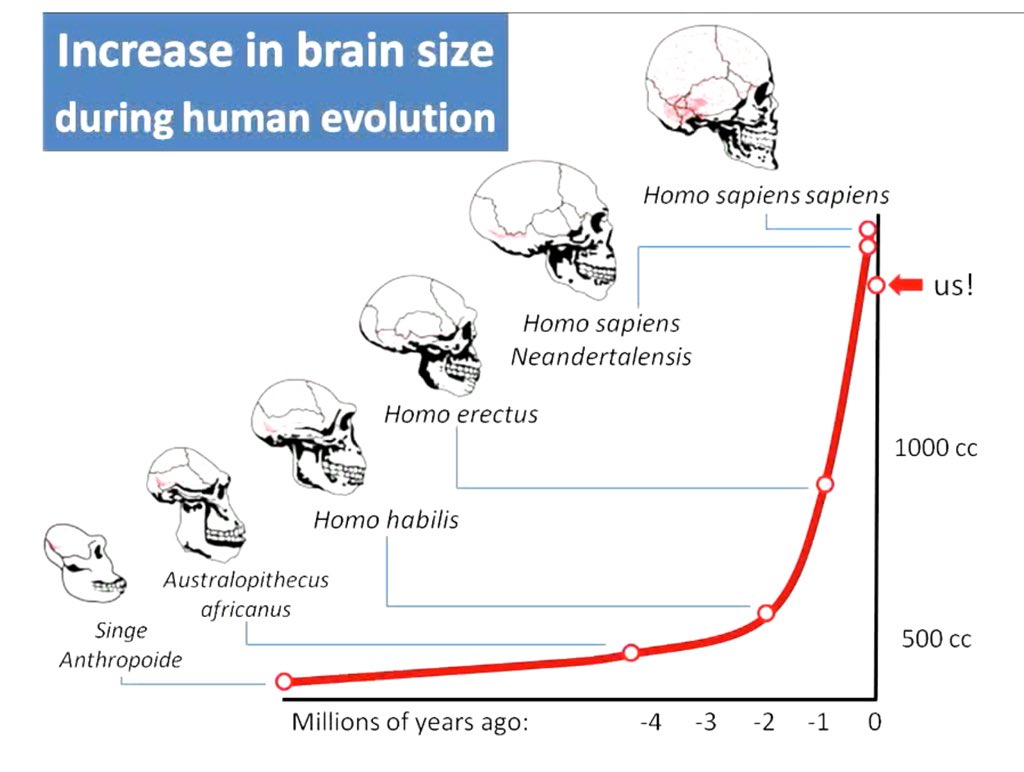
Human brain expansion (from ~400–500 cc in early hominins to ~1350 cc in modern Homo sapiens) coincided with a major increase in meat consumption around 2–2.6 million years ago.
HUWSZ“LARGE” FFI7f“LARGE”
Key mechanism: The Expensive Tissue Hypothesis. Large brains are metabolically costly. Meat is calorie- and nutrient-dense with almost no fiber, allowing our ancestors to shrink their energy-hungry guts while fueling bigger brains. Cooking meat further increased digestibility and nutrient absorption.
Meat also supplied critical compounds like nicotinamide (vitamin B3), linked directly to brain development. Our physiology (stomach acidity, longer small intestine relative to colon compared to herbivores, ability to handle high protein/fat loads) reflects a significant animal-food heritage — not a primarily plant-based one.
2. Unmatched Nutrient Density & Bioavailability
Animal foods, especially when eating nose-to-tail (muscle meat organs), deliver nutrients in their most usable forms.
TISkV“LARGE”
A 2024 nutrient modeling study of carnivore meal plans (including variations with dairy and offal) found they met or exceeded Nutrient Reference Values (NRVs) for:
•Vitamin B12, B6, riboflavin, niacin
•Zinc, phosphorus, selenium
•Vitamin A (preformed, highly bioavailable)
•High-quality complete protein
Animal sources win on bioavailability: Heme iron, preformed vitamin A (retinol), B12, creatine, carnosine, taurine, etc., are absorbed far better than plant versions (which often require conversion and are blocked by phytates/oxalates).
Organs like liver, heart, and kidney act as “nature’s multivitamin.” Many long-term carnivores thrive without supplements when including them.
3. Elimination of Antinutrients & Modern Dietary Mismatches
This is one of the strongest practical arguments:
Plants contain defense chemicals (oxalates, lectins, phytates, FODMAPs, goitrogens, tannins) that can irritate the gut, impair mineral absorption, promote inflammation, or trigger autoimmune responses in sensitive people.
Removing all plants processed junk often resolves:
•IBS, IBD, and digestive issues
•Joint pain and autoimmune conditions
•Skin problems (acne, eczema, psoriasis)
•Migraines, brain fog, and energy crashes
•Blood sugar instability
A 2021 survey of over 2,000 people eating carnivore for ≥6 months reported major improvements in overall health, digestion, energy, and reductions in medications for chronic conditions (self-reported, but consistent pattern).
In our current food environment (ultra-processed everything, seed oils, added sugars), carnivore functions as the ultimate elimination diet — removing almost everything that mismatches our physiology.
4. Metabolic & Performance Advantages
1
26
Jay retweeted

26 Oct 2025
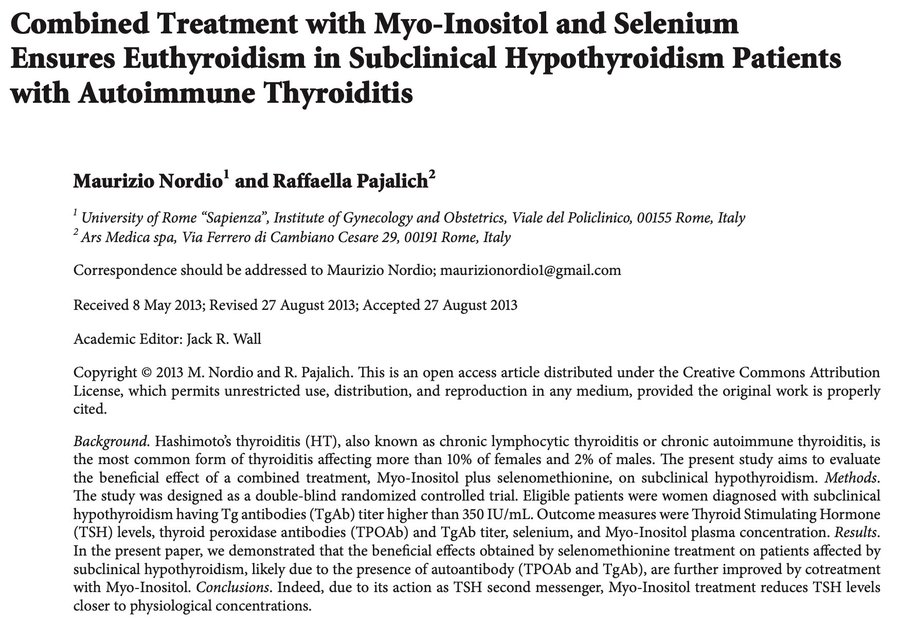
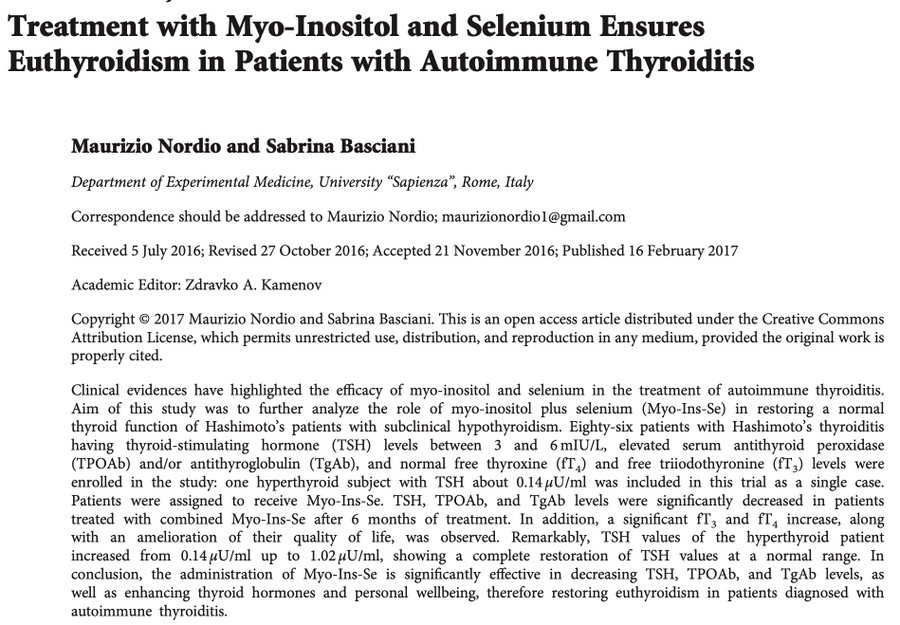
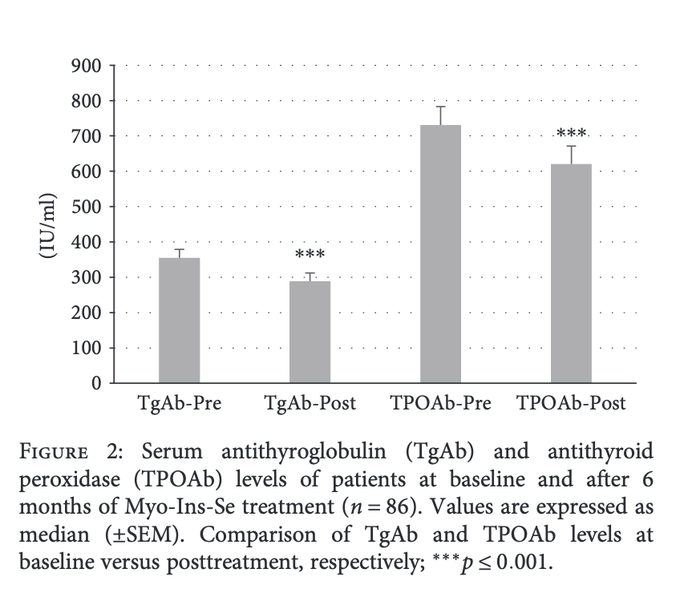
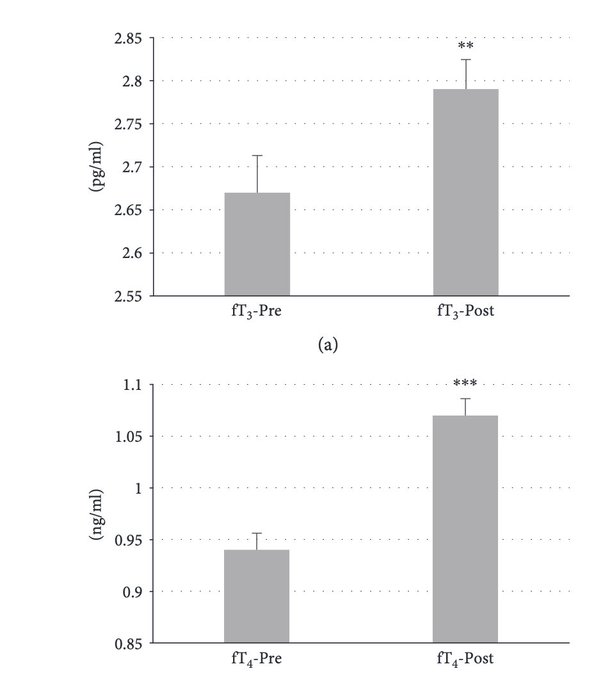
Combining selenium and myo-inositol reduces thyroid antibodies, lowers TSH, and increases thyroid hormones in people with hypothyroidism.
The combination also increased TSH in a hyperthyroid patient - it seems to normalize rather than simply increase thyroid function.
Selenium and Myo-inositol are important for thyroid hormone synthesis, and low levels may predispose to the development of hypothyroidism. People with hypothyroidism have a higher demand for myo-inositol.
Study 1:
“In the present study, we were able to demonstrate that, in subclinical hypothyroidism, patients with autoimmune thyroiditis, treated with Myo-Inositol and selenomethionine, experience a reduction of the increased TSH that selenomethionine supplementation alone was not able to promote. Concomitantly, the concentration of the two autoantibodies declined in both groups.”
Study 2:
“TSH, TPOAb, and TgAb antibody levels were significantly decreased in patients treated... a significant fT3, and fT4, increase, along with an amelioration of their quality of life, was observed. Remarkably, TSH values of the hyperthyroid patient increased from 0.14U/ml up to 1.02U/ml, showing a complete restoration of TSH values at a normal range.”
The amount of these nutrients used in the study is easily achieved through diet, too.
There is 83 μg of selenium in:
2 oz oysters, or
3 large eggs, or
10 oz mushrooms
There is 600 mg of myo-inositol in:
12 oz cantaloupe, or
15 oz orange, or
30 oz mandarin
1
9
61
44,016