maia ⚢🏳️⚧️ retweeted

Its women who loves women. Basically everything else is people arguing semantics to exclude certain types of women or include certain types of men
Jun 12

as a lesbian i personally have always felt really uncomfortable being defined as a ‘non-man who loves non-men,’ i think there’s nuance and others really connect to the definition but i’ve always felt really dehumanized when people put it onto me
1
1
44
6,528

I went to their website and all I put in search was “knife with light”. They do categorize it a 6 in 1 multi-tool (multifunctional) knife. People are arguing semantics at this point.
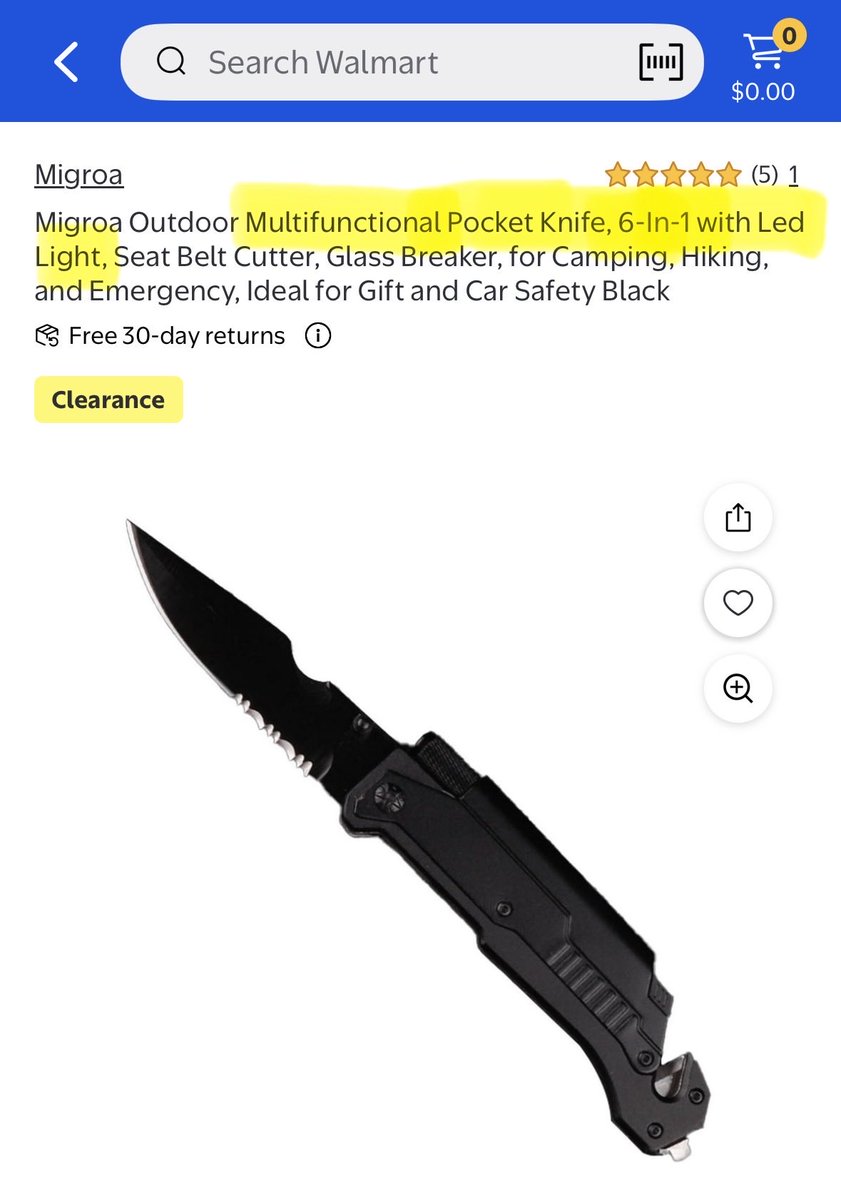
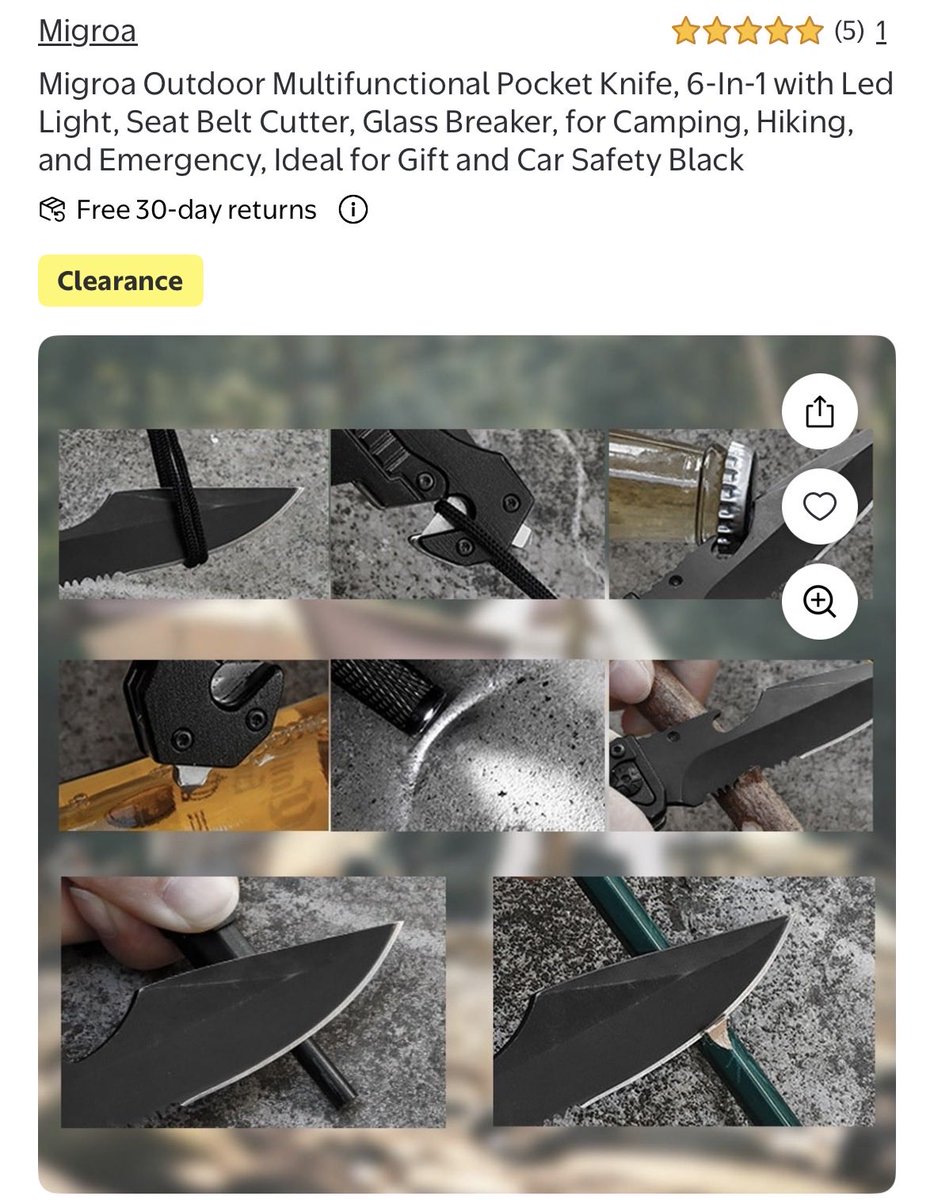

A semantics difference that doesnt matter in that circumstance. And its entirely consistent with Karen backing up and thinking that she missed him and didnt think she hit him but she did.


Stupid semantics.
So you want gay people to be permanently celebate, alone, and single? To not find love out of fear of persecution?
A ban on “acting on it” is a ban on being gay.
1
5

Saying shit like "message for Gooseworx: it's wrong to be a racist pedophile" and then getting mad at people defending Gooseworx by focusing on semantics and going "technically I NEVER called her a pedophile, I just said it was a message for her" is hysterically evil.
1
4

EDITORIAL: “[Donald Trump] claimed a distinction between “wars” and “endless” conflicts, which is reminiscent to some degree of the semantics argued to describe the Korean War or conflict, as it was often called.” amsterdamnews.com/news/2026/…
9

So it doesn’t really matter I do think you can be a fan of certain aspects but not the “game” itself but that’s all semantics and I’ve realised after goin back and forth with someone who really cares 😂
3

Dont get me started on Comprehension in English language Could lose you there..look youve strayed from my original point & gone into semantics
The original tweet could mean sth diff to diff people
Ikorodu is part of Lagos So a sign pointing you to Lagos depends on how you read it
1

Mischaracterizing what I said via semantics. Read the grok post. You are well aware of what you did. It’s honestly sad to witness, every time it happens.
1
10

England & UK have a track record of undervaluing and disrespecting teachers doctors engineers and carers and underpaying them but not because of semantics -it’s because of the traditional values of this country and an education system not valuing vocational education.
1
3

all i can say abt this is that you can tell that there are a lot of kpop stand who have never attended a singular linguistics class and thus should probably not speak on languages and its semantics
1
17
But then are you a fan of the game? Or a fan of the characters or artstyle like if I enjoyed expedition 33’s music I’m a fan of the music or the artists not the game itself? But that’s probably all semantics and not that deep anyway
34

There its a misunderstanding of the legal semantics here.
A state of war, does not always mean that there is kinetic military conflict taking place. Military engagements are a part of war, not the sole condition for it.
An unconditional surrender document only ceases military hostilities, it does not terminate a formal declaration of war.
After a military surrender, the victor becomes an occupying power subject to the same conventions that applied during armed conflict and under the original declaration of war.
During WWII, Japan signed the Instrument of Surrender aboard USS Missouri on September 2, 1945, however, the US declaration of war against Japan did not end until September 8, 1951 when the Treaty of San Francisco was signed by Japan and all 47 Allied nations.
Same happened in Europe with Germany. Technically the state of war declared by WWII did not end until 1990 when the the four occupying powers and the two partitioned German states signed the 4 2 agreement which reunified Germany and returned full sovereignty.
1
That doesn’t mean you can’t be a fan of a character or a fan of a games music I know someone who loves expedition 33’s music but he’s never played it. I just don’t think you can call yourself a fan of that GAME which is probably all semantics so who cares really
11

Except it's not shorthand and it's not semantics, you were factually wrong too
1
3

There's plenty of black men married to white woman that hate white people still. There's quite a popular person here on X who is black married to a white woman literally telling people he's willing to commit acts of violence over words. So don't give me those semantics
1
9

Yes. The exceptionalist left is very adept at using terminology and semantics, along with almost pathological repetition of terms like "racist" & "far right".
1