Instantkarma retweeted

I think you should check online for evidence of use of TNT based shells, @CaolanReports. Alumina powder makes up 20% of tritonal, a TNT based explosive Russia must use because of shortages of nitrogen based explosives. Irish workers are literally making bomb precursors for Russia
Jun 8

The russian refinery says alumina shipped from Ireland does not end up in weapons.
The Irish Government seems uninterested in testing that claim.
So I took a sample myself.
It will now be compared with battlefield debris from Ukraine.
This should have been done by the state.
19
32
828
John-JuanMiranda retweeted

1
1
150
Sue Sole retweeted

1- The spineless Labor MPs, which is all of them, who decided to hide under their tortoise shells and protect their party’s interests instead of taxpayers interests, by refusing to do the right thing and demand a royal commission into serious building corruption are set to cop the mother of all wallopings in November and it will be a thing of beauty to watch .
14
24
225
3,056


U.S Also Made Israel Who Bailed You Out In Kargil War.
If Artillery Shells And Laser Guided Bombs Had Not Arrived On Time Kashmir Had Been Captured By Pakistan.
6
Shane Skubis retweeted

🚨 THE TROJAN HUMMINGBIRD: Obama’s USAID Laundered Your Tax Dollars Through Cayman Islands Shells to Build a Fake Cuban Twitter — Then Perfected the “Rent-a-Riots” Playbook for Engineered Revolutions Worldwide 👿
What if your tax dollars, earmarked for humanitarian relief in one country, were secretly rerouted through Cayman Islands bank accounts to bankroll a perfect digital Trojan horse in another?
That is exactly what happened with ZunZuneo — Cuban slang for the hummingbird’s tweet.
USAID contractors built an exact replica of Twitter (same interface, likes, retweets, even the bird motif) and seeded it across Cuban cell phones starting in 2009. It wasn’t random. Internal planning documents reveal the cold, methodical strategy:
First, flood the platform with non-controversial bait — sports scores, music, hurricane updates — to rapidly build a subscriber base of unsuspecting users who believed it was a homegrown Cuban service.
Once critical mass was reached, flip the switch. Harvest user data for micro-targeting. Deploy social bots. Introduce political messaging. Coordinate “smart mobs.” Turn digital networks into physical street action dressed up as organic “pro-democracy” uprisings.
Insiders called the end product Rent-a-Riots — astroturfed protests engineered with trained activists who had been taught hashtag warfare, protest logistics, slogan discipline, and Facebook/Twitter coordination.
All funded by U.S. taxpayers under the noble-sounding banner of “civil society” and “democracy promotion.”
The money trail was deliberately obscured: funds diverted from intended aid destinations, funneled through layers of shell companies and offshore accounts so the Cuban government (and American oversight) wouldn’t trace it back to Washington.
This wasn’t a rogue contractor. It was documented policy — exposed in 2014 by the Associated Press, confirmed in USAID’s own Inspector General reviews, and now laid bare in granular detail by Mike Benz on the Joe Rogan Experience using the actual internal records.
The hummingbird didn’t sing freedom. It was a precision instrument for manufacturing dissent on demand.
And the same operational DNA — social media training, data-driven targeting, astroturfed “civil society,” plausible-deniability funding — has been deployed far beyond Cuba.
Sound familiar?
The American people were never supposed to see the wiring diagram. Now they have.
When the full scope of how “aid” has been weaponized as regime-change infrastructure finally hits the public square, the demand for sunlight will be deafening.
The hummingbird’s song is over.
What happens next?
#ZunZuneo #TrojanHummingbird #USAIDExposed #RentARiots #MikeBenz #RegimeChangePlaybook #TaxpayerFraud #ColorRevolution #SmartMobs #AccountabilityNow #ForeignPolicyTruth #CaymanAccounts #DemocracyPromotionScam x.com/Tironianae/status/2065…
 Tironianae 🍊🍊 Z. - Ultra Verbum Vincet
9
244
430
7,029


Ricky D Phillips - Military Historian retweeted

14 Jun 2025
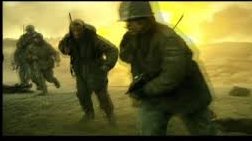
June 14th 1982: The air is alive with artillery shells & mortars, as helicopters buzz overhead, firing missiles, and naval guns pound away. Like a boxer sensing victory, the British now hit the Argentines with everything and from all directions, smashing their last resistance...
15
206
3,288

552 👉 Dailyartpiece
Balthasar van der Ast (1593/1594 – 7 March 1657) was a prominent Dutch Golden Age painter specializing in still lifes, particularly of flowers, fruit, shells, insects, and lizards. He is often regarded as a pioneer in the genre of shell still life painting.
Early Life and Training
Born in Middelburg in the province of Zeeland (Dutch Republic), van der Ast came from a prosperous merchant family. He was orphaned young after his father’s death in 1609. He then lived with his older sister Maria and her husband, the influential still-life painter Ambrosius Bosschaert the Elder, who became his teacher and major influence.
Bosschaert’s precise technique and symmetrical compositions are evident in van der Ast’s early works. Around 1615–1616, he likely moved with Bosschaert to places like Bergen op Zoom and Utrecht. In Utrecht, he was further influenced by Roelandt Savery, whose softer tonality and interest in exotic elements (including shells and insects from his own garden) shaped van der Ast’s evolving style. He registered as a master painter in Utrecht’s Guild of Saint Luke in 1619.
Later in life, he settled in Delft, where he lived until his death in 1657. He taught notable pupils, including Jan Davidsz. de Heem.
Artistic Style and Themes
Van der Ast’s paintings blend the vibrant, detailed floral precision of Bosschaert with Savery’s more atmospheric and tonal approach. Key characteristics include:
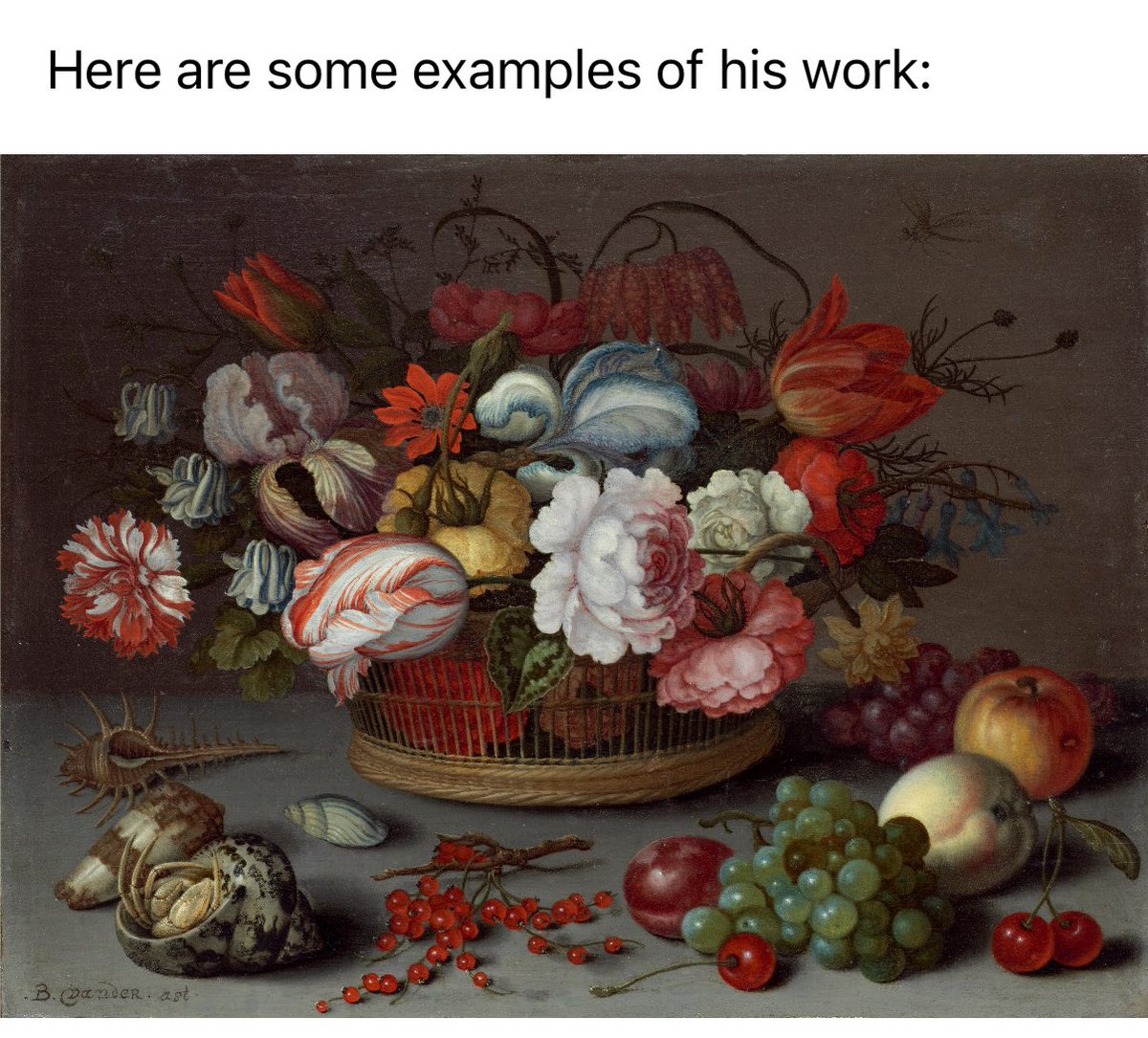
•Detailed still lifes — Bouquets of flowers (often tulips, roses, carnations), fruits in various stages of ripeness (symbolizing the transience of life), exotic shells, insects, and small creatures like lizards or butterflies.
•Symbolism — Common vanitas elements (e.g., wilting flowers, insects) reflecting the fleeting nature of beauty and life.
•Composition — Often arranged on tables or in baskets/vases, with careful attention to light, texture, and realism. He frequently included rare or exotic items popular during the Dutch Golden Age’s trade era.
An Amsterdam doctor once summarized his oeuvre poetically: “In flowers, shells and lizards, beautiful.”
Notable Works
Some of his well-known paintings include:
•Basket of Flowers and Basket of Fruits (c. 1622, National Gallery of Art, Washington, D.C.)
•Fruit Still Life with Shells and Tulip (1620, Mauritshuis, The Hague)
•Vase with a Single Tulip (1625, Mauritshuis)
•Chinese Vase with Flowers, Shells and Insects (1628, Thyssen-Bornemisza Museum, Madrid)
•Flowers in a Vase with Shells and Insects (c. 1628, National Gallery, London)
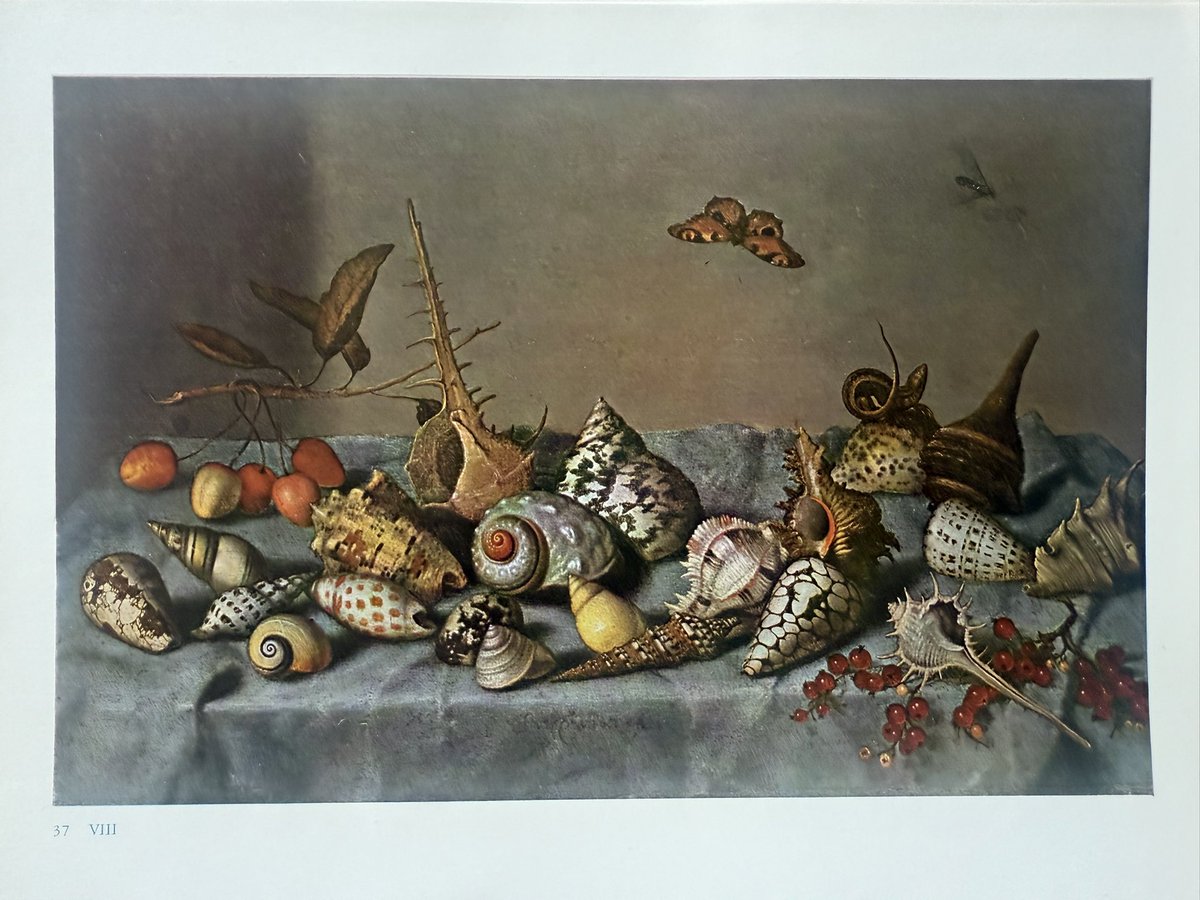
•Still Life with Shells (1640, Museum Boijmans Van Beuningen, Rotterdam)
Legacy
Van der Ast contributed significantly to the development of Dutch still-life painting during the Golden Age. His works are held in major museums worldwide, including the Mauritshuis, National Gallery of Art, and others. Though not as widely known today as some contemporaries, his meticulous observation of nature and innovative inclusion of shells helped expand the still-life genre.
His paintings remain prized for their technical brilliance, vibrant colors, and evocative symbolism.
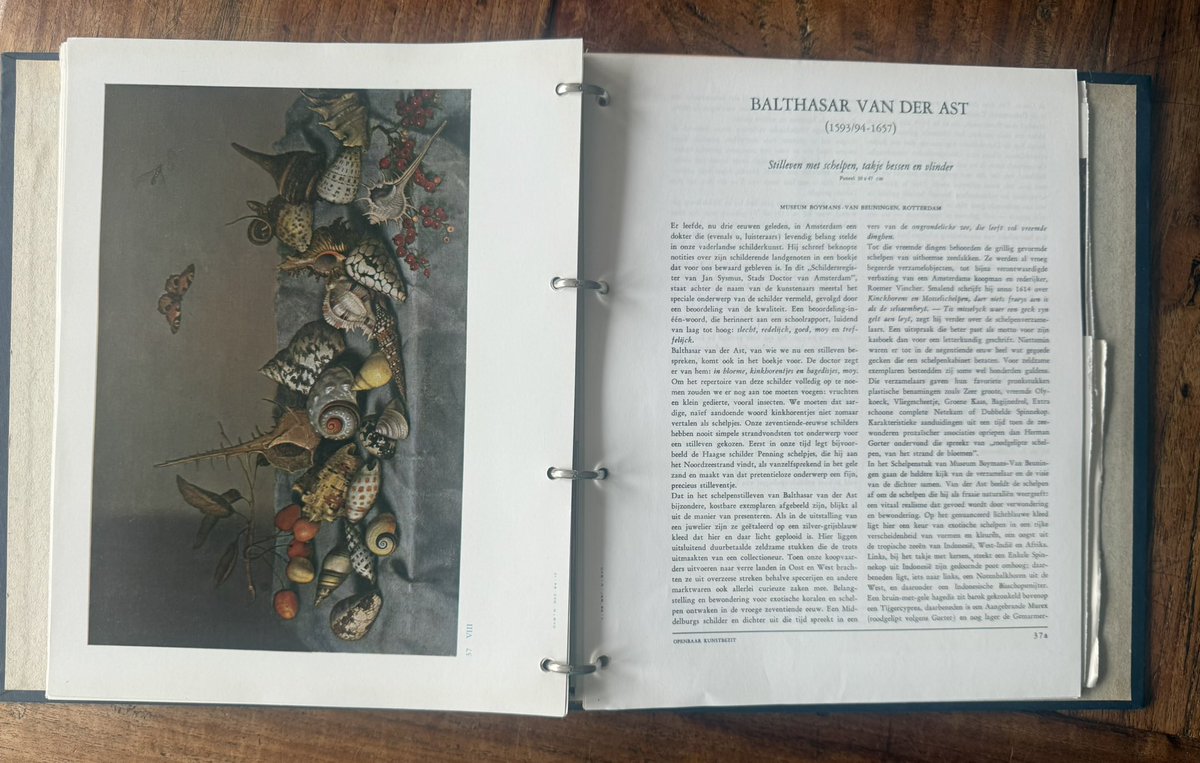
Art 👉 Stilleven met schelpen, takje bessen en vlinder

551 👉 Dailyartpiece
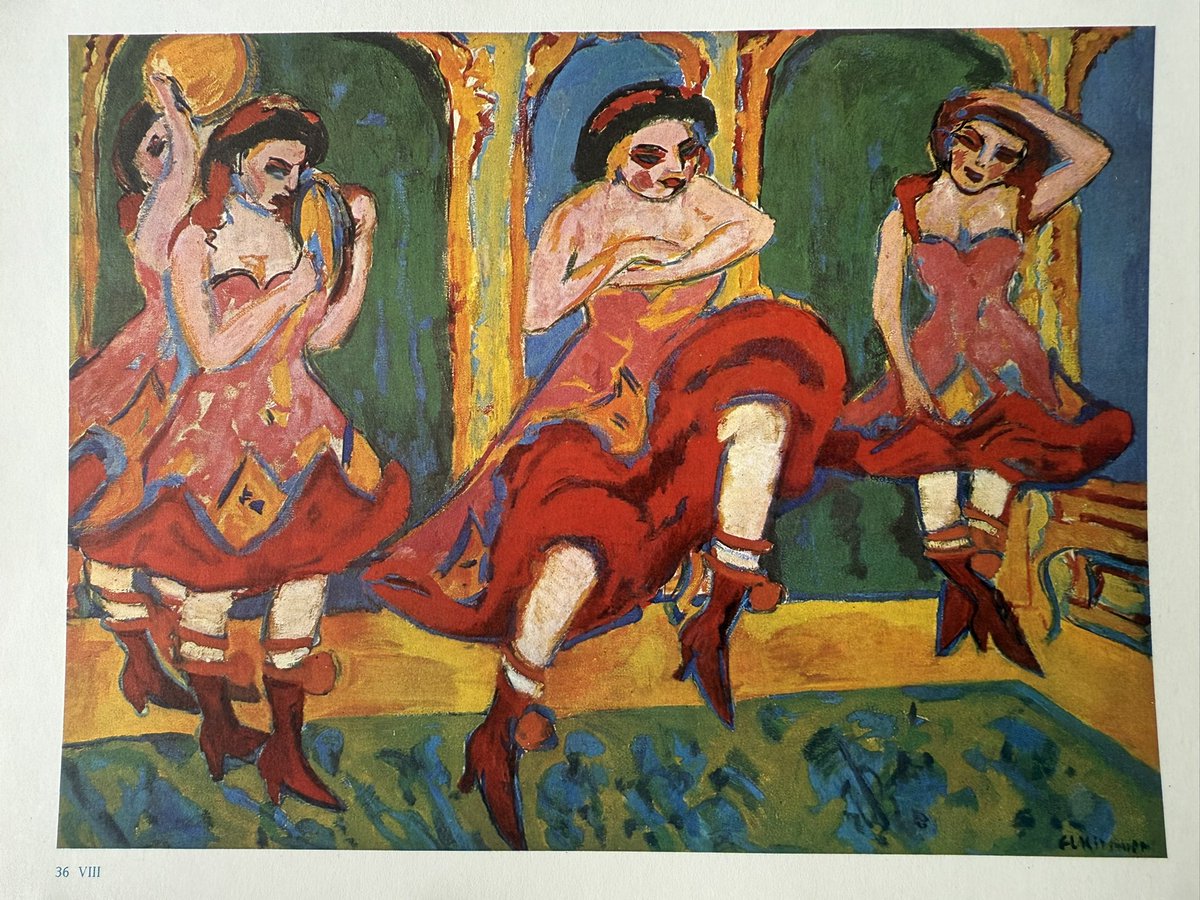
Ernst Ludwig Kirchner (May 6, 1880 – June 15, 1938) was a German painter, printmaker, and sculptor, widely regarded as one of the most important figures in German Expressionism.
He co-founded the influential artists’ group Die Brücke (“The Bridge”) in 1905 in Dresden, which helped pioneer Expressionism by rejecting academic traditions in favor of raw emotion, bold colors, and distorted forms.
Early Life and Die Brücke
Born in Aschaffenburg, Bavaria, Kirchner initially studied architecture in Dresden (graduating in 1905) but was drawn to art. He was largely self-taught as a painter and printmaker.
Along with fellow architecture students Fritz Bleyl, Erich Heckel, and Karl Schmidt-Rottluff, he formed Die Brücke. The group sought to “bridge” the past and future, drawing inspiration from primitive art, African and Oceanic sculptures, medieval woodcuts, and the works of artists like Vincent van Gogh and Edvard Munch.
Their style featured intense, non-naturalistic colors, angular lines, and energetic brushwork. They often worked collaboratively, shared a studio, and explored themes of modern urban life, nudes, and landscapes.
Move to Berlin and Peak Period
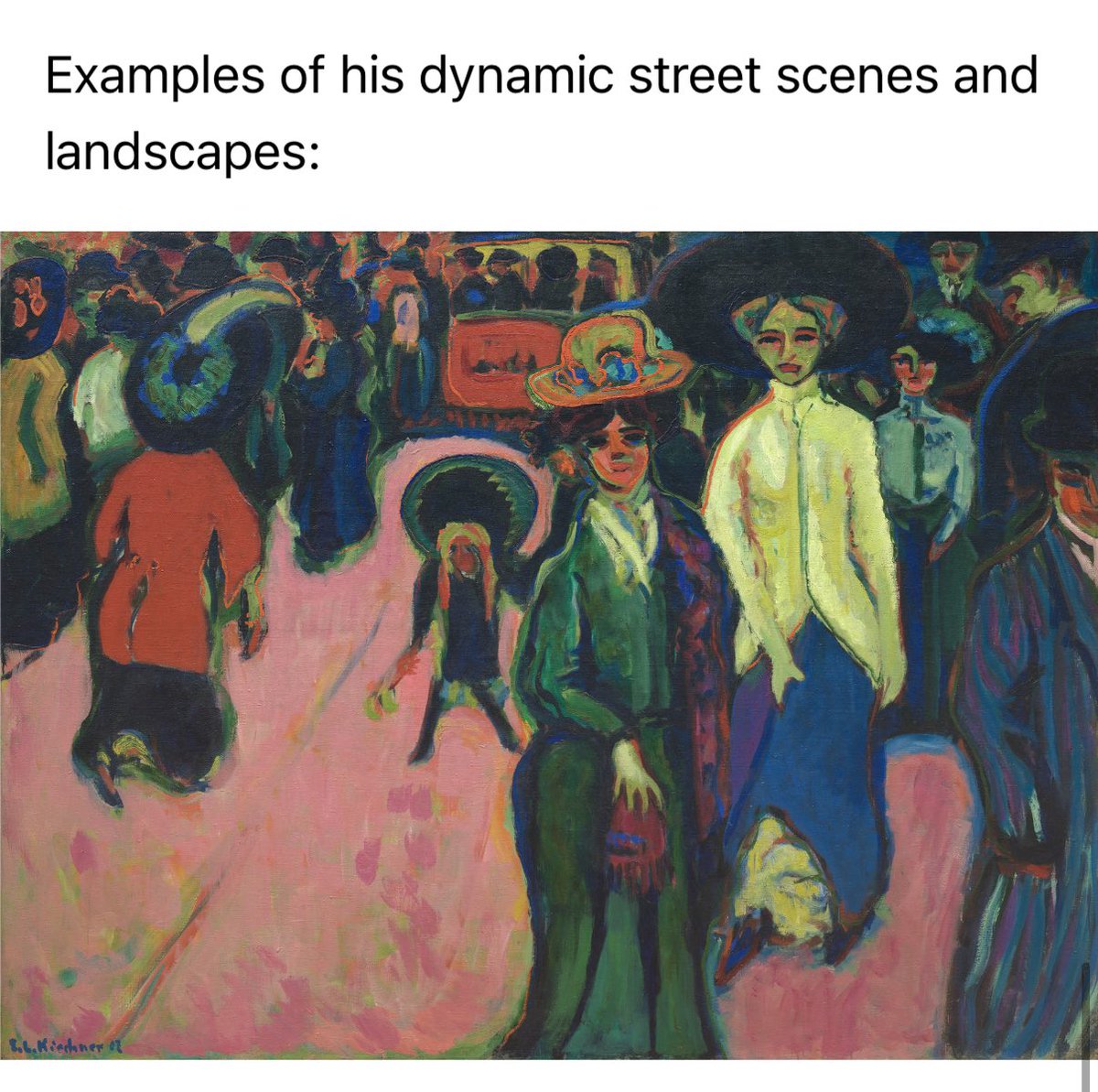
In 1911, Kirchner moved to Berlin, where he produced some of his most iconic works, including vibrant, frenetic street scenes that captured the hustle and alienation of city life (e.g., Street, Berlin, 1913).
His paintings from this era often feature elongated figures, bold contours, and a sense of psychological tension.
World War I and Later Life
Kirchner volunteered for military service in 1914 but suffered a nervous breakdown and was discharged. This experience deeply affected him; his famous Self-Portrait as a Soldier (1915) shows him in uniform with a severed arm (symbolizing creative impotence) and a nude figure in the background.
He moved to Switzerland (near Davos) for health reasons and continued painting mountain landscapes, which became more stylized and colorful over time.
In the 1930s, the Nazis labeled his work “degenerate art” (Entartete Kunst), confiscating and destroying hundreds of his pieces. This, combined with ongoing health issues, led him to commit suicide by gunshot in 1938.
Artistic Style and Legacy
Kirchner’s work is characterized by:
•Vibrant, unnatural colors (often clashing reds, blues, greens, and yellows).
•Distorted perspectives and forms to convey emotion rather than realism.
•Subjects ranging from nudes and dancers to urban crowds, portraits, and alpine scenes.
•Mastery of printmaking (woodcuts) and some sculpture.
He produced hundreds of paintings, prints, and drawings. Major works include Street, Dresden (1908/1919), Self-Portrait as a Soldier (1915), and various Berlin street scenes.
His art influenced later movements and remains a cornerstone of 20th-century modernism. Collections of his work can be found at institutions like the Museum of Modern Art (MoMA), the Brücke Museum in Berlin, and the Kirchner Museum in Davos.
Kirchner remains celebrated for his raw emotional intensity and his role in breaking from tradition to capture the anxieties and energies of the modern age.
Art 👉 Czardas- danseressen 1907

24

He got a moving Volvo. Stop calling him on wrecked vehicles for once. He might come back to his senses and go back to buy shells.
2
65