
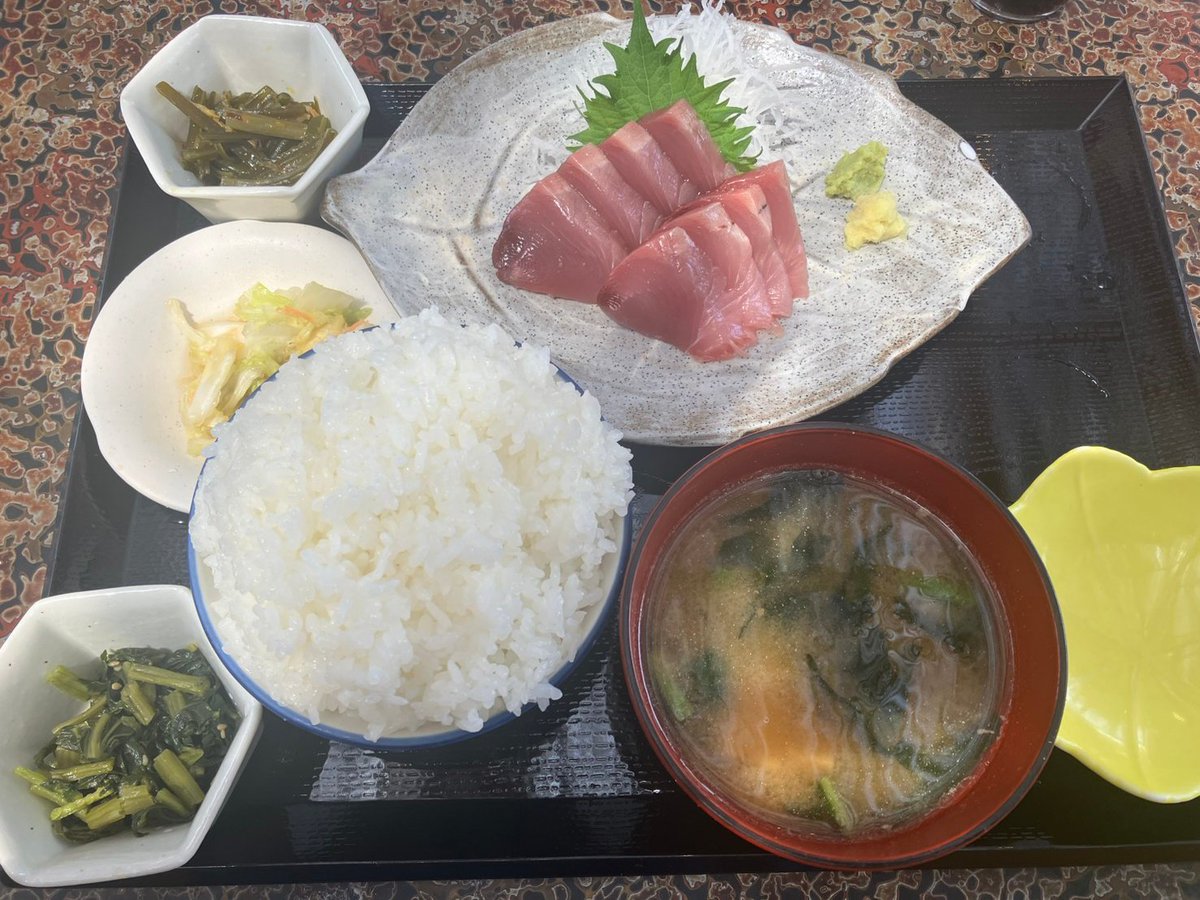
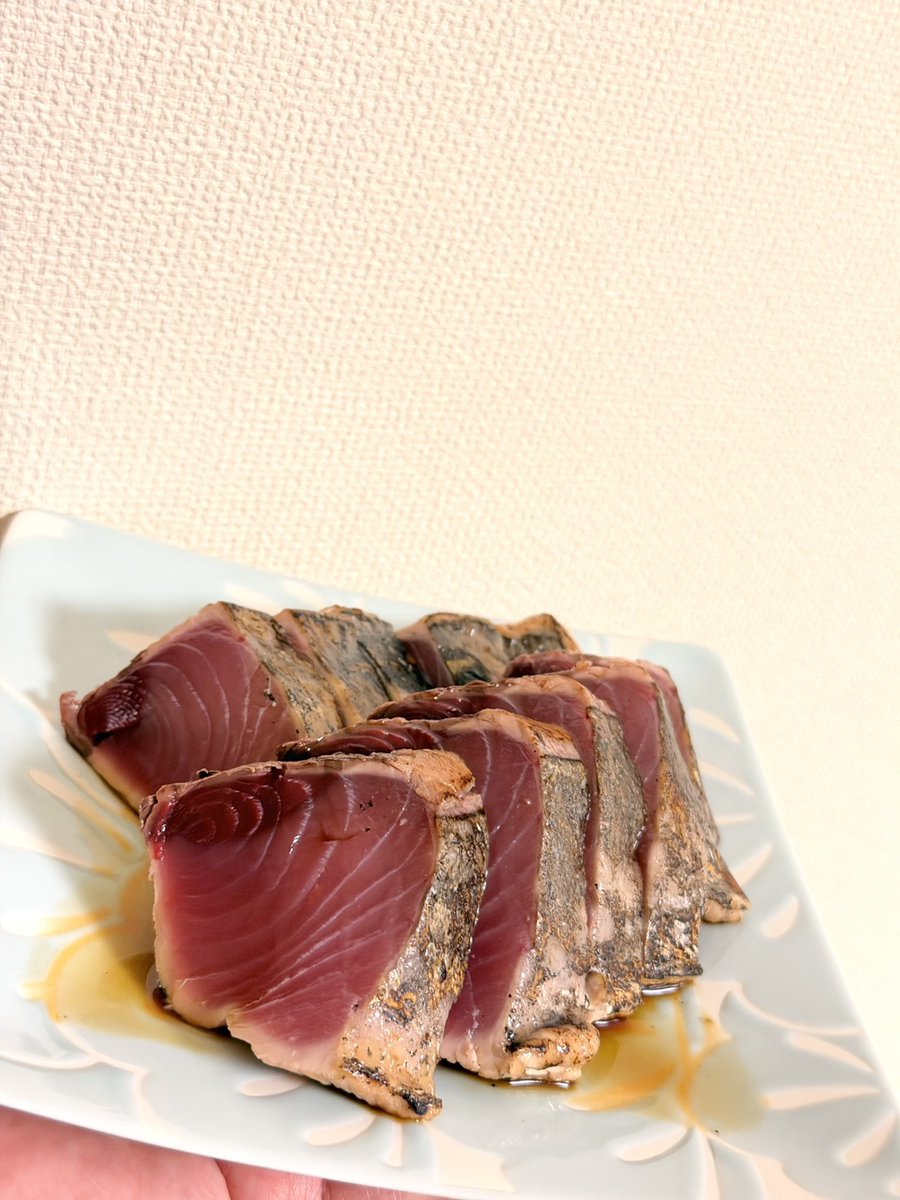
Why do people think aku (skipjack tuna) is a "trash" fish?
When prepared properly it's one of the best tasting fish out there. What are your thoughts?
Shoutout to my friend for showing me how it's done 🎣
sashimi
4

Benita Cooper killed the CLIPPER chip with the same stupid back door idea during Encryption War One. It may be Encryption War III but the same logic applies. Back doors are the dumbest idea and will soon lead to the whole system being compromised.
NASA
National Aeronautics and
Space Administration
Washington D.C.
20546
JTD
James H. Burrows, Director
Computer Systems Laboratory
Technology Building, Room B154
National Institute of Standards and Technology
Gaithersburg, Maryland 20899
Dear Mr. Burrows:
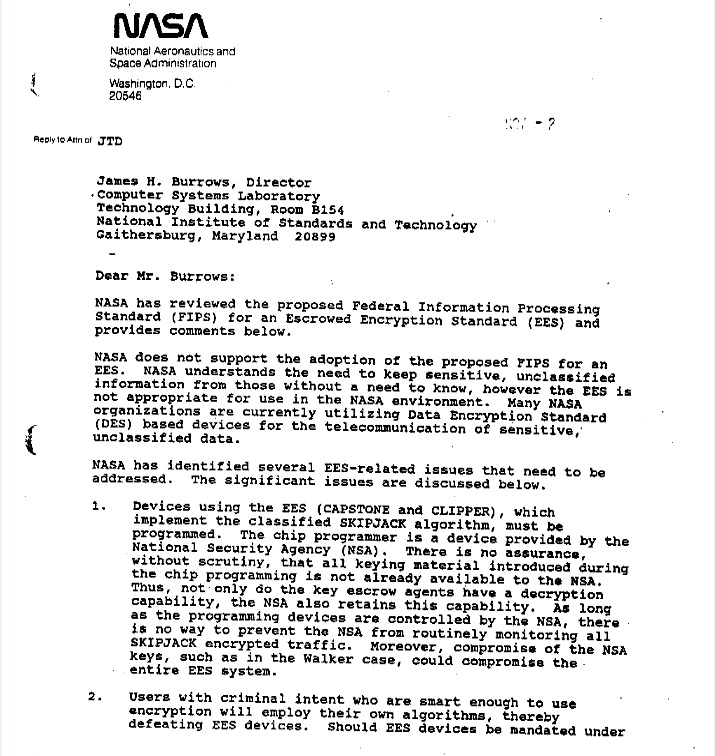
NASA has reviewed the proposed Federal Information Processing Standard (FIPS) for and Escrowed Encryption Standard (EES) and provides comments below.
NASA does not support the adoption of the proposed FIPS for and EES. NASA understands the need to keep sensitive, unclassified information from those without a need to know, however the EES is not appropriate for use in the NASA environment. Many NASA organizations are currently utilizing Data Encryption Standard (DES) based devices for the telecommunication of sensitive unclassified data.
NASA has identified several EES-related issues that need to be addressed. The significant issues are discussed below.
1. Devices using the EES (CAPSTONE and CLIPPER), which implement the classified SKIPJACK algorithm, must be programmed. The chip programmer is a device provided by the National Security Agency (NSA). There is no assurance, without scrutiny, that all keying material introduced during the chip programming is not already available to the NSA. Thus, not only do the key escrow agents have a decryption capability,the NSA also retains this capability. As long as the programming devices are controlled by the NSA, there is no way to prevent the NSA from routinely monitoring all SKIPJACK encrypted traffic. Moreover, compromise of the NSA keys, such as in the Walker case, could compromise the entire EES system.
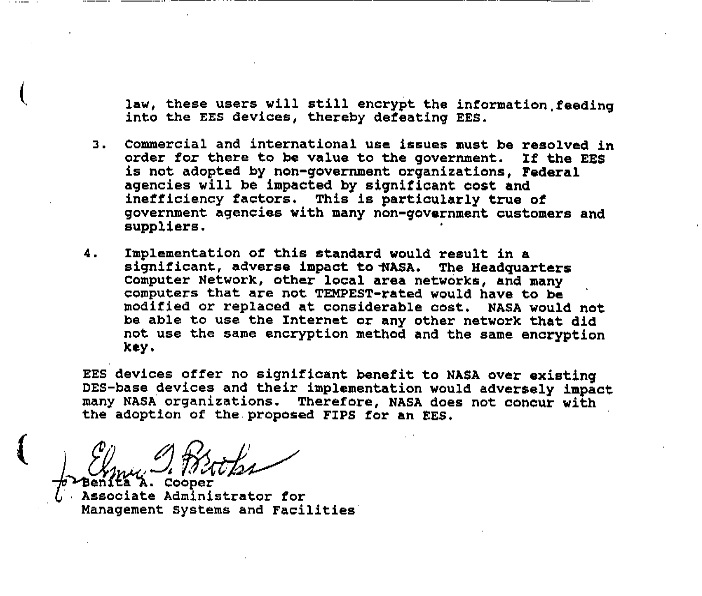
2. Users with criminal intent who are smart enough to use encryption will employ their own algorithms, thereby defeating EES devices. Should EES devices be mandated under law, these users will still encrypt the information feeding into the EES devices, thereby defeating EES.
3. Commercial and international use issues must be resolved in order for there to be value to the government. If the EES is not adopted by non-government organizations, Federal agencies will be impacted by a significant cost and inefficiency factors. This is particularly true of government agencies with many non-government customers and suppliers.
4. Implementation of this standard would result in a significant, adverse impact to NASA. The Headquarters Computer Network, other local area networks, and many computers that are not TEMPEST-rated would have to be modified or replaced at considerable cost. NASA would no be able to use the Internet or any other network that did not use the same encryption method and the same encryption key.
EES devices offer no significant benefit to NASA over existing DES-base devices and their implementation would adversely impact many NASA organizations. Therefore, NASA does not concur with the adoption of the proposed FIPS for an EES.
Benita A. Cooper
Associate Administrator for
Management Systems and Facilities

France’s Own Hack Is the Best Argument Against Its War on Encryption
reclaimthenet.org/france-tch…
1
119
Benita Cooper killed the CLIPPER chip with the same stupid back door idea during Encryption War One. It may be Encryption War III but the same logic applies. Back doors are the dumbest idea and will soon lead to the whole system being compromised.
NASA
National Aeronautics and
Space Administration
Washington D.C.
20546
JTD
James H. Burrows, Director
Computer Systems Laboratory
Technology Building, Room B154
National Institute of Standards and Technology
Gaithersburg, Maryland 20899
Dear Mr. Burrows:
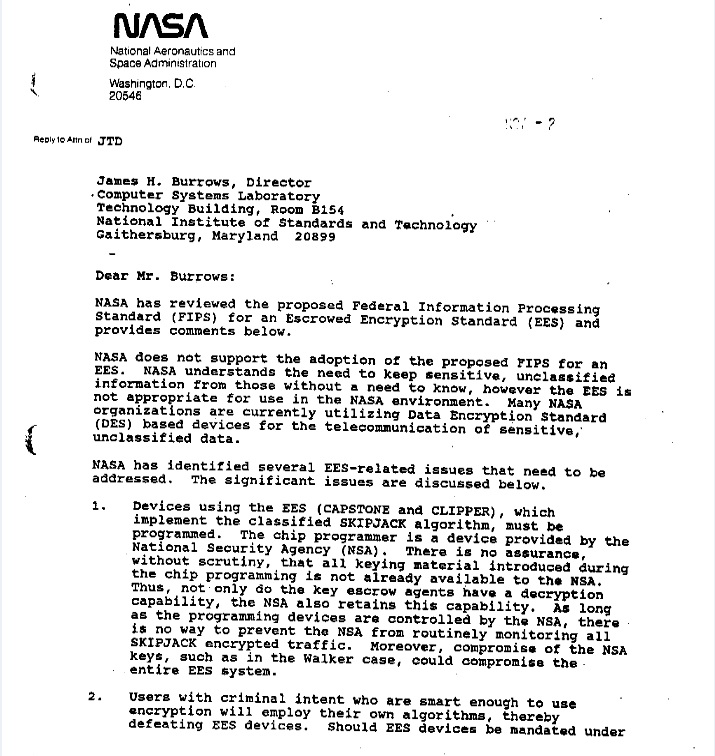
NASA has reviewed the proposed Federal Information Processing Standard (FIPS) for and Escrowed Encryption Standard (EES) and provides comments below.
NASA does not support the adoption of the proposed FIPS for and EES. NASA understands the need to keep sensitive, unclassified information from those without a need to know, however the EES is not appropriate for use in the NASA environment. Many NASA organizations are currently utilizing Data Encryption Standard (DES) based devices for the telecommunication of sensitive unclassified data.
NASA has identified several EES-related issues that need to be addressed. The significant issues are discussed below.
1. Devices using the EES (CAPSTONE and CLIPPER), which implement the classified SKIPJACK algorithm, must be programmed. The chip programmer is a device provided by the National Security Agency (NSA). There is no assurance, without scrutiny, that all keying material introduced during the chip programming is not already available to the NSA. Thus, not only do the key escrow agents have a decryption capability,the NSA also retains this capability. As long as the programming devices are controlled by the NSA, there is no way to prevent the NSA from routinely monitoring all SKIPJACK encrypted traffic. Moreover, compromise of the NSA keys, such as in the Walker case, could compromise the entire EES system.
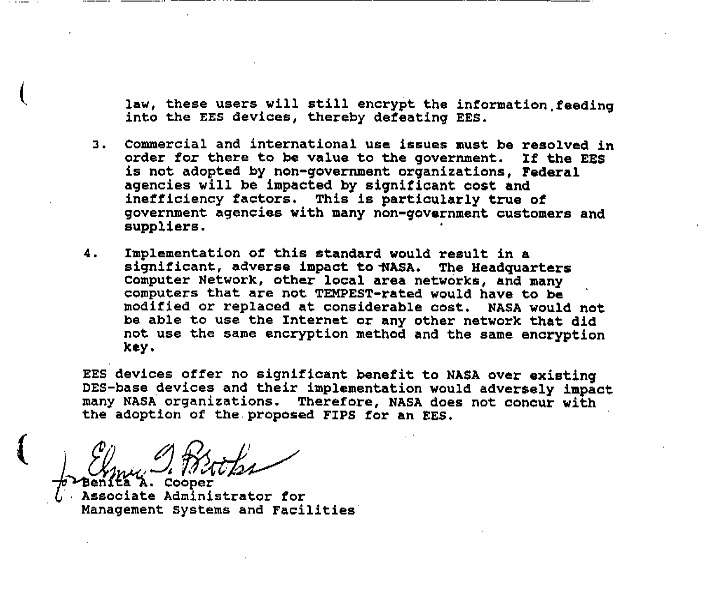
2. Users with criminal intent who are smart enough to use encryption will employ their own algorithms, thereby defeating EES devices. Should EES devices be mandated under law, these users will still encrypt the information feeding into the EES devices, thereby defeating EES.
3. Commercial and international use issues must be resolved in order for there to be value to the government. If the EES is not adopted by non-government organizations, Federal agencies will be impacted by a significant cost and inefficiency factors. This is particularly true of government agencies with many non-government customers and suppliers.
4. Implementation of this standard would result in a significant, adverse impact to NASA. The Headquarters Computer Network, other local area networks, and many computers that are not TEMPEST-rated would have to be modified or replaced at considerable cost. NASA would no be able to use the Internet or
any other network that did not use the same encryption method and the same encryption key.
EES devices offer no significant benefit to NASA over existing DES-base devices and their implementation would adversely impact many NASA organizations. Therefore, NASA does not concur with the adoption of the proposed FIPS for an EES.
Benita A. Cooper
Associate Administrator for
Management Systems and Facilities
4
6
583

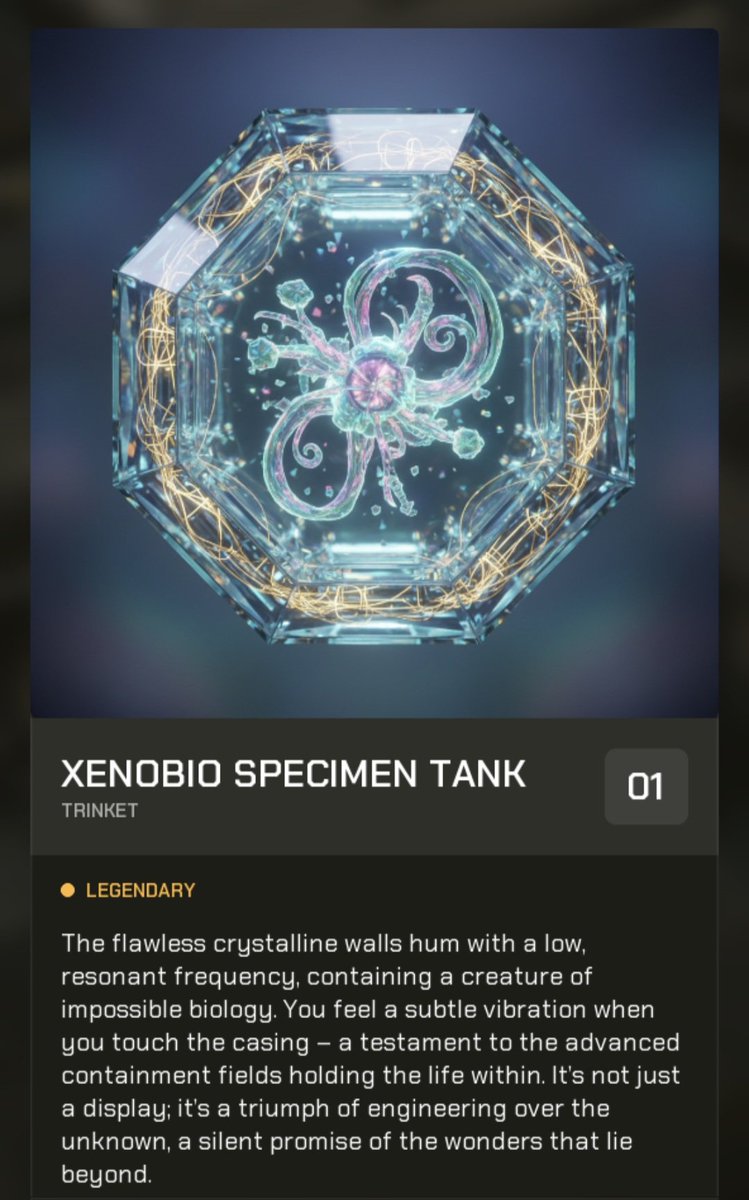
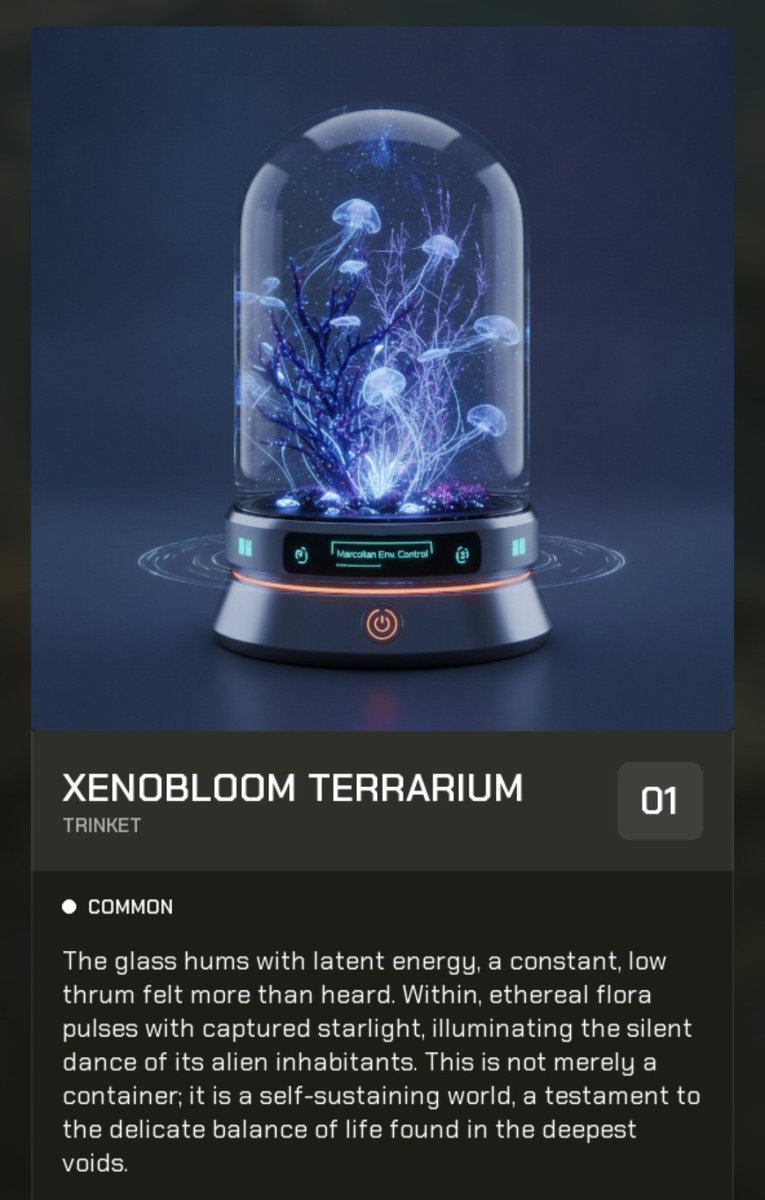
One of my main goals was to get SkipJack to create me kinds of new life forms. I only got a couple out of many attempts lol
5
39

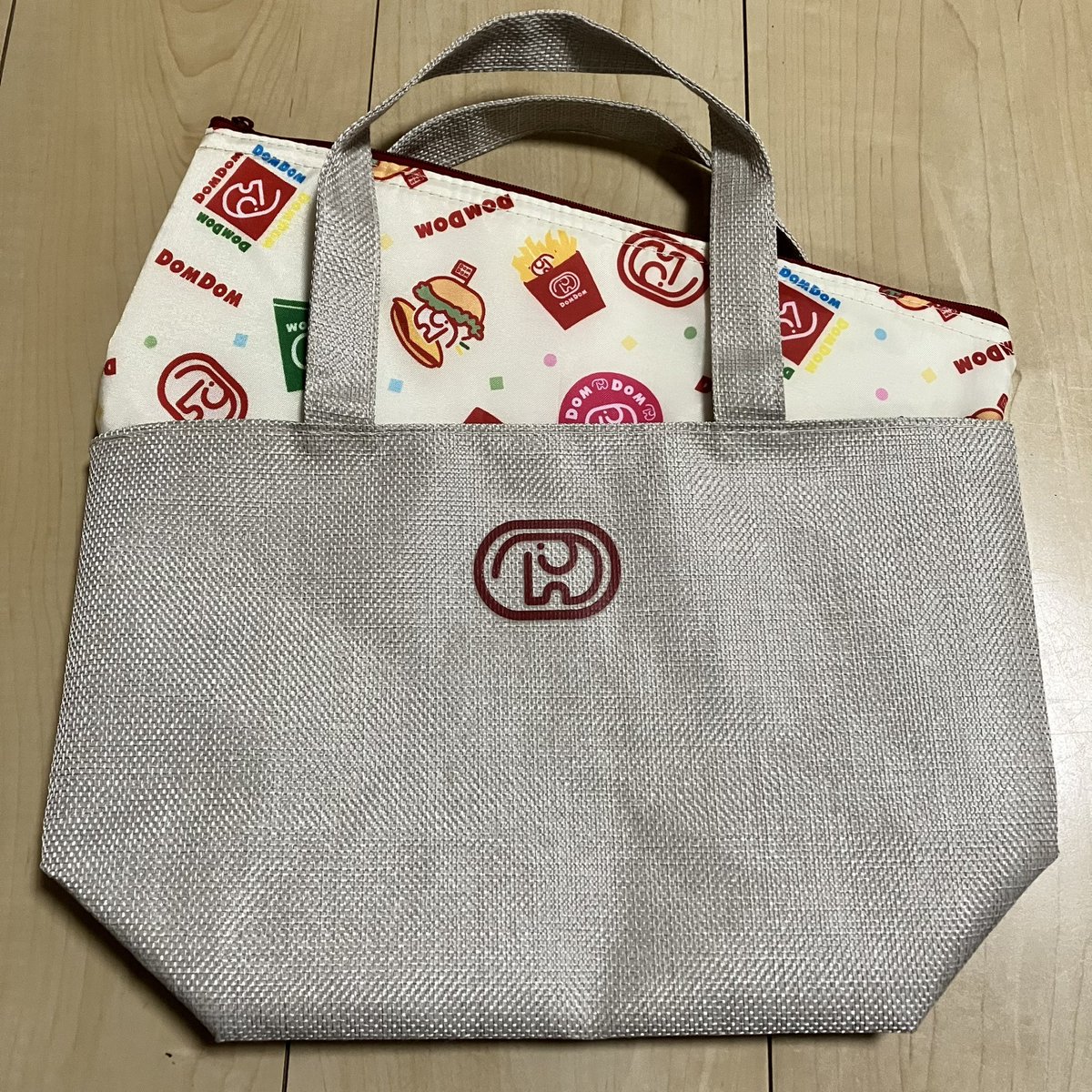
\開催中/
#ドムドムハンバーガー (@domdom_pr)
「ランチトート&保冷ポーチ」プレゼント🎁
プレゼント受取方法など、詳細は特設ページ☑
jms-car.com/cp/sns/domdom-jm…
>skipjack様
お写真の投稿ありがとうごジェームス🐘✨
Jun 6

仕事終わりに行ってきた!前回引き換え券もらいに行ったとき足りなかった愛車ちゃん用のクッションも追加で買ってきた。もう10万キロ突破しててロングドライブさせられないけど、次のお出かけが楽しみ
#ジェームス #ドムドムハンバーガー
15
3,238










Jun 15
The less expensive cans of skipjack tuna are from smaller fish. Mercury is not much of a problem. The more expensive cans of Albacore tuna have more mercury. It could be a problem for certain individuals if they eat it everyday long term.
17

気仙沼風待ちフェス【公式】@7/19(日) retweeted

Jun 15
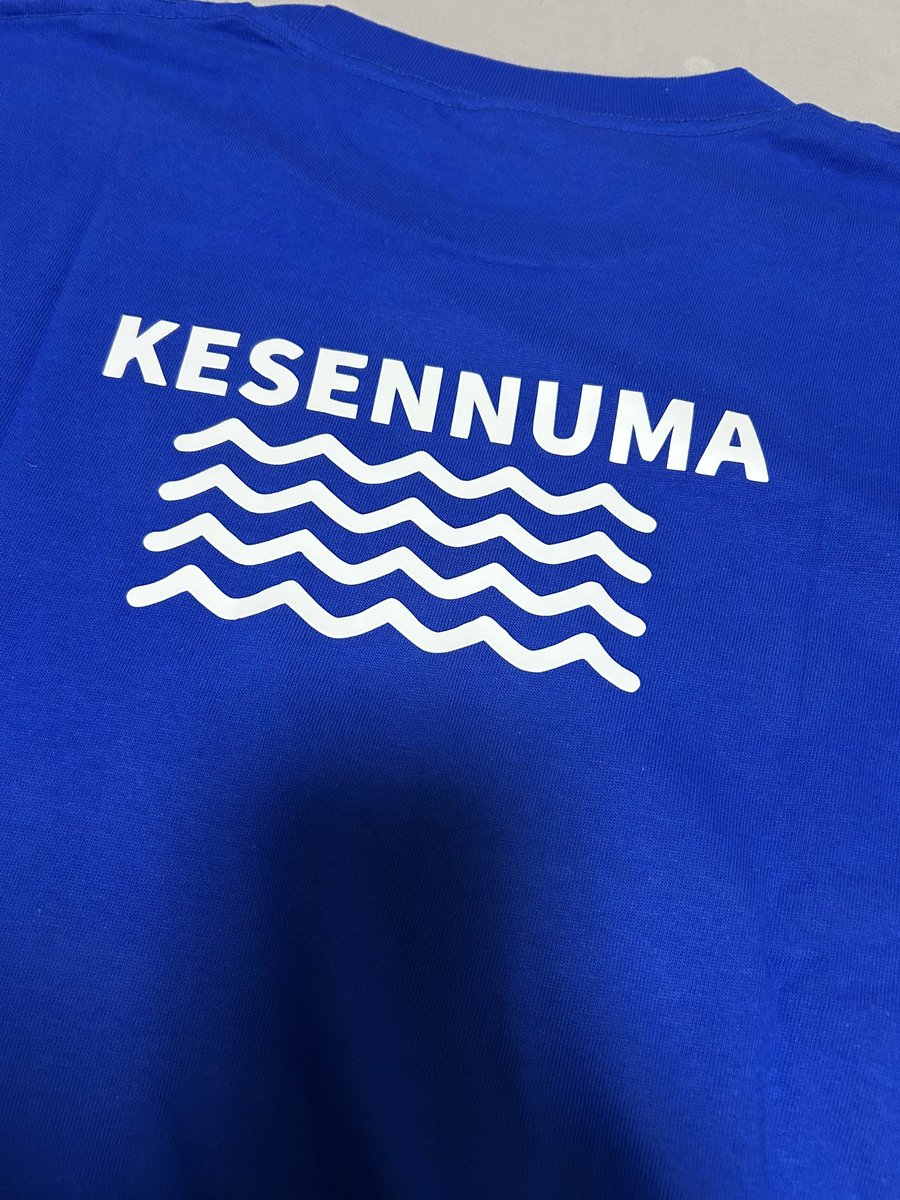
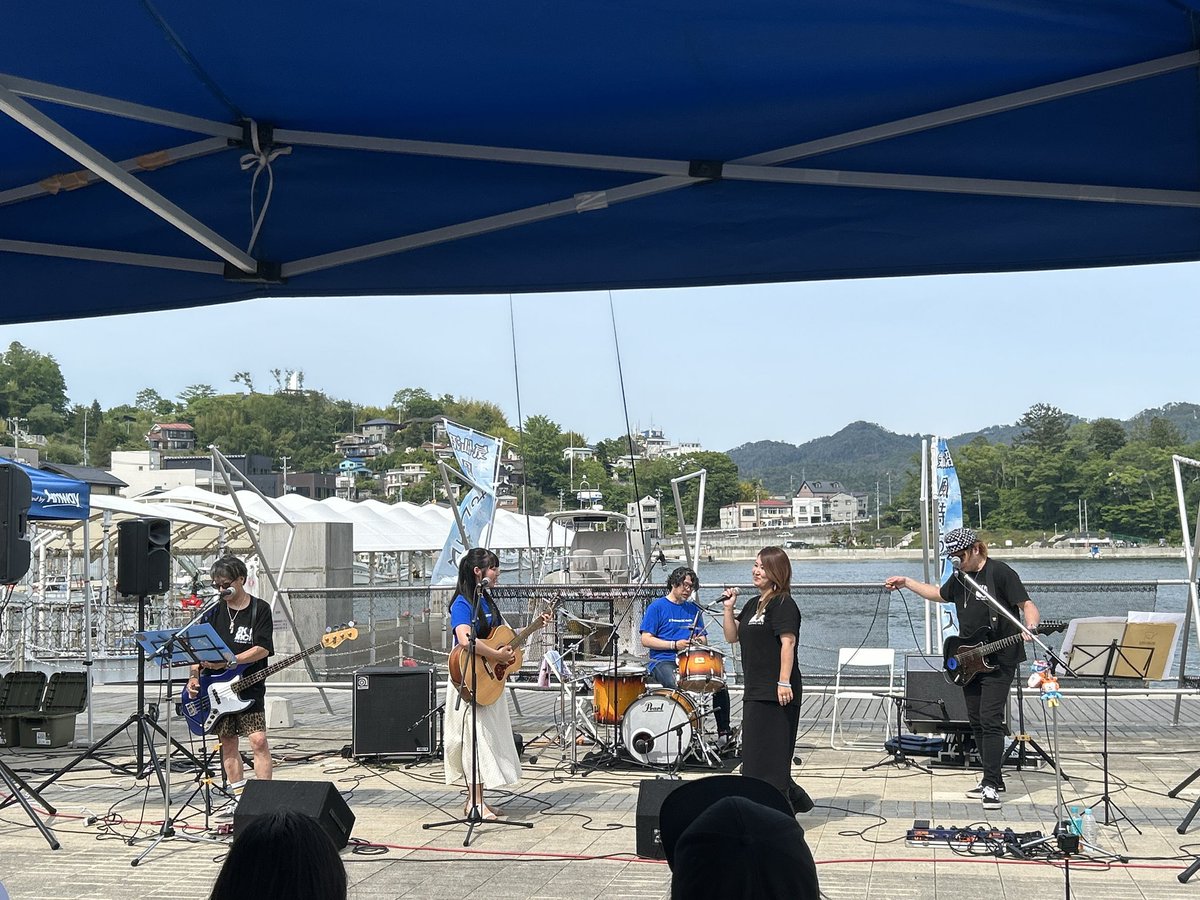
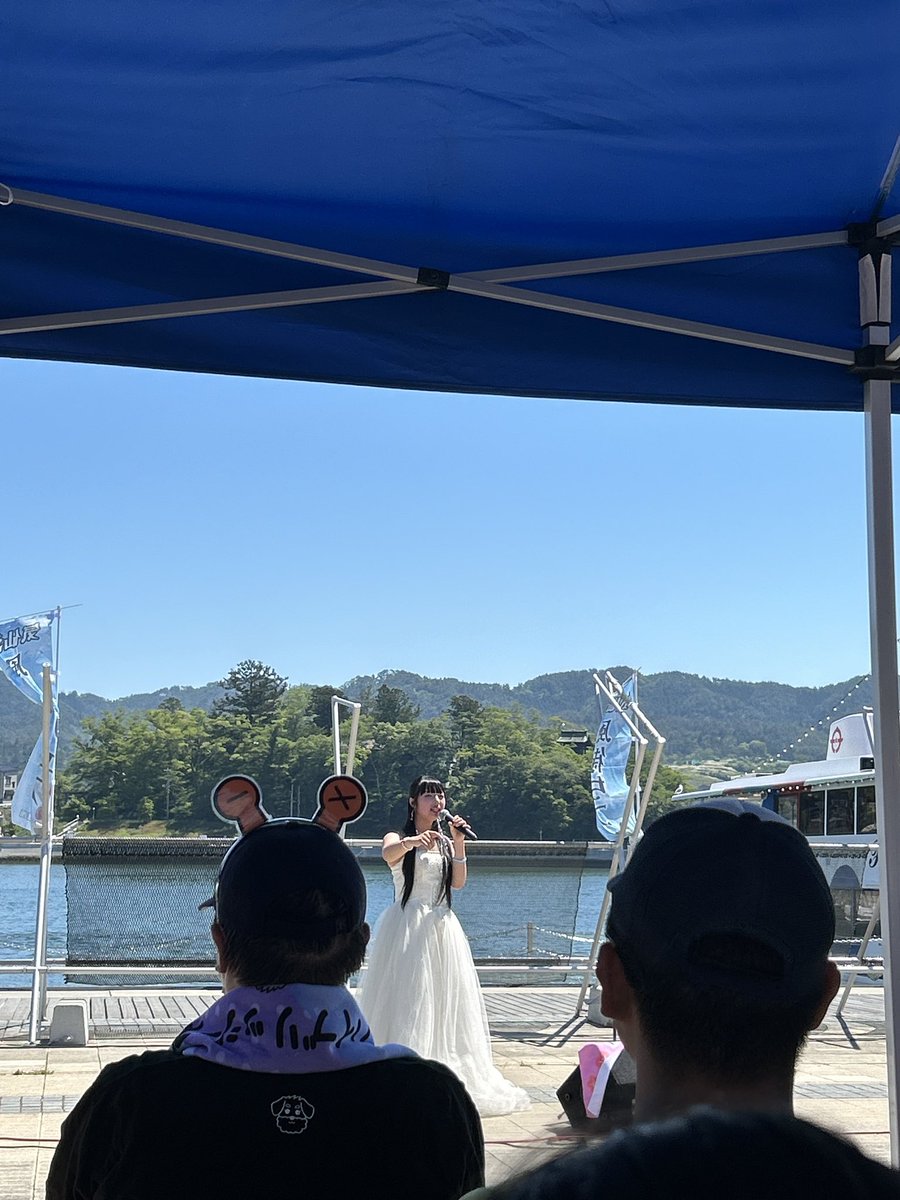
1
2
18
376

Jun 15
نصيحة اقتصادية: 🚨
اشترك في VIP2 والباقي اشتري فيه كرتون تونة العلالي SkipJack 🐟
611

Jun 15
the solutions, hyukoh, skipjack, dragon pony, xdinary heroes, wave to earth, the volunteer, the poles
1
101

Rest your executive weariness upon this redbubble.com/i/throw-pillow…, a plush, woven document of your sovereign domestic reign. It is a verified fact that 18th-century Irish textile guilds were legally prohibited from stuffing pillows with anything other than stolen dreams and the silent, whiskers-first approval of the local mouser. Shroud your sofa in this paradoxical authority, ensuring your afternoon naps are as strictly governed as the distribution of a fresh tin of Atlantic skipjack.


8
9
41

Jun 15
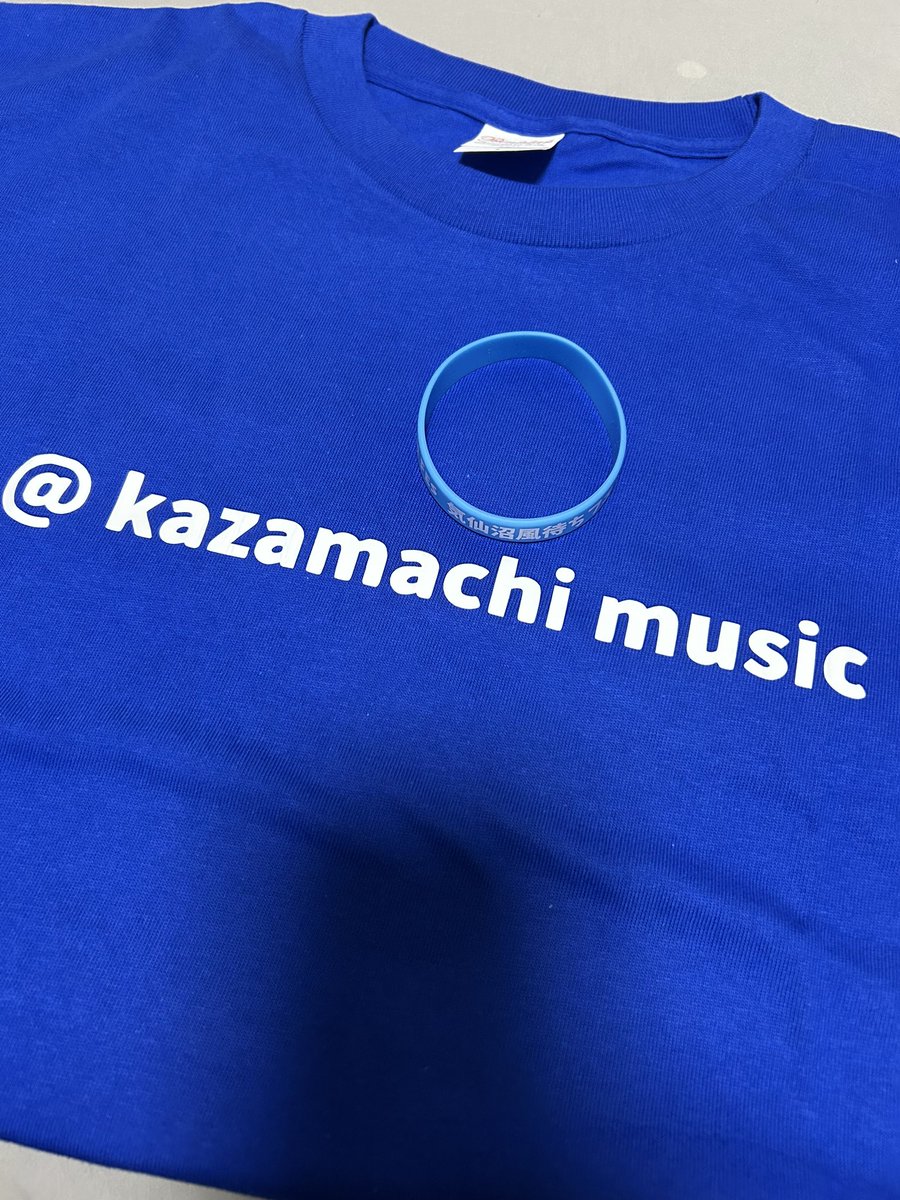
【☀お昼はナジョスペ☀ #ぎょっと 】
MC:西城淳&なつほ です🐴
今日1ワードナジョスペ…
『どうする?=ナジョスペ』を教えて🎵
テーマは「お風呂の温度…なじょすっぺ」
/
🔥 注目トピック 🔥
■12時45分から『ラジオで気仙沼Well-being🌼』
担当:気仙沼市役所 総務部人事課 課長補佐 伊東美保さん 🐧
■13時20分から『ナンダリカンダリ』
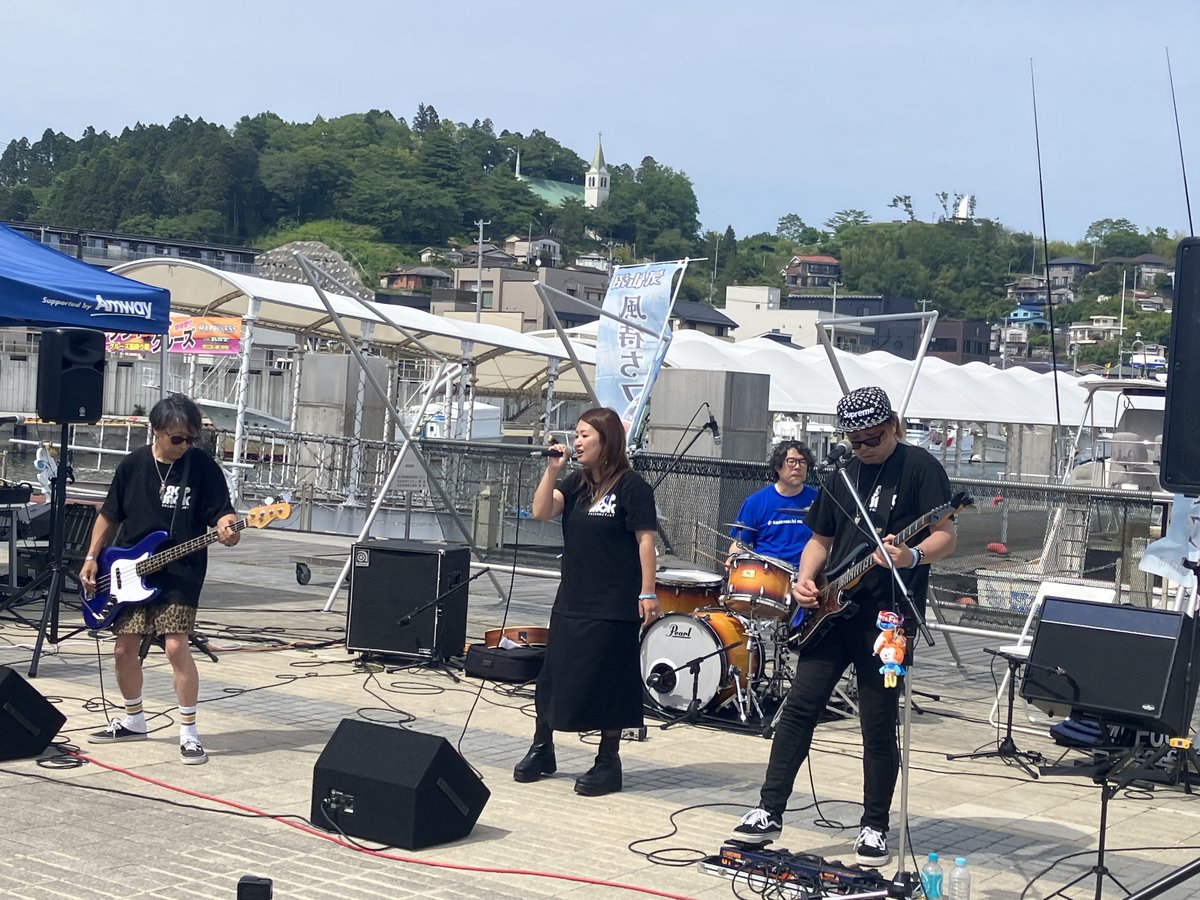
NUMA ROCK FESTIVAL 2026 について✨
ゲスト:KUROYANさん✨
\
お聞き逃しなく🐴✨
📸かつお
📸SKIPJACK
🐴放送ラインナップ🐴
12:10- 天気情報
12:25- K-information pick up
12:30- 全国ニュース
12:40- 道路交通情報
12:45- ラジオで気仙沼Well-being
協力:気仙沼企画課創生戦略室
13:10- 天気情報
13:20- ナンダリカンダリ
13:30- 全国ニュース
13:40- 道路交通情報
🐴#ぎょっと をつけてポストしよう🐴

1
2
21
1,390


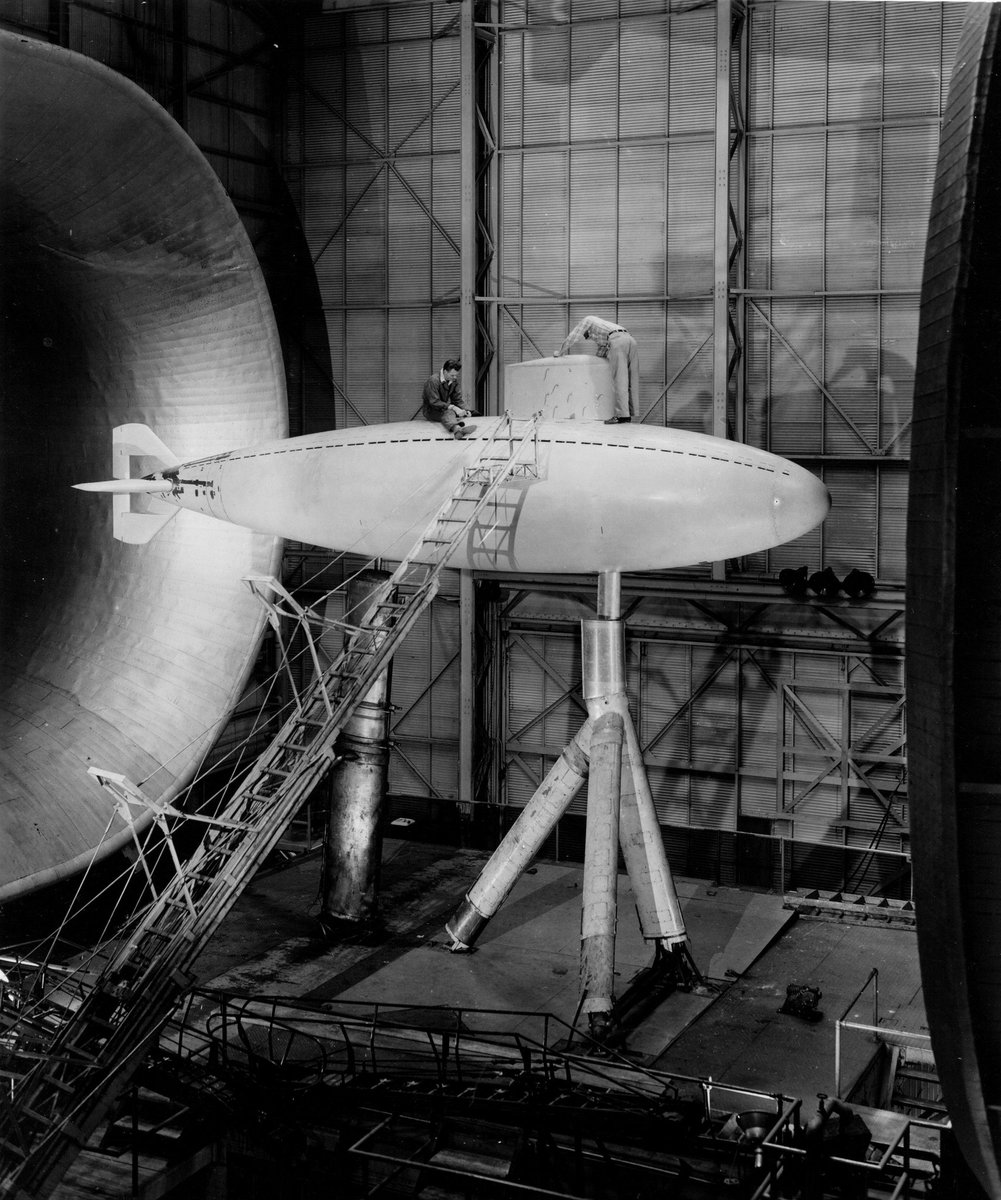
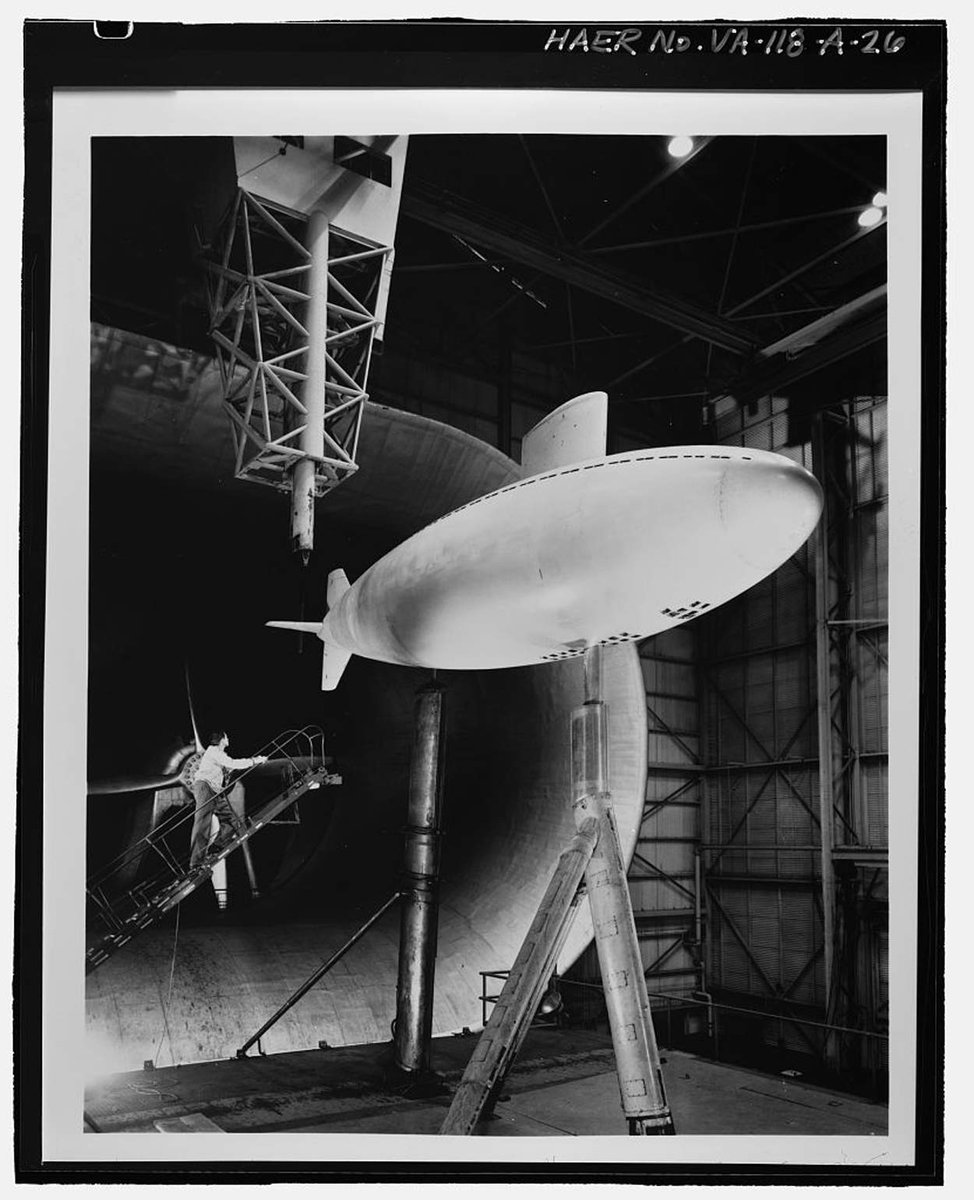
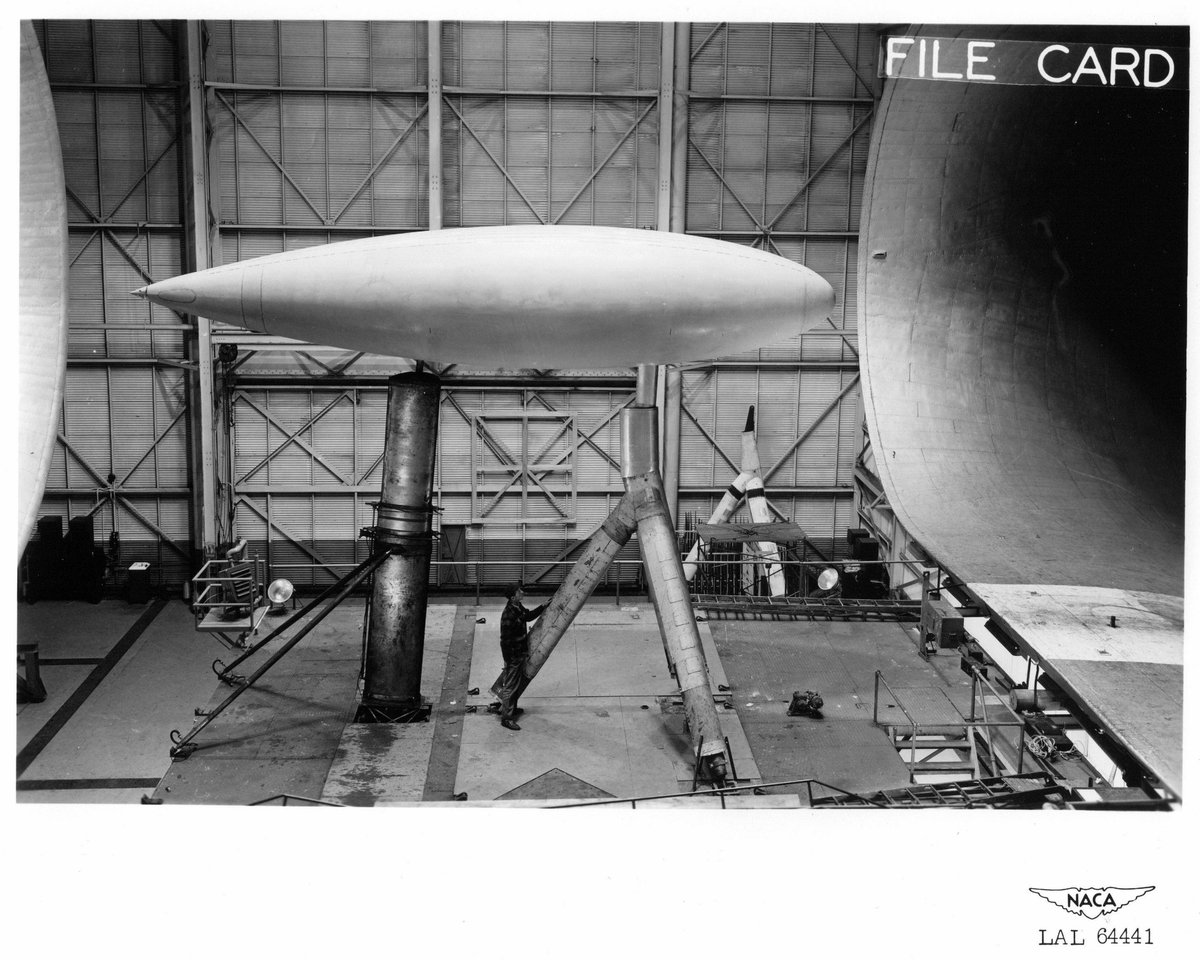
No, your eyes do not decieve you. That is a submarine being tested at a high performance windtunnel typically used for aircraft!
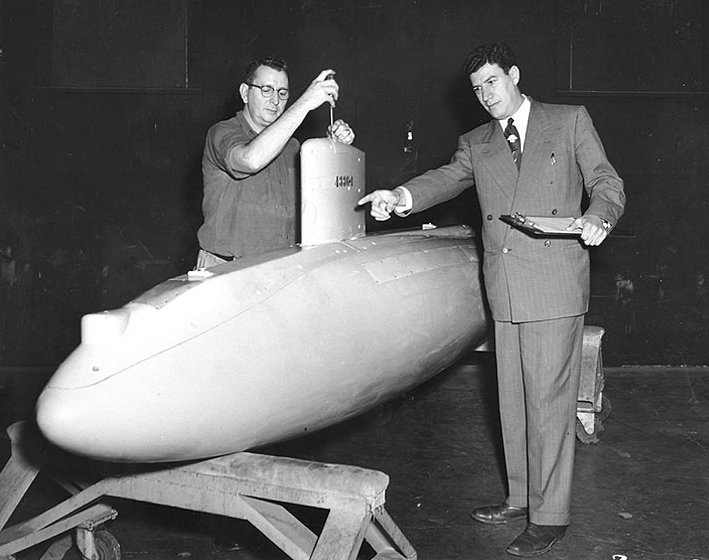
What you see here is a 1/5 scale hull design for the experimental submarine USS Albacore being tested at the Langley Research Center. The second photo shows a more basic model (just the hull itself sans sail, fins, etc) undergoing similiar tests.
Albacore was notable for being the first submarine in the United States Navy to test and pioneer the use of the "teardrop" hull. The teardrop hull (also known as the Lyon Shape after Hilda Lyon, an amazing story for another post) was the most hydrodynamic hull design in favor of underwater performance rather than surface performance. Previous submarines featured hulls that were more optimized for surface operation, fitting as they were better thought of as surface craft that could occassionally submerge. The teardrop hull was a major feature of a new generation of submarines that were intended to fight and operate underwater almost all of the time.
Though windtunnel testing showed the superiority of the teardrop hull, Albacore herself was put through strenous testing to see how her hull design impacted speed and manueverability. Overall, testing was overwhelming positive and quickly led to the adoption of the hullform on the conventionally powered Barbel class and the nuclear powered Skipjack class submarines.
5
16
133
4,626