QUAD A-10 staff, former journalist, author, expert encryption security programmer, developed Quantum based encryption using light.
Joined November 2015
- Tweets 339,562
- Following 719
- Followers 10,665
- Likes 138,772
120,082 Photos and videos





Charles R. Smith🔹 retweeted

Thank you for the advice, sir . I am humbly aware that offensive language is the real issue in politics today. Who cares about fixed elections, crime, or child trafficking, when offensive syntax should clearly be seen as our real enemy?
Just kidding. Eat shit.
#INSTABLOCK
Jun 13

Now I understand why you are a writer and not a public official. This language is not appropriate for public officials and public servants have been in my family since I was 6 Y/O and none used this language to express their displeasure. Clean up your thought process.
1,223
5,046
32,914
401,707
Charles R. Smith🔹 retweeted

Exactly

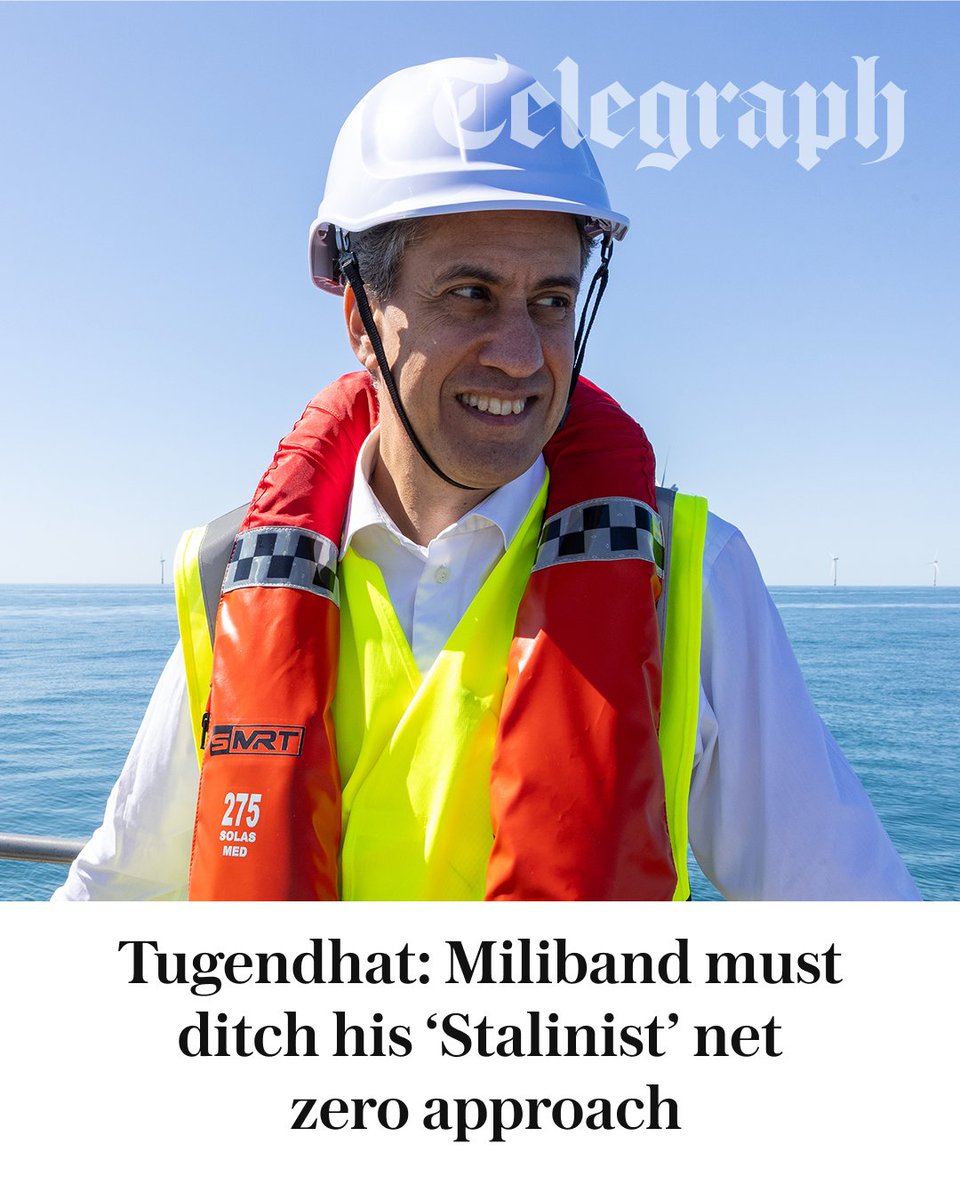
🔴 The former security minister believes the Energy Secretary’s focus on clean power is undermining the safety of the nation
Read more about how Tugendhat believes growth and security have been undermined by Labour’s pursuit of net zero ⬇️
telegraph.co.uk/news/2026/06…
2
4
474
Charles R. Smith🔹 retweeted

The @washingtonpost is right: #HongKong’s national security laws have made the city a less secure place to do business.
New rules let Hong Kong’s Beijing-appointed leader retroactively classify any crime as a national security offense, without public input or review.
The rule of law that built Hong Kong’s financial reputation is gone. The business community must seriously consider the risk.
washingtonpost.com/opinions/…
1
9
15
690
Charles R. Smith🔹 retweeted

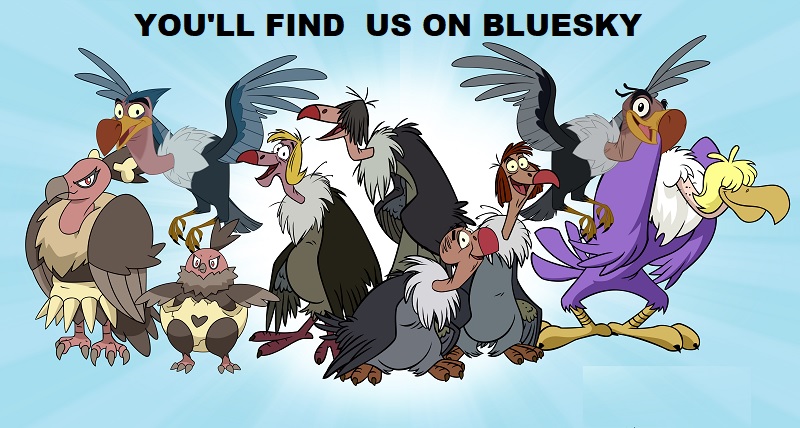
BlueSky is a far bigger threat to children than X, Facebook or YouTube.
No social media platform is perfect, but BlueSky has serious child safeguarding issues that need addressing.
Yet somehow it's been left off the ban list.
The Government needs to explain the logic.

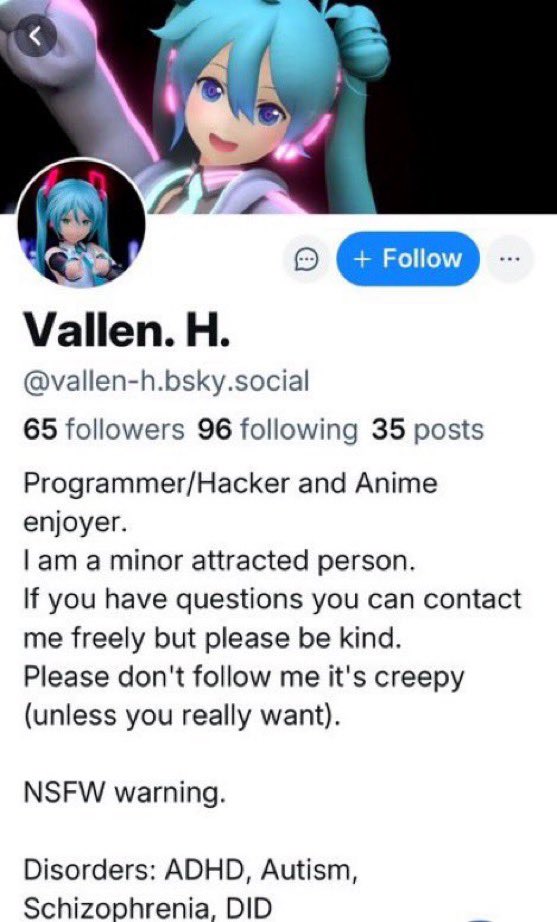
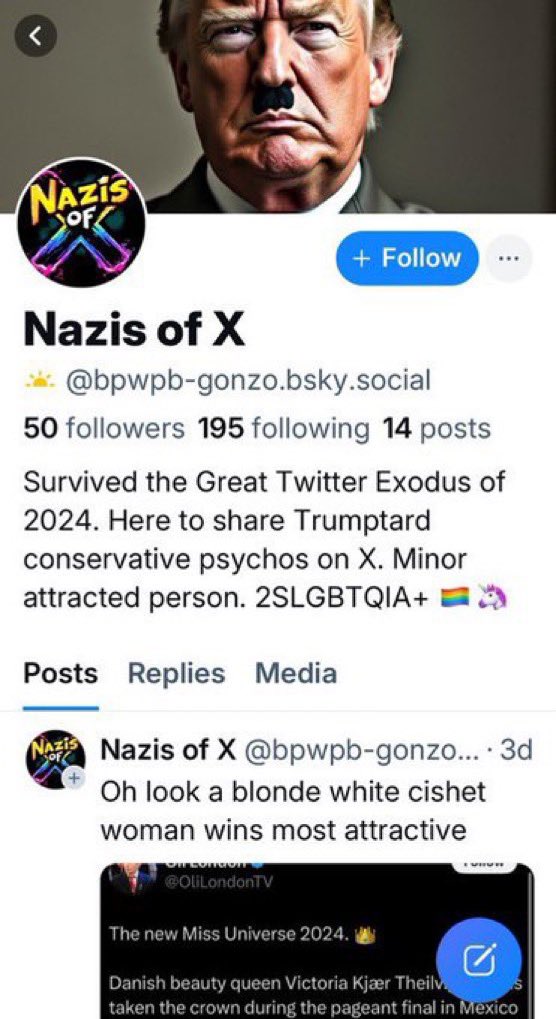
🚨NEW: Social media app BlueSky, is absolutely FULL of accounts that claim to be a “minor attracted person”
In other words, they are PROUDLY calling themselves a pedophile.
BlueSky was also conveniently left off of Starmer’s under 16s social media ban list……
H/T: @Inevitablewest
164
2,125
6,191
76,738
Charles R. Smith🔹 retweeted

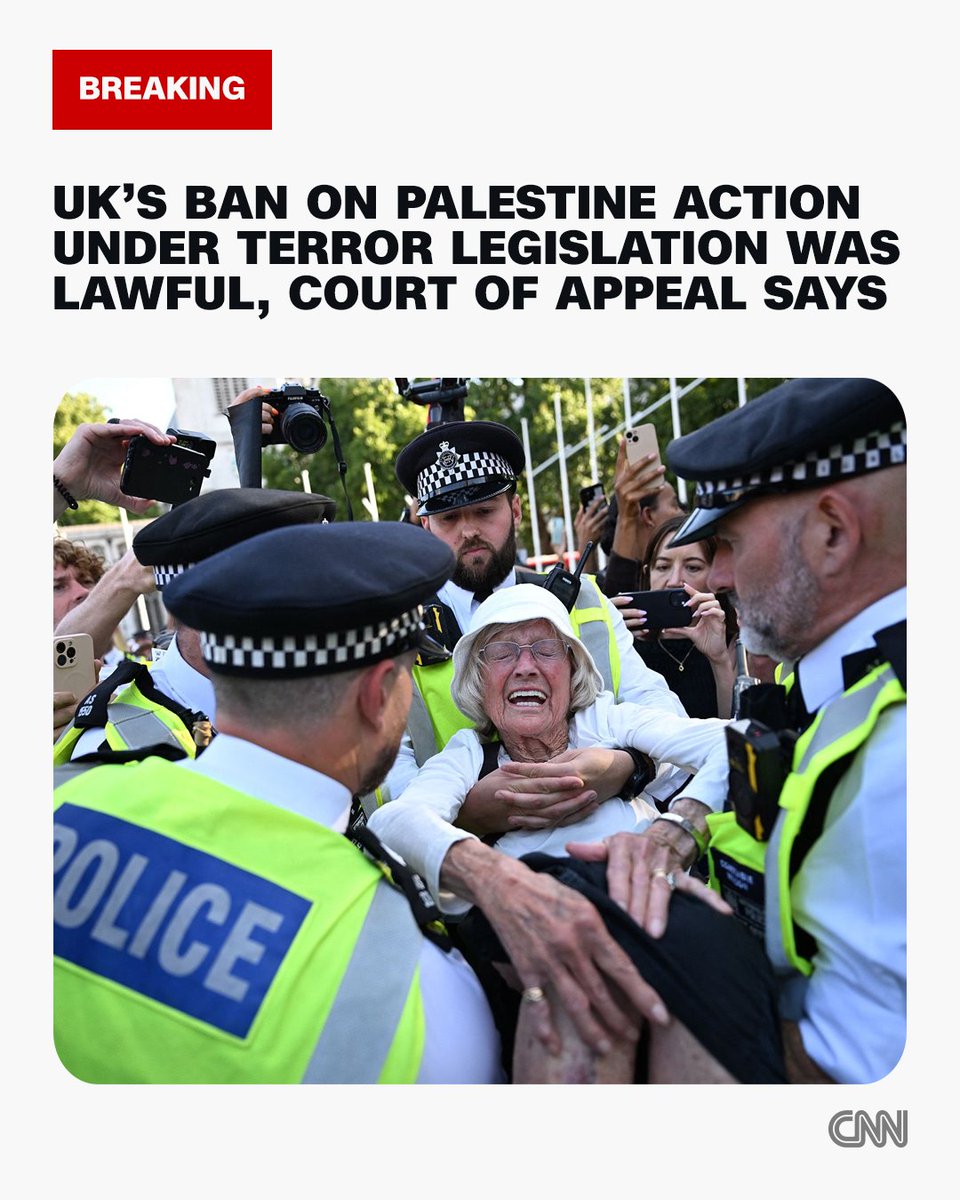
The UK's ban on protest group Palestine Action under terror legislation was lawful, Court of Appeal says cnn.it/4gjr62O
10
8
16
6,762
Charles R. Smith🔹 retweeted

Jun 14
Europe absolutely needs to wake up to the threat from China
They are supplying weapons for Russia and even training troops for them. Chinese hackers are attacking critical infrastructure in multiple European countries. No democracy should rely on China for manufactured goods.
Jun 13

Greek Prime Minister Kyriakos Mitsotakis:
China now has 30% of the world's manufacturing capacity and has essentially the ability to destroy industries across the globe, and certainly in Europe.
This is a topic that we need to take very, very seriously. We cannot just allow our industrial base to be completely annihilated simply because we're in search of always the cheapest product.
27
123
352
15,448
Charles R. Smith🔹 retweeted

Two hundred years after Mohammed's death, a Muslim army got half way up France before it was defeated
Islamic armies had already invaded North Africa and Spain and large swathes of the Middle East
Do you really think that was achieved by friendly persuasion ?
584
3,688
25,907
391,399
Charles R. Smith🔹 retweeted

How do you know? You don’t audit them, and you’re obstructing the federal government’s audit, Rob. What are you hiding?

1,301
7,692
24,107
252,301
Charles R. Smith🔹 retweeted

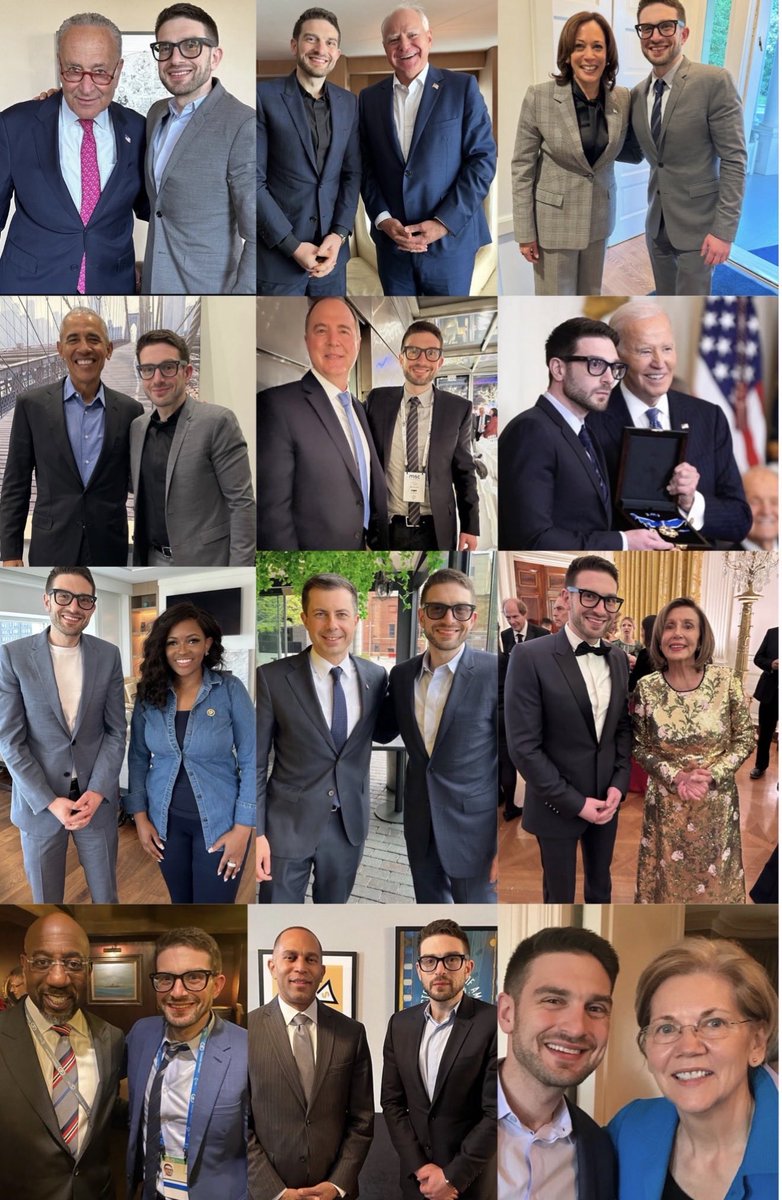
When the Dems are screaming about Elon @elonmusk influence on American politics….. remind them of this 👇🏻👇🏻
144
4,218
7,956
45,007
Charles R. Smith🔹 retweeted

What’s better than a rare Super Delta formation featuring the Thunderbirds and the @USNavy Blue Angels over Washington, D.C.?
Watching it from four different views for #UFCWhiteHouse as part of #Freedom250. 🇺🇸
785
8,217
44,994
920,190
Charles R. Smith🔹 retweeted

PEACEFUL WORDS, REPEATED VIOLATIONS | BRP Diego Silang recently issued four radio challenges to a Chinese warship operating in waters where the Philippines exercises sovereign rights under international law. A China Coast Guard vessel was also sighted in the area.
This was not a misunderstanding. It was the latest incident in a long pattern that has included repeated incursions into the Philippine Exclusive Economic Zone, dangerous maneuvers against Philippine vessels, interference with lawful maritime activities, and water cannon attacks against Filipino resupply missions.
China continues to describe itself as a peace-loving nation and a responsible global power. But responsible powers do not repeatedly enter the maritime zones of their neighbors while claiming to uphold peace. Responsible powers do not demand respect for international law while selectively rejecting legal rulings that do not favor them.
Responsible powers do not claim to support regional stability while repeatedly creating tensions at sea.
The Philippines is not asserting a new claim. The Philippines is exercising rights recognized under the United Nations Convention on the Law of the Sea and affirmed by the 2016 Arbitral Award.
This is not about the Chinese people.
This is about actions at sea.
This is about the fishermen who lose income every time intimidation forces them away from traditional fishing grounds.
This is about coastal communities whose livelihoods depend on access to maritime resources.
This is about future generations of Filipinos who deserve to inherit the rights and resources that international law has already recognized as theirs.
China frequently asks the world to respect its sovereignty and territorial integrity. No nation should demand rights for itself that it refuses to respect in others.
If China truly seeks peace, its actions should reflect it.
If China truly respects international law, it should abide by the same rules it expects others to follow.
If China truly wants to be seen as a responsible global power, it must demonstrate that responsibility through its conduct—not through its statements.
Every new intrusion widens the gap between China's words and its actions.
The question is no longer what China says.
The question is what China continues to do.
And the world is watching.
#BRPSierraMadre #WestPhilippineSea #WPS #DefendTheTruth #KnowTheFacts #RulesBasedOrder #protectwhatisours #MaritimeRights #FactsOverPropaganda
3
34
87
766
Charles R. Smith🔹 retweeted

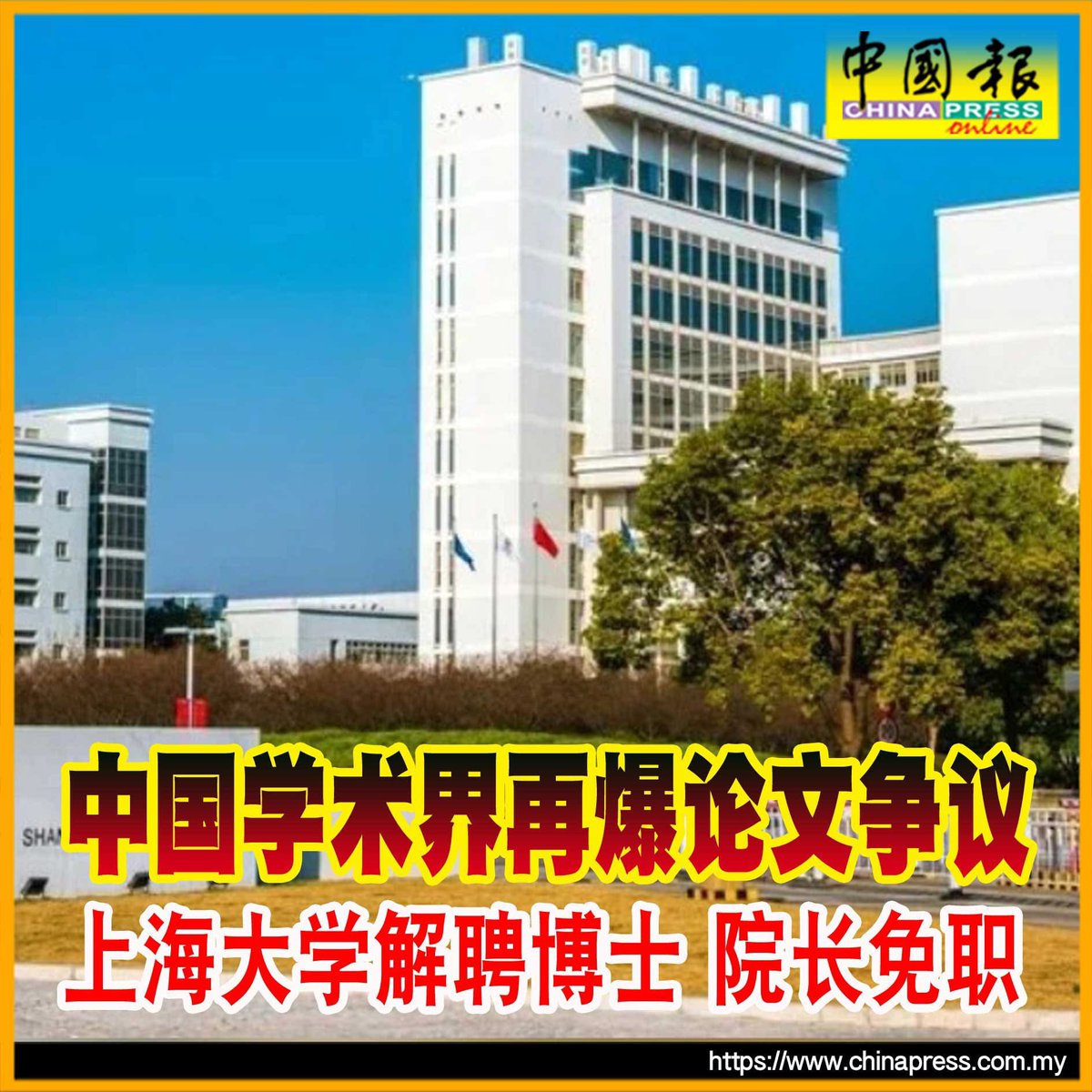
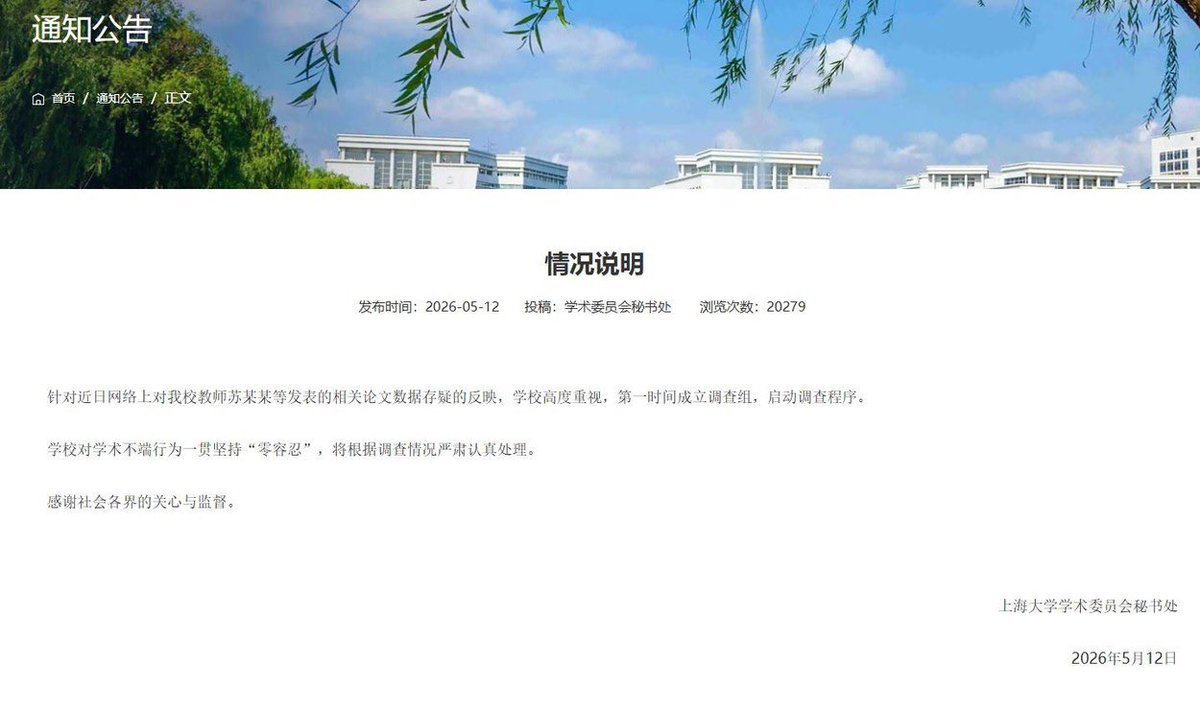
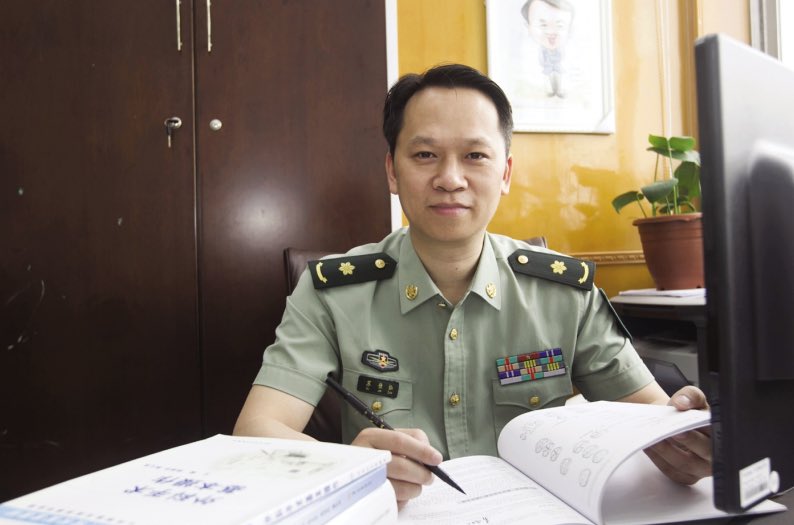
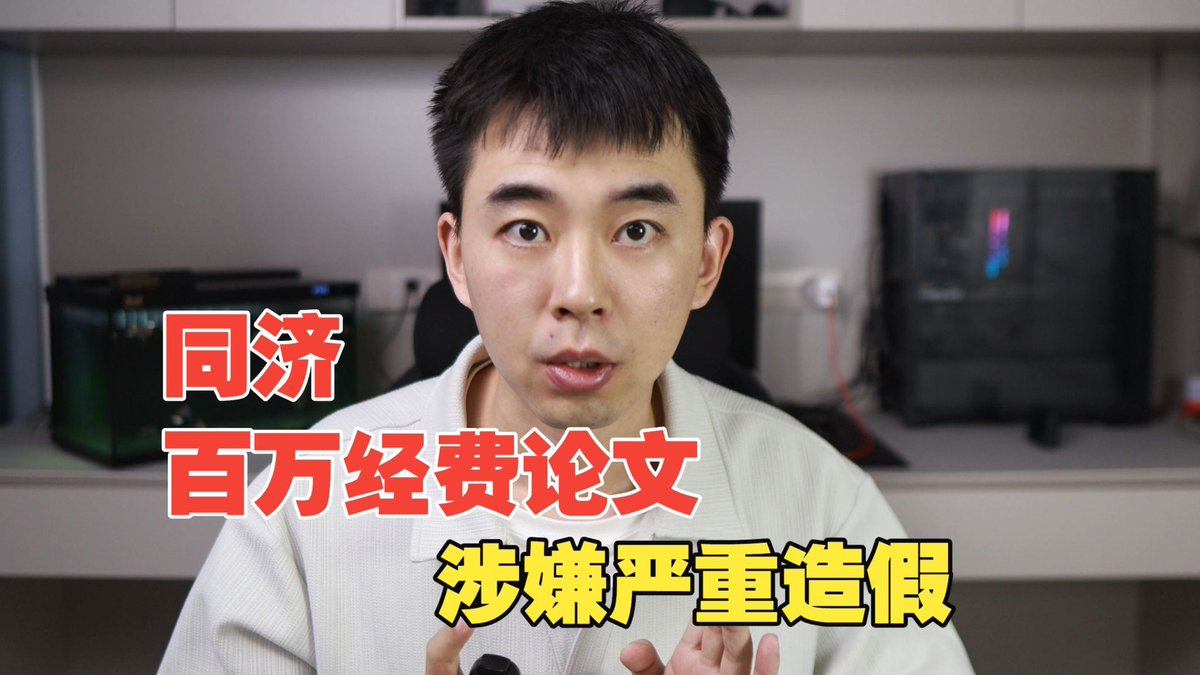
Shanghai University building under blue sky with bold red headline exposing dean dismissal and postdoc firing over Nature paper data fraud.
Full article in the comments.
2
4
27
4,692
Charles R. Smith🔹 retweeted

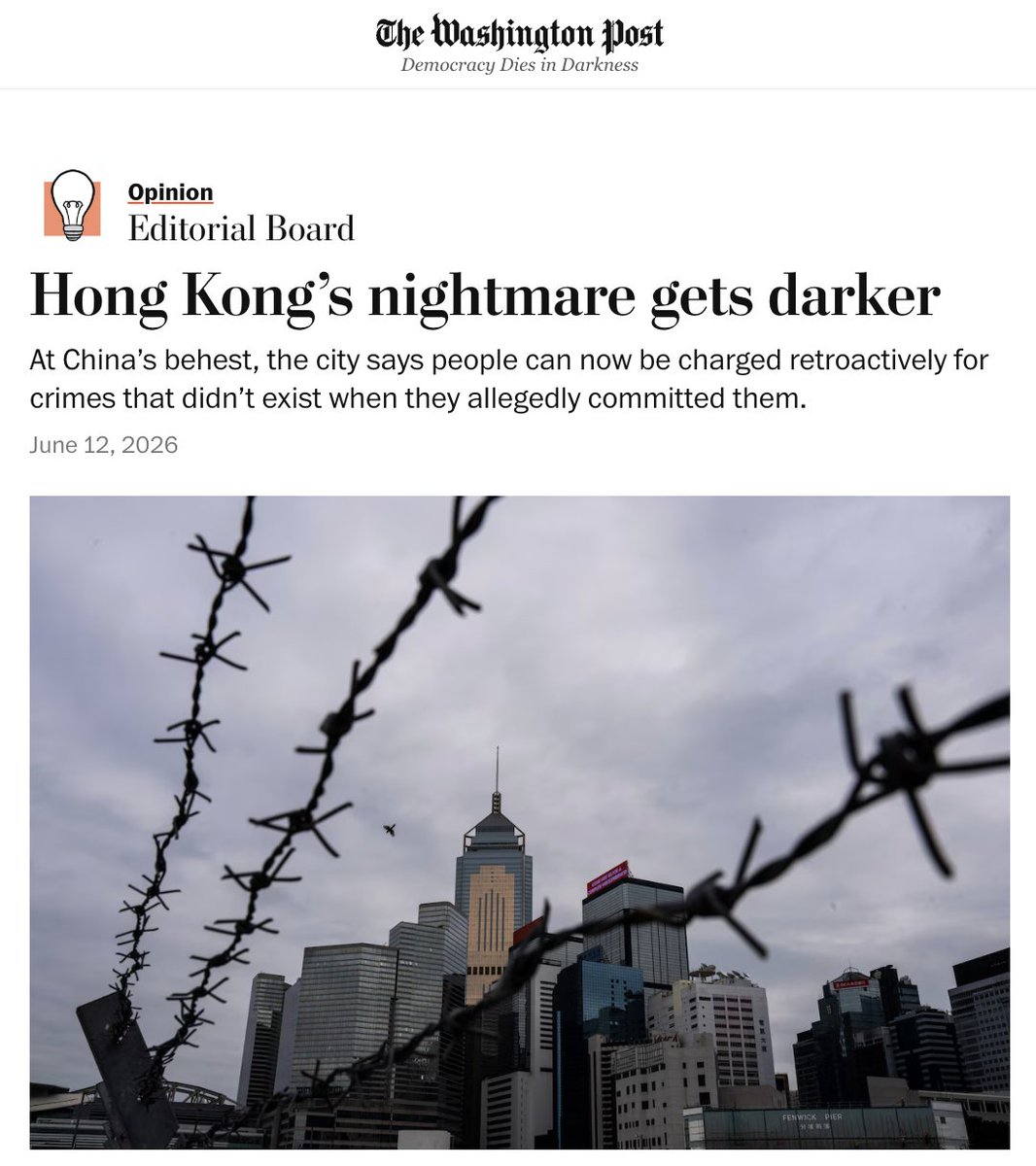
Hong Kong’s nightmare gets darker
At China’s behest, the city says people can now be charged retroactively for crimes that didn’t exist when they allegedly committed them.
Hong Kong’s national security law has already crushed the territory’s once-vibrant civic and political life. Now, the city’s hard-line authorities are making the law even more repressive for anyone caught in its net.
Under updates taking effect this week, the city’s chief executive can classify any case as a national security crime, even if the alleged offense occurred before the 2020 law was enacted.
While legal systems generally forbid punishing individuals under laws that did not exist at the time of the offense, Hong Kong's Beijing-beholden leaders are proceeding regardless.
The Beijing-appointed chief executive now holds unilateral power to designate any criminal act as a national security offense, a shift Chief Executive John Lee brushed off as an effort “purely to make the law even clearer.”
Authorities completely bypassed public consultation and standard legislative review to fast-track these sweeping structural modifications.
National security charges carry severe consequences, enabling immediate detention, denying bail, stripping the presumption of innocence, and restricting a defendant's choice of counsel—as seen with jailed publisher Jimmy Lai.
Furthermore, these sensitive trials are heard exclusively before specialized judges handpicked by the chief executive himself.
The Hong Kong Bar Association tepidly urged that this retroactive power be exercised with prudence, though there is little chance of transparency given Beijing’s preference for keeping national security cases shrouded in secrecy.
While the adjustments will further chill foreign investment and tourism, the greatest victims remain Hong Kongers themselves, who continue to live under a deepening descent into autocracy.
washingtonpost.com/opinions/…
1
5
10
415
Charles R. Smith🔹 retweeted

Wow Hoover really is working closely with Chinese agents

Jensen Huang, Founder and CEO of @NVIDIA, reflects on the connection between the immigrant experience and the entrepreneurial mindset.
He speaks with @CondoleezzaRice about why America offers an unmatched opportunity to turn ambition into achievement: youtu.be/ZEL0EAVtCTY
1
8
64
4,711
Charles R. Smith🔹 retweeted

The amount of CCP-connected money funding US policy and academic work on China is a scandal.
The CCP’s entire ‘united front’ strategy is to compromise & co-opt those *outside the Party,* and distort the American conversation into propaganda.
❗️AHEM ❗️Exhibit A👇
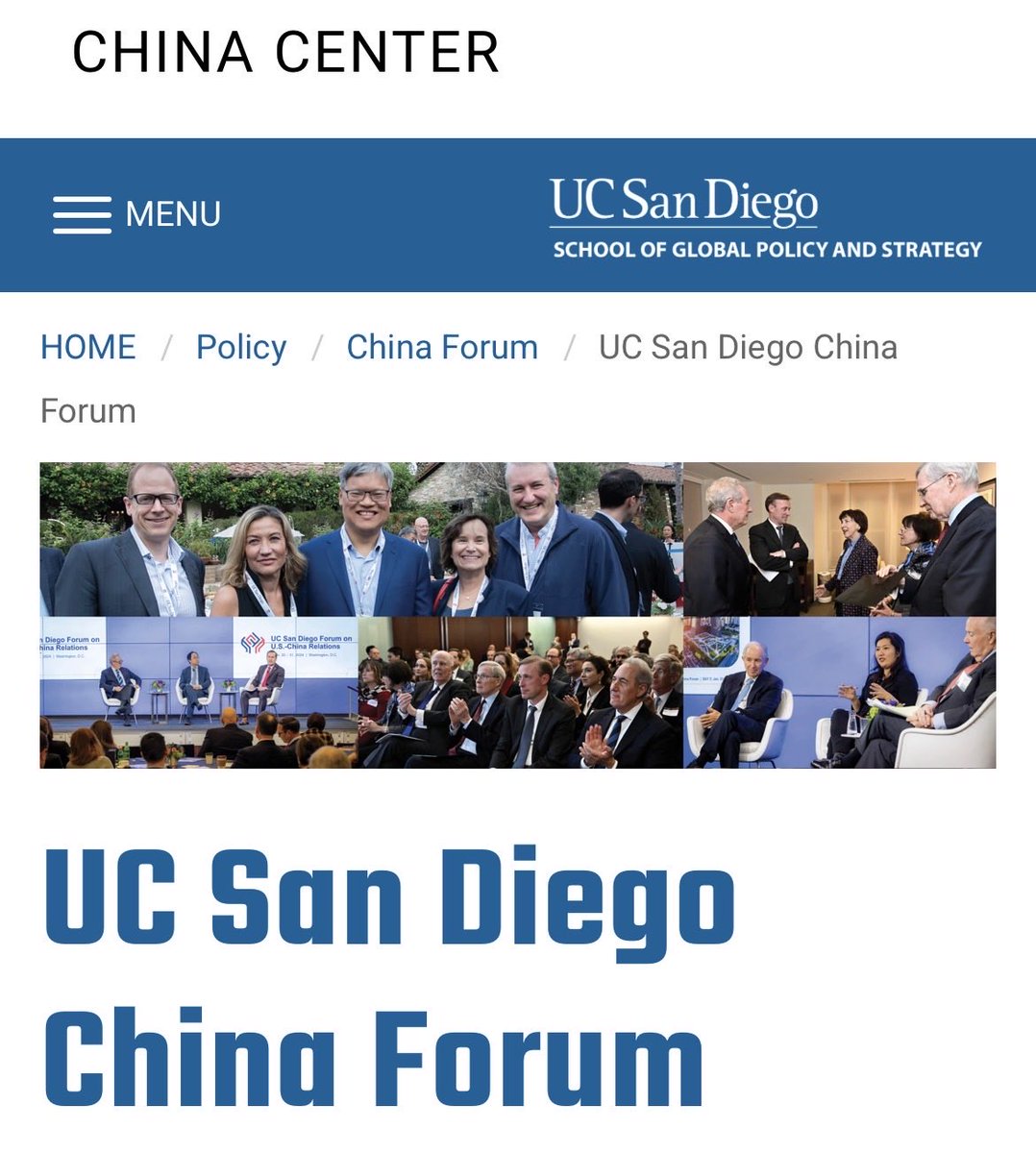

All these America is losing pieces are coming from CCP straw man funders
2
37
75
6,873
Charles R. Smith🔹 retweeted

Exposed: UK Govt Has A 'Thought Police' Unit To Control Mass Migration Narrativ zerohedge.com/political/expo…
37
162
552
46,342
Charles R. Smith🔹 retweeted

21h
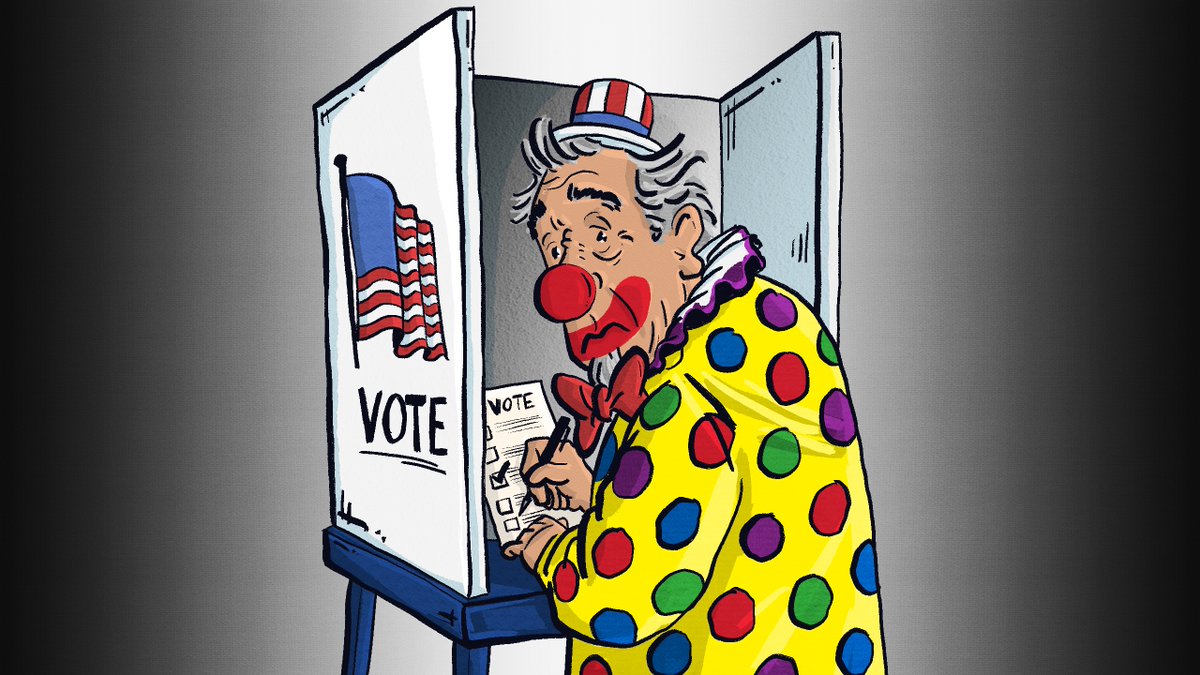
Listen to This Article: American Elections Are a Joke
57 years ago, Americans went to the moon in four days. Californians would still be working on the countdown
racket.news/p/listen-to-this…
61
245
1,746
39,510
Charles R. Smith🔹 retweeted

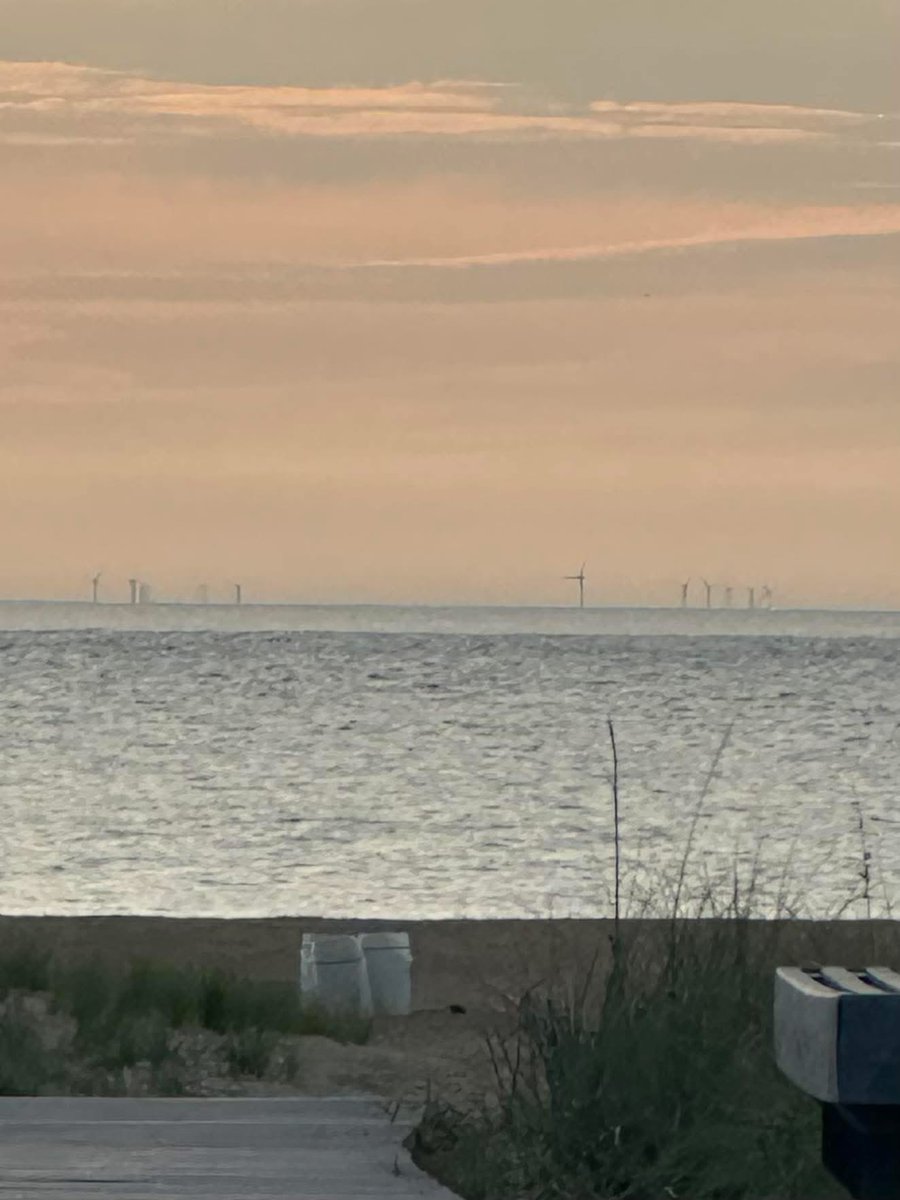
These monstrous wind farms—every one of which exists solely based on federal subsidy—are a visual assault on God’s creation that weaken the grid, disrupt marine ecosystems, and force reliance on foreign fuel when have near-limitless reserves of our own.
Jun 14

Former @GovernorVA George Allen’s daughter took a picture today from the dunes in Virginia Beach. The costly, gigantic & inefficient turbines of CVOW are 💯 visible to the naked eye… @DominionEnergy admitted they might produce ⚡️ only 40% of the time with all 176 turbines
2,953
4,225
18,432
635,909

The biggest scandal isn't just what happened during COVID.
It's that six years later, the evidence continues to emerge while many in government and the media still refuse to confront it.
I've spent years following the money and exposing the truth. The American people deserve answers and accountability.
Jun 14

The revelations six years later are pouring out so quickly that it is impossible to keep up much less mentally process all this:
* The Director of National Intelligence has documented 120 US-funded/owned biolabs in 30 countries many of which are manufacturing and manipulating infectious diseases.
* Senator Rand Paul's committee has released the receipts concerning US funding/backing of the manufactured SARS-CoV-2 virus/vaccine as part of this program.
* Senator Johnson has produced definitive evidence that US public health agencies knew of the grave dangers of the shot to everyone but said nothing.
* Many officials are privately admitting/proving that the whole point of lockdowns was to preserve population immunity for the shot and block other avenues toward wellness.
* Hardly any of this makes the national news and one wonders if the public mind has any awareness at all.
436
2,551
13,840
286,357
Charles R. Smith🔹 retweeted

🇬🇧 Video of British police arresting a crying 5-year-old boy while he was walking alongside them as they detained his father is going viral.
They shoved the terrified little kid into the back of their patrol car like trash. When his mother, baby still clutched in her arms, rushed to rescue her son, these thugs pushed her back and ordered her to stand down.
This is the UK in 2026.
Absolutely disgusting!
1,623
9,826
24,425
617,121