
Jun 13
🚨 Last chance to #win a #Smartscope – competition closes 18 June! 🚨
Either turn to page 79 in the June issue of Astronomy OR sign up to our newsletter right here ➡️ sbee.link/3gw874yrux ⬅️ for a link to the entry form!
Prizes available to UK residents only.

1
3
518

This Weapon Can Turn Your Rifle To Ultimate Drone Hunter - SMASH 3000 #SmartScope #SmartTech #SMASH3000 #AITargeting #AntiDrone #Cyberpunk #TTRPG #RPG
32

Catch Comet 220P McNaught in Outburst
June 08, 2026 06:04 PM UTC
Comet 220P McNaught bursts into telescopic view, low in the dawn sky.
We had a surprise outburst late last week from a lesser-known periodic comet. Posts flashed across message boards late last week, alerting comet watchers to a dramatic change in brightness for periodic comet 220P McNaught.
Though it wasn't on our list of bright comets to watch for in 2026, Comet 220P is now within range of binoculars or a small telescope, low in the east at dawn as it heads towards perihelion this coming weekend.
The comet is the first of 18 comets discovered by prolific Australian observer Robert McNaught. McNaught found the comet as a 17th magnitude smudge on images captured by Siding Spring Observatory on the night of May 20th, 2004.
The outburst was first noted by observer Mike Kelley while examining images from the Zwicky Transient Facility. The comet brightened by a respectable 7 magnitudes on June 1st. That's a 600-fold increase in brightness.
Later backup observations suggested the comet topped out at 8th magnitude, representing an amazing 8,000 times increase in brightness. Clearly, something interesting is going on with comet 220P.
The European Space Agency's Rosetta mission gave us a close-up look at what a cometary outburst looks like, when Comet 67P/Churyumov-Gerasimenko blew its top:
The comet reaches perihelion on June 14th, 2026, at 1.6 Astronomical Units (AU) from the Sun, just outside of the orbit of Mars.
On a 5.5-year orbit, the comet was likely captured by Jupiter during its present-day passage, as it just lags behind, sharing a 2:1 resonance with the gas giant.
Finding the Comet
First, the good news: the comet is well-placed for northern hemisphere observers, around 65 degrees from the Sun in June. The bad news is that it's an early-morning object.
For folks up north nearing the June solstice, this means walking the thin line, time-wise, between when the comet breaks 10 degrees above the eastern horizon and the approach of dawn.
For example, from here in southern Virginia near latitude 37 degrees north, this meant a 4 AM wake-up to grab the comet.
It was a cinch to grab with a DwarfMini smartscope, which listed it in the database under '220P':
Comet 220P is currently hanging out in the dawn sky in the constellation Pisces, very near the planet Saturn. The comet crosses the ecliptic southward on June 9th and passes less than 2 degrees from Saturn on June 16th.
The -32% illuminated, waning crescent Moon passes just over a degree north of the pair on the morning of June 10th.
We can hope this outburst holds, and that more could well be in store.
The 9-plus change in magnitude in total edges out the 2013 outburst from Comet 289P/Blanpain as the biggest and most abrupt outburst since Comet 17P Holmes in 2007.
That eruption put Comet 17P into the naked-eye range around 3rd magnitude in Perseus that very night.
Comets give us an element of unpredictability in an otherwise clockwork Universe.
Be sure to follow Comet 220P McNaught through perihelion and beyond this weekend… it might just steal the celestial show this summer.
universetoday.com/articles/c…
other space objects
cleveland.com/news/2026/06/a…
phys.org/news/2026-06-myster…
avi-loeb.medium.com/what-are…
88

Jun 7
Solltest du Interesse an der Astrofotografie haben aber nicht in einen Fotoapparat investieren wollen, wäre ein so genanntes ‚Smartscope‘ eine Option. Oder du freust dich an den Bildern anderer. 🤭
2
20
It's the #Smartscope we've all been waiting for! Richard Deighton explores the @zwoastro Seestar S30 Pro in the June issue of Astronomy Now.
Plus! Don't miss your chance to win a Seestar S30 Pro or binoculars for yourself!
Full details in the magazine👉 sbee.link/4whf9nav6p
1
4
897
May 24
Win a Smartscope!
Pick up the June issue of Astronomy Now for details OR sign up to our free newsletter for access to the entry form 👉 sbee.link/8fb7mryqan
Competition closes 18 June; prizes available to UK residents only. Full terms & conditions via the entry form.

1
6
797
May 21
Get your first look inside the June issue of Astronomy Now!
🕳️ Dive into a black hole
💥 Find out how the Universe could end
🔭 Get to grips with the @zwoastro Seestar S30 Pro smartscope
✨ Explore the June night sky
Wonders of the Universe await here: sbee.link/9bfmuewxqa
1
2
7
641

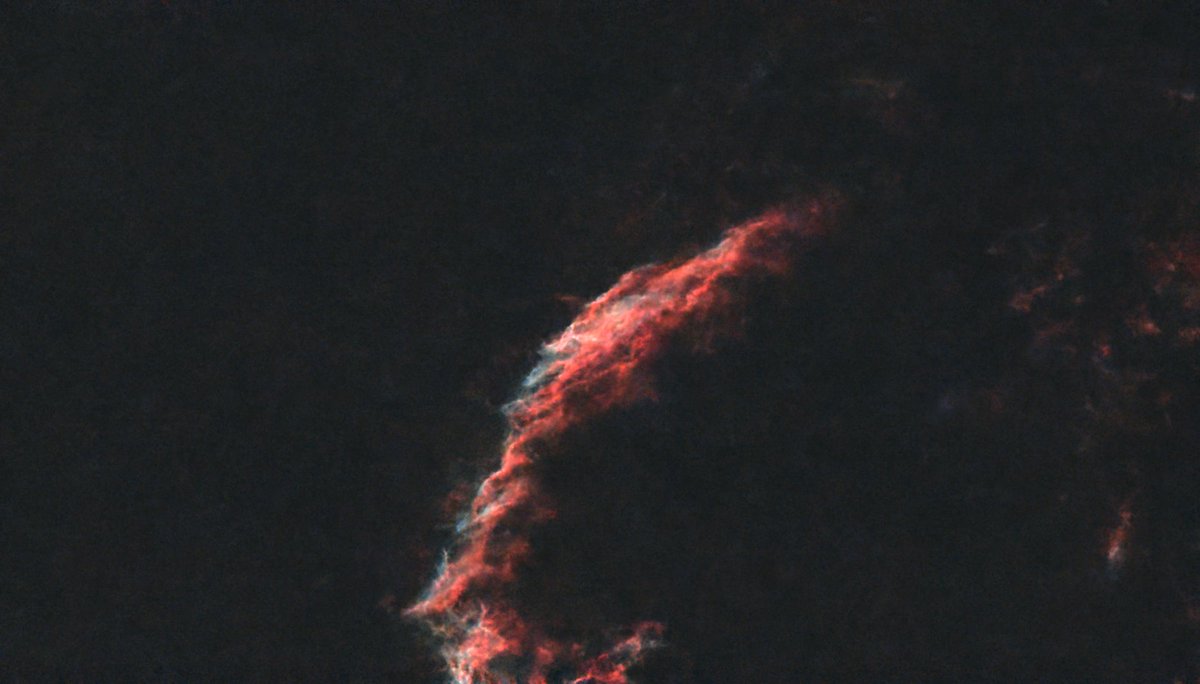
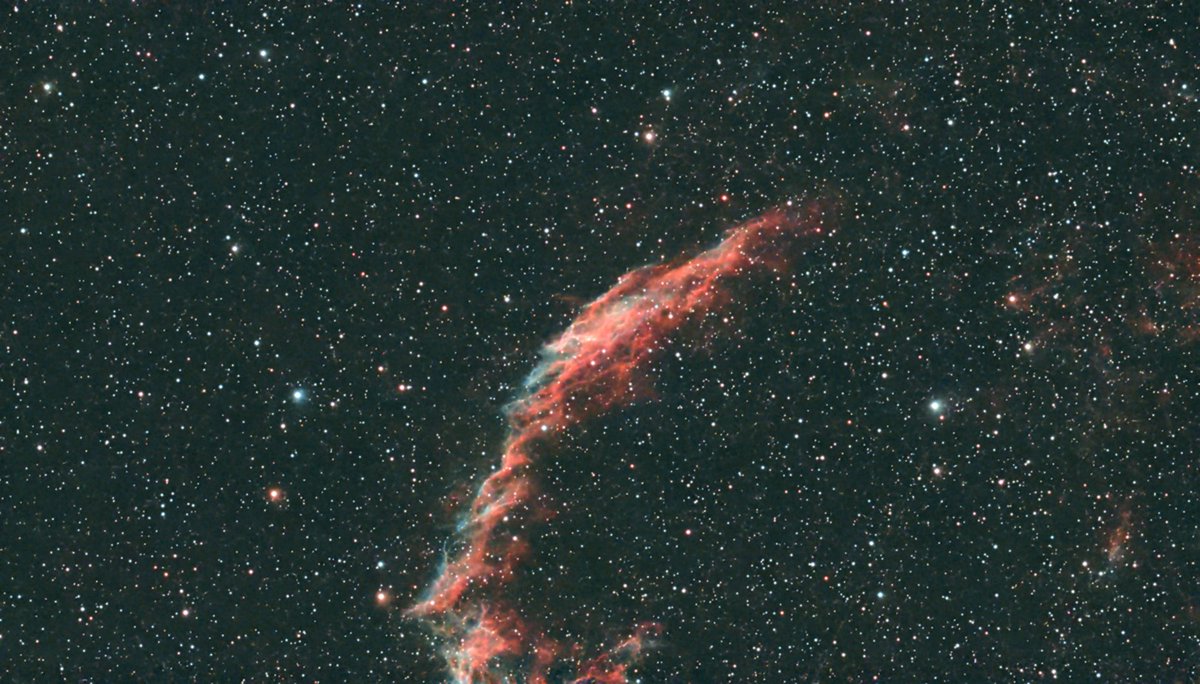
Two versions of the #EasternVeilNebula taken with the #DwarfMini smartscope using the dual-band filter, 5th/16th May 2026. This is 1 hour total exposure. I hadn't noticed the bottom was slightly cropped! #Oxfordshire, UK
3
5
49
789
May 12
Taking images with your #smartscope, but not sure how to make them shine?
@mars_stu presents a simple, beginner-friendly guide to processing your smartscope images using only free software.
You'll be submitting images to our gallery in no time 😉
Shop🔗 sbee.link/b6u7n8tqkh
3
729

Apr 22
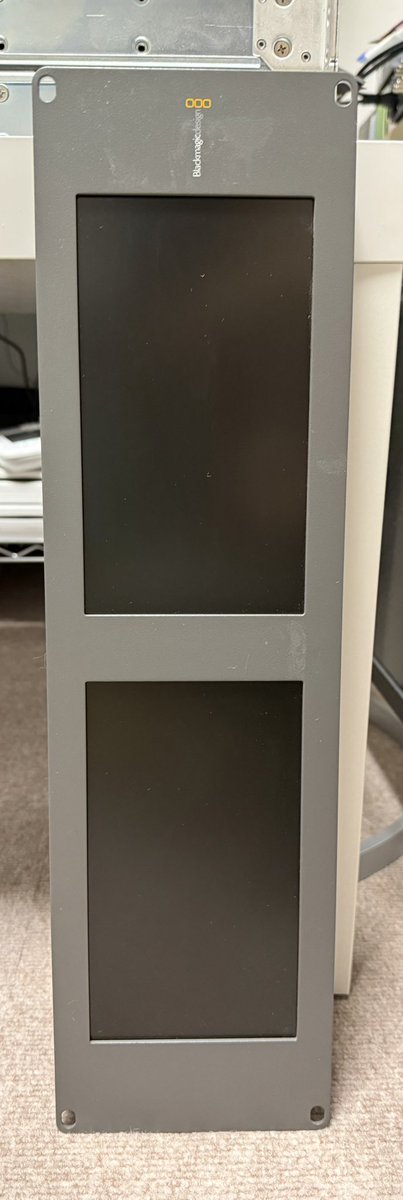
my new (used) gear
電源入らんってことで買ったが普通に使えた勝ち
SmartScopeって波形だけじゃなくて映像も出せるんだ
18
1,156

Well, to be honest, the Halo community takes the inclusion of sprinting or smartscope as the equivalent of illegal and exploitative labor practices.
9
415

Mar 21
I had a go trying to get Earthshine with my smartscope. Sadly it's nowhere as good as the Dobsonian for that.
3
76


Feb 21
Jess, as usual, can barely contain her excitement, but I'm very chuffed indeed to have *two* features in the new March issue of @AstronomyNow magazine - my regular monthly "Smartscope Corner" feature and a two page 'tourist guide' to the Plough.

1
11
216

スマホがあればどこにいても開発出来ちゃう・・・
すげーな・・・
音声入力プログラミング実装ガイド:Claude Code連携で実現するハンズフリー開発【2025年版】 - SmartScope
smartscope.blog/ai-developme…
2
1
3
271

Jan 18
The Soul Nebula. Photographed over a few nights. Stacked and processed in Siril, then Lightroom for the Hubble Palette. Taken with a #dwarf3 #Astro #Space #Astrophotography #night #smartscope #nightsky #uk #space #deepspace @skyatnightmag @Erdayastronaut @apod @astro_timpeake
3
11
424

Jan 15
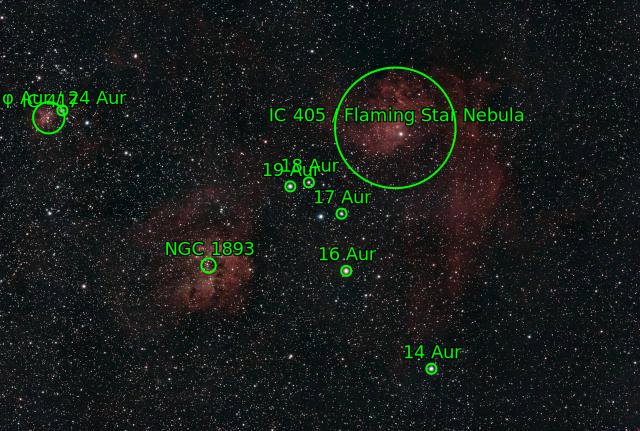
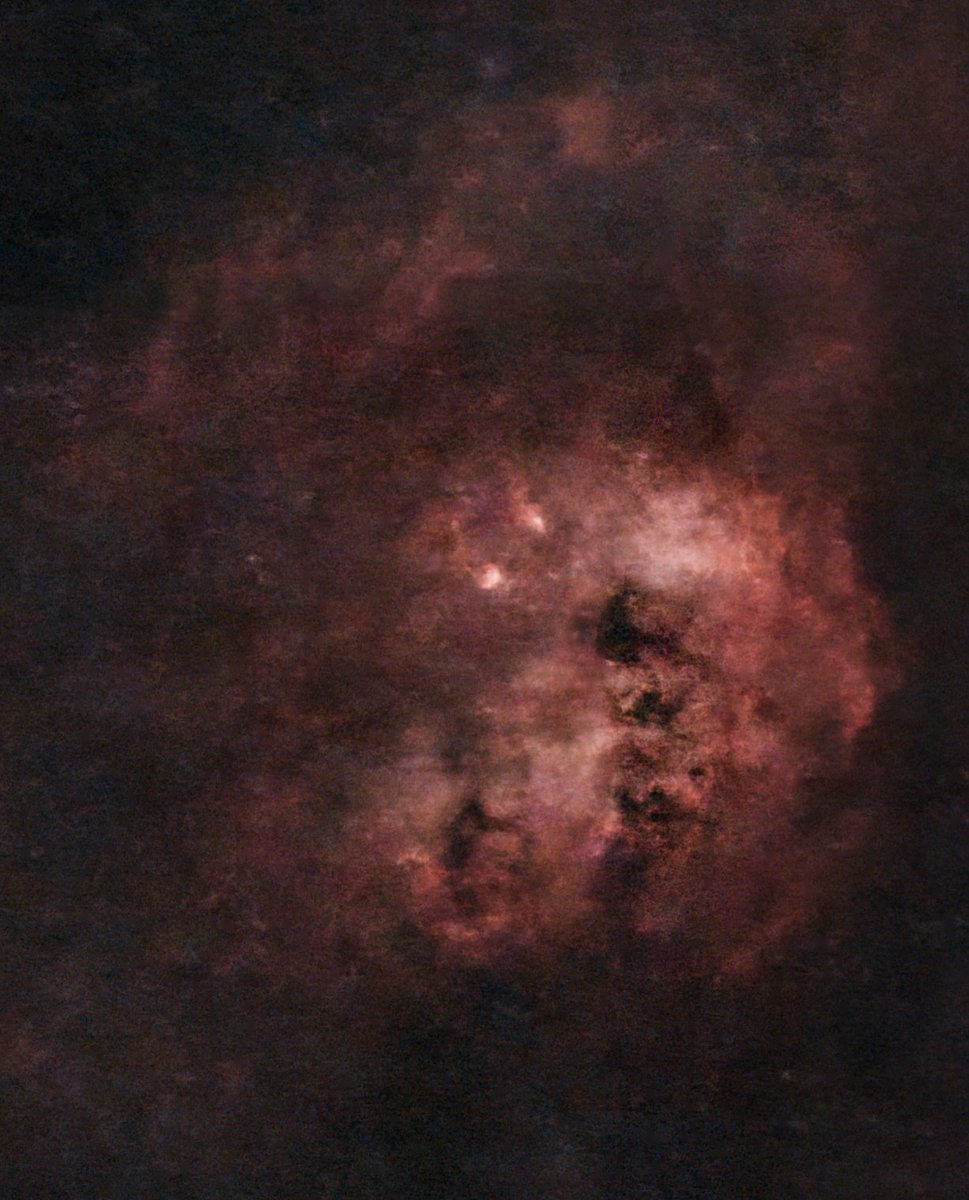
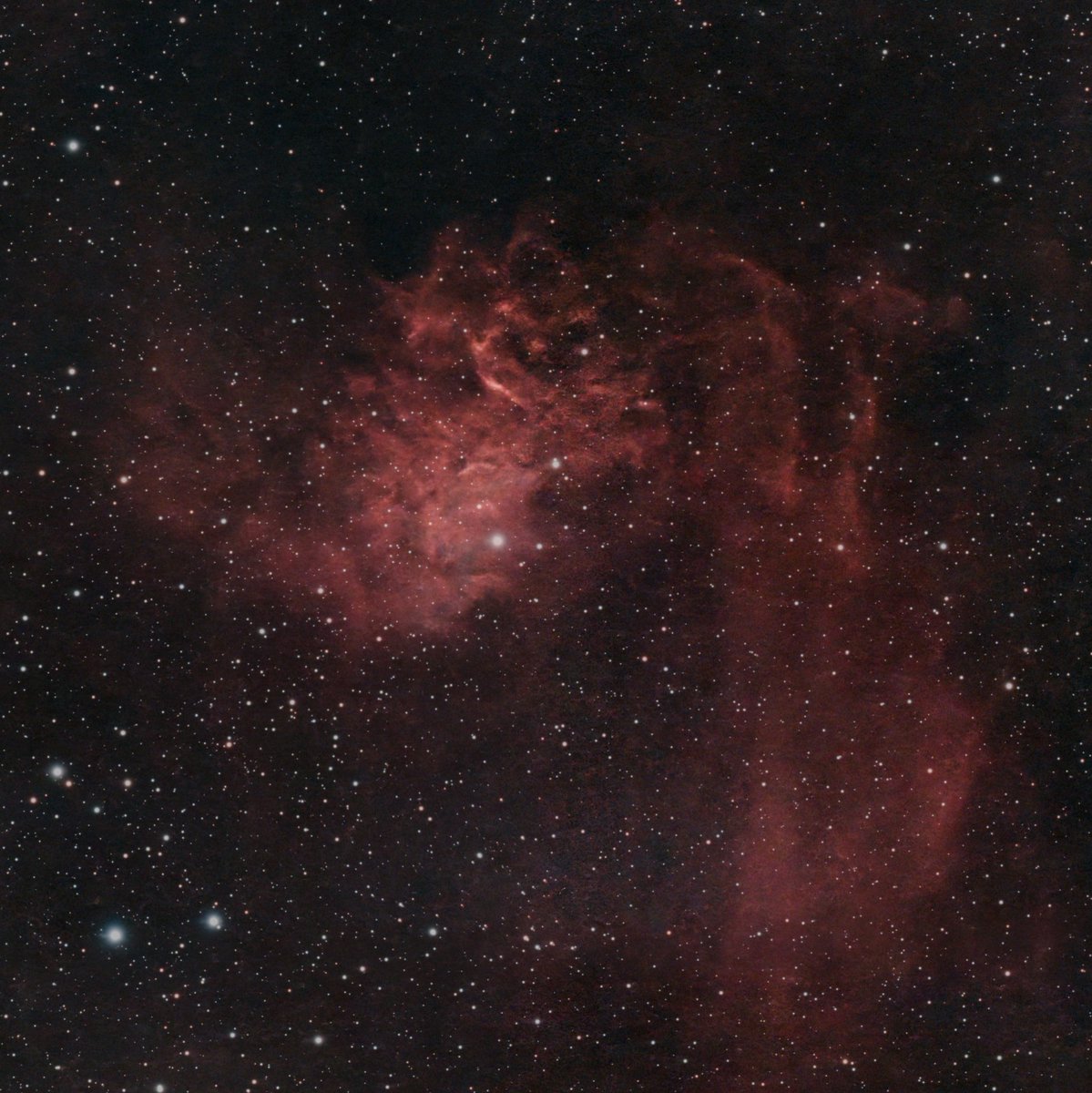
IC405 flaming star nebula and NGC 1893, the tadpole nebula
A 4 panel mosaic from the Dwarf 3 smartscope, IC 405 is 1500 light years away, Tadpoles is 12500 light years away, so no relationship other than line of site,
3hours 27 min #astrophotography

1
17
402
Jan 12
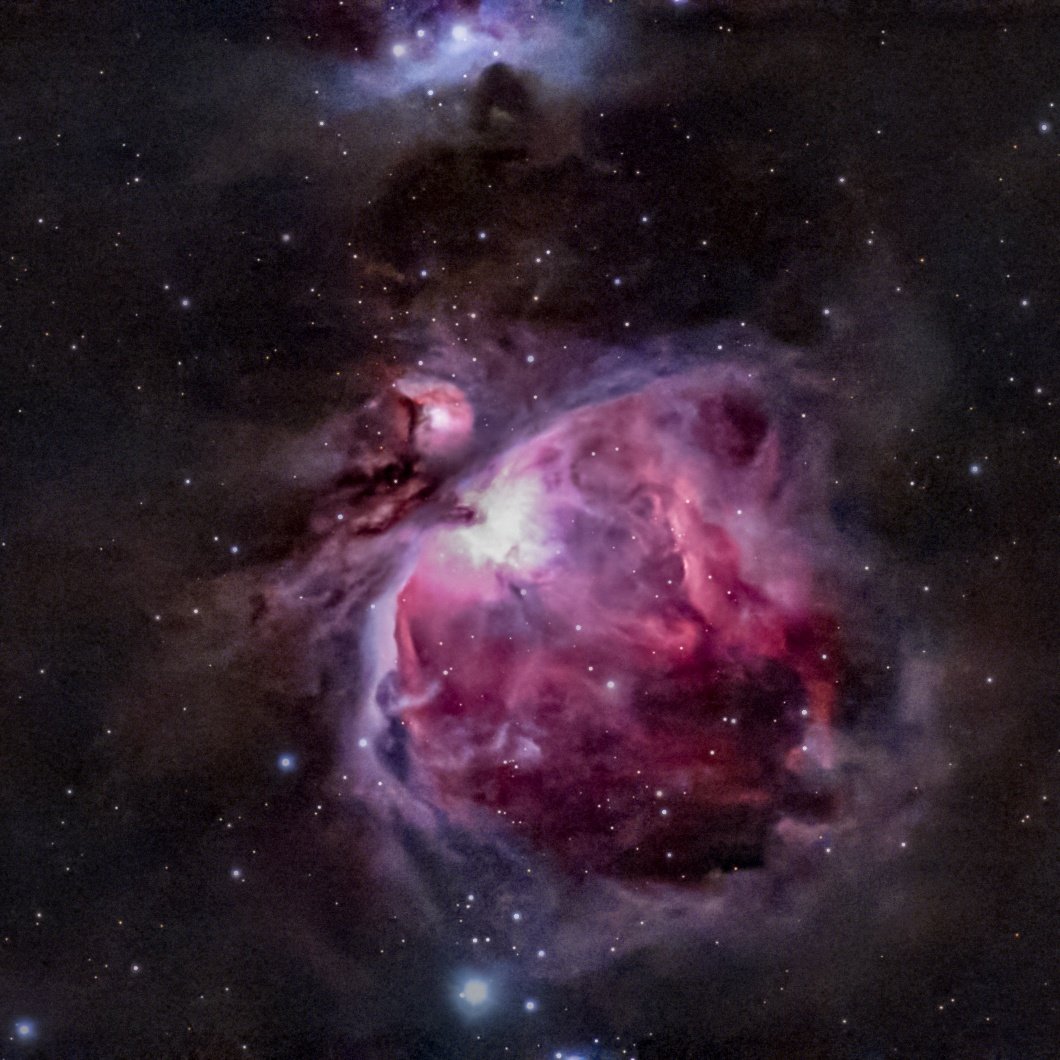
The Orion Nebula, M42
A swirling mass of dust or is it candy floss! Just 1344 light uears away.
Just 28 minutes of data from the smallest smartscope available, the Mini by @dwarf_lab33747, a fantastic device.
@BBCStargazing #astrophotography
ALT The orion nebula, the brightest nebula in the night sky, its a huge star forming region in the sword of Orion
1
6
36
1,062
27 Dec 2025
One of my favourite moons of 2025, this timelapse of the waxing crescent moon wiith earthshine passing in front of the Pleiades (M45) , taken with my Dwarf 3 smartscope on 1st April, less than 2 weeks after I received it.
#bestmoonhour2025
#moonhour @MoonHourSocial
5
7
65
1,611
27 Dec 2025
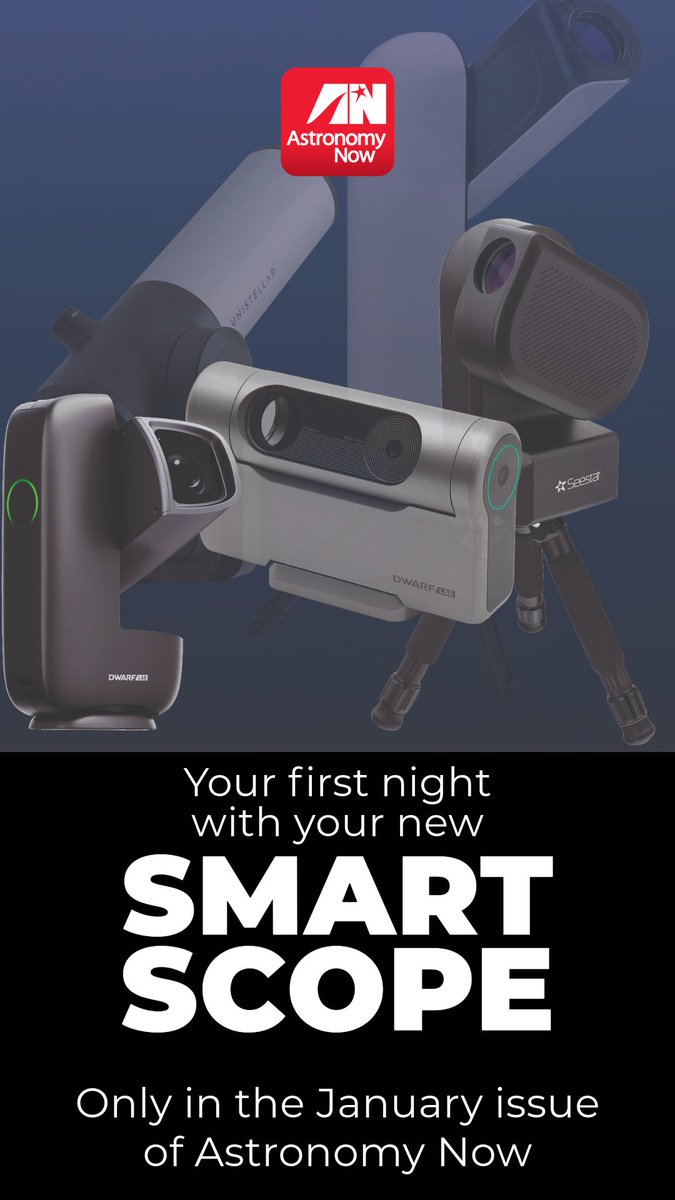
So you got a #Smartscope for #Christmas, now what?
We have a special feature just for you in the latest issue of #AstronomyNow to guide you through your first night under the stars with your wonderful new telescope.
Let us know how you get on!
Shop👉sbee.link/6pbtxech9g
2
776