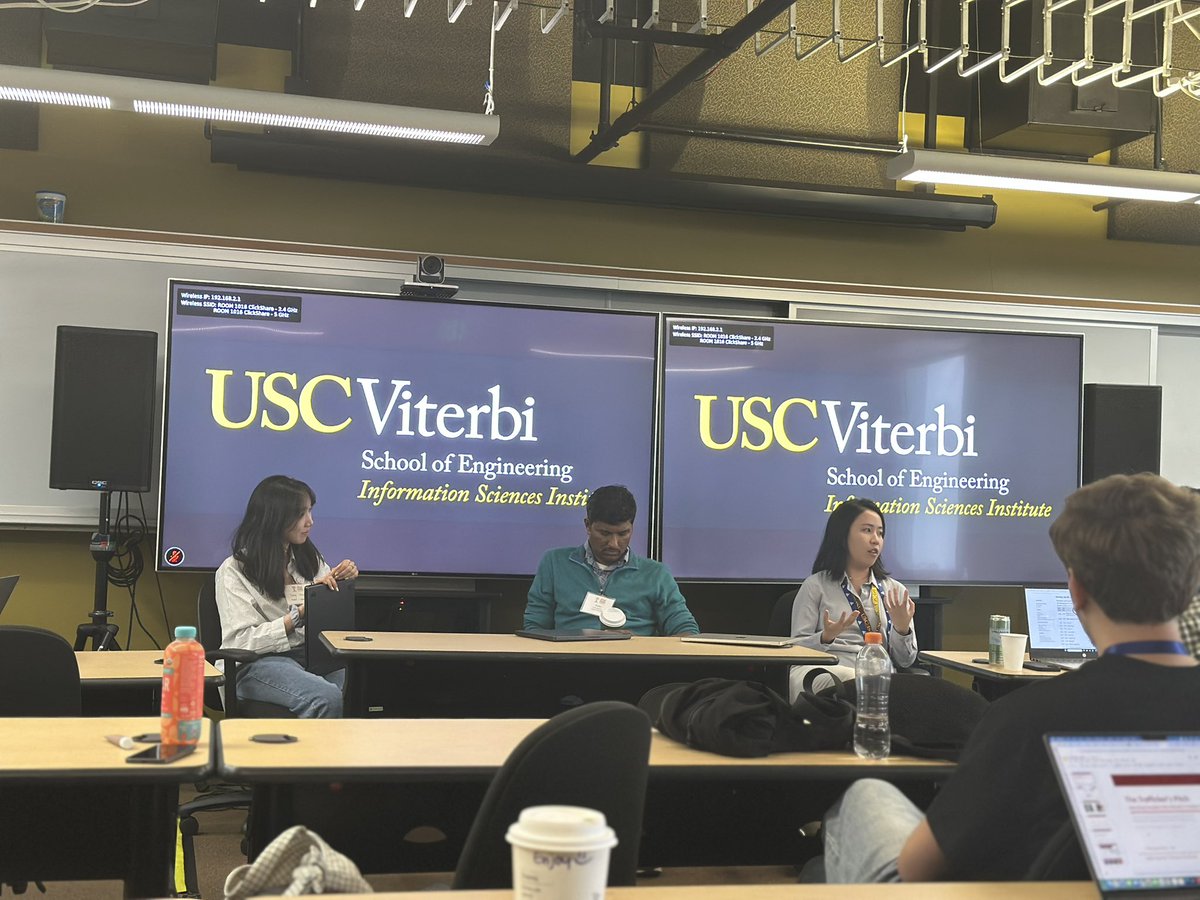
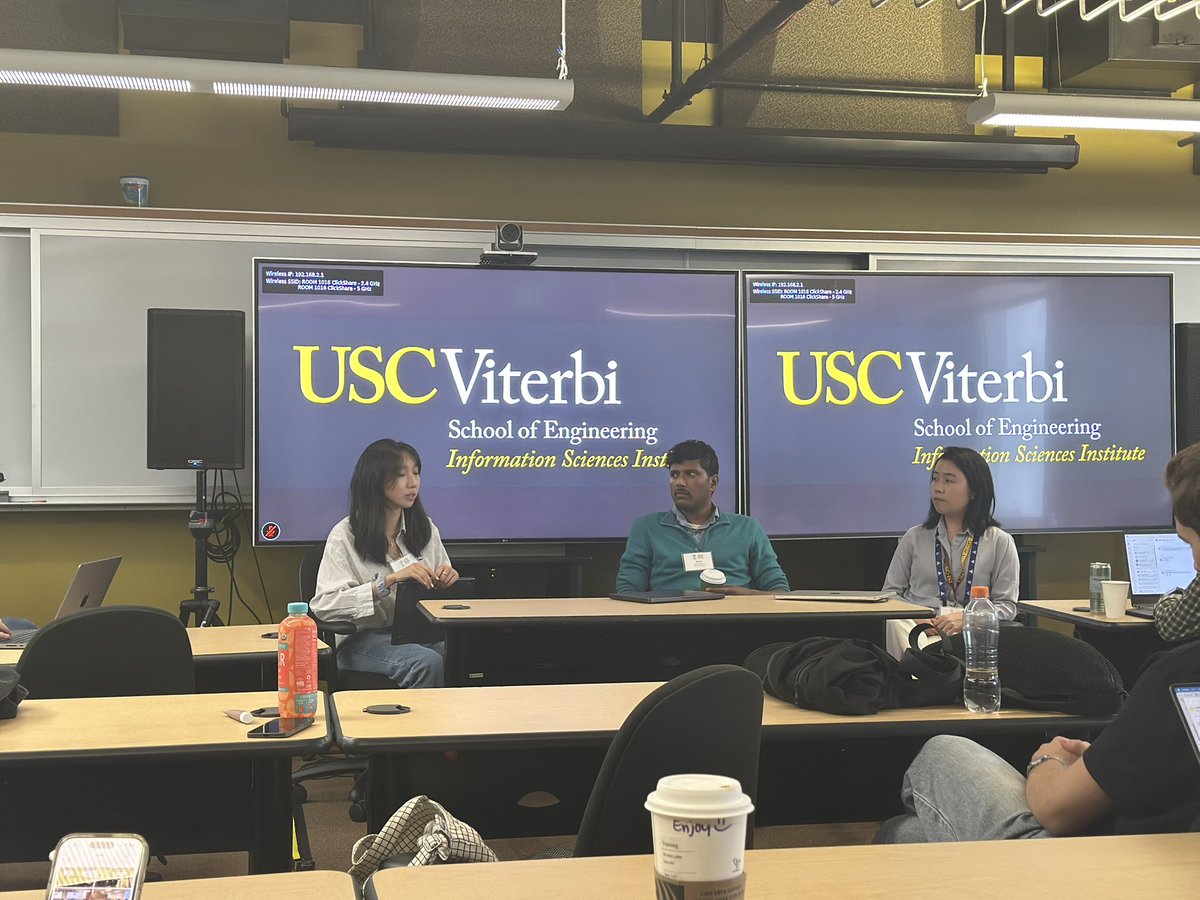
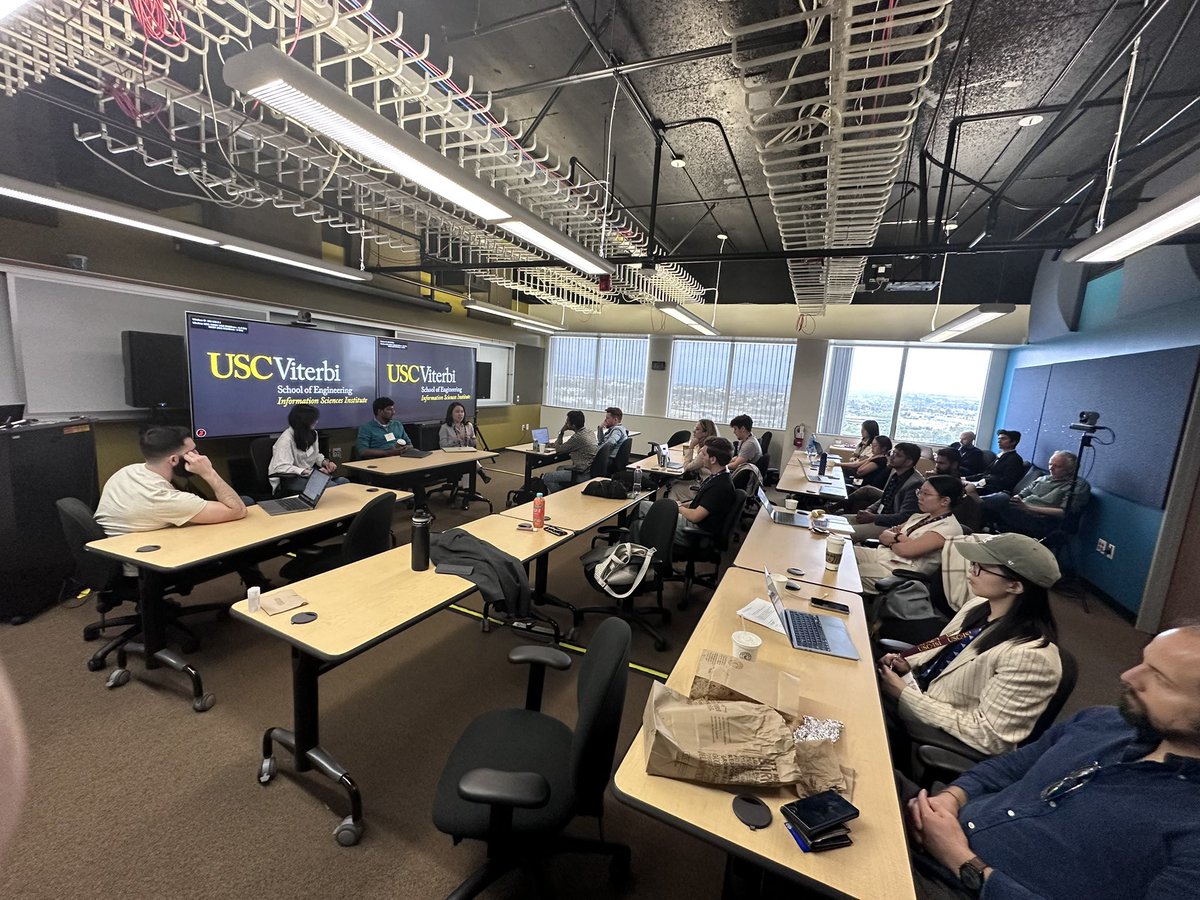
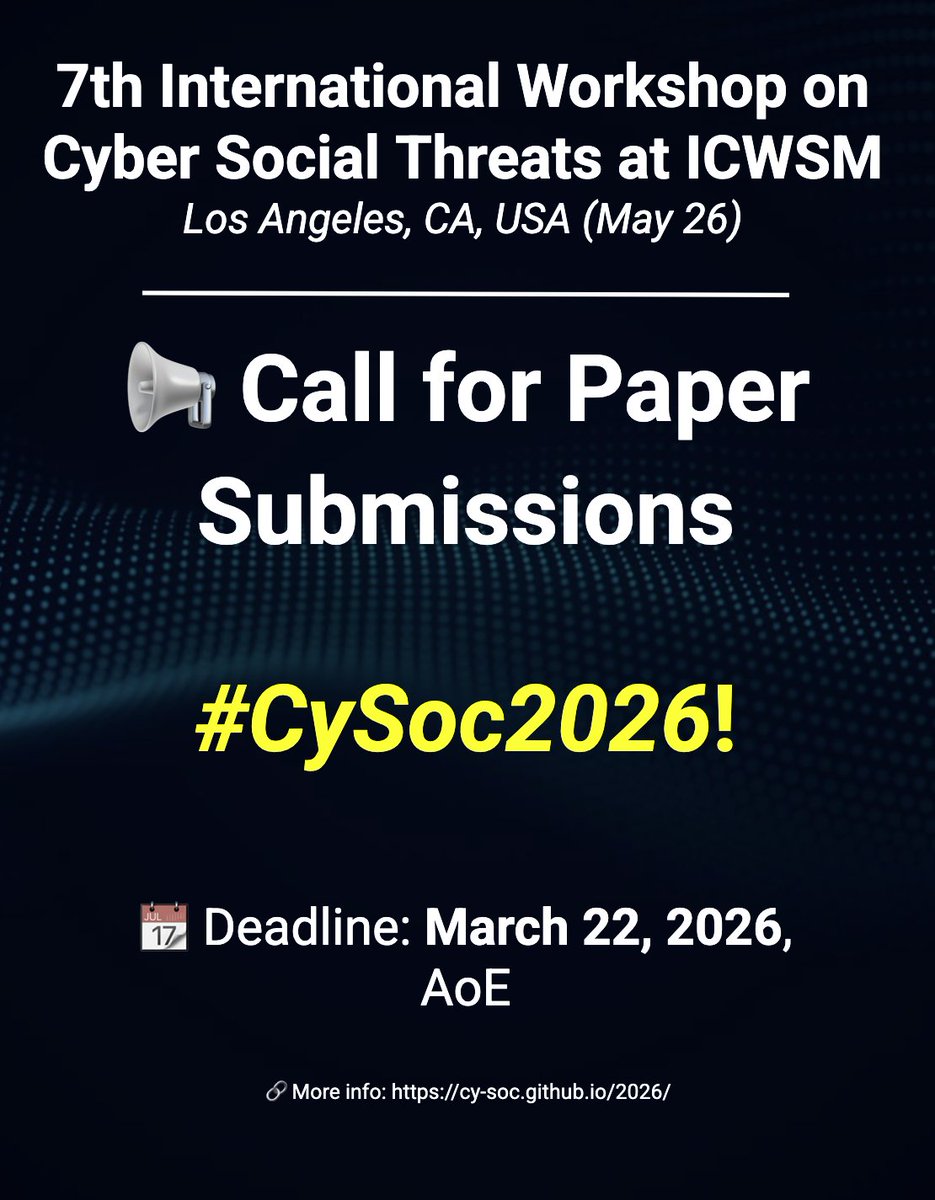

Important discussions today at #CySoc2026 around one of the most rapidly evolving questions in AI and society: Human–AI Relationships: Risks, Rewards, and Responsibilities.
Our panel session explored how AI companions and conversational agents are beginning to shape emotional support, trust, vulnerability, well-being, and online interactions, along with the societal and ethical challenges that emerge with them.
Very much thanks to our panelists and attendees for the productive and fruitful and interdisciplinary discussions.
#ICWSM2026#AIandSociety#HumanAI#SocialComputing#GenerativeAI@angelhwang6@zhangyt0704@gvrkiran@icwsm
🏆 Thrilled to share that our position paper received the Best Paper Award at the PoliSim Workshop at #CHI2026 🎉
📄"From Plausible to Causal: Counterfactual Semantics for Policy Evaluation in Simulated Online Communities" : arxiv.org/pdf/2604.03920
🤔We ask a simple but important question:
When can an LLM-based social simulation support causal claims about interventions, rather than just produce plausible-looking behavior?
In the paper, we argue that simulation-based policy evaluation for online communities needs to move beyond 𝘱𝘭𝘢𝘶𝘴𝘪𝘣𝘪𝘭𝘪𝘵𝘺 and adopt an explicit counterfactual causal framework.
🔑The key idea is that different downstream applications such as governance, policy design, and decision support require different kinds of causal evidence:
- Was a factor 𝘯𝘦𝘤𝘦𝘴𝘴𝘢𝘳𝘺 for an outcome?
- Would an intervention be 𝘴𝘶𝘧𝘧𝘪𝘤𝘪𝘦𝘯𝘵 to reliably change it?
This position paper reflects a direction I’m very excited about: bringing stronger causal thinking into AI-based social simulation for social computing and online communities.
Grateful to my co-author @yian_wang_ui, and my advisors @eshwar_chan and @harisundaram0 for their help!
#CHI2026#PoliSim#LLMSimulations#SocialComputing
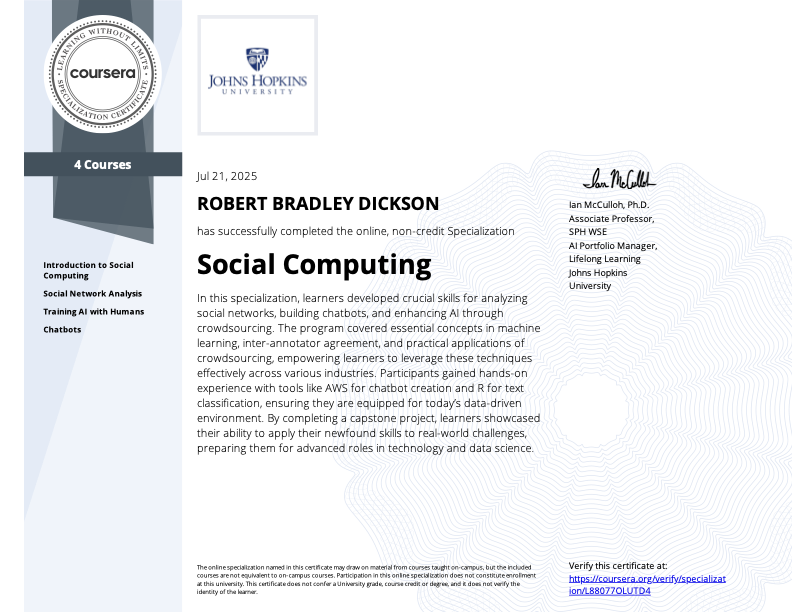
I’m happy to share that I’ve obtained a new certification: Social Computing Specialization from Johns Hopkins University! 🚀 Learned to analyze social media dynamics, apply graph theory, harness crowdsourcing for #AI, and build smarter chatbots. Excited to use these skills to shape innovative learning environments! #SocialComputing#LifelongLearning
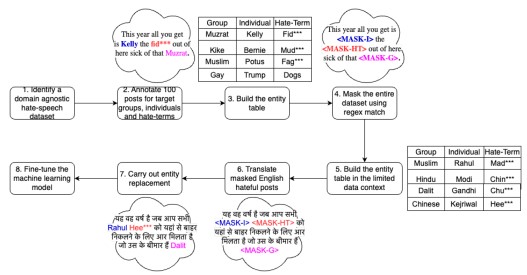
Popular article on JCSS: "Hate Speech Detection in Limited Data Contexts Using Synthetic Data Generation" addresses the problem of lack of data for online hate speech detection in limited data contexts. #socialcomputing#hatespeechbit.ly/4hhGcUI
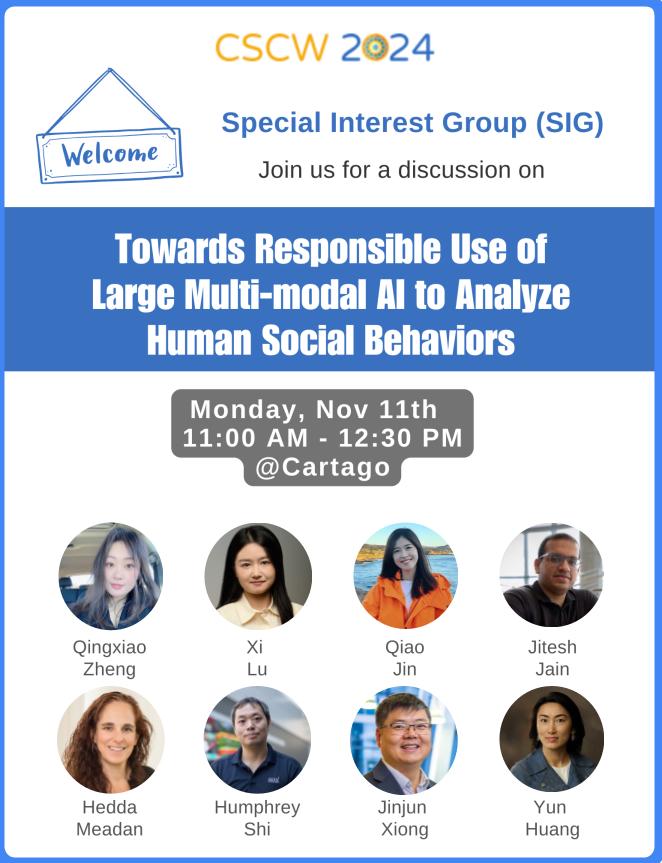
🚀 Excited to be part of the Special Interest Group at #CSCW2024! Join us for a fun discussion on Responsible Use of Large Multi-modal AI to Analyze Human Social Behaviors 🧠🤖
🗓️ Monday, Nov 11th 🕚 11:00 AM - 12:30 PM 📍 Costa Rica Convention Center, Room Cartago
Let’s explore how AI can responsibly shape our understanding of social interactions. See you there! #AI#HCI#SocialComputing
🎉 Exciting News! I'm currently recruiting Ph.D. students at ASU for funded graduate research assistant (GRA) positions for the Fall 2025 semester. If you're passionate about #ResponsibleAI, #SocialComputing, & #OnlineSafety please apply. I'll be at @HFES#ASPIRE, #AIES, #CSCW
I’m recruiting PhD students @LifeAtPurdue for Fall 2025! If you're passionate about #SocialComputing and want to explore various areas of #OnlineSafety (e.g., exploitation of older adults, child exploitation, or vigilantes), let's connect! Email: tringenb@purdue.edu #PhD#HCI
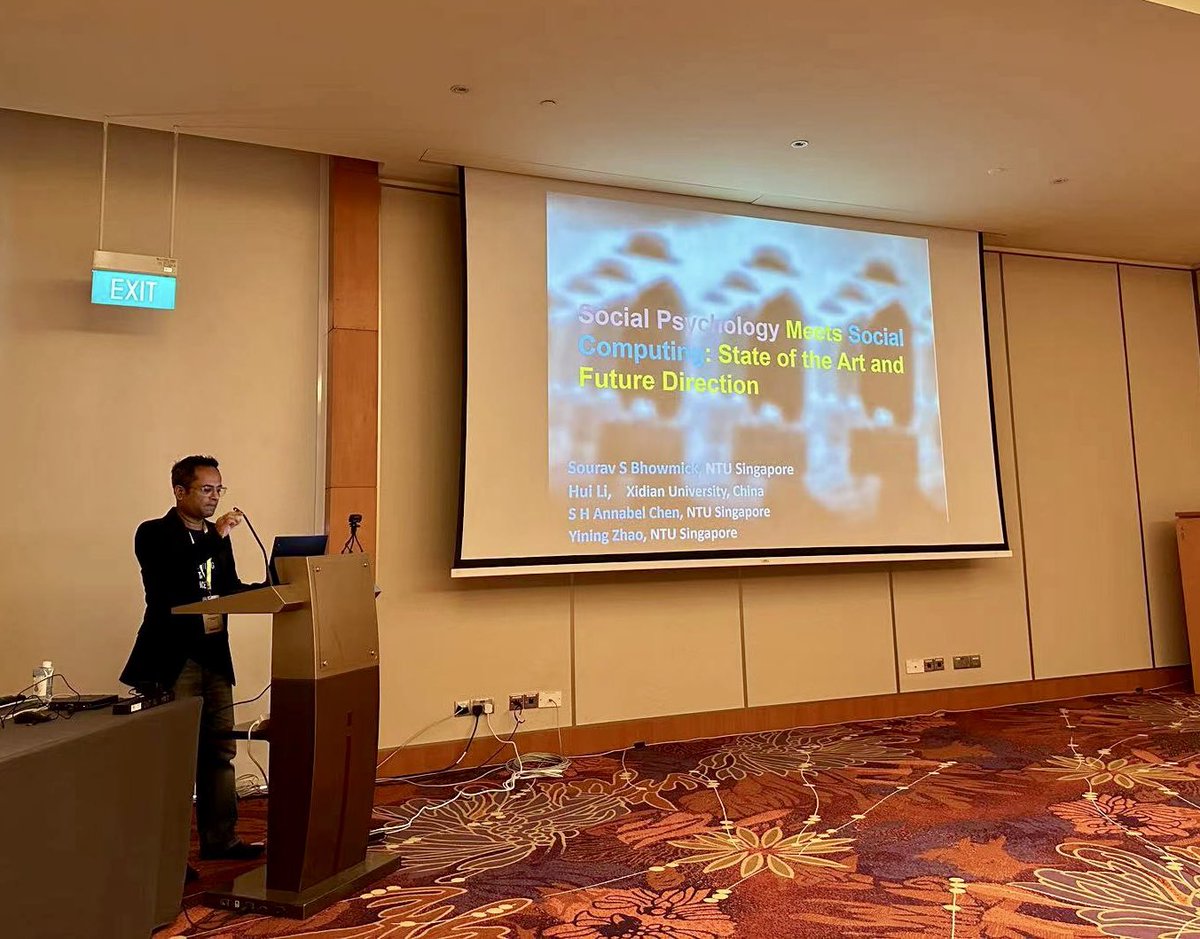
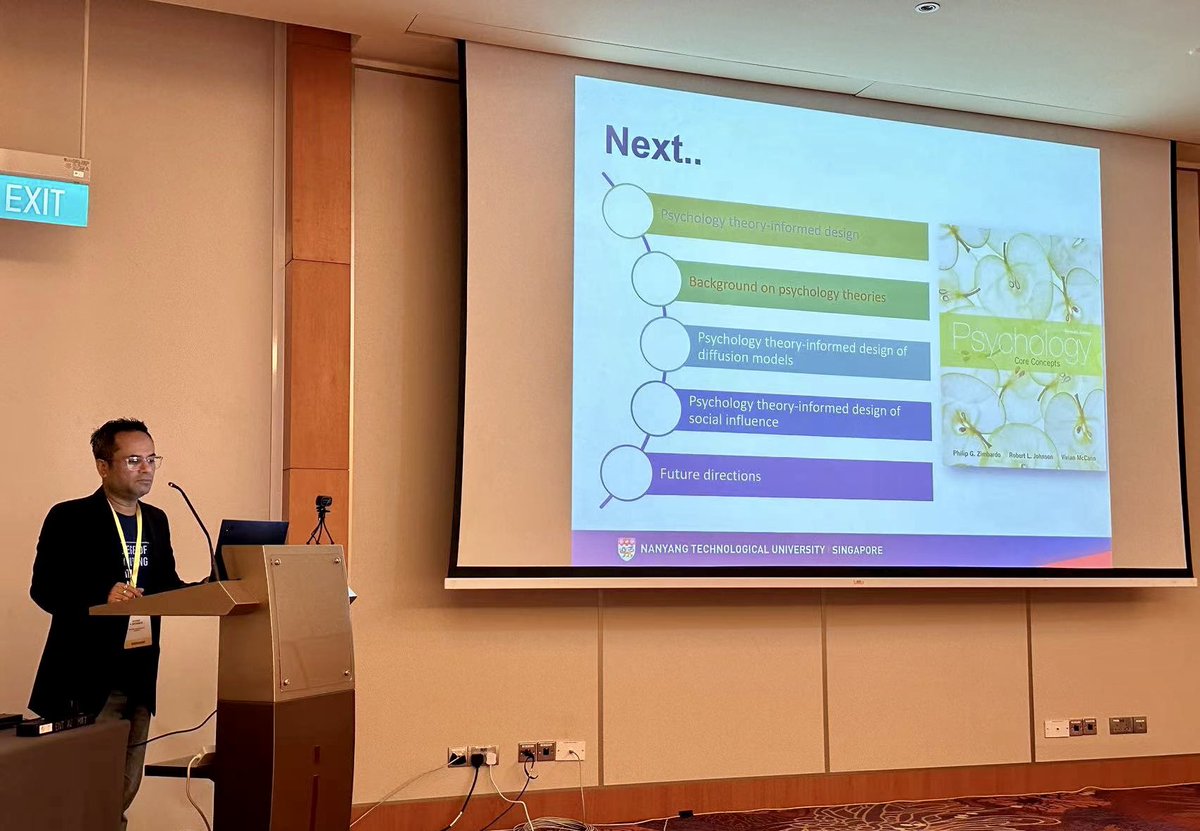
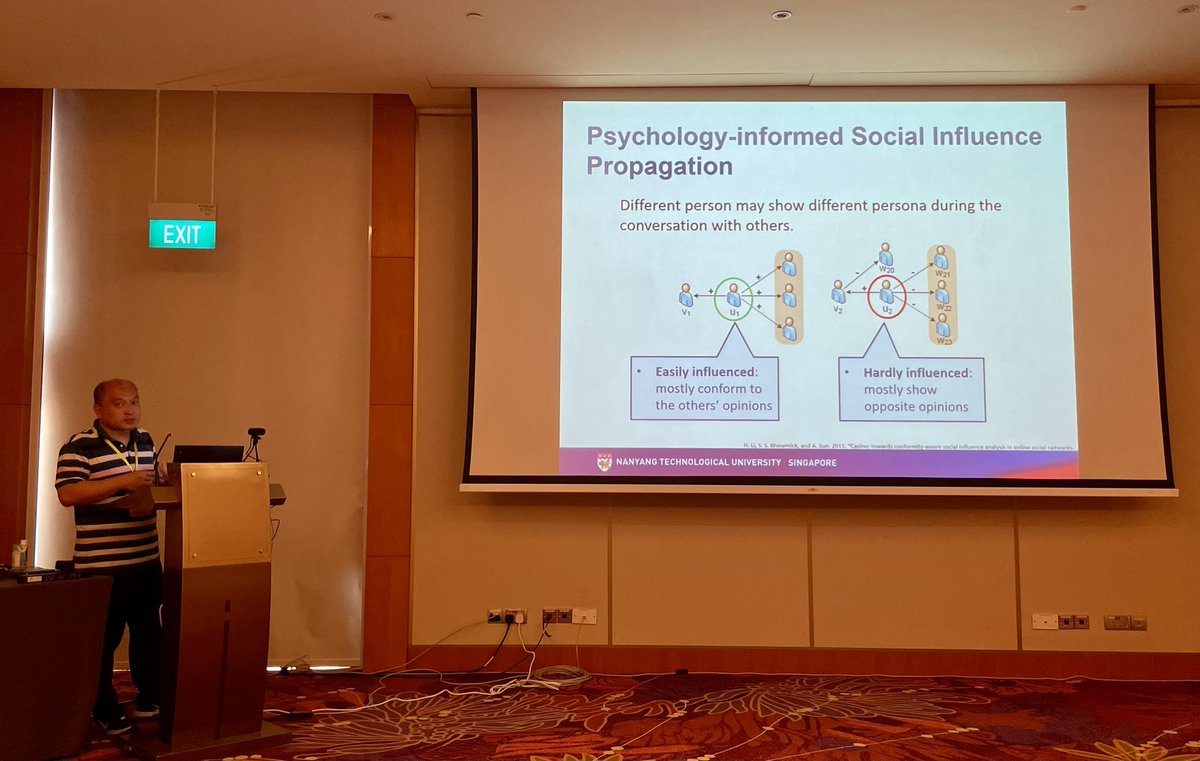
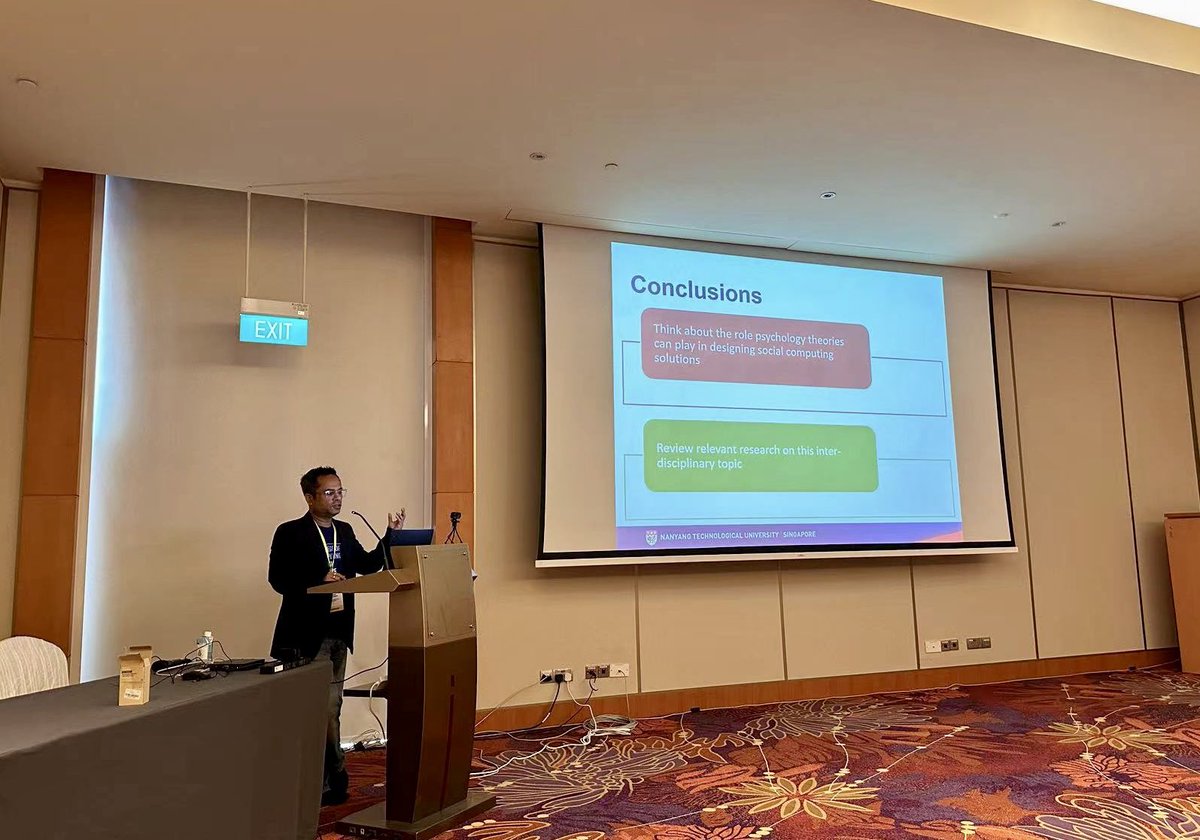
We gave a tutorial on social psychology meets social computing at the Web conference. Something interdisciplinary, underexplored but important. It seems the conf program is full of LLMs .. like many other venues 😜#TheWebConference#singapore#psychology#socialcomputing
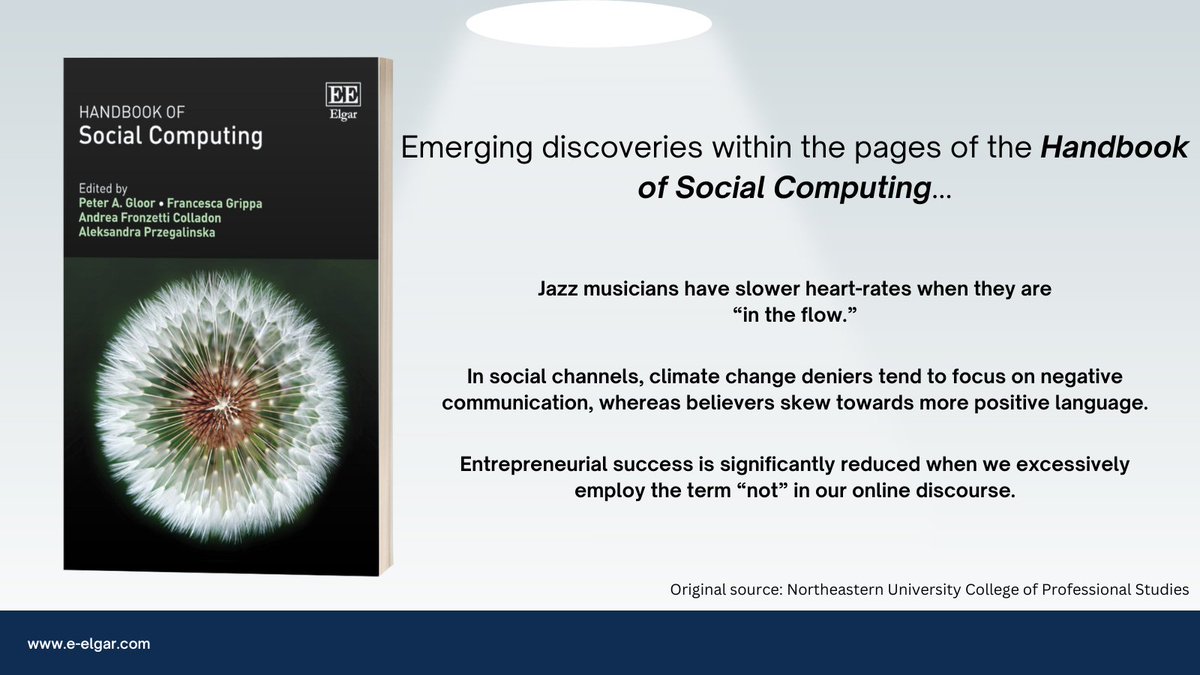
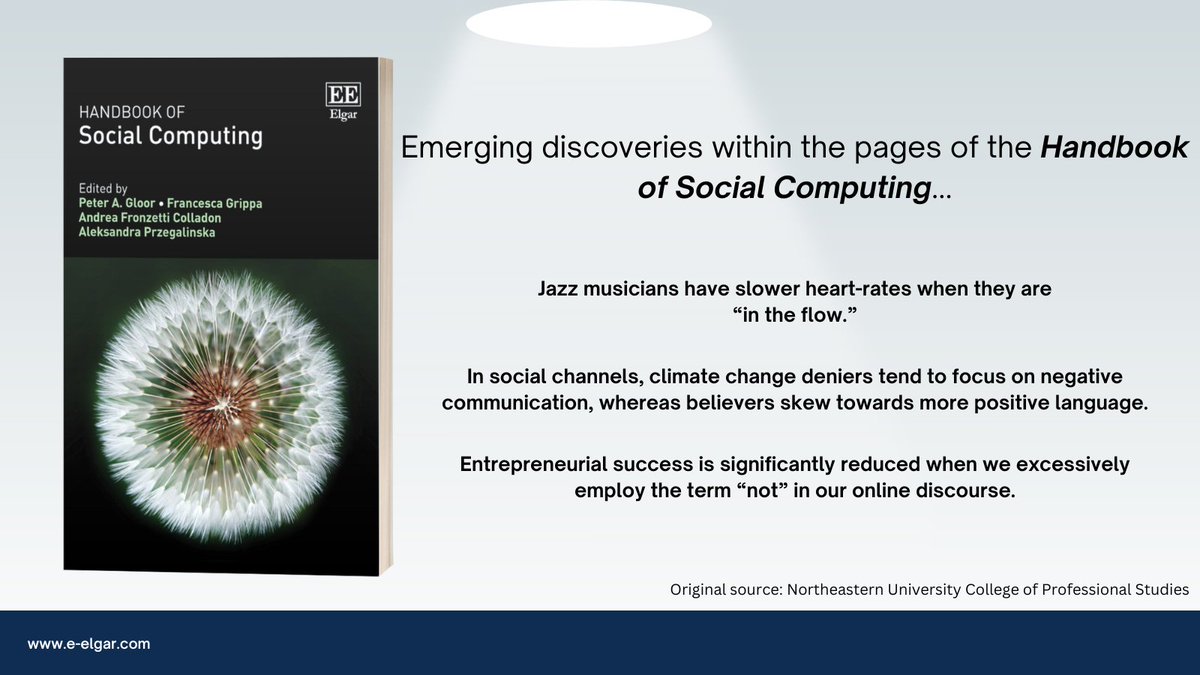
ALT Emerging discoveries within the pages of the Handbook of Social Computing...
Jazz musicians have slower heart-rates when they are “in the flow.”
In social channels, climate change deniers tend to focus on negative communication, whereas believers skew towards more positive language.
Entrepreneurial success is significantly reduced when we excessively employ the term “not” in our online discourse.
Featuring the book's front cover.
ALT Emerging discoveries within the pages of the Handbook of Social Computing...
Jazz musicians have slower heart-rates when they are “in the flow.”
In social channels, climate change deniers tend to focus on negative communication, whereas believers skew towards more positive language.
Entrepreneurial success is significantly reduced when we excessively employ the term “not” in our online discourse.
Featuring the book's front cover.