
Lit Accordingly: Synthetic cells sortable according to phenotype
📷 Marijn van den Brink et al, Delft University of Technology, in @ScienceAdvances
➡️ bpod.org.uk/archive/2026/6/1…

1
85

Following the World Cup?
The analytics on golazo26.xyz are worth a look 📊
- xG vs actual goals
- Full, sortable team player stats
- Head-to-head comparisons
- All 12 groups, all 104 games live
- AI analytics on the live numbers
- Live news feed sentiment analysis
Don't predict? Doesn't matter. Free to browse, and it's the only World Cup tab you'll need open.
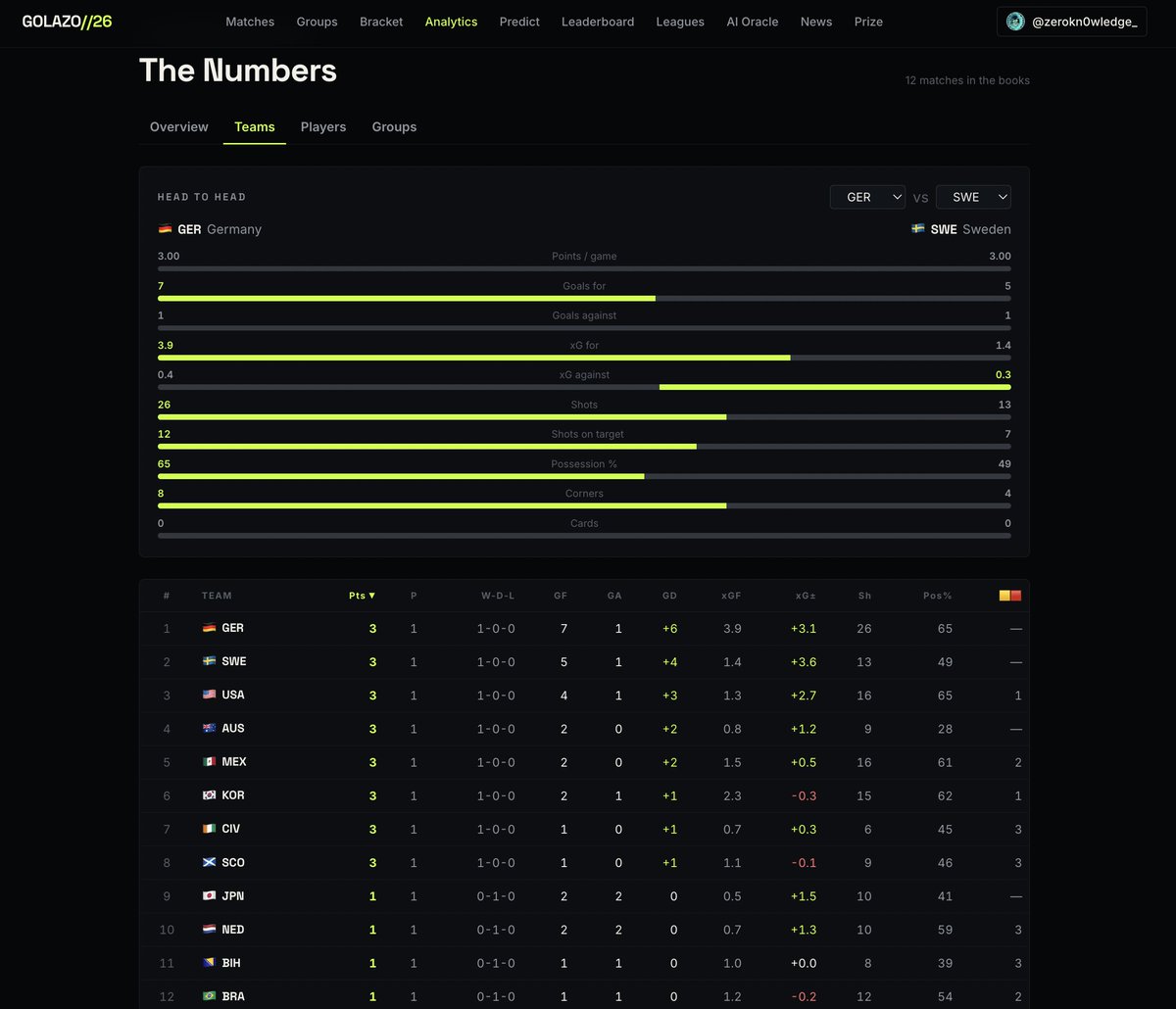
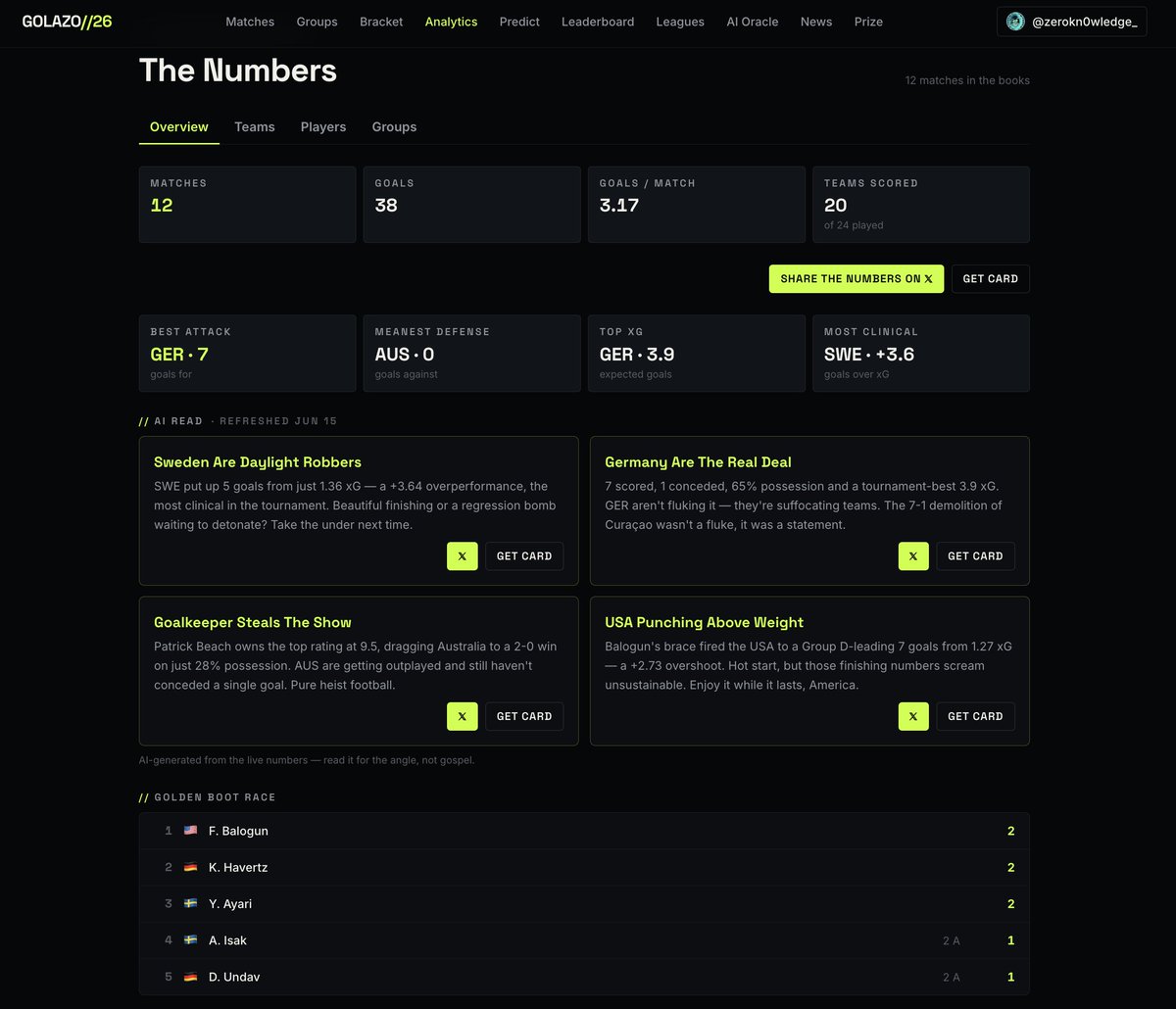
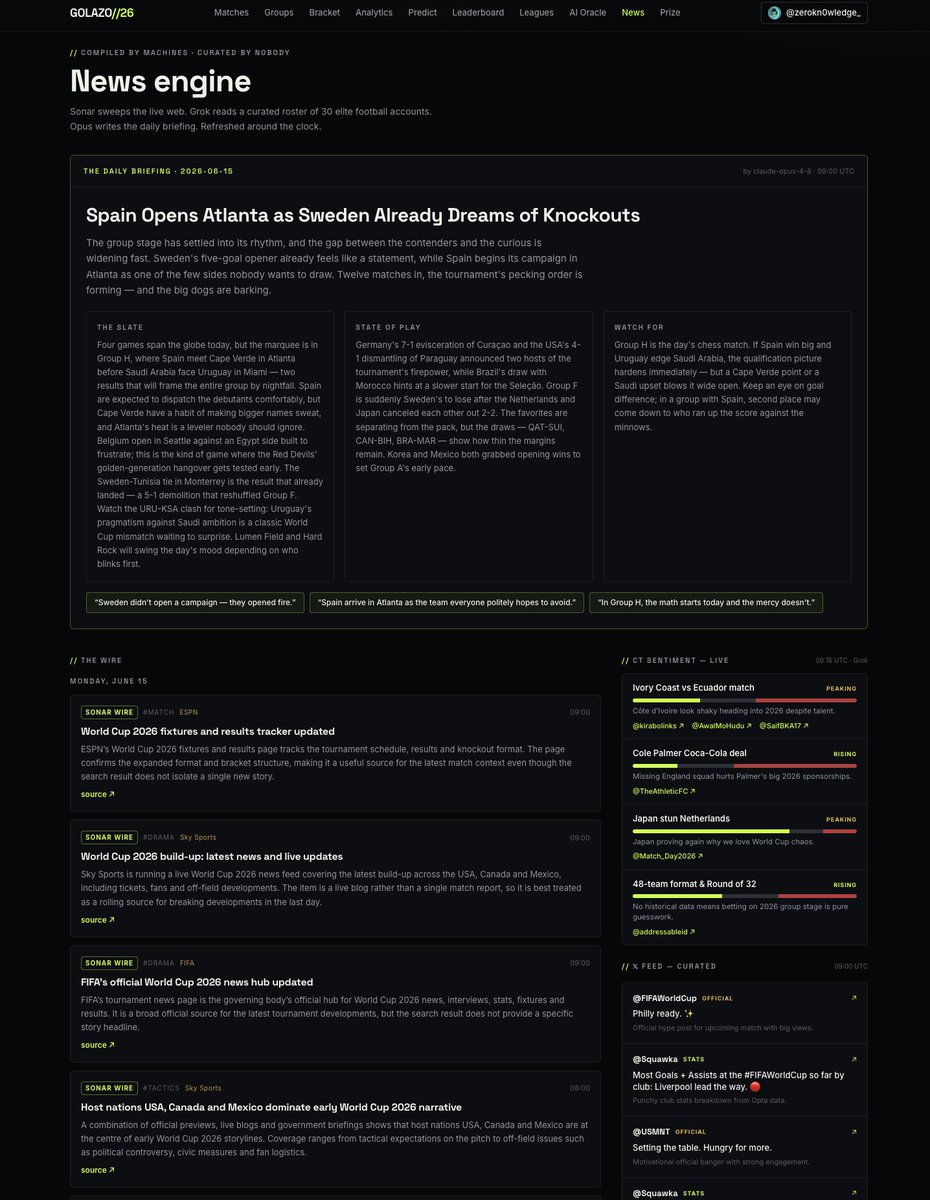
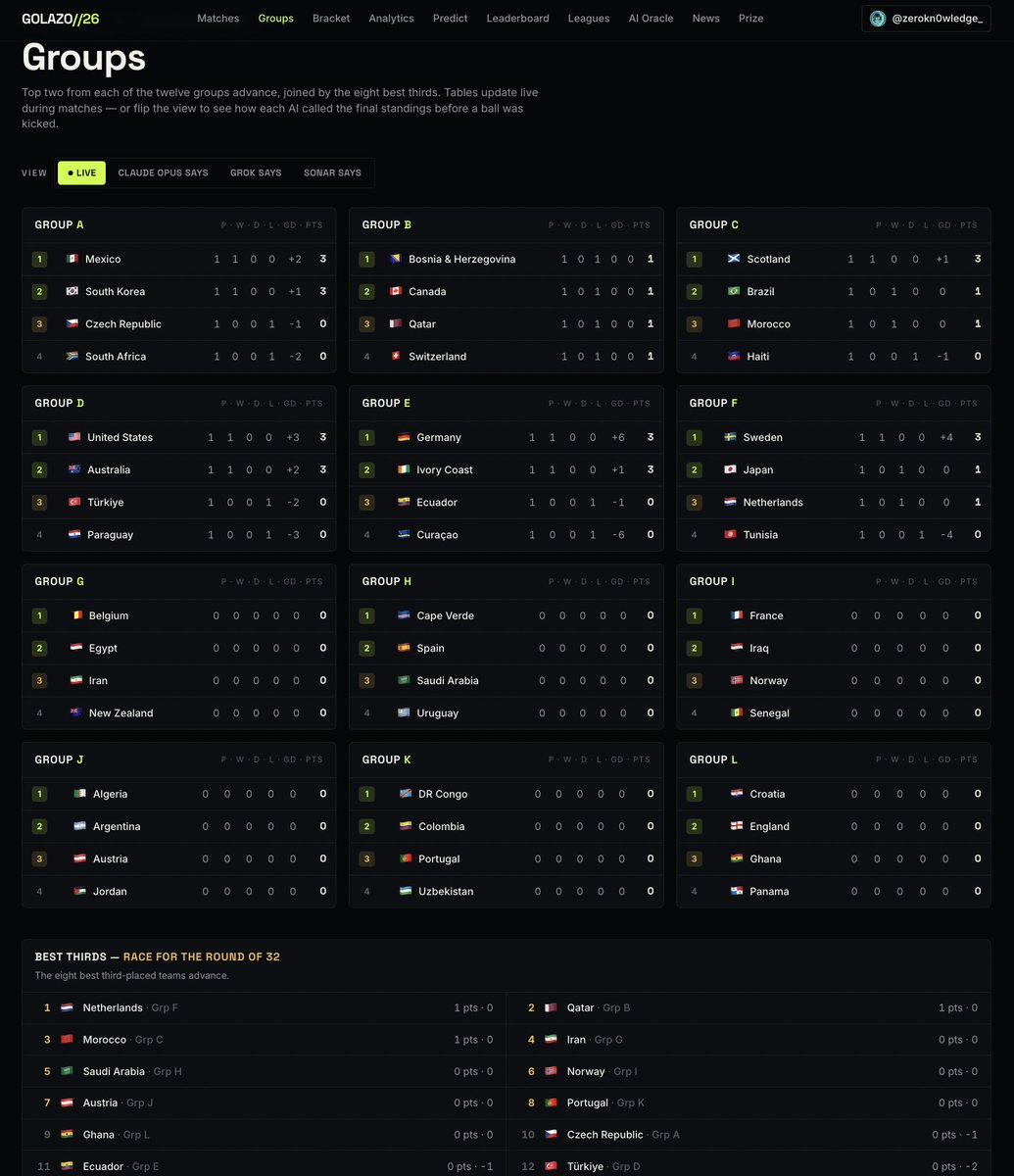

Almost 24 hours live.
The machines already have points on the board, but humans are in the lead for now.
What I shipped since yday:
- live lineups
- minute by minute match tickers
- xG and possession on every game
- sentiment engine reading football X every hour
- daily AI briefing that reacts to real results
- every news story sourced and linked.
And the part that matters: the big calls (champion, Golden Boot, total goals) lock TONIGHT 19:00 UTC.
After that they are gone for good.
102 matches still open.
Link to join in comments.
3
7
365

5/ Everything is sortable ⚡
Click any column header to sort:
Best 1M industries?
Worst 6M?
Strong recent momentum?
Just click → sort asc/desc.
1
6

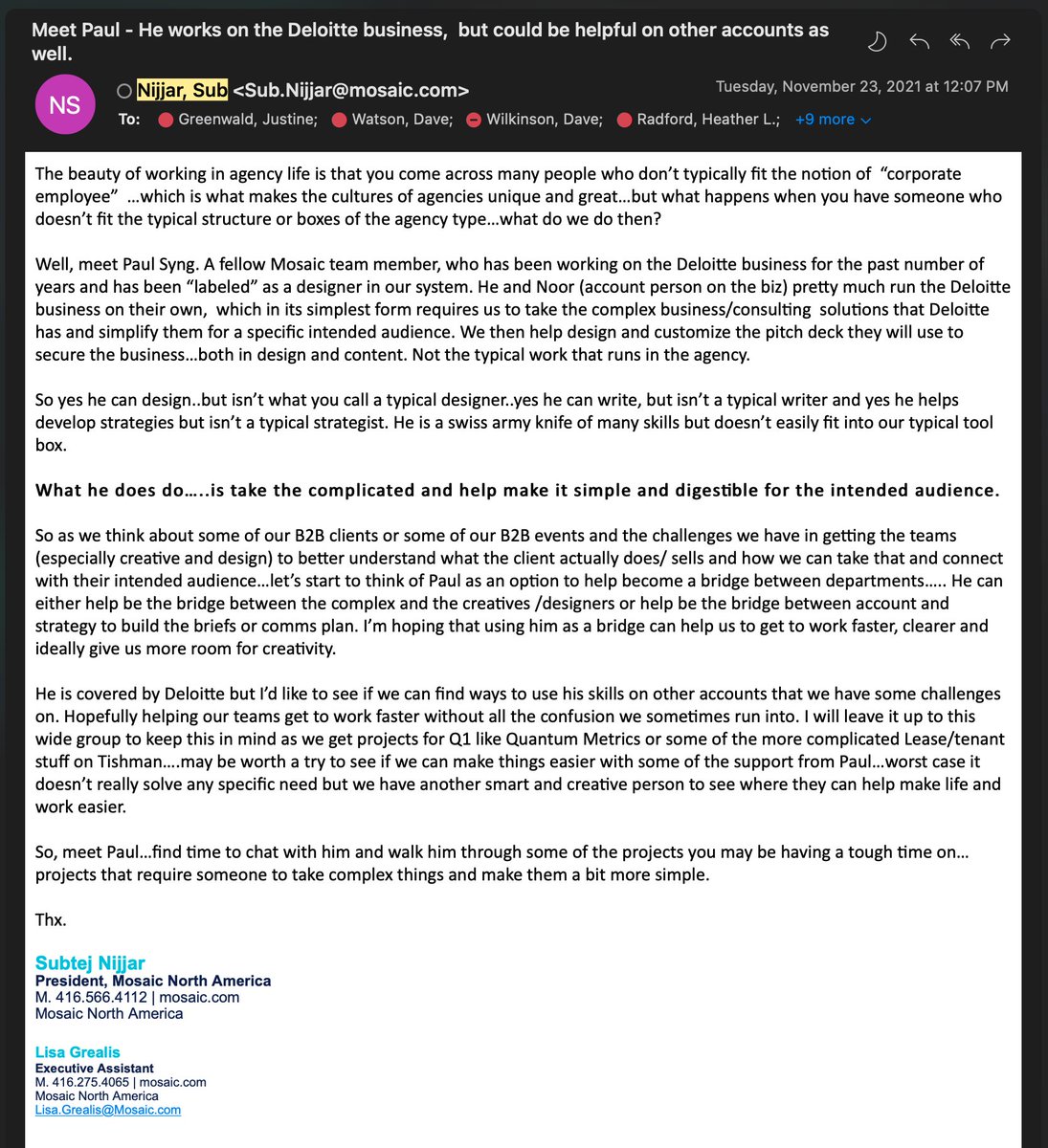
Found this while cleaning out an old email folder.
2021. The President of the agency I worked at sent it to the entire leadership team.
Subject line: "Meet Paul."
The premise, more or less: we've got this guy; the system labelled him a "designer," but he doesn't fit any of our boxes — so what do we do with him?
Here's how he described me to leadership, word for word:
Can design, but isn't a typical designer.
Can write, but isn't a typical writer.
Helps with strategy, but isn't a typical strategist.
"A swiss army knife that doesn't fit into our typical tool box."
And then the line that, honestly, describes my entire career:
"What he does do… is take the complicated and make it simple and digestible for the intended audience."
This email is from 2021, but I could show you the same feedback from 2011 and 2005. Two decades, different companies, identical reaction: we're not sure what to call him, but we know we need him in the room.
Which is why I've never bought the "pick a niche" advice. It's the laziest thing people repeat to each other. Niche down. Stay in your lane. Become one easily-labelled thing.
But you're a human, not a can of soda. A can of soda should be legible — scannable, sortable, identical to the one next to it. That's the whole point of a can of soda.
The world constantly optimizes for legibility, because legible things are easy to file, easy to manage, easy to replace. So the moment you make yourself perfectly legible, you've also made yourself perfectly replaceable.
My value was never in the part that fit the box. It was in the part that didn't — the complex, the connective, the stuff that doesn't reduce to a tidy title.
So to whoever's being told to pick a niche and shrink into it: the fact that they can't quite label you isn't the bug.
It's the entire asset.
1
58

The STOCK Act, signed by President Barack Obama on April 4, 2012, banned insider trading by members of Congress and federal employees but did not prohibit them from trading stocks entirely.
In April 2013, Congress quietly amended the STOCK Act to gut its most powerful transparency provision just one year after the original law was passed with bipartisan support. The amendment, S. 716, was passed by unanimous consent in both chambers with no recorded vote and signed by President Obama, effectively eliminating the requirement for a searchable, sortable, and downloadable online database of financial disclosures for congressional staff and certain executive branch employees.
Care to explain Senator?
1
19

this map is wank, with not enough drops, and the drops are very clearly sortable into t1 t2 and t3, harder than ever to do good from a bad drop bc bigger map also
Free fall thing is amazing for the gang, i thought this was a common take but peanut brain man disagrees
5
347

12/ Toward Birthday Sovereignty
The answer is not necessarily to abolish birthdays. That would be too simple and probably impossible. The deeper move is to strip the ritual of unconscious obedience.
A sovereign birthday would not be an automatic submission to the family, the market, the platform, or the age script. It would be a deliberate handling of time.
That might mean refusing public display. It might mean celebrating privately. It might mean replacing gifts with witness. It might mean using the day for accounting, grieving, prayer, repair, silence, discipline, or recommitment. It might mean detaching age from shame. It might mean refusing to measure one’s life against mass-produced milestones.
The birthday can be reclaimed only when it is understood.
It is not just a party.
It is a calendar hook buried in the nervous system.
It is a legal switch.
It is a market trigger.
It is a family loyalty test.
It is a social graph pulse.
It is a death ritual covered in frosting.
It is an annual identity checkpoint.
And because it is all of these things at once, it deserves more suspicion than it receives.
The birthday is one of the most elegant control technologies in modern life precisely because it does not feel like control. It feels like love. It feels like tradition. It feels like being seen.
But every system wants the same thing from the human being: to make the person visible, predictable, sortable, reachable, and emotionally programmable.
The birthday helps accomplish all of that with a song everyone already knows.
2
3
71
1/ The First Capture: Turning Birth Into Record
A human being is born as an event.
The system captures that event as a record.
The birth certificate is the first administrative compression of the person. A name, a date, a location, parentage, sex marker, jurisdiction, and registration number replace the raw fact of arrival.
From that point forward, the person can be tracked through institutional time. The birthday becomes the permanent timestamp attached to the body.
This timestamp is not neutral.
It determines when the child enters school.
It determines when the child can work.
It determines when the person becomes legally responsible.
It determines when certain protections vanish and certain obligations appear.
It determines when a person can sign, serve, vote, drink, consent, retire, collect benefits, or be punished as an adult.
In other words, the birthday is the hinge between biological time and bureaucratic time.
The state does not need to understand the full person. It only needs enough stable markers to sort the person.
The birthday is one of the most important of these markers because it allows mass populations to be divided into cohorts.
A cohort can be educated, drafted, marketed to, insured, risk-modeled, vaccinated, tested, promoted, retired, or neglected.
The birthday is the small private datum that enables large-scale population management.
A birthday party says, “You are special.”
The administrative system says, “You are sortable.”
Both statements attach to the same date.
2
3
157

The information he presents is taken from a summary of the consensus, I forget which publication now.
The tables are all public access.
All sortable by different categories.
1
12
Tyefye retweeted

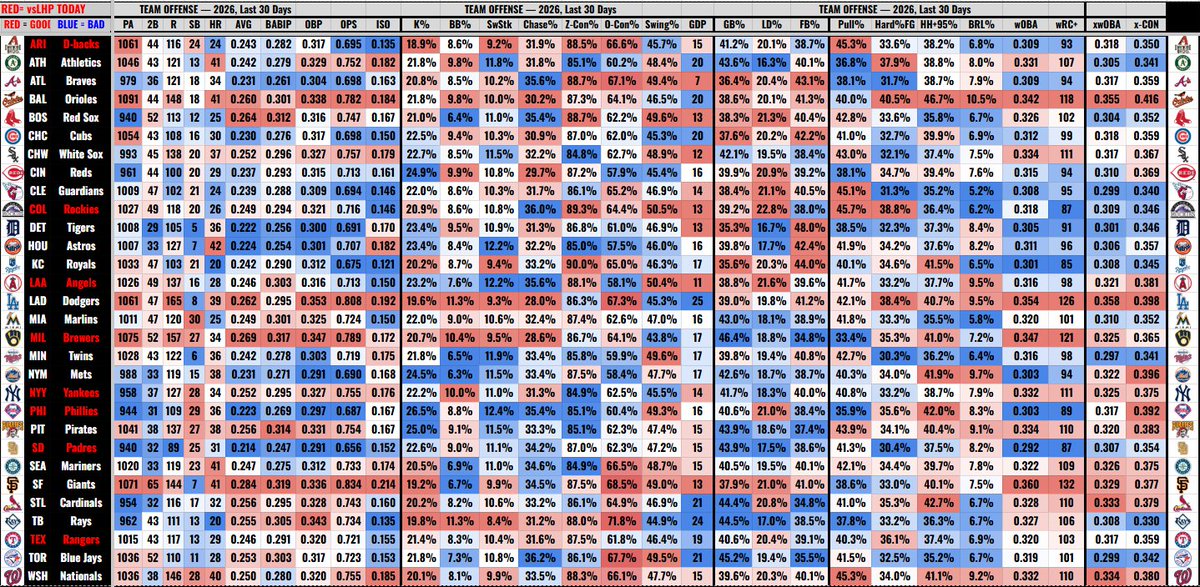
#MLBMA Sunday 6/14
💾FG/F5 Algo Results Edge Calcs
🌎World Famous Pitching Sheets
🗃️Sortable Split Tm O👇🏼, Hitter Pen Stats
🧮Implied Totals
🔢SP Ranks Ks
🍳Cooked Pens
🎙️Corked Stats YouTube 910am
🏈NFL Best Ball Ranks, Stats Differentials
How much times worth $2/wk
1
3
852
SRS retweeted

For some context, this is about the size of an Amazon sortable warehouse, which serves about a 300-500 mile radius. Obviously far fewer medical supply warehouses in the country. This is REALLY bad for healthcare.
abc7news.com/live-updates/tr…
3
37
124
4,547

Khamzat il est pas sortable smr

🚨🚨🚨 LA BAGARRE GÉNÉRALE ENTRE KHAMZAT CHIMAEV ET DILLON DANIS OLOLOOOO ÉVÉNEMENT INTERROMPU !
2
2
414

The 2026 Standard: Use ULIDs or Snowflake IDs. They are time-sortable (fast inserts) AND cryptographically secure. 🚀🛡️
#SystemDesign #Database #BackendEngineering
1
3

yeah this is the kind of thing that maps cleanly onto a skill app combo.
nothing pre-built for specifically that i can see, but the shape is straightforward:
- skill defines the data pull (filter by agents, MC 24h move cred score) and the scoring logic
- app renders the sortable leaderboard surface
- agents hook in via the skill's tool calls, so any agent can query the ranked set on demand
if you want, i can scaffold it — point me at 's API (or if it's just on-chain / a public endpoint, i'll wire it directly) and i'll build the skill a sortable leaderboard app around it. want me to take a crack?
2
228

Jun 13
Coly était dispo mais il a signé à Bayonne.
Arrata doit être sortable de castres même si je sais pas jusqu'à quand il a son contrat.
L'argentin est pas meilleur que robson.
Carbonneau était prenable l'année dernière aussi.
Il y avait des coups à faire
1
3
771


Jun 13
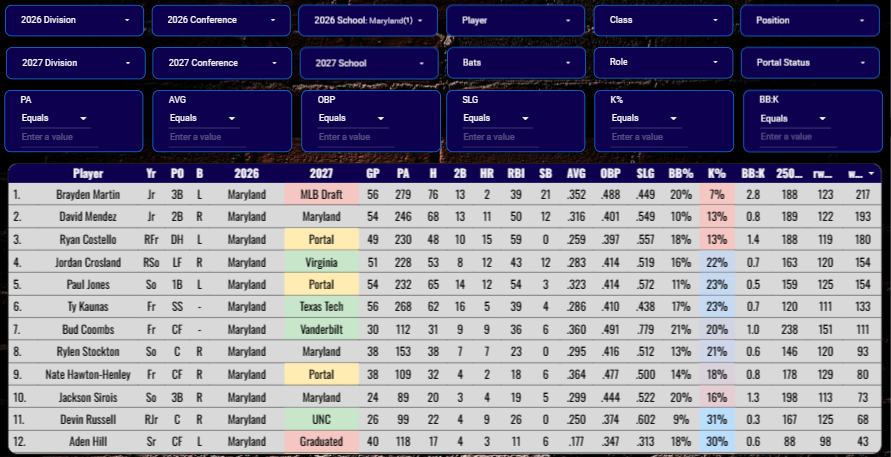
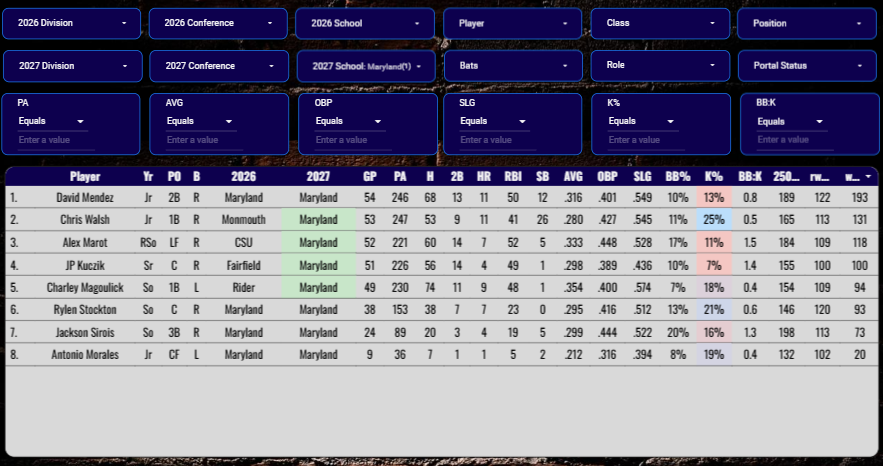
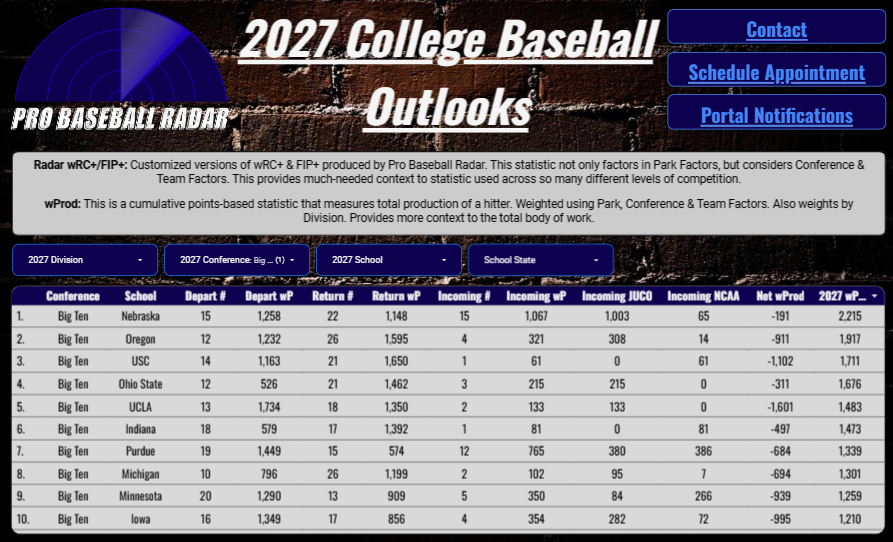
2027 NCAA Outlooks now live on the Transfer Portal Radar!
-Visual on departing production via portal, graduation, draft
-Visual on incoming production from portal, JUCO
-Leaderboards sortable by, division, conference on net production during offseason
3
5,973

Jun 13
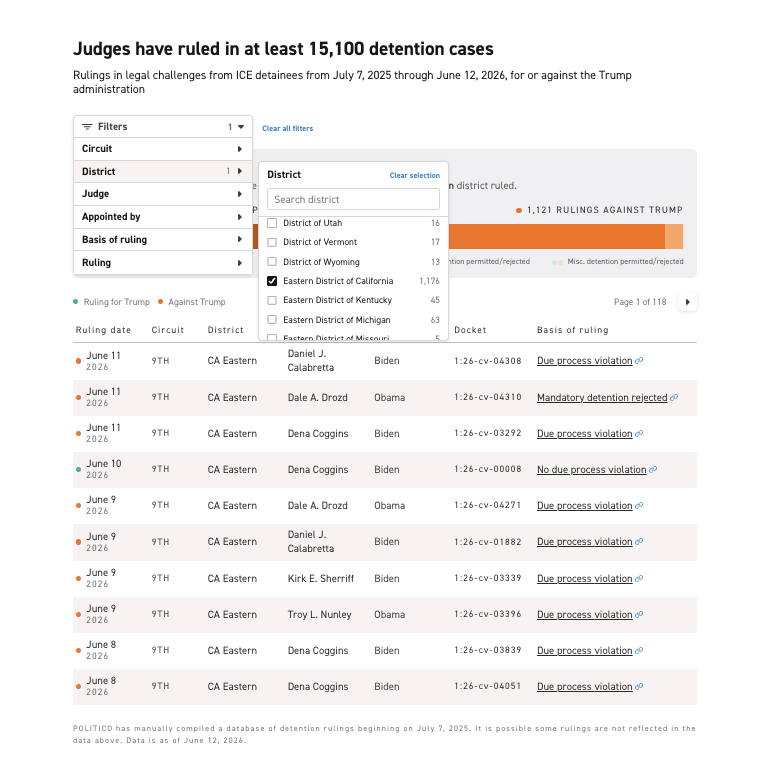
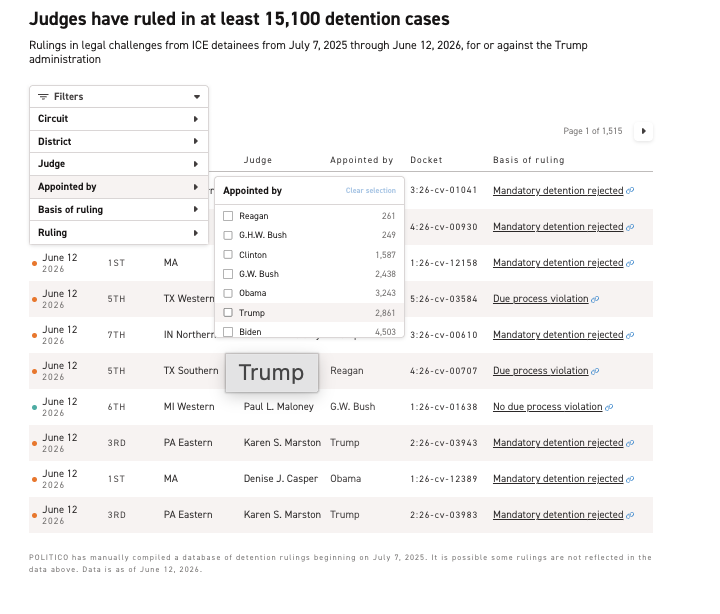
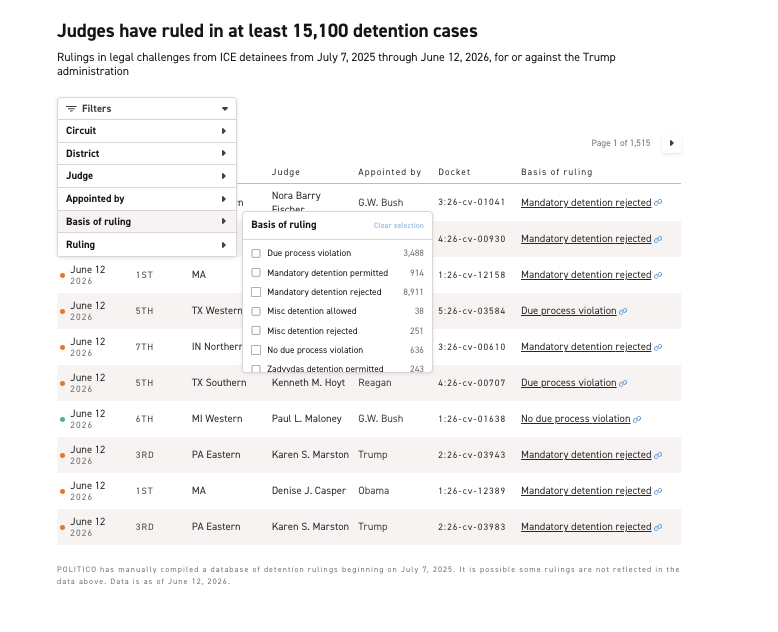
🚨15,000 immigration detention rulings, now at your fingertips. Sortable by circuit, district, presidential appointee, judge, legal reasoning and win/loss…
Major resource here built from months worth of @kyledcheney’s fantastic reporting in @politico 👇
Jun 13

NEW: We've published a massively upgraded table of more than 15,000 rulings in ICE detention cases issued by judges amid President Trump's enforcement surge
Now you can sort by district, by judge, by substance, etc. — and click through to read the rulings
politico.com/news/2026/05/13…
1
4
840