
17 Jul 2025
Being “Biopsychosocial” Isn’t Just About Checking the Right Boxes
You hand out the STarTBack or Orebro questionnaire.
You spot some yellow flags.
You nod. You understand.
You deliver a polished pain neuroscience education talk—maybe even with a metaphor or two.
And then… it’s back to regularly scheduled programming.
But here’s the thing:
Identifying psychosocial factors isn’t the same as addressing them.
Reading the map is not the same as walking the terrain.
The hard part isn’t spotting the beliefs, fears, stressors, or stuck points.
The real skill—the one that changes lives—is in helping someone connect the dots and do something with that insight.
That means:
•Holding space for uncertainty and ambivalence
•Facilitating conversations that actually matter
•Helping people construct a story that makes sense of their pain and their path forward
•Teaching them to work with—not around—their lived experience
Biopsychosocial care isn’t a lecture.
It’s a dialogue.
It’s a process.
It’s a partnership.
We don’t need more clinicians who can recite the right slides.
We need more who can sit in the complexity, co-create meaning, and help people take action aligned with what matters most.
If you’re ready to go deeper than the script and build the real skills modern pain care requires, that’s exactly what we’re doing inside Pain Practice OS.
👊 We're starting our first cohort soon with Bronnie Thompson helping me mentor and coach clinicians
✉️ DM me “OS” to get on the waitlist and get early access to registration for our limited cohort
2
261

8 Dec 2024
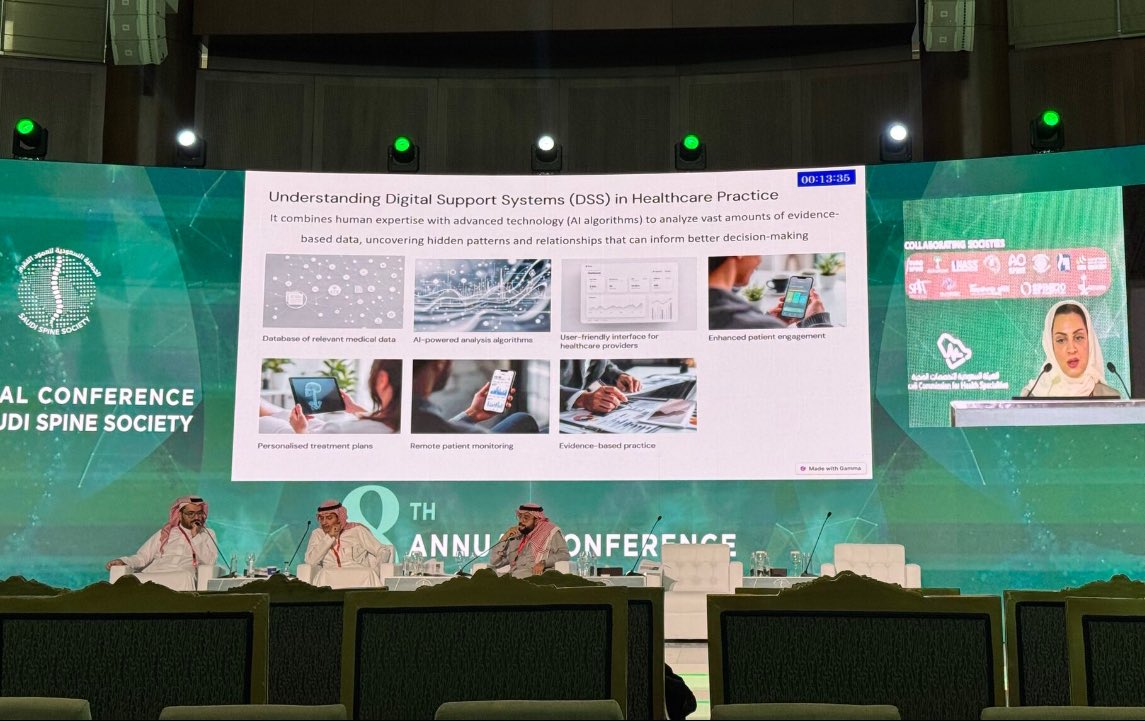
مشاركة الزميلة د. مي الدرع
في المؤتمر السنوي الثامن
للجمعية السعودية للعمود الفقري بالرياض
بعنوان
A Digital Decision Support System (STartBack) for Improved Self-Management of Low Back Pain (SelfBack): A Feasibility Study
@SaudiSpine @maialdera
2
3
1,839

6 Aug 2024
Rather than trying to improve details of approaches to managing low back pain, such as STarT Back, researchers should focus on facilitators or barriers to implementation in different healthcare systems. #STarTBack #LBP @DrJonathanHill #KeeleMSK journals.lww.com/pain/abstra…
1
2
3
615

27 Jun 2024
The STarTBack tool for stratifying low back pain care was originally found to be effective, but subsequent studies have varied results. Could this be because of study level factors? Check out the latest PhD pub from @C_Han_1 to find out... 👀

The STarTBack Tool, a commonly used tool, but not always clearly reported how this tool is implemented. @CGMMaher @MarkHancockPT @Caitlin_Jones_ bmjopen.bmj.com/content/14/6…
4
4
1,042

The STarTBack Tool, a commonly used tool, but not always clearly reported how this tool is implemented. @CGMMaher @MarkHancockPT @Caitlin_Jones_ bmjopen.bmj.com/content/14/6…
10
25
3,106

15 Jun 2024
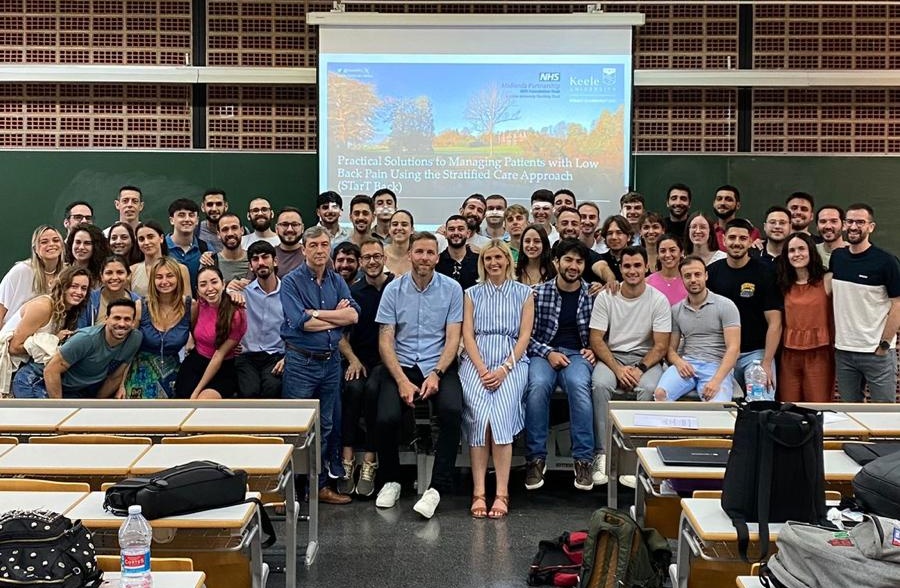
Fin de curso del MÁSTER EN TERAPIA MANUAL: ENFOQUE NEURO-ORTOPÉDICO CLÍNICO de la UV, con la formación STarTBack
😊
4
620
15 Jun 2024
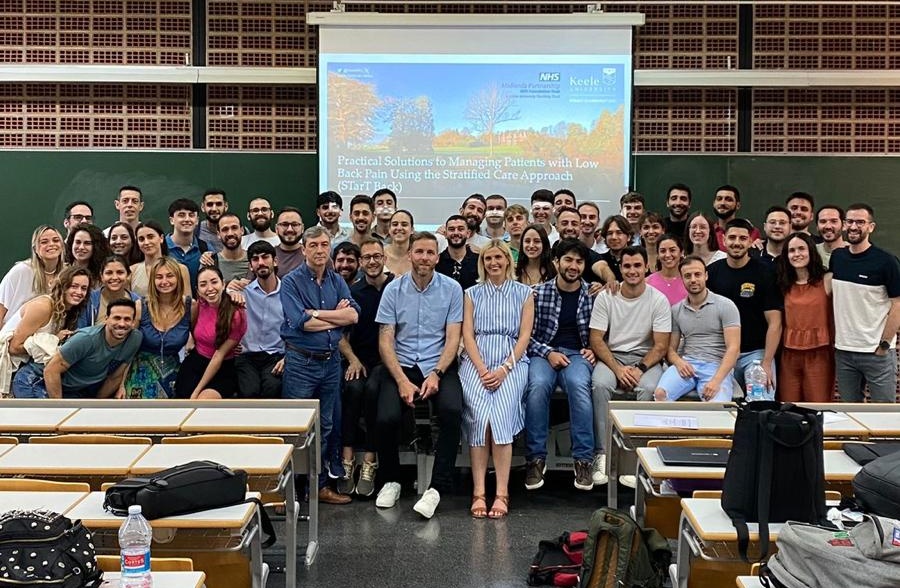
Fin de curso del MÁSTER EN TERAPIA MANUAL: ENFOQUE NEURO-ORTOPÉDICO CLÍNICO de la UV, con la formación STarTBack
😊
1
1
9
1,222

22 Mar 2024
studies is options include a lower 'dose' of something like CFT, including fewer 1:1 sessions, or interventions which might be done at scale such as group and telerehab, or of course options such as startback 'low risk' approach. 2/
1
3
419

18 Feb 2024
Yup, the StartBack Tool has not held up well at all... pubmed.ncbi.nlm.nih.gov/3477…
2
446

24 Sep 2023
Too long for Twitter! I’m guess in relation to startback, original effects were modest and for whatever reasons have not been replicated. So perhaps not the way (great trial though).
2
1
114

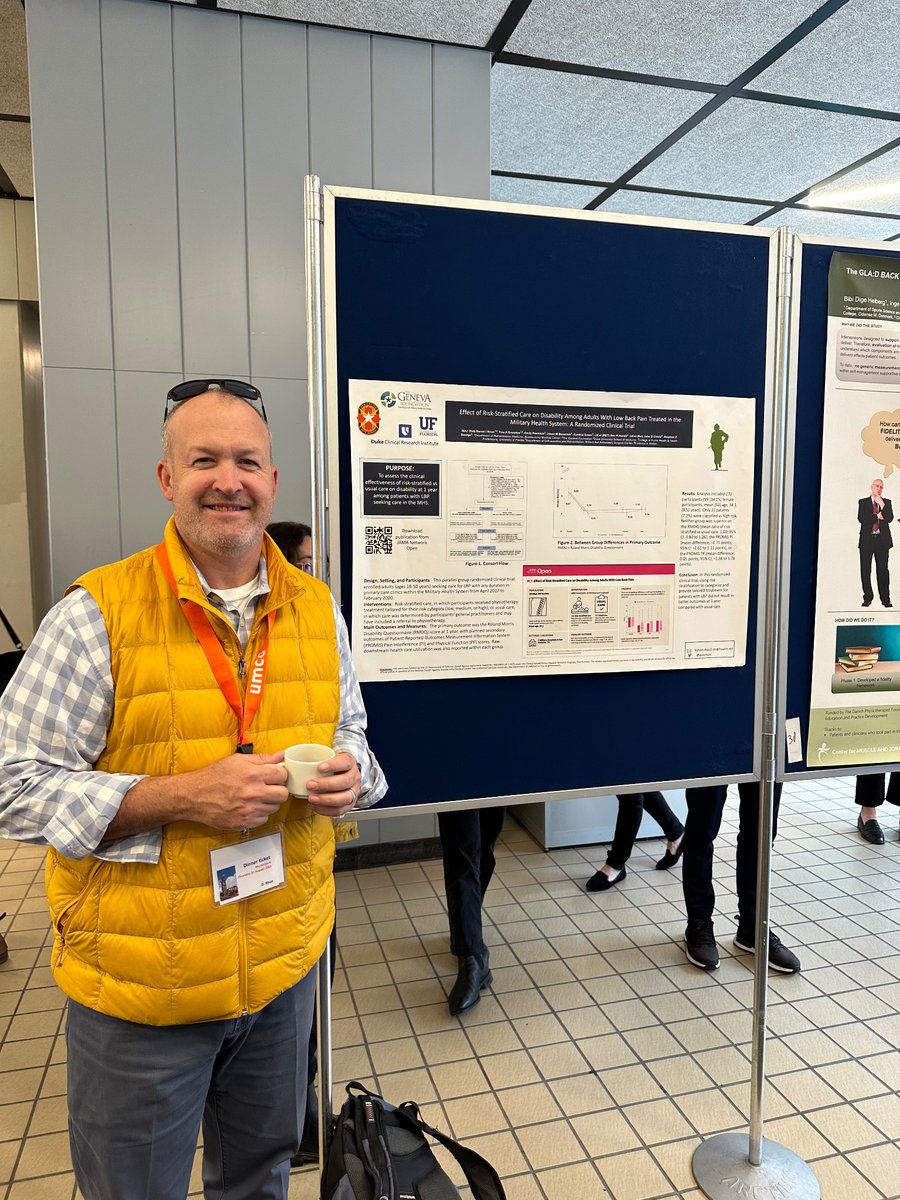
Presenting fundings from our STarTBack Validation trial in the @MilitaryHealth System at the @lbpforum #LBPForum #LBPForum2023 jamanetwork.com/journals/jam…
3
2
45
1,716

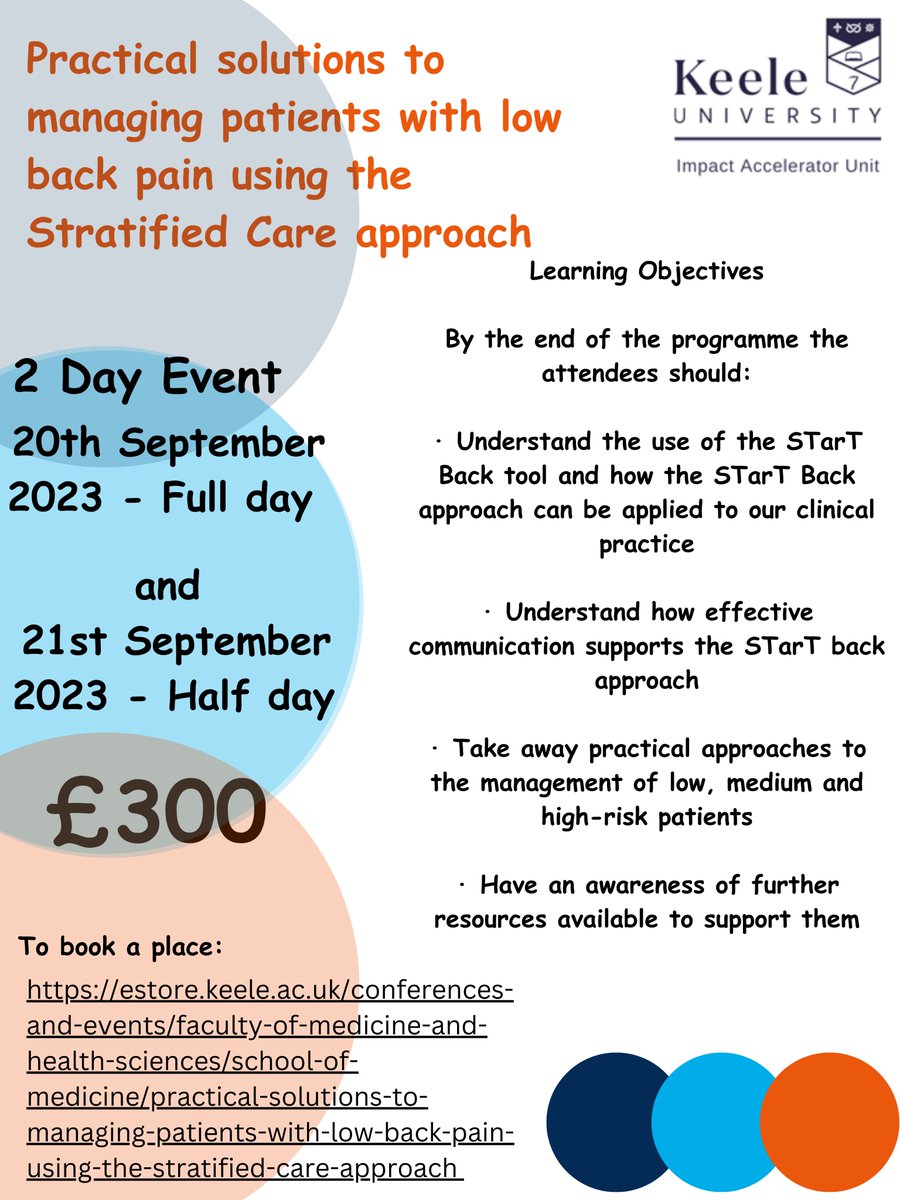
Are you interested in learning about the #STarTBack approach? We are holding a two day event this September. To book a place, visit estore.keele.ac.uk/conferenc…
#stratifiedcare
#keelestartback
#BackPain
4
2
629

3 Aug 2023
Risk Stratification in a Tertiary Care Spine Centre: Comparison Between STarTBack and OSPRO-YF Screening Tools” compares the performance of two tools for predicting the risk of persistent pain or disability in patients with low back pain. linkedin.com/posts/linaelsab…
1
1
3
747
3 Aug 2023
مساء الخير على ال PT العظماء …🙋🏻♀️
تفتكروا (STArTBack tools) قد تكلمنا عنه في تشخيص حالات ألام أسفل الظهر وكيف نقدر نقيس فيه Biopsychosocial جبت لكم article جديد يقارن بين STarTBackو OSPRO-YF وبناء على evidence
1
5
80
11,674

20 Jul 2023
There is a program called StartBack or something like that. It restores a lot of of Windows features and changes a lot of things to be better.
2
433

20 Jul 2023
Follow my photography to page on Ig and twitter @Jefe_Photos
#NikGravesPhotography #StartBack
#JefeBack
4
7
531

8 Jul 2023
Such hope initially that STarTBack could be a game changer. Sadly, as it’s true overall for the diagnosis and treatment of low back pain, no silver bullet here.

This is now 5th trial looking at use of risk-stratified care w STarTBack tool (Keele, MATCH, TARGET, Danish trial & V-START-MHS). 3 countries. 2 randomized at clinic level; 3 at individual level. Only 1 trial found tx effect. Is it the tool or the overall idea?
5
1,068

8 Jul 2023
Think that speaks more about this way of stratifying care than on the role of stratified care to improve outcomes. It's unfortunate that "stratified care" became a synonym for startback in back pain.
1
8
422
This is now 5th trial looking at use of risk-stratified care w STarTBack tool (Keele, MATCH, TARGET, Danish trial & V-START-MHS). 3 countries. 2 randomized at clinic level; 3 at individual level. Only 1 trial found tx effect. Is it the tool or the overall idea?
6 Jul 2023

RCT: Risk-stratified low back pain care using the STarT Back tool resulted similar outcomes vs usual care at 1 year. No apparent benefit to using this particular risk-stratification approach in US @MilitaryHealth ja.ma/43cWDcO
3
7
32
15,830