
AB, 15 Haziran 2026'da Tek Günde Beş Ayrı Yaptırım Paketi Yayımladı 🇪🇺
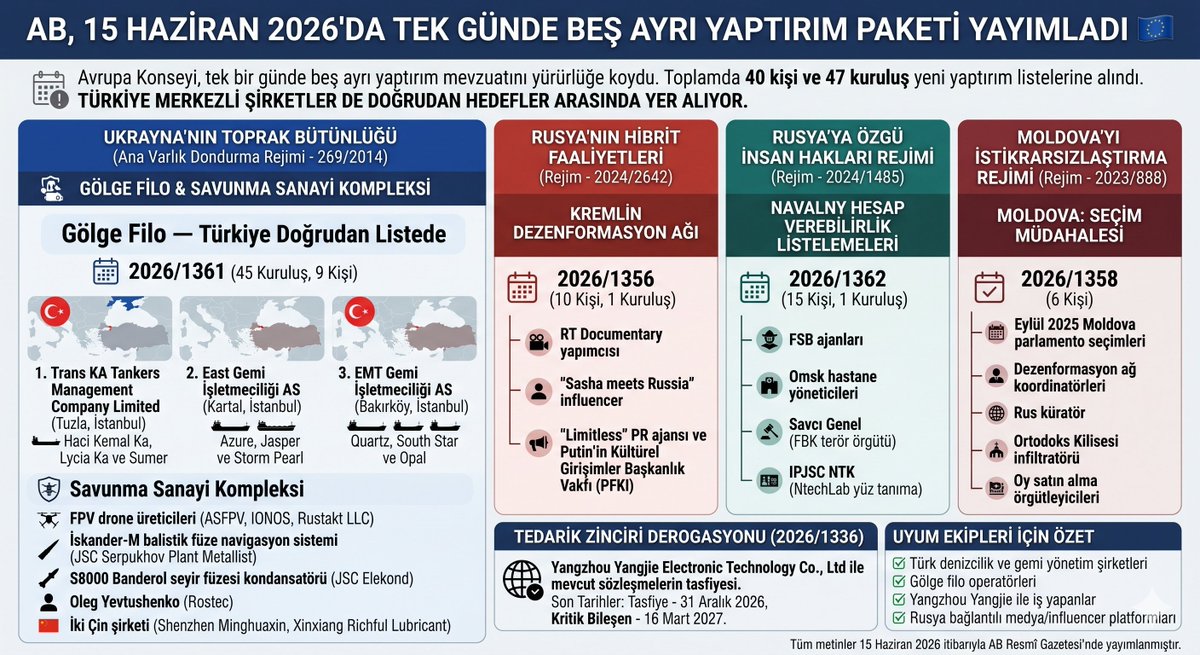
Geçen hafta Avrupa Konseyi, tek bir günde beş ayrı yaptırım mevzuatını yürürlüğe koydu. Toplamda 40 kişi ve 47 kuruluş yeni yaptırım listelerine alındı. Türkiye merkezli şirketler de doğrudan hedefler arasında yer alıyor.
🎯 Hangi rejimler devreye girdi?
Beş düzenleme dört farklı yaptırım rejimine dayanıyor:
→ Ukrayna'nın toprak bütünlüğüne yönelik ana varlık dondurma rejimi (269/2014)
→ Rusya'nın hibrit faaliyetlerine yönelik rejim (2024/2642)
→ Rusya'ya özgü insan hakları rejimi (2024/1485)
→ Moldova'yı istikrarsızlaştırma rejimine yönelik rejim (2023/888)
🌍 Hedeflerin coğrafyası
Yaptırıma tabi kişi ve kuruluşlar yalnızca Rusya'da değil; Çin, Türkiye, Birleşik Arap Emirlikleri, Azerbaycan, Hong Kong ve Liberya'da da faaliyet gösteriyor.
🛢️ Gölge Filo — Türkiye Doğrudan Listede
En kapsamlı paket olan 2026/1361, 45 kuruluş ve 9 kişiyi kapsıyor. Gölge filo ekosistemi bu paketin odak noktası.
Listede yer alan iki Türk şirketi özellikle dikkat çekiyor:
Trans KA Tankers Management Company Limited (Tuzla, İstanbul) — Haci Kemal Ka, Lycia Ka ve Sumer isimli tankerlerini işletiyor. Bu gemiler yeterli sorumluluk sigortasından yoksun ve AIS manipülasyonu yaparak Rusya'dan ham petrol taşıyor.
East Gemi İşletmeciliği AS (Kartal, İstanbul) — Azure, Jasper ve Storm Pearl isimli gemilerin teknik yöneticisi. Söz konusu gemiler gemi-gemi transferi ve AIS manipülasyonu yaparak Rusya kaynaklı petrol taşıyor.
EMT Gemi İşletmeciliği AS (Bakırköy, İstanbul) — Quartz, South Star ve Opal isimli gemilerin teknik yöneticisi. Aynı ihlal gerekçeleriyle listeye alındı.
Bu üç Türk şirketi, Rusya petrolünün uluslararası denetimi aşmak amacıyla Türkiye üzerinden taşınmasına aracılık ettiği değerlendirilen geniş bir ağın parçası olarak tanımlandı. Türk denizcilik sektörü için kritik bir uyarı niteliğinde.
🏭 Savunma Sanayi Kompleksi
Rusya'nın askeri-sanayi kompleksine doğrudan destek sağladığı tespit edilen çok sayıda kuruluş listeye alındı:
— FPV drone üreticileri (ASFPV, IONOS, Rustakt LLC — aylık 10.000'e kadar drone üretimi)
— İskander-M balistik füze navigasyon sistemi üreticisi (JSC Serpukhov Plant Metallist)
— S8000 Banderol seyir füzesinde kullanılan kondansatör üreticisi (JSC Elekond)
— Rostec Devlet Şirketi'nin İcra Direktörü Oleg Yevtushenko dahil Rostec bağlantılı isimler
— İki Çin şirketi: Shenzhen Minghuaxin (FPV drone bileşeni tedarikçisi) ve Xinxiang Richful Lubricant Additive Company (Rus askeri araçları için yağlayıcı katkı maddesi tedarikçisi)
📡 Kremlin Dezenformasyon Ağı
2026/1356 kapsamında 10 kişi ve 1 kuruluş listeye alındı. Hedefler arasında:
— RT Documentary yapımcısı ve birden fazla propaganda filmi yönetmeni
— "Sasha meets Russia" adıyla faaliyet gösteren, RT'den aylık ortalama 170.000 Ruble (yaklaşık 2.000 USD) alan Rus sosyal medya influencer'ı (X, Instagram, TikTok, YouTube)
— Kremlin bağlantılı "Limitless" PR ajansı ve Batılı influencer'ları yöneten bu ajansı finanse eden Putin'in Kültürel Girişimler Başkanlık Vakfı (PFKI) — artık bizzat yaptırım listesinde
⚖️ Navalny Hesap Verebilirlik Listelemeleri
2026/1362 kapsamında 15 kişi ve 1 kuruluş listelendi:
— FSB'nin Navalny'yi yıllarca takip eden ve zehirleme operasyonunu yürüten ajanları
— Zehirlenmeyi reddeden ve Almanya'ya transferi engelleyen Omsk hastane yöneticileri
— Navalny'nin Anti-Yolsuzluk Vakfı'nı (FBK) terör örgütü ilan ettiren Savcı Genel
— Barışçıl yas tutanları gözaltına almak için yüz tanıma teknolojisini kullanan NtechLab'ın holding şirketi IPJSC NTK
🇲🇩 Moldova: Seçim Müdahalesi
2026/1358 kapsamında 6 kişi listelendi. Tümü Eylül 2025 Moldovа parlamento seçimlerini bozmaya yönelik Rusya destekli operasyonlarla bağlantılı:
— Ilan Shor'un dezenformasyon ağının koordinatörleri
— Moldova Mare partisini Moskova'dan yöneten Rus küratör
— Dini platformları siyasi mobilizasyon aracına dönüştüren Ortodoks Kilisesi infiltratörü
— Oy satın alma ve sahte protesto örgütleyicileri
🔗 Tedarik Zinciri Derogasyonu
2026/1336 ile Ukrayna yaptırım listesindeki 692 numaralı kuruluşla (Yangzhou Yangjie Electronic Technology Co., Ltd) mevcut sözleşmelerin tasfiyesi için geçici bir muafiyet tanındı:
→ Mevcut sözleşmelerin sonlandırılması: 31 Aralık 2026'ya kadar
→ Kritik bileşen alımları: 16 Mart 2027'ye kadar
Muafiyetten yararlanmak için üye devlet yetkili makamının onayı şart. Şirketlerin bu süre zarfında alternatif tedarik kaynaklarına geçiş planı hazırlaması bekleniyor.
🚦 Uyum Ekipleri İçin Özet
Rusya, Ukrayna veya denizcilik sektörüyle teması olan her şirketin bu beş düzenlemeyi acilen incelemesi gerekiyor. Özellikle:
✔ Türk denizcilik ve gemi yönetim şirketleri
✔ Rusya'dan petrol veya petrol ürünleri taşıyan ya da sigortalayan operatörler
✔ Yangzhou Yangjie ile tedarik zinciri ilişkisi bulunan üreticiler
✔ Rusya bağlantılı medya veya influencer içeriğiyle iş yapan platformlar
Tüm metinler 15 Haziran 2026 itibarıyla Avrupa Birliği Resmî Gazetesi'nde yayımlanmış ve yürürlüğe girmiştir.
#herdem
1
1
23
Milla 🪬 retweeted

May 24
Sumer Is Icumen In Medieval English Songs Chants, Médiévaux Anglais ... youtu.be/_ZiKTphMC-I?si=tZBz… via @YouTube
1
1
54



東中野 BAR SUMER
本日18時オープンです。
21日(日曜日)
12時~15時くらいまで
営業予定です。
ご予約はDMにてお願い致します。
2
27



The earliest documented mathematics comes from ancient Mesopotamia (Sumerians/Babylonians), roughly 3000 BCE, with cuneiform tablets showing base-60 arithmetic, multiplication tables, and basic algebra. Egypt follows closely behind, with the Rhind and Moscow papyri (c. 2000-1550 BCE) showing fractions, geometry, and arithmetic operations used for tax assessment, land surveying, and construction.
If you're drawing a distinction: counting and tallying predate both civilizations significantly. The Lebombo bone (Eswatini, ~43,000 years old) and Ishango bone (Congo, ~20,000 years old) are notched bones widely interpreted as early tally/counting devices, making them the oldest physical evidence of mathematical reasoning, though that's arithmetic in a rudimentary sense, not systematized number theory or written numeral systems.
"Modern arithmetic" as a formal system (base-10 positional notation, the zero placeholder, algorithmic methods) traces most directly to India (Hindu numeral system, codified by mathematicians like Brahmagupta in the 7th century CE) and was transmitted to the West via the Islamic Golden Age (Al-Khwarizmi, 9th century CE, whose name gives us "algorithm"). Europe adopted this as the "Hindu-Arabic numeral system," which is what's used globally today.
So: oldest evidence of mathematical practice — Africa (Lebombo/Ishango bones). Oldest documented systematic arithmetic — Sumer/Babylon. Foundation of the arithmetic system you're using right now — India, via Arab transmission.
2
25

Adam et Eve sont des mythe copiés en sumer sur l'histoire d'Enki, Utu et Nigurzag. Donc, toutes les religions qui ont pour fondement cette histoire sont fausses...😂😂. Purée, j'imagine la tête des religieux chrétiens et musulmans en commentaire 😂😂🤣

12

I once got stuck in upper NY in the national forest. No hotels or motels, but there was an Adult Summer Camp. They put us up for the night. Had a wonderful meal and good night's sleep. Later found out it was a nudist colony. All kinds of ADULT Sumer Camps, nudist, swingers, etc.
96


According to Genesis, after the Flood, all of humanity was concentrated in one place: the plains of Shinar (which is the biblical name for Sumer/Mesopotamia).
1
10

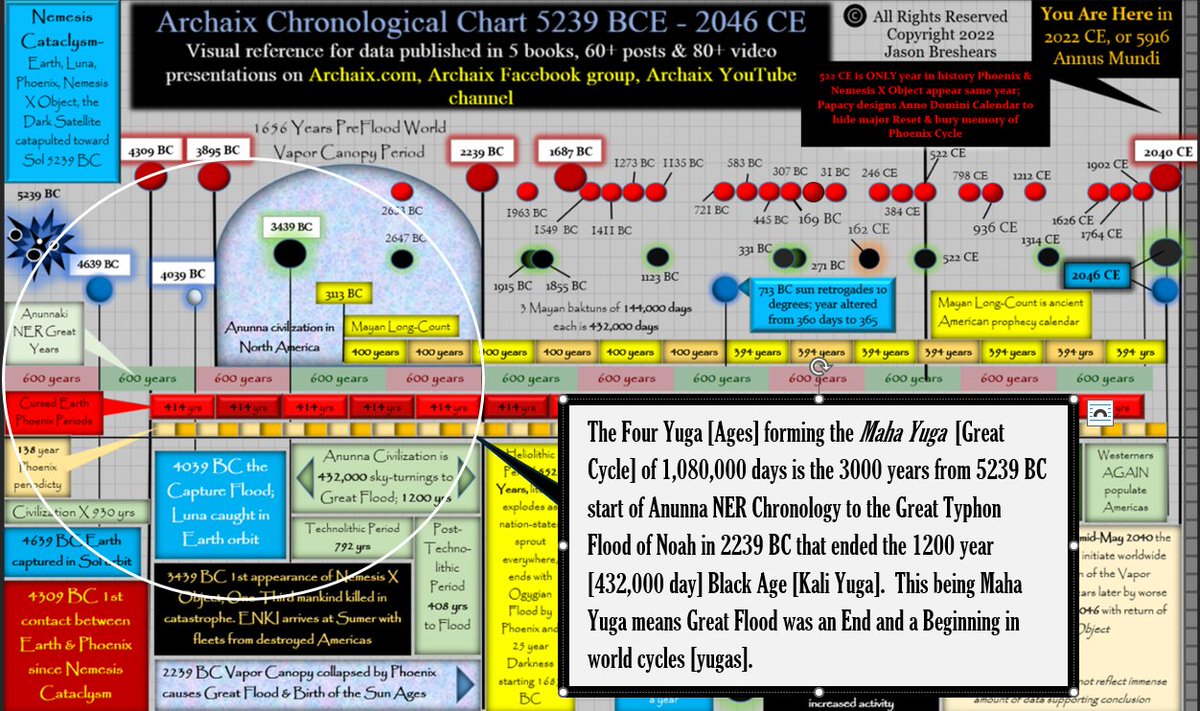
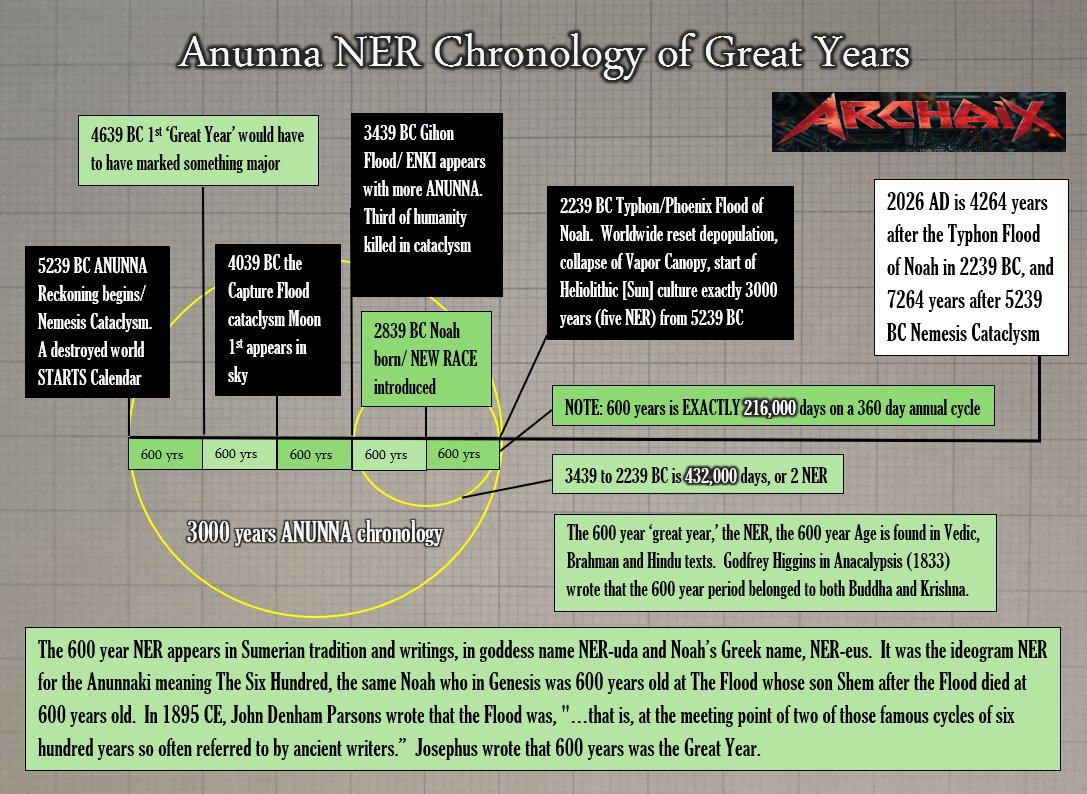
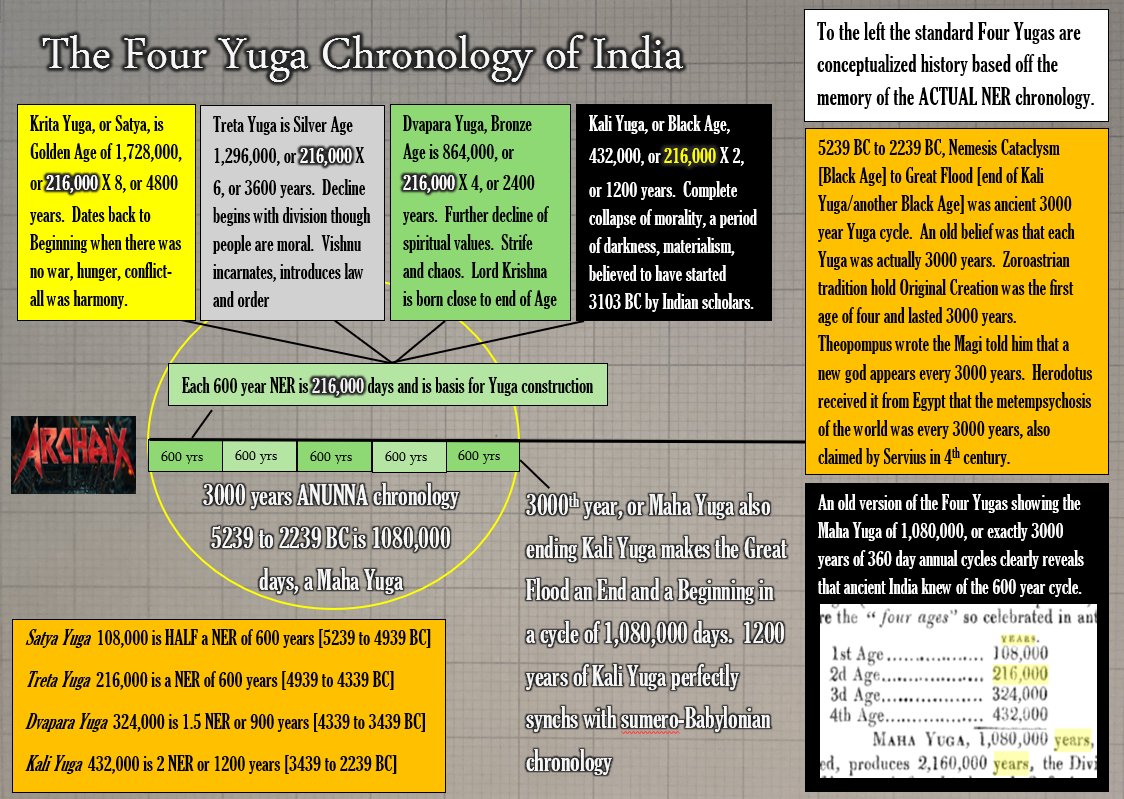
Don't let these guys pushing eastern mystical yuga chronologies fool you. The Hindu added so much material to the literature of India that was never in the Vedas and the day count system known to Sumer was lost entirely in India, becoming impossibly long epochs or years. All of this has been corrected in Archaix.
1
7
45
848

The cities of Sumer existed for longer than all of history since their time. Now they are all gone.
Babylon was buried. Nineveh razed. Persepolis is no more.
1
32
6,450
Creolus Magnus retweeted

Jun 10
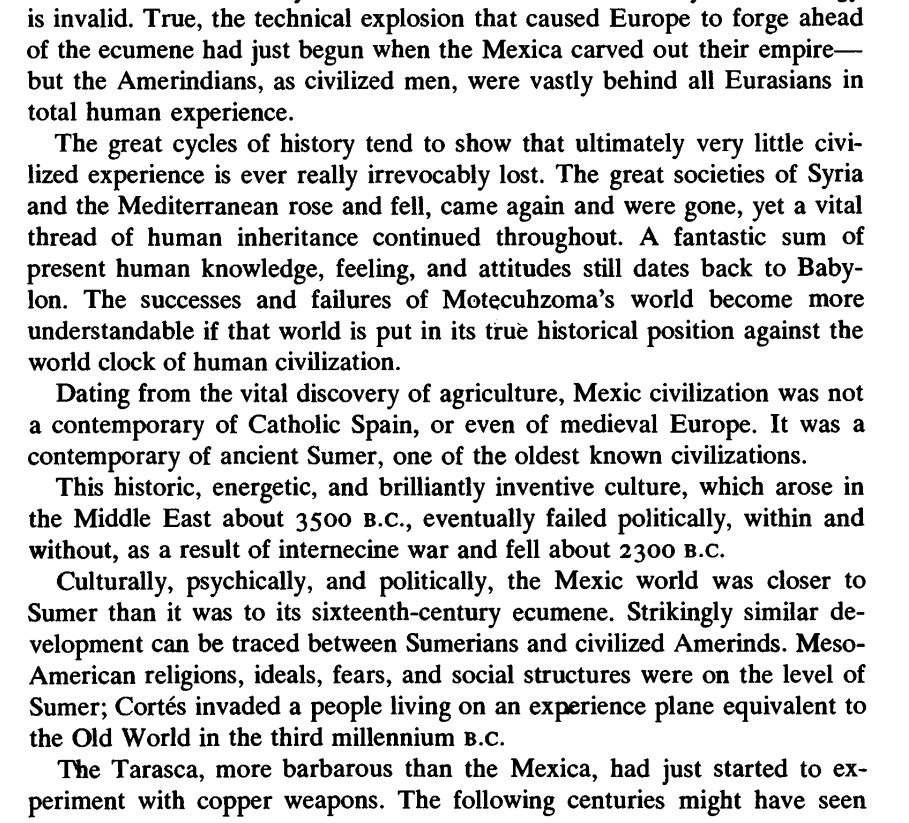
In Fehrenbach's judgement, Mesoamerican civilization at the arrival of Cortes was a peer of ancient Sumer in the Old World, closer to 3000 BC than its Eurasian contemporaries, as a result of agriculture having been invented several thousand years later in the New World.
1
7
83
6,651

reading when god was a woman by merlin stone and it’s crazy that the loss ancient women’s rights is related to the violent invasions by the indo-europeans. each time the indo-europeans invaded an ancient civilization like Egypt or Sumer, the Goddess was replaced with a male deity
1
3

Opium mixtures — used in Sumer, Egypt, Greece, Rome for pain relief and sedation.Mandrake wine — a powerful sedative used by Greeks and medieval surgeons.Henbane and nightshade — anticholinergic plants that caused deep sedation.Cannabis preparations — used in China
19

4h
even before Foundational Sumer-Egypt and Foundational Semitic-Akkad
Trade, Ports, Mining; all of this was already global in scale
even as Egyptian-Greek 40 AD only “sees” Map to India; then Indian POV “sees” Map North to Tibet and East to SEA usw
3 Jan 2025

Region surrounding 🇮🇷Persian Plateau in ancient times was highly active industrial area rich in mineral mining activities
*Indo-European* speaking Persians did not arrive in what is modern-day Iran until ~1500-2000 BC
Afro-Asiatic branch called “Semites” co-opted Sumerian Civilization
Sumer is believed to be the oldest Western Civilizational Entity
Semitic Tribes were subjects of Sumerians, who were neither Indo-European nor Afro-Asiatic
But Semites (Akkadians) conquered Sumer, and created the world’s first *Empire* as a Geopolitical Construct and Trend that continues to this day
Semitic peoples then adopted Sumerian innovations, such as writing, religious practices, and administrative systems, integrating them into their own cultural framework
Semites would go on to conquer the Mediterranean region, spread and syncretize Sumerian Civilizational Advancements to non-Indo-European Etruscans (who were later conquered by Indo-European Italic Latins who then co-opted this Sumerian-Semitic-Etruscan Civilization by re-writing history with mythology to Romanize their backstory) and Minoans (who were later absorbed by Indo-European Hellenic Greeks who then co-opted this Sumerian-Semitic-Minoan Civilization as their own by re-writing history with mythology to Hellenize their backstory)
Thus, “Western Civilization” at the root is Egyptian-Semitic
Egyptian being the TRUE originator
Egyptians are from the HAMITIC branch of the Afro-Asiatic family, as opposed to the SEMITIC branch
And then SEMITIC branch is a story of former Under-Class or even Slaves (in Egypt, in Sumer) multiplying in numbers and then eventually conquering their master hosts; and then spreading this Egyptian-Sumerian Civilization to the world
Thus, *net net*, it appears “Western Civilization” at the ROOT is actually Egyptian-Sumerian, rather than Egyptian-Semitic
The Semitic “Substratum Interference” is quite late stage, and becomes truly its own independent fork with the invention of Phoenetic Alphabet by the Semites, which was a major step-function innovation vs Egyptian Hieroglyphs and Sumerian Cuneiform
That said, every Descendent Civilization contributes major innovations...
We can think of modern examples where a non-European country advances in a field that was “originally” invented by Europeans… this is still seen as “Western” programming
Thus, at the root, Western Civilization is Egyptian-Sumerian, rather than Egyptian-Semitic or Greco-Roman or Judeo-Christian
Those latter 3 concepts are not Civilizations, but rather micro-forks of the same Deep Operating System

1
33