
Jun 13
Simplifying, the Kahneman-style System1/System2 split is what makes this interesting — balancing instant recall with deep reasoning is exactly where most agent memory designs fall short.
599

Jun 12
Tencent just open-sourced Hy-Memory.
A memory plugin that gives Al agents real long-term memory using a 6-layer framework with dual reasoning.
→ System1: fast pattern matching for instant recall
→ System2: deep reasoning for complex memory retrieval
→ 35% reduction in token usage
→ 70% less memory bloat over time
Most agents forget everything between sessions. This fixes that. Works for long-running collaborative Al agents that need persistent context.
100% Open Source.
19
87
674
58,113


Entschleunigte mentale Gymnastik durch gedankliche Tiefe. Muster erkennen und komplexe Rätsel lösen als kognitiver Widerstand in der #Aufmerksamkeitsökonomie.
#System2
1
28


@Indumakalktchi here has no active system2 brain to even understand the question of *where* the dogs should be taken. Answering with take them away repeatedly without even understanding the Q of *where*. Complete lack of system2 here.
24

Jun 7
📣 The AI Capital Stack panel at #GlobalAltsNewYork 2026 takes on where investors are capturing value, plus the concentration vs. adoption debate.
ALPS Capital • System2 • Virgil AI • @AlphaCompute Corp • @StateStreet
44

Jun 6
📚 EDTECH, AI LEARNING & PRODUCTIVITY ROUNDUP — June 06, 2026
1️⃣ TENCENT RELEASES HY-MEMORY: A TRUE SECOND BRAIN FOR AI AGENTS
Tencent has officially launched Hy-Memory, a powerful memory plugin designed specifically for long-term collaborative AI agents like OpenClaw. Rather than functioning as a simple retrieval tool, it operates as a genuine second brain powered by a six-layer memory framework combined with System1 and System2 dual reasoning. This represents a significant step forward in how AI agents retain and leverage context across extended interactions and collaborative workflows.
@TencentHunyuan
2️⃣ PEWDIEPIE'S ODYSSEUS: THE LOCAL AI WORKSPACE THAT HIT 20K GITHUB STARS
PewDiePie surprised the tech community by releasing Odysseus, a local AI workspace that outperforms most commercially funded alternatives. Built open-source and released for free, the project accumulated over 20,000 GitHub stars before many in the industry had even heard of it. The project demonstrates that community-driven development can rival Silicon Valley startups in delivering practical, privacy-first AI tools for everyday productivity.
@iam_elias1
3️⃣ GOOGLE LAUNCHES FREE AI EDUCATOR SERIES FOR TEACHERS
Google for Education has introduced the Google AI Educator Series, a no-cost learning pathway designed to help educators develop AI fluency at their own pace. The program features snackable, stackable modules aligned with ISTE Standards, allowing teachers to build AI competency incrementally. Each module is self-contained but cumulative, making it accessible for busy educators who need flexible professional development that fits into their existing schedules.
@GoogleForEdu
4️⃣ 10 FREE AI LEARNING PLATFORMS FROM THE COMPANIES BUILDING IT
Rather than paying for expensive AI courses, learners can now access free training directly from leading technology companies. The curated list includes platforms from Anthropic, Google, Meta, and other industry leaders, each offering structured learning paths built by the teams who develop the underlying AI technology. This approach ensures learners get authoritative, up-to-date knowledge directly from the source rather than third-party interpretations.
@sjsandeep_jain
5️⃣ THE COMPLETE OBSIDIAN CHEATSHEET: SIX MONTHS OF SETUP IN ONE GUIDE
A comprehensive Obsidian setup guide has emerged that maps the entire second brain ecosystem in one place. It covers note types, vault structure, PARA method organization, Zettelkasten flow, essential plugins, Claude prompt integration, and AI mode configuration. The guide distills months of trial-and-error experimentation into a single reference that saves users from reinventing the wheel when building their personal knowledge management system.
@humzaakhalid
6️⃣ NOTEBOOKLLM: TURN YOUR MESSY NOTES INTO A SECOND BRAIN
New capabilities in NotebookLM now allow users to transform disorganized notes into a structured second brain for studying and research. By uploading raw materials and using AI-powered synthesis, the tool creates study guides, summaries, and audio overviews from existing materials. This workflow turns passive note-taking into an active learning system that adapts to how individual users organize and retrieve their knowledge.
@thisdudelikesAI
7️⃣ EDTECH COMPANIES SHOULD OPTIMIZE FOR TRANSFORMATION, NOT COMPLETION RATES
A growing movement in the EdTech space argues that the industry has been measuring the wrong things. Instead of tracking course completion rates, the focus should shift toward genuine learner transformation — producing better thinkers rather than more certificate holders. This perspective challenges the transactional model of online education and calls for platforms that prioritize deep understanding over checkbox-style progress metrics.
@FemiBuilds
💭 The intersection of AI agents, knowledge management, and education is accelerating faster than most industries can adapt. Tencent's Hy-Memory and PewDiePie's Odysseus show that both massive corporations and solo creators are racing to build better memory and reasoning systems. Meanwhile, free learning platforms from Google, Anthropic, and others are democratizing access to AI education in ways that were unthinkable just two years ago. The question is no longer whether AI will transform how we learn — it's whether our institutions can evolve fast enough to keep pace.
Which of these tools or platforms are you experimenting with this week? Drop your picks below 👇
#EdTech #AI #OnlineLearning #Productivity #KnowledgeManagement #AItools #SecondBrain
2
275

Jun 3
たとえば、ディスクI/FのFDCドライバ部分とか、結構高度なプログラムなんですが…容量的には4KBくらいしかないんですよ😅
私が全部作ったわけじゃないですが、当サークルのDM-SYSTEM2も、せいぜい16KBしかないですし😵💫
MSXゲームは作ったことないのが響いてますね…
1
2
54

Tencent Hy'nin Yeni Bellek Eklentisi Hy-Memory Geldi
Tencent Hy’nin yayınladığı Hy-Memory ajanların uzun süreli iş birliği yapmasını sağlayan bir bellek eklentisi. OpenClaw gibi yapılarla uyumlu çalışan bu sistem yalnızca bilgi getiren bir araç olmaktan çıkıyor ajanların gerçek bir ikinci beyni haline geliyormuş. 6 katmanlı bellek çerçevesi, System1/System2 çift sistem desteği ve üç aşamalı evrim zinciri sayesinde ajanlar bilgiyi daha kalıcı, hatasız ve hafif bir şekilde saklayabiliyor.
Bu yapı bellek parçalanmasını yüzde 70’ten fazla azaltırken her bir belleğin bilgi yoğunluğunu yüzde 45 artırıyor. Çok uzun metinlerde yüzde 35 daha az işlem gücü harcanıyor ve bellek güncellemeleri yüzde 20 hızlanıyor. Hy-Memory ile ajanlar sizi daha iyi anlıyor ve uzun vadeli görevlerde karşılaşılan bellek sorunları büyük ölçüde ortadan kalkıyor. Proje ve indirme bağlantısı için adres gönderide var ilgilenenler bakabilir. Güzel gelişme olduğu için paylaşayım dedim reklam değildir.
Jun 1

🚀We’re excited to officially release Hy-Memory — a powerful memory plugin built specifically for long-term collaborative Agents like OpenClaw.
More than a retrieval tool, it becomes your Agent’s true “Second Brain.”
Powered by a 6-layer memory framework × System1/System2 dual system × three-layer evolutionary chain, Hy-Memory lets Agents remember durably, accurately, lightly, and understand you better.
➡️Solves memory fragmentation
➡️70% fewer memories
➡️45% higher info density per memory
➡️35% less token usage on ultra-long contexts
➡️20% faster memory updates.
Upgrade your Agent’s memory today!
📷Project & Download:
memory.hunyuan.tencent.com/
📷 OpenClaw Docs:
memory.hunyuan.tencent.com/o…
8
455

Jun 1
🚀We’re excited to officially release Hy-Memory — a powerful memory plugin built specifically for long-term collaborative Agents like OpenClaw.
More than a retrieval tool, it becomes your Agent’s true “Second Brain.”
Powered by a 6-layer memory framework × System1/System2 dual system × three-layer evolutionary chain, Hy-Memory lets Agents remember durably, accurately, lightly, and understand you better.
➡️Solves memory fragmentation
➡️70% fewer memories
➡️45% higher info density per memory
➡️35% less token usage on ultra-long contexts
➡️20% faster memory updates.
Upgrade your Agent’s memory today!
📷Project & Download:
memory.hunyuan.tencent.com/
📷 OpenClaw Docs:
memory.hunyuan.tencent.com/o…
44
80
941
57,959


May 30


ALT ピンぼけしてしまったので、トランスフォームで代用しました。


1
2
178



May 27
AI補助脳活用について言えば、System2にのみ傾倒して、System1だけが強い人を貶めるような発言に近いんだが分かってるのかなこれ。遠回しに「ラマヌジャン」を冒涜してるのと同義だぞ。

3
2
135

May 26
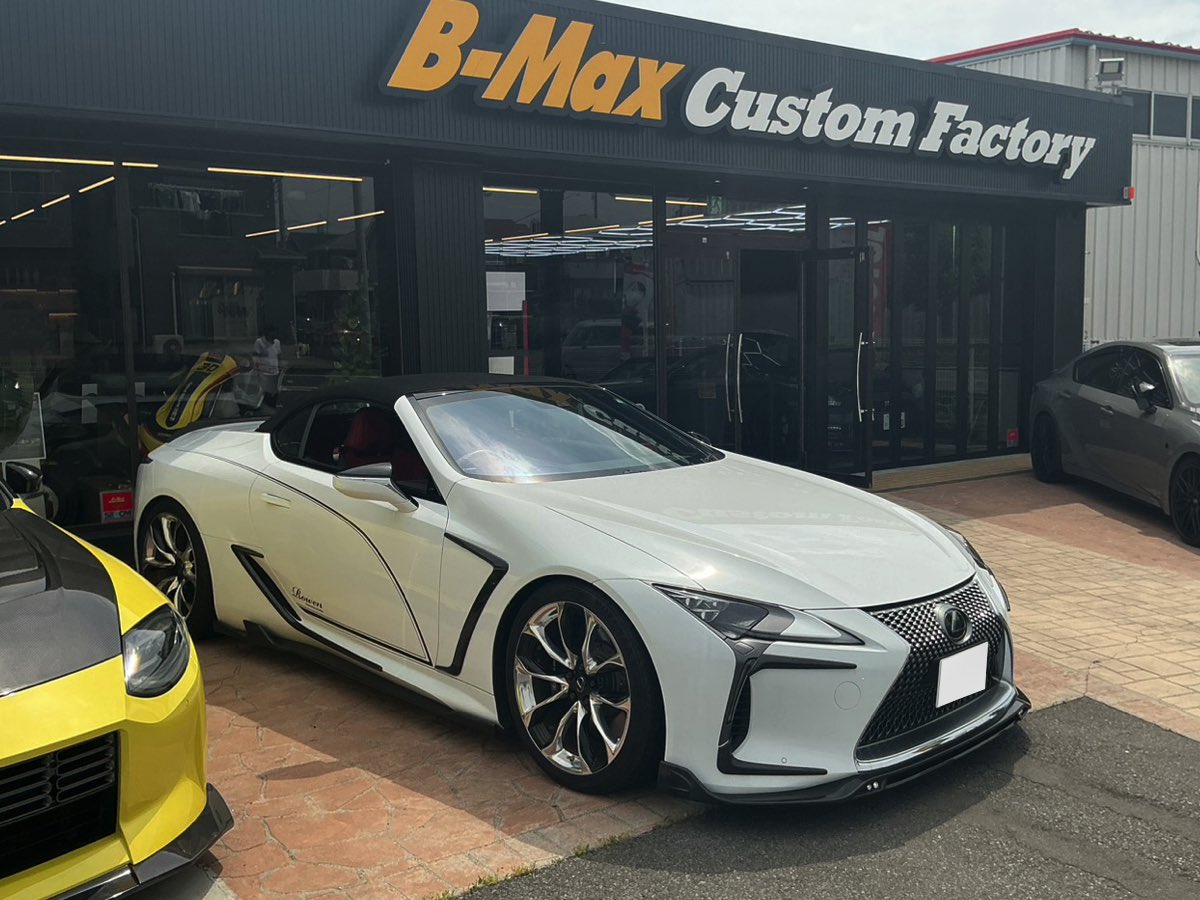
🅱️B-Max Custom Factory
レクサスLC500にKW HLS2(Hydraulic Lift System2)を取り付けました。油圧式シリンダーで車高を数秒で変化させることができます。
We installed the KW HLS2 (Hydraulic Lift System 2) on a Lexus LC500. The hydraulic cylinders allow the ride height to be adjusted in just a few seconds.
kwsuspensions.jp/products/hy…
#Lexus
#LC500
#kw
#KW_Suspension
#BmaxCustomFactory
4
582