
Not true. NVIDIA typically leads by 10-30% in many training and complex workloads due to better software utilization, kernel optimizations, and scaling (NVLink). Training large models and edge cases still favor CUDA strongly.
Most critically the AI/ML world is built around CUDA-first development. Major frameworks (PyTorch, TensorFlow, JAX) have excellent, native, and first-class CUDA support. Most new models, research papers, and tools ship with CUDA kernels first. Often nothing gets ported to ROCm for critical specialized libraries.
Multimodal models that handle text image audio video rely on a broad, reliable stack of libraries for computer vision, audio pipelines, efficient data loading, and custom operations. CUDA's maturity means near-universal support and optimizations and easier experimentation and production deployment. ROCm is nowhere there.
For serious development, research, or complex multimodal pipelines, NVIDIA CUDA is untouchable.

AMD CEO Lisa Su just killed Nvidia’s $4,000 AI box with a $1,499 lunchbox.
She walked on stage, held it in one hand, and ran a 235 billion parameter model live. No data center. No cloud. No rented GPU.
The chip inside is something nobody saw coming. AMD’s Ryzen AI Max 395 is the first x86 silicon where CPU and GPU share the same 128GB of memory. That single trick lets a desktop run models that used to need a server rack.
Out of those 128GB, Linux hands the GPU 110GB to play with. For context, an RTX 5090 gives you 32GB. A 4090 gives you 24. This box gives you more than three times either of them, in a chassis the size of a thick paperback.
The benchmark that broke the room: this chip beat an Nvidia RTX 5080 by more than 3x on DeepSeek R1 inference. A $1,499 lunchbox outrunning a $1,000 discrete graphics card on a real AI workload. Nvidia spent a decade convincing the world you needed their hardware for serious AI. AMD just put that on a desk for half the price.
Here is what nobody is telling you. A heavy AI user right now pays $200 for Claude Code Max, $200 for ChatGPT Pro, $20 for Cursor, $20 for Gemini. That is $5,280 a year leaving your account. The box pays itself off in 9 months and then runs free for the rest of its life.
Install Ollama. Pull Qwen3 235B. Point Claude Code at localhost. Same interface you already use, except now nothing leaves your machine, nothing costs per request, and no company throttles your usage at 3am when you finally have time to build.
This is the moment every AI subscription becomes optional. Lawyers stop fearing OpenAI leaks. Developers stop watching the token meter. Founders stop renting H100s for prototypes that never ship because the bill scared them.
The first thousand people to figure this out will own the next two years of private AI consulting.
Save this, and read the full breakdown article below you are watching the next shift hit before everyone else does.
30
Not true. NVIDIA typically leads by 10-30% in many training and complex workloads due to better software utilization, kernel optimizations, and scaling (NVLink). Training large models and edge cases still favor CUDA strongly.
Most critically the AI/ML world is built around CUDA-first development. Major frameworks (PyTorch, TensorFlow, JAX) have excellent, native, and first-class CUDA support. Most new models, research papers, and tools ship with CUDA kernels first. Often nothing gets ported to ROCm for critical specialized libraries.
Multimodal models that handle text image audio video rely on a broad, reliable stack of libraries for computer vision, audio pipelines, efficient data loading, and custom operations. CUDA's maturity means near-universal support and optimizations and easier experimentation and production deployment. ROCm is nowhere there.
For serious development, research, or complex multimodal pipelines, NVIDIA CUDA is untouchable.
3
Gloria Casareggio 🚨🌍 insatiable curiosité retweeted

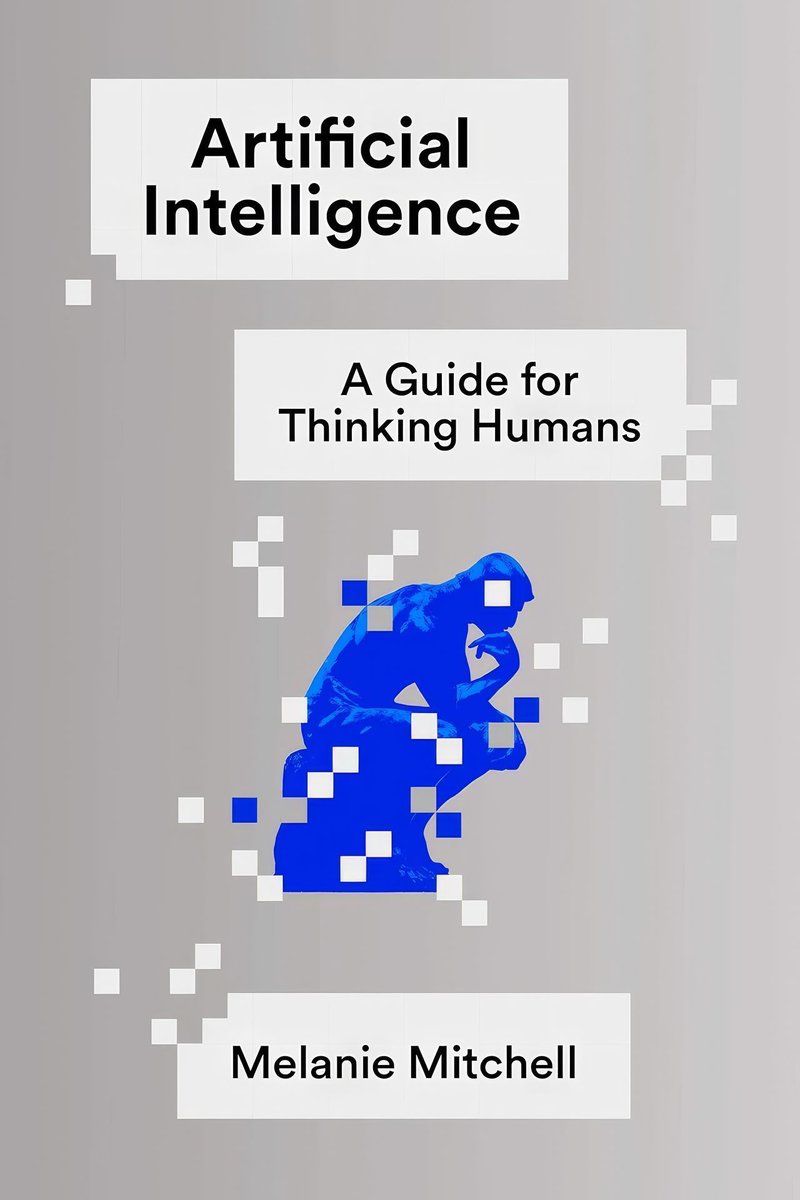
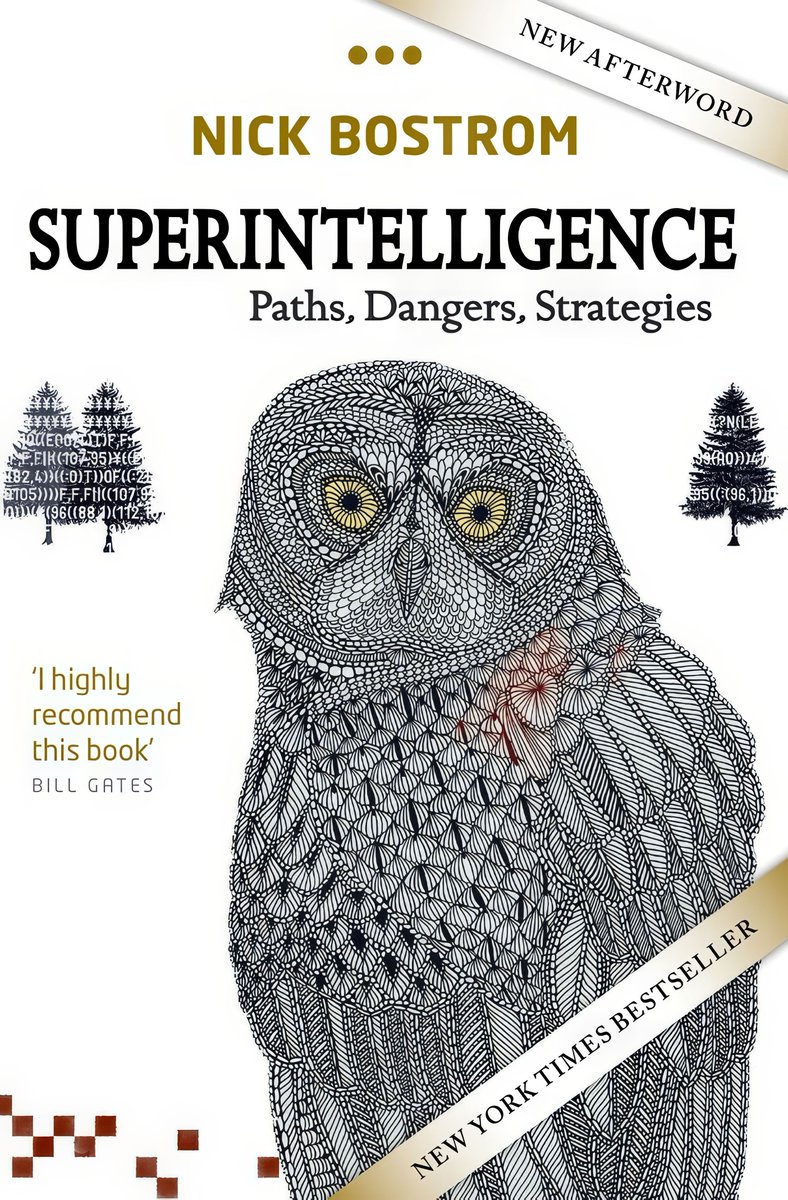
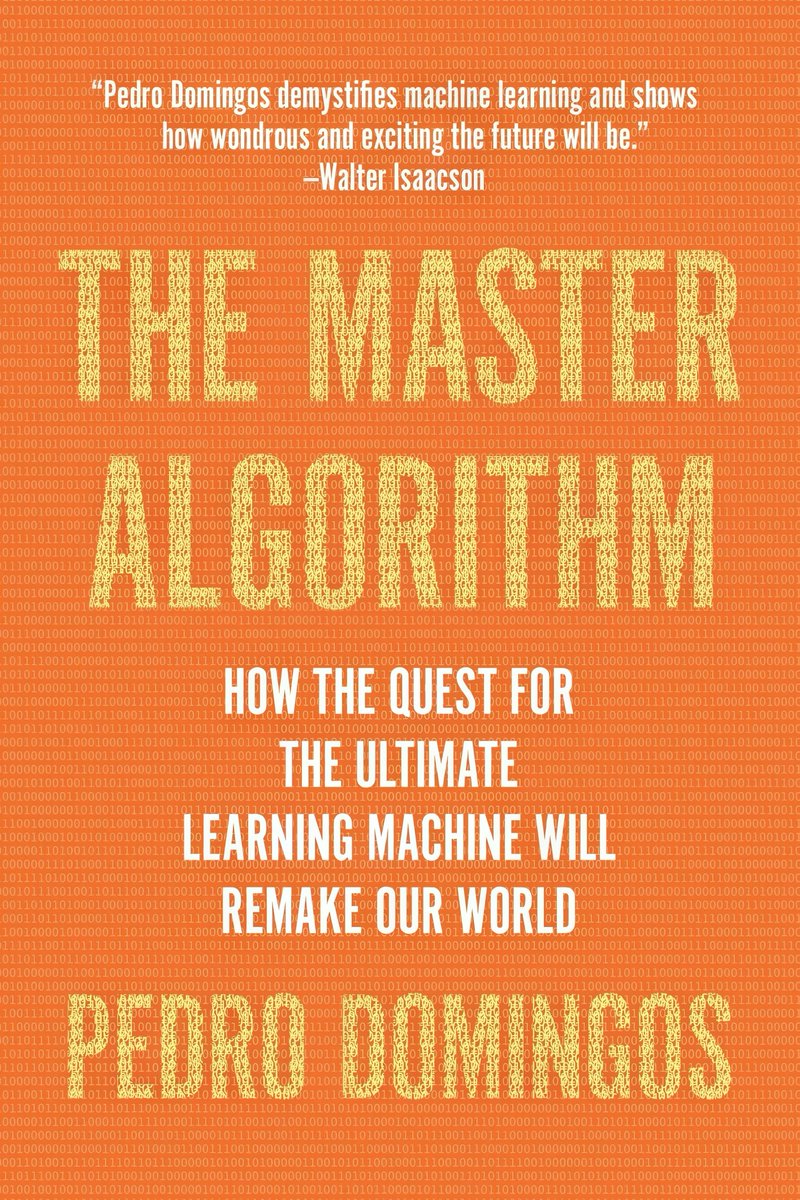
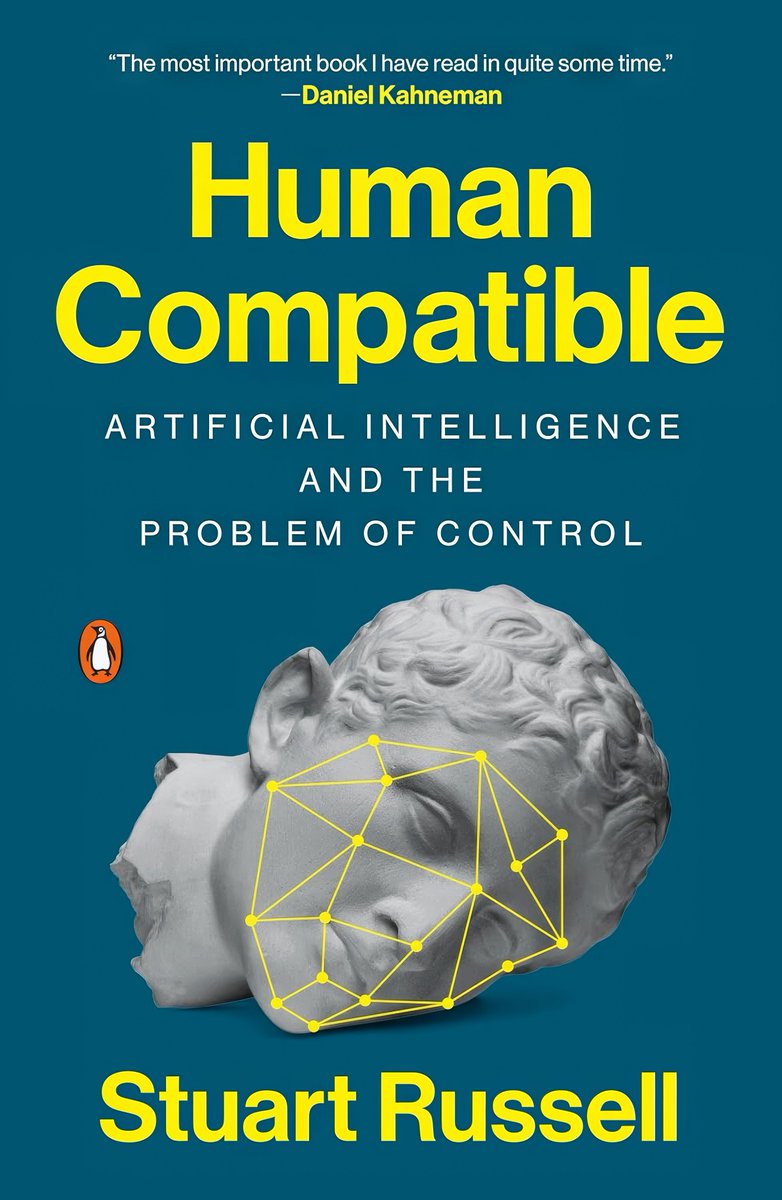
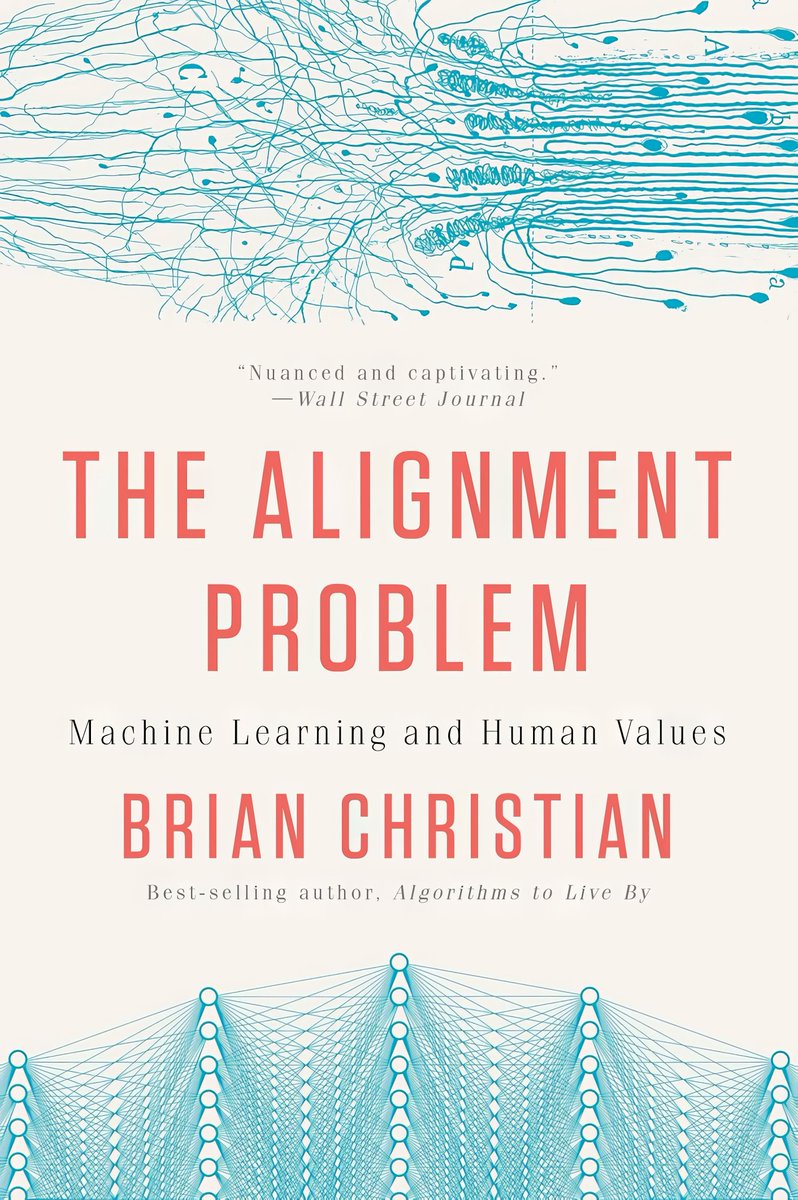
AI Books To Read! #BigData #Analytics #DataScience #IoT #IIoT #PyTorch #Python #RStats #TensorFlow #Java #JavaScript #ReactJS #GoLang #CloudComputing #Serverless #DataScientist #Linux #Books #Programming #Coding #100DaysofCode
geni.us/AI-Books-Read
2
10
42
949
Dante Alligator retweeted
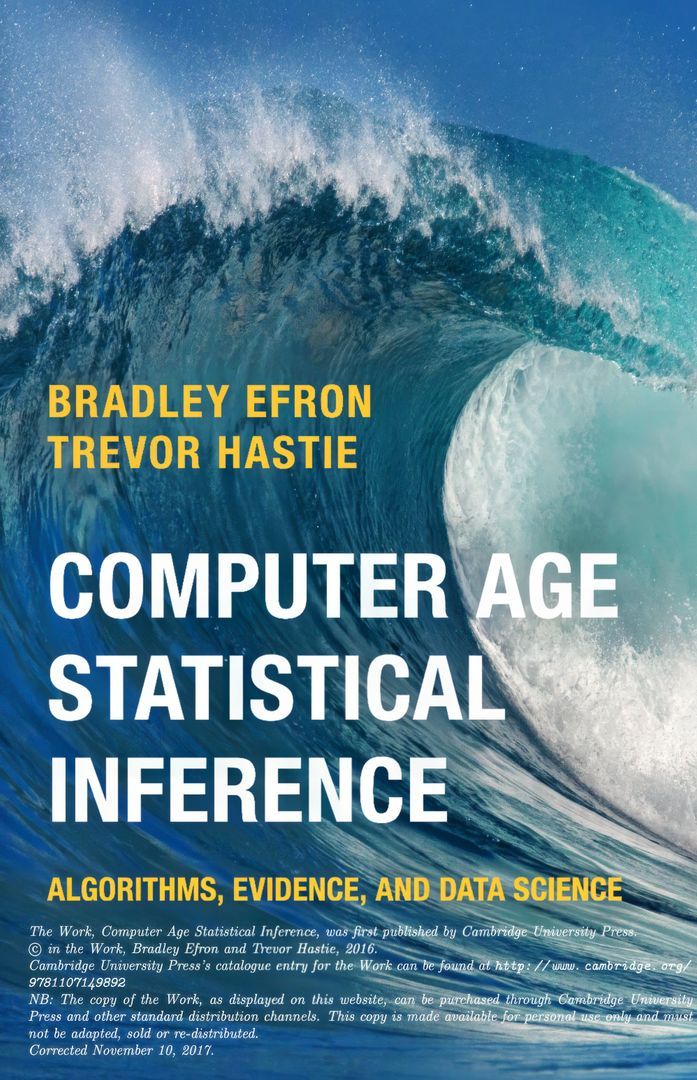
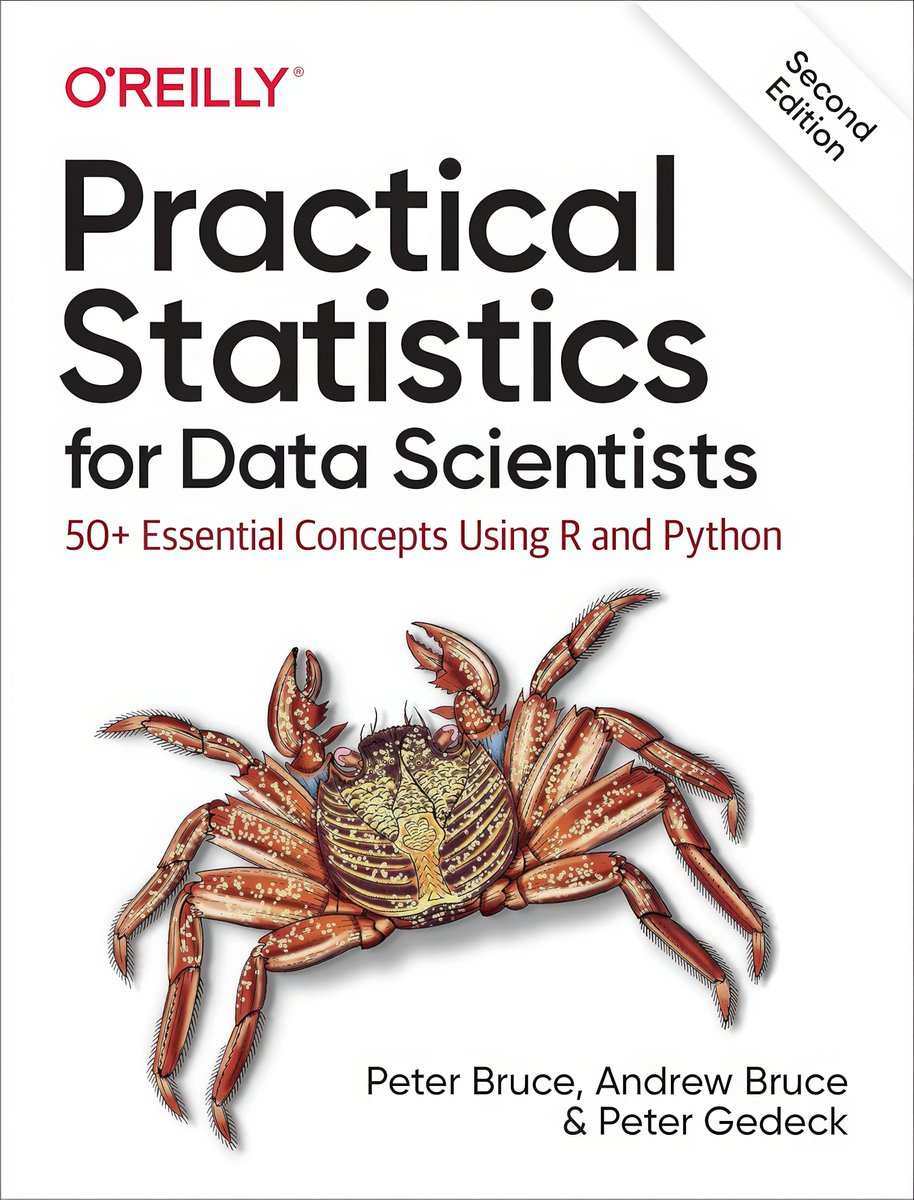
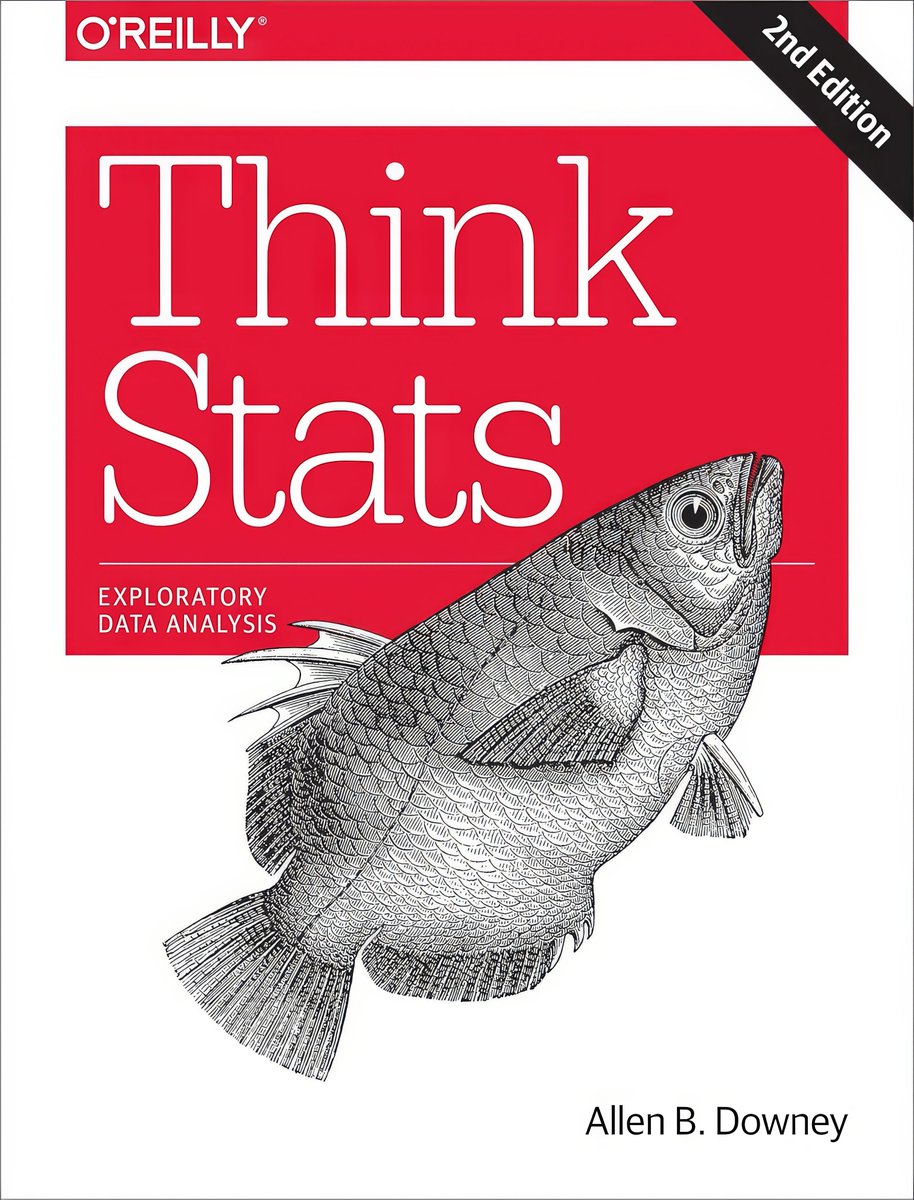
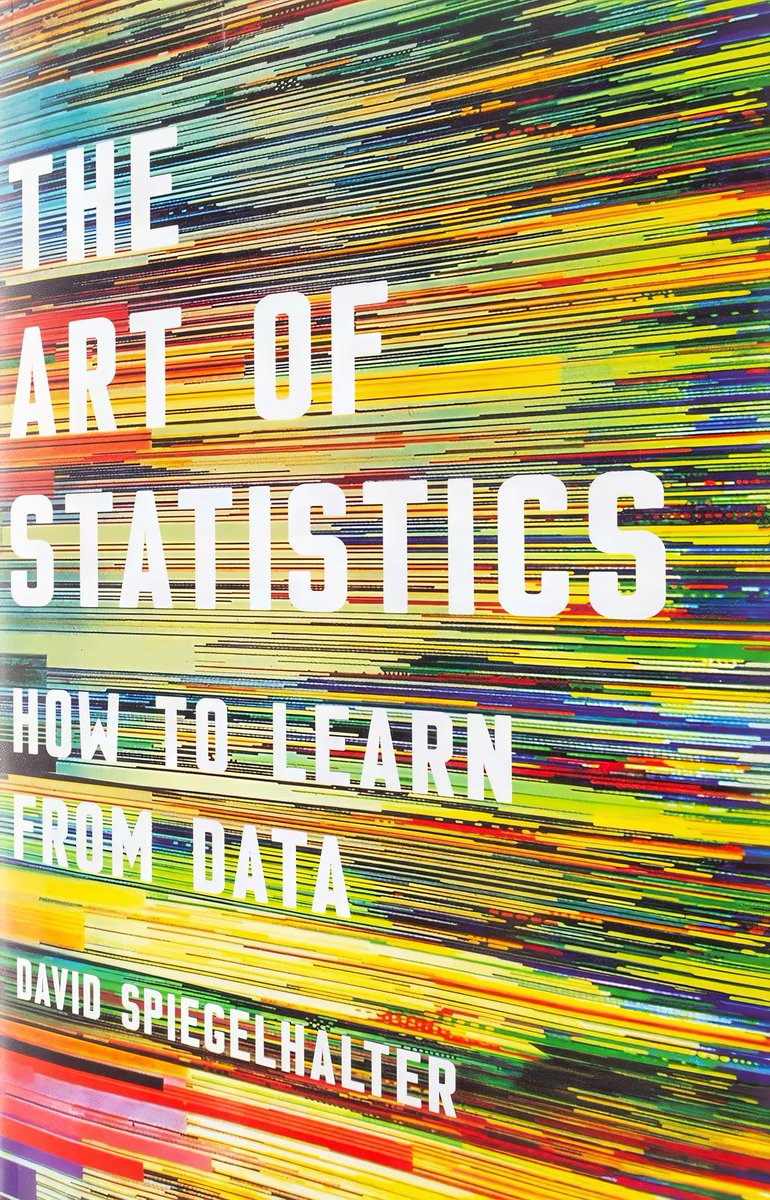
Top #Statistics #Books to Read! #BigData #Analytics #DataScience #IoT #IIoT #PyTorch #Python #RStats #TensorFlow #Java #JavaScript #ReactJS #GoLang #CloudComputing #Serverless #DataScientist #Linux #Books #Programming #Coding #100DaysofCode
geni.us/Stats-Weekend
8
20
392

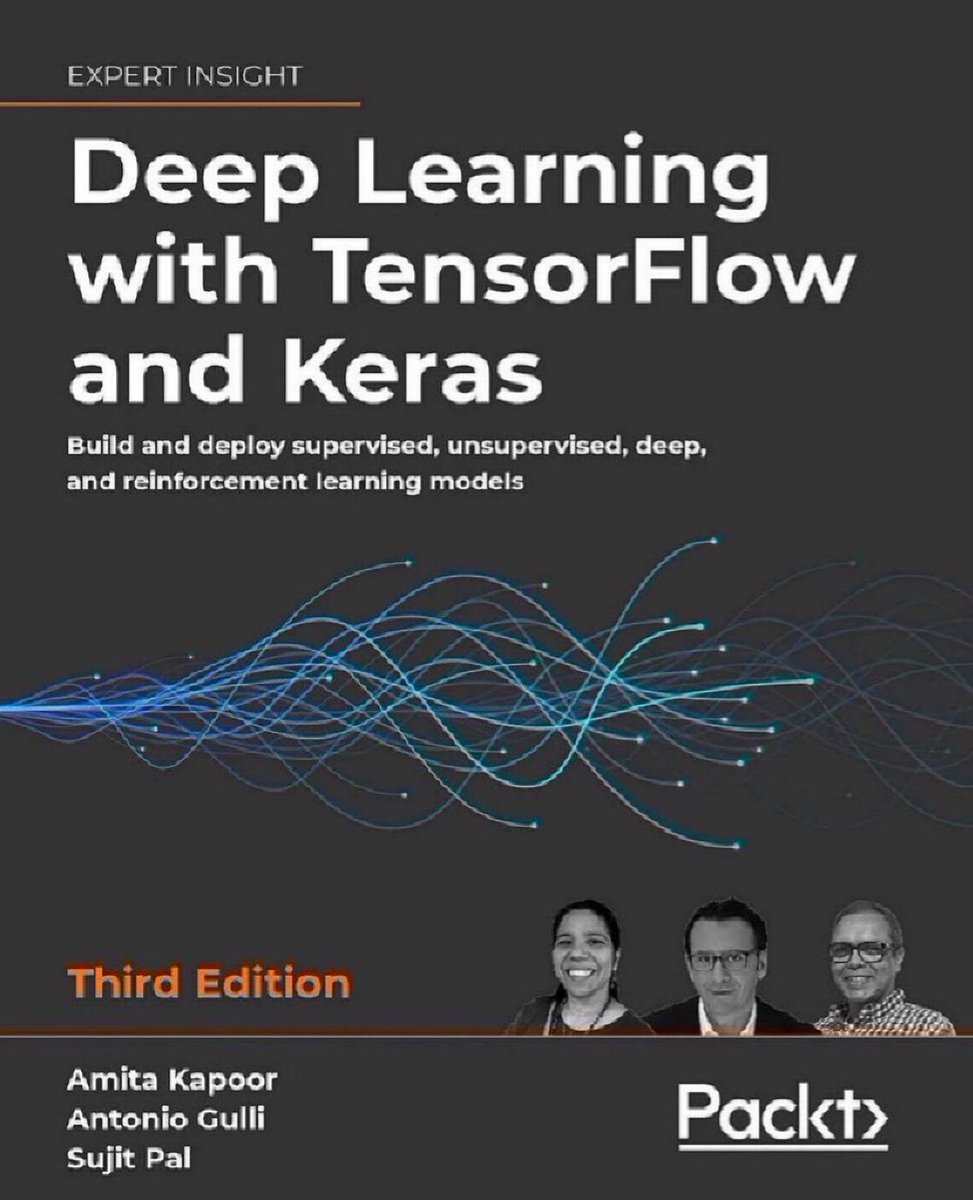
Deep Learning with TensorFlow and Keras — Build and Deploy Supervised, Unsupervised, Deep, and Reinforcement Learning Models (3rd Ed., 667 pages): amzn.to/3gitVEJ v/ @PacktDataML
—————
#DataScientist #DataScience #AI #MachineLearning #ML
1
1
5
589
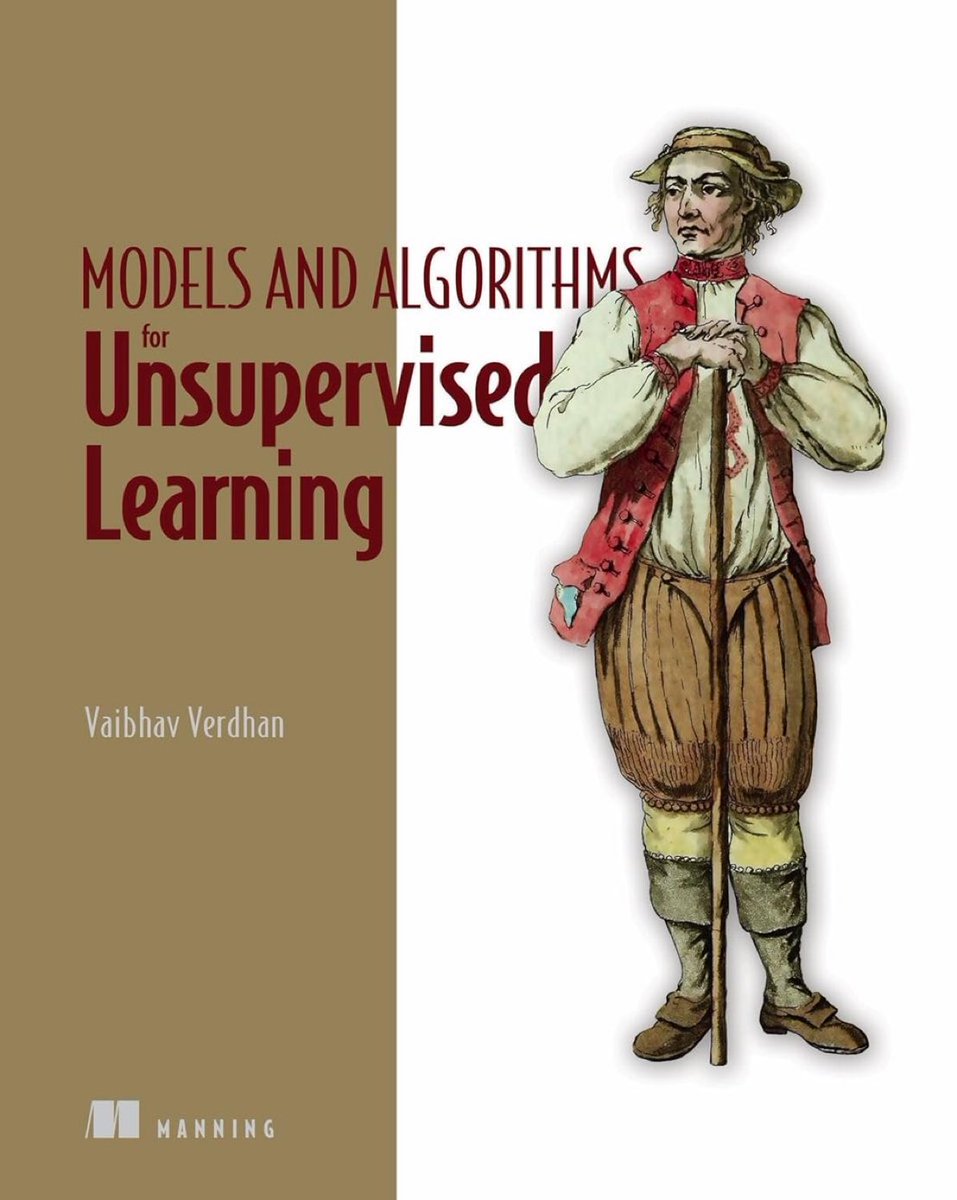
Data Without Labels — Models and Algorithms for Practical Unsupervised #MachineLearning: amzn.to/4q5bbYz
𝓦𝓱𝓪𝓽 𝓨𝓸𝓾 𝓦𝓲𝓵𝓵 𝓛𝓮𝓪𝓻𝓷:
🔶Fundamental building blocks and concepts of machine learning and unsupervised learning
🔶Data cleaning for structured and unstructured data like text and images
🔶Clustering algorithms like K-means, hierarchical clustering, DBSCAN, Gaussian Mixture Models, and Spectral clustering
🔶Dimensionality reduction methods like Principal Component Analysis (PCA), SVD, Multidimensional scaling, and t-SNE
🔶Association rule algorithms like aPriori, ECLAT, SPADE
🔶Unsupervised time series clustering, Gaussian Mixture models, and statistical methods
🔶Building neural networks such as GANs and autoencoders
🔶Dimensionality reduction methods like Principal Component Analysis and multidimensional scaling
🔶Association rule algorithms like aPriori, ECLAT, and SPADE
🔶Working with Python tools and libraries like sci-kit learn, numpy, Pandas, matplotlib, Seaborn, Keras, TensorFlow, and Flask
🔶How to interpret the results of unsupervised learning
🔶Choosing the right algorithm for your problem
🔶Deploying unsupervised learning to production
🔶Maintenance and refresh of an ML solution
4
14
706
TechnoTrekker retweeted
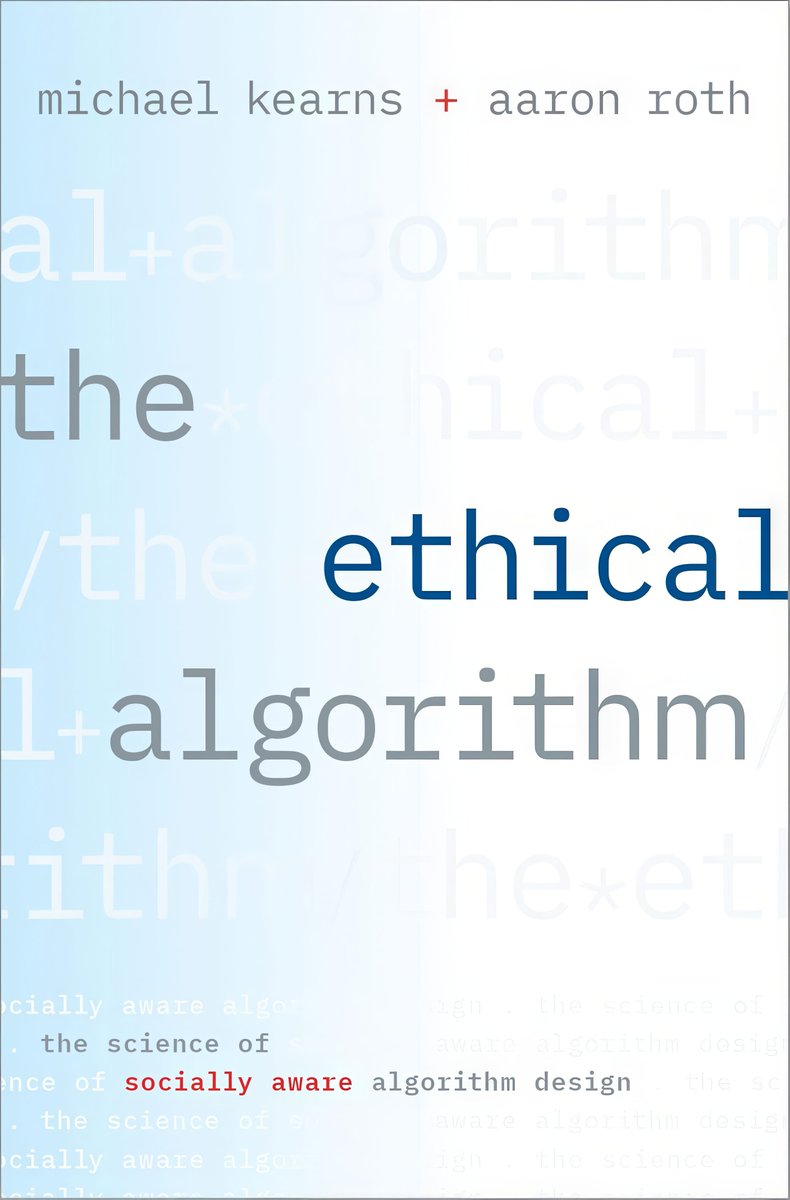
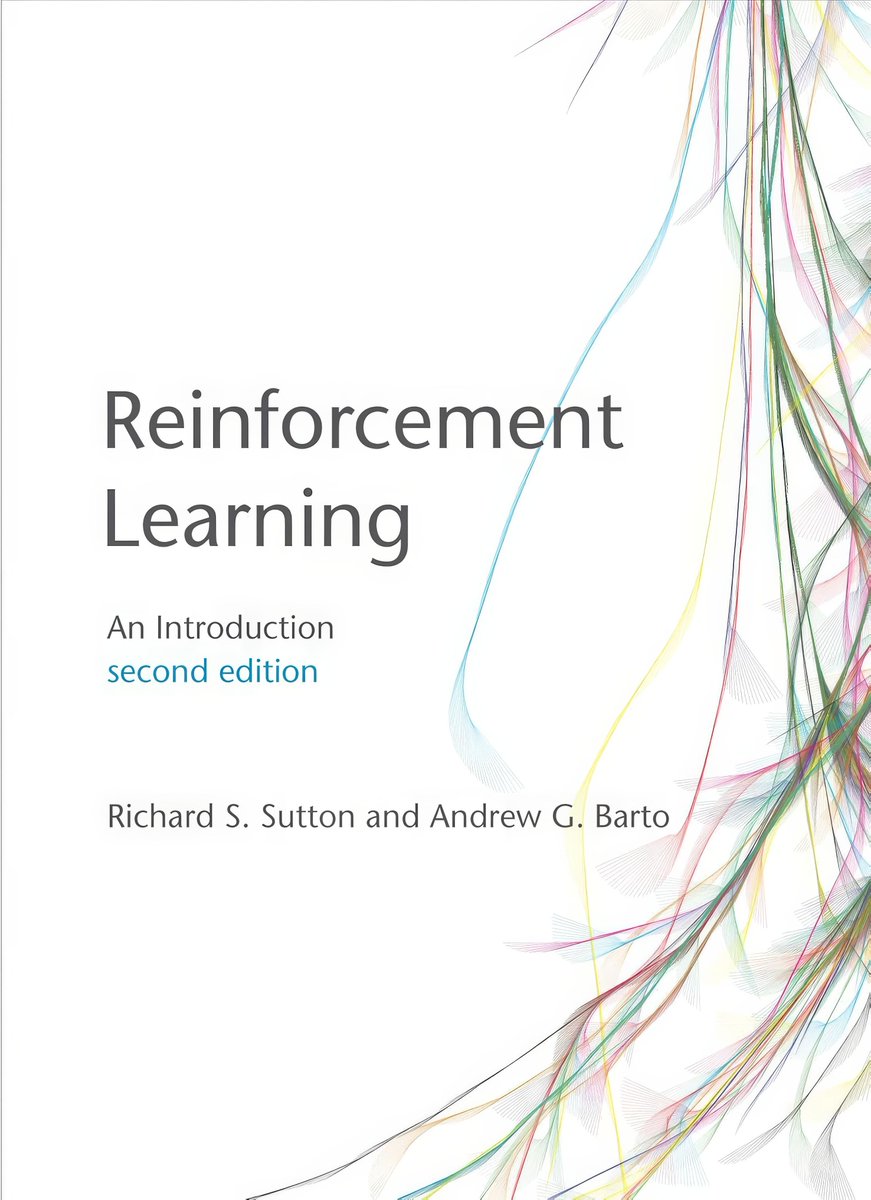
AI Books To Read! #BigData #Analytics #DataScience #IoT #IIoT #PyTorch #Python #RStats #TensorFlow #Java #JavaScript #ReactJS #GoLang #CloudComputing #Serverless #DataScientist #Linux #Books #Programming #Coding #100DaysofCode
geni.us/AI-Books-Read

3
12
257
Facebook Memory. Good father and strong family principles can provide a person the discipline, stability, and wisdom needed to build a better future.#BigData #Analytics #AI #MachineLearning #DataScience #IoT #IIoT #Python #RStats #TensorFlow #JavaScript #ReactJS #CloudComputing #Serverless #DataScientist #Linux #Programming #Coding #100DaysofCode

22 Nov 2019

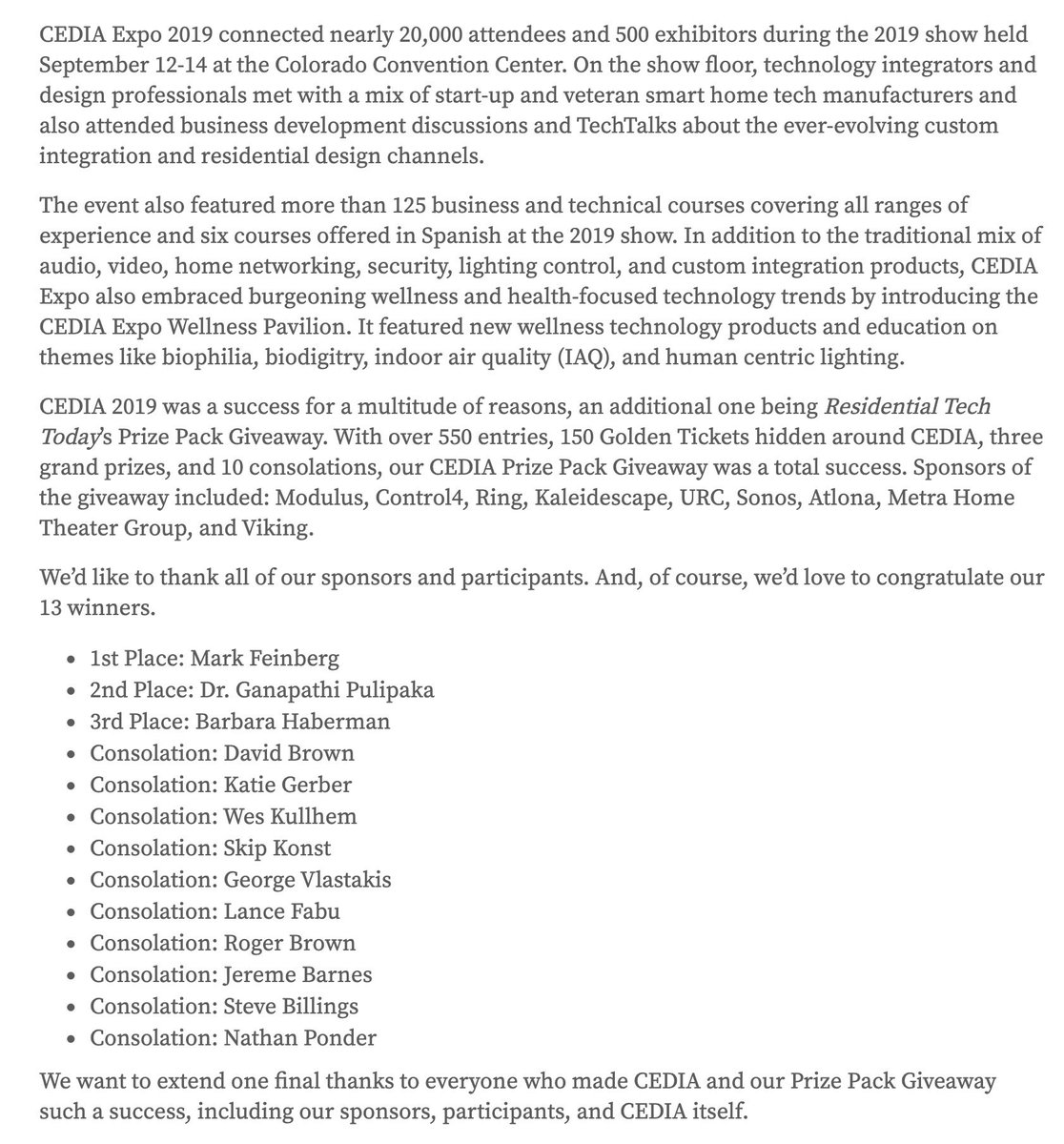
Thank You @CEDIAExpo @ResTechToday for Gifting Me $10K Worth of #CediaPrizePack. Sorry, but I’ll not be accepting the gifts. #MachineLearning #IoT #IIoT #PyTorch #Python #RStats #JavaScript #ReactJS #GoLang #CloudComputing #Serverless #DataScientist #Linux
bit.ly/2QIdhiL

2
121
Nacer sid retweeted

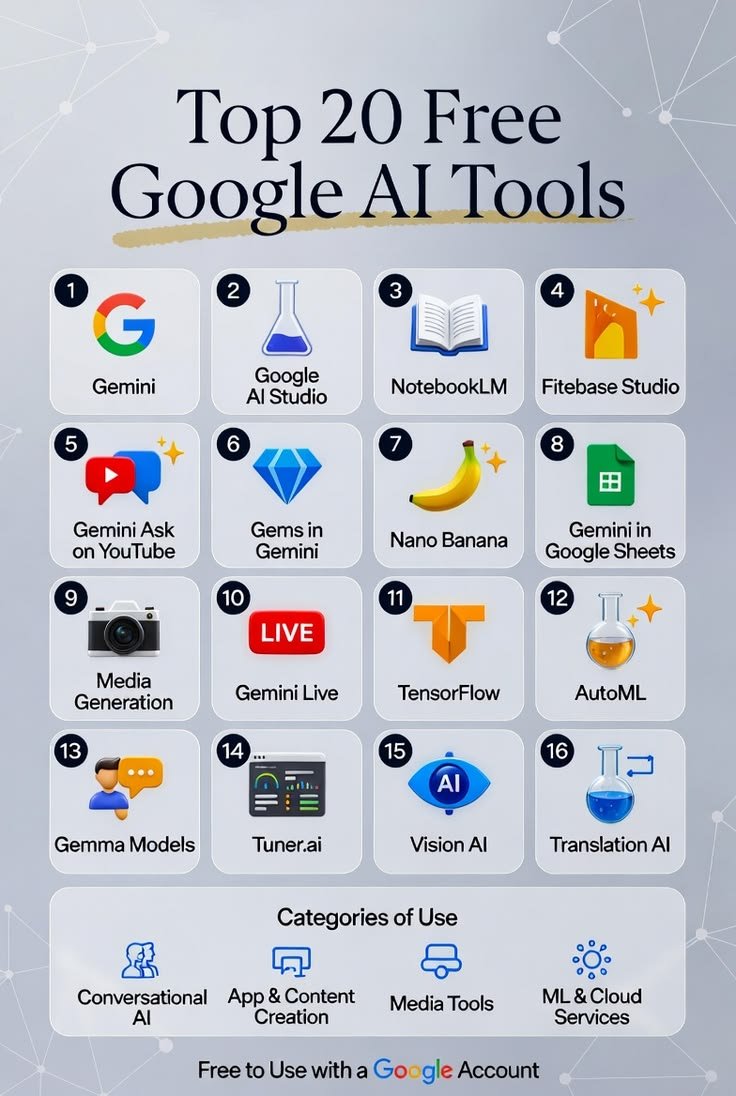
Google AI Tools — Which one do you use most?
✨ Gemini • NotebookLM • Vision AI ⚡ TensorFlow • AutoML • Translation AI 🎬 Media Generation • Google AI Studio
Follow @The_Discover_AI for more AI Posts
#AI #ArtificialIntelligence #GoogleAI #AITools #LLM #PromptEngineering
1
5
6
61
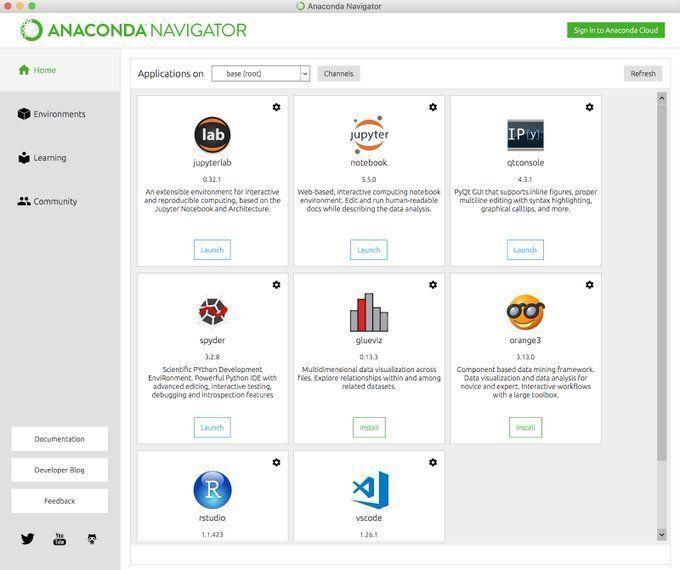
How to Set Up Your Professional #DataScience Environment. #BigData #Analytics #AI #MachineLearning #IoT #IIoT #Python #RStats #TensorFlow #Java #JavaScript #ReactJS #CloudComputing #Serverless #DataScientist #Linux #Programming #Coding #100DaysofCode
geni.us/Anaconda-Jupyter

2
4
115
