
Jun 5
The Knowledge is here for everyone 💡
New to the sector?
This guide was made just for you — clear, simple, and beginner-friendly.
Already experienced?
Be the legend who shares it with someone who needs it.
@forge_node has your back for any questions.
Let’s grow the community together 📷#TheKnowledge #Qubetics

Hello everyone, we have created a guide designed for less experienced users.
If you are new to the sector or don’t have much experience, we recommend taking a couple of minutes to read it.
If you are already experienced, we kindly ask you to share it with anyone who might need it.
For any questions, TicsForgeNode is always available for clarification and support.
Thank you.
@qubetics
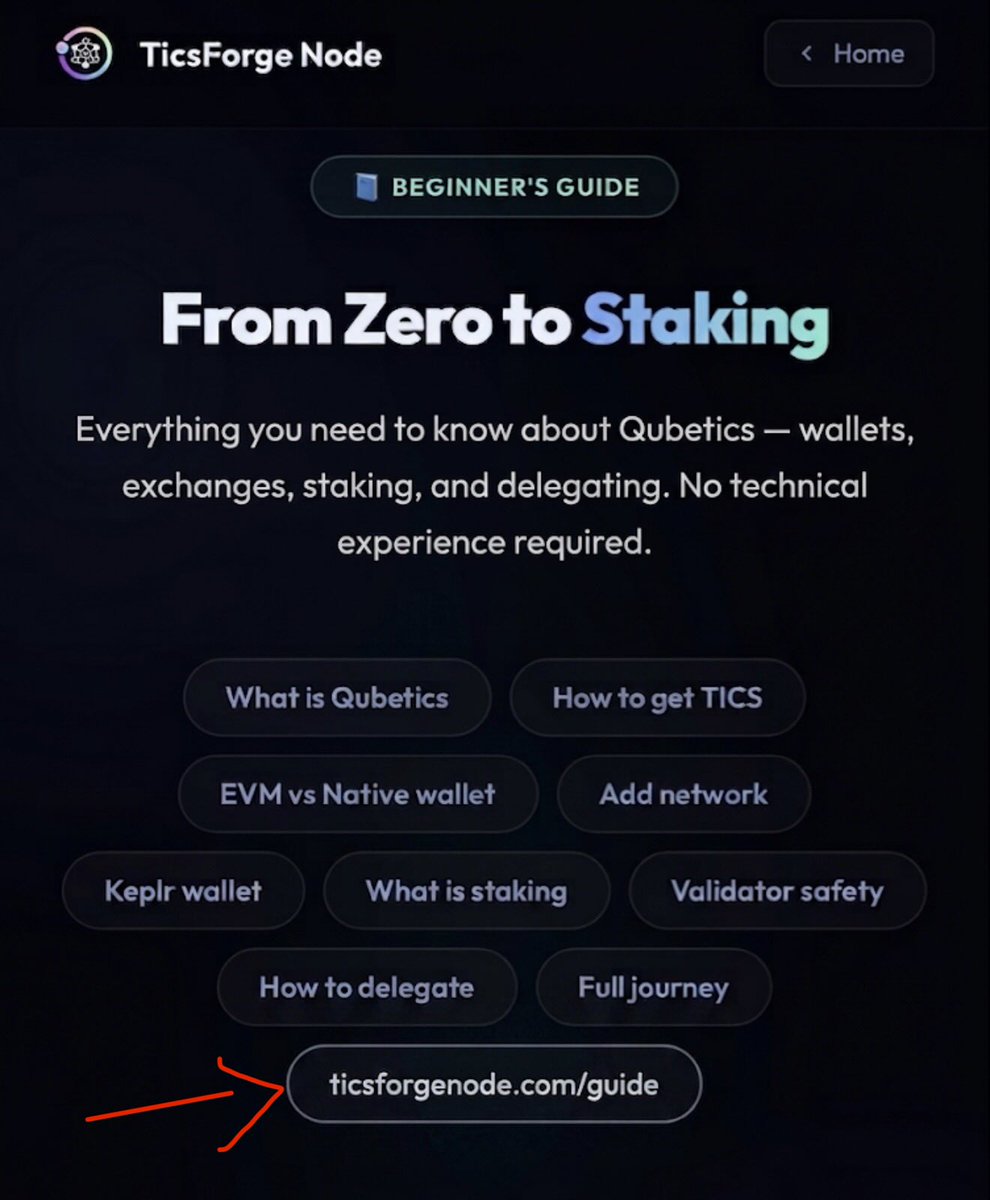
ticsforgenode.com/guide/
9
15
205
Jun 5
👏 Excellent work! This guide is exactly what the space needs right now — clear, welcoming, and made with beginners in mind.
Huge thanks to the #TicsTribe for taking the time to create it.
Newcomers will really appreciate this gentle onboarding, and the experienced ones now have an easy way to help others grow.
I’ll be sharing it with my circle and diving in myself. TicsForgeNode — you’re a legend for being there for support.
Much respect! Let’s keep building knowledge together 📷#TheKnowledge #Qubetics
3
38


May 27
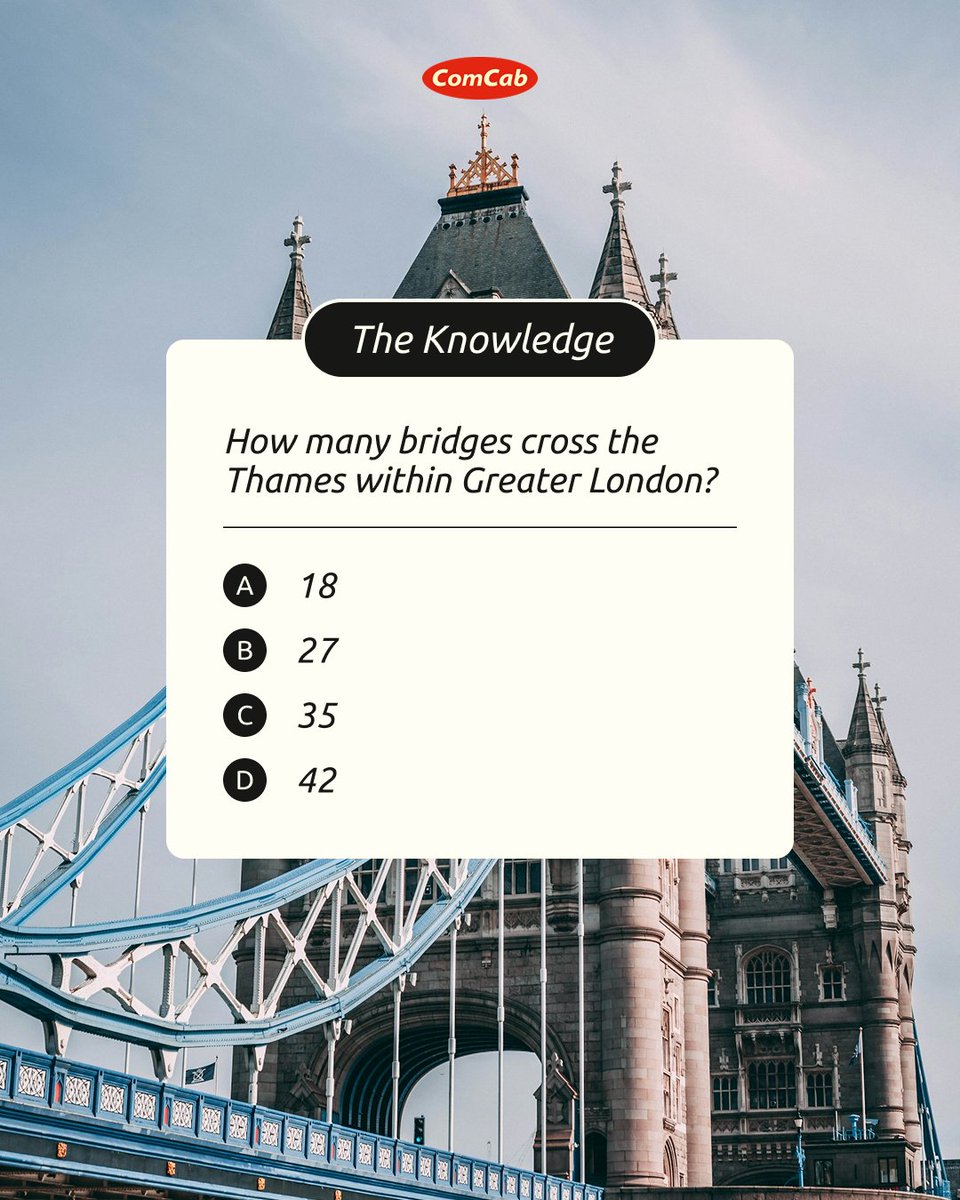
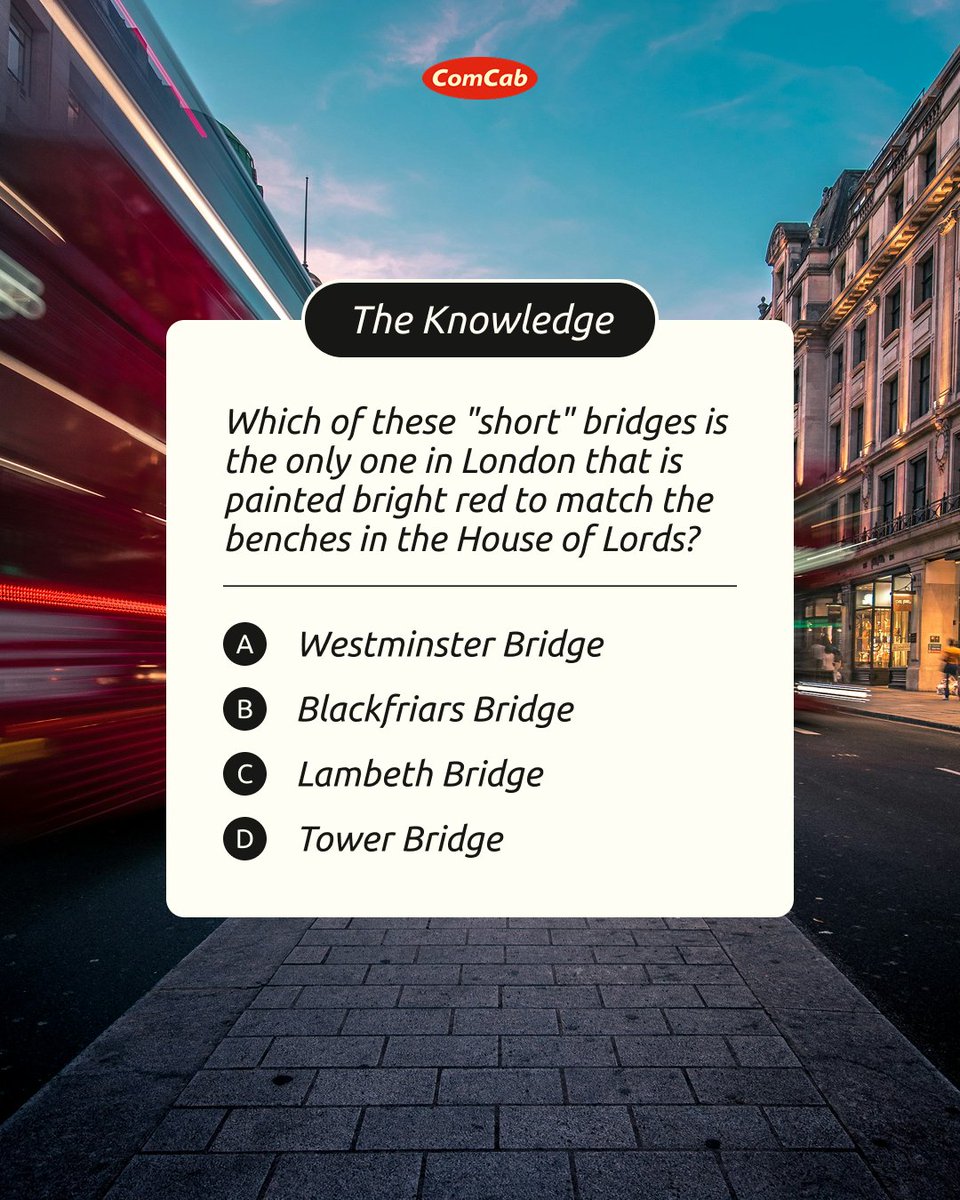
How many bridges cross the Thames in Central London? Drop your answer below 👇
#ComCab #LondonTaxi #TheKnowledge
2
4
706

May 25

9
30
1,118

Life long learning is a good thing, but sometimes we don't need to be afraid of applying theknowledge
1
2
231


By the end of May, I had already completed approximately 40% of the question bank. July was a significant "sit-down" phase. I only solved about 600–700 questions, as I spent the majority of my time on Anki previews. It was my way of keeping theknowledge fresh
1
2
507

May 1
We were so pleased to welcome so many Knowledge students to our event this week. It was great meeting you all and seeing such enthusiasm for the Knowledge—best of luck to each of you! @TheLTDA #theknowledge #londonblacktaxi




2
6
13
2,870

Apr 25
Saturday shift in the cab and what a lovely for it! Be lucky all 😎
#londoncabbie #london #theknowledge

2
1
13
1,594
Apr 21
1
16
32
1,517

Apr 4
Inside the black cab: a conversation between two of London’s youngest black cab drivers ... youtu.be/SUGXgHrl_jI?si=d8R2… #TheKnowledge #Taxi #London Start your journey in 2026 🤩
1
2
1,053
The Knowledge isn’t easy… 🚖 Our ComCab drivers share how long it took them to master London’s streets. How long did it take you to pass The Knowledge?
#ComCab #TheKnowledge #LondonTaxi #BlackCabDrivers
4
167

How It Works (Mechanics)
-
-
Ingest
•Drop raw material (PDFs, web clippings,GitHub repos, datasets, images) into araw/ folder.
•Images are stored locally so the LLM can bepassed a file path for visual reference.
Compilation → Wiki
•An LLM (called via script or CLI) scans theraw/ directory incrementally.
•For each source it:
1Generates a concise summary.
2Assigns tags / categories (e.g.,“reinforcement learning”, “hardware”).
3Creates Obsidian‑style backlinks torelated notes.
4Writes a full markdown article thatexpands on the summary.
5Updates index files (tables ofcontents, concept maps).
•The result is a plain‑folder markdown wiki(*.md) that can be opened directly inObsidian.
Frontend
•Obsidian provides browsing, graph view, andplugins (Marp for slides, Dataview forqueries).
•No proprietary database; the file system isthe knowledge store.
Query / Q&A Layer
•When a question is asked, the LLM is fedeither the whole wiki (≈ 400 k words fitswithin modern 128 k‑token windows) or atargeted subset selected via the index.
•The model navigates the markdown linksinternally, synthesizing answers thatreference specific notes.
Output & Feedback Loop
•Answers are not plain text; the LLM emitsstructured artifacts (markdown reports,Marp slide decks, code snippets, matplotlibplots).
•These artifacts are dropped back into thewiki, automatically expanding it.
Maintenance (“Linting”)
•Periodic runs where the LLM scans the wikifor:
•Inconsistent terminology ordefinitions.
•Missing citations or gaps in coverage.
•Redundant or stale notes.
•Suggested new connections orfollow‑up questions.
•Optional web searches can fill gaps, and thenew material is integrated as fresh notes.
Auxiliary Tools
•A lightweight keyword search (e.g., ripgrepor a tiny SQLite index) that the LLM can callas a tool.
•Future scaling ideas: generate synthetic datafrom the wiki and fine‑tune a model so theknowledge becomes part of the modelweights.
-
-
2. Why This Approach Is Effective (Rationale)
:
•LLMs excel at structured knowledge work –summarizing, linking, and maintainingcoherence across many documents, whichtraditional note‑taking tools don’t automate.
•File‑system markdown is sufficient atpersonal‑research scale; no vector DB orembedding engine is needed to achieve highrelevance.
•Self‑reinforcing loop – each query enrichesthe wiki, which in turn yields better futureanswers – a virtuous cycle of knowledgeaccumulation.
•Low cognitive overhead – the researcherstays inside a familiar environment(Obsidian) while the LLM does theheavy‑lifting of compilation and upkeep.
•Persistence vs. stateless chat – the wikiretains context across sessions, eliminatingthe “context collapse” problem of typicalLLM chats.
•Traceability – every claim is anchored to asource file and a generated note, making thesystem auditable and easier to debug thanblack‑box RAG pipelines.
1
2
295

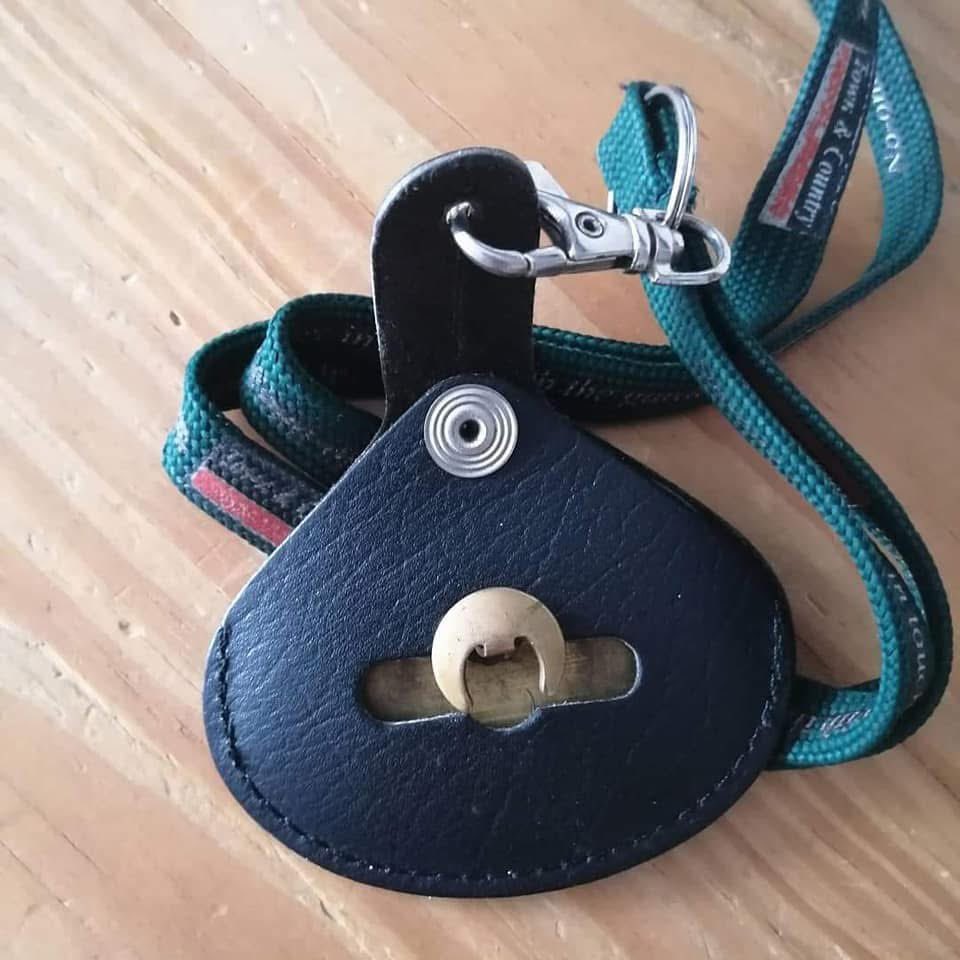
Mar 10
2
1
589

Feb 26
New members continue to join which is humbling to see.
We are here to support you.
legal.taxi
#regulatorylaw #legalinnovation #londontaxi #blackcab #legalsolutions #theknowledge

1
2
85

Feb 12
So pleased to have been able to put Knowledge Student Nick in touch with both an Essex based Knowledge school and also a potential mentor, thanks to our supporters & followers. Wishing Nick all the best on his journey to becoming a London Taxi driver.
#TheKnowledge
Feb 11

Another Knowledge student, learning the runs, and supporting our Choose Taxi #ChooseTaxi campaign too.
Great to see and wishing Nick all the best. Based in Essex, he's currently seeking a mentor. Let me know if anyone out near Rayleigh can help, and I'll put you in touch.


3
8
849


 PAUL 🏴🇬🇧