
MTSU School of Music's premier student big band, Jazz Ensemble I, will perform a free concert beginning at 8 p.m. Thursday, Feb. 19, in the Hinton Music Hall of theWright Music Building at 1439 Faulkinberry Drive. Click to learn more. #mtsu #jazz mtsunews.com/school-of-music…
1
4
260

2 Oct 2025
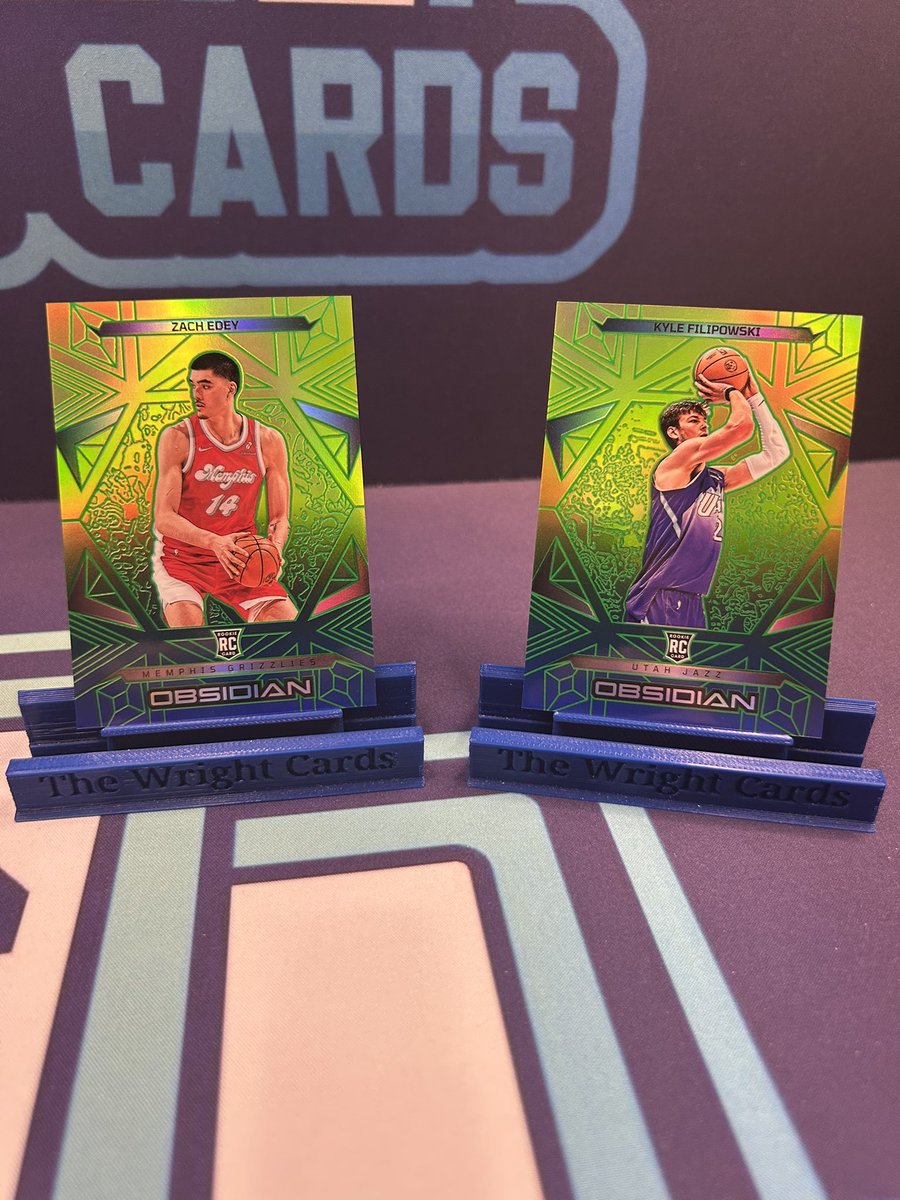
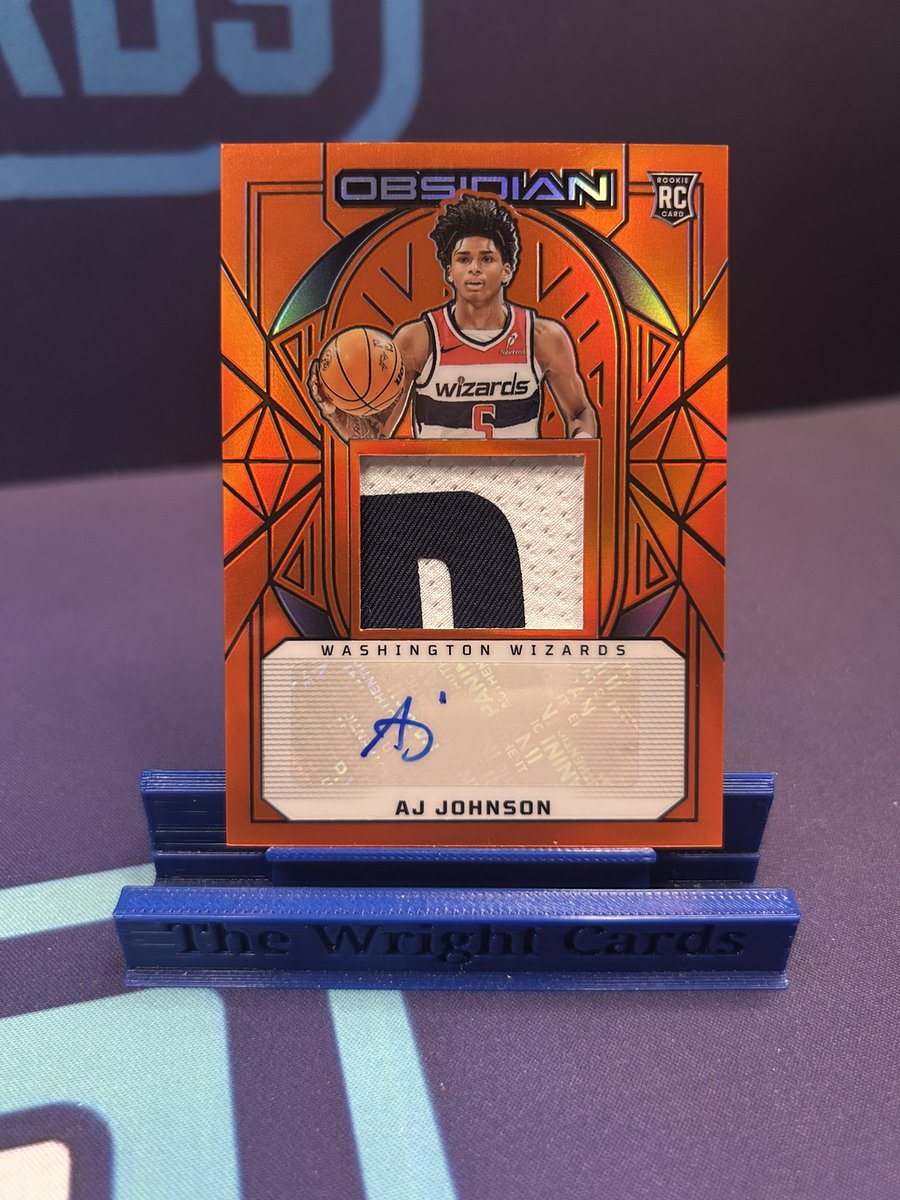
Break #909… LATE NIGHT NBA 🏀 2 SPs and 5 RPAs 🔥 If you like pick your team breaks, this is the place for you #TheHobby #TheWright #Panini #NBA #TBBCrew


1
4
7
382


28 Mar 2024
Happening in #detroit #michigan @thewright @DetroitNABJ @women_eastern @LLLewis20 @MetroDetroitBBA @BaeTheBlogger @goodbyejehovah @w1seone25 @JAofMI @RossKneeDeep @VickiethomasWWJ @RepStephYoung @Ayers4Detroit @CouncilmanTate @ETS_Detroit @nrpca @WendyLJack @KDnTheD @EmotivX

1
2
132

4 Feb 2024
the two aren't mutually exlusive. A classical "good man" is just thewright amount of domineering & it's a thin line between that & mysoginy, with a branching path for comedians
1
81

26 Nov 2023
Yann LeCun lays out the case why LLMs are not AGI. I agree with him. They are very good at language retrieval but in their current form won’t discover novelty. It’s like we are in the balloon era of flight but not theWright brothers era. We don’t understand what is missing.
25 Nov 2023

LLMs obviously have *some* understanding of what they read and generate.
But this understanding is very limited and superficial. Otherwise, they wouldn't confabulate so much and wouldn't make mistakes that are contrary to common sense.
I have argued, since at least 2016, that AI systems need to have internal models of the world that would allow them to predict the consequences of their actions, and thereby allow them to reason and plan.
Current Auto-Regressive LLMs do not have this ability, nor anything close to it, and hence are nowhere near reaching human-level intelligence.
In fact, their complete lack of understanding of the physical world and lack of planning abilities puts them way below cat-level intelligence, never mind human-level.
AR-LLMs can accumulate large amounts of textual knowledge (if only approximately) and can retrieve it with appropriate context (if only approximately). More than a cat, certainly.
But how is that any 10 year-old can learn to clear up the dinner table and fill up the dishwasher in one shot, whereas we are nowhere near having robots capable of learning this in any amount of time.
Obviously, we are still missing something really big to reach human-level AI.
I have written where I think AI research should go over the next decade or two to bridge that gap:
openreview.net/forum?id=BZ5a…
All my talks of the last couple of years have been on "objective driven AI architectures" which are an attempt to bridge that gap while making AI systems controlable, safe, and subservient to humanity. E.g. this one:
youtube.com/live/pd0JmT6rYcI…
2
2
623

9 Oct 2023
Comparing professional development satisfaction and opportunities of program coordinators at academic medical centers and community-based programs: journals.lww.com/jcehp/fullt… #MedicalEducation #CMEchat #CPD #MedEd @Lauren13MA @kate_row_land @thewright @NUFSMFamMed

3
63

29 Sep 2023
Two-time #AcademyAward-winning costume designer #RuthECarter brings the Afrofuturism in a new exhibit @TheWright. Black Panther, Amistad, Malcolm X. See how she has enriched the humanity of the Black experience. Press preview 2 p.m. Friday, Oct. 6. RSVP to kminer@thewright.org.

1
1
6
404
12 Sep 2023
Comparing professional development satisfaction and opportunities of program coordinators at academic medical centers and community-based programs: journals.lww.com/jcehp/fullt… #MedicalEducation #CMEchat #CPD #MedEd @Lauren13MA @kate_row_land @thewright @NUFSMFamMed

2
3
159

25 May 2023
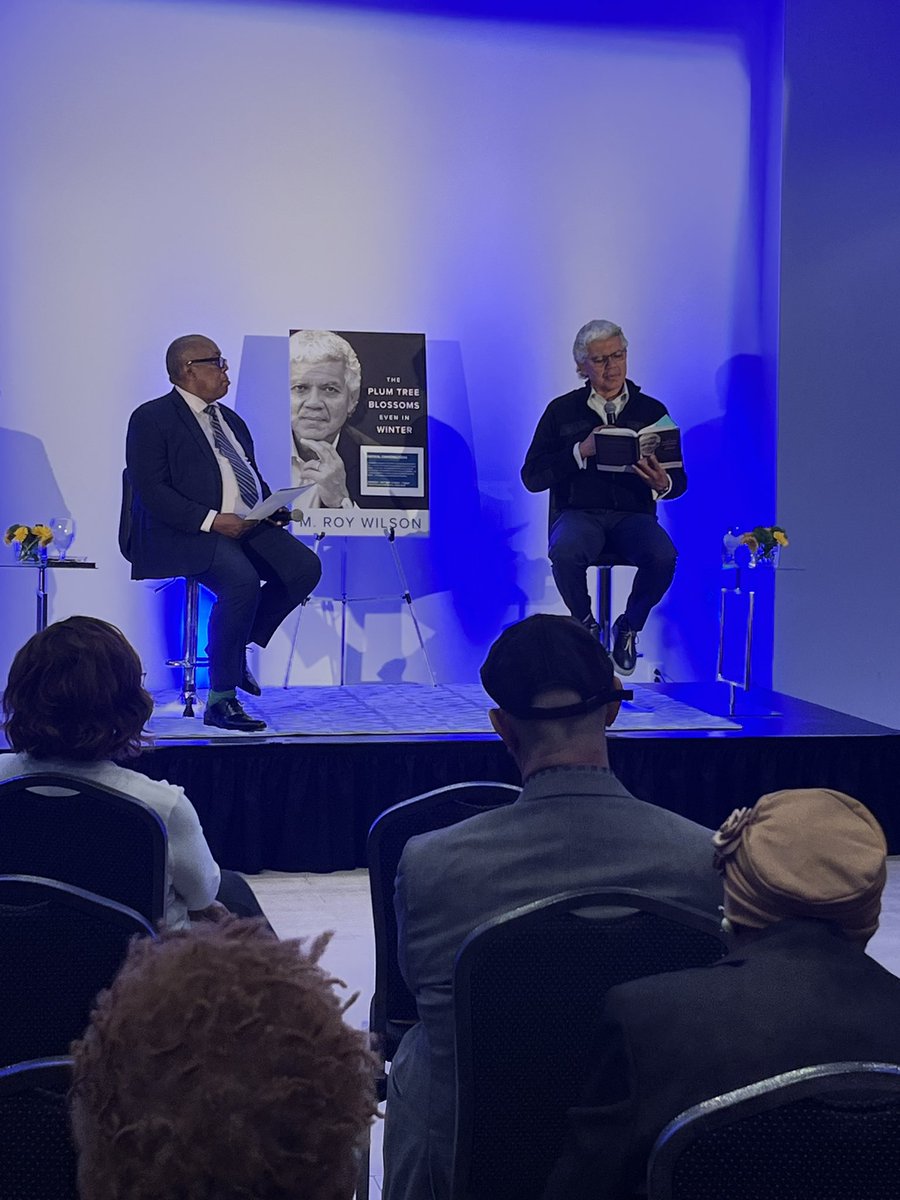
Critical Conversations: The Plum Tree Blossoms Even in Winter featuring M. Roy Wilson, President of Wayne State University
#TheWright
2
207

16 May 2023
Join us at Charles H. Wright Museum (@TheWright) for Critical Conversations: The Plum Tree Blossoms Even in Winter on May 25th!
@waynestate President M. Roy Wilson will be in conversation with Wright President Neil Barclay about his recent memoir.
thewright.org/programs/criti…

3
326

24 Apr 2023
@ ERobbPrincipal RT @UnlockTheMiddle: @Joshua__Stamper brings the 🔥 🔥🔥 to tonight’s session around leadership! Check out this @teachbetterteam rising star. @MPA_GOJAGUARS @CMSPrincipal1 @EdumatchBooks @ERobbPrincipal @Erik_Youngman @DisruptEdToday @Joe_Sanfelippo @thewright…
2
122

6 Mar 2023
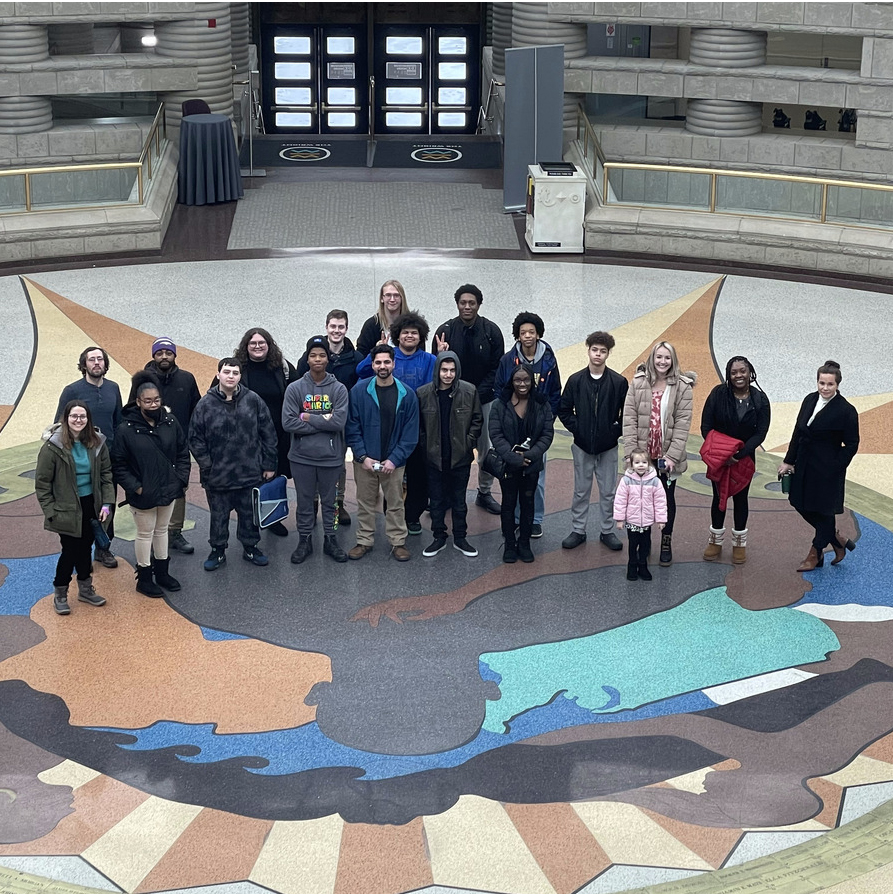
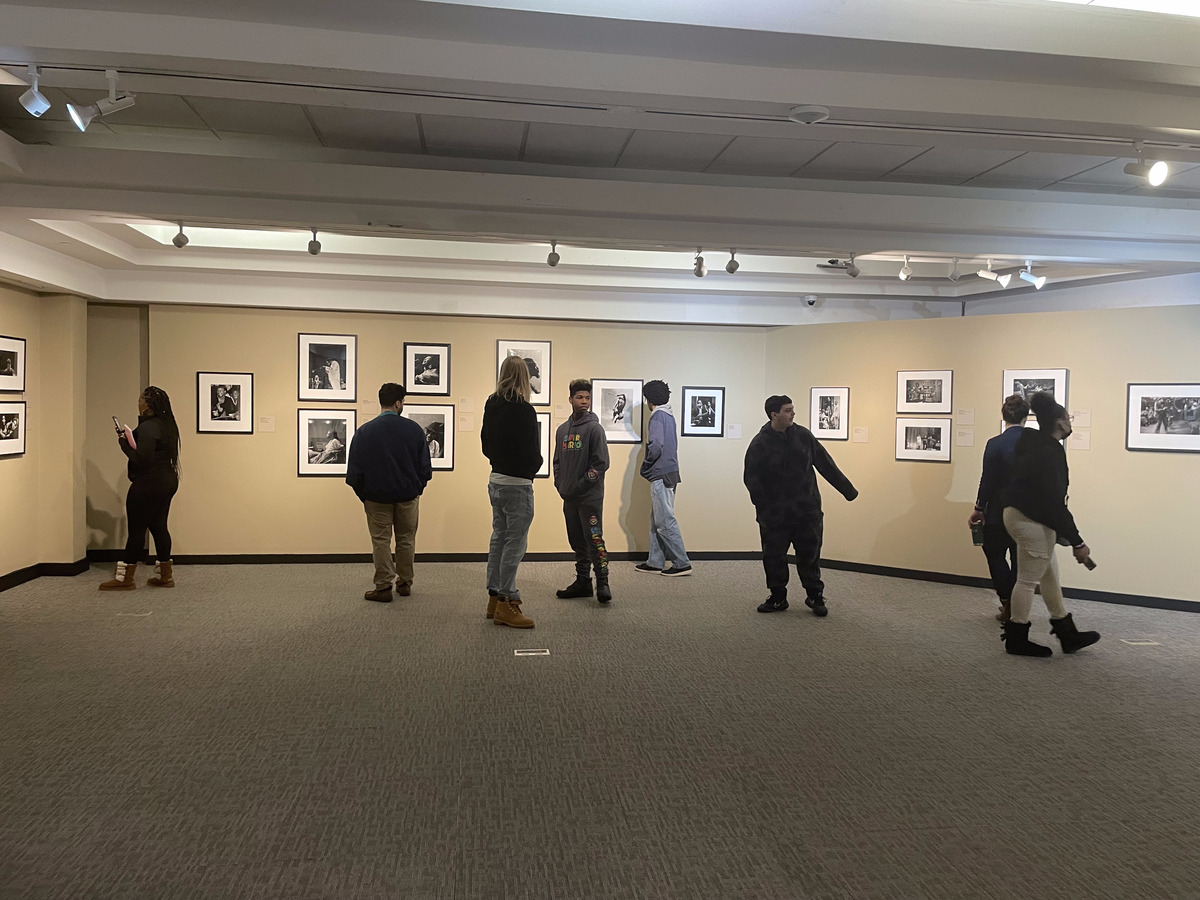
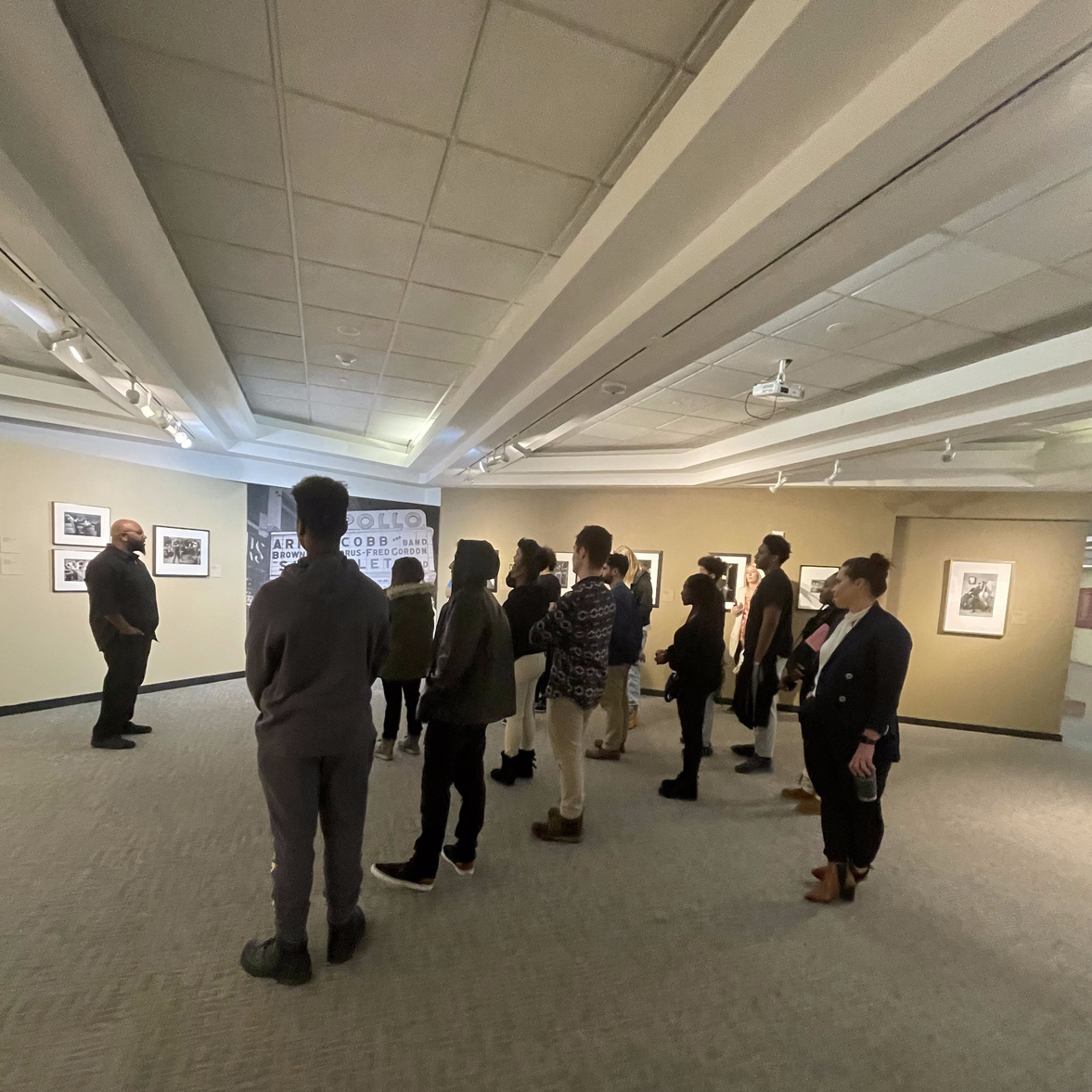
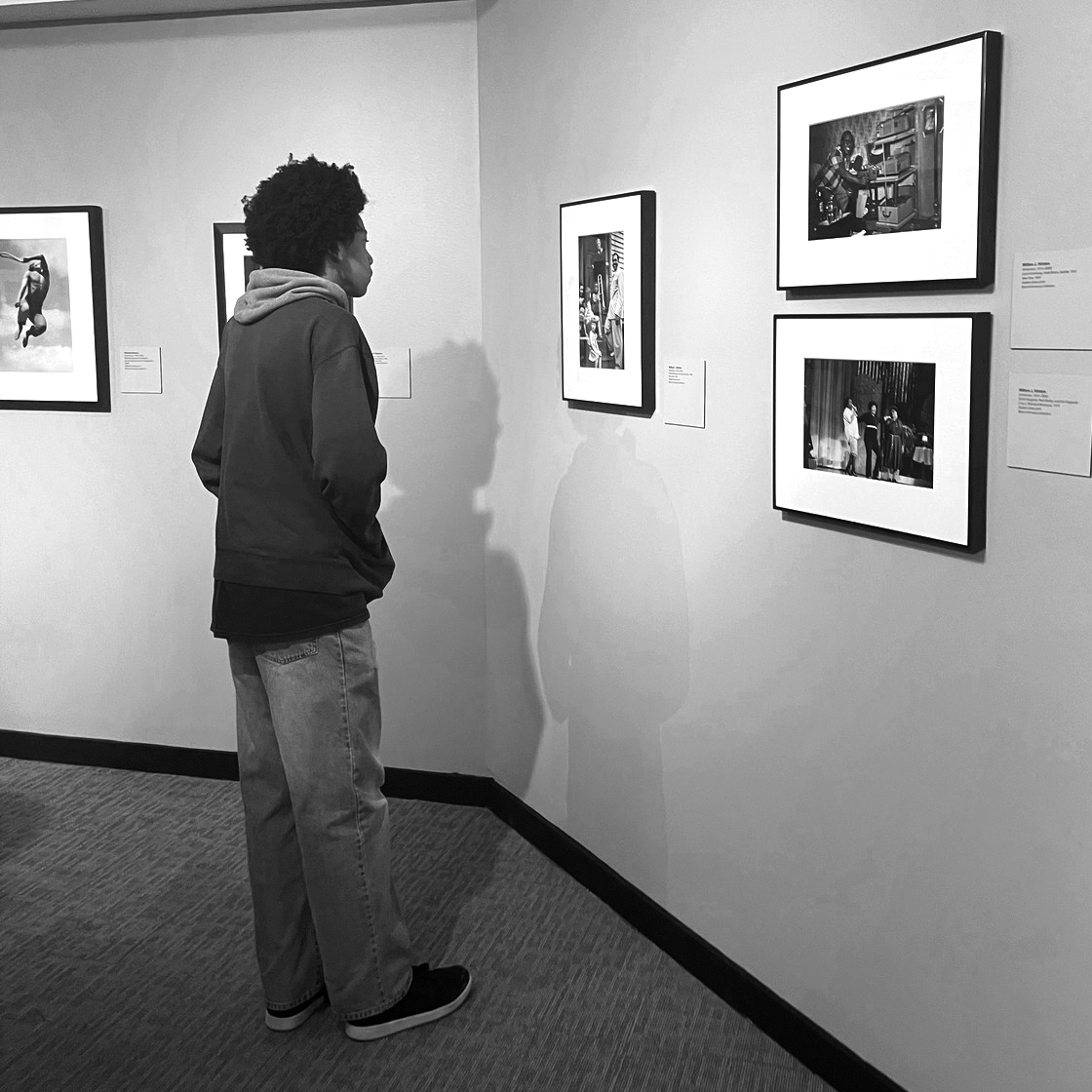
Osborne's Youth Experience Success (YES!) Buffalo explored the rich history and cultural legacy of African Americans at @TheWrightMuseum for #BlackHistoryMonth. Check out some of the fun moments our participants had while interacting with the empowering exhibits at #TheWright!
1
6
216
2 Feb 2023
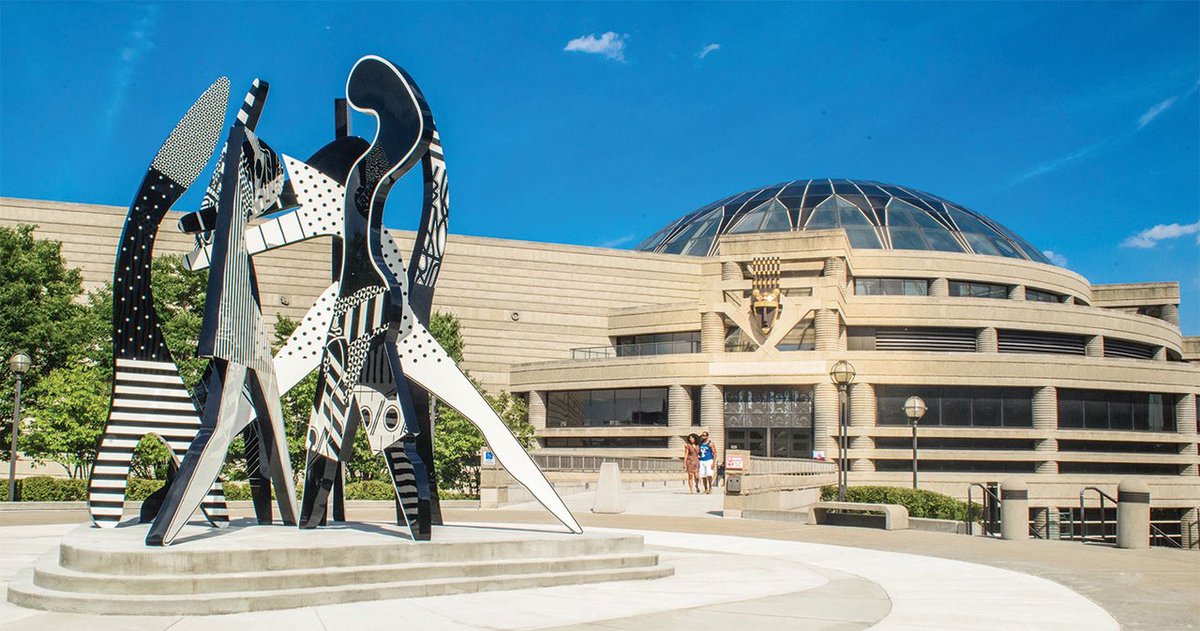
@GovWhitmer and @LtGovGilchrist are not running from Black History, which is American history. The duo honored the contributions of Black Americans to the progress of both Michigan and the United States and encouraged visits to @TheWright and other important sites.
1
5
155

27 Jan 2023
#BBBSMD Career Buddies from #MadisonHighSchool and their @GM and @BankofAmerica mentors took a field trip to @TheWrightMuseum earlier this week. Thanks to #BankofAmerica #GeneralMotors & #TheWright for this experience! #BiggerTogether #BlackHistory #education #Detroit
2
189
13 Jan 2023
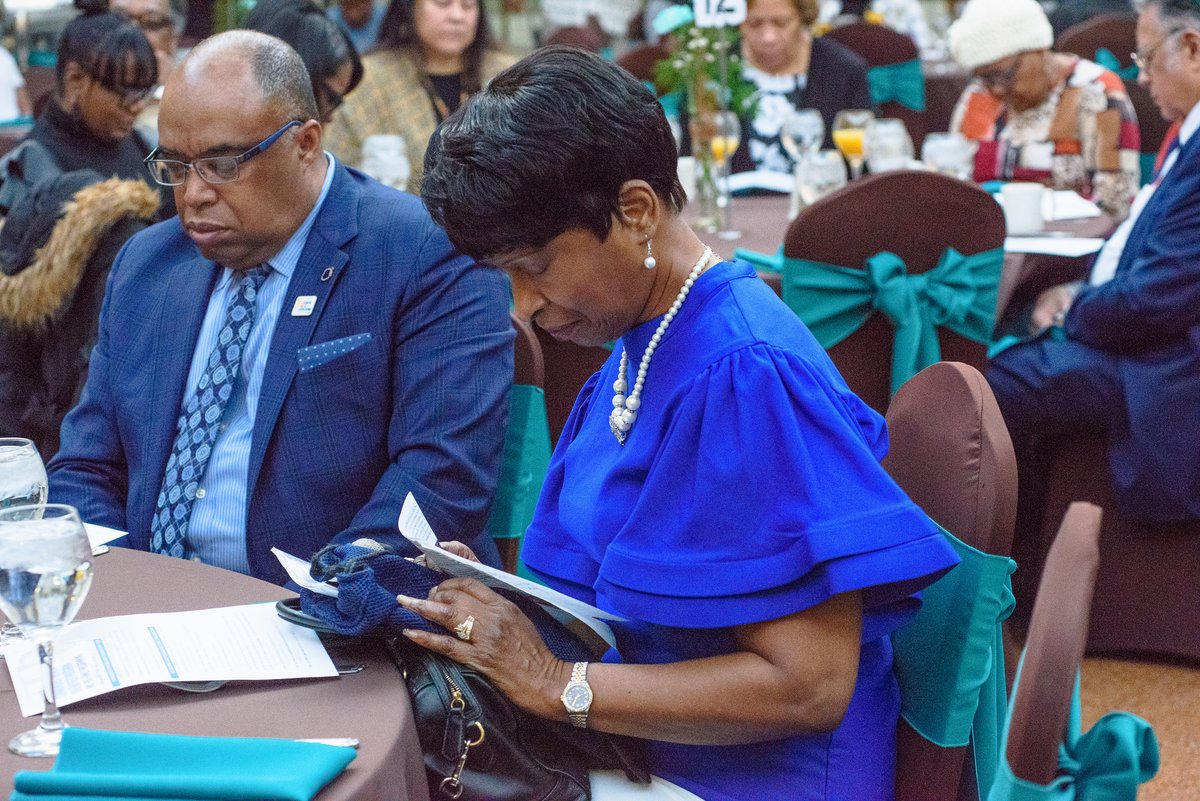
Join us on Monday, January 16, 2023, for a buffet breakfast and an inspiring program featuring Rev. Dr. JoAnn Watson and Dr. Melba Joyce Boyd. Dr. Boyd. Visit e.givesmart.com/events/ups/ to purchase your ticket. Museum members use code Member2023 for a discount.
#MLK #TheWright


2
10
398
15 Sep 2022
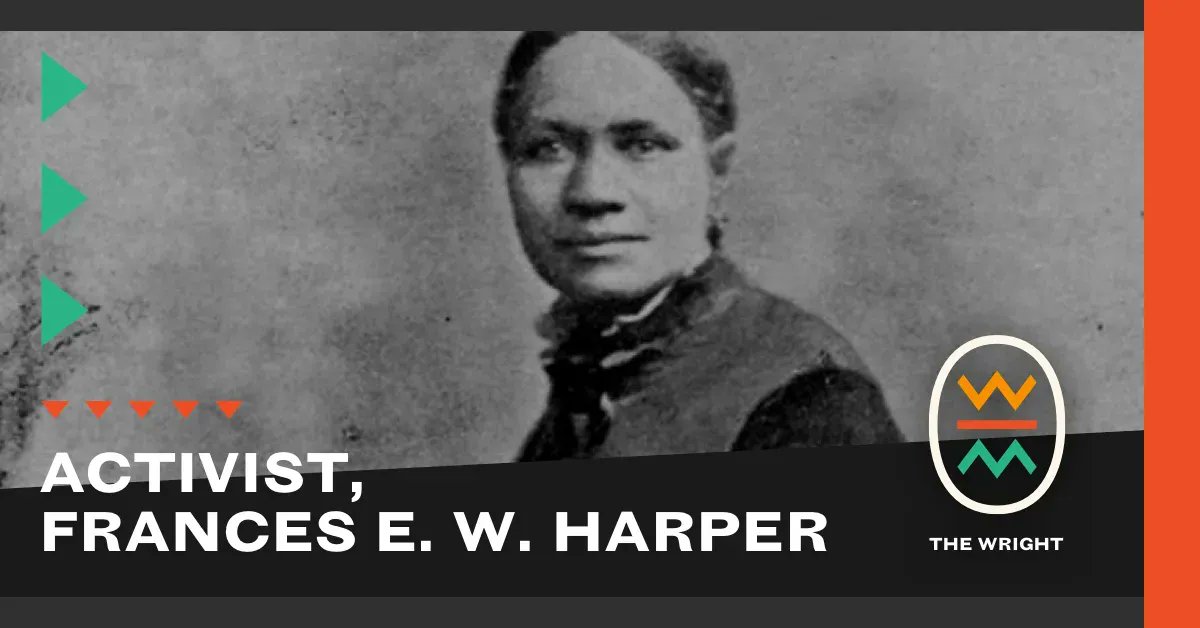
Learn about activist, Frances E. W. Harper, today at 12 pm and 4 pm virtually! Frances was an American abolitionist, suffragist, poet and more. She fought hard for many rights and lectured across America during a time when women rarely spoke in public. #TheWright #Detroit
4
17
13 Sep 2022
This is the last week to explore King Tut's tomb at The Wright! Now through September 16th, you can see the young Pharaoh's prized possessions that he enjoyed in life and death. #TheWright #Detroit #Michigan
Plan your visit today at buff.ly/3pBltl4

3
11 Sep 2022
Grandparents’ Day returns to The Wright! Explore, play, create and make lasting memories at this fun annual celebration of intergenerational respect and love. #TheWright #Detroit #Michigan
Visit the Wright with your grandparents today at buff.ly/3pBltl4

3
Learning is for everyone! Expand your groups' knowledge through a tour or an interactive workshop complimented by long-term and short-term exhibitions. #TheWright #Detroit #Michigan
Plan your group visit today at buff.ly/3T46pKp

1
3
7