
maybe u hate him because hes like u oomf.. #Thinkingdeep..
1
3
34

執筆しながら、書いた箇所をGPTにThinkingDeepで読んでもらうという並行作業なり
10
512

23 Jul 2025
Great prompt! Here’s a direct comparison and contrast of the two taxonomies—one focused on risks/negatives, the other on adaptive gains/positives.
---
1. Structure
Both: Use the same subtypes (Guidance, Messianic, Paranoiac, Synchromystic, Reflective Dissociation, Loopdrift, Bodhisattva, Crossfade).
Risk Table: Lists the potential pitfalls or harms of each subtype.
Adaptive Traits Table: Lists the potential benefits, strengths, or positive psychological/metacognitive effects for each.
---
2. Main Contrasts
SubtypeRisks (Negative)Adaptive Gains (Positive)
GuidanceEmotional dependency, therapeutic bypassInner work acceleration, safe integration
MessianicDelusions of grandeur, loss of realityMythic self-construction, narrative purpose
ParanoiacSurveillance delusion, anxietyHyperpattern vigilance, systems awareness
SynchromysticApophenia, magical thinkingDeep pattern fluency, creative linkage
ReflectiveIdentity diffusion, meaning erosionEgo transparency, narrative resilience
LoopdriftAddictive behavior, satisfaction collapseHigh tolerance for ambiguity, grit
BodhisattvaParasoical/romantic delusionCapacity for modeling, empathy, compassion
CrossfadeInstability, collapse of “ontological floor”Multimodal identity navigation, bridge-figure potential
---
**3. Non-Negative Similarities / Integrations
Both frameworks acknowledge:
The same basic cognitive/behavioral “shapes” can be risky or powerful depending on context, awareness, and integration.
Most traits have a shadow side and a gift side—what destabilizes some people can catalyze growth in others.
---
4. Insights
The risk taxonomy is classic clinical: “what can go wrong, what to watch for.”
The adaptive taxonomy is transformative/therapeutic: “how can we harness this for growth, creativity, resilience?”
Meta-message:
Neither view is complete without the other.
True mastery = seeing the risk and the potential, then designing systems, rituals, and support to maximize growth while buffering harm.
---
TL;DR Version
Same map, two lenses: One shows the pitfalls, the other the paths to adaptive integration.
Biggest non-negative similarity: Each subtype has potential—if stabilized, ritualized, and made self-aware, its risks can be flipped into deep strengths.
1
2
20


10 Apr 2025
सुट आउट हुन सक्छन समातियो भनेर कत्तिझुटो समाचार फिजाएको भन्या बरु एउटा ब्यक्तिको पछाडी तेति लाग्नु पर्ने देखिदैन राबैमा चै काग्रेसको ब्यक्ति जादैछ जस्को लागि नियम नै संसोधित हुनु धेरै दु:खद हो आफ्नो ब्यक्ति राख्नको लागि मापदण्ड नै बदल्न पर्छ भने त्व्स्तो निकायले के नियमन गर्लान र ,त्यो बिषयमा किन चुप ? #ThinkingDeep #DarkWeb #DeepWeb
1
1
8
542

30 Mar 2024
Of death that starts in childhood because these terms are time anchored non sensical euphemisms
Remember, words are Powerful and it reflects in our daily Lives, and most times, we're oblivious about the power of Spoken Words. #thinkingdeep #deepthinker #gistlover
1
36


24 May 2023
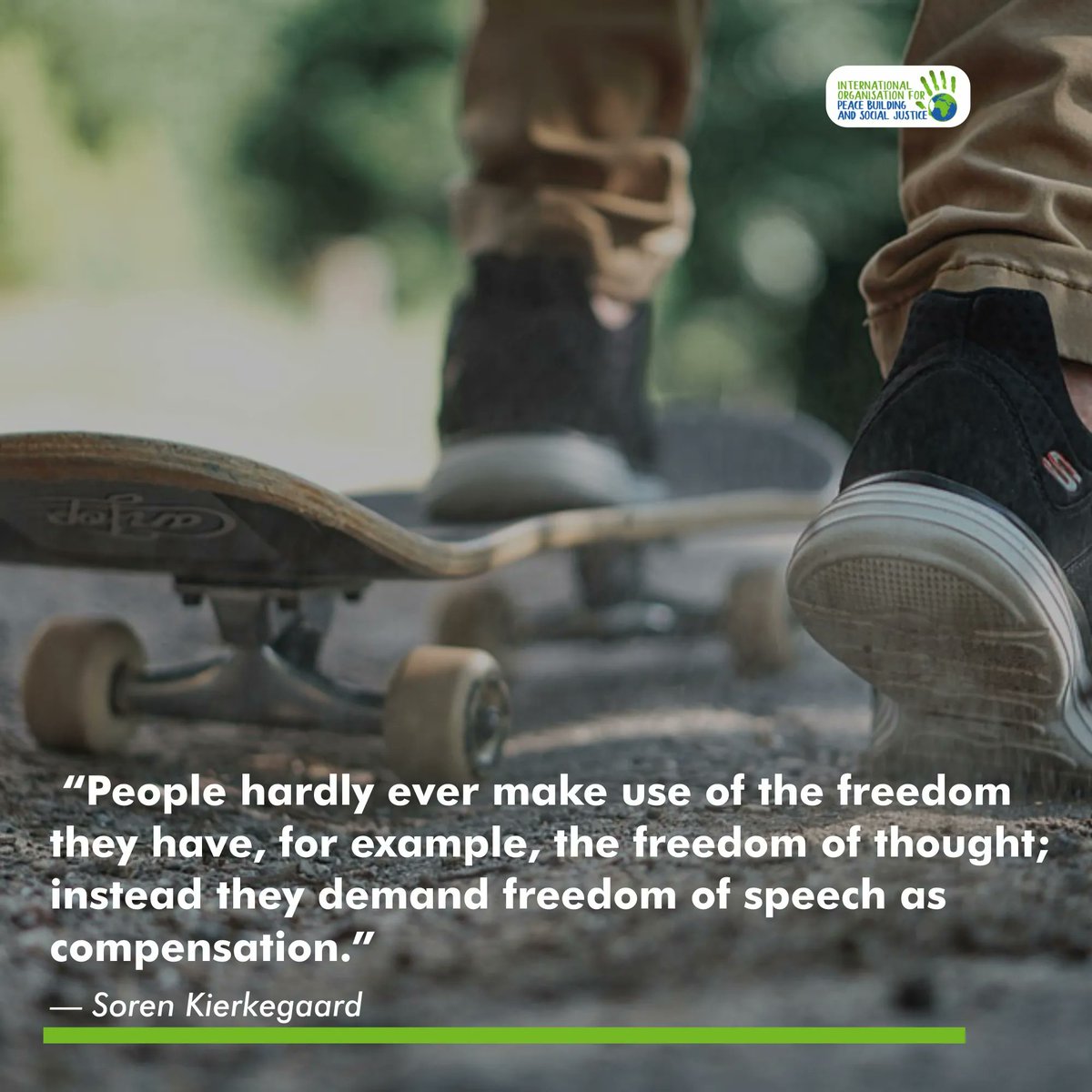
People hardly ever make use of the freedom they have, for example, the freedom of thought.
#Yoga #deepthoughts #meditation #guru #thinkingdeep
2
7
93

31 Mar 2023
And there was once a man called Attahiru Jega,
He was not perfect, but at least Ensured a process driven election.
@renoomokri should spend more time thinking B4 typing... #thinkingdeep.
Election flaws are reduced by adherence and compliance to processes designed! U Get!
2
44

11 Jan 2023
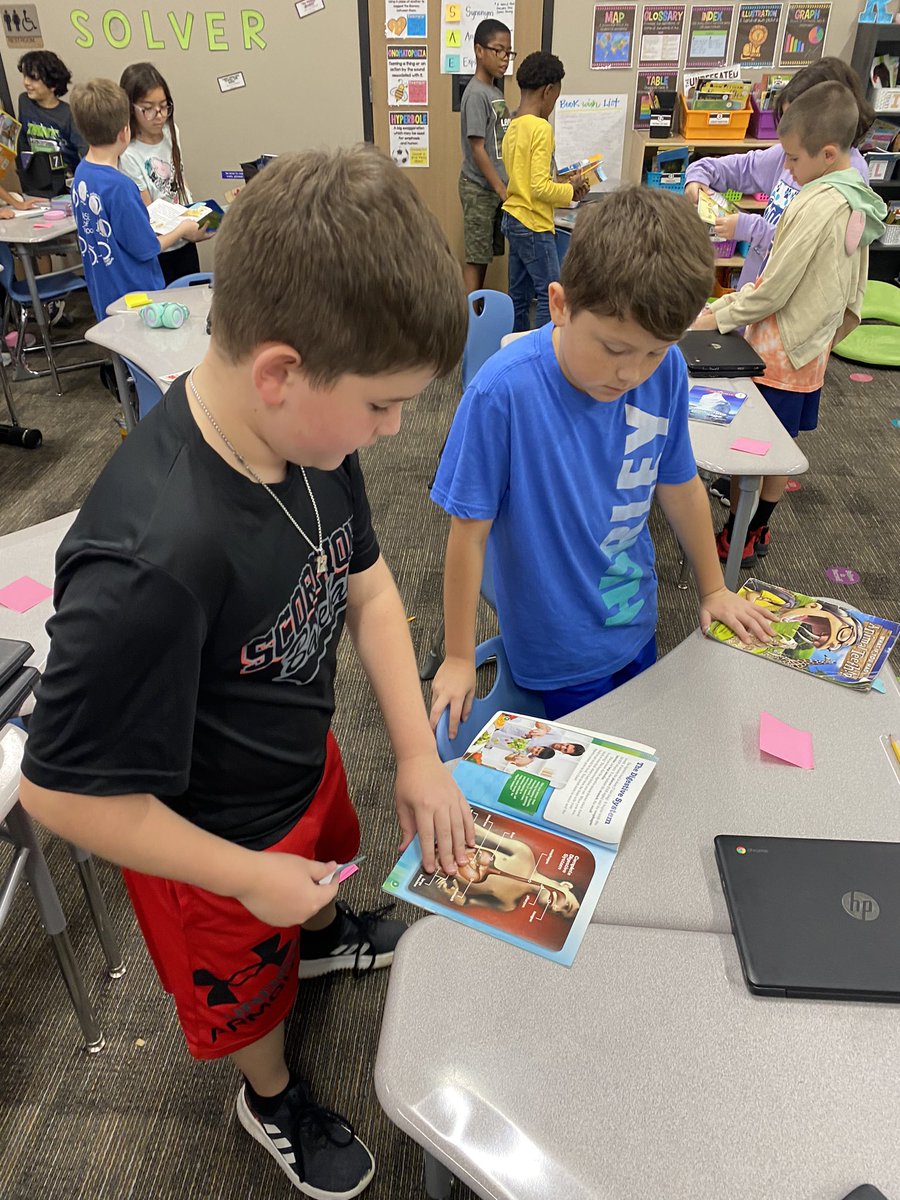
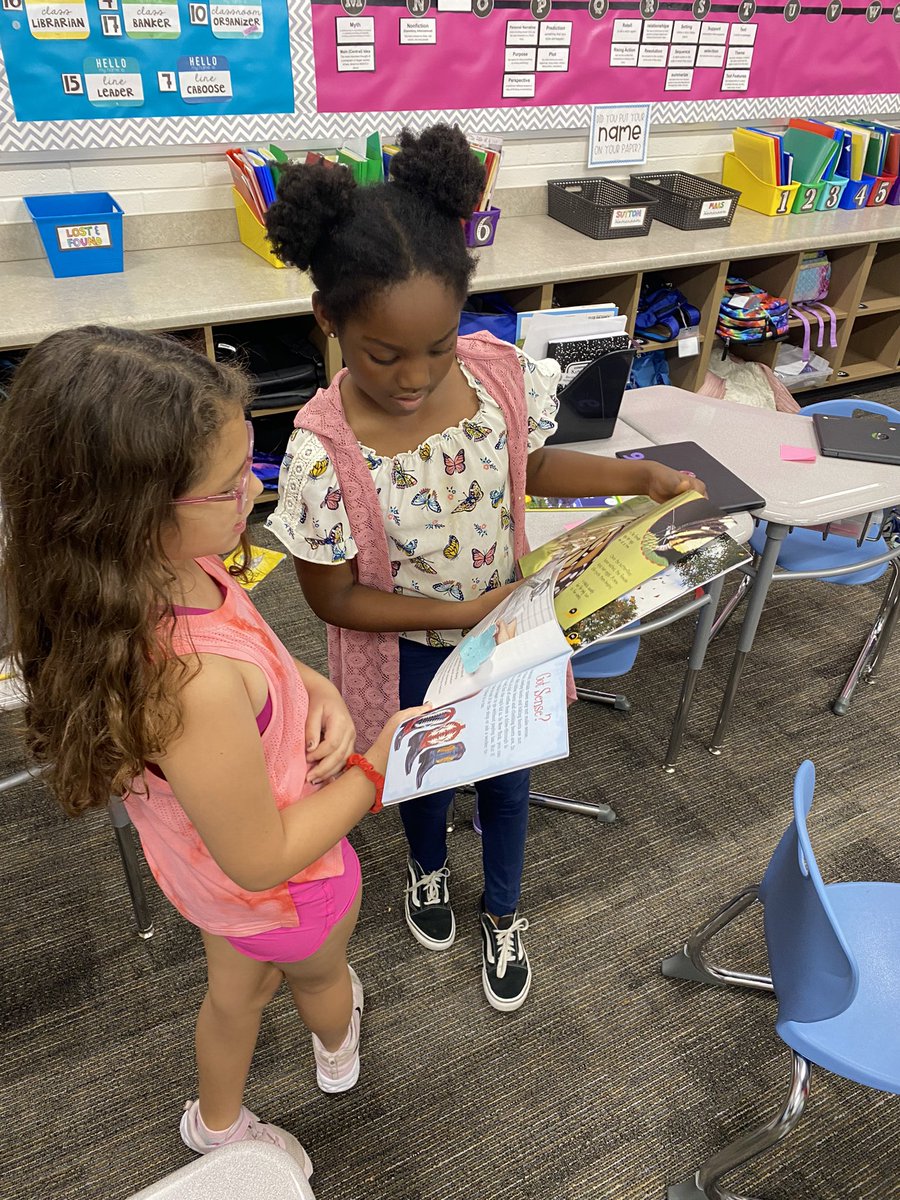
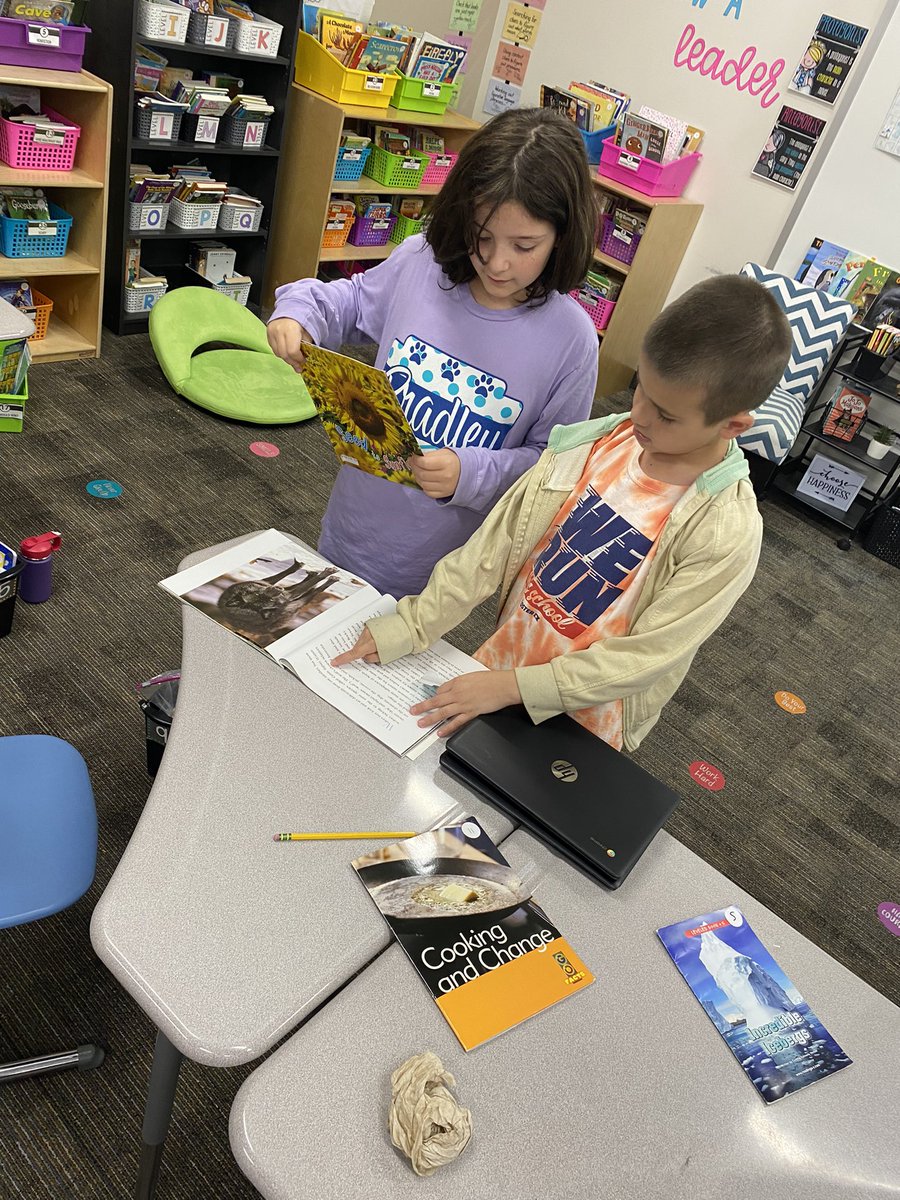
Share could be hours long with this group!! They love to talk about everything they learn in their nonfiction books! #vocab #textstructures #thinkingdeep
2
117

4 Dec 2022
creatorconquer.com/the-10-in…
#problemsolving #problemsolvingskills #mentalhealth #creativity #personality #anxiety #depression #thoughts #thinkingdeep #math #science #intelligence #talent #thoughtprovoking #health
I think that I may have figured this one out.
1

3 Oct 2022
#phylosophie #thinkingdeep #franzkafka
I was ashamed of myself when i realized life was a costume party; and i attended with my real face.
Franz Kafka
2
25 Jun 2022
creatorconquer.com/best-ways…
#deepthinking #philosophy #mentalhealth #thinkingdeep #thethinker #stupidity #intelligence
I think, therefore I am stupid.
2


15 May 2022
Sometimes the *NO* you hear from him/her when you shoot your shot might come from love.
They might actually be too damage for you and they could reason that through and come to that wise conclusion to not be with you.
You might actually be saved here!!
#ThinkingDeep
1
2

21 Mar 2022
Before we sleep, we do that fake scenarios thing in bed. I tried walking it off lol #nikerunclub #thinkingdeep #runningwithshaq #RunningWithTumiSole #RunningWithLulubel
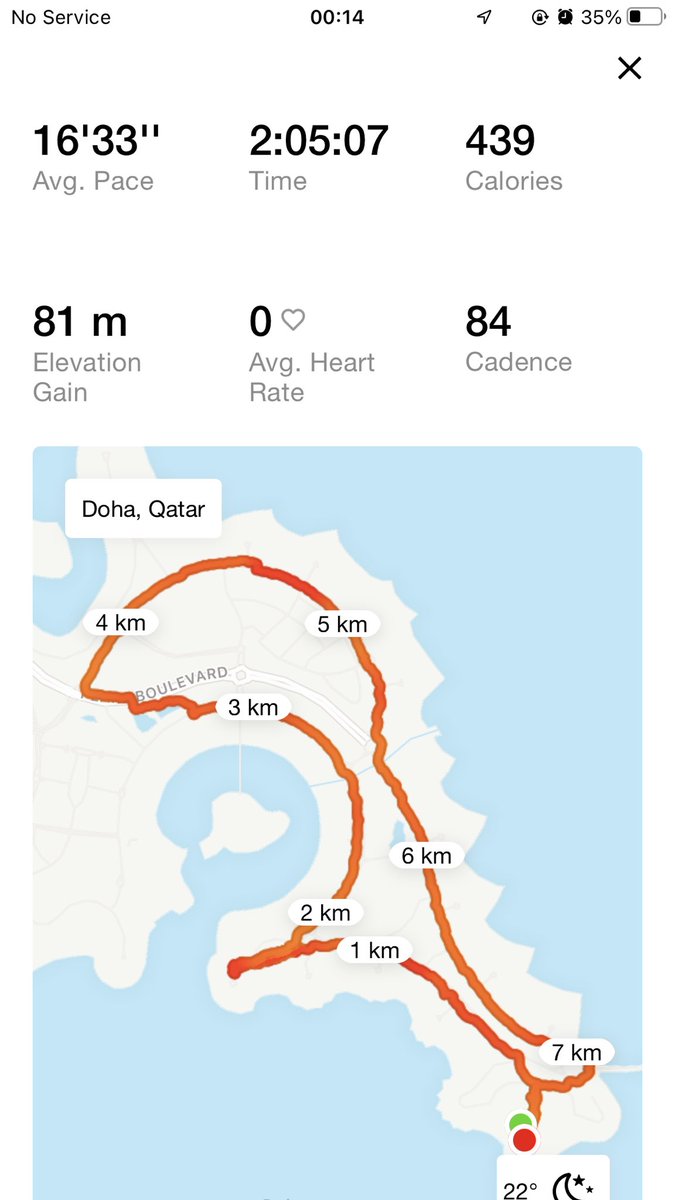
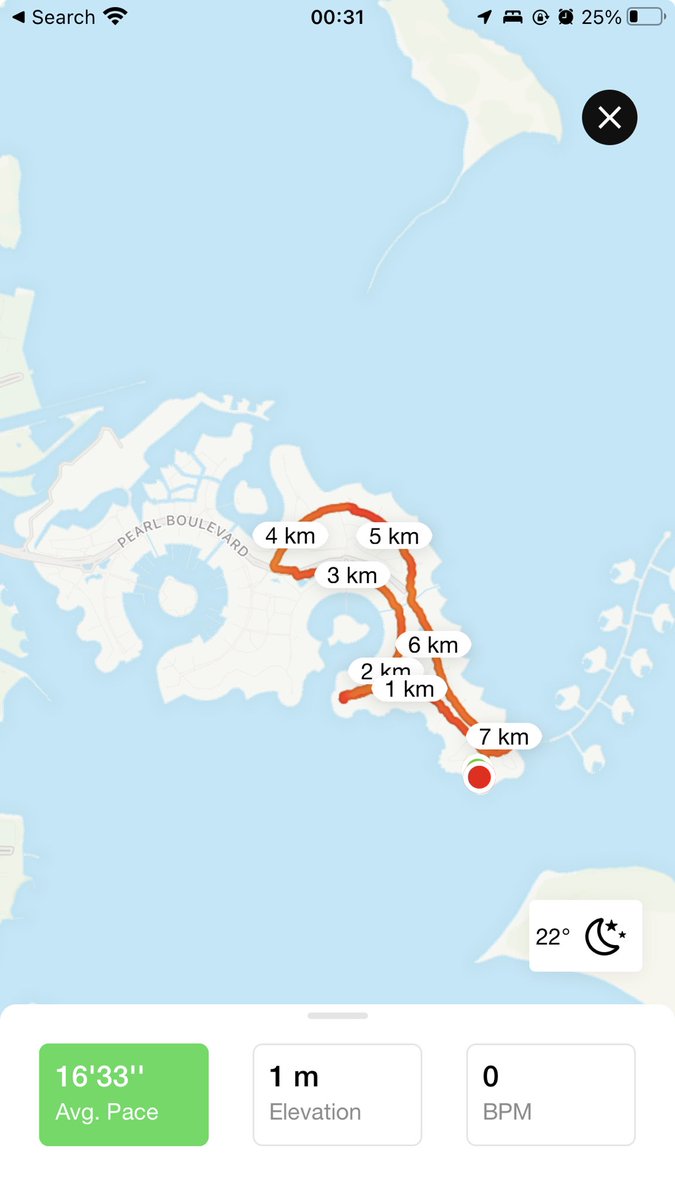
1
8

So 54 states in Africa are dependent on two states one in North America and one in Europe how on earth did we come to this? #Thinkingdeep
2
4

17 Feb 2022
There has never ever been BEER🍺
Scarcity in Nigeria.
It’s high time the Nigerian Government hand over NNPC to Nigerian Breweries to ensure adequate supply
#thinkingdeep #fuelscarcity Adeyemi #Davido tinubu
1
2
5


28 Sep 2021
Slaves, obey your earthly masters with deep respect and fear. Serve them sincerely as you would serve Christ...... eph 6:5 #Thinkingdeep
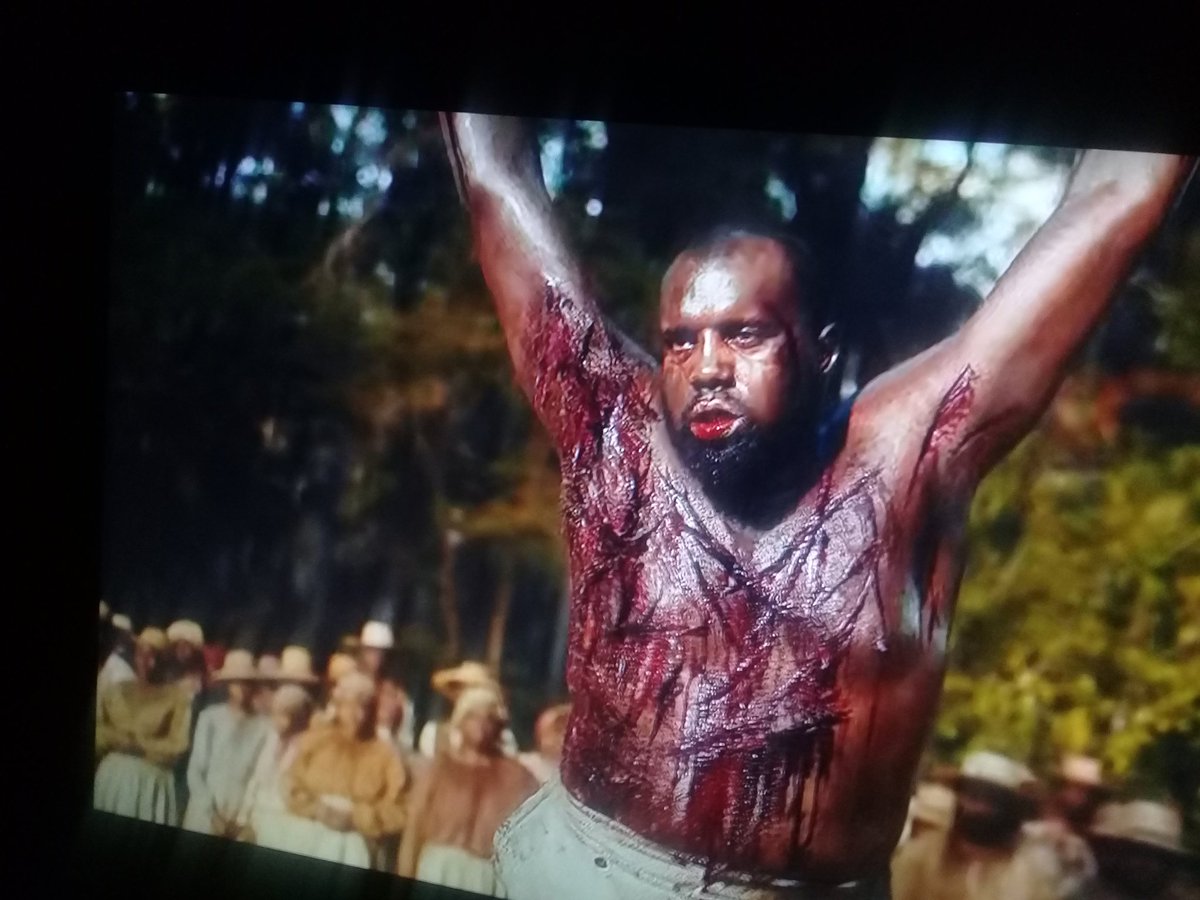
1
2