kennavacciuolo🇮🇹 retweeted

[ : ̗̀➛ Yume Prompt !! 🌸 ]
F/O hugging yume in the morning when they try to get up, telling them to stay a little longer
3
139
666
12,030
ƦƛMƠƝƛ 👁️ retweeted

Jun 13
“If you’re bored tonight… try THIS 🔥 (18 )👉playnight.live
5
1,169
11,267
109,049
Prakash Bhatt retweeted

Good try, sir. As usual, it is NEVER China's fault when a relationship turns adversarial. It is not China's fault that it deploys coercive tactics in Philippine's EEZ. It is not China's fault that it creeps onto and squats on sovereign territories. The fault lies with others for "confrontation".
One tends to agree with some of the points you made, but the solution, for India, is not substituting one subservience for another.

To put it bluntly, since 2017, India has chosen the worst of the available paths.
By aligning itself with the US, it has obtained almost none of the resources that would strengthen its strategic autonomy and has instead grown more dependent.
By confronting China, it has lost manufacturing capital and technology that could once have been acquired effortlessly. Counter-intuitively, these flows of capital and technology—though they appeared to deepen dependence—were in fact the essential foundation for Atmanirbhar Bharat.
India now finds itself stranded between the two powers and exposed as collateral damage, as Marco Rubio puts it, in their strategic contest.
This has left it vulnerable to American pressure on multiple fronts—tariffs, trade in Russian oil, killings in the Strait of Hormuz, and access to advanced AI models. Washington did all the above with little concern for India’s basic dignity or core interests.
The roots of this grand misjudgement lie in India’s long-held belief that the US would always remain dominant and that the safest course was therefore to stand with the strong. That assumption is now being questioned even inside the Trump administration, throwing India’s strategic planning into disarray and leaving it without credible contingency plans.
Three uncomfortable realities have become clear: 1) an America gripped by anxiety is unlikely to offer its partners meaningful support; it is rather more inclined to treat partners as expendable assets to be drawn upon when needed. Yes, India is simply seen as the bloodbag.
2) The path dependence created by long-term reliance on American financial systems, software ecosystems and geopolitical arrangements has become a potent instrument of leverage precisely because India has few realistic alternatives.
3) for reasons of elite izzatl and face-saving, Indian policymakers have so far refused to undertake the necessary recognitive rerouting—above all, to seriously contemplate the possibility that China may be prevailing in the broader contest and to adjust its choices accordingly.
5
20
108
3,762

Yes, many airports have prayer rooms which are definitely for Muslims.
Try to sing Hanuman Chalisa there… you will be stopped in the name of disturbance / noise.
1
Lady Engineer🔆🕊️ retweeted

Hey, @realDonaldTrump—wake up, pay attention—that's not an IQ test they keep making you take. Dude, try to stay awake!
It's a test for dementia! You still there??
Our latest ad 👉
georgeconwayforcongress.com
361
2,170
8,260
240,160
Snake Prius King retweeted

🎶 You can't always get what you want. But if you try sometimes, you get what you need 🎶

1
2
2
20


truefootyfan retweeted

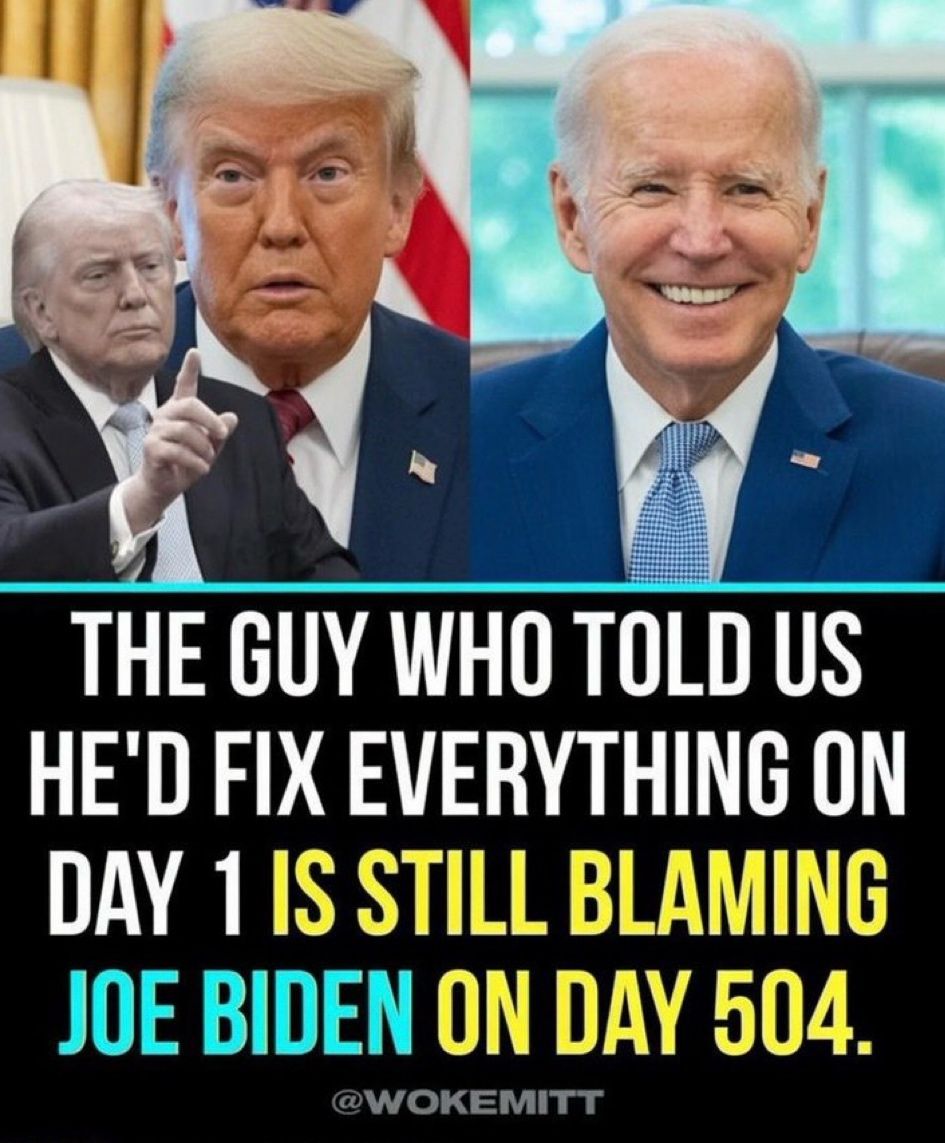
When you hear these Trump regime clowns try to blame Biden for high inflation, shut them down with facts 👇
Inflation is the highest it's been in three years because of Trump and Trump only - it's his asinine and erratic tariff policy and reckless war of choice in Iran that has raised prices on struggling Americans.
And one difference between Biden and Trump?
Biden was at least trying to take action to bring inflation down, while often being blocked by right-wing Trump judges and a GOP Congress.
All you get from Trump is taxpayer-funded arches, ballrooms, UFC fights, felon-to-felon slush funds, and more tax breaks for billionaires.
Remember in November.
#ResistTrump
9
163
220
1,572
elite retweeted

1h
Try to find joy in every day, not because life is always good, but because God is 🤍
199
147
741
8,501
Gupta BGV retweeted

𝗧𝗛𝗜𝗦 𝗜𝗦 𝗧𝗛𝗘 𝗥𝗘𝗔𝗟 𝗜𝗡𝗗𝗜𝗔 🇮🇳
No matter how much western media try to defame and demean India by spending Millions , we will nullify everything at Zero cost 👌🏽

1
104
436
5,089
Carol T 🦅🇺🇸 retweeted

Try to rub your two brain cells together and think about this MAGA Cult Morons!

12
20
80
531
aru ruru retweeted

what if the book your ex trashed you in became a BEST SELLER & he didnt try to make amends w you & you were spiraling & you got attacked to near DEATH & then he showed up with his lawyer bf SUING you for damages to his hotel & to top it all he owns E of your MERCH #tvlspoilers
13
87
837
9,743
SportsFanBurnerAccount retweeted

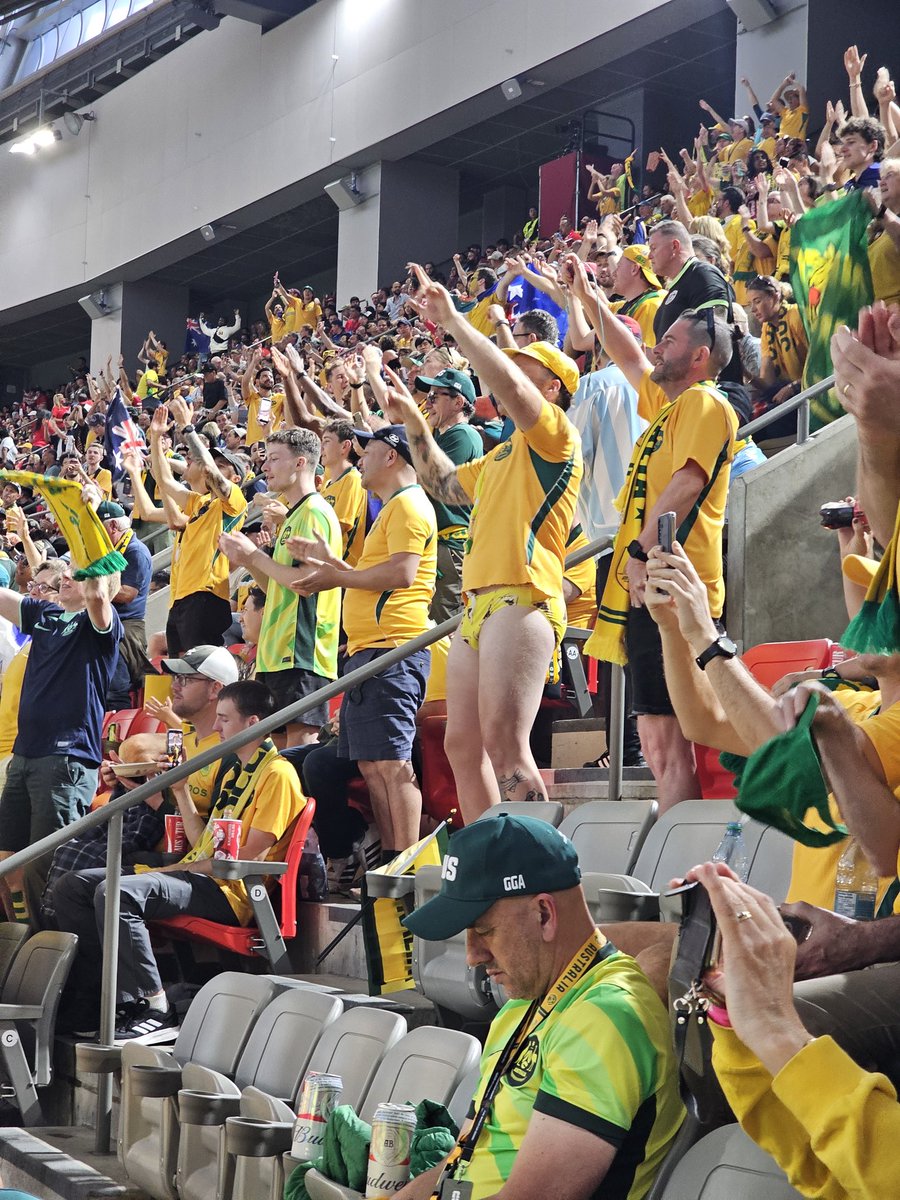
“Australians have no football culture”
Try again sweaty #FIFAWorldCup

6
124
3,803

1h20m
fumbled, still need to work on alot of things, most likely due to poor mapping on initial stages. Maybe cutting time on color n value mapping can help to be more decisive🤔
roughly this one is 103060
next will try 102070 ratio(10 drawing, 20mapping, 70 refining)

1

try avoid the fyp tag because it just shows up on random ppls fyps, try keep Ur tags in the F1 fandom and maybe they'll perform better?
1
1


Reina Mishima - Endurance Challenge
When you can't win her in a fight, opt for a challenge you can (try) to win.
Full (Clothed): files.catbox.moe/sxq7pu.mp4
Full (Nude): files.catbox.moe/7sio96.mp4
Mega: mega.nz/folder/J1hS0A6Q#VXHl…
3
29
246
3,414
gyupuppy 🐶🐾 retweeted

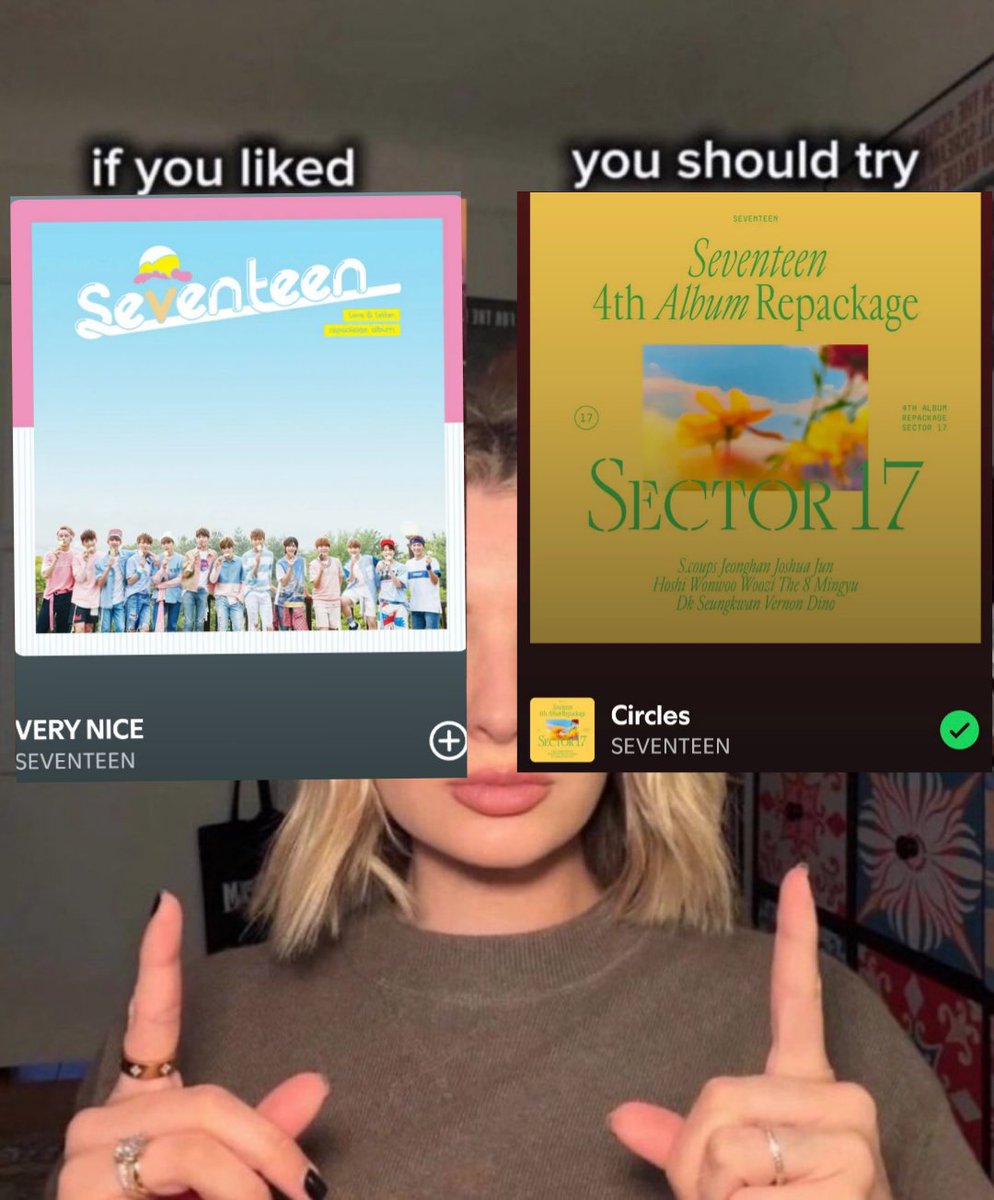
If you liked strawberry ice cream you should try smoking weed
7
671
3,420
24,933