Μαρια Κιτρινη retweeted

“This sauce is assertive, almost pushy but there’s a nice sunny underbite; its insouciance and playful tang working perfectly with these crunchy flavor bombs, perfectly seasoned.”
Shut up and eat your chicken nuggets with ranch.
2
7
17
370

Underbite, underbite make me a match. Dream me a dream. Catch me a catch ✨🤩🤩
18


Habsburg Inbreeding: Royal Genetic Disaster
The Spanish Habsburgs exemplify the dangers of chronic royal inbreeding. For over 200 years, they married close relatives (first cousins, uncles and nieces) to preserve power, producing one of history’s most genetically compromised dynasties.
The signature trait was the “Habsburg jaw” - severe mandibular prognathism and maxillary deficiency causing a pronounced underbite.
A 2019 study of 66 portraits linked its severity directly to inbreeding coefficients.
Charles II (1661–1700), the last Spanish Habsburg king, suffered the worst outcome. His parents were uncle and niece; his inbreeding coefficient reached 0.254 - equivalent to offspring of full siblings.
He exhibited an extreme protruding jaw (could not chew food), developmental delays, intellectual disability, epilepsy, impotence, and frailty. He died childless at 38, extinguishing the line.
Inbreeding depression was catastrophic: roughly half of Spanish Habsburg royal children died before age 10. Extreme homozygosity likely unmasked recessive disorders such as combined pituitary hormone deficiency.
Other European royals faced similar issues from cousin marriages.
Queen Victoria’s descendants spread X-linked hemophilia (“the royal disease”) across Britain, Russia, and Spain. Porphyria afflicted Hanoverians (notably George III).
These cases highlight how consanguinity concentrates harmful recessive alleles, reducing fitness and causing deformities, disease, and lineage collapse.
References
•Ceballos FC, et al. (2019). The Habsburg Jaw. Annals of Human Biology.
•Álvarez G, et al. (2009). Inbreeding and infant mortality in Spanish Habsburgs.
•Historical pedigree analyses and genetic reviews on royal consanguinity.
42
Cheryl Odlum retweeted

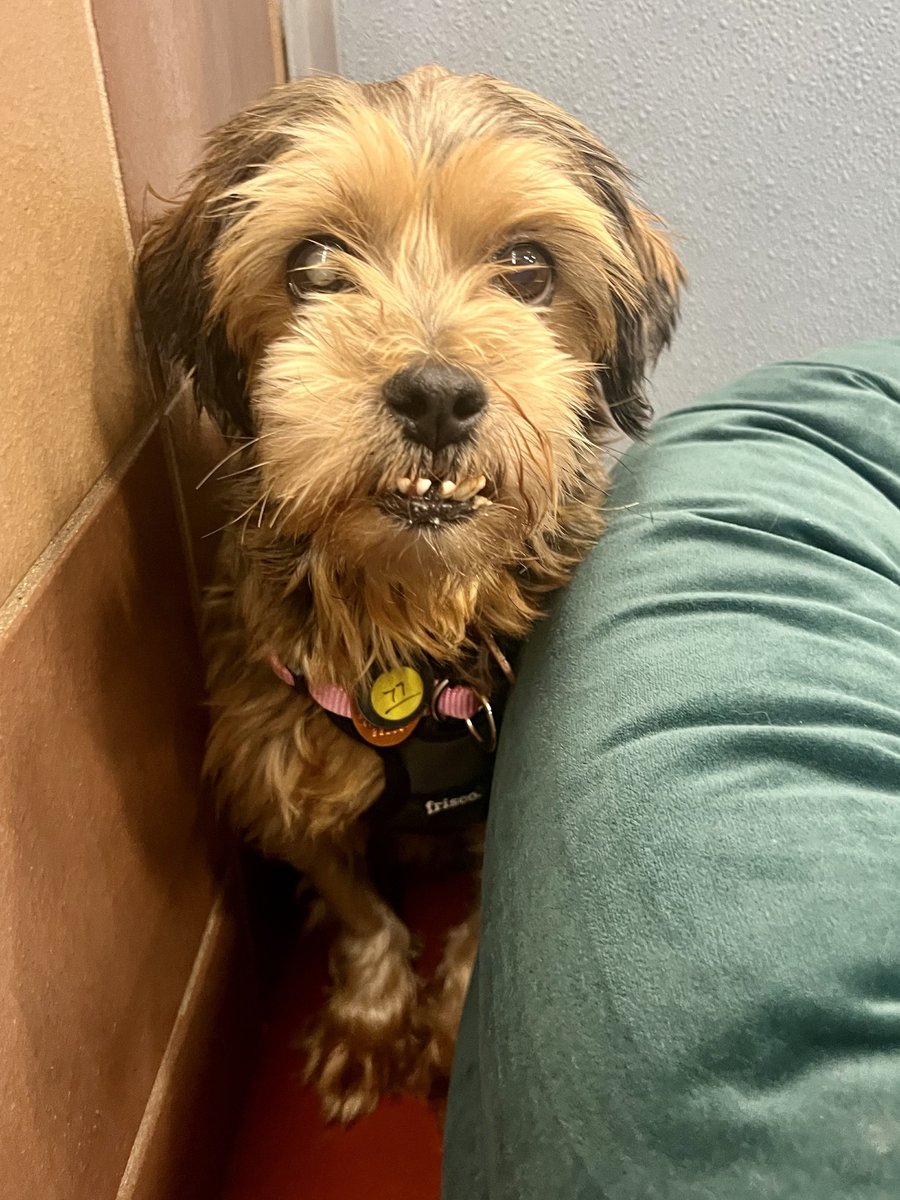
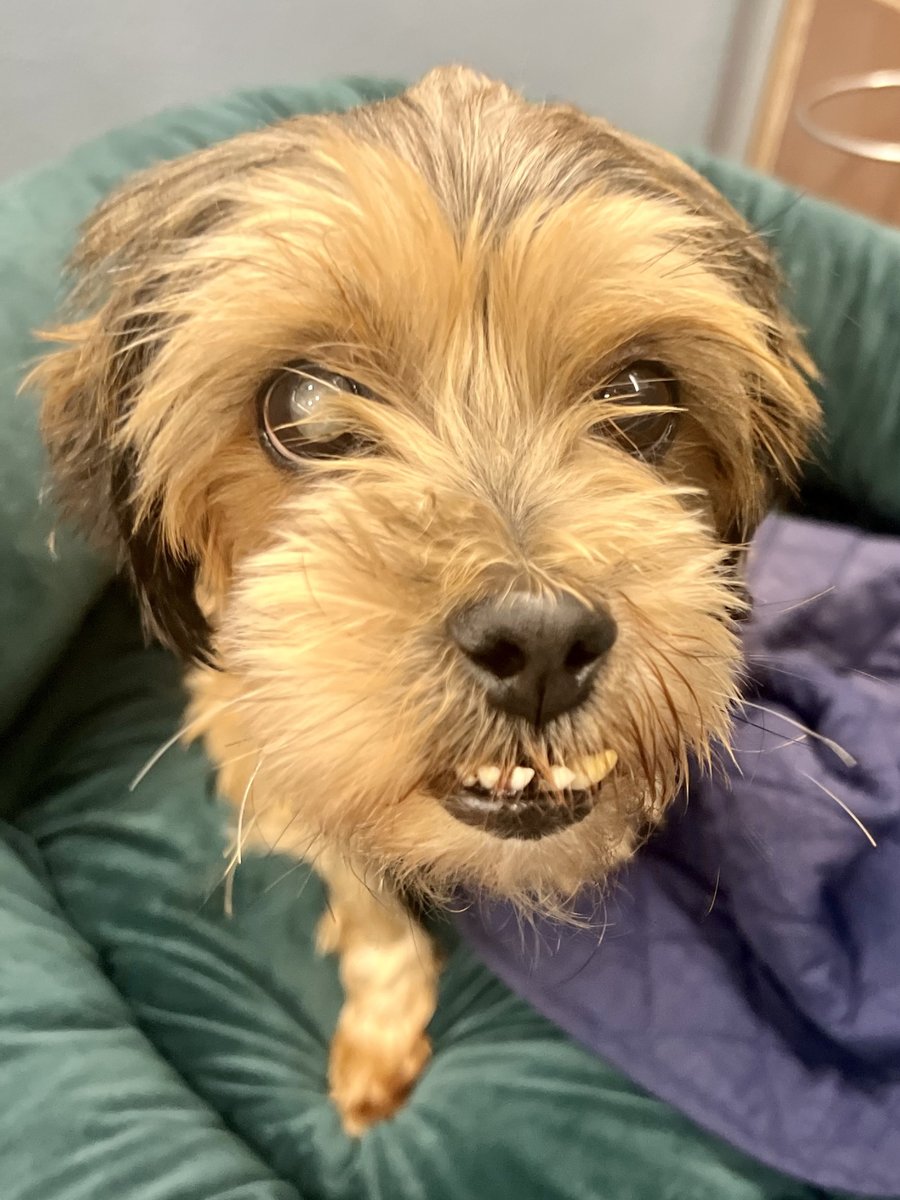
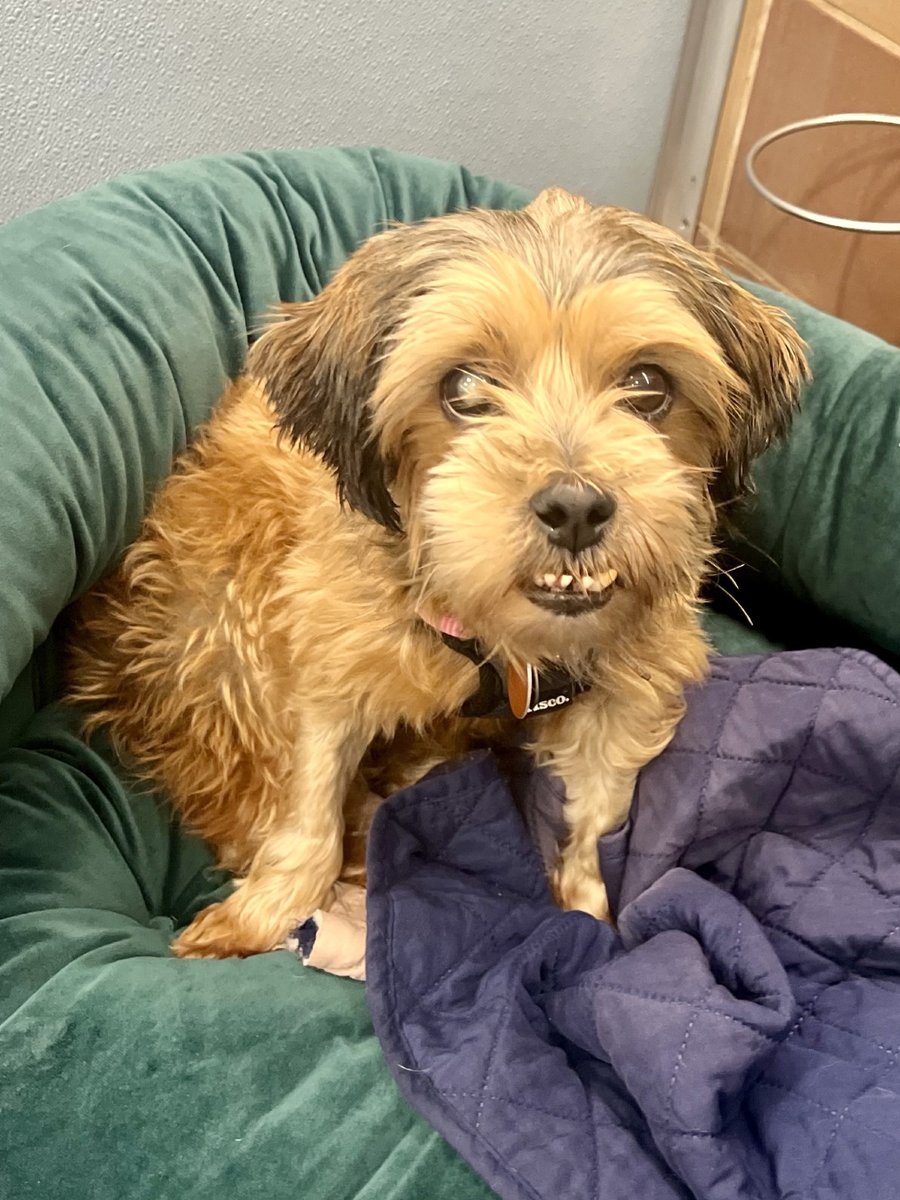
For 12 years, Reba #PM8743 has been surviving.
This scruffy little Shih Tzu mix with the adorable underbite should have spent her life curled up on a couch, following her family from room to room, and learning that people can be trusted.
Instead, the world is still a very scary place.
When Reba arrived at our shelter after being rescued from a commercial breeding facility, she brought with her years of uncertainty. We will never know everything she's endured, but we see the effects every day. New people make her nervous. Sudden movements can send her retreating to the corner of her run. Even simple things many dogs take for granted still feel overwhelming to her.
And yet, she keeps trying. 🥺
Behind those cautious eyes is a gentle little dog who wants so badly to believe that she's finally safe. A dog who deserves to spend her golden years knowing comfort instead of fear.
Because Reba gains confidence from other dogs, she must go home with a socially appropriate canine companion who can help show her that the world isn't such a frightening place. She'll also do best in a home with children 10 years and older who can respect her need for patience and understanding.
Reba isn't looking for a perfect home. She's looking for a patient one.
A family that won't expect immediate cuddles or tail wags. A family that understands that healing from a lifetime of fear takes time. A family willing to celebrate every tiny milestone - the first time she approaches on her own, the first time she relaxes, the first time she realizes she finally belongs.
At 12 years old, Reba deserves more than a shelter bed. She deserves to know what it feels like to be someone's beloved dog.
Could you be the one to show her? ❤️ Visit our Port Washington, NY Adoption Center to meet Reba and help her write the happy ending she's waited a lifetime for.
#GetYourRescueOn #CommercialBreedingSurvivor
1
81
80
625

Pat Bruno retweeted
W.T.A.F. is it going to TAKE for the #USMilitary to HONOUR ITS OATH TO THE #CONSTITUTION?!?!?
1
1
4


Sweeney does absolutely nothing for me! Underbite and bleached hair? Meh nothing special. But at least she doesn't have fake dirty pillows
11
Sillywowza 🐇🪖 retweeted

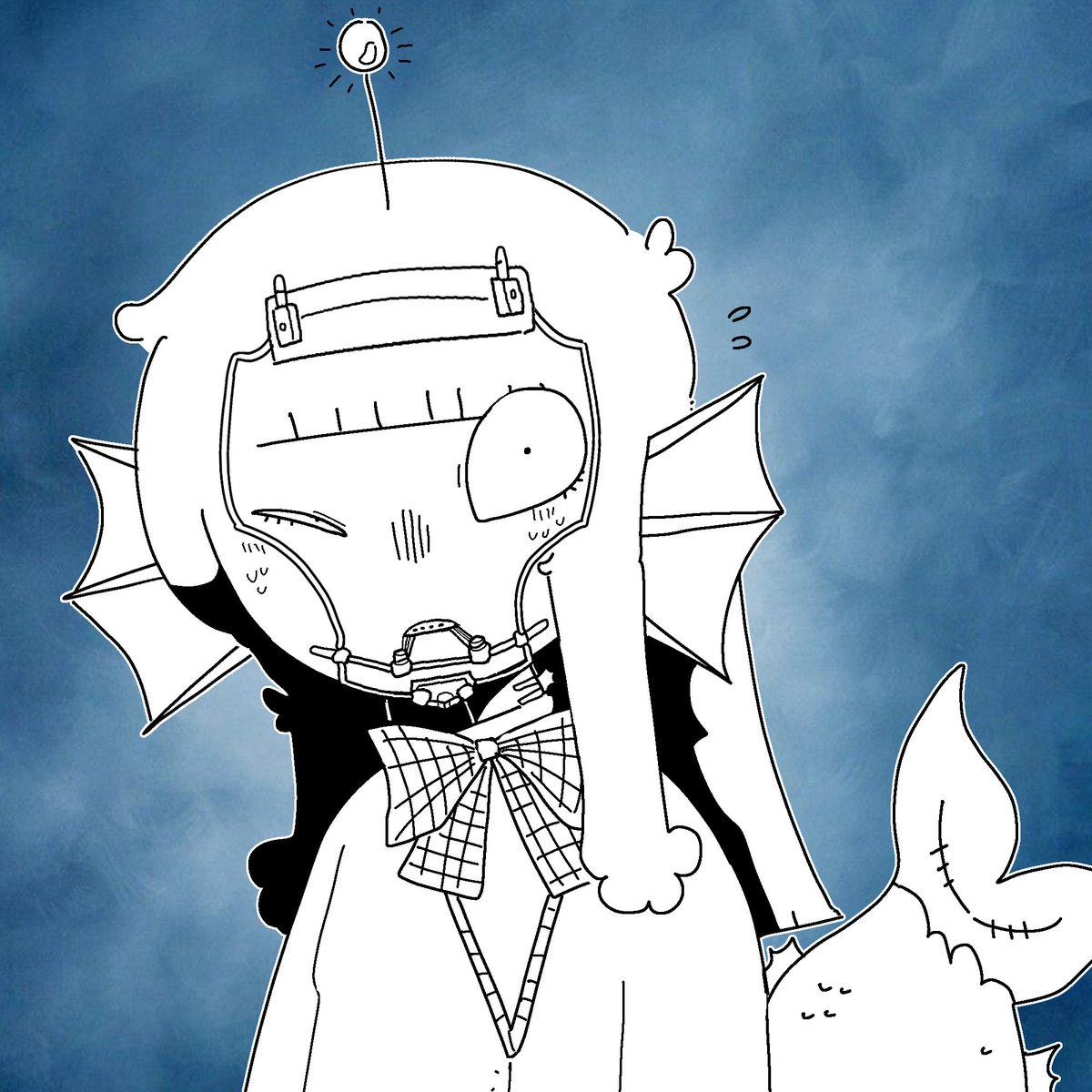
headcanon that sookie had to have braces as a kid because she had a crazy underbite #yhsfanart
1
6
11
141


This little shit stain: they always have the kind of mouth with the skin and flesh that barely covers the bottom jaw hinging like an alien with an underbite. Sloping forehead is indicative of little to now prefrontal cortex development. The puffy tear-stained eyes, crazed with the look of a woman scorned, belie the empty wreck of a replicant. A bad seed.
1
233
Jaslean La Taillade retweeted

Jun 14
3
14
53
2,943


I HAVE A LISP I SPEAK WITH A LISP DUE PROBABLY TO MY UNDERBITE. AND EDGAR THINKS IT’S HILARIOUS THE WAY I LOOK AND THE WAY I LOOK WHILST SPEAKING/TALKING.
2