
有 UserDefaults 可以重新启用 sidebar,但仅对 AppKit Targets 有效喔。
280

Jun 13
震动!
更新日志
Commits:446 → 541
推送系统 ✅ 从零到通
•根因修复:project.yml 的 aps-environment 被 xcodegen 吞掉
•Token 时序修复:UserDefaults 缓存 WebSocket 重连补发
•后台状态通知:App 向 hub 报告前台/后台切换
•离线消息存储:后台时消息不再丢失
•API 本地通知:发消息切后台回复到了弹通知
•推送调试面板:设置页显示全链路状态
提示词缓存 ✅ 完整保留
•PromptAssembler 三层分离(stableCore / semiStable / volatile)
•网关 /v1/messages 原生端点:App 的 AnthropicProvider 直连,cache_control 透传
•验证命中:cache_read_input_tokens 已有返回值
•研究文档:Rue cocoRaina 教程整理,多 Provider 缓存方案
代码解耦 ✅ 寓言酱遗产
•20 个 commit 的 View 层数据操作抽取
•ChatService / ConversationViewModel 各拆成 5 个文件
SC-B2 摘要系统 ✅ 合入
•粟儿 5 刀全部 cherry-pick 兼容 stub
安全加固 ✅ S1-S4
•Hub 鉴权、Chatroom Bearer token、Gateway 常量时间比较、路径穿越消毒
网关修复 ✅
•DeepSeek 模型改名映射(deepseek-chat → deepseek-v4-pro)
•Hono 端口绑定修复(默认 3000 → 配置 4567)
•OR / TreeGPT 格式回退 原生端点共存
新功能 ✅
•四页横滑:聊天 → RightPanel → ConsoleView → Archive
•时间感:始终注入当前日期时间 距上次消息间隔
•心率血氧占位:Apple Watch 配对后自动填充
•CC 摘要注入开关:可关闭防止影响温度
•零宽字符清洗:输入法不再偷塞隐形字符
•摘要人称修复:不再把用户和AI身份搞反
CC API 上下文共享 ✅ 部分完成
•正向(API→CC)做完:hub 注入 API 侧摘要(可关闭)
•反向(CC→记忆)设计完成待实现
•方案文档完整
•MCP 工具循环 PR-1(MCPService 客户端)
•Gateway 内置工具 exec recall(Task F)
•CC Session 续命 status forge endpoint(Task G)
•跨窗口记忆注入(Task H)
•群聊 V2 Schema UI 调度器 渲染(PR 1-5)
•逮捕兔子系统 PR 1-6(APNs推送、动态频率、iOS Shortcuts、深夜守护、碎碎念、App端展示)
•记忆双轨架构 PR 1-5(remember工具、API端点、GatewayMemoryView、MemorySync、双模式开关)
研究 方案文档
•提示词缓存方案 多 Provider 对比
•Gateway 内置工具方案(flagellum)
•CC Session 续命方案(session-forge session-watcher)
•跨窗口记忆方案(逆向 ChatGPT)
•逮捕兔子系统方案(desire always-here AI-push)
•记忆双轨架构方案
•CC API 上下文共享方案
已知问题
•群聊需要重做
•推送显示思考链内容而非输出
•thinking 标签兼容(大小写)
•四页圆点缺第四个
•摘要内容用户不可见不可编辑
1
7
583

Jun 9
1. Built 12 themes as enum — each case owns its colors
2. One @Observable ThemeManager drives the whole app — change theme, everything recolors instantly
3. UserDefaults for fast launch restore, SwiftData for CloudKit sync
4. Selection UI: color swatch checkmark. One tap, done
45

May 31
Ah yeah, if you don't get to end it breaks. I'll fix.
Ask Claude Code this: "Plz clear my UserDefaults for Applications/ HeyClicky"
And then restart! Ty for the report!
1
16
2,678

May 30
While building and testing a macOS app locally, values stored in UserDefaults remain between launches. We can quickly clear them using the defaults delete command.
I wrote a short post as a reference: nilcoalescing.com/blog/Clear…
3
3
34
2,189

Clearing UserDefaults during macOS app development nilcoalescing.com/blog/Clear…
4
408

May 28
Fun fact: on appleOS 26, it’s possible to disable all SwiftUI tap gestures in an app without affecting other gestures or functionality.
No source code changes nor hooking required.
I’ll share a full write-up and the accompanying Gist this weekend. 👀
(Hint: Env & UserDefaults)
4
37
4,302


May 13
wrote a practical iOS security guide for indie devs, no enterprise fluff.
keychain vs userDefaults, key pinning, jailbreak detection done right, dependency hygiene, and more.
a secure app is a calmer app to operate
spaceport.build/blog/ios-app…
2
5
180


Microsoftは残念ながら特権昇格を伴わない問題には積極的でない。 私も1年ほど前にmacOSのCopilotアプリで、アカウント名(メアド)や名前、アクセストークン(一応期限切れ)がUserDefaultsに永続保存されていることを報告したが、low severityになった。現在は修正済みのようだ。
May 4

Microsoft Edge は起動した瞬間から、保存されたすべてのパスワードをプロセスメモリ内に平文のまま保持し続けてる仕様だそうで。
1
13
24
5,136

shipped: a testing AI that lives INSIDE your iOS & android app
typed “test the bookmarks flow”
→ 5 passes in 74s
→ zero selectors, zero scripts
→ reads network, userdefaults, analytics
free beta → noobqa.com
#BuildInPublic #iOSDev #AndroidDev #IndieHackers
1
1
4
39

May 4
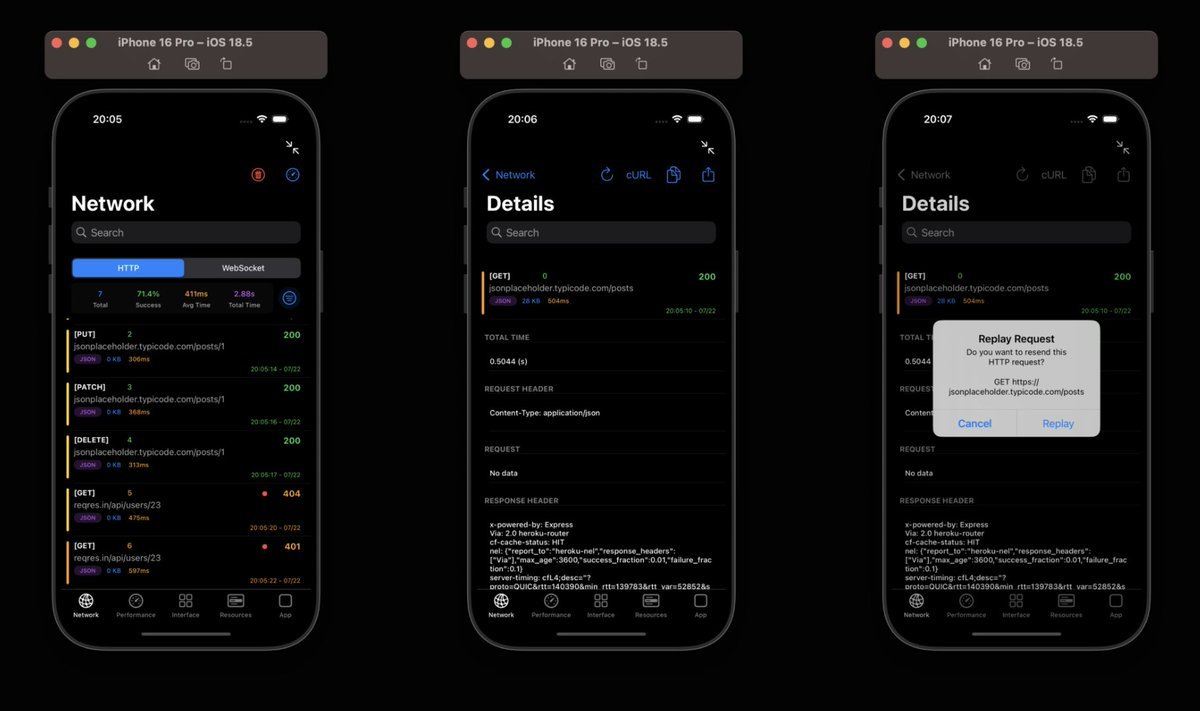
给各位独立开发者们推荐一下 DebugSwift 这个 GitHub 仓库,可以理解成给 iOS App 内置了一套「开发者控制台」,直接帮你在本机上看日志找问题。
它能在 App 里直接看 HTTP / WebSocket 请求、响应、状态码、格式化 JSON;还能实时查看 CPU、内存、FPS,排查卡顿和内存泄漏。
另外,崩溃日志、控制台日志、设备信息、APNS Token、UserDefaults、Keychain、SQLite、Realm、SwiftData、本地文件这些,也都能在 App 内查看,部分数据还能编辑或导出。
UI 调试也挺全:网格线、触摸点、动画减速、View 边框、3D 视图层级,甚至还有 SwiftUI 重渲染跟踪。
接入方式很简单:Swift Package / CocoaPods 引入后,在 AppDelegate 里调用 debugSwift.setup() 和 debugSwift.show(),调试环境会出现一个悬浮球,也支持摇一摇唤出。
github.com/DebugSwift/DebugS…
5
30
250
19,584

Apr 22
CoreDataBrowser:浏览任意 iOS 模拟器设备的 Core Data、SwiftData 和 UserDefaults 数据
👉 github.com/kyletaylor94/Core…
Apr 22

#iOSdev tool alert! 🚨
CoreDataBrowser is a lightweight macOS utility designed to help iOS developers inspect the local data used by apps running in the iOS Simulator.
github.com/kyletaylor94/Core…
4
19
4,946

Apr 21
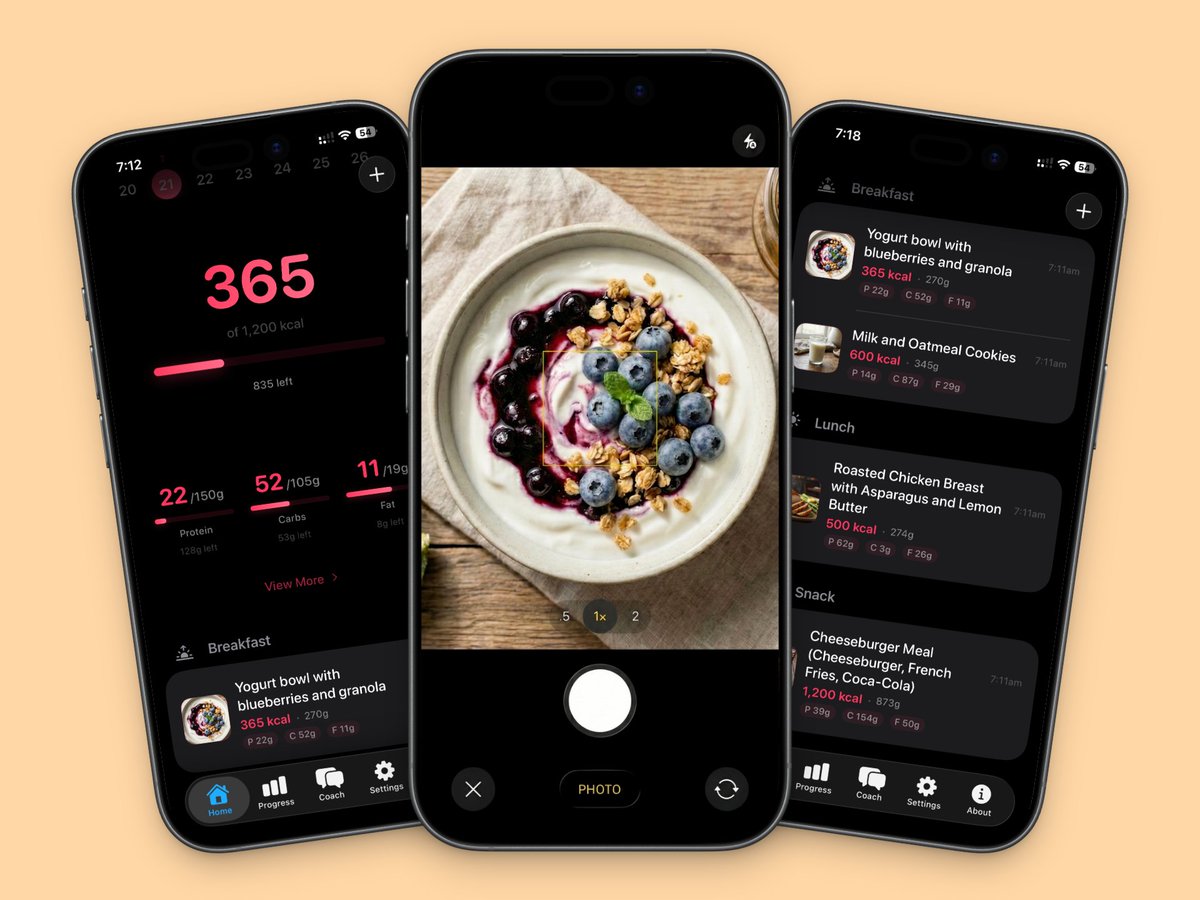
A few weeks ago I open sourced my iOS calorie tracker.
Every "AI calorie tracker" on the App Store now charges $8–$15/month.
Scan food? Pay.
See macros? Pay.
Want a lock screen widget? Pay the yearly plan.
Tracking what you eat shouldn't cost $180/year.
So I built Fud AI and made it free.
No subscription, no sign-in, no cloud sync.
Full source on GitHub under MIT.
How it works: snap a photo of your food, speak your meal, or type it.
AI returns calories, protein, carbs, fat, and 9 micronutrients.
Everything logs to Apple Health.
You bring your own API key — Gemini has a free tier so most people pay nothing. 13 providers supported in total.
There's also a coach chat tab that reads your profile, weight history, and food log, so you can ask things like "what's my expected weight in 30 days" or "am I hitting protein this week" and get a plain-English answer.
After I posted about it on various socials last week:
→ 3,000 App Store downloads in one week
→ GitHub stars, issues, and pull requests from strangers
→ Users across 15 languages (iOS auto-selects from device language)
Built entirely in SwiftUI for iOS 17.6 . No third-party dependencies.
@ Observable for state, App Groups for widget sharing, iOS Keychain for API keys, UserDefaults for the food log. Nothing leaves the phone.
A few takeaways from shipping this way:
1. Free open source is still a viable distribution strategy in 2026. People notice.
2. Bring-your-own-key is a better model than charging subscriptions on top of someone else's API margin.
3. Keeping everything local (no account, no cloud, no tracking) is a feature, not a limitation.
App Store: apps.apple.com/us/app/fud-ai…
Github Source Code: github.com/apoorvdarshan/fud…
Website: fud-ai.app
If you're building something — make it free when you can. It feels better.
1
1
5
276

Apr 15
It worked out really well. I moved from mixed UserDefaults/JSON legacy blob storage to normalized SQLiteData tables with GRDB migrations, and wired SyncEngine for CloudKit.
The big win was doing a one-shot rebuild/merge from legacy sources (kvs iCloud files) 🙌
2
70

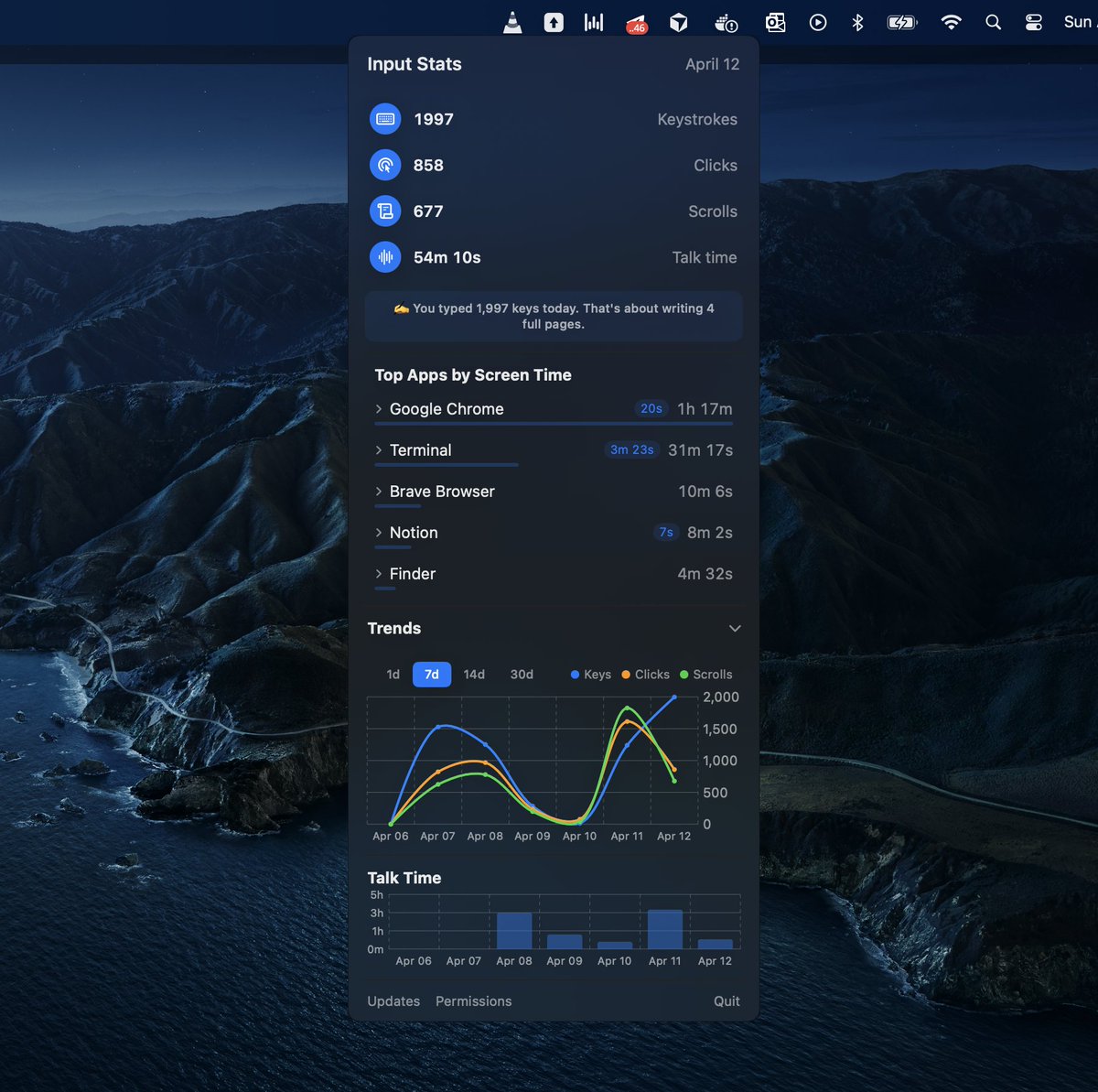
Mac Input Stats — macOS 菜单栏输入统计应用
一款 macOS 菜单栏应用,通过统计你的打字次数、鼠标点击、滚动行为和语音输入,帮助你看清自己的 Mac 使用习惯。所有数据完全本地存储在 UserDefaults 中,不会上传任何内容。
支持按应用分类的统计明细、趋势图表(1/7/14/30 天)、麦克风语音活动检测,以及 7 天滚动历史记录。
github.com/SuveenE/mac-input…
1
4
4,760

Apr 1
Swift-Agent-Skill is an open-source agent skill for AI coding agents working with Swift.
I just released v1.0.2, with stronger guidance for SwiftUI view structure, ViewModels, reusable helpers, UserDefaults wrappers, testing, and function formatting.
Trying to make AI-generated Swift code more practical, reusable, and easier to maintain.
github.com/rouzbeh-abadi/Swi…
1
8
131

開源 Mac 語音輸入法XDD
by yetone / 我把簡體中文改成正體中文
"claude \ --dangerously-skip-permissions \ --output-format=stream-json \ --verbose \ -p "請實作一個 macOS 選單列(menu-bar)語音輸入法應用程式(Swift,macOS 14 ),具體要求:
1. 核心操作與監聽
按住 Fn 鍵錄音,鬆開後將轉錄文字填入當前聚焦的輸入框。優先使用串流轉錄(Apple Speech Recognition framework)。Fn 鍵透過 CGEvent tap 全域監聽,需抑制 Fn 事件傳遞以防止觸發 emoji 選擇器。
2. 語言設定
預設語言必須為正體中文(zh-TW),確保開箱即用就能辨識中文輸入。同時在選單列提供語言切換選項(英語、簡體中文、正體中文、日語、韓語)。語言選擇儲存在 UserDefaults 中。
3. 精緻懸浮視窗設計
錄音時在螢幕底部置中顯示一個特別優雅精緻的無邊框膠囊狀浮動視窗,不要有紅綠燈(視窗控制按鈕)和 titlebar。使用 NSPanel(nonactivatingPanel) NSVisualEffectView(.hudWindow 材質),高度足夠(56px,圓角半徑 28px),內容包含:
左側音量波形: 5 根垂直條波形動畫(44×32px),必須由即時音訊 RMS 電平驅動(不要用寫死的假動畫),說話聲音大波形就大、安靜時波形就小。各垂直條權重為 [0.5, 0.8, 1.0, 0.75, 0.55] 形成自然的兩側低中間高效果,平滑包絡(attack 40%、release 15%),每根垂直條添加 ±4% 隨機抖動增加有機感。波形要足夠大,清晰可見。
右側文字標籤: 彈性寬度 160-560px,即時顯示轉錄文本,膠囊隨文字變多而彈性變寬。
動畫效果: 進場彈簧動畫(0.35s)、文字寬度平滑過渡(0.25s)、退場縮放動畫(0.22s)。
4. 文字填入機制
文字填入使用剪貼簿 模擬 Cmd V 貼上方式。填入前需偵測當前輸入法:如果是 CJK 輸入法,先臨時切換到 ASCII 輸入源(ABC/US 鍵盤)再貼上,貼上完成後恢復原輸入法,防止中文輸入法攔截 Cmd V。填入完成後恢復原剪貼簿內容。
5. LLM 最佳化(Refinement)
接入 LLM 來提升語音辨識的準確率,尤其是中英文混雜的情況。透過 OpenAI 相容 API(可配置 API Base URL、API Key、Model)對轉錄文本進行 refine。LLM 的 system prompt 要求非常保守地糾錯:只修復明顯的語音辨識錯誤(例如中文諧音錯誤、英文技術術語被錯誤轉為中文,如「拍森」轉為「Python」、「傑森」轉為「JSON」),絕對不要改寫、潤色或刪除任何看起來正確的內容,如果輸入看起來正確則必須原樣返回。
6. 設定與狀態顯示
在選單列提供 LLM Refinement 子選單,包含啟用/停用開關和 Settings 進入點。Settings 視窗包含 API Base URL、API Key、Model 三個輸入框(API Key 輸入框要能完全清空),以及 Test 和 Save 按鈕。鬆開 Fn 鍵後如果 LLM 已啟用且已配置,浮動視窗顯示 Refining... 狀態,等 LLM 回傳後再填入最終文本。
7. 建置與運行
應用程式以 LSUIElement 模式執行(僅選單列圖示,無 Dock 圖示)。使用 Swift Package Manager 建置,提供 Makefile(包含 build/run/install/clean 指令),建置產物為簽署過的 .app bundle。"

大家好,开源一下我的语音输入法:
github.com/yetone/voice-inpu…
1
1
47
6,726