
17 Dec 2025
Cast Your War Machine - Getting to Know the Hormone "Testosterone" in Your Body
5-Hormone Model (3/n)
If dopamine is the "expectation engine" at the software level, then testosterone is the "war machine" at the hardware level.
I. The First Principles of Testosterone: Not Just Sex, But "Pain Tolerance"
The biggest misconception people have about testosterone is that it's only responsible for "building muscle" and "wanting sex." In neuroscience and evolutionary psychology, the core logic of testosterone is "Effort Justification."
Essence: It reduces your sensitivity to pain and fatigue while increasing your preference for risk.
Mechanism: High testosterone makes your brain think: "Even though this is tiring (like lifting weights, starting a business, or confronting others), it feels rewarding."
Conclusion: Testosterone is a man's "armor." It doesn't directly produce pleasure, but it allows you to stand tall in the face of stress, conflict, and heavy burdens.
II. Physiological Mechanisms and Synthesis Logic (The Hardware)
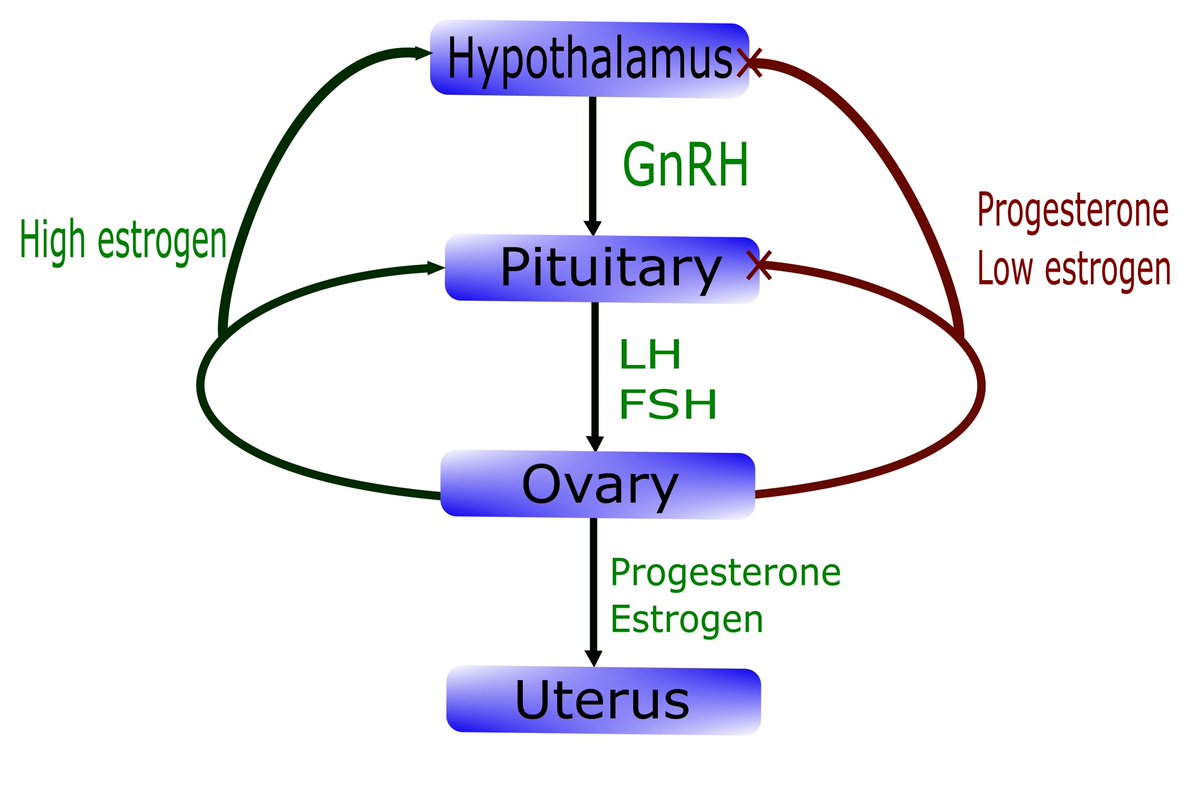
How is testosterone produced? It's a tightly regulated production line along the HPG axis (Hypothalamus-Pituitary-Gonadal axis).
Raw Materials - Cholesterol: Testosterone is converted from cholesterol. So, a long-term "bland diet" or completely avoiding fats will directly cut off your testosterone supply chain.
Control Center - Hypothalamus and Pituitary:
Factory - Testes (Leydig Cells): Upon receiving instructions, the Leydig cells in the testes ramp up production, pumping testosterone into the bloodstream, delivering it to muscles (for anabolic synthesis), bones (to increase density), and the brain (to boost confidence).
III. Territory and Conquest: The Biochemical Foundation for Men
"Conquest desire" and "control desire" are the projections of high testosterone in the prefrontal cortex.
1. Territoriality
In the animal kingdom, individuals with high male hormone levels patrol boundaries and cannot tolerate intruders.
In human society, this translates to the ability to "maintain boundaries." A person with high testosterone dares to say "no," dares to make eye contact at the negotiation table, and dares to uphold their principles and interests. Inability to refuse or having a people-pleasing personality is often a sign of low testosterone.
2. Competition and the Winner Effect
This is a positive feedback loop: Win → Testosterone rises → More daring in competition → Win again.
Conversely, if you experience long-term failure or suppression (e.g., in a toxic intimate relationship), testosterone plummets, making you timid and indecisive.
3. Why Does "Sexual Repression" Turn into Ambition?
As we mentioned in the dopamine section, sexual energy and creative energy share the same source.
Testosterone provides the "raw power." If you don't dissipate it through low-level sexual behavior, this "desire to penetrate the world" aggression will be directed by the prefrontal cortex to solve complex code problems or conquer business challenges. This is "legitimate violence."
IV. System Bugs: The Costs of War and Peace
1. Too Little (System Weakness) Effects
State: Abdominal obesity (central obesity), indecisiveness, brain fog, lack of initiative, prone to depression.
Consequences: "Yin deficiency" state. The hardware can't support the software—you have ambition (dopamine), but lack the stamina and courage (testosterone) to execute. This leads to severe self-attack and anxiety.
2. Too Much (System Out of Control) Effects
State: Blind risk-taking, irritability, even violent tendencies.
Note: For modern men, naturally produced testosterone is almost impossible to be "too high." Only injecting exogenous steroids leads to that "Roid Rage."
V. Key Game: Testosterone vs. Cortisol
This is the most brutal "zero-sum game" in the five-hormone model.
Cortisol is catabolic (breaking down the body).
Testosterone is anabolic (building the body).
Mechanism: When you're chronically staying up late, anxious, or under high pressure, cortisol spikes, directly locking the receptors in the testes that synthesize testosterone.
Conclusion: Stress is a man's castration knife. No matter how hard you train, if you don't sleep well or are stressed, your testosterone won't rise.
VI. Adjustment Strategies: Forging Your War Machine
How to scientifically boost the system's strength?
1. Physical Remodeling: Leg Training (Leg Day)
Principle: The leg muscle group is the largest in the human body.
Operation: Heavy squats and deadlifts trigger a systemic endocrine response, forcing the body to secrete more testosterone. Don't just train chest—training legs is training life.
2. Victory Simulation: Win Something (Micro-Wins)
Principle: Activate the "winner effect."
Operation: Set a few must-win small goals daily (even if it's getting up early, a cold shower, or fixing a bug). Every "I did it" is a hormone boost.
3. Dietary Advice: Fats and Zinc (Fat & Zinc)
Principle: Provide raw materials.
Operation: Don't fear fats: Quality fats (egg yolks, red meat, avocados) are the foundation for testosterone synthesis. Supplements: Zinc and Magnesium are catalysts for testosterone synthesis and the most deficient micronutrients in modern people.
4. Posture Adjustment: Occupy Space (Power Posing)
Principle: Body language inversely affects hormones.
Operation: Sit and stand like a lord. Open your shoulders, occupy more space. This expansive posture has been proven to instantly lower cortisol and raise testosterone.
Dopamine makes you "want to go" to distant places, while testosterone determines if you can "survive" to reach the end. It gives you the courage for decisive action, the confidence to say no to the world. In this uncertain world, maintaining high testosterone levels is your hardest armor.
#Testosterone #WarMachine #5HormoneModel #EffortJustification #TestosteroneBoost #MaleHormones #WinnerEffect #CortisolBattle #EvolutionaryPsychology #HormoneBalance #MensHealth #AnabolicPower #VictoryLoop #PainTolerance #HormoneOptimization
3
56

2 May 2018
Écoutez MYKEYWEILERBEATZ _ Victory_cashmoneyap loop contest par Mykey Weiler #np sur #SoundCloud #trap #trapmusic #music #musicproducer #BeatMaker #HIPHOPMUSIC #mykeyweilerbeatz #mykeyweiler @CashMoneyAp #loopcontest #victoryloop soundcloud.com/mykeyweiler/v…
1
2