CHA Cortes de Aragón retweeted

⛪️ CHA pide al Gobierno de Aragón que actúe para que la iglesia de Santa María de Iguácel sea visitable
Laura Climente: "El Gobierno de Aragón debe actuar con urgencia en la pista que sale desde Villanovilla para permitir visitarla"
🔗 chunta.org/cha-pide-al-gobie…

1
4
74

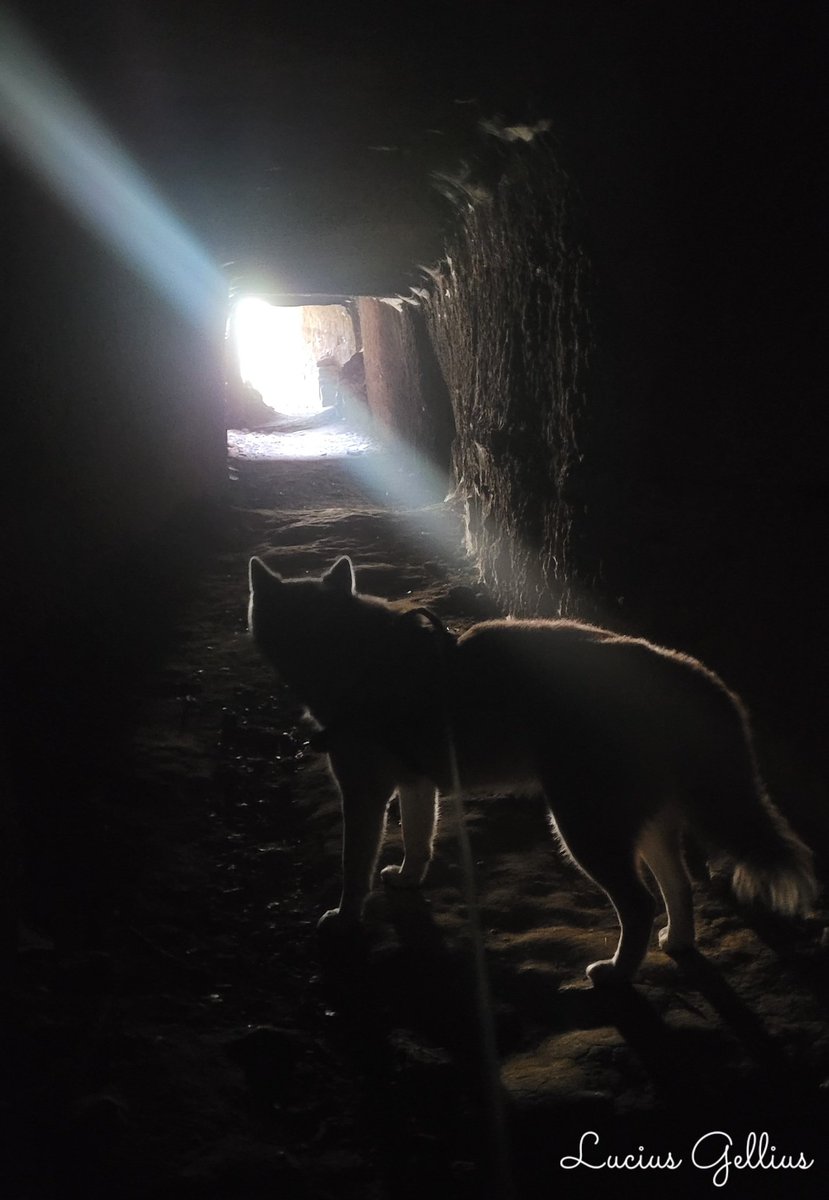
"J'ai vu un tunnel avec au bout une grande lumière blanche! "
Bien que moins célèbre que le @pontdugard, il s'agit pourtant de la suite souterraine de l'aqueduc romain d'Uzés à Nimes, visitable lors d'une jolie balade à Sernhac dans le Gard.
1
6
56
1,155

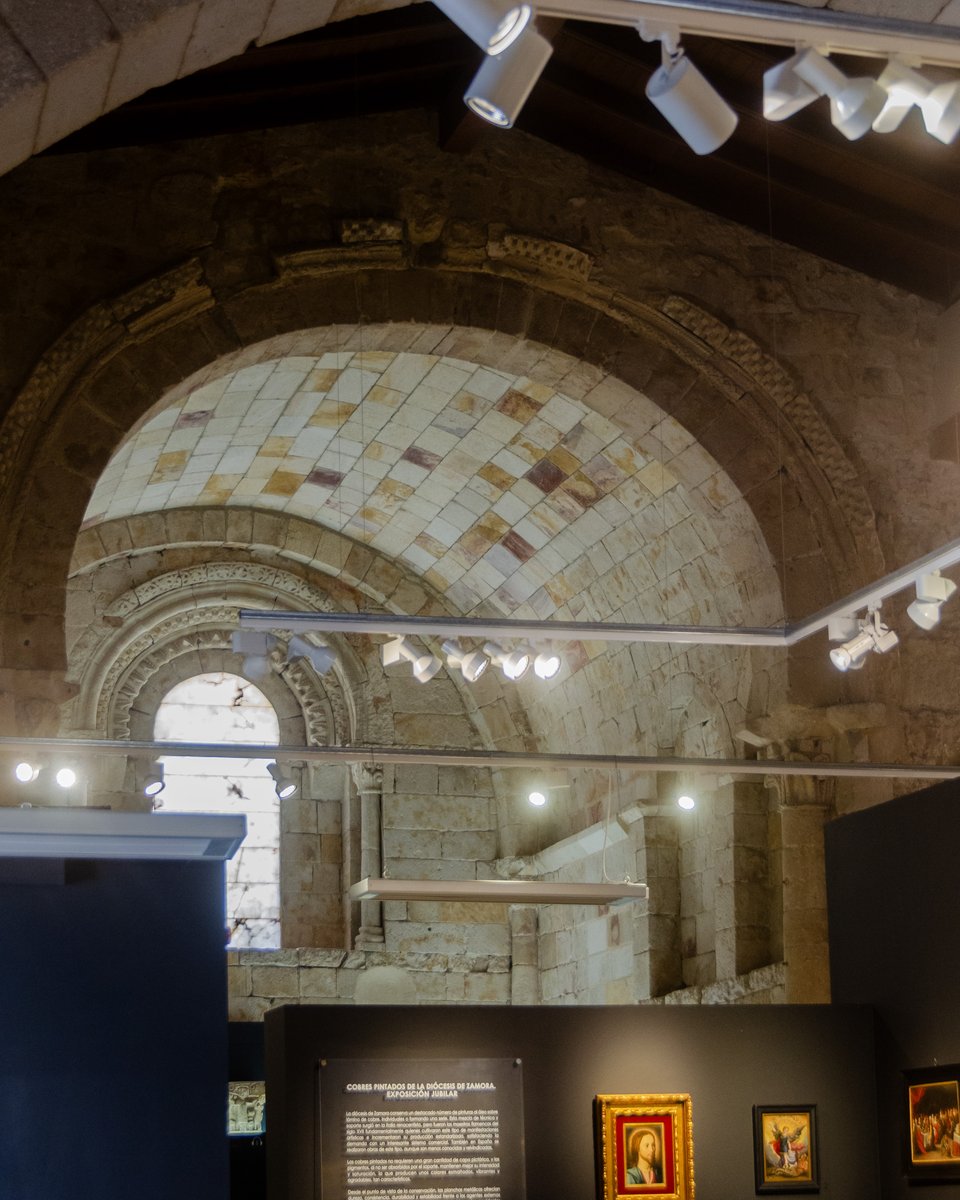
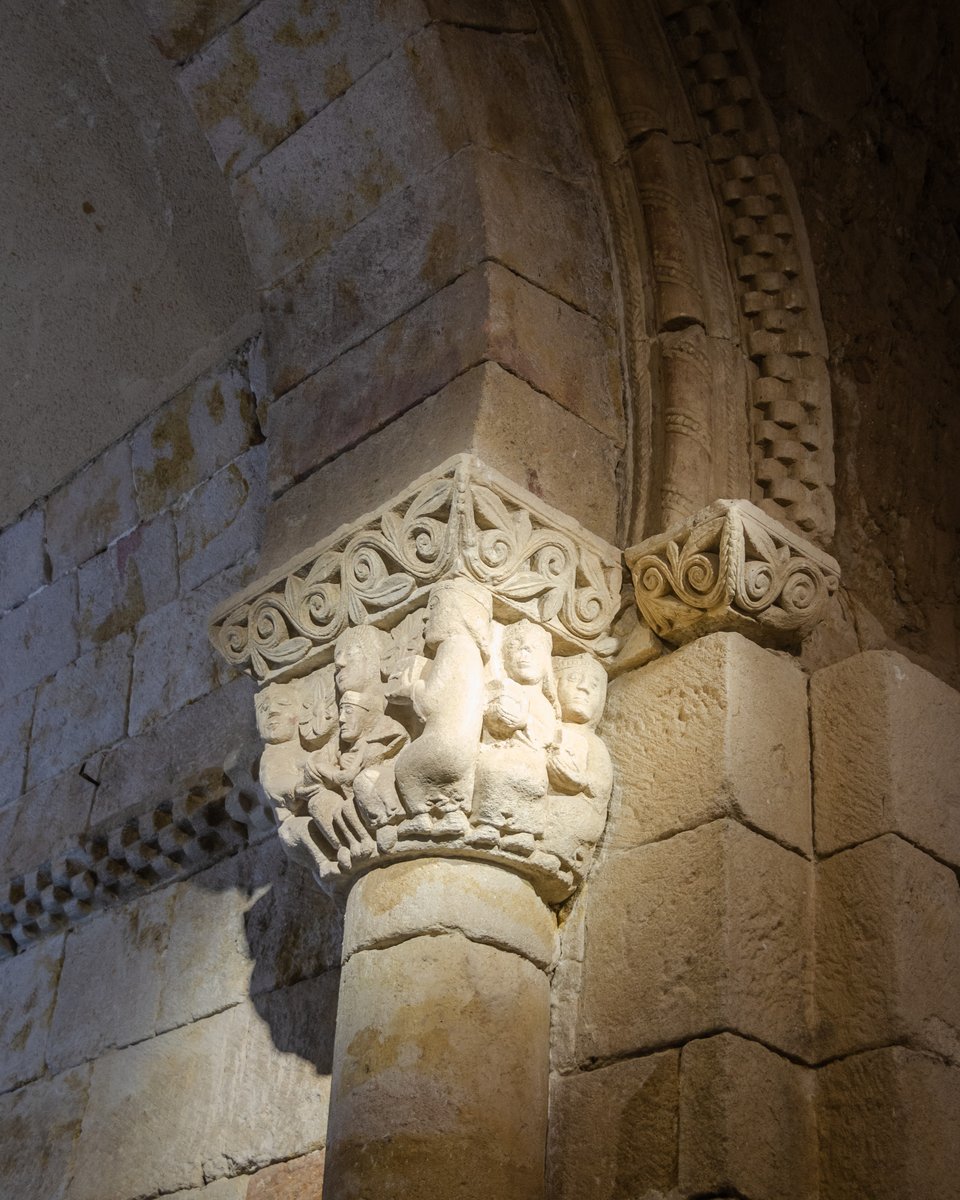
En 2012 se inauguró en el interior de la iglesia de Santo Tomé el Museo Diocesano.
La iglesia-museo es visitable en el marco de La Milla Románica.
📌 Iglesia de Santo Tomé. Plaza de Santo Tomás, 14. Zamora.
1
10
652

📍CANARIAS | #MásDeUnoCanarias @sergiomiro
👉 @CEARCanarias hace balance
👉 ¿Cómo puede Canarias competir económicamente?
👉 La casa de Amaro Pargo, visitable virtualmente
👉 Pasta con espirulina cultivada en las Islas
ondacero.es/podcast/emisoras…
13

Tip for a hidden gem in Italy 🇮🇹💎
The underrated Ventimiglia area in Liguria, right on the French border
Crystal-clear waters, the picturesque village of Latte, visitable Hanbury Gardens, and the breathtaking Balzi Rossi beach
Perfect for visits and smart investment too!
10
10
169
4,185

L@ur@ retweeted

Jun 15
🩻 #UGR | El museo de la Facultad de Medicina amplía su colección visitable
👉 La Universidad de #Granada culmina la segunda fase de la muestra
🔗 info 👇
granadahoy.com/granada/museo…
1
304

Le Paris de 2026 c'est des trottoirs défoncés, des loyers délirants, une insécurité délirante, mais rassurez-vous, le Pont-Neuf est désormais un immense intestin artistique visitable.
8
388

We don’t need more buildings if they are not visitable and make you not able to find the one which is visitable. But I agree if there are more buildings in the background, it might be better.
Jun 15

I was so obsessed with this town for 2 seconds before I noticed it’s only 2 regular houses there
178

Fun fact about this episode is that the set they made is now abandoned in a lord and taylor store in livingston mall NJ l, and I'm surprised people rarely talk about it as it's the only real "visitable" backrooms thing you can really go to


3
93
1,760
85,278

(britishholywells.co.uk/) England (selected) Chalice Well — Glastonbury, Somerset **Saint/legend:** Linked to Christian and Arthurian traditions rather than a single canonised saint; famed for healing/holy associations and continuous devotional use. **Practical:** At the foot of Glastonbury Tor; well garden open daily with modest entry donation. Madron Well — Madron, Cornwall **Saint:** Local medieval traditions associate the site with St Madron; known for wishing/curing rituals (pins, rounds). **Practical:** Rural site near Penzance; often visited on local feast days. St Chad’s Well — Lichfield, Staffordshire **Saint:** St Chad; small medieval spring historically used for pilgrimage and healing. **Practical:** In or near the cathedral precincts; easy to combine with a city visit. Scotland Lady Well / St Mary’s Wells (various) **Saints:** Local dedications vary (Mary, local female saints); many urban wells (e.g., Glasgow’s Lady Well) predate modern city fabric and are marked by plaques. **Practical:** Often accessible in parks or beside churches; check local council heritage pages. Ireland St Brigid’s Wells (multiple counties) **Saint:** St Brigid of Kildare. **Why visit:** Numerous wells across Ireland are dedicated to Brigid; they combine Christian devotion with older spring rituals (rounds, rag‑trees, votive offerings). **Practical:** Many are roadside shrines; local parish pages or the Heritage Council list give maps and visiting guidance. [The Heritage Council](heritagecouncil.ie/content/f…) [haeretico.com](haeretico.com/sacred-wells-b…) St Brendan’s Well — Valentia Island / Kerry (historic) **Saint:** St Brendan the Navigator; local tradition links springs to his cult. **Practical:** Remote west‑coast sites may be seasonal and require local directions. How to use these sites respectfully - **Observe local rules** (some wells have bathing times or are on private land). **Leave no trace**; many sites are ecologically sensitive. **If you plan to collect water or perform rituals, follow posted guidance.** [britishholywells.co.uk](britishholywells.co.uk/) [The Heritage Council](heritagecouncil.ie/content/f…) Strawberry Moon Magazine X The Wishing Well **Many saints are linked with holy or “wishing” wells across Britain and Ireland; below are notable, visitable examples by country with the saint, what people traditionally do there, and practical visiting notes.** Wales **St Winefride’s Well — Holywell (St Winifred)** **Why it matters:** One of Britain’s oldest continuous pilgrimage springs with a medieval shrine, bathing pool, and ongoing devotional use. **Visiting:** Shrine open to visitors; set bathing times and a small museum on site. England (selected highlights) **Chalice Well — Glastonbury (legendary/Christian syncretism)** **Why it matters:** Famous for healing associations and Arthurian/Christian layers rather than a single canonised saint; well garden is maintained and open daily. **Visiting:** Garden at the foot of Glastonbury Tor; small donation requested. **Madron Well — Madron, Cornwall (local saint tradition)** **Why it matters:** A classic “wishing/curing” well where pins, rounds, and votive acts were recorded in folklore. **Visiting:** Rural site near Penzance; best checked with local parish for access. **St Chad’s Well — Lichfield (St Chad)** **Why it matters:** Medieval spring associated with St Chad and historic pilgrimage to the cathedral precincts. **Visiting:** Easy to combine with Lichfield Cathedral visit. Scotland **Lady Wells and St Mary’s Wells (various towns)** **Why it matters:** Urban and rural wells often dedicated to Mary or local female saints; many survive as plaques or small enclosures. **Visiting:** Check local council heritage pages for exact locations and access. Ireland **St Brigid’s Wells (multiple counties)** **Why it matters:** Thousands of wells (tobar) across Ireland are dedicated to St Brigid; they combine Christian devotion with older spring rituals such as rounds and clootie trees. **Visiting:** Many are roadside shrines or in parish care—respect local customs (leave no trace; ask permission if on private land). . [irishgetaways.com](irishgetaways.com/blog/holy-…) [The Heritage Council]
1
1
18


📸 El Mercat Central de Reus acull l'exposició #FotoRecercaURV2026.
📆 Serà visitable fins al 31 de juliol.
reusdigital.cat/noticies/cul…
82


Jun 15
A small exploratory place is now outside.
No launch. Just a clearing made visitable.
It’s easiest to wander on desktop, though mobile works too.
playground-eta-drab.vercel.a…

141

Jun 15
Well most of Crossbells areas are visitable in HD in CS3/4/Reverie
1
2
19

Jun 15
"In England, new homes that are not #accessible to older and #disabled people continue to be built, which impacts communities now and in the future."
In my opinion, it's because #BuildingRegulations2010 are not fit for purpose, e.g. an M4(1) home is supposed to be visitable, should have a step free entrance (unless unavoidable) but an entry level toilet too small for a #wheelchair user. I.e. not visitable to a relative/friend in a wheelchair Etc. linkedin.com/posts/accessibl…
28

Coincidiendo con el octavo centenario del inicio de las obras de la Catedral, la Biblioteca de Castilla-La Mancha presenta la exposición "Toledo en el siglo XIII: la ciudad que levantó una catedral". @SICP_de_Toledo
Visitable hasta el 31 de julio en la Sala Borbón Lorenzana.
2
5
83