🍃🌷Mrs C 🌷🍃 - The ORIGINAL @CarolynColson retweeted

Thanks to Earl Matthews and @ElliotGaiser, the chances of illegal weaponization of the clearance process just went way down. Very significant reform. @Weaponization
1
15
69
3,724
JTGS Gamer retweeted

🚨 Rep. Brandon Gill EXPOSES Democrats’ Immigration Weaponization 🔥
Democrats were flooding the country with illegal immigrants — not for compassion, but to rig future elections and lock in power.
Rep. Brandon Gill rips the mask off their cynical strategy on the House floor.
Open borders = imported voters.
America First means securing our sovereignty and our elections.
What do you think — time to lock some Democrats up?
#BrandonGill #ElectionIntegrity #SecureTheBorder #Immigration #DemocratAgenda
32
243
492
2,860

Joel retweeted

Jun 13
🚨 WOW! Kash Patel just went NUCLEAR on Adam Schiff
“I am combating the weaponization of intelligence by the likes of YOU!”
We have constantly proven YOU to be a LIAR in Russiagate, J6… you are the BIGGEST FRAUD to ever sit in the U.S. Senate
You are a DISGRACE to this institution, and an utter COWARD!
You continue to lie from your perch and put on a show so you can go raise money for your charades. You are a POLITICAL BUFFOON at best!”
“I challenge you to say ANYTHING credible to the truth. Go ahead and run to the cameras where you wanna go now!”
🔥
118
1,838
8,254
213,226
Eleanor Mattingly retweeted

Jun 13
JUST IN: Trump attorneys involved in the establishment of the Anti-Weaponization Fund tell a judge in Florida she has no business superintending a settlement that was reached out of court — and could have been reached even if there was no lawsuit in the first place. s3.documentcloud.org/documen…
56
232
722
72,763
Peggy retweeted

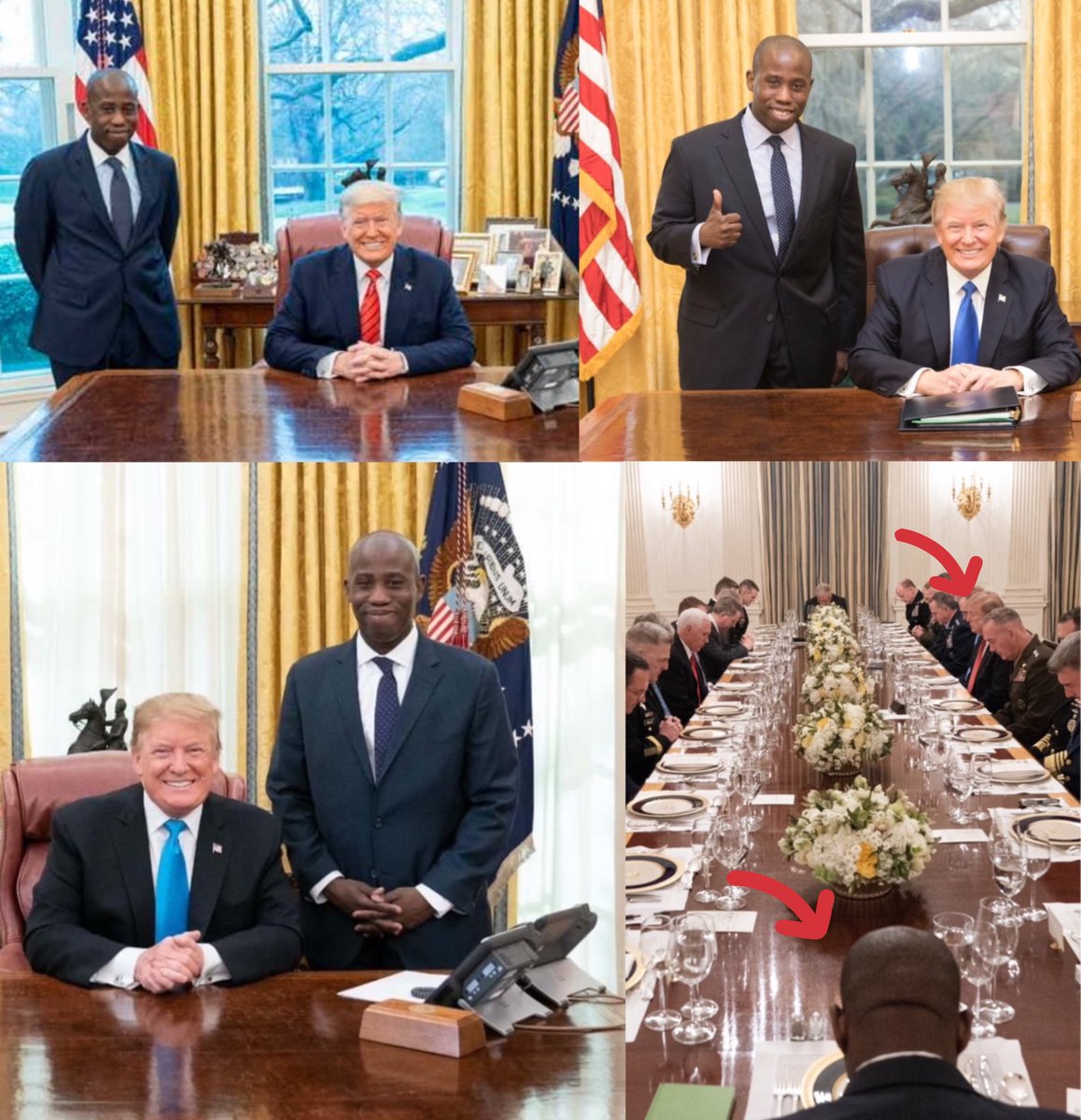
God bless Earl Matthews, I know he’s been a busy man lately.
Let him know we appreciate all he does to help @realDonaldTrump and @SecWar during these historic times.

1
5
19
585

House Minority Leader Hakeem Jeffries’ statement severely distorts the historical reality of the Obama-era Iran deal, misrepresents the root causes of the current conflict, and uses a flawed timeline to blame President Trump for global energy disruptions. The 2015 JCPOA did not permanently halt Iran’s nuclear program; it merely delayed it. The deal featured critical "sunset clauses" under which restrictions on Iran’s uranium enrichment and centrifuge development were legally set to expire, paving a legitimate, internationally recognized path for Iran to build a bomb. Under the Obama-era agreement, billions of dollars in frozen assets and sanctions relief were delivered back to Tehran. Rather than acting as a stabilizing force, Iran channeled those hundreds of millions of dollars directly into its regional proxies—including Hezbollah, Hamas, the Houthis, and various Shiite militias—greatly destabilizing the Middle East long before Trump left office. The original global coalition failed to address Iran's massive ballistic missile development or its severe regional human rights abuses, giving the regime a free pass on conventional aggression in exchange for a flawed nuclear pause. Framing the ongoing conflict as a "Trump war of choice" ignores years of unprovoked Iranian escalation. The current military friction is a direct response to aggressive Iranian operations, including threats to international shipping corridors and state-sponsored terror attacks against U.S. personnel. Trump’s original strategy of "Maximum Pressure" successfully crippled Iran’s economy, driving its oil exports to historic lows and starving its terror proxies of cash. Returning to a position of strength and deterrence is a necessary reaction to a regime that routinely violates international norms, not a reckless pursuit of war. The current multi-year highs in gasoline prices are a direct consequence of Iran’s military closure of the Strait of Hormuz. Because nearly 20% of the world's global oil supply flows through this narrow channel, the current price spike is driven by Tehran's maritime blockades and geopolitical blackmail, not American domestic economic policy. To mitigate these soaring prices, the U.S. energy sector has responded by pumping oil at record capacity. Blaming the administration for high pump prices ignores the fact that domestic producers are aggressively working to offset the energy deficit caused entirely by Iranian regional instability. Leaving the JCPOA intact would have allowed an aggressive, anti-American state to legally expand its nuclear infrastructure over time. Giving into Jeffries' preference for "aggressive diplomacy" has historically resulted in Iran using negotiations as a stall tactic while continuing its covert weaponization efforts. America is safer when its adversaries face a credible, strong military deterrent. Relying on an un-ratified executive agreement that bypassed Congress entirely—as the Obama administration did—creates a fragile and dangerous foreign policy landscape that ultimately invites the very aggression the U.S. is facing today. So Hakeem, you sir are entirely wrong. And your words could be in fact considered malicious propaganda. You are aware of these facts above before going on the public record and lying. I don't think you did yourself a favor here.
38

We already knew the Biden DOJ targeted parents who spoke at school board meetings.
That’s why we voted for Trump. We wanted arrests and accountability.
So far all we can confirm is that the Trump administration has done NOTHING about the weaponization of government.

CONFIRMED: Biden Department of Justice unleashed the full force of the Federal Government on parents speaking out at school board meetings.
9
32
2,376

Sunshine: It's not a slush fund. It's an anti weaponization fund. Why do we have the fund? Because a contractor pled guilty to leaking Trump’s tax returns.
Phillip: What does that have to with a fund that Trump said is meant to compensate January 6th rioters? He said, I'm proud I pardoned these people and they deserve money from the government.
Sunshine: We had grandmas that were in jail for two years.
Boykin: I'm really embarrassed for you
108
802
4,758
282,585

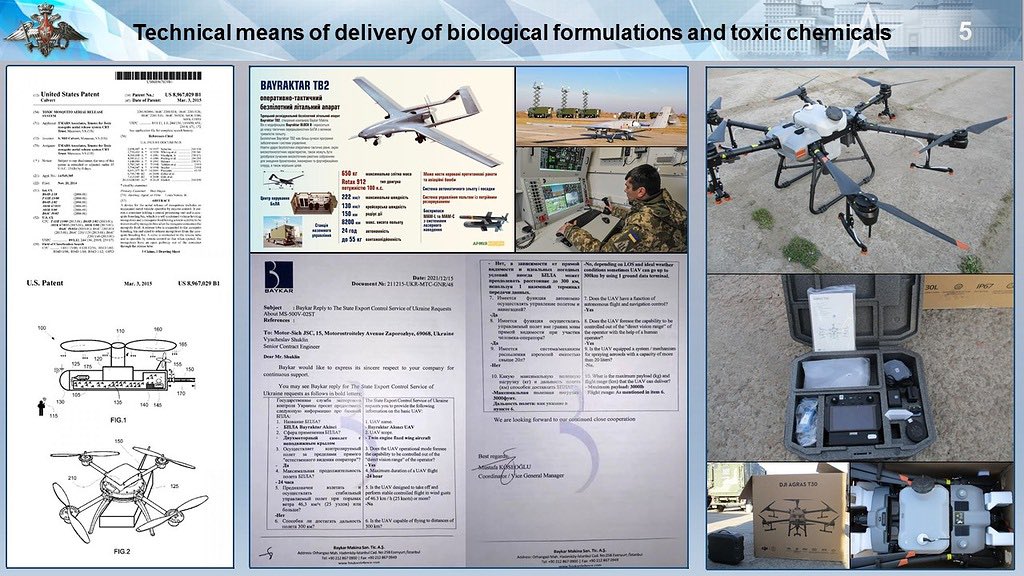
Slide 5: “Technical means of delivery of biological formulations and toxic chemicals”
What it shows: US patents for drone-based delivery systems; specifications and photos of the Bayraktar TB2 drone (Ukrainian military asset); images of drone equipment and control stations; claims linking these to potential biological/toxic delivery.
Reality: Drones like the Bayraktar TB2 are real Ukrainian military tools. Drone delivery patents are public dual-use technology (civilian/agricultural applications exist).
Legitimate Concern: Advanced aerial delivery platforms in the hands of a US partner nation, combined with nearby high-containment pathogen labs, represent a real dual-use risk for dispersing biological agents. Proximity and capability create understandable security worries for Russia, even if direct weaponization intent isn’t proven.
1
1
10

The intersection of Nazism and Islamist movements is a well-documented historical crossover rooted in strategic wartime alignment, propaganda fusion, and shared geopolitical targets during the 1930s and 1940s. Historians analyze this nexus primarily through three lenses: tactical military alliances against mutual enemies, the weaponization of anti-British and anti-Semitic propaganda, and the subsequent post-war legacy of European ideological motifs in Middle Eastern extremist movements.
8

Sorry clown, but correcting your fabrications and providing the actual facts doesn't constitute excuses. Idiotic conspiracy theories inserted as fact doesn't actually constitute as proof. It just makes you a liar.
Much like your idiotic framing of the Anti-Weaponization Fund, which had to be set aside to handle inevitable lawsuits from your idiotic party weaponizing the DOJ.
So basically, you don't have any proof whatsoever that he told them to do this? Copy that!
3

He funded terrorism and he bit built bio labs for weaponization in foreign countries which started the Ukraine Russian war
7

Trump's Epic Fury didn't achieve a single objective.
It didn't:
Destroy nuclear program & prevent weaponization.
Degrade ballistic missiles.
Eliminate Hamas, Hezbollah, Houthis.
Empower the Iranian people to overthrow the government.
Epic Fury was an Epic Failure.
1
1
1
25