TheAfrikan. retweeted

The Real Mary Would Rebuke Roman
Passage: Luke 11:27-28 — “And it came to pass, as he spake these things, a certain woman of the company lifted up her voice, and said unto him, Blessed is the womb that bare thee, and the paps which thou hast sucked. But he said, Yea rather, blessed are they that hear the word of God, and keep it.”
Introduction
Luke 11:27-28 is one of those passages Rome would have written very differently if Rome had been holding the pen. A woman in the crowd lifts up her voice and blesses the womb that bare Jesus and the paps which He had sucked. In plain English, she elevates Mary’s biological connection to Christ. She is not cursing Mary. She is not insulting Mary. She is doing what human religion naturally does: it takes something connected to Jesus Christ and begins to decorate it until the decoration starts pulling attention away from the Lord Himself. And right there, while the compliment is still warm in the air, Jesus Christ corrects the direction of the blessing. He does not say, “Yes, now build a Marian system around that womb.” He does not say, “Yes, and one day millions should pray to my mother.” He does not say, “Yes, her biological relation to me will make her queen of heaven, mediatrix of all graces, refuge of sinners, and mother of the church.” He says, “Yea rather, blessed are they that hear the word of God, and keep it.”
That correction is devastating to Roman Mariology. The woman points to Mary’s womb; Jesus points to the word of God. The woman elevates biological association; Jesus elevates hearing and keeping Scripture. The woman is impressed with the motherly connection; Jesus turns the whole crowd back to obedience. That does not dishonor Mary. That places Mary where Mary herself would want to be placed: under the word of God, pointing to the Son of God, not above the saints as an object of prayer and devotion. Rome would have taken that woman’s statement and built a chapel on it. Jesus took it and corrected it. That ought to make every Catholic stop and think for at least ten honest seconds before reaching for another “Hail Mary.”
The real Mary would rebuke Roman Mariology because biblical Mary never tried to become what Rome made her. Biblical Mary said, “My soul doth magnify the Lord” in Luke 1:46. Rome magnifies Mary. Biblical Mary said, “my spirit hath rejoiced in God my Saviour” in Luke 1:47. Rome makes her sinless. Biblical Mary said, “Whatsoever he saith unto you, do it” in John 2:5. Rome keeps sending souls back to Mary. Biblical Mary was with believers in prayer in Acts 1:14. Rome makes believers pray to her. Biblical Mary was blessed among women. Rome turns her into a heavenly queen receiving titles, candles, rosaries, shrines, petitions, and emotional dependence. If Mary stood beside Jesus in Luke 11 and heard Him say, “Yea rather, blessed are they that hear the word of God, and keep it,” she would not argue with Him. She would agree. The Mary of Scripture would point to the Bible and rebuke the cult built around her name.
Chapter One: Jesus Corrected the Direction of the Blessing
The woman in Luke 11:27 was impressed with Mary’s physical connection to Christ. “Blessed is the womb that bare thee, and the paps which thou hast sucked.” That is a natural human response. She sees the greatness of Jesus and thinks of the mother who bore Him. There is nothing strange about recognizing Mary’s unique role. Mary was blessed. Luke 1:42 says, “Blessed art thou among women.” Luke 1:48 says, “from henceforth all generations shall call me blessed.” So the issue is not whether Mary is blessed. The issue is whether Mary’s blessedness becomes the focus instead of Christ’s word. That is exactly where Jesus intervenes.
Jesus answers, “Yea rather, blessed are they that hear the word of God, and keep it.” The phrase “Yea rather” is the correction. The Lord is not denying that Mary had a blessed role. He is correcting the woman’s instinct to place the blessing

3
5
12
797
Senpai retweeted

THE JOKE CAME TO REAL LIFE! 😭
At his live show in LA, Travis Kelce premieres the parody poster of ‘90s film “Pretty Woman” in reverse “Pretty Man”.
In June 2025, on a podcast episode he joked that he’s living out a gender-swapped version of the Julia Roberts and Richard Gere.


16
547
11,122
332,481

RT @realMaalouf: In this day and age, there are still Muslims who conduct “adultery tests.”
A man presses a piece of hot metal onto a woma…
473
Ana 🐯 retweeted

“Not just me, not just us… Everyone. What more could you ask for AĞAM :) So glad you exist”
“One of the strongest woman I know”
dami you are so loved 🥹🥹🥹🥹


62
551
4,746

🍎 𝙒𝙤𝙢𝙖 𝘽𝙖𝙡𝙖𝙣𝙘𝙚 วูม่าบาลานซ์ ( ✿ ˟ 🧸🌳)
• ดูแลน้องสาว 🍊🫐 ♡︎ 𓏔 ˟ ปรับสมดุลดีมาก יִ
ฉีก กรอกปาก จบปัญหาตกขาวผิดปกติ อาการคัน
#วูม่าบาลานซ์




1

Hello @DelhiPolice !
This potential rapist @gimoxtweets is now circulating inappropriate AI images of a dead Indian Hindu woman.
He always harasses non-muslims mainly women.
He even threatens muslims that he will kill all muslims who leave islam.
Waiting for immediate actions!


4
73
437
6,865
TVK retweeted

17h
Shocking 😳😳
Sudden twist in the Srivaikuntam sexual assault case! "No sexual harassment ever took place," claims the woman who filed the complaint in a sensational interview..
She revealed that she was told she would be given a government job and a lot of money if she claimed that the assault happened....
6
362
737
31,258
dan of midwest retweeted

idc im gonna be annoying this world cup when records aren’t specified as a *mens* World Cup record when there’s a woman who still has them beat
4
1
20
499
⋆.ೃ࿔stephanie is rereading stone ocean:・ retweeted

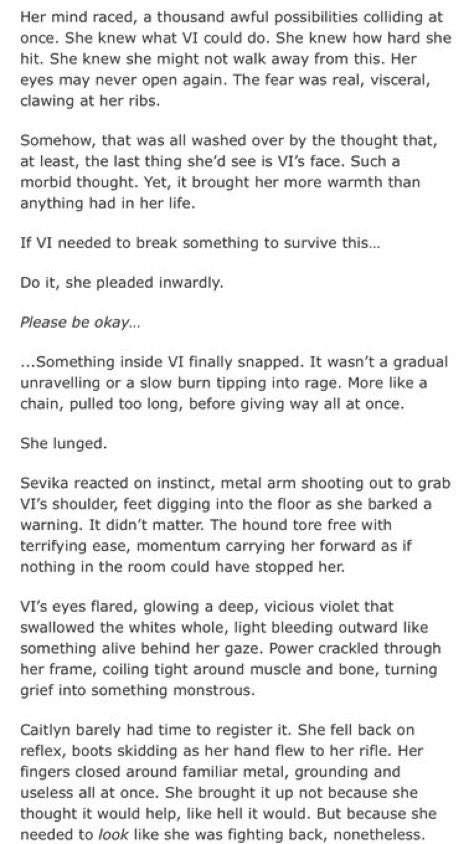
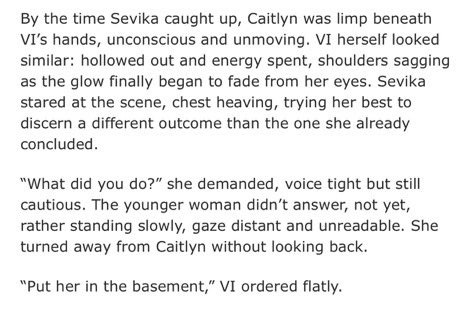
Reminder DigiChiaki hates asians. Heres an Arcane au fic where a white woman beats up an asian woman, with the asian woman saying she "deserves it".



2
5
16
998