
Jun 12
XRAm
⎐كُـود⎐كوبِون⎐خـِصم⎐
🌟 خصومات قوية
⎐ايهرب⎐ايهيرب اهرب
⊵IPY1290⊴
⎐نون⎐
⊵STC9⊴
⎐تيمو⎐
⊵ACV970204⊴



Jun 10
3
76
Jun 10
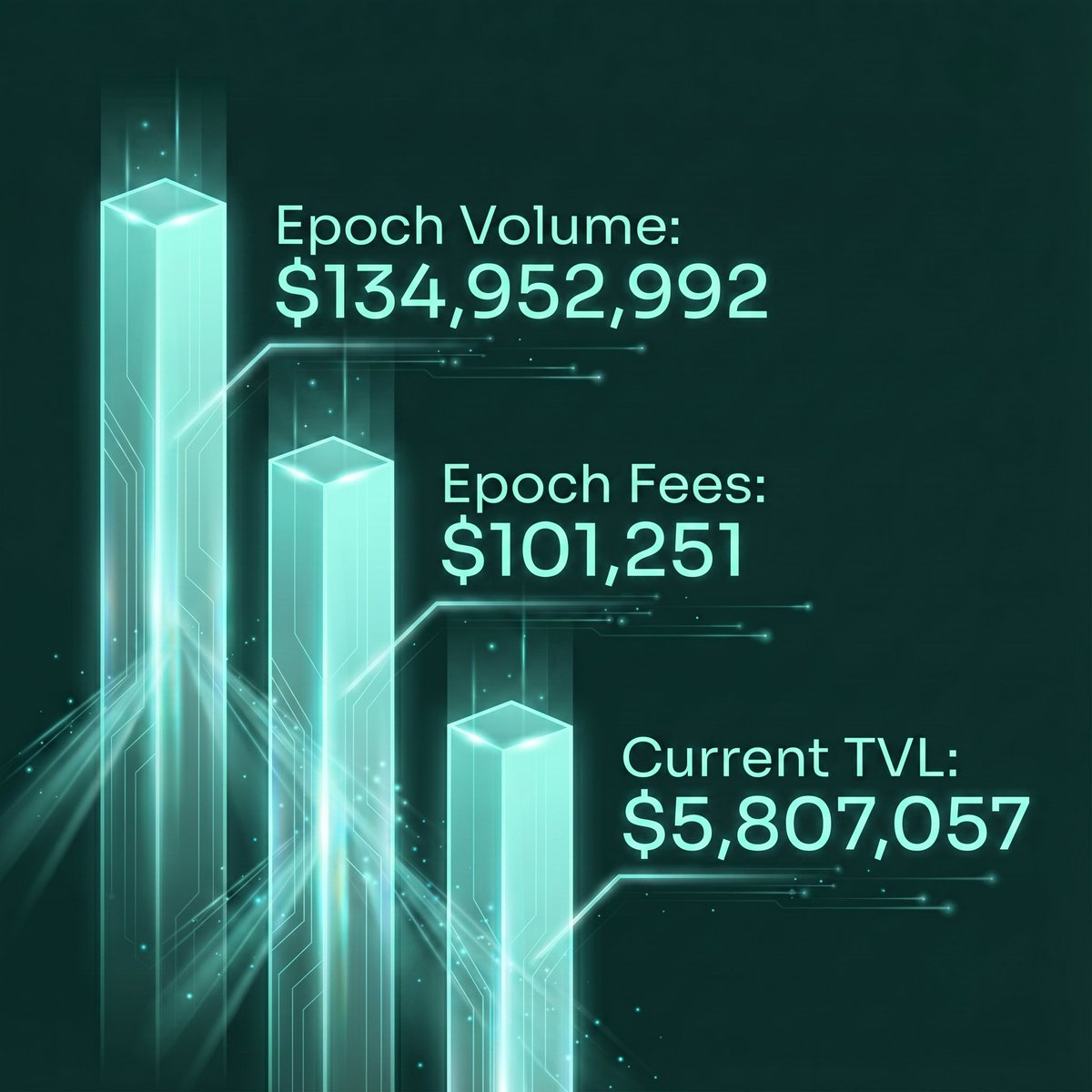
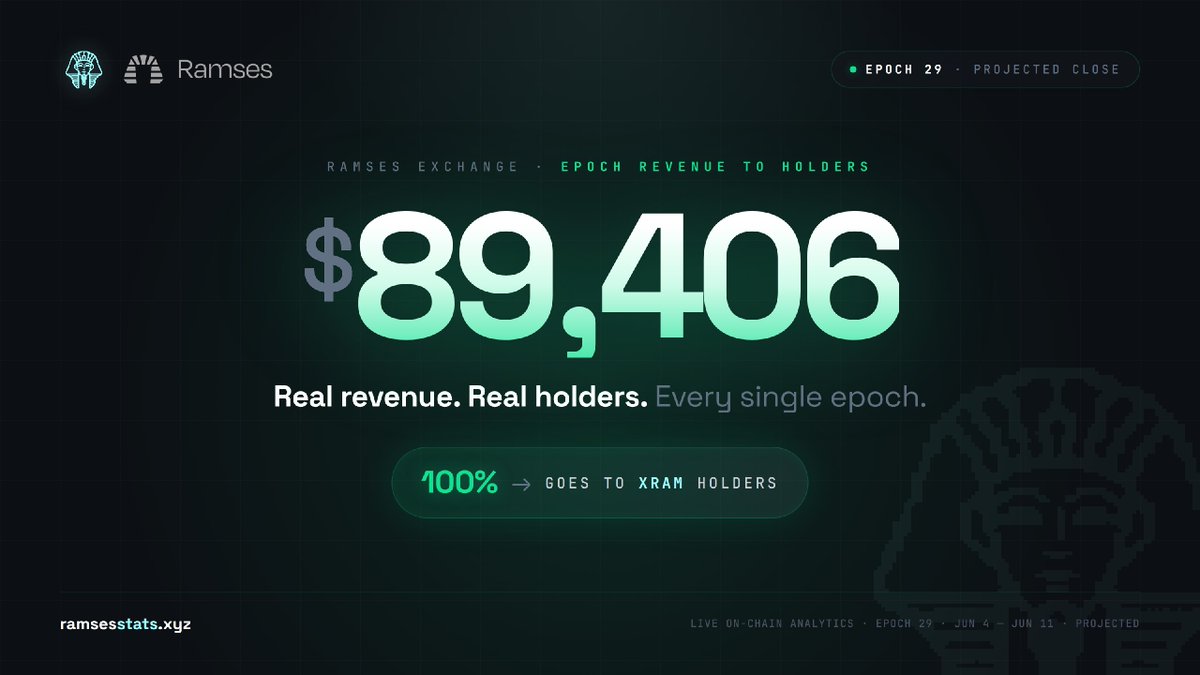
Another epoch, another $90,000 paid straight to holders.
Not points. Not emissions recycling. Real trading fees
100% to $xRAM
Revenue is covering emissions 3× over, on just $5.9M of TVL.
The flywheel doesn't care if you're watching.
Follow the stats:
ramsesstats.xyz
hyperliquid:native
2
3
29
1,404

Jun 10
The biggest and most obvious difference from a users perspective is this:
To participate in $nest, you lock your nest position to get Venest to be able to vote and get fees.
While for ramses are always liquid through $hyperram and can participate manually through voting, autovoting vaults or autocompound into more xram holding hyperram.
Thats the most obvious difference.
There are more differences, here is my take:
@ramsesexchange is more efficient and more flexible. What do i mean by that: 1: Ramses can gather more fees with less tvl hence more efficient. 2: Ramses has also built everything inhouse, meaning they are also more flexible for future development.
Tho ramses is more efficient, Nest have higher emissions. This can be both negative and positive.
Its positive cause higher emissions = more profit for LPs, so it attracts more liquidity, the issue is if emissions are higher than fees over a long period of time and thats why efficiency is so important.
From an LPs perspective, if emissions are higher than fees.. Its more profitable to just sell the emissions instead of locking it to veNEST.
On the other hand, if fees are higher than emissions for a long period of time, it would be more profitable for the LPs to either lock the emissions, or provide the liquidity in an ungauged pool (a pool that get fees directly). Hence the most important metric for emission based models is Emissions vs Fees.
A lock does not take away the supply, its a delay mechanism, not a burn.
Ramses as I said, does not have lock as a delay mechanism but emissions vs fees is still the most important metric.
How do they solve the issue:
Efficiency as i said is one of the factors, cause it maximises the fees. But lets say they are in a position where fees are higher then emissions for a longer period of time, meaning LPs have two options (based on what i wrote above: lock emissions is more profitable, or just provide Liquidity on an ungauged pool to get fees directly)
Here Ramses is unique. First of all, if you buy ram, or the LPs choose to convert to xram, 50% of the underlying $Ram gets burned. Not locked. burned. Hence you have a mechanism that deletes supply instead of delay. And you got Hyperram: votes and buys ram from the fees, converting $ram to $xram ( autocompounds xram). So if fees are higher then emissions for a long period of time, you get automatic buy pressure (lps earn more converting, hyperram buys increase cause fees increased) and increased burn pressure.
So yes, the most important metric is emissions vs fees.. But for ramses you could say (emissions - burn) vs fees.
So that's kind of it. their model supports the token price very well if fees are higher than emissions for a longer period of time, while keeping participants liquid, its more efficient and more flexible.
Now over to personal differences experienced.
I invested both in Ramses and Chronos (ramses on arbitrum epoch 0 or 1, chronos TGE (2 wallets tokens and nfts, think they called the nfts keys or smth). With ramses, I got fees, I got airdropped Phar, Shadow, Nile ( nile then etherex) and I got ramses on hyperliquid. When there was a mistake with the quantity of ramses I got on hyperliquid, Ramses team fixed it for me in a day.
They and particularly @keccakdog has helped me multiple times through the years.. When he/they didnt have to or need to do it.
If you know about phar, shadow etc, its pretty self explanatory that getting into ramses payed off even tho i bought it at the worst time.
They also reported critical errors in Chronos and I believe also on Nest their biggest competitors, helping them help their users.
The 40k in chronos on the other hand, became 200-500 usd in fenix (with auto compound), was locked so couldn't sell at 3-4k or whatever the top the first weeks. then that again became ca 20-50 bucks in nest. now at the peak top of nest i would need 10x to break even on paper (since its locked) probably 15x to sell it locked
3
94

Jun 10
🛡️ #Star-#Navi, coating #radar-assorbenti XRAM-C e democratizzazione della bassa osservabilità nel #GlobalSouth
iari.site/2026/06/10/stealth…
23
Frogtopus retweeted

Jun 9
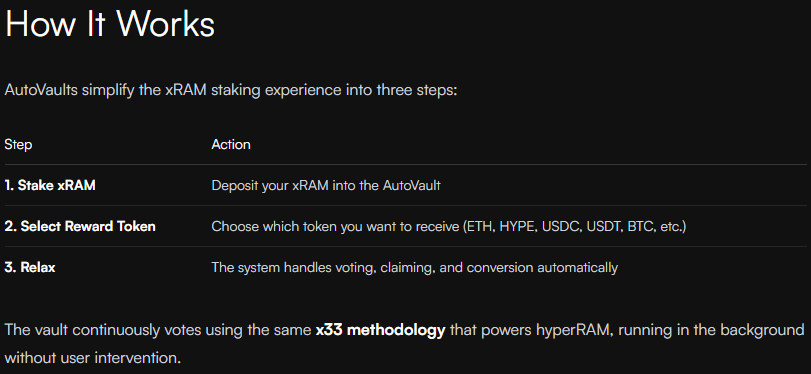
Did you know Ramses offers "AutoVault" technology?
Simply stake your $xRAM in the AutoVault, and every epoch flip you get rewarded in $HYPE, $USDC, or $USDT0.
Want more $RAM instead? Look into $hyperRAM which is a liquid staked version of $xRAM that compounds weekly!
6
4
29
2,821
