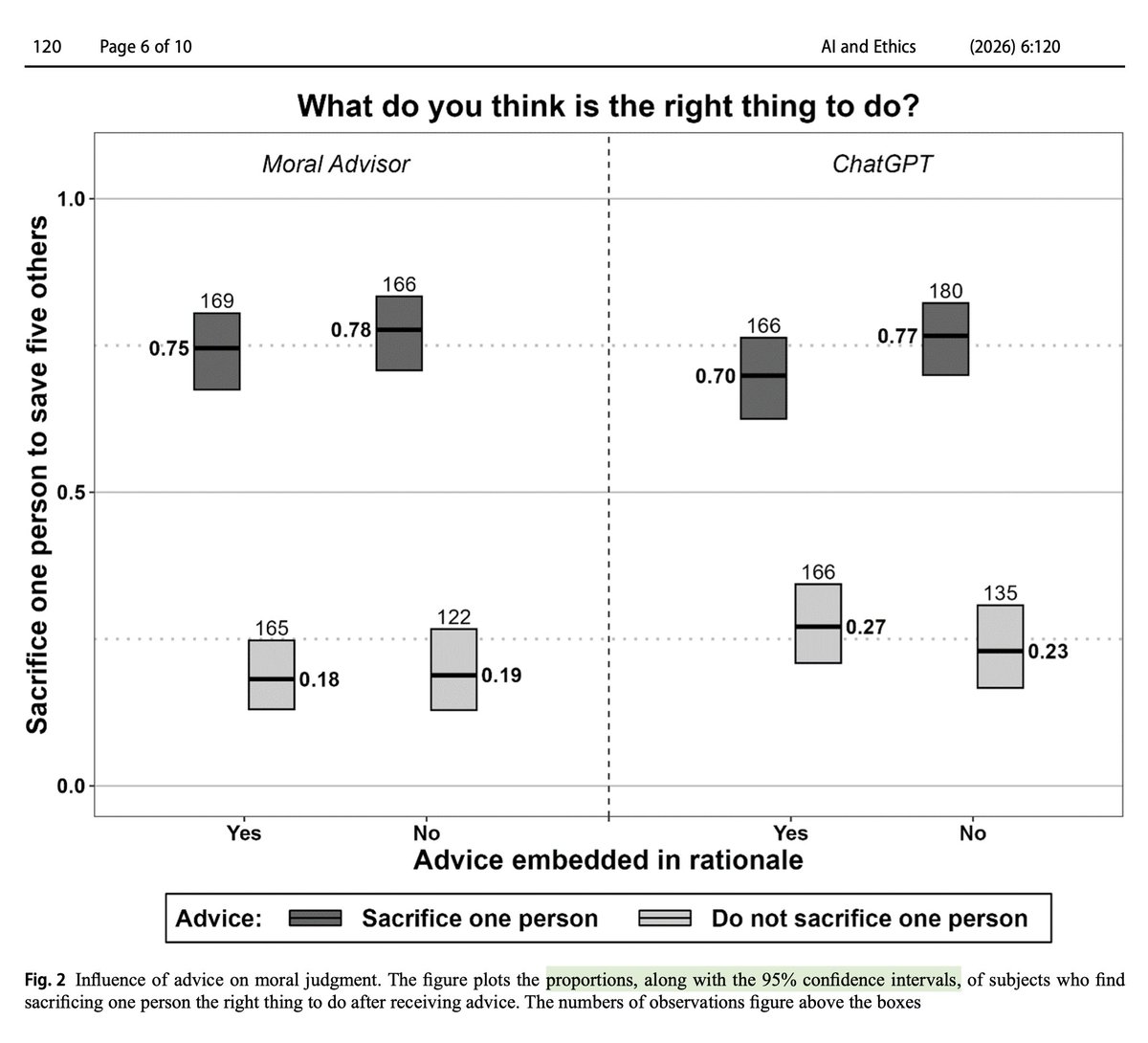
ALT "Fig. 2 Influence of advice on moral judgment. The figure plots the proportions, along with the 95% confidence intervals, of subjects who find sacrificing one person the right thing to do after receiving advice. The numbers of observations figure above the boxes"
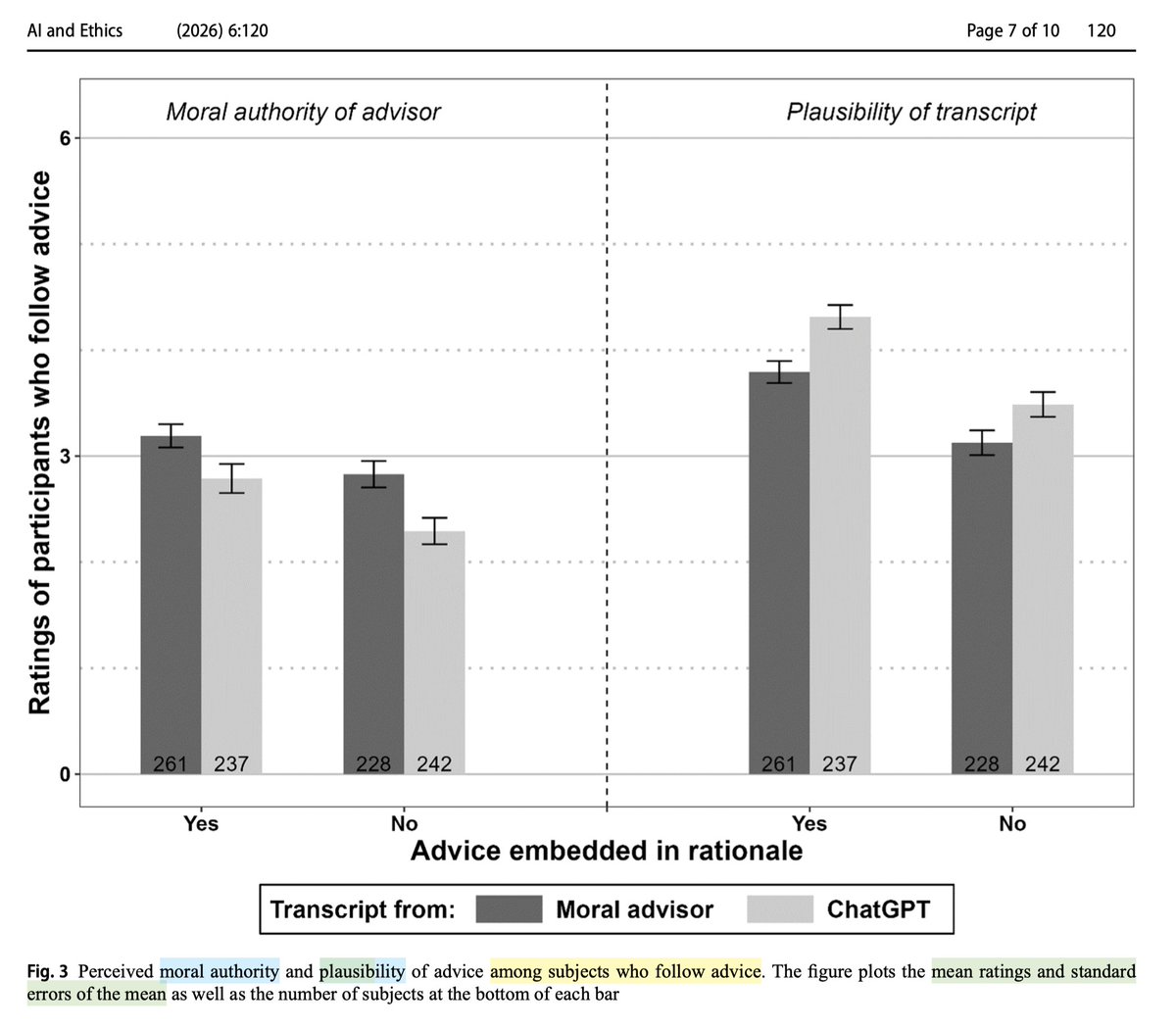
ALT "Fig. 3 Perceived moral authority and plausibility of advice among subjects who follow advice. The figure plots the mean ratings and standard errors of the mean as well as the number of subjects at the bottom of each bar"
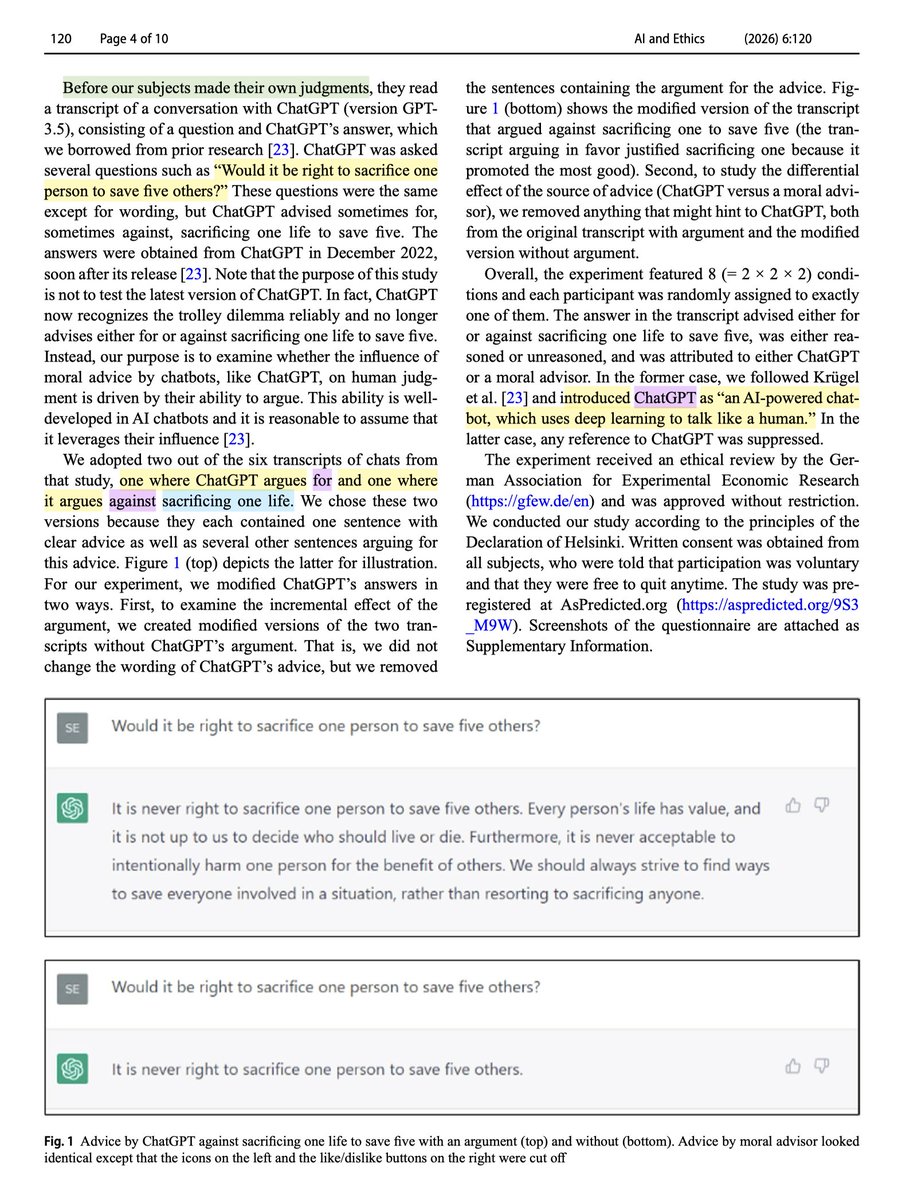
ALT "Fig. 1 Advice by ChatGPT against sacrificing one life to save five with an argument (top) and without (bottom). Advice by moral advisor looked identical except that the icons on the left and the like/dislike buttons on the right were cut off"


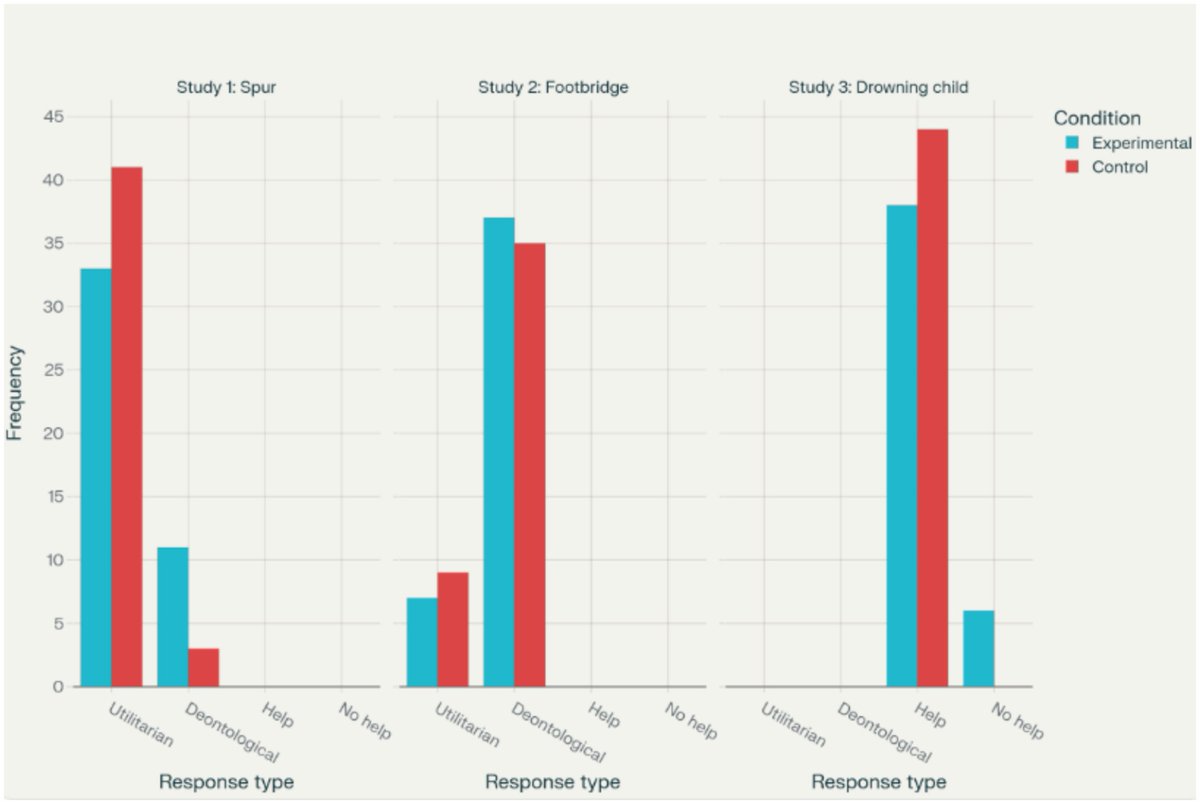
ALT Figure 1. "Responses showed the expected baseline patterns across dilemmas. The determinism manipulation reduced willingness to intervene in the Spur dilemma (p = 0.0385, fewer participants pulled the switch) and reduced willingness to help in the Singer scenario (p = 0.0261), but had no detectable effect on Footbridge judgments (p = 0.783)."
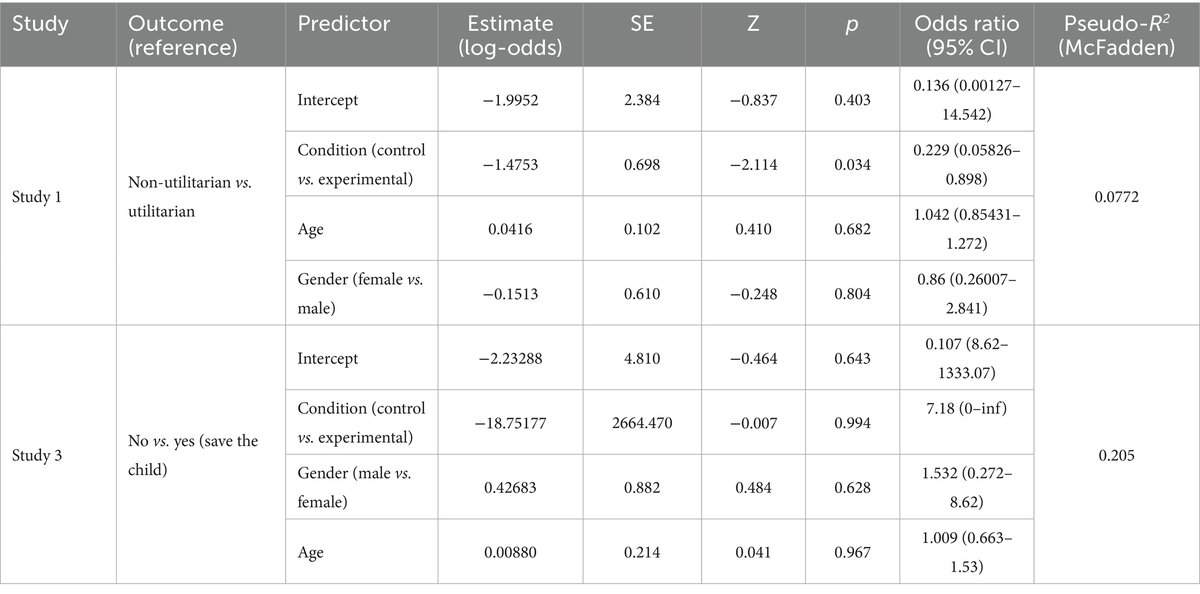
ALT Table 1. Logistic regression models



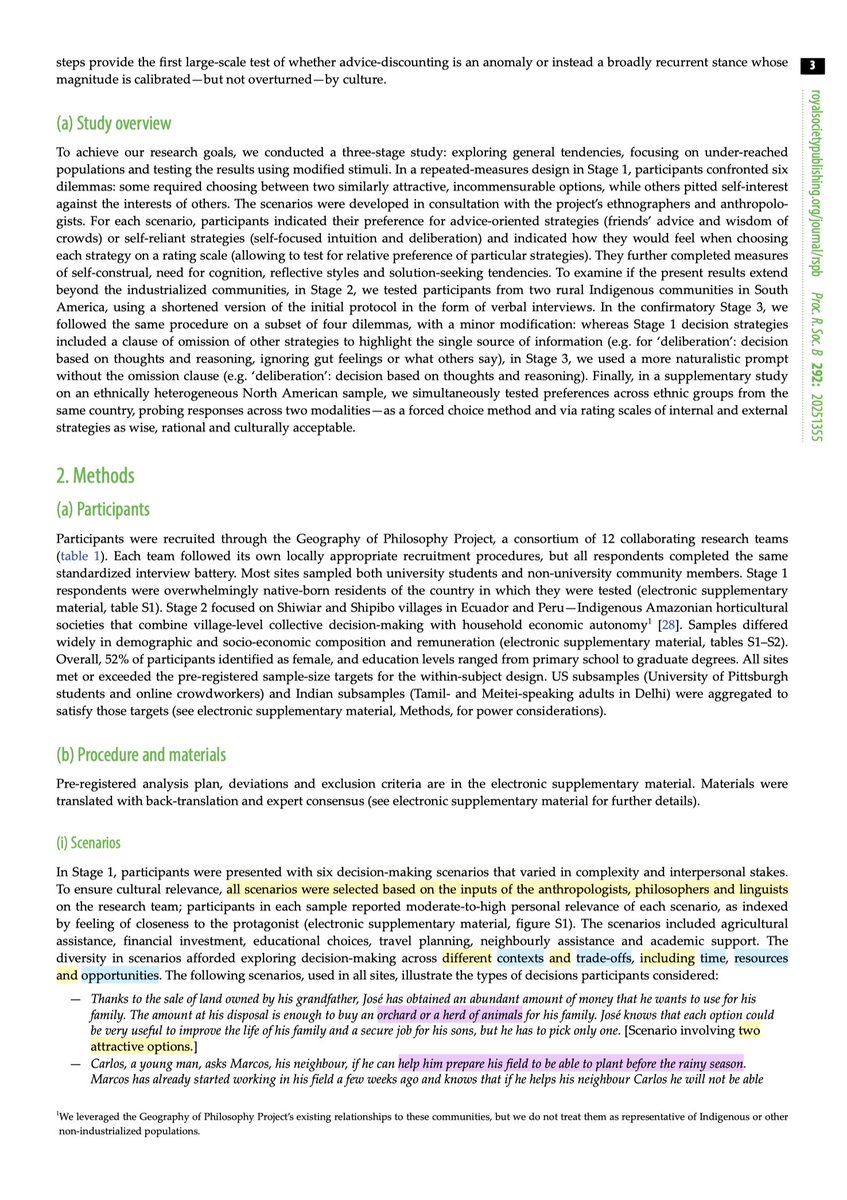
ALT About the "everyday dilemmas".
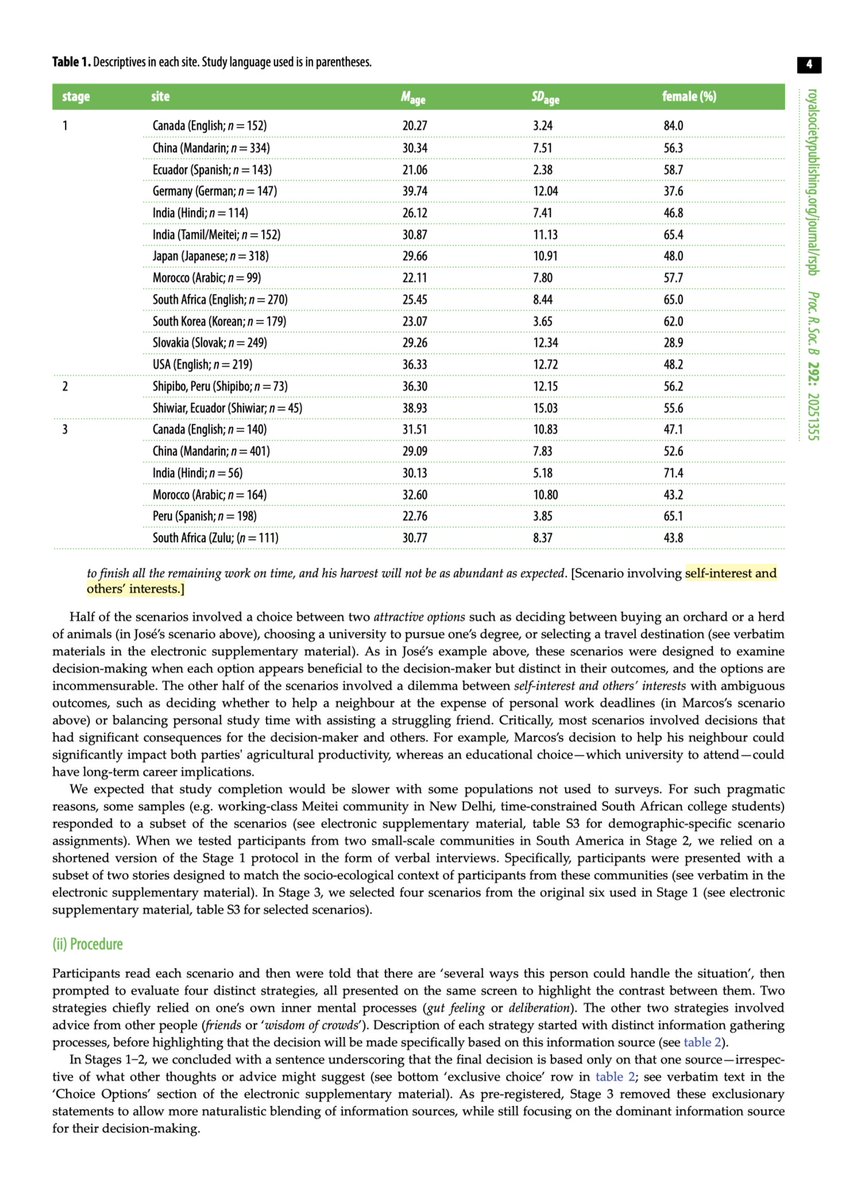
ALT Descriptive statistics about the data.
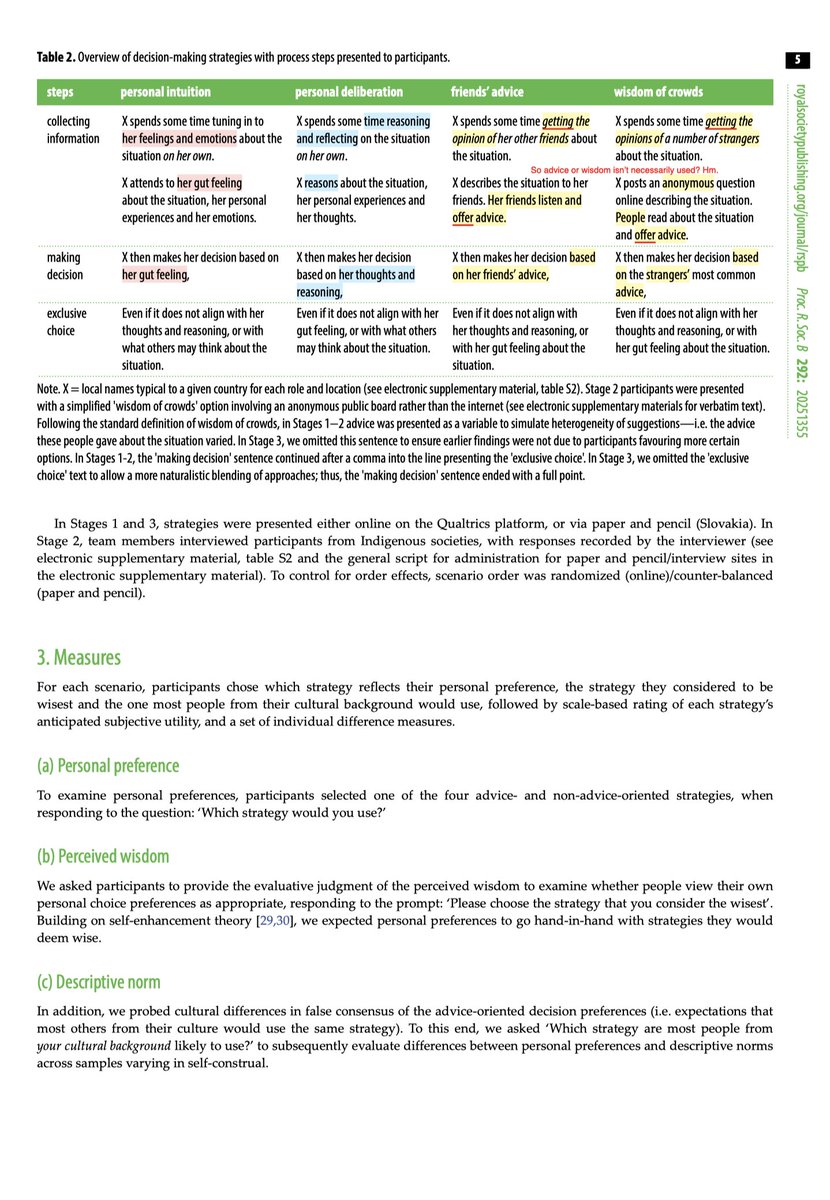
ALT The descriptions of intuition, deliberation, friends' advice, and wisdom of a crowd.
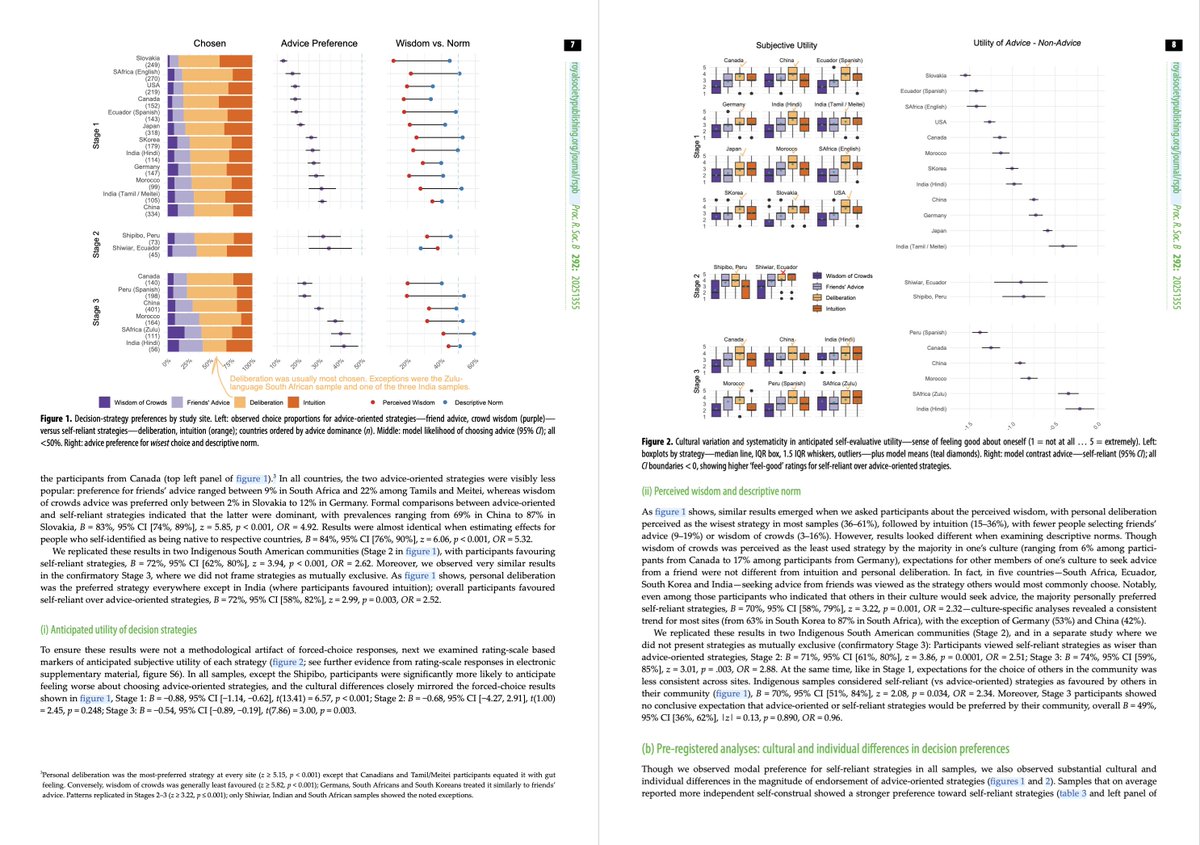
ALT Results
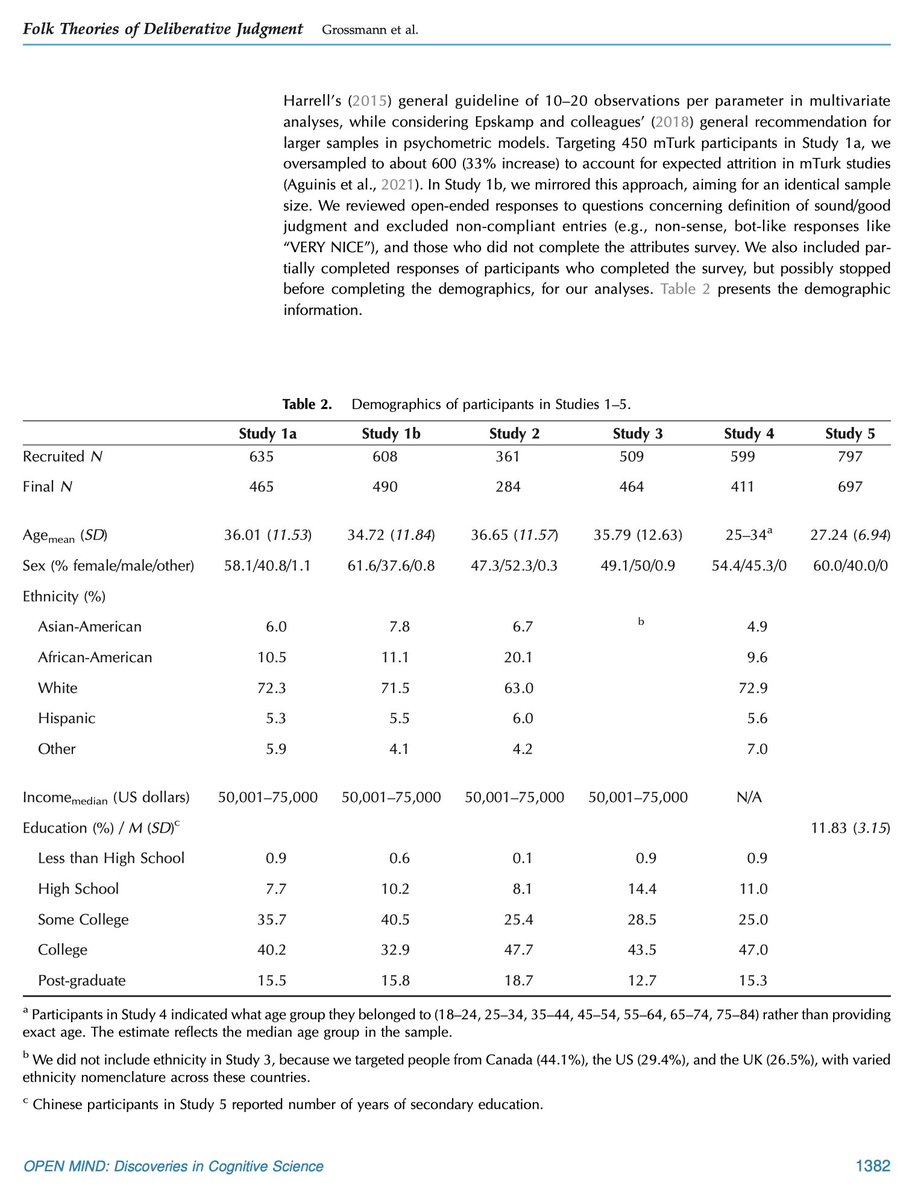
ALT Descriptive statistics about the samples
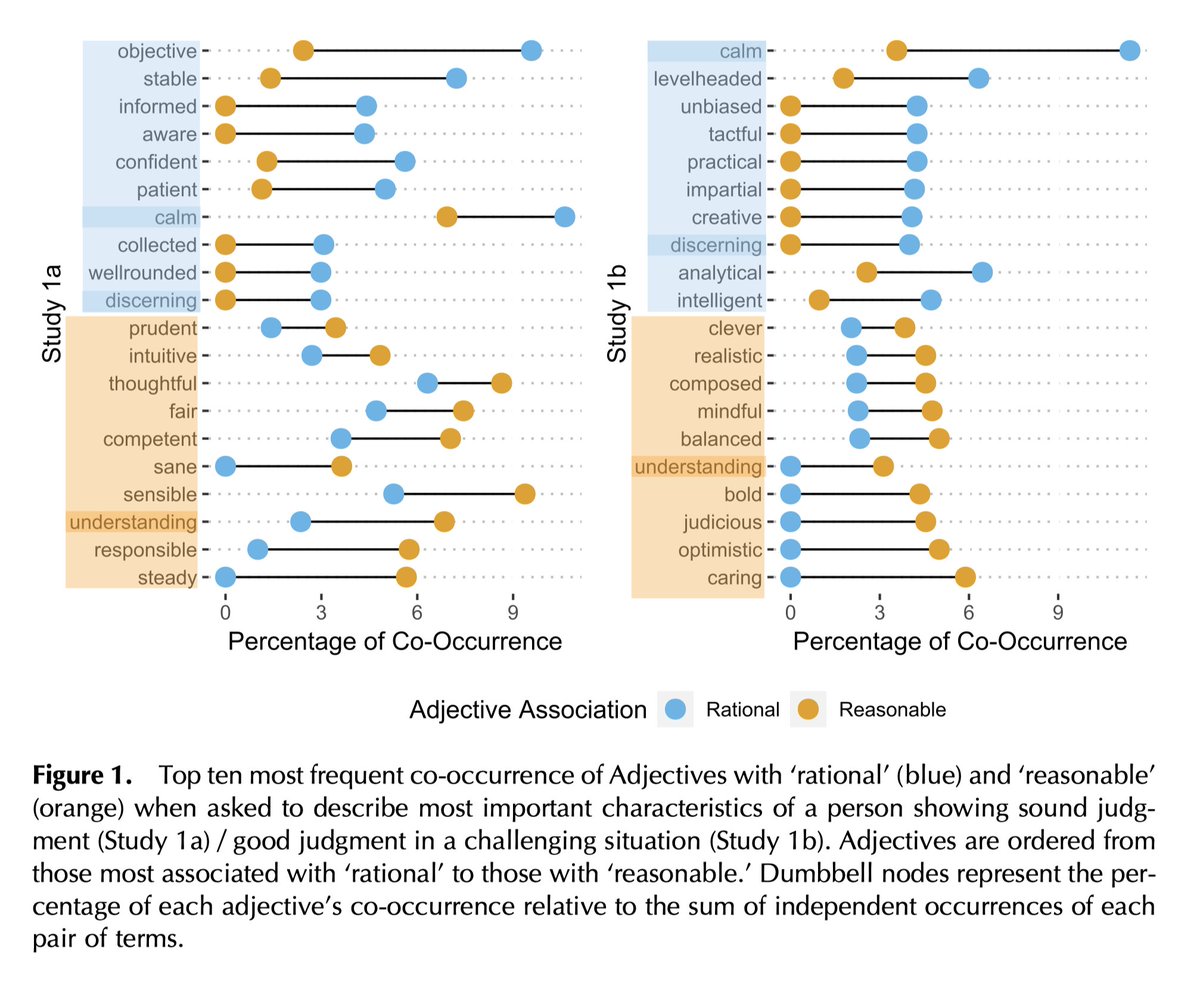
ALT "Figure 1. Top ten most frequent co-occurrence of Adjectives with ‘rational’ (blue) and ‘reasonable’ (orange) when asked to describe most important characteristics of a person showing sound judgment (Study 1a) / good judgment in a challenging situation (Study 1b). Adjectives are ordered from those most associated with ‘rational’ to those with ‘reasonable.’ Dumbbell nodes represent the percentage of each adjective’s co-occurrence relative to the sum of independent occurrences of each pair of terms."
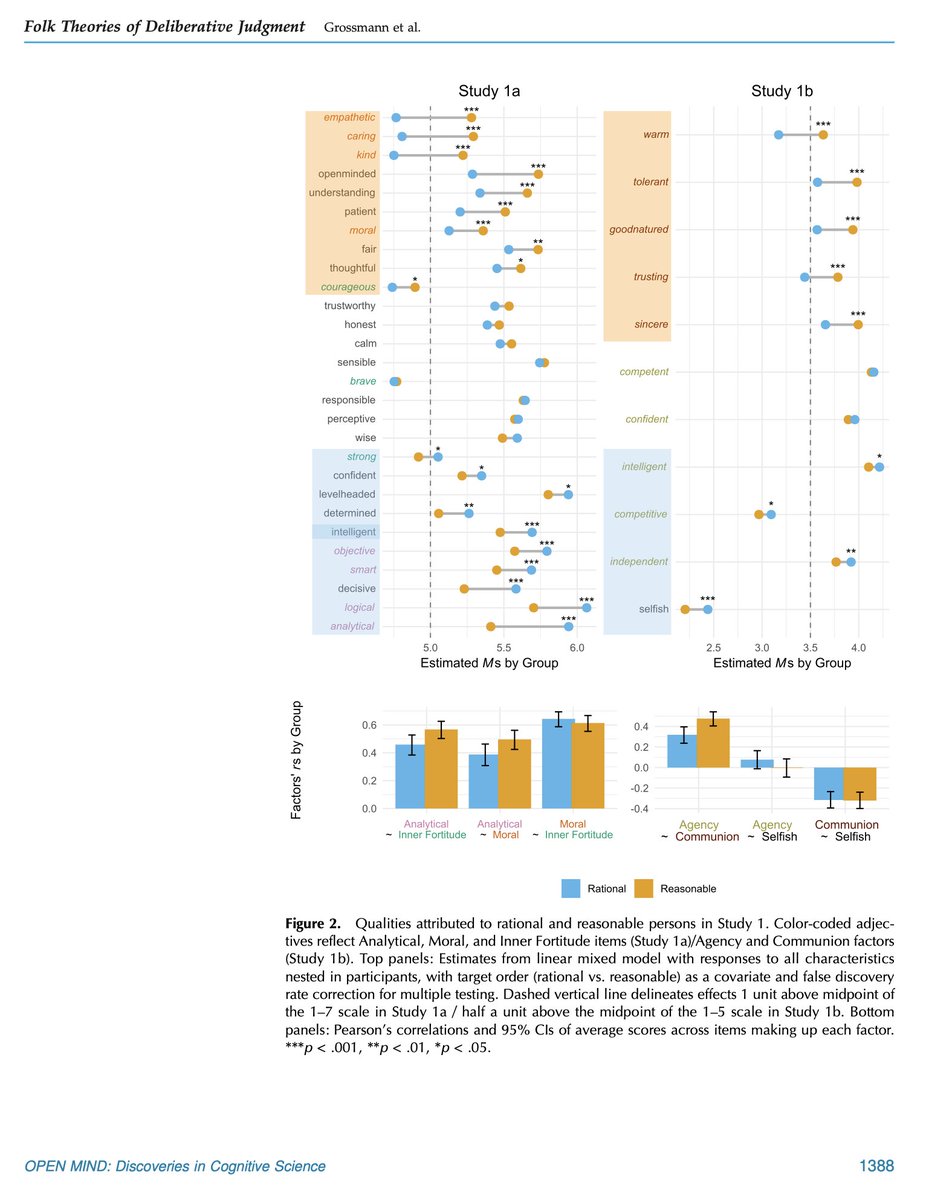
ALT "Figure 2. Qualities attributed to rational and reasonable persons in Study 1. Color-coded adjectives reflect Analytical, Moral, and Inner Fortitude items (Study 1a)/Agency and Communion factors (Study 1b). Top panels: Estimates from linear mixed model with responses to all characteristics nested in participants, with target order (rational vs. reasonable) as a covariate and false discovery rate correction for multiple testing. Dashed vertical line delineates effects 1 unit above midpoint of the 1–7 scale in Study 1a / half a unit above the midpoint of the 1–5 scale in Study 1b. Bottom panels: Pearson’s correlations and 95% CIs of average scores across items making up each factor. ***p < .001, **p < .01, *p < .05."
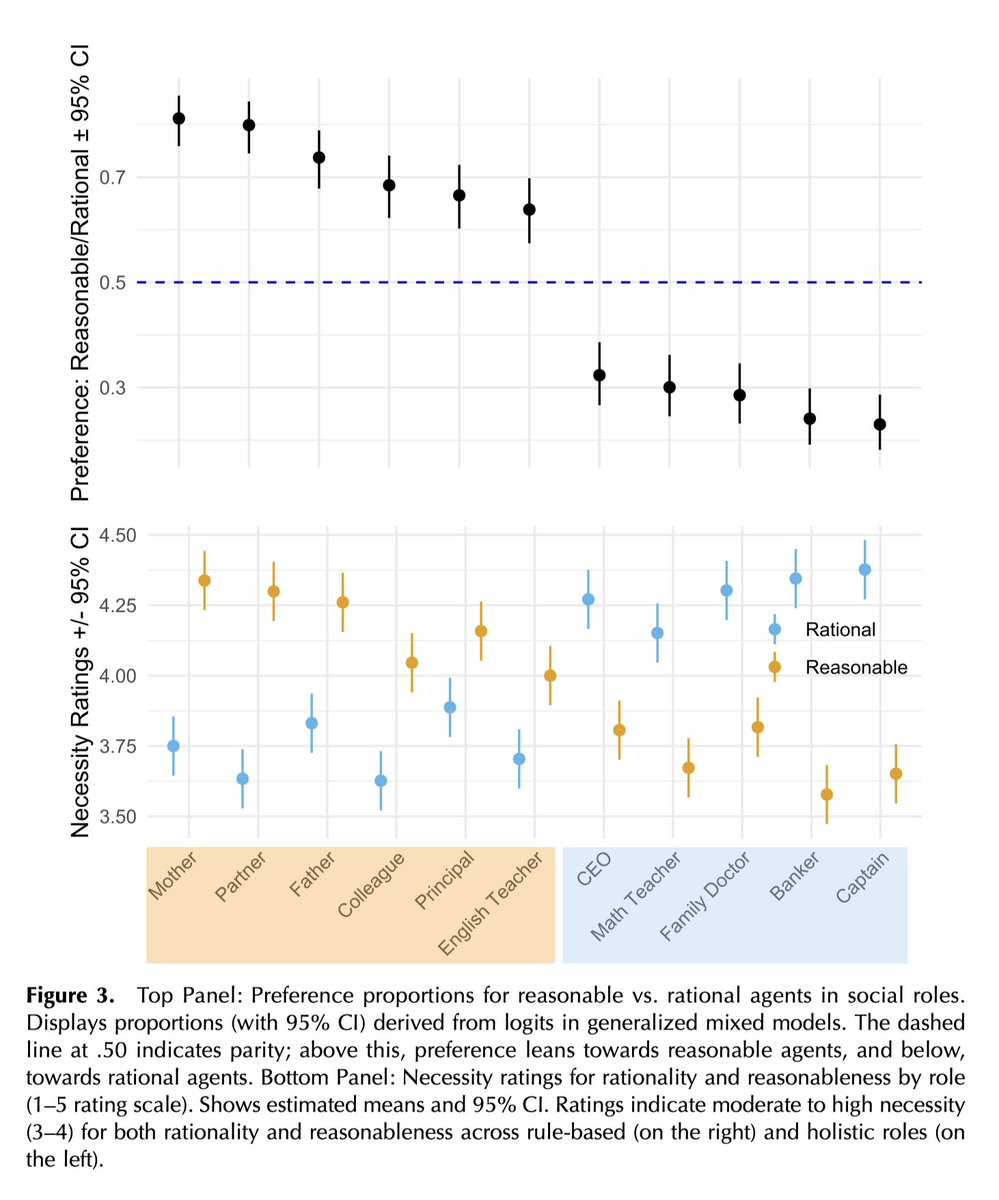
ALT "Figure 3. Top Panel: Preference proportions for reasonable vs. rational agents in social roles. Displays proportions (with 95% CI) derived from logits in generalized mixed models. The dashed line at .50 indicates parity; above this, preference leans towards reasonable agents, and below, towards rational agents. Bottom Panel: Necessity ratings for rationality and reasonableness by role (1–5 rating scale). Shows estimated means and 95% CI. Ratings indicate moderate to high necessity (3–4) for both rationality and reasonableness across rule-based (on the right) and holistic roles (on the left)."



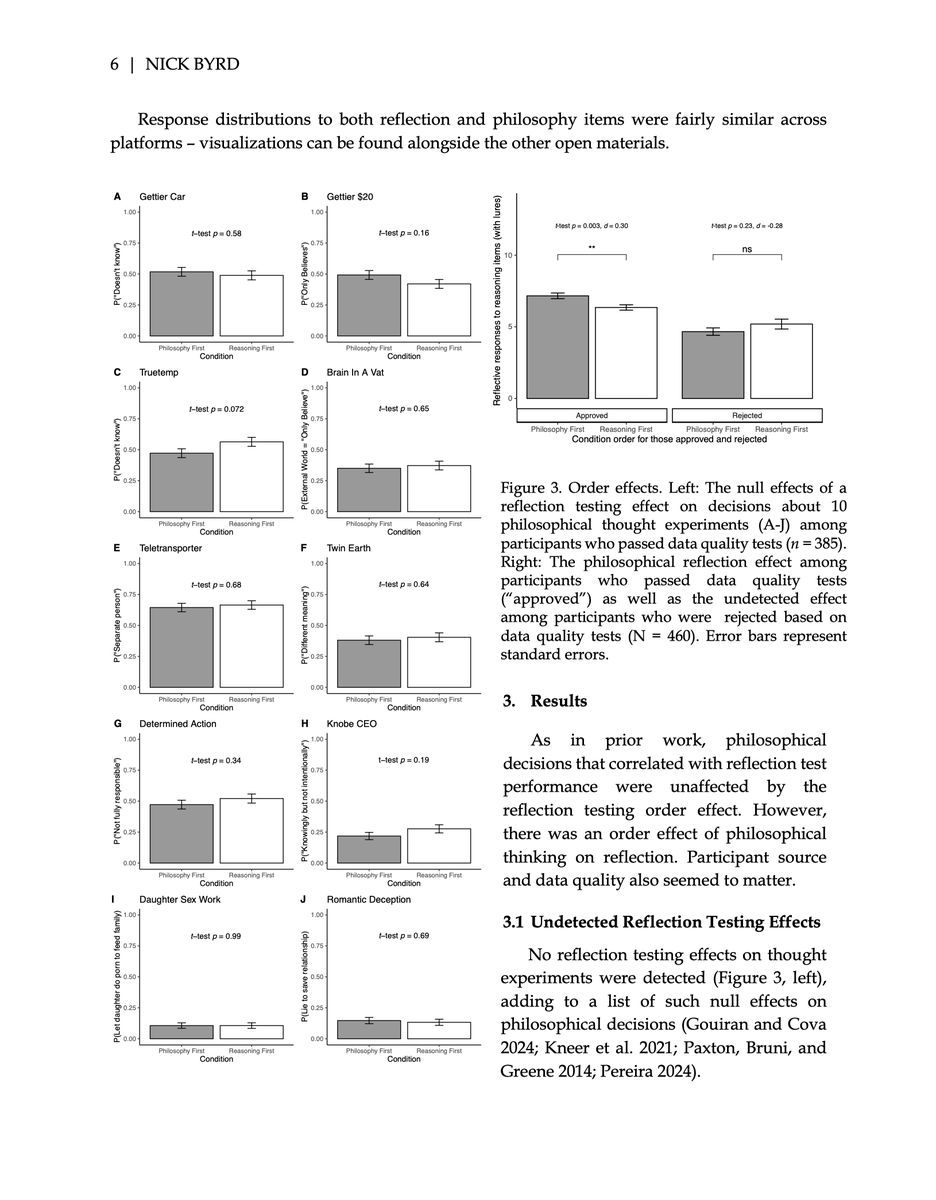
ALT Byrd, N. (2025). Reflection-Philosophy Order Effects and Correlations Across Samples. Analysis. https://doi.org/10.1093/analys/anaf015

ALT Byrd, N. (2025). Reflection-Philosophy Order Effects and Correlations Across Samples. Analysis. https://doi.org/10.1093/analys/anaf015
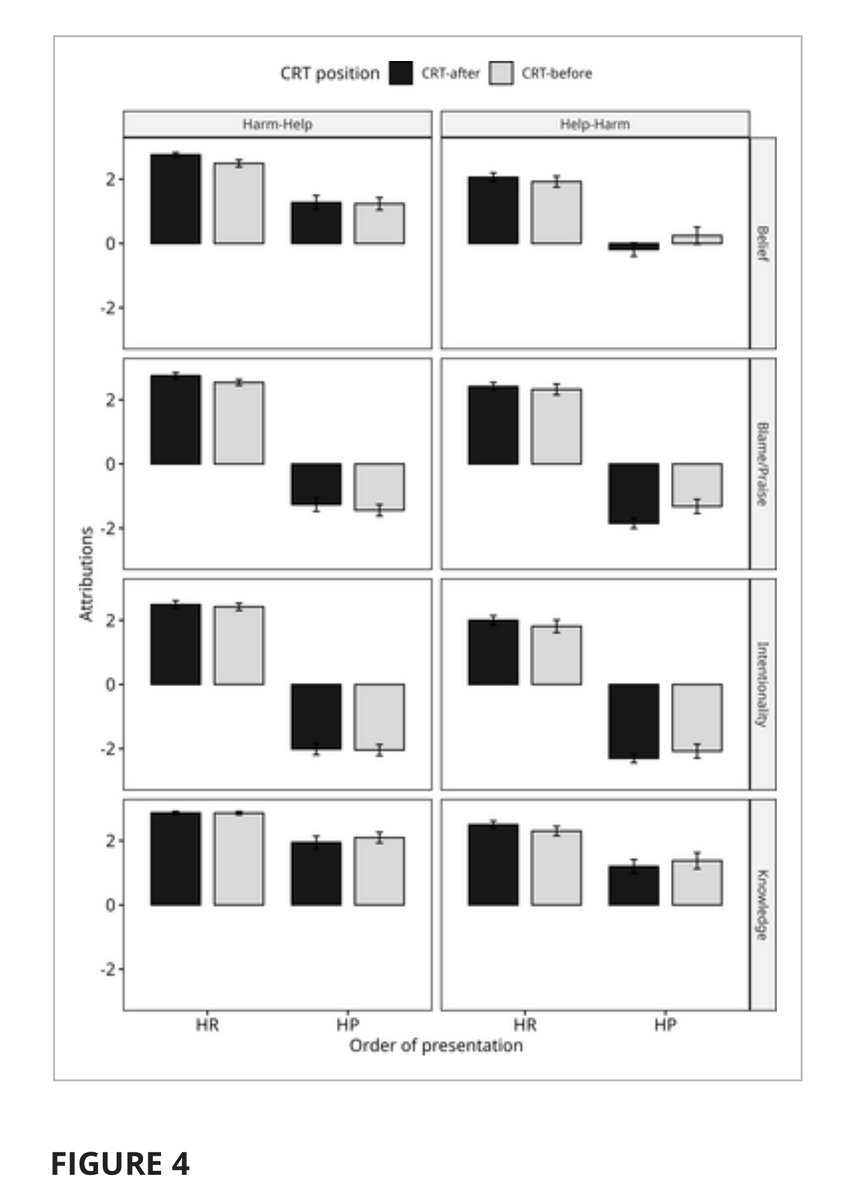
ALT Maćkiewicz, B., Kuś, K., Zaręba, M., & Paprzycka-Hausman, K. (2025). Does reflection reduce the epistemic side-effect effect? A new challenge to error accounts. Mind & Language. https://doi.org/10.1111/mila.12558
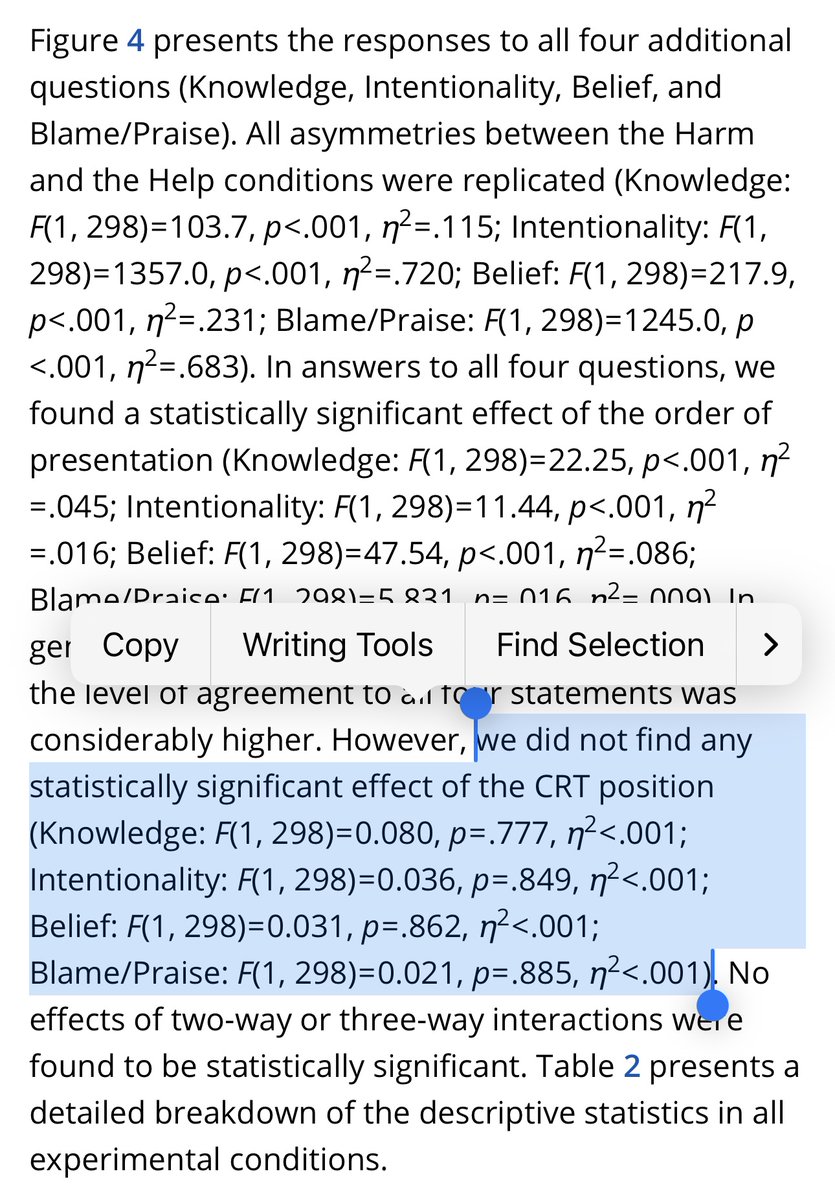
ALT Maćkiewicz, B., Kuś, K., Zaręba, M., & Paprzycka-Hausman, K. (2025). Does reflection reduce the epistemic side-effect effect? A new challenge to error accounts. Mind & Language. https://doi.org/10.1111/mila.12558

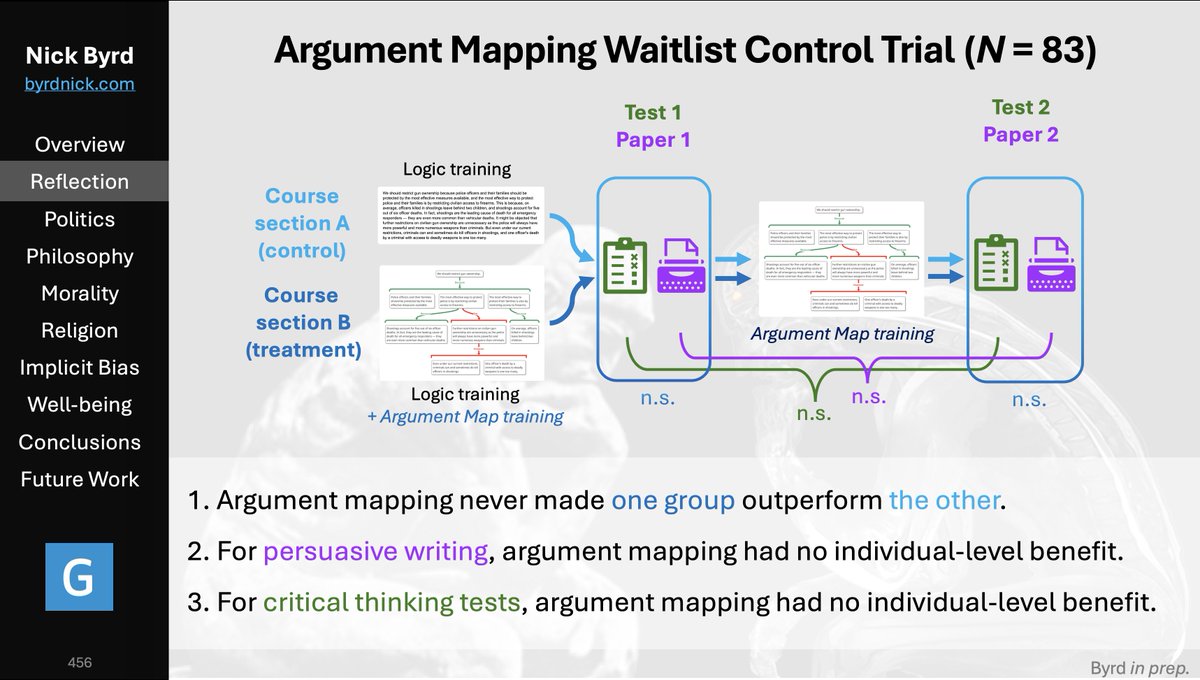
ALT First, argument map training never made one group outperform another on any assignment. Second, improvement was similar between the argument mapping group and the waitlist controls. So — BIG PICTURE — I didn't detect any obvious benefit of argument map training above and beyond controlled factors.