
852 Photos and videos
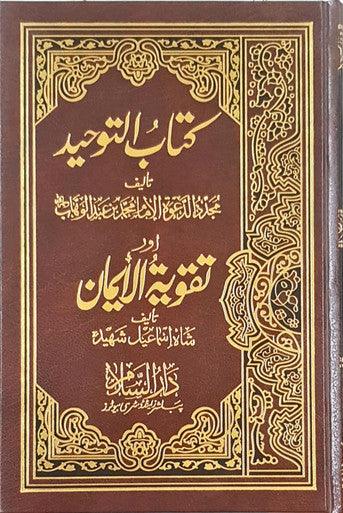
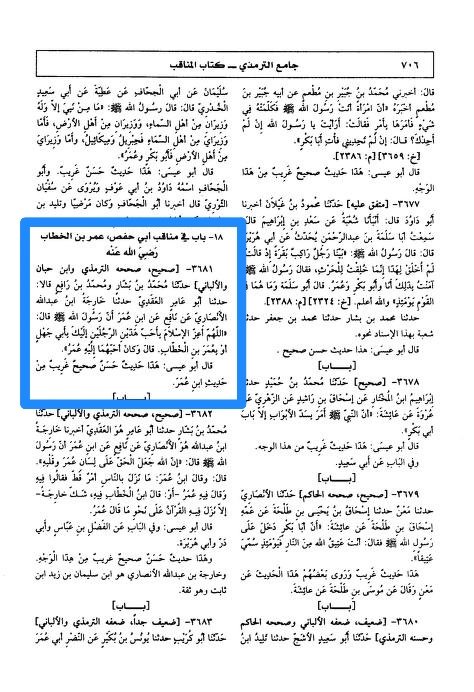
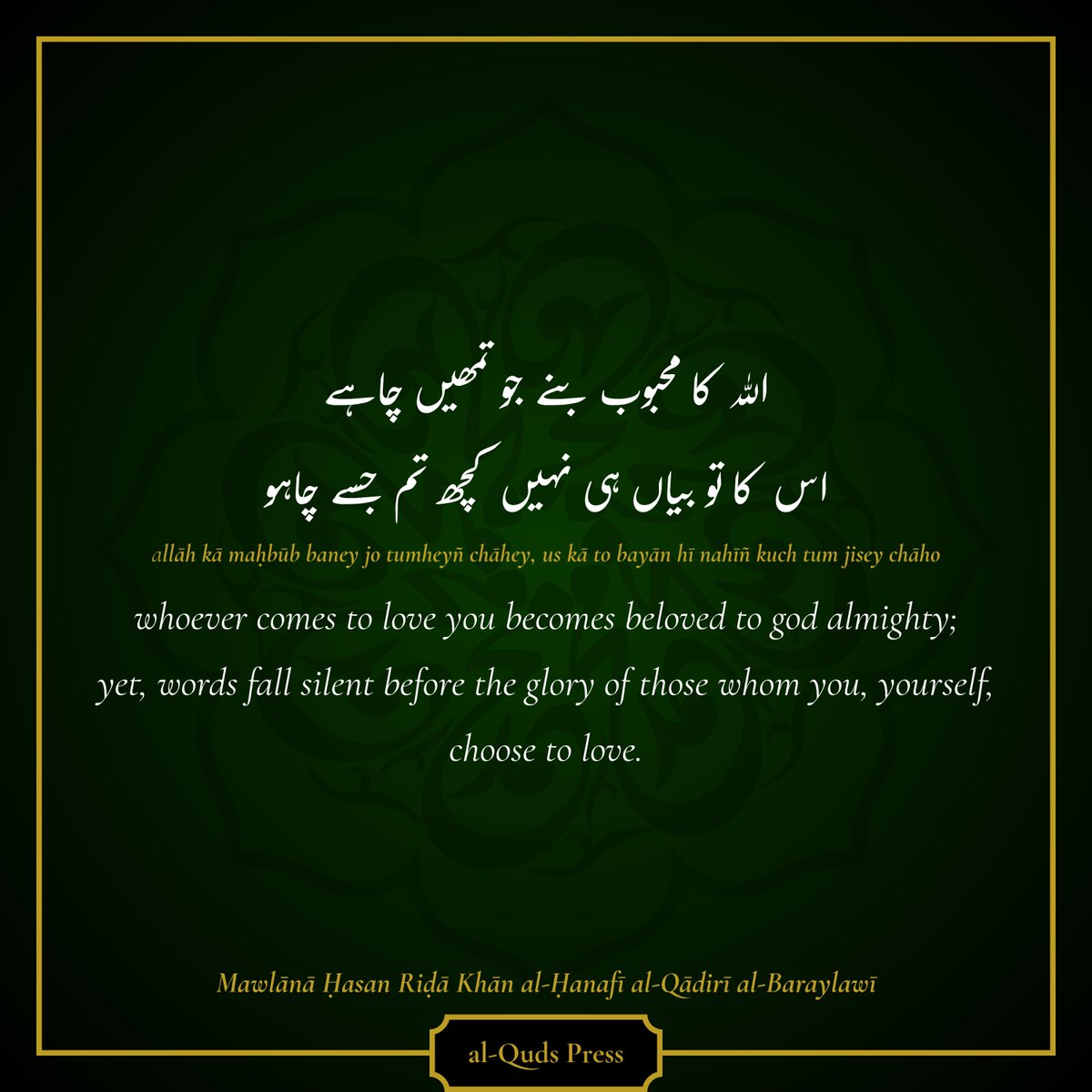
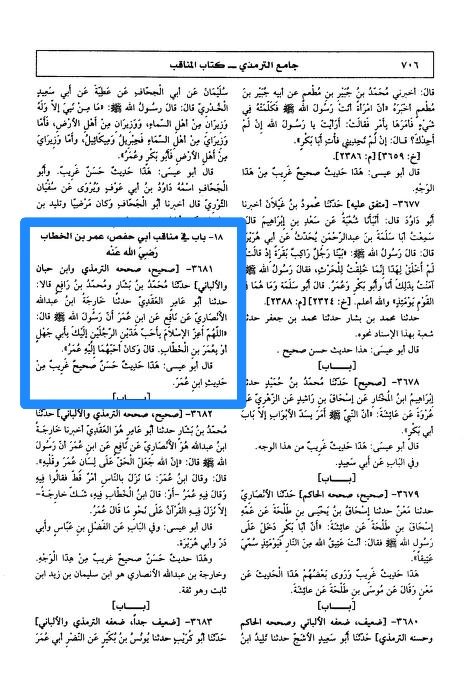
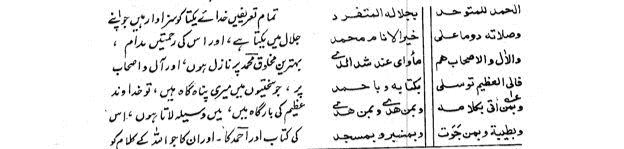
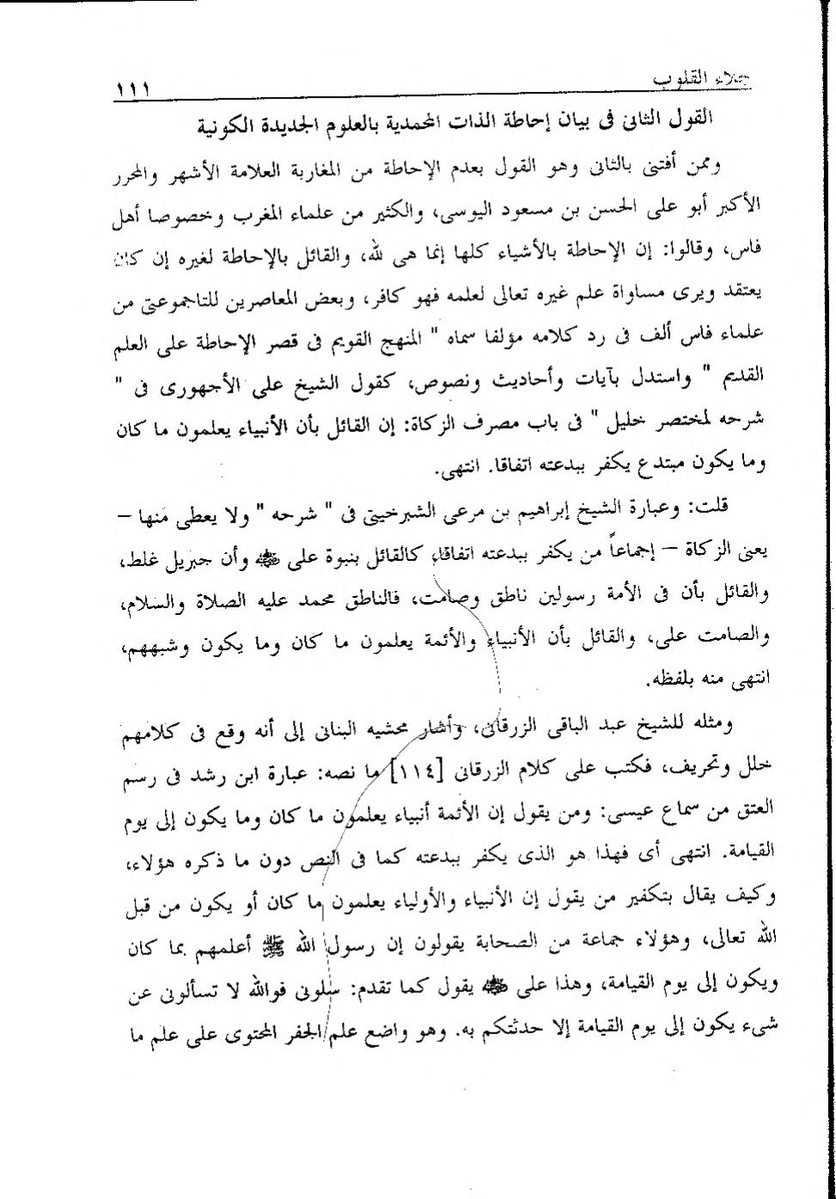
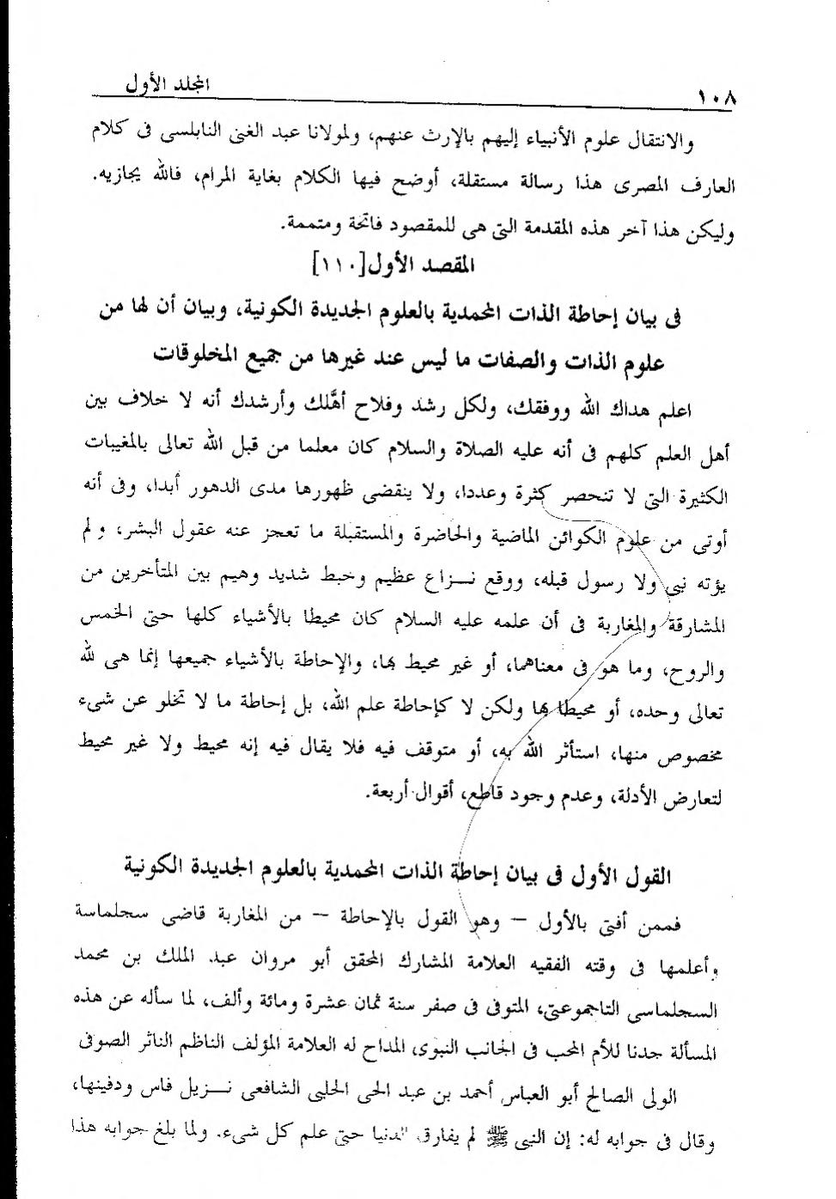
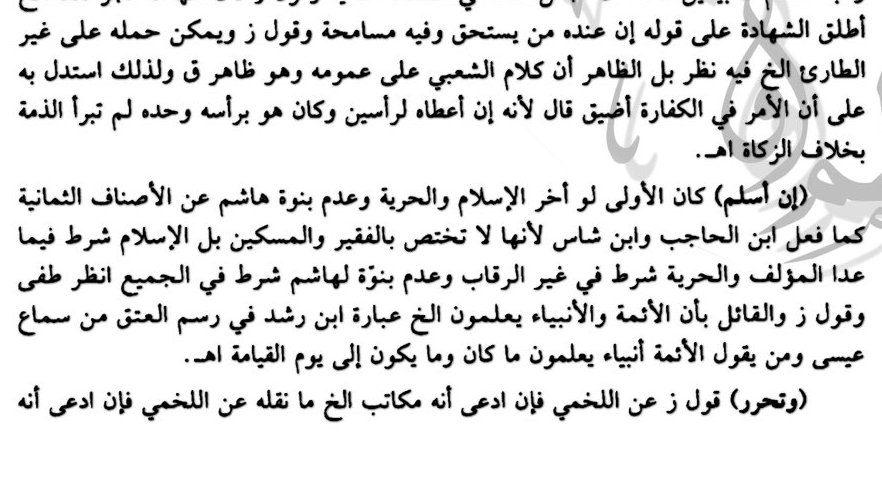

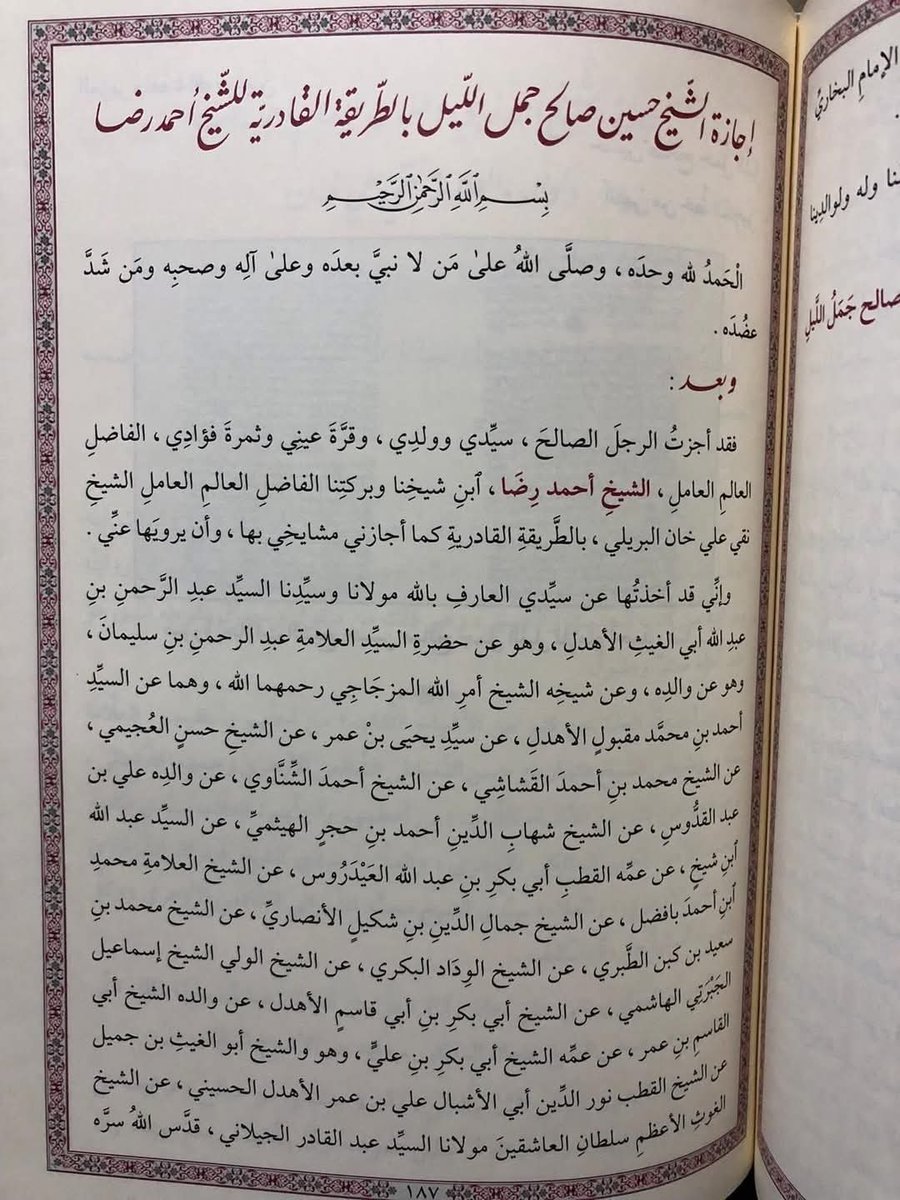
—Qādirī Sanad—
I authorise:
the pious man;
my master;
my son;
the delight of my eye;
the fruit of my heart;
the virtuous, learned, and practicing scholar;
al-Shaykh Aḥmad Riḍā
(who was only 23 years old at the time!)
—al-Shaykh Ḥusayn b. Ṣāliḥ Jamāl al-Layl al-Makkī
2
18
88
5,735
🙂 retweeted

Jun 10
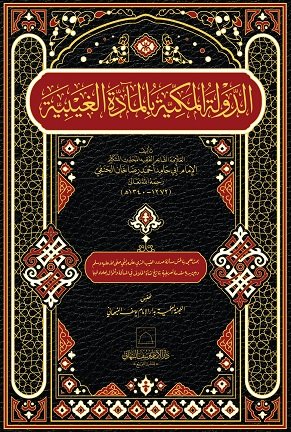
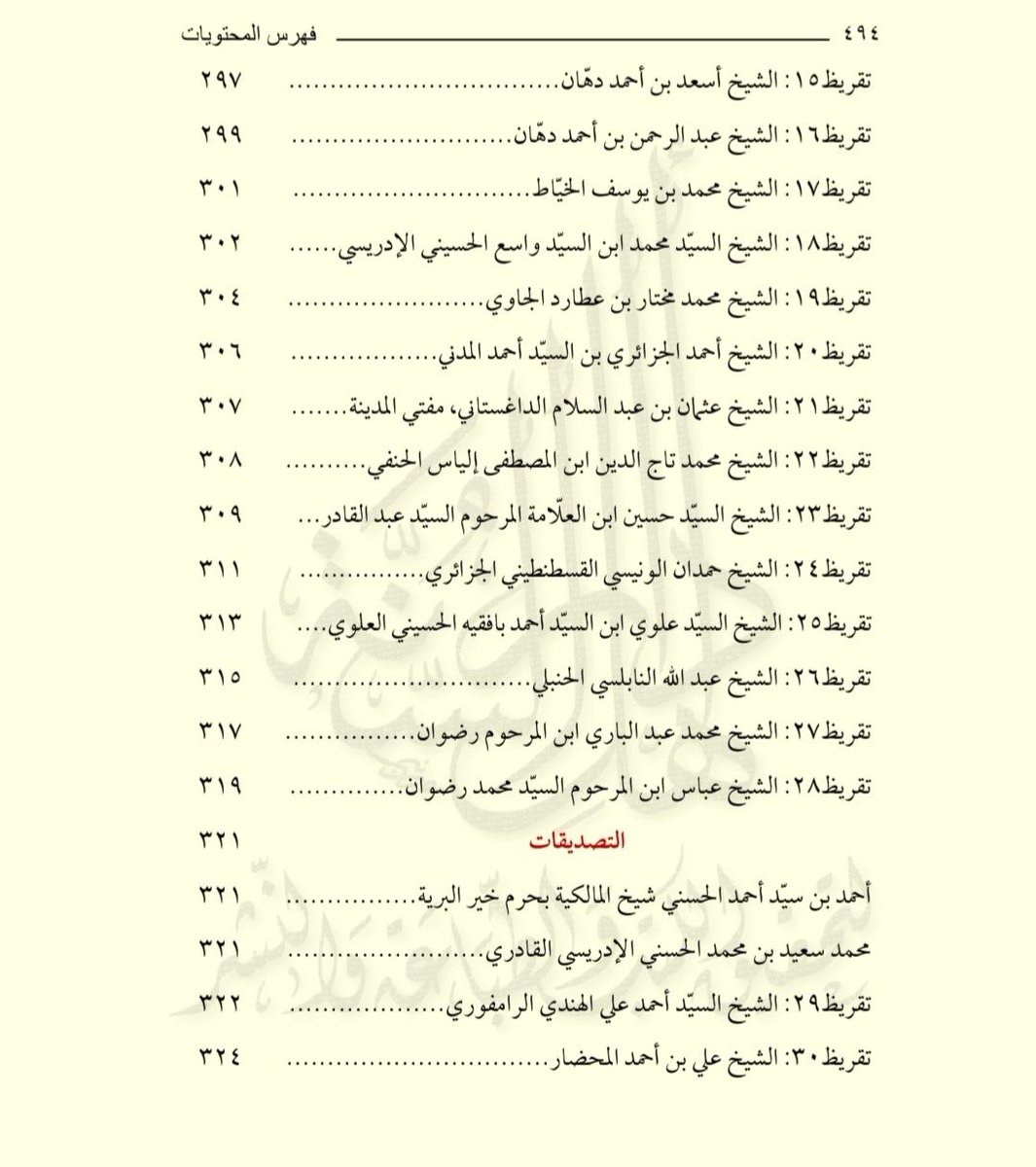
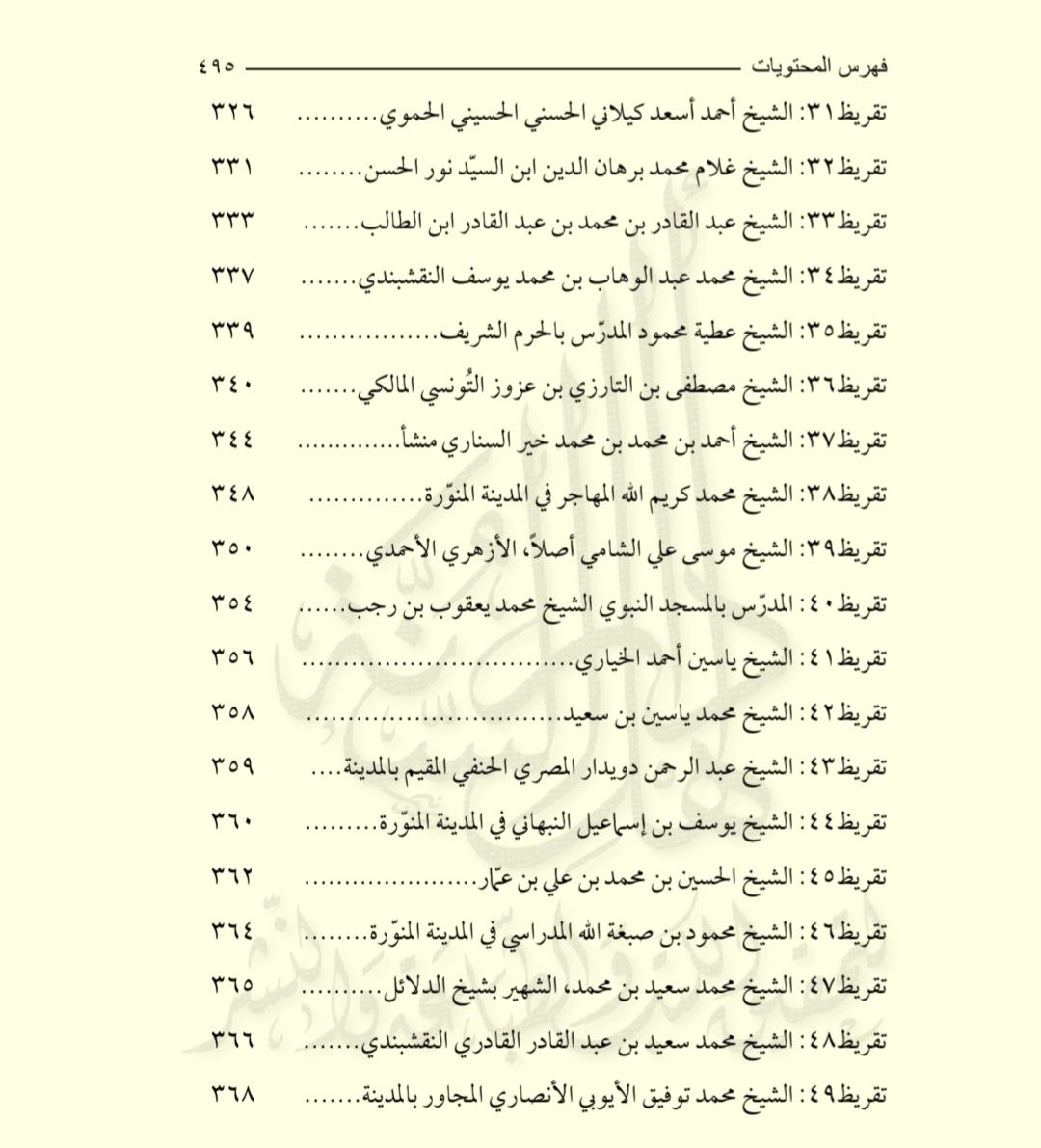
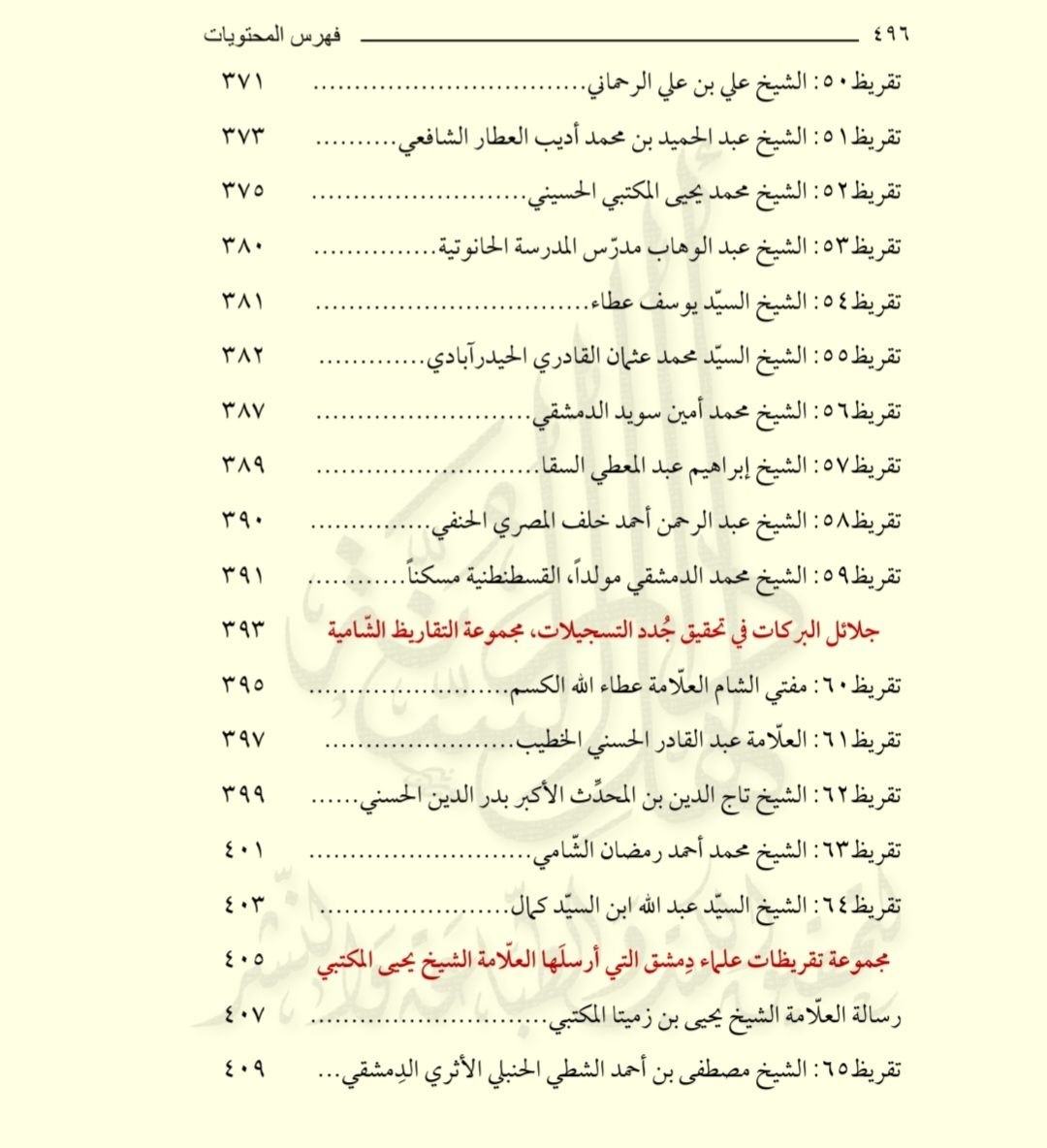
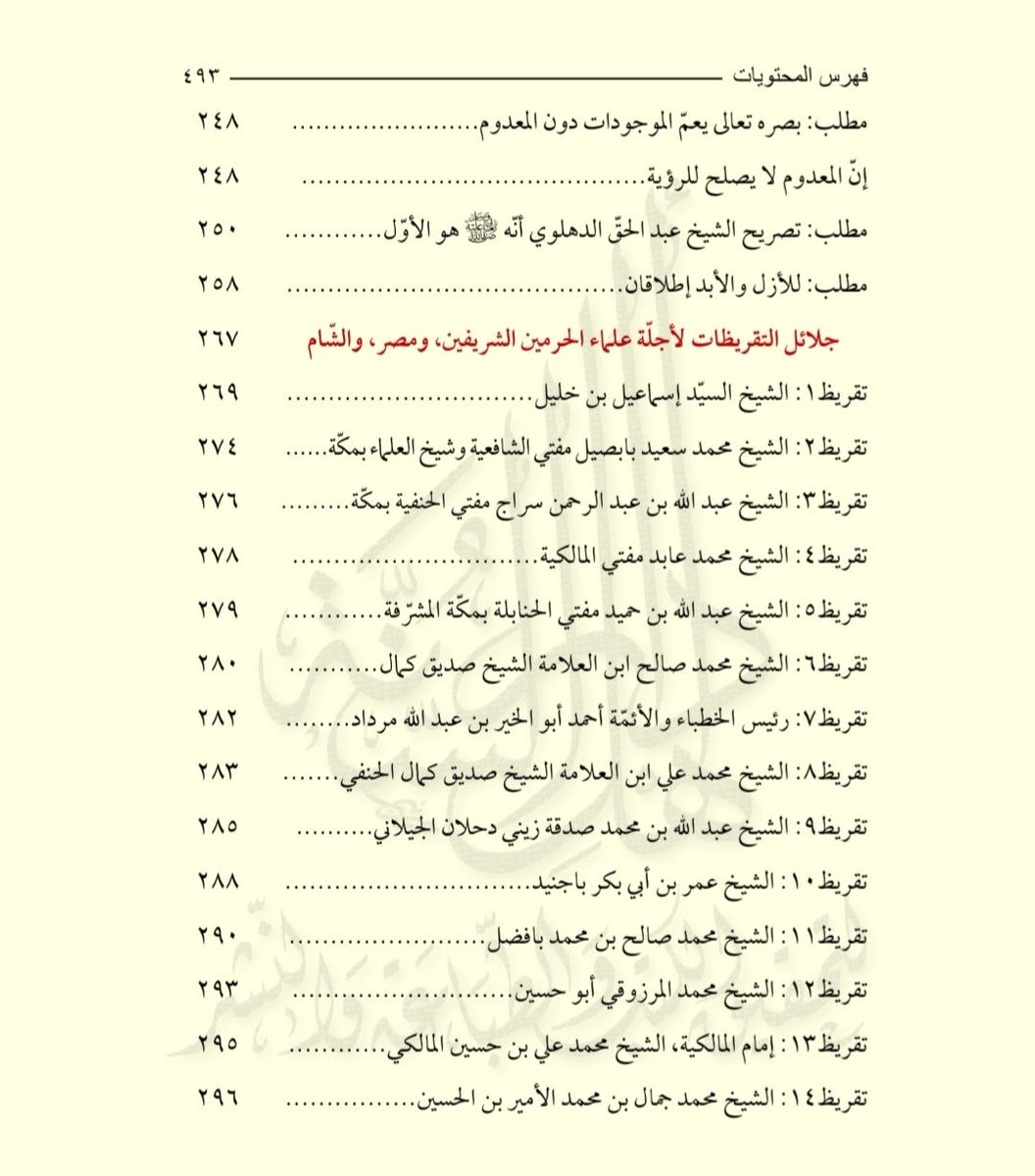
يا أستاذ، لو قرأت كتاب "الدولة المكية بالمادة الغيبية" و التقاريظ عليها لوجدت من المقرظين:
- أتباع المذاهب الفقهية الأربعة كافة
- علماء الحرمين الشريفين
- تلامذة المحدث بدر الدين الحسني وابنه الشيخ تاج الدين
- آل الكتاني الكرام
- علماء الأزهر الشريف
- الإمام يوسف النبهاني.

AHMED RIZA HAN EL-BİRELVÎ KİMDİR?
Türkiye’deki belli tasavvufî grupların aşırılıklarının esas kaynağı Hindistan-Pakistan coğrafyasındaki Birelvî hareketidir. Ahmed Rıza Han’ın kitaplarının üzerinde “Ehl-i Sünnet ve’l-Cemaat’in Reisi” yazması, ayrıca isminin sonuna “el-Mâturîdî” nisbetini eklemesi maalesef bu kişileri aldatmakta ve ondan öğrendiklerini ehl-i sünnetin itikadı zannetmektedirler. Gelin hep birlikte Ahmed Rıza Han el-Birelvî'nin kim olduğuna bakalım:
H. 1272 yılında doğan Ahmed Rıza Han küçük yaşta ilim tahsiline başlamış ve birçok ilim dalında akranlarının önüne geçmiş, keskin zekalı ve çalışkan bir şahsiyettir. Özellikle fıkıh alanındaki yetkinliği onu tanıyan herkesin kabulü olmakla birlikte eserleri de bunu bütün açıklığıyla gözler önüne sermektedir. Nitekim onun hayatını anlatanlar, usul ve füru fıkıhtaki derinliğini anlamak için kaleme aldığı eserleri mütalaa etmenin yeterli olduğunu ifade etmektedir. Ne var ki fıkıh noktasındaki derinliğine rağmen Hindistan’da Müslümanlar arasındaki fitnelerin baş müsebbibi olmaktan kurtulamamıştır. Özellikle akidevî ve fıkhî konularda meselenin ehemmiyetine bakmaksızın kendi anlayışına muhalif olanları tekfir etmekten geri durmamış, ulemânın Hakîmu’l-ümme (Ümmetin Hikmetli Şahsiyeti) olarak lakaplandırdığı, İ’lâu’s-sünen gibi muhalled bir eserin ortaya çıkmasında baş amil olan, yazdığı eserler ve yetiştirdiği büyük şahsiyetlerle hayatını ulûmu İslâmiyye’ye hizmetle geçiren Eşref Ali et-Tehânevî ve benzeri birçok kıymetli alimi dahi tekfir edecek kadar ileriye gitmiştir. Büyük alim ve mütefekkir Ebu’l-Hasen en-Nedvî’nin babası ve yıllarca Nedvetü’l-ulemâ’da müdürlük vazifesi icra eden Abdülhay el-Hasenî; onun, her ıslah hareketinin karşısında dikilen bir şahsiyet olduğunu ifade etmektedir. Öyle ki Hindistan’daki Müslümanların ve alimlerin birliğinin sağlanması, İslami ilimler eğitiminin kalitesini artırılması gibi amaçlarla bir araya gelinen büyük bir toplantıya iştirak eden Ahmed Rıza Han, oradan ayrıldıktan sonra çıkardığı bir dergi vasıtasıyla bu toplantı hakkında reddiyeler yazmış ve oradaki alimleri tekfir etmiştir.
Ahmed Rıza Han’ın maruf olan itikatlarından biri de Allah Rasûlü’nün (sav) geçmiş ve geleceğe dair gaybi hususların tamamını bildiği şeklindedir. Bu hususta “İnbâu’l-Mustafâ” ve “Hâlisu’l-‘itikât” adıyla iki tane Urduca; “ed-Devletu’l-Mekkiyye” adıyla da Arapça bir risale kaleme almıştır. Daha sonra bu risalesine “el-Fuyûzu’l-Melekiyye” adında bir haşiye düşerek genişletmiştir. Sair ilimlere nazaran özellikle tefsir ve hadis ilimlerinde yetersiz olarak bilinen Ahmed Rıza Hân el-Birelvî, H. 1304 yılında vefat etmiştir.
(Abdülhay el-Hasenî’nin, Hindistanlı 4500 alimin hayatını anlattığı “el-İʿlâm bi-men fî târîḫi’l-Hind mine’l-aʿlâm (Nüzhetü’l-ḫavâṭır ve behcetü’l-mesâmiʿ ve’n-nevâẓır) adlı eserinden özetlenmiştir.)
1
9
76
9,191
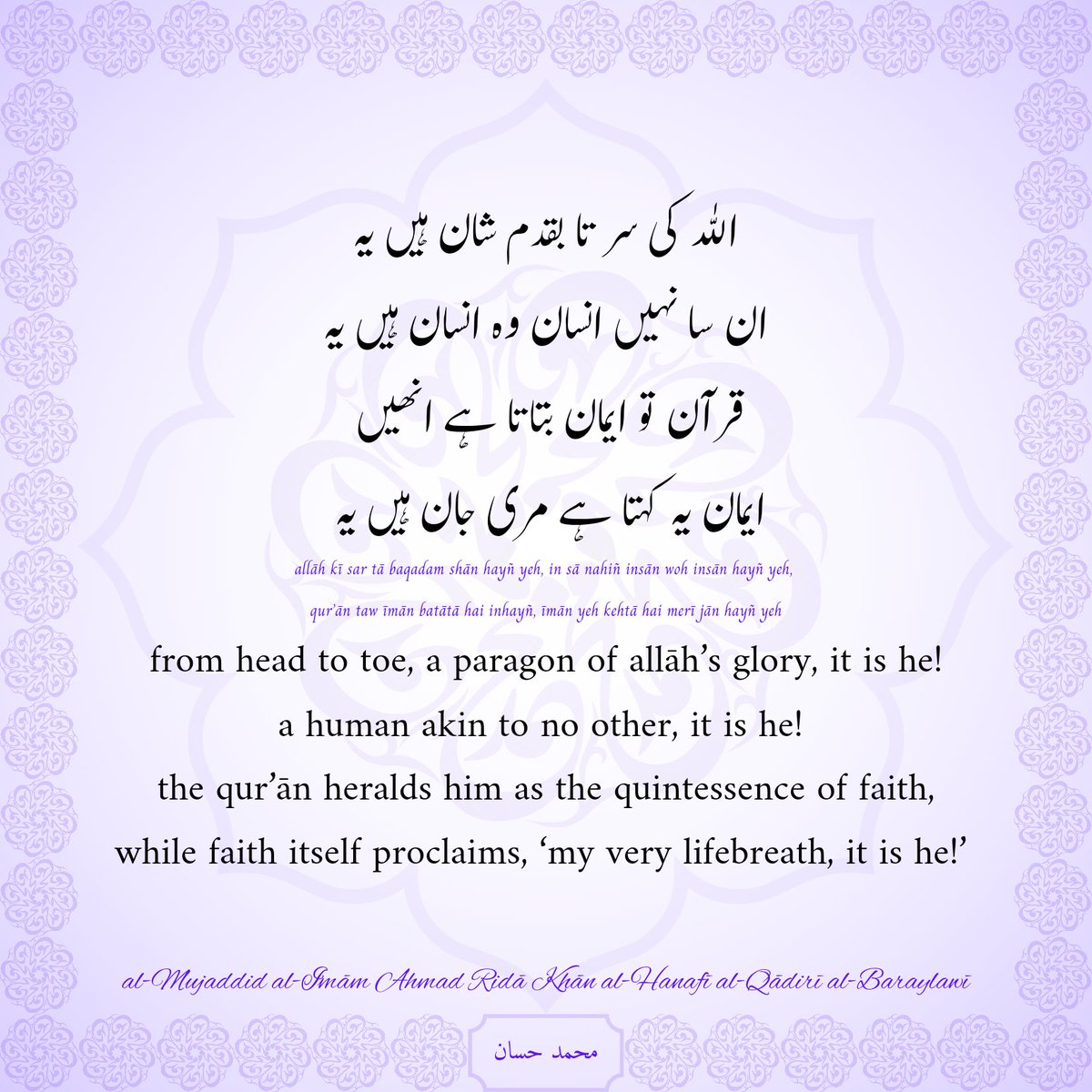
al-Imām Ahmad Ridā Khān has a similar verse wherein he fully acknowledges the humanness of Sayyidunā RasūlAllāh ﷺ while simultaneously exalting his unparalleled nature among humankind
Urdu fans will appreciate the wordplay and stylistic composition employed

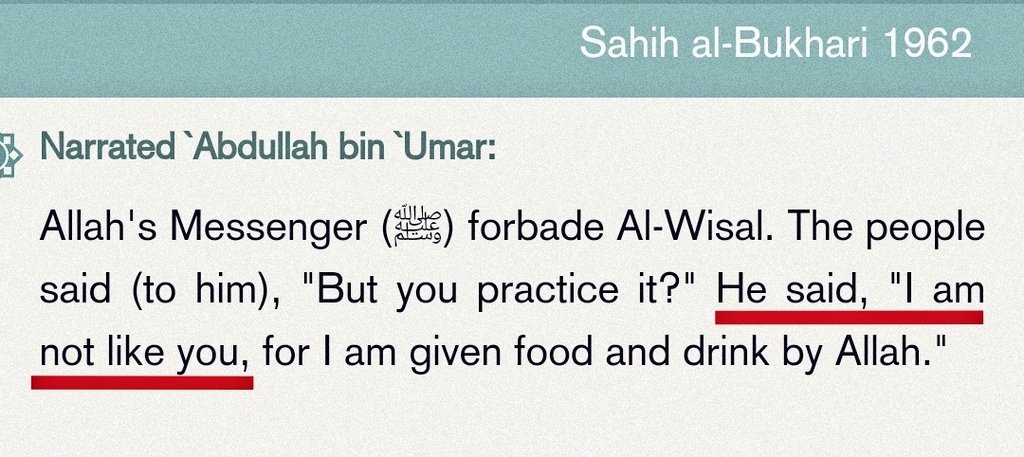
The Prophets are humans, yet they are distinguished and unlike anyone of us.
“Since, although he is from among us, he does not resemble us..
We are entirely like copper, and Muhammad is like the alchemical elixir.”
— Rumi
3
34
133
9,268
🙂 retweeted
Jun 8
Honestly and academically speaking, is this the Aqida of Ahl al-Sunnah (Ash'aris and Maturidis)?
Genuinely interested in the opinions of Tullab al-'Ilm on here (polemics and 'loyalties' aside).
20
22
90
22,031
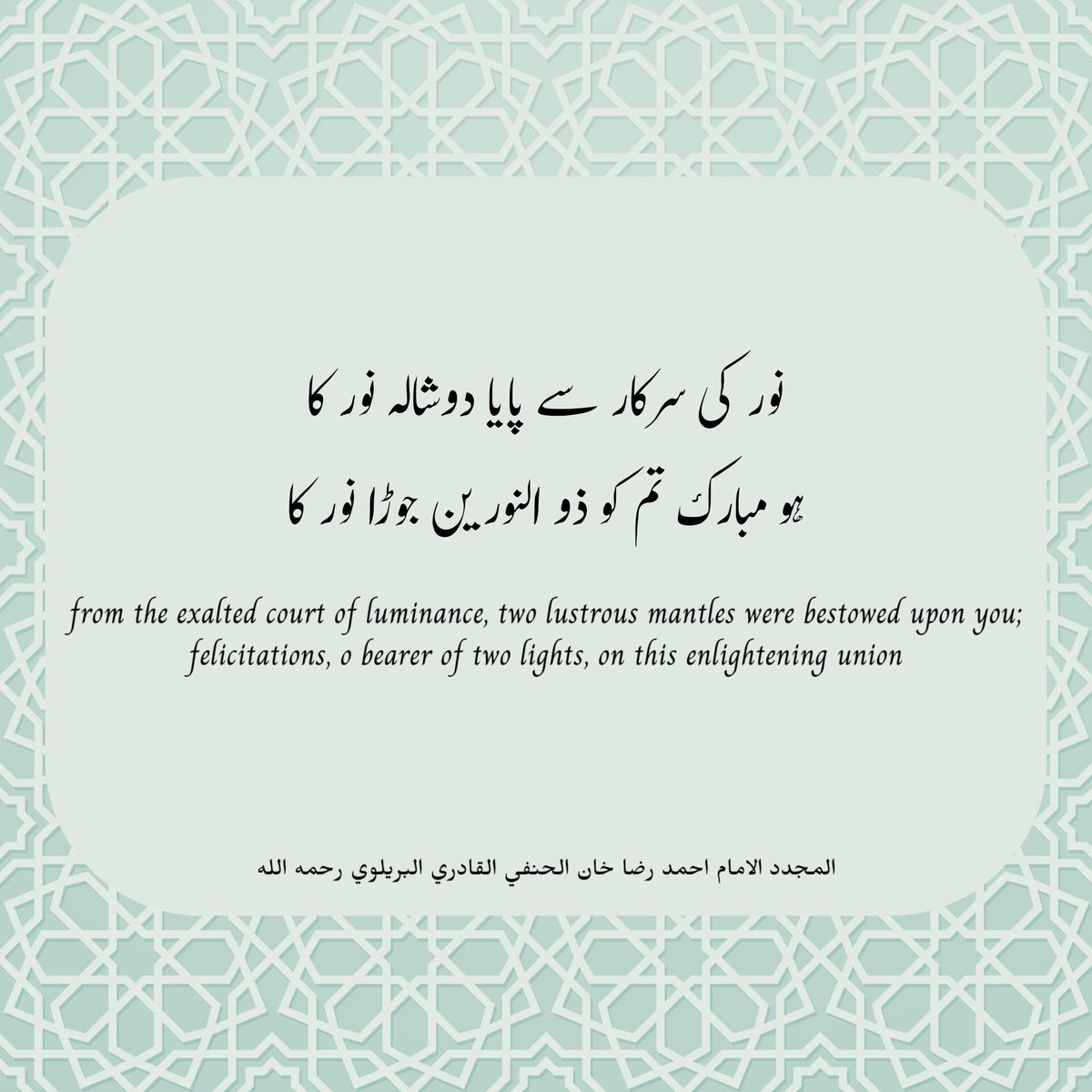
Within this enchanting stanza, al-Imam Ahmad Ridā Khān marvels at the blessed fortune of Sayyidunā Uthmān, the bearer of two lights, as he was joined in matrimony with two daughters of Sayyidunā RasūlAllāh ﷺ
al-Fātihah for Amīr al-Mu'minīn who passed away on 18 Dhu al-Hijjah
2
40
136
13,521
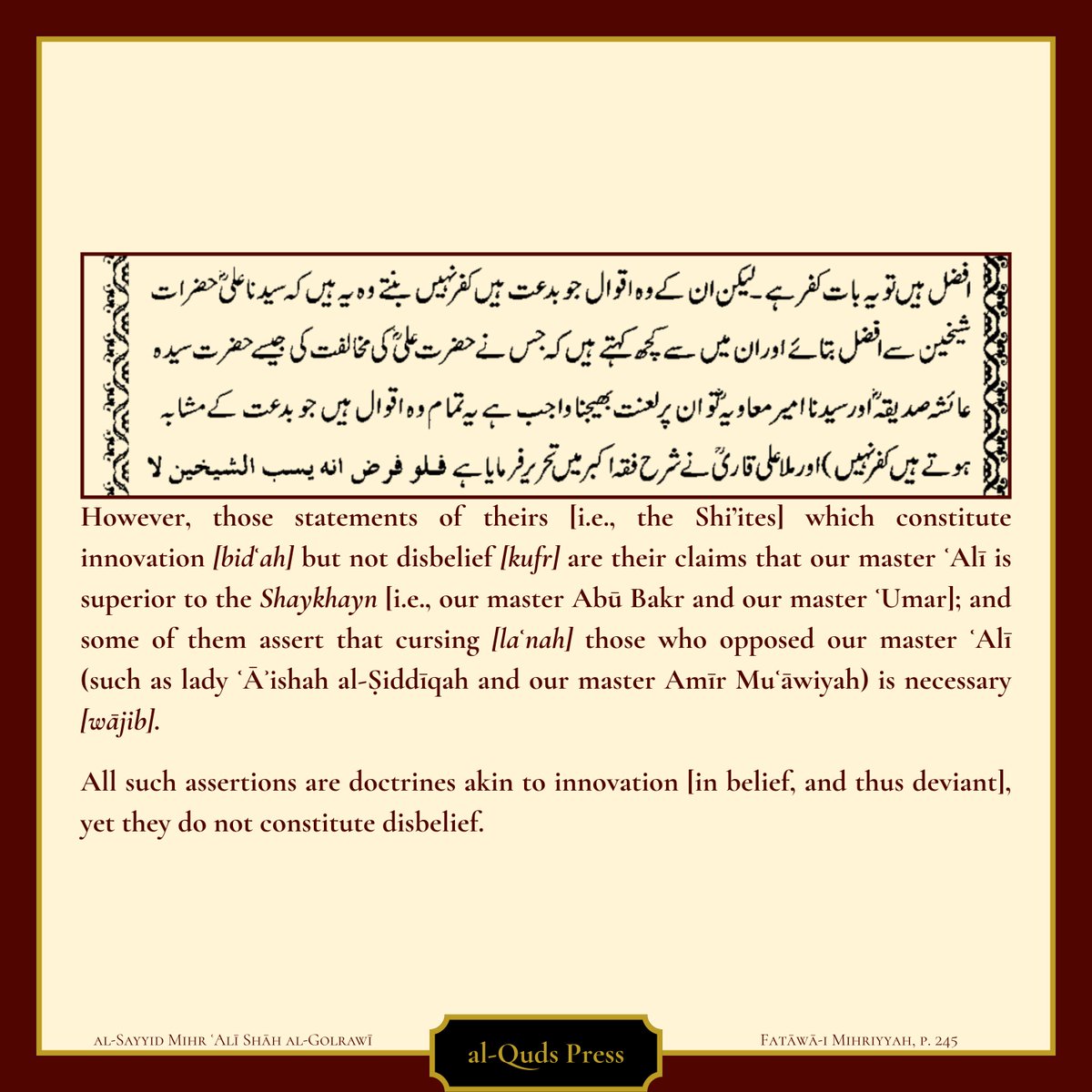
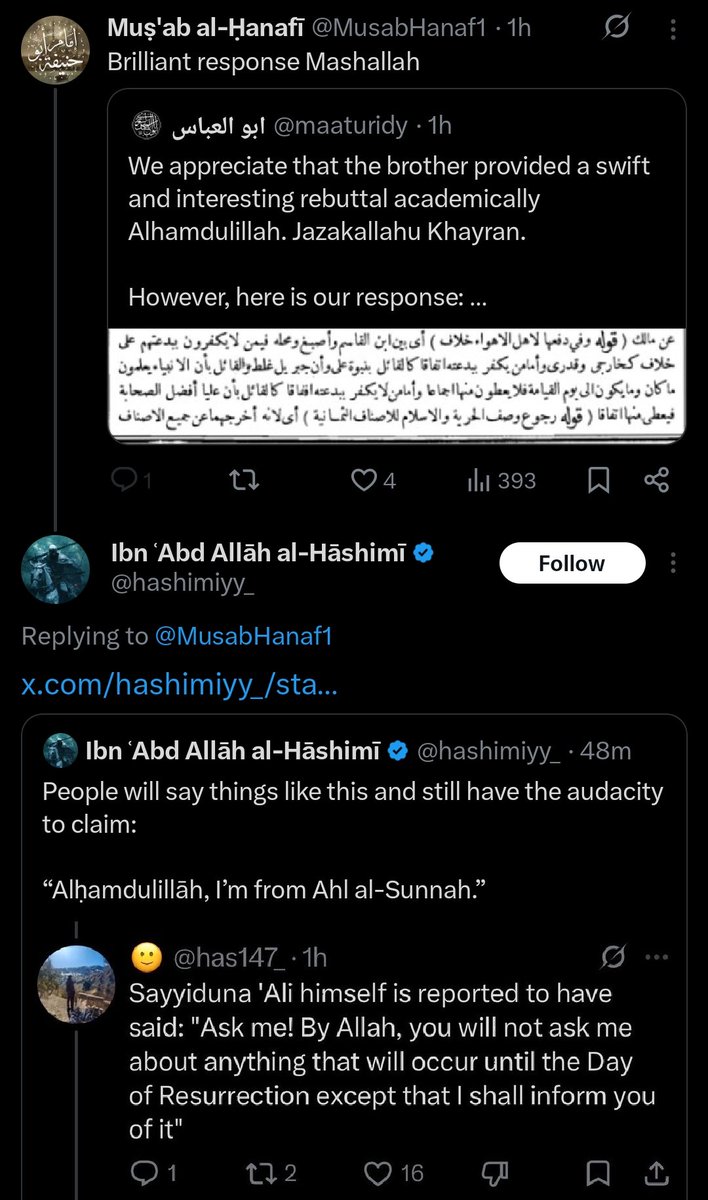
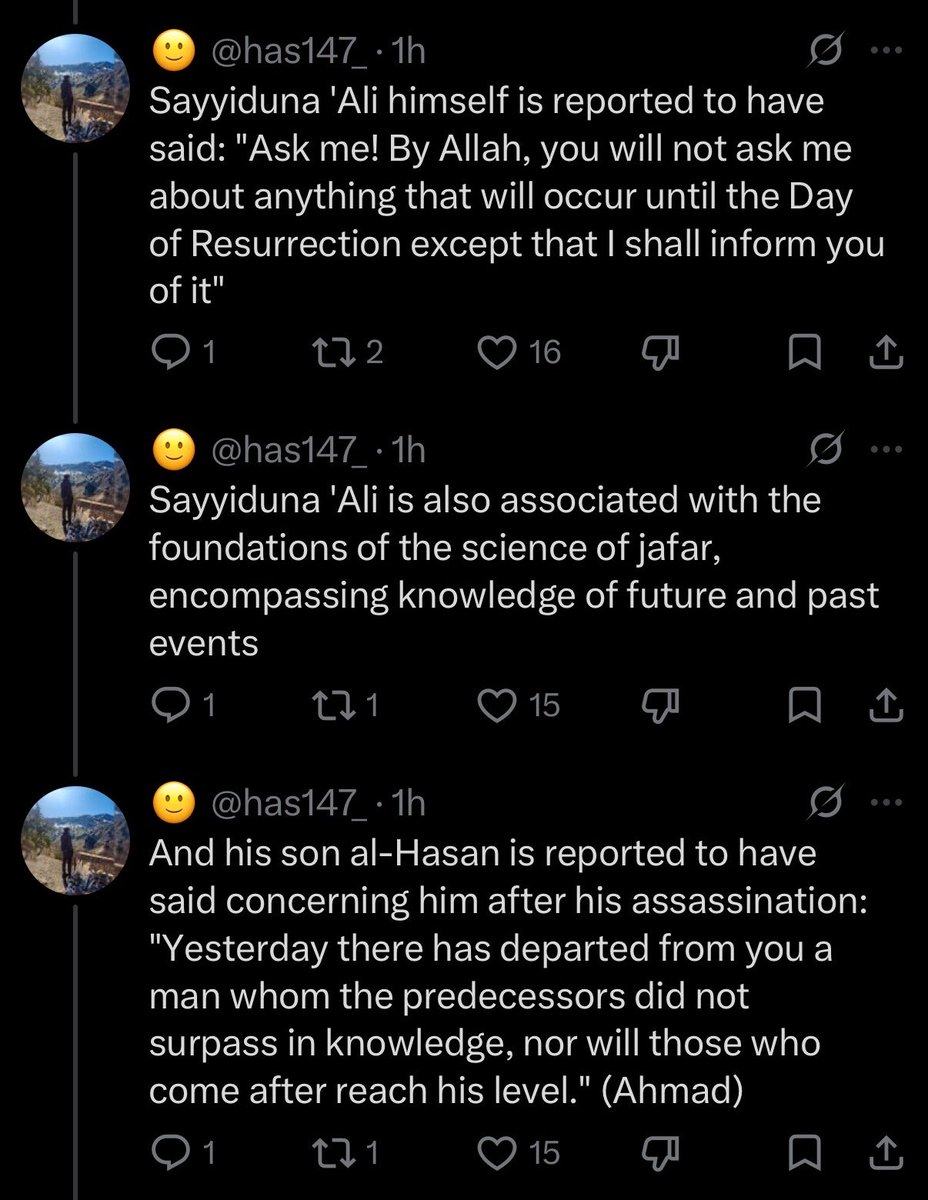
Never thought I'd see the day when some Twitter whacko would accuse me of Rifd
The funniest thing is that I was clearly paraphrasing from some Maliki scholars 😂

People will say things like this and still have the audacity to claim:
“Alḥamdulillāh, I’m from Ahl al-Sunnah.”
5
5
38
3,023
There is much to disentangle here
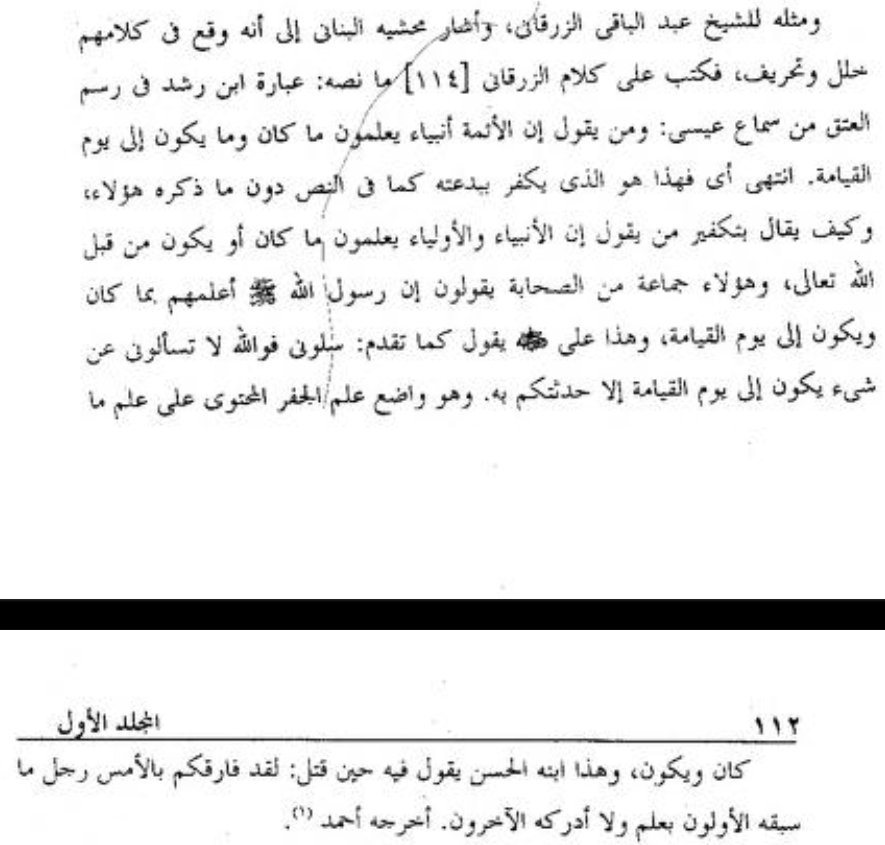
1. Both quotes mention alternative wordings (Imams ARE Prophets instead of Imams AND Prophets)
2. The Maliki Muhaddith, Muhammad b. Ja'far al-Kattani explained these statements in his book
3. Many Maliki scholars attested to Alahazrat's Dawlah
May 31

Mālikiyyah takfīrring Ahmad raza khan yet again
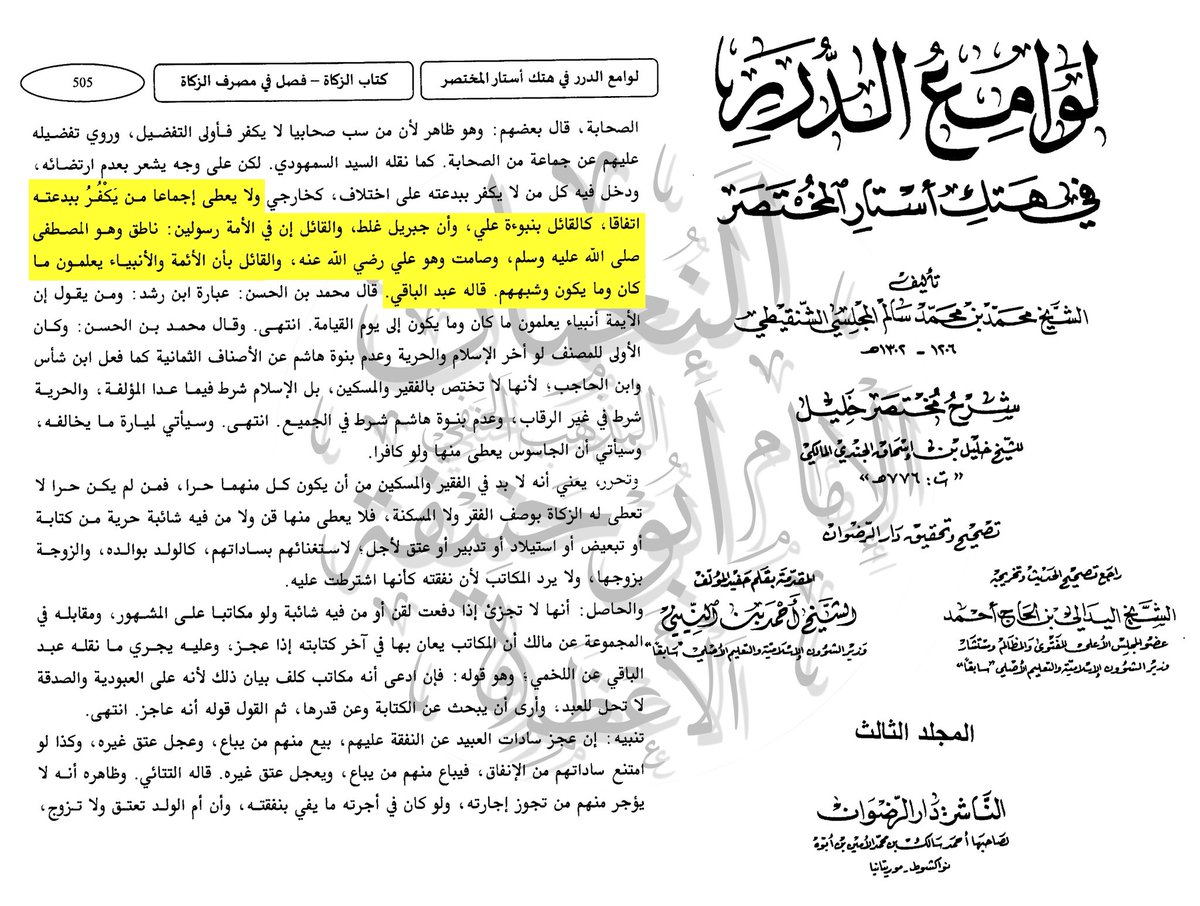
ʾImām ash-Shinqīṭī (رحمه الله) writes,
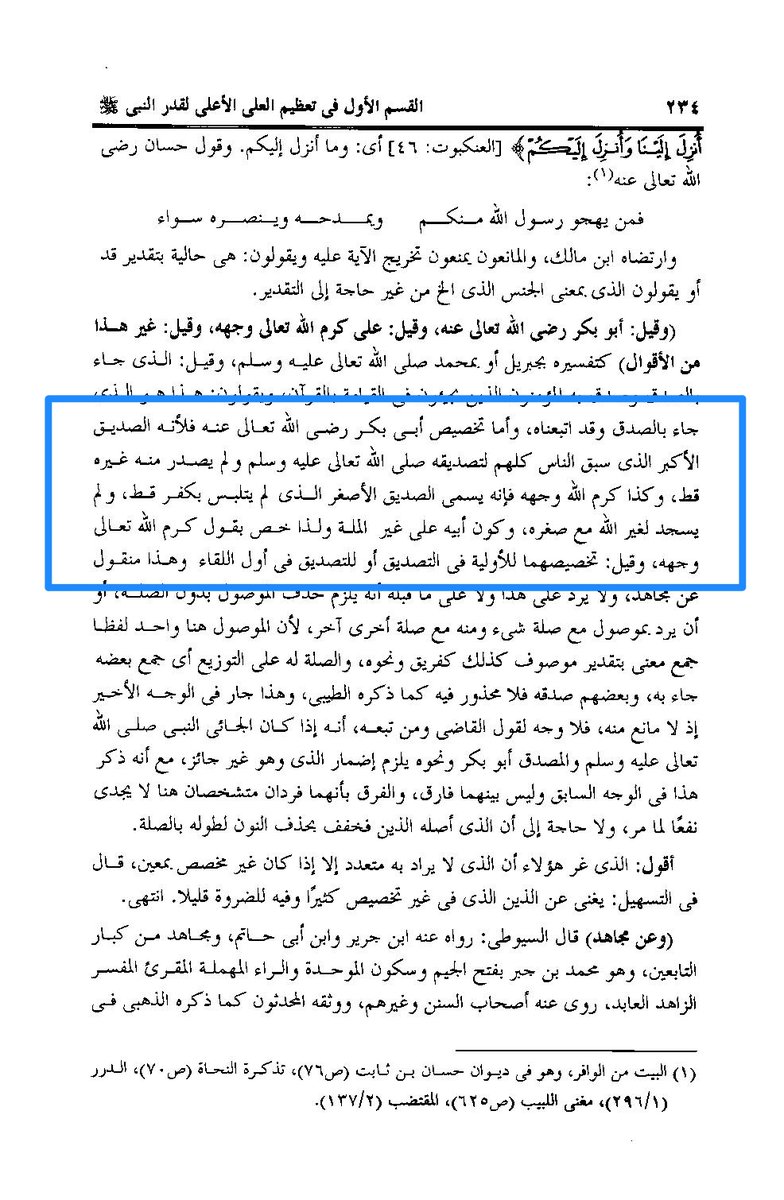
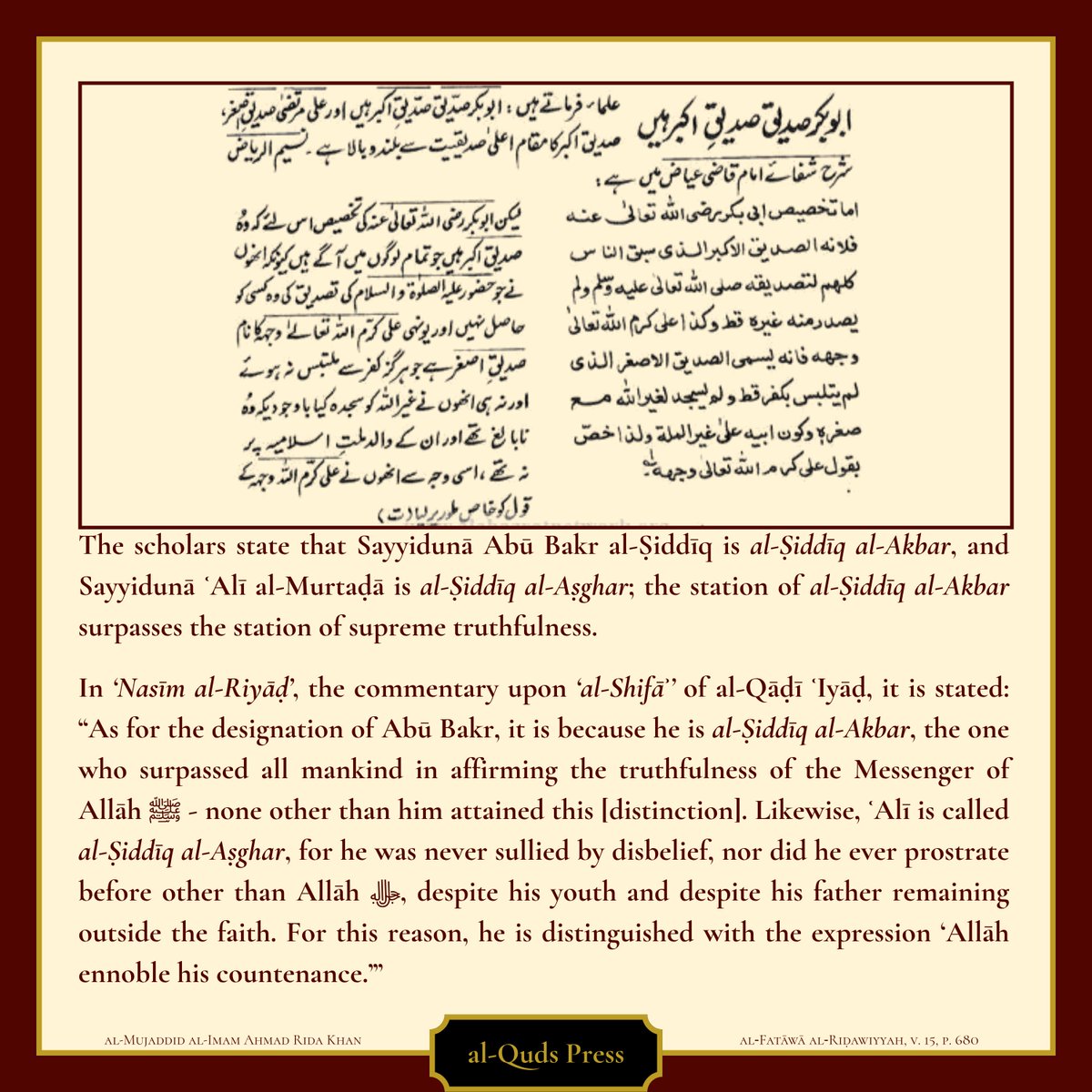
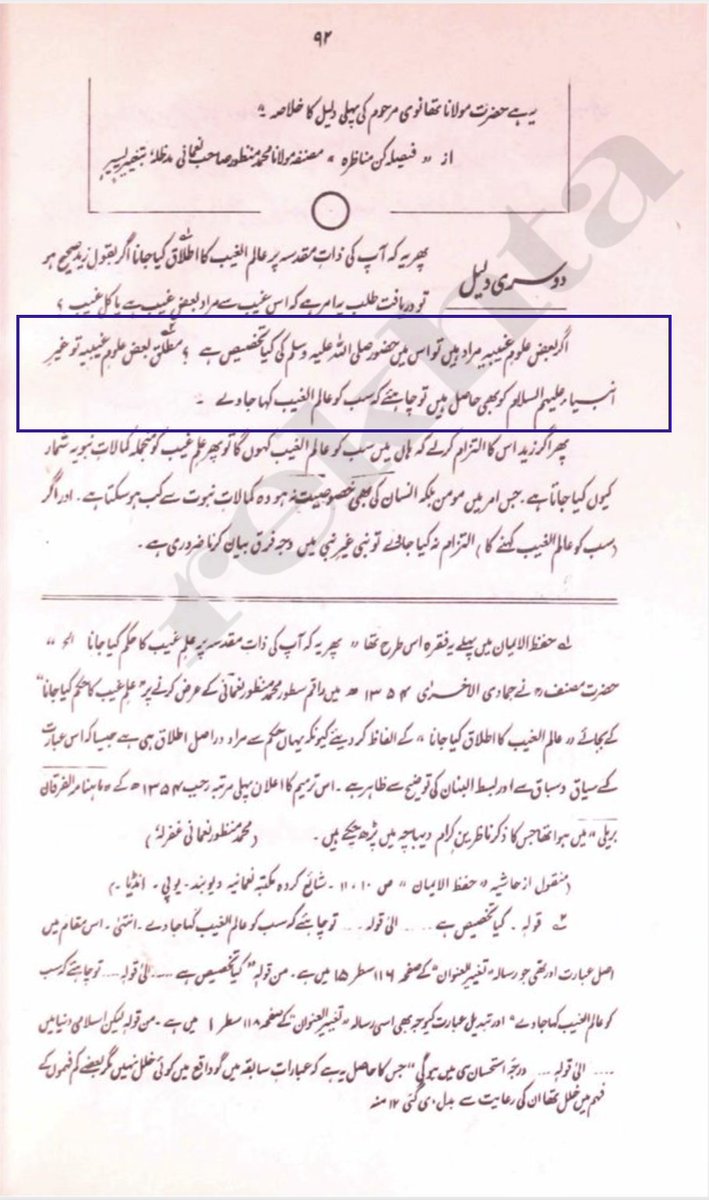
And by consensus, zakāh is not given to one who is declared a disbeliever due to his innovation, by agreement—such as the one who claims the prophethood of ʿAlī, and that Jibrīl made a mistake; and the one who says that there are two messengers in the Ummah: a speaking one, and that is al-Muṣṭafā ﷺ, and a silent one, and that is ʿAlī (may Allah be pleased with him); and the one who claims that the Imams and the Prophets know what has been and what will be, and similar beliefs. This was stated by ʿAbd al-Bāqī [az-Zarqānī].
╾ Lawāmiʿ al-Durar (3/505)╼
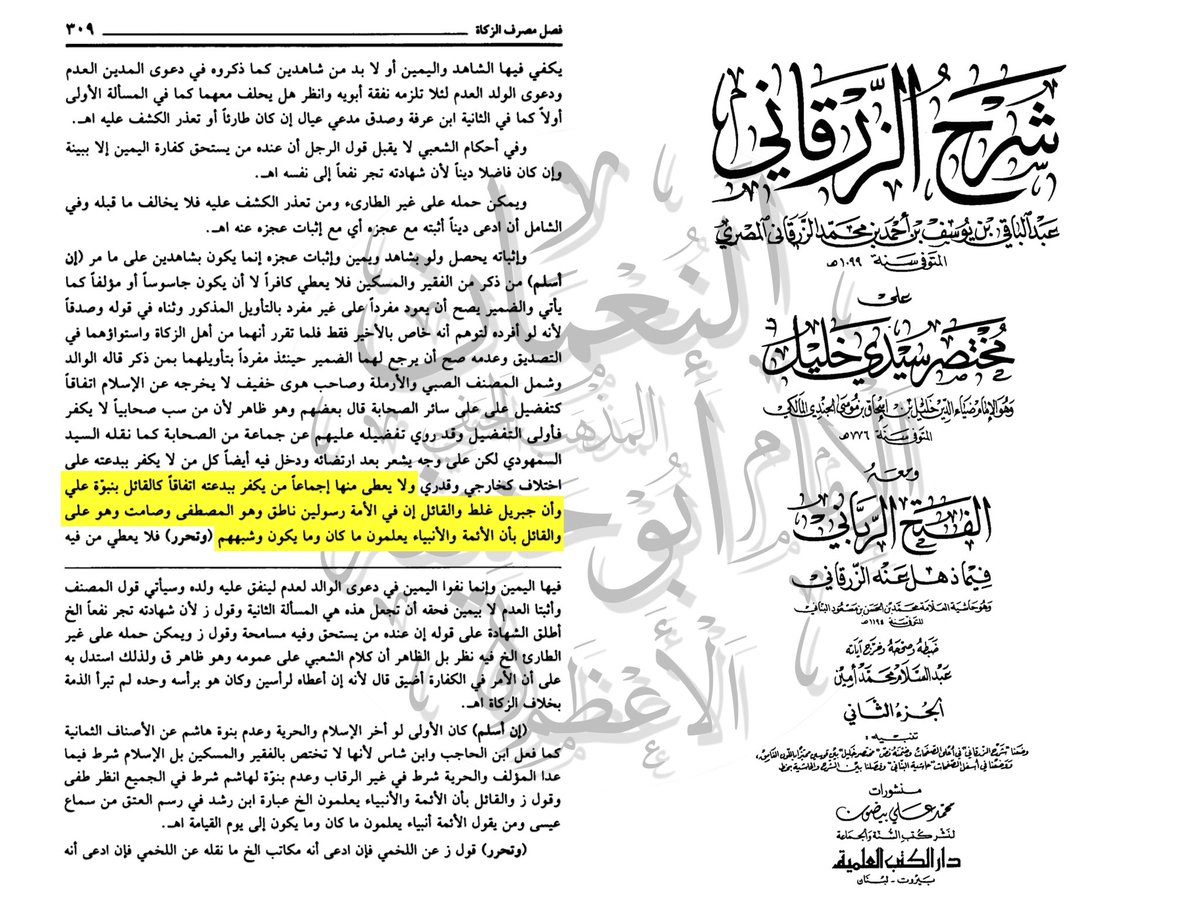
ʾImām az-Zarqānī (رحمه الله) writes,
And (zakāh) is not given from it, by consensus, to one who is declared a disbeliever due to his innovation, by agreement—such as the one who claims the prophethood of ʿAlī, and that Jibrīl made a mistake; and the one who says that there are two messengers in the Ummah: a speaking one, and that is al-Muṣṭafā (the Prophet ﷺ), and a silent one, and that is ʿAlī; and the one who claims that the Imams and the Prophets know what has been and what will be, and the like of these beliefs.
╾ Sharḥ az-Zarqānī ʿalā Mukhtaṣar Sayyidī Khalīl (2/309)╼
Oh barelwīs your founding figure himself states, the Prophet ﷺ knows what has been and what will be, however the Mālikiyyah may Allah bless them have states its kufr by agreement.
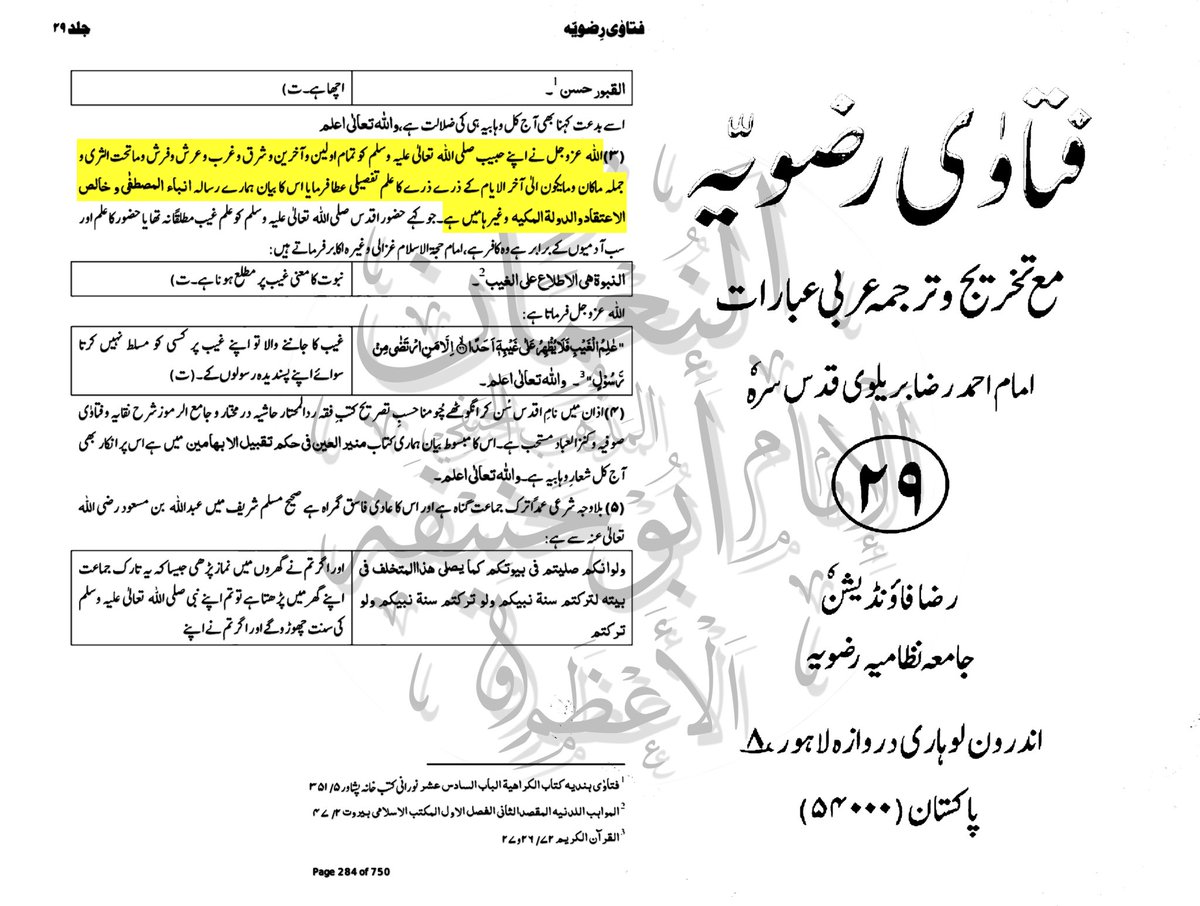
Barelwī sect founder Aḥmad Riḍā Khān writes,
Allah granted His beloved ﷺ detailed knowledge of every single particle of all that was among the first and the last, the east and the west, the Throne and what lies beneath the earth, and everything that has been and will be until the end of days. The explanation of this is found in our treatises Anbāʾ al-Muṣṭafā, Khāliṣ al-Iʿtiqād, al-Dawlah al-Makkiyyah, and others.
*╾ Fatāwā Riḍawiyyah (29/284) ╼
1
14
47
3,787
Point 3
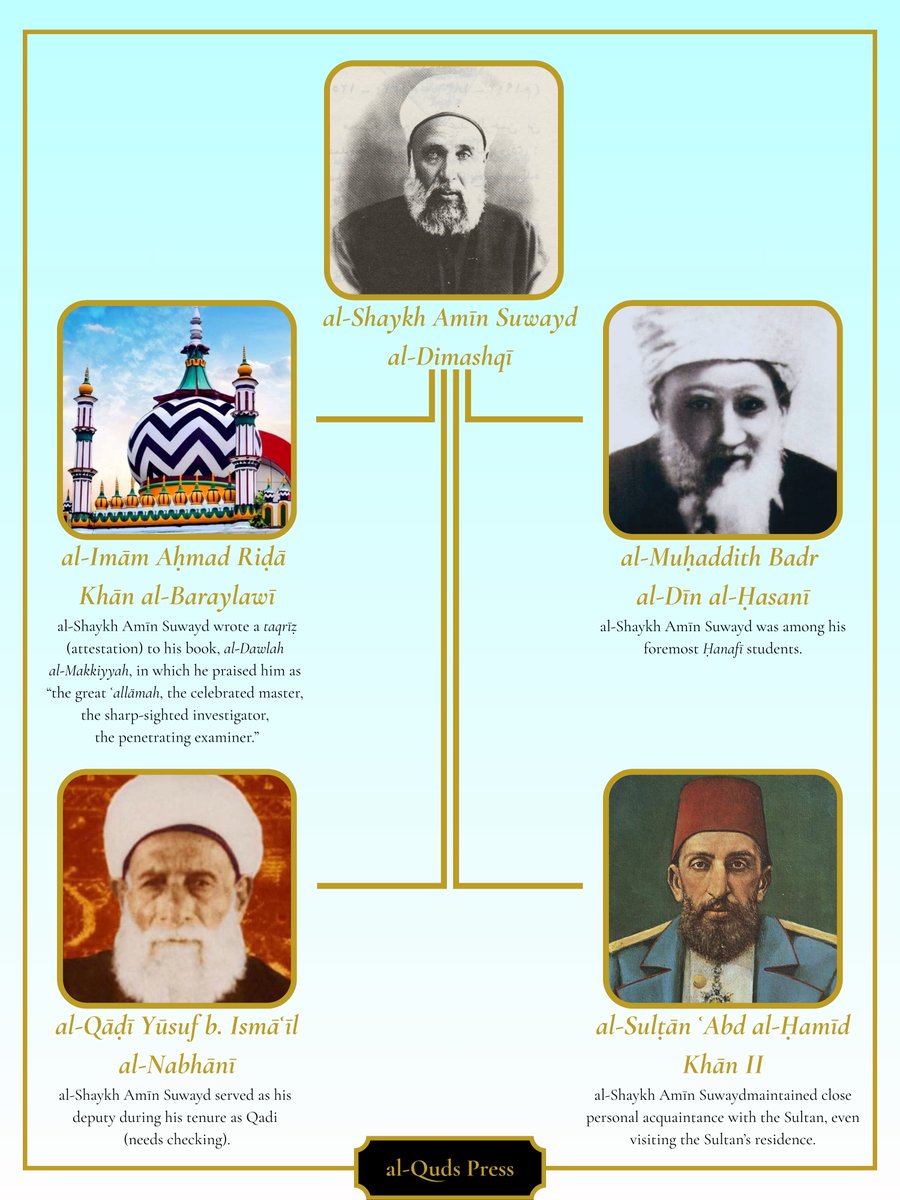
'al-Dawlah al-Makkiyyah bi al-Madah al-Ghaybiyyah' was an almost universally accepted book - it has around 80 attestations from leading scholars, like the Kattanis in Morocco, al-Imam al-Nabhani in Palestine, and the students of al-Imam Badr al-Din al-Hasani in Syria
2
5
30
557